Article
Search results:
-
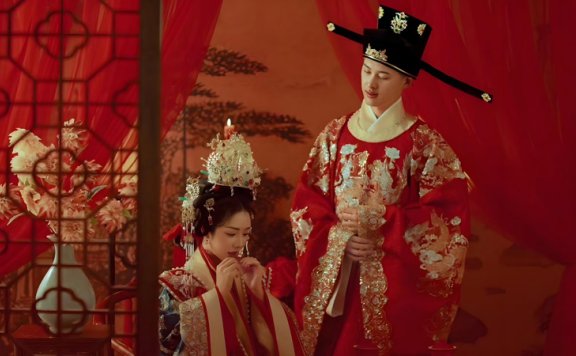
Hanfu Wedding Secrets: Red Attire Across Ages
Hanfu wedding attire, rooted in ancient Chinese traditions, embodies a "secret code" woven through millennia of cultural evolution. From the Zhou Dynasty's solemn rituals to the Ming-Qing era's vibrant celebrations, each garment—be it an embroidered robe or a phoenix crown—serves as a living archive. This attire not only marks marital unions but also reflects shifting societal norms, dynastic decrees, and philosophical ideals like yin-yang harmony. Today, as couples revive these practices, they unlock a visual language that spans dynasties, transforming weddings into historical reenactments. The red hues and intricate details narrate stories of class, cosmology, and continuity, making every stitch a testament to China's enduring heritage. This sartorial code, which governs every hue, stitch, and accessory, transforms weddings into living archives of cultural memory. Colors Through Centuries Early dynasties favored "Xuan-xun" (玄𫄸) tones—deep black symbolizing heaven and reddish-purple representing earth—as seen in Zhou-era ceremonies. These colors, prescribed in texts like Zhou Li (周礼), mirrored cosmic balance and were reserved for nobility. By the Tang Dynasty, imperial edicts allowed commoners to wear bright red and green, creating vivid contrasts in art, such as Dunhuang (敦煌) murals depicting joyful processions. The shift to all-red dominance began under Ming Emperor Hongwu's (明洪武) decree… -
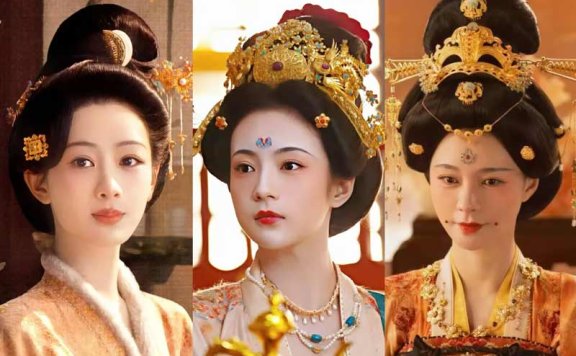
Hairpins and Wigs: The Art of Ancient Chinese Hairstyling
Ancient portraits and modern period dramas showcase women with gravity-defying towers of hair. From The Glory's (雁回时) intricate Ming-style coiffures to the Tang Dynasty grandeur in Flourished Peony (锦绣芳华), these elaborate styles spark wonder. How did historical figures achieve such volume? The answer lies not in mythical hair growth, but in ingenious artifice. Long before modern extensions, ancient artisans crafted sophisticated hairpieces known as Ji (髻)—the foundation of historical hairstyling. Materials of Illusion Far from relying solely on precious human hair, craftsmen employed diverse resources. Excavations at Astana Graves in Xinjiang revealed a lacquered wooden Ji shaped like a "single-blade half-upturned bun." This hollow structure, painted black with white floral motifs and clouds, featured small holes for securing hairpins. Wearers concealed their natural hair within this lightweight frame, creating instant volume and a base for ornaments. Another ingenious example used dyed palm fibers. Wrapped around a linen core and shaped into spirals, these pieces offered a ready-to-wear solution. Early classifications in the Zhou Li (周礼) distinguished types: the ornate Fu (副), the simpler Bian (编), and the blended Ci (次). Later terminology simplified to Bi (髲) and Ti (鬄). Materials ranged from affordable palm and horsehair for daily use to… -
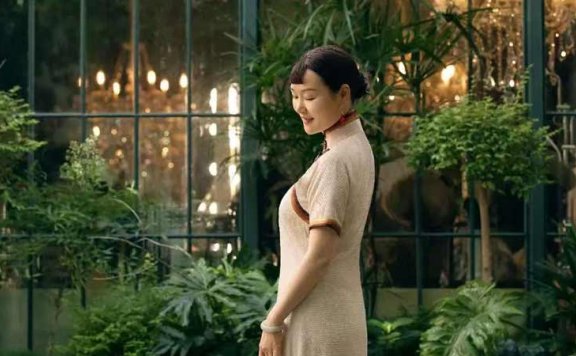
Finding Your Perfect Shape: The Art of Qipao Length
Selecting the ideal Qipao length is far more than a simple measurement; it's a nuanced decision shaping elegance, proportion, and personal confidence. This iconic garment demands careful consideration of individual physique, the occasion it will grace, and the specific design language of the dress itself. The right length acts as a sculptor, enhancing natural lines and creating a harmonious silhouette, while an ill-fitting choice can inadvertently highlight areas one might prefer to subtly downplay. Understanding how different lengths interact with your body and the garment's inherent flow is paramount to unlocking the Qipao's timeless allure. The Evolution of Qipao Length The journey of the Qipao length reflects shifting societal norms and practical needs. Early iterations in the 1920s, heavily influenced by late Qing Dynasty styles, often featured dramatically long hemlines, sometimes even brushing the floor. This required wearers to lift the skirt while walking, a style impractical for contemporary life. By the 1940s, wartime austerity measures and a push for practicality led to significant shortening, with lengths typically settling around the mid-calf area. While functional for daily movement, this specific mid-calf length can, by modern standards, sometimes visually truncate the leg line, potentially making the wearer appear shorter or wider… -
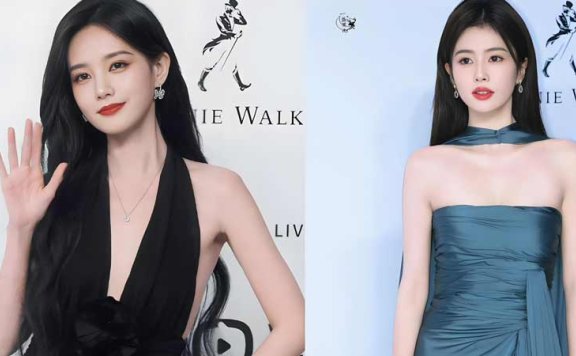
Chinese Stars' Uncanny Doubles: Seven Pairs Like Mirror Images
In the world of Chinese entertainment, celebrity lookalikes often spark fascination, with some pairs sharing such striking resemblances that they could pass for twins, despite having no blood ties. These uncanny doubles not only confuse fans but also highlight the quirks of fame, where appearances become talking points. From singers to actors, each duo offers a glimpse into how genetics and style converge in unexpected ways, creating moments that captivate audiences worldwide. 1. Bai Lu and Li Yitong When Bai Lu (白鹿) and Li Yitong (李一桐) performed together on a national stage, their matching outfits and near-identical looks had viewers mistaking them for sisters. Born in 1994 and 1990 respectively, this four-year age gap doesn't diminish their shared delicate features and graceful stage presence. Fans often debate who is who in photos, adding to their viral appeal. Despite their visual similarities, their personalities shine differently. Li Yitong exudes a sweet, gentle charm in her roles, while Bai Lu is known for her infectious laughter and lively energy. This contrast became evident on variety shows like Keep Running (奔跑吧), where Bai Lu's humor boosted ratings. Both have built solid careers, with Bai Lu rising through dramas and Li Yitong gaining fame… -
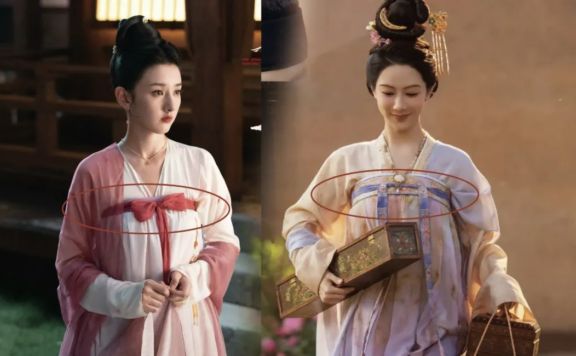
Why Tang Women Not Afraid of Qixiong Skirts Falling Off?
In ancient costume dramas or some images of Hanfu from the Tang Dynasty, you can often see these skirts that are directly tied around the chest. After all, there were no designs like elastic bands or safety pins for such skirts in ancient times. Did they rely entirely on large breasts to hold them up? Wouldn't they fall down? First, let's state the conclusion. In fact, this kind of skirt is supported by conforming to human engineering and the friction of the fabric. Moreover, this popular way of wearing was prevalent in the Tang Dynasty, and the plump body shape could also support such clothes. In addition, there were also designs like spaghetti strap dresses in history, so girls had a wide range of choices. Popularity in Tang Dynasty Why was this way of wearing popular in the Tang Dynasty? By the Sui and Tang Dynasties in the history of our clothing development, the waistline of skirts became popular to move upwards, especially during the prosperous Tang Dynasty and later. This was related to the confidence of women in their figures at that time and the trend of advocating a plump and strong body shape. Now, the common folk name… -
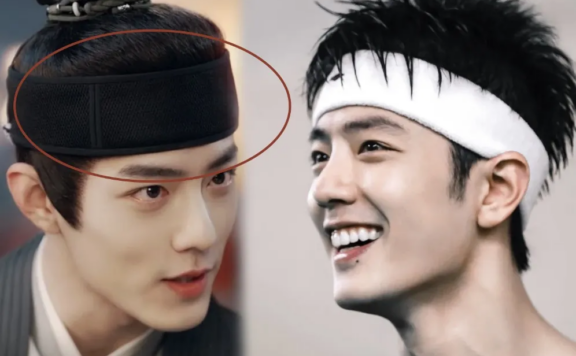
What's the Name of the Hairband in The Legend of Zang Hai
In the ancient costume cdrama The Legend of Zang Hai, when Xiao Zhan's character Zang Hai makes his appearance, he wears a similar 'hairband'. Netizens are saying, 'Isn't this the essential hairband for modern sportswear? Was it already around in the Ming Dynasty?' Let's start with the answer. It's a 'net cap' from the Ming Dynasty, more precisely, a simplified version of the Lazy Net Cap (懒收网巾) that was popular in the late Ming Dynasty. The net cap was a net-like headdress used by adult men in Ming Dynasty China to tie up their hair and gather loose strands. It has the same function as modern 'hairbands'. It can not only gather loose hair but also prevent hats from slipping. It's actually quite practical. The net cap could be worn alone in daily life. In the Ming Dynasty, people of status had to wear a cap over the net cap when attending important occasions. However, for convenience in daily life or among common people, they often didn't need to wear other hats after putting on the net cap. The popularity of the net cap can be attributed to Zhu Yuanzhang. It's said that one day, Zhu Yuanzhang visited the Shenleguan… -
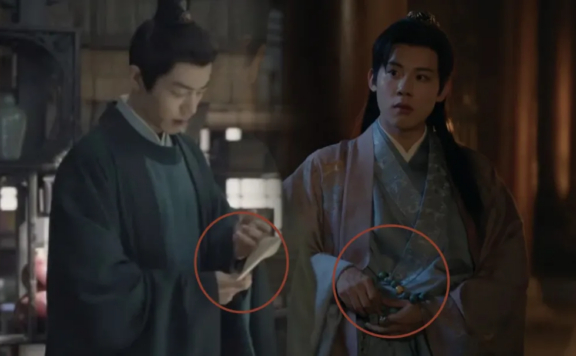
Exploring the Pockets in Cdrama: The Legend of Zang Hai
In the costume TV drama The Legend of Zang Hai, played by Xiao Zhan, can put letters in his sleeves. Can such seemingly large sleeves really hold things without them falling out? Let's start with the conclusion. In the past, most sleeves that could hold things had cuffs. Those completely open large sleeves were mainly for ceremonial purposes and generally couldn't hold things directly. Usually, there would be attendants following to carry bags. And Zang Hai's sleeves clearly have cuffs, so things can be directly stuffed into them. Additionally, apart from sleeves, the ancients also used handbags and backpacks. So, when we see characters like Zhuang Er taking out or stuffing things from their bosoms or belts, we can't help but wonder if it's uncomfortable. Moreover, things would fall out once the belt was loosened. Back to the issue of sleeves, there were actually some "tricks" in the design of ancient people's sleeves. Generally speaking, cuffed sleeves have two characteristics. One is the type with narrow - ended sleeves, such as the pipa - shaped sleeves popular in the Ming Dynasty and the hanging - beard sleeves popular in the Han Dynasty. The shape of these sleeves naturally forms a… -
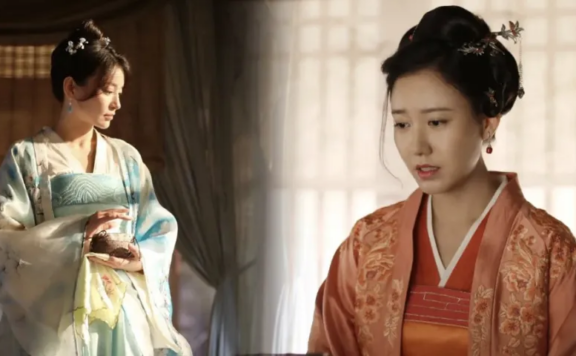
Popular Cdrama Hairstyle - Two Strands of Hair
In the period drama The Story of Minglan, there's a line about "loosening the hair buns and letting the hair fall, imitating the styles of courtesans". Is leaving two strands of bangs by the temples really a style of the demimonde? Is there really such a saying? Then, have most period dramas nowadays fallen into this trap? Let's start with the conclusion. Many of us now call a similar hairstyle the "catfish whiskers". In fact, it also has a prototype. For example, during the Han and Jin dynasties, especially after the Eastern Han, there were two strands of hanging hair called "chuí tiáo" (垂髫). You can see this in themes like paintings of immortals in the Wei and Jin dynasties and the hairstyles of ancient children. Strictly speaking, this kind of chuí tiáo is not bangs, but neatly arranged strands of hair falling from the hair bun, forming a decorative structure. However, the period when this hairstyle with hanging strands on both sides was popular was relatively short, mainly during the Wei and Jin dynasties, the so - called era of "Wei and Jin elegance". It's still different from the "catfish whiskers" we see in today's cdramas. Even though later… -
Zhao Jinmai's Style Outlook and the Art of Dressing
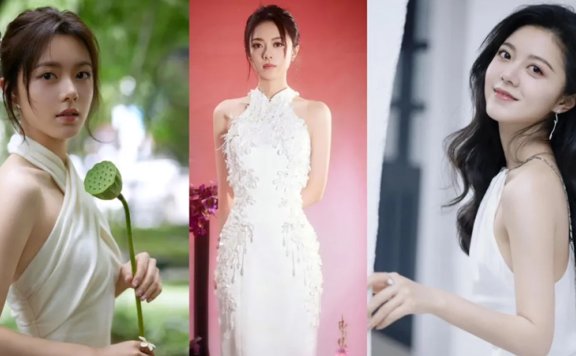
Emerging from a celebrated child star background, Zhao Jinmai (赵今麦) has captivated audiences with her compelling performance in the hit drama Reset (开端). Beyond her acting prowess, her sophisticated yet accessible fashion sense and thoughtful philosophy on artistry reveal a young woman balancing gentle charm with remarkable resilience. Career Evolution Zhao Jinmai's artistic journey began early, with roles that showcased her natural screen presence. Her breakthrough came with Reset, where her portrayal of Li Shiqing (李诗晴)—a character blending vulnerability with steely determination—resonated deeply. Critics noted her ability to convey complex emotions through subtle gestures, a skill honed over years of diverse roles. Unlike many child stars struggling to transition, Zhao Jinmai deliberately sought challenging projects, stating in interviews, "I want my work to speak for itself, to reflect substance over spectacle." Her filmography now spans genres, from coming-of-age stories to suspense thrillers, each performance layered with authenticity. This dedication to craft stems from a disciplined mindset. She approaches each role with meticulous preparation, studying scripts and characters to uncover nuanced motivations. Her co-stars often praise her professionalism and collaborative spirit on set. Rather than chasing fame, Zhao Jinmai focuses on artistic growth, viewing every project as a learning opportunity. This… -
Zhang Bichen: Defiance in China’s Music Spotlight
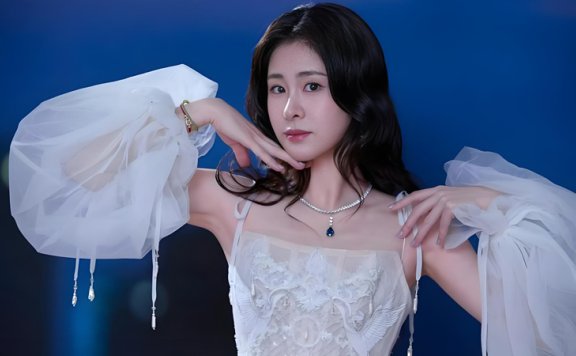
The story of Zhang Bichen (张碧晨), China’s audacious songstress, reads like a blockbuster script. From her meteoric rise on Sing! China (中国好声音) to headline-grabbing personal controversies, Zhang’s career is a masterclass in fearless ambition. Her refusal to back down—whether confronting industry giants or navigating personal storms—has cemented her reputation as pop’s unwavering rebel. This relentless spirit, however, now threatens to eclipse her musical legacy. Korean Dreams, Solo Struggles Born in 1989 to a Tianjin businessman and a museum curator, Zhang’s early love for music clashed with her parents’ pragmatism. She studied French locally, abandoning plans for Beijing’s Central Academy of Drama. But fate intervened when a Sino-Korean singing contest offered an unexpected lifeline. Defying her family, Zhang boarded a plane alone to become a K-pop trainee—a grueling gamble in an industry notorious for its cutthroat competition. Her time in Seoul was marked by punishing rehearsals and isolation. Yet the resilience forged there became her trademark. In 2014, she returned to China and stunned audiences on Sing! China, winning Season 3 with her haunting rendition of Where Did the Time Go? Overnight, the former trainee became a star, her voice echoing through households nationwide. The victory was more than a breakthrough—it… -
Yang Yang's "Grease King" Journey: Han Li Rebrands His Image
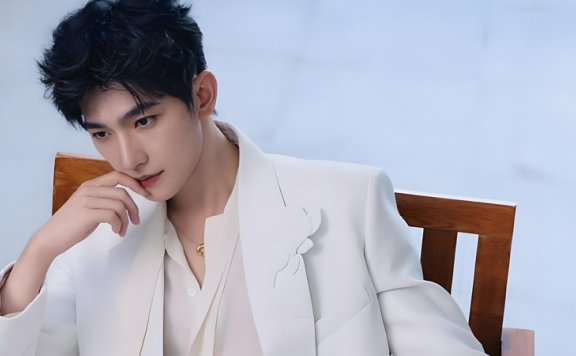
For two years, Yang Yang (杨洋) seemed to vanish. Following intense criticism labeling his performances stiff and overly self-conscious – even coining him the "Grease King" after the poorly received drama Fireworks of My Heart (我的人间烟火)– the once-bankable star retreated from the limelight. Audiences questioned if he could shed the "oily" persona that had overshadowed his earlier successes, like the breakout role in The Grave Robbers' Chronicles (盗墓笔记). The industry, ever-shifting, moved forward. Yet, Yang Yang chose stillness. He declined new projects, focusing solely on one: embodying Han Li (韩立), the introverted protagonist in the fantasy epic The Immortal Ascension (凡人修仙传). This deliberate pause, this commitment to craft over visibility, set the stage for an unexpected and powerful resurgence. His return isn't just a comeback; it's a revelation of an actor reborn through patience and purpose. Han Li: The Turning Point The premiere of The immortal Ascension sparked immediate discussion. Viewers quickly noticed something different in Yang Yang’s portrayal of Han Li. This wasn't the perfectly coiffed, posture-perfect star of old. Han Li is reserved, watchful, often overwhelmed by the brutal realities of the cultivation world. In a pivotal scene, Han Li receives news of acceptance into a coveted sect. Yang… -
Why The Princess's Gambit Lagged Behind Competing Dramas
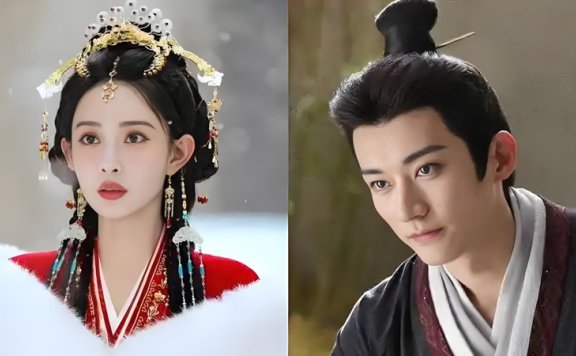
The historical drama The Princess's Gambit (桃花映江山), starring Liu Xueyi (刘学义) and Meng Ziyi (孟子义), premiered to high expectations but quickly saw a drop in viewership. Audiences and critics pointed to various reasons, from off-screen chemistry issues to an outdated storyline. This article explores why it couldn't match the success of shows like A Dream within a Dream (书卷一梦), examining the role of promotional dynamics, plot fatigue, and competitive pressures. By dissecting these elements, we uncover broader trends in viewer preferences during the 2025 drama season. The Off-Screen Dynamic Criticism often centered on the perceived lack of chemistry between Liu Xueyi and Meng Ziyi. Many viewers blamed this for the drama's declining ratings, arguing that their off-screen interactions felt forced during promotions. Unlike Meng's previous hit Blossom (九重紫), where her playful rapport with the co-star boosted buzz, her reserved demeanor with Liu fueled fan theories of discord. This overshadowed their on-screen performances, leading to unfair accusations against Liu's acting skills. The contrast was stark in promotional events. Blossom thrived on lively interviews and social media banter, creating viral moments that drew in casual viewers. In The Princess's Gambit, however, the actors' minimal off-stage closeness made fans question their believability as… -
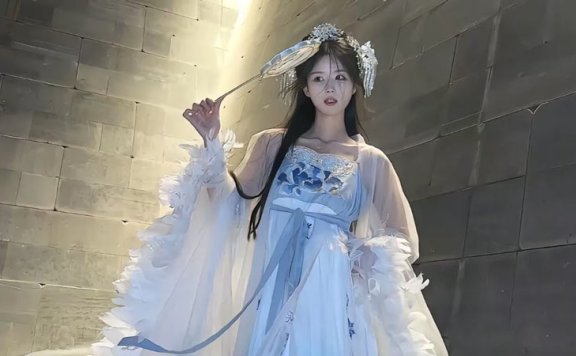
Wearing History: How Hanfu Reshapes Fashion and Identity
The rustle of silk on city streets signals more than a fashion trend. Across China and beyond, young people wearing flowing robes with wide sleeves and crossed collars aren't just dressing up—they're reviving a sartorial language spoken for millennia. Hanfu, the traditional attire of the Han Chinese, carries within its seams profound cultural narratives, aesthetic philosophies, and social codes that transcend mere costume. This resurgence isn't about recreating museum exhibits; it’s a dynamic reclamation of identity. Each fold in the fabric whispers stories of dynasties past, while the vibrant modern interpretations speak boldly to the present. Far from being static relics, these garments embody an evolving dialogue between heritage and innovation. Core Principles Woven in Hanfu distinguishes itself through fundamental design elements that carry deep symbolic weight. The cross-collar forming a "Y" shape visually represents the balance of yin and yang, reflecting ancient cosmological beliefs. The right-over-left lapel served historically as a cultural identifier for Han communities, contrasting with left-over-right styles associated with some neighboring groups. This distinction held such significance that Confucius remarked on its importance in defining civilized society. Equally characteristic are the absence of buttons, replaced by fabric sashes tying the garment, and the signature wide sleeves.… -
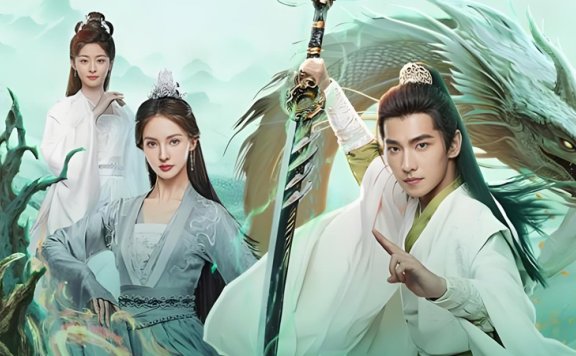
Wang Chan's Tragic Pursuit of Han Li in Mortal's Journey
Behind the gilded mask of the Ghost Spirit Sect's young master, Wang Chan (王蝉), lay a soul fractured by duty and a desperate hunger for paternal approval. Blessed with the rare Dark Spirit Root and destined to inherit the formidable Blood Spirit Grand Method, his path seemed ordained for supremacy within the Seven Sects. Yet, his meticulously crafted world collided violently with the cunning, survival-driven Han Li. Their encounters weren't mere skirmishes; they were brutal clashes of ambition against resilience, privilege against pragmatism, etching a trail of ruin that culminated in Wang Chan's devastating downfall. This is the saga of a privileged heir consumed by a vendetta born in the forests of Yanling Castle and ending in the desolate expanse of Cangku Cave (苍坤洞府), a testament to how inherited power can mask profound vulnerability. Poisoned Welcome at Yanling Castle Wang Chan arrived at the Yan family's Treasure Conference not merely as a suitor for Yan Ruyan (燕如烟), but as the harbinger of a meticulously orchestrated massacre. His marriage served as the perfect cover for the Ghost Spirit Sect's annexation of the Yan family and the brutal elimination of rival cultivators gathered there. Confident in his power and the element of… -
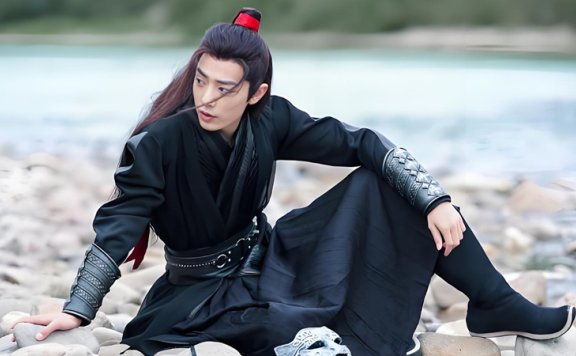
The Genuine and Approachable Side of Actor Xiao Zhan
Xiao Zhan (肖战) captivated global audiences with his intense portrayal of Wei Wuxian (魏无羡) in the 2019 phenomenon The Untamed (陈情令). This role cemented his status as a leading man known for powerful, often brooding characters. Yet, recent glimpses into his life reveal a delightful contrast to his on-screen personas, showcasing a youthful, authentic side that has surprised and charmed fans worldwide. This exploration delves beyond the actor's acclaimed performances, uncovering the genuine personality and relatable lifestyle that endear him to millions. Style Shift Stuns Observers Gone are the flowing robes and stern expressions of his dramatic roles. Recent candid shots showcase Xiao Zhan embracing a strikingly casual, almost boyish aesthetic. Think cozy cream hoodies paired effortlessly with wide-leg trousers, topped with a fuzzy baseball cap and trendy sneakers. The most unexpected touch? A large, cartoonish shoulder bag adding a playful vibe. This relaxed ensemble stands in stark contrast to the commanding presence fans associate with characters like Wei Wuxian or his modern CEO roles. The reaction was immediate and widespread. Fans expressed astonishment at the transformation, flooding social media with comments like, "I did a double-take! Is that really the same person?" Many highlighted the overwhelming sense of youthfulness… -
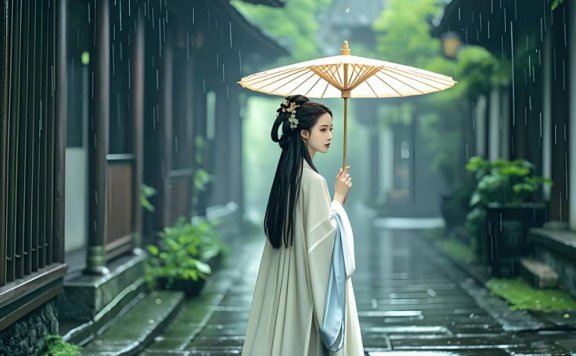
Rainy Jiangnan: A Symphony of Hanfu and Oil-Paper Umbrellas
The scene seems lifted from a classical scroll: narrow lanes paved with slick bluestone, veiled in a fine, persistent drizzle. A figure glides through the mist, the graceful lines of a Hanfu robe flowing like ink wash across damp paper. Beneath the shelter of a traditional oil-paper umbrella, the intricate layers of silk and linen whisper against the ancient walls. This is Jiangnan where the region's signature mist intertwines with the timeless elegance of traditional Han attire, creating moments where past and present dissolve into pure poetry. The delicate dance between fabric, rain, and architecture transforms the everyday into a living masterpiece, capturing an essence uniquely Chinese yet universally evocative. Canvas in Motion Jiangnan's rain possesses a particular quality—fine, persistent, softening the edges of whitewashed walls and black-tiled roofs. It’s within this atmospheric embrace that Hanfu finds a natural stage. The clean lines of a Song-style Beizi (褙子) jacket and pleated Sanjianqun (三裥裙) echo the minimalist beauty of the surrounding architecture. As the wearer moves, the hem skims the wet stones, the fabric absorbing the dampness, creating a visual echo of ink spreading on absorbent Xuan paper. This "aesthetics of dampness" becomes a photographer’s muse, raindrops beading on oil-paper umbrellas… -
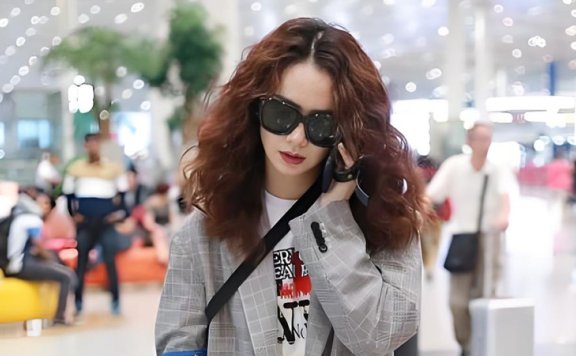
Qi Wei's Streetside Style: Grey Suit and Voluminous Curls
A recent glimpse into actress Qi Wei's (戚薇) latest film project captivated audiences not just for its stars, but for the striking fashion statement Qi Wei made on set. Spotted filming on the streets, Qi Wei, long celebrated for her bold personality and impeccable style, showcased an ensemble that perfectly blended power and allure. Her choice – a tailored grey pinstripe suit paired with an unexpectedly dramatic head of voluminous, wavy curls – instantly generated buzz online. This look, effortlessly merging sharp tailoring with a touch of playful extravagance, reaffirmed her status as a true fashion icon. Alongside her co-star Jiang Yiyi (蒋依依), Qi Wei commanded attention, proving that personal style can elevate even a casual filming moment into a memorable fashion event. The images quickly spread, sparking admiration for her ability to embody a modern, confident aesthetic. Camera Catches Fashion Icon Casual encounters with celebrities on film sets often offer unfiltered glimpses into their style, and Qi Wei’s recent street shoot was no exception. Photographs circulating online captured her fully immersed in a scene, yet her appearance was anything but ordinary. The immediate focus was her bold hairstyle: a cascade of large, defined waves framing her face. This "wool… -
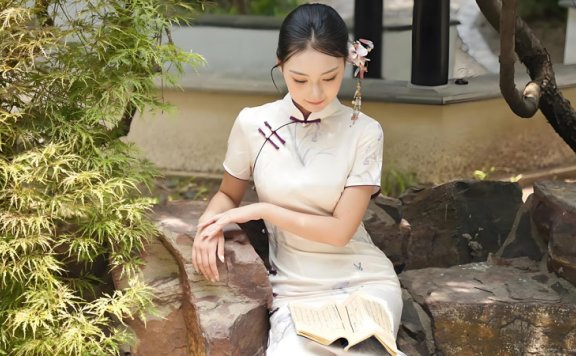
How Social Media is Reshaping the Cheongsam Movement
As global fashion cycles accelerate, a quiet revolution unfolds: young Chinese are rediscovering the cheongsam. No longer confined to elders or ceremonies, this iconic garment now graces streets, cafes, and social feeds, merging heritage with hyper-modernity. Its revival isn’t mere nostalgia but a dynamic reinvention—a canvas where tradition and individuality collide. Designers dismantle stereotypes, infusing classic silhouettes with audacious hues, digital prints, and streetwear accents. Meanwhile, Gen Z wears it not as costume but as cultural manifesto, proving that Chinese aesthetics transcend eras. This movement reveals how ancient beauty thrives when youth make it their own. The cheongsam’s resurgence springs from bold reimagining. Traditional forms—once dominated by crimson silks and floral motifs—now feature gradient dyes, geometric abstractions, and playful collabs with anime or pop art. A jade-green dress might pair watercolor landscapes with silver chain straps; another swaps chrysanthemum embroidery for pixelated glitches. These experiments honor craftsmanship while rejecting rigidity. For designers, "It’s about dialogue, not replication." Her collections blend Qing Dynasty tailoring with neon piping, drawing queues outside Shanghai boutiques. Young wearers seek distinction in a homogenized world, where cheongsams signal both roots and rebellion. Social platforms amplify this evolution. On Xiaohongshu, tutorials teach "cheongsam hacking"—layering them over jeans… -
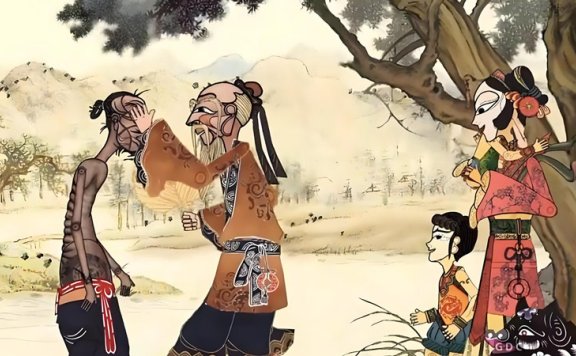
5 Chinese Animations That Shape Our Values
Chinese animation holds a unique mirror to the nation's soul. Beyond mere entertainment, a distinct category of films – often termed “philosophical animations” – weaves together threads of ancient scholar-gentry ideals, Buddhist and Daoist contemplations, and the enduring wisdom of the common people. These works, primarily suitable for audiences from middle school age upwards, don't just tell stories; they crystallize core aspects of Chinese cultural identity and values. Through masterful artistry and profound narratives, they explore timeless questions of existence, society, and the human spirit, offering young viewers a visually stunning gateway into the depths of Chinese philosophical tradition. 1. Tao Hua Yuan Ji (桃花源记) The 2006 animation Tao Hua Yuan Ji reimagines Tao Yuanming's (陶渊明) classic tale with striking visual and narrative depth. It employs a powerful flashback structure, following the fisherman after his return from the idyllic land. His report to the Prefect leads to a futile search and his punishment, countered only by the scholar Liu Ziyi's (刘子翼) intervention. The film significantly expands the story's social context, contrasting the harsh, shadow-drenched reality of common suffering with the luminous peace of Tao Hua Yuan using bold chiaroscuro. This visual strategy deepens the fisherman's motivations and internal conflicts, rendering… -

Animated Film Yaoguai Senlin Premieres on August 11
This August, families are in for a treat with the animated film Yaoguai Senlin (妖怪森林), a heartwarming tale of courage and self-discovery. Directed by Wang Shiwei (王世伟), this fantasy adventure follows young Raki as she navigates a mystical woodland filled with creatures, seeking her lost parents. Perfect for parents and kids alike, it blends thrilling escapades with valuable life lessons, all set against Taiwan's enchanting landscapes. After a decade in the making, this movie promises not just entertainment but a journey that resonates with everyday challenges. Get ready to be swept away by its magic and meaning. Into the Unknown Raki, a spirited 12-year-old, plunges into the Monster Forest after her parents vanish. This realm teems with over 200 unique creatures, from mischievous monkeys to towering tree spirits. Each encounter tests her wit, like outsmarting thieves on giant mushrooms or dodging attacks. Instead of waiting for rescue, Raki relies on her own ingenuity—a mirror to kids facing homework or playground squabbles. Her solo quest shows that independence isn't just for fantasy worlds; it's a skill for real life. The forest's dangers escalate as Raki befriends Luda (路达), a mysterious being inspired by Taiwanese legends. But when Luda betrays her trust,…
