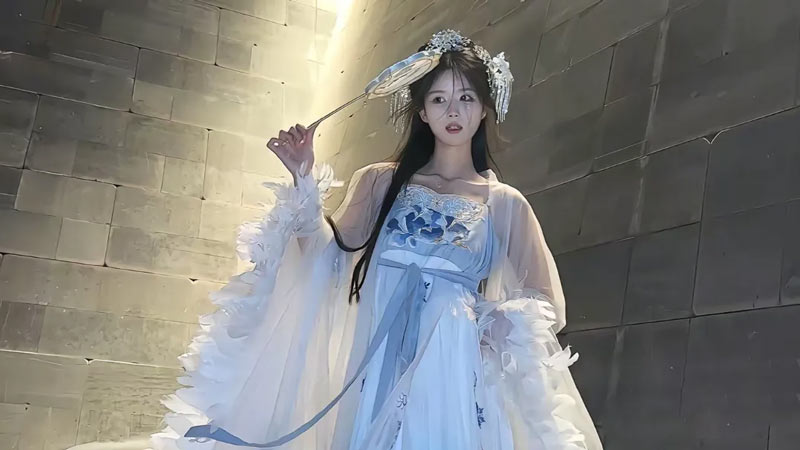
The rustle of silk on city streets signals more than a fashion trend. Across China and beyond, young people wearing flowing robes with wide sleeves and crossed collars aren't just dressing up—they're reviving a sartorial language spoken for millennia. Hanfu, the traditional attire of the Han Chinese, carries within its seams profound cultural narratives, aesthetic philosophies, and social codes that transcend mere costume. This resurgence isn't about recreating museum exhibits; it’s a dynamic reclamation of identity.
Each fold in the fabric whispers stories of dynasties past, while the vibrant modern interpretations speak boldly to the present. Far from being static relics, these garments embody an evolving dialogue between heritage and innovation.
Core Principles Woven in
Hanfu distinguishes itself through fundamental design elements that carry deep symbolic weight. The cross-collar forming a "Y" shape visually represents the balance of yin and yang, reflecting ancient cosmological beliefs. The right-over-left lapel served historically as a cultural identifier for Han communities, contrasting with left-over-right styles associated with some neighboring groups. This distinction held such significance that Confucius remarked on its importance in defining civilized society.
Equally characteristic are the absence of buttons, replaced by fabric sashes tying the garment, and the signature wide sleeves. These sleeves weren't merely decorative; their generous cut, allowing hands to be tucked inside, symbolized Confucian ideals of dignity, reserve, and inclusivity. The very structure speaks of harmony between the wearer and their environment.
Fabric as Social Canvas
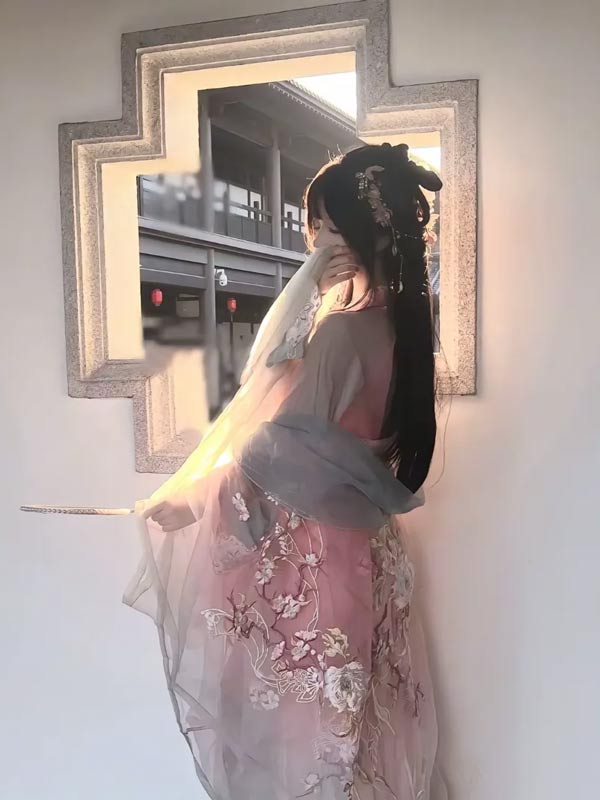
Beyond aesthetics, Hanfu functioned as a complex visual language communicating status, season, and philosophy. Color palettes were governed by the "Five Pure Colors" —azure, scarlet, yellow, white, and black—linked to the Five Elements and cardinal directions. Imperial yellow became strictly reserved for the emperor from the Tang Dynasty onward, while commoners typically wore indigo, black, or undyed "cloth garments", a term still synonymous with ordinary people.
Intricate embroidery told further stories: dragon motifs signified imperial authority, phoenixes denoted auspiciousness, and floral patterns like plum blossoms or orchids adorned scholars' robes, representing resilience and refinement. Rank badges on Ming and Qing official robes featured specific motifs like the "Waves, Mountains, and Sun" design, symbolizing governance over land and sea. Accessories completed the message: jade pendants worn at the waist weren't just adornments but moral reminders, their gentle chime prompting dignified posture, while hairpins like the swaying Buyao (步摇) epitomized Tang Dynasty feminine elegance.
Tradition Reimagined Today
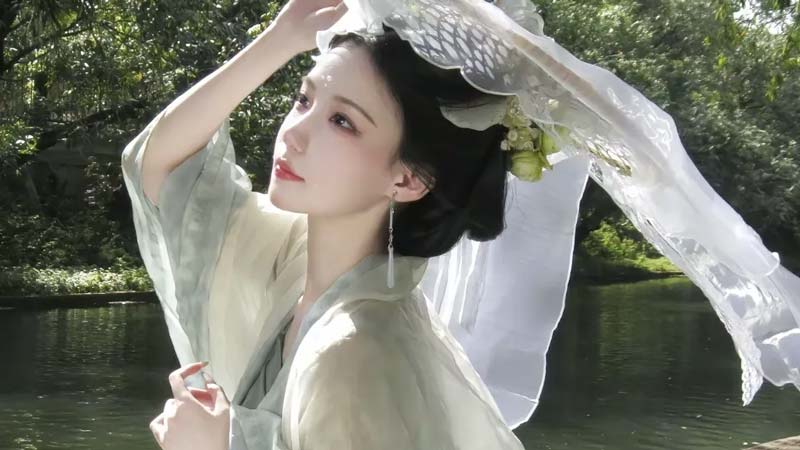
The contemporary Hanfu movement thrives precisely because it refuses fossilization. Young enthusiasts aren't simply replicating museum pieces; they're actively integrating this heritage into 21st-century life. Designers fuse classic silhouettes like the cross-collar top and skirt with modern textiles and cuts, creating wearable art for everyday occasions. Online communities and short video platforms buzz with passionate discussions demystifying authentic historical styles and differentiating them from theatrical "costume" interpretations.
University Hanfu societies serve as vibrant hubs, pairing garment appreciation with hands-on practice in related arts—classical music, incense ceremonies, tea rituals, and calligraphy. This holistic approach transforms wearing Hanfu from a surface aesthetic choice into an immersive cultural experience. The movement's vitality stems from this creative tension: respecting historical foundations while confidently weaving in contemporary threads.
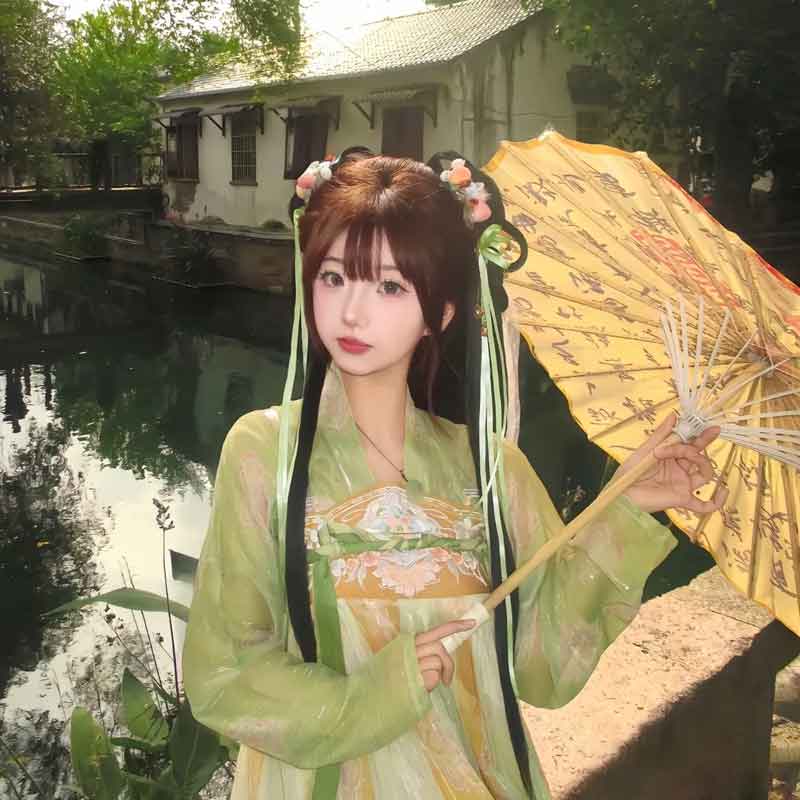
Hanfu's journey through centuries reveals not a static artifact, but a resilient cultural practice. Its lines hold philosophies of cosmic order, its colors map social landscapes, and its stitches bind generations. Today, as modern wearers don these robes, they engage in more than nostalgia; they activate a living conversation across time. Each fold, sash, and embroidered motif becomes a tangible link, allowing ancient wisdom on harmony, propriety, and beauty to resonate anew in the modern world, proving that true tradition isn't preserved behind glass—it's lived, adapted, and carried forward.