This August, families are in for a treat with the animated film Yaoguai Senlin (妖怪森林), a heartwarming tale of courage and self-discovery. Directed by Wang Shiwei (王世伟), this fantasy adventure follows young Raki as she navigates a mystical woodland filled with creatures, seeking her lost parents. Perfect for parents and kids alike, it blends thrilling escapades with valuable life lessons, all set against Taiwan's enchanting landscapes. After a decade in the making, this movie promises not just entertainment but a journey that resonates with everyday challenges. Get ready to be swept away by its magic and meaning.
Into the Unknown
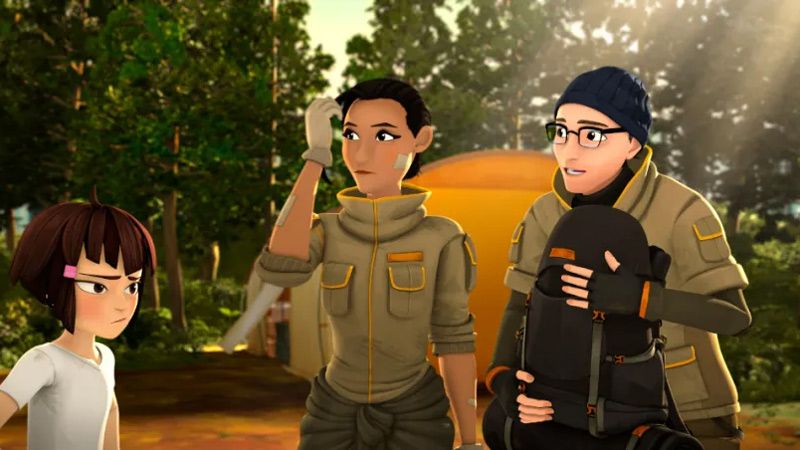
Raki, a spirited 12-year-old, plunges into the Monster Forest after her parents vanish. This realm teems with over 200 unique creatures, from mischievous monkeys to towering tree spirits. Each encounter tests her wit, like outsmarting thieves on giant mushrooms or dodging attacks. Instead of waiting for rescue, Raki relies on her own ingenuity—a mirror to kids facing homework or playground squabbles. Her solo quest shows that independence isn't just for fantasy worlds; it's a skill for real life.
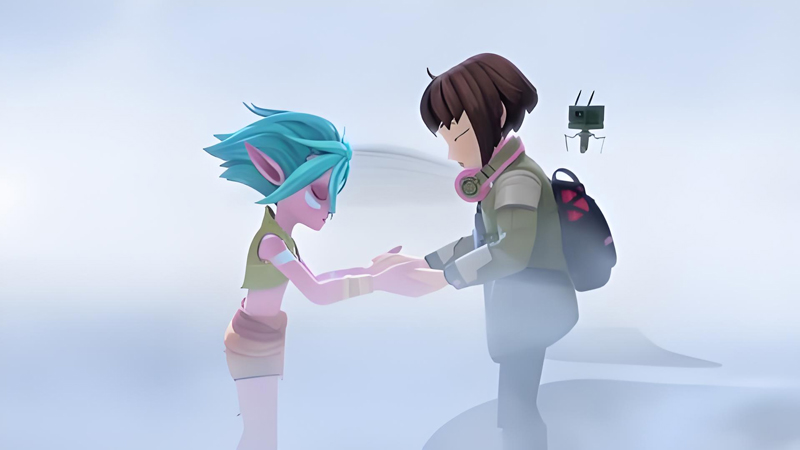
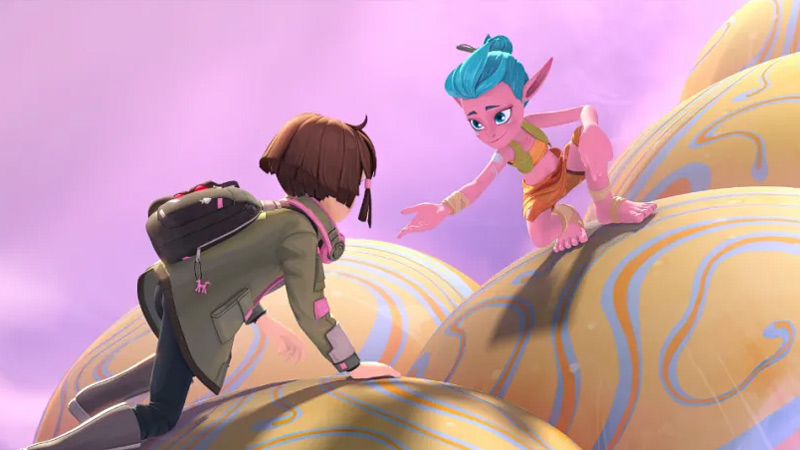
The forest's dangers escalate as Raki befriends Luda (路达), a mysterious being inspired by Taiwanese legends. But when Luda betrays her trust, Raki must navigate betrayal without anger. She pauses to understand his motives, teaching viewers to think critically about friendships. This mirrors how children deal with school conflicts, urging them to question assumptions and show empathy. By resolving the rift, Raki proves that relationships thrive on honesty and perspective.
Throughout her trek, Raki's longing for her parents surfaces in quiet moments. Amidst peril, she recalls their protection, highlighting how parental love often goes unnoticed in daily routines. This subtle thread encourages young audiences to appreciate their own caregivers' efforts. It transforms adventure into a heartfelt reminder: independence doesn't mean isolation, but cherishing family bonds even while growing up.
Lessons in Growth
Raki's forest trials become metaphors for childhood hurdles. Facing monsters alone, she demonstrates problem-solving without adult aid—ideal for kids learning to tackle chores or school projects. Parents will see parallels to real-world scenarios, where fostering self-reliance builds confidence. The film avoids lectures, using action to inspire kids to trust their abilities and act resourcefully.
Her dynamic with Luda deepens the educational angle. After deception strains their bond, Raki chooses dialogue over fury, modeling conflict resolution. This segment addresses peer issues like bullying or misunderstandings, stressing that friendships need work and forgiveness. It empowers children to approach disputes calmly, valuing others' viewpoints while staying true to themselves.
The emotional core shines as Raki reflects on her parents' absence. Her journey underscores gratitude, contrasting her peril with the safety of home. For families, it sparks conversations about appreciating parental sacrifices, from packed lunches to bedtime stories. By the end, kids may hug parents tighter, recognizing love in the little things—a timeless takeaway from fantasy.
Behind the Magic
Director Wang Shiwei drew from personal history for Yaoguai Senlin. His childhood experience with a "demon possession" incident shaped Luda's character, infusing authenticity into the lore. Wang spent ten years refining the script, starting with a sci-fi concept before shifting to Taiwanese myths. His dedication turned setbacks like funding gaps into creative fuel, resulting in a rich, eco-conscious narrative.
Production hurdles included pandemic delays and team changes, yet Wang's persistence paid off. He integrated real locations like Gaomei Wetlands, blending animation with Taiwan's beauty. His daughter, the real-life Raki, voiced the character and inspired dialogues, adding genuine father-daughter warmth. This personal touch elevates the film, making themes of growth and letting go feel universal.
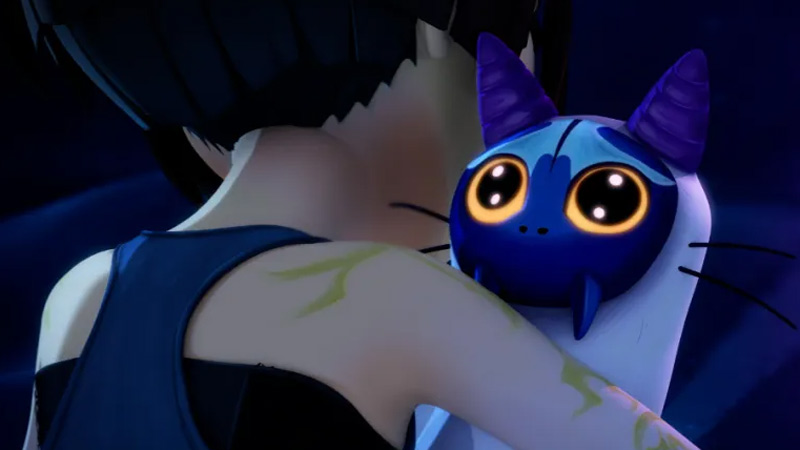
Eco-themes emerge subtly, as the forest's fate mirrors human impact on nature. Monsters symbolize environmental balance, urging viewers to protect wild spaces. Wang's vision extends beyond entertainment, advocating for harmony with our planet—a message that resonates in today's climate-conscious world. All these elements unite in a visually stunning masterpiece, proving that great stories start with heart.