Article
Search results:
-
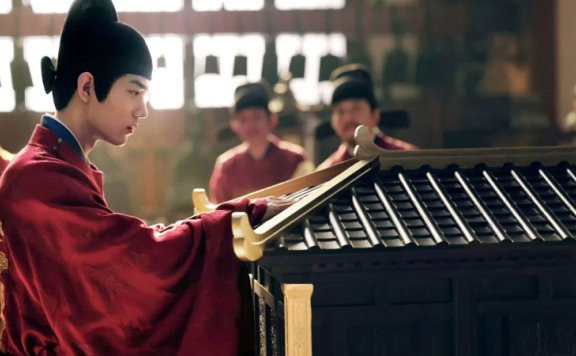
6 Historical Dramas Reviving China's ICH
Historical dramas are breathing new life into China’s intangible cultural heritage (ICH), transforming age-old crafts into dynamic narrative tools. From woodwork magic to culinary traditions, these series weave cultural preservation into gripping storytelling. Six recent productions stand out for their authentic integration of ICH, introducing global audiences to traditions once confined to regional workshops and ritual spaces. 1. The Legend of Zang Hai (藏海传) Premiering May 18, 2025, on CCTV-8 and Youku, this Quantum Entertainment production stars Xiao Zhan as Zang Hai, an architectural prodigy. The drama spotlights yaofa puppet theatre from Zhejiang’s Taishun County, where gunpowder propels intricate wooden figures. These pyrotechnic puppets become tactical tools in Zang Hai’s political schemes, showcasing a 300-year-old art recognized by UNESCO in 2006. Zang Hai’s mastery of mortise-and-tenon joinery drives key plot developments. This 7,000-year-old woodworking technique—China’s UNESCO-listed architectural heritage—enables complex structures without nails or glue. When Zang Hai enters the capital, an eight-meter Qinhuai lantern screen illuminates his arrival. Crafted using Nanjing’s 2008 nationally listed lantern techniques, this piece merges paper art, painting, and sculpture. The production team creatively scaled up shadow puppetry (UNESCO 2011), using tiger and centipede silhouettes as metaphors for court factions. These enlarged "ancient IMAX" projections visualize… -
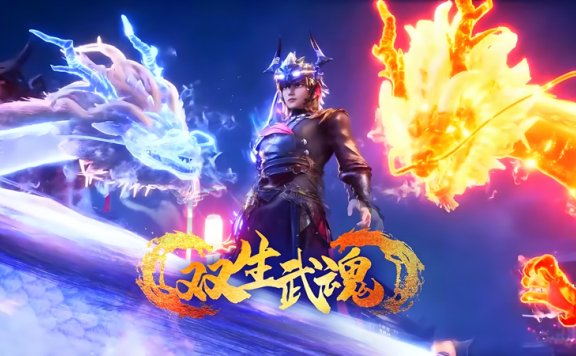
4 Must-See Chinese Anime Series in 2025 Summer Season
This summer promises an exceptional lineup for animation enthusiasts. Four highly anticipated Chinese series premiere between late July and mid-August 2025, spanning diverse genres from fantasy epics to cyberpunk thrillers. These releases showcase the breadth of modern Chinese animation, offering viewers rich narratives and distinct visual styles. Whether you crave intense battles, clever heroines, intricate politics, or futuristic survival sagas, this season delivers compelling stories. Mark your calendars for these standout titles. 1. Dual Spirit (双生武魂) Dual Spirit premiered July 23rd, launching an ambitious 80-episode fantasy saga. Protagonist Lin Fan (林凡), a talented martial artist, suffers betrayal when his fiancee steals his spiritual essence, leaving him powerless. His destiny shifts dramatically upon awakening a rare dual-spirit constitution. This grants him extraordinary potential, further complicated by the presence of a powerful demon residing within him. The series charts Lin Fan’s arduous journey from societal outcast to formidable warrior as he navigates treacherous realms. The narrative framework promises classic underdog triumph amplified by supernatural elements. Lin Fan’s double spiritual nature offers unique combat abilities and growth paths, while the symbiotic relationship with the ancient demon introduces moral complexity and unpredictable power surges. This setup fuels his ascent through hostile environments and formidable… -
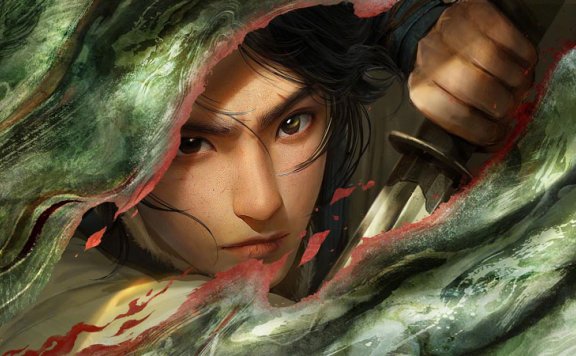
Top 10 Chinese Animated Series on Douban Reputation Chart
This list ranks the top-rated Chinese animated series from 2020–2025 based on Douban user ratings, spotlighting the most critically acclaimed and influential titles from the past five years. There are 30 titles on the full "2020–2025 Douban Reputation Chart," but today we're focusing on the top ten. The first place spot goes to My Three-Body: The Legend of Zhang Beihai. Second place is a tie between Painting Rivers and Lakes: The Degenerate 6 (an original IP) and A Record of a Mortal's Journey to Immortality: Outer Sea Turmoil. Coming in third is ...Immortality: Starsea Acceleration Arc. 1. My Three-Body: The Legend of Zhang Beihai 我的三体之章北海传 Topping the list is My Three-Body: The Legend of Zhang Beihai, directed by Li Zhenyi. A relatively unknown name until recently, Li brings a profound understanding of Liu Cixin's source material to this adaptation, channeling that insight into a precise, emotionally resonant portrayal of one of the franchise's most complex characters: Zhang Beihai. As of July 15, 2025, the series holds an impressive 9.6 rating on Douban, with over 62,000 people having submitted reviews—a clear signal of its impact among sci-fi animation fans. Rather than leaning solely on spectacle, Li's approach is restrained and deliberate.… -
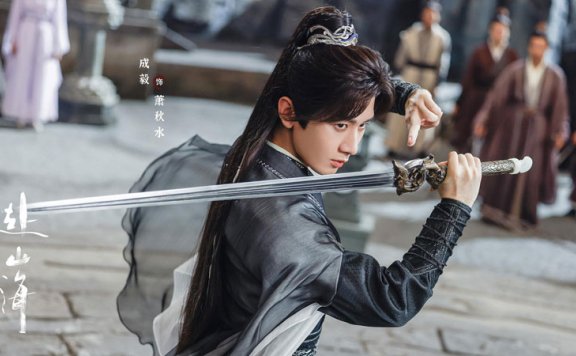
Top 5 Costume Dramas on iQIYI to Watch in Late 2025
The second half of 2025 is turning out to be a battlefield for streaming platforms, with everyone pulling out their big guns. Over at iQIYI, the historical drama lineup is already heating up, and several titles have broken the one-million-reservation mark—some even by a landslide. So, if you're into time-traveling swordsmen, complex dual identities, and a touch of modern fantasy, here's a drama you'll want on your radar. The Journey of Legend 赴山海 Starring: Cheng Yi × Gulnazar Reservations: 4.26 million Based on Wen Rui'an's cult wuxia novel Shenzhou Qixia, this upcoming drama is not your typical martial arts tale—it throws in a “stuck in a novel + game system” combo for a genre-bending ride. Our protagonist, Xiao Mingming, is just another burnt-out corporate drone in the real world—until he wakes up as the hero of his favorite martial arts story, now living as the hot-headed teenage swordsman Xiao Qiushui. Through his eyes, we traverse three timelines—Northern Song, Republican era, and the modern day—in a tightly woven loop narrative. From punching above his weight in sword fights to learning what it truly means to protect something bigger than himself, Xiao's growth from an impulsive underdog to a selfless hero makes… -
Everthing Behind the Coroner's Diary
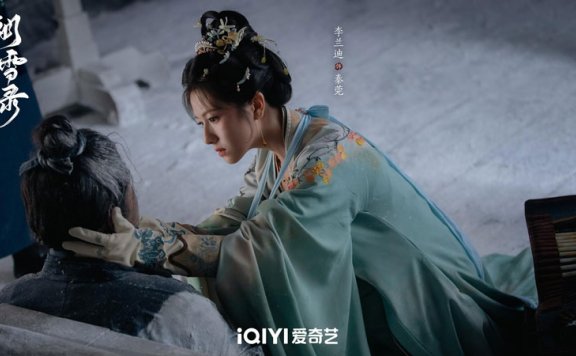
On the evening of July 23, The Coroner's Diary (朝雪录) quietly climbed to the top of Weibo's trending list. It wasn't a mega-IP. It didn't boast big-name stars. Most media outlets hadn't even included it in their "most anticipated dramas" roundups. But somehow, it became iQIYI's third show in 2025 to break the platform's elusive 10,000 heat index mark. Funny enough, the night before, the show already hit Weibo's No.2 trending spot—almost there, sitting at 9991. People clicked in expecting to see a celebration. Instead, they found everyone holding their breath for those last 9 points. Then came the moment: the number ticked over. Producer Quan Haojin posted the milestone on his WeChat moments with three crying emojis. Director Li Huizhu, known for keeping things professional, used three "extremely"s before she even said the word "happy." "Honestly? This did way better than we expected," Quan said. "We worked on this for over four years. Hitting 10,000 is lucky. But even if we hadn't, I still wouldn't regret making it." Strong Numbers, Real Watchability Before the show aired, Quan was worried. Really worried. The Coroner's Diary wasn't showing up in any of the pre-season hype lists. Media didn't mention it. Even… -
Another Sleeper Hit in Historical Mystery: Coroner's Diary
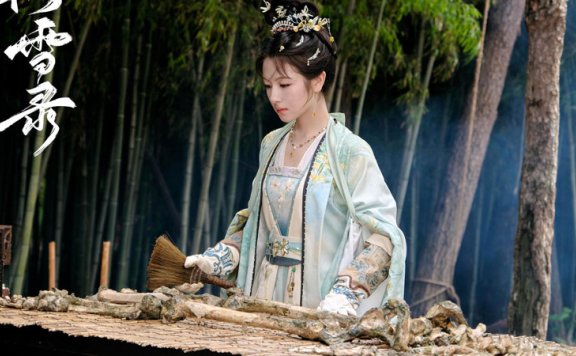
Two summers ago, Mysterious Lotus Casebook lit up the martial arts scene with its trio of sleuths solving ten classic cold cases. Last year, The Ingenious Detective Lu Lingfeng brought Tang Dynasty aesthetics back in fashion with eight eerie mysteries. Turns out, the so-called "Chinese detective aesthetic" really does something to the audience — maybe it's the sense of order, maybe it's the ancient riddles, maybe it's just that familiar thrill of peeling back layers of lies. Now it's summer 2025, and the first historical mystery drama out of the gate is Coroner's Diary (朝雪录). And right from episode one, it pulls you in with a headless bride and a corpse buried in a well. No warm-up, just straight into the weird. Within days, the show's trending with over 9,000 heat index (a local metric for popularity), and multiple plot threads climbing the hot search charts. At the core of Morning Snow is a double-lead mystery arc, set against a backdrop rich with ancient forensic techniques and a distinctive Chinese visual style. But beyond the murder boards and blood trails, the show threads in themes that resonate with today's audience — fighting injustice, rejecting toxic romance tropes, and showcasing women… -
7 Historical Crime Dramas You'll Want on Your 2025 Watchlist
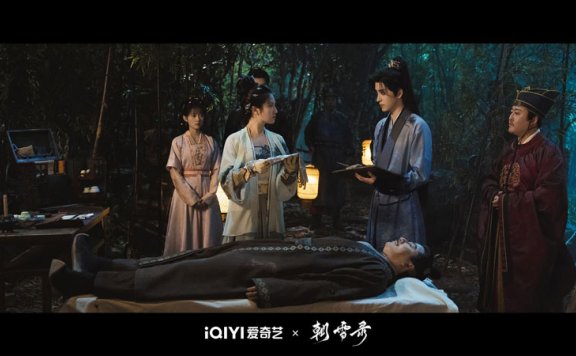
I've been binging Coroner's Diary lately—a historical detective drama starring Li Landi and Ao Ruipeng—and I have to say, I'm obsessed. The cast is ridiculously good-looking, the story blends Chinese horror with level-up-style crime solving, and the whole thing has me equal parts creeped out and glued to the screen. And guess what? Morning Snow is just the beginning. There are six more period mystery dramas lined up for release this year. Let's take a look at what's coming. Towards The Truth 朝云散 Ten years ago, the entire Shen family was wiped out in a single night. Only one boy survived—Shen Song. Since then, he's been living with one goal: clear his family's name and get justice. He throws himself into his studies, eventually topping the imperial civil exams. But when he petitions the emperor to investigate the massacre, he's cast out of court instead. Disillusioned by the rot at the heart of the system, Shen Song gives up his political aspirations and starts over as a cook. For a while, it seems like he's let go of the past. But when a fire breaks out at the Huamen Tower during the Empress Dowager's birthday festival—revealing dozens of buried skeletons—he… -

Zhao Lusi: Crisis, Role Shift, Career Stagnation?
Zhao Lusi (赵露思) stands at a pivotal moment. Once celebrated for relatable charm and promising roles, the actress now navigates a landscape where viral moments eclipse artistic growth. Her absence from the screen—marked by delays like Xu Ni Yao Yan (许你耀眼) and no clear upcoming projects—contrasts sharply with relentless online buzz: trending dances, record-breaking social media engagements, and cosmetic transformations that spark more debate than her craft. As competitors hone their skills on set, Zhao Lusi's three-month focus on livestreams and endorsements raises urgent questions about priorities in an industry where relevance fades faster than likes accumulate. Digital Mirage and Vanishing Roles The metrics of Zhao Lusi’s online empire paint a deceptive picture. While hashtags tout her as “95s” Top Influencer, this digital dominance lacks foundation. Her TikTok followers and Instagram milestones generate fleeting headlines yet contribute nothing to her acting portfolio. This reliance on hollow virality mirrors the industry’s broader shift toward instant gratification over enduring artistry. Audiences increasingly question the substance behind the spectacle. When brand appearances center on makeup routines rather than character insights, the disconnect widens. Her recent explanation linking cosmetics to health struggles puzzled viewers, highlighting a narrative drift from performer to personality—a transition that… -
Why Authentic Hanfu Remains Rare in Chinese Historical Dramas
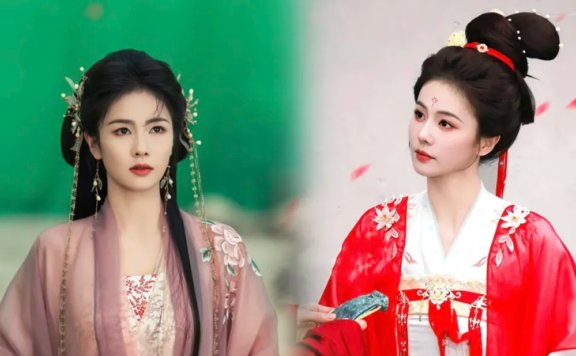
Despite growing appreciation for traditional aesthetics, authentic Hanfu is seldom featured in mainstream Chinese historical dramas. This article explores the cultural, economic, and practical barriers to its adoption, examining why stylized costumes dominate screens while historically accurate garments remain a niche choice. Cultural Disconnect and Historical Suppression Hanfu’s disappearance traces back to the Qing Dynasty’s enforcement of Manchu attire, severing Han clothing traditions for centuries. Post-1912 modernization efforts further marginalized Hanfu, associating it with backwardness while promoting Western dress as progressive. Though recent revival movements celebrate Hanfu’s cultural significance, its ties to pre-Qing history remain obscured in popular media. Many viewers still mistake Hanfu for Japanese or Korean dress, reflecting a persistent identity gap. Contemporary creators face dilemmas in balancing historical accuracy with audience familiarity. Qing-era court dramas dominate screens, normalizing Manchu-inspired designs like Qipao and mandarin collars. This visual legacy overshadows Hanfu’s distinct features: cross-collar ties, flowing sleeves, and layered silhouettes seen in The Tang or Song dynasties. When productions reference Hanfu, they often blend it with fantasy elements, diluting its authenticity. Theatrical adaptations further diluted authenticity. During the Qing era, performers wore modified Hanfu-inspired costumes exempt from clothing bans, preserving fragments of tradition through stylized interpretations. Modern productions… -
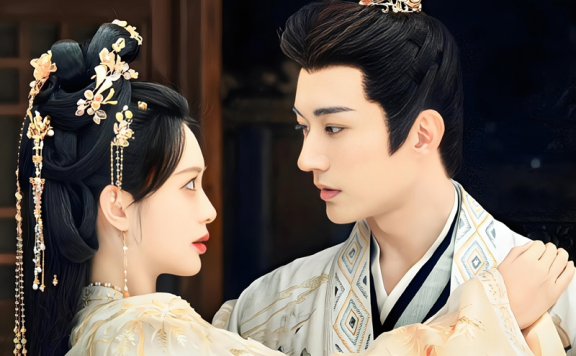
The Princess's Gambit: A Web of Courtly Intrigue and Survival
Within the intricate web of Great Qi's courtly politics, The Princess's Gambit (桃花映江山) weaves a tale of survival, cunning, and quiet defiance. At its heart stands Jiang Taohua (姜桃花), a princess thrust into a perilous foreign land, navigating treacherous alliances and familial expectations far heavier than her bridal headdress. Her journey, intersecting with the ambitions of Prime Minister Shen Zaiye (沈在野) and the crumbling power of the doomed Crown Prince, reveals the suffocating grip of aristocratic power and the fierce will required to carve a sliver of autonomy. This is not merely a story of romance or revenge, but a testament to resilience amidst forces determined to shape or break her. The Dance of Power and Purpose Jiang Taohua's arrival at the Shen residence marks not a sanctuary, but the first step onto a complex chessboard. Immediately entangled in the covert war between Shen Zaiye and the Crown Prince, she finds herself pulled by conflicting obligations. Tasked by the covert Lanyi Pavilion (斓衣阁) to locate the elusive Sunlit Peaks Scroll (日照千峰图), she discovers the very same artifact is central to Shen Zaiye’s mission for the King of Qi: investigating the source of debased coinage destabilizing the realm. This convergence of… -
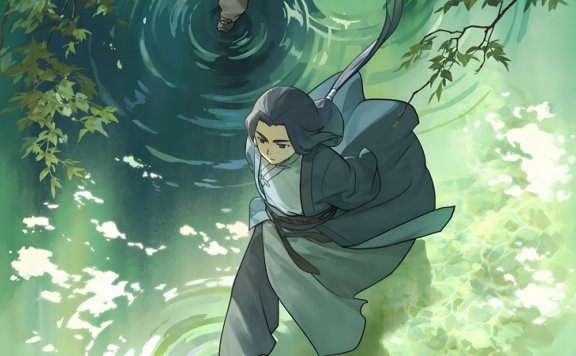
The Legend of Hei 2: Spirits, Humans, New Adventure
Against the backdrop of a world where humans and spirits uneasily coexist, The Legend of Hei 2 (罗小黑战记2) arrived in Chinese cinemas on July 18, 2025. This long-awaited sequel to the acclaimed 2019 film follows cat spirit Xiaohei (小黑) and his human master, Wuxian (无限), as their peaceful village life shatters. An attack on the Spirit Guild Hall – the vital organization maintaining balance between realms – thrusts them into a perilous investigation. Evidence falsely implicates Wuxian, forcing Xiaohei and his fierce senior disciple, Luye (鹿野), on a quest to clear their master's name. The film blends breathtaking hand-drawn animation with nuanced storytelling, exploring themes of loyalty, prejudice, and finding common ground in a divided world. Its critical and commercial success, achieving an 8.6 rating and crossing 100 million yuan within days, underscores its resonance. Frame by Frame Mastery The Legend of Hei 2 stands as a testament to the painstaking craft of traditional animation. Eschewing shortcuts, the production demanded an astounding 200,000 hand-drawn frames, adhering to the rigorous "one's" technique of 24 unique frames per second. This commitment manifests in sequences of unparalleled fluidity, particularly during kinetic action scenes. The film's centerpiece, a mid-air battle aboard an aircraft, reportedly… -
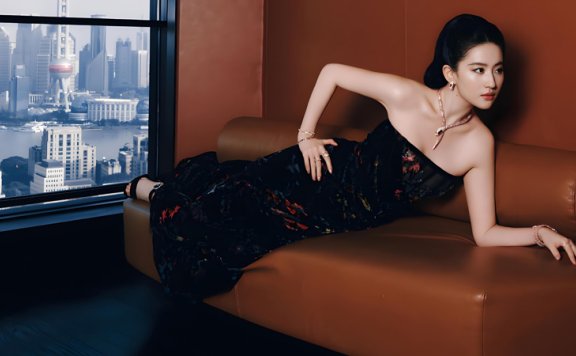
Liu Yifei's Bold Style Evolution and "Fairy Sister" Personality
A series of late-night social media posts shattered expectations: the actress, long revered as China's "Fairy Sister," emerged with a severe backswept hairstyle, radiating an aura of undeniable power. Clad in a daring black high-slit gown, her gaze was sharp as steel, instantly transforming the ethereal icon into a commanding presence. The internet erupted. "How can anyone resist this?" became the collective refrain. This striking metamorphosis wasn't accidental; it was the culmination of a deliberate style evolution witnessed days prior at the Louis Vuitton show, where a similar hairstyle paired with a tailored blazer had already hinted at this potent new chapter. The subsequent appearance at Bulgari, adorned with a fiery ruby serpent necklace against the stark black, cemented this image of luxurious, cool authority. Her runway stride wasn't just a walk; it was a declaration. This bold embrace of androgyny, perfectly encapsulating her unique "Fairy Power" persona, resonated deeply, proving Liu Yifei's enduring ability to redefine beauty and captivate audiences on her own terms. Birth of the "Fairy Power" This dramatic shift didn't materialize in a vacuum. Its roots trace back a decade. In 2015, Liu Yifei challenged perceptions with a groundbreaking photoshoot. Trading ethereal gowns for sharply tailored… -
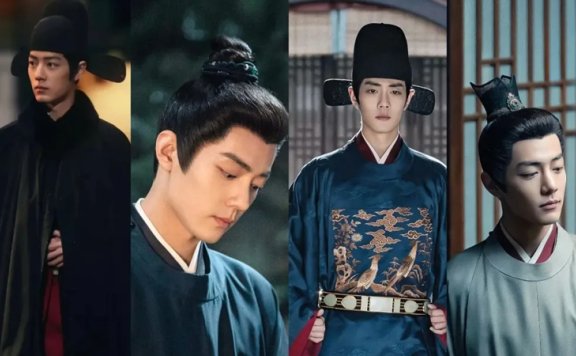
How Xiao Zhan Redefines Global Stardom
In an era saturated with fleeting digital fame, Xiao Zhan (肖战) emerges not merely as an entertainer but as a cultural phenomenon. His portrayal of Zang Hai in The Legend of Zang Hai (藏海传) transcends conventional idol appeal, embodying a renaissance of classical Chinese aesthetics while forging unprecedented international pathways. This evolution—from Wei Wuxian’s (魏无羡) fiery idealism in The Untamed (陈情令) to Zang Hai’s intricate duality—reveals an artist mastering the alchemy of beauty, intellect, and emotional resonance. Zang Hai: The Fractured Elegance Zang Hai’s allure lies in his contradictions: a strategist draped in jade-like composure yet fractured like Song-dynasty porcelain. Director Zheng Xiaolong’s (郑晓龙) vision demanded this duality—Zang manipulates political webs with Sun Tzu-inspired precision while radiating vulnerability that disarms tyrants. When Pingjin Hou (平津侯), a lord notorious for silencing dissent, races into flames to save him, the character’s psychological complexity crystallizes. Costuming becomes narrative. Zang’s black-gold robes, woven from 1,200 meters of hand-embroidered silk. This deliberate fusion of historical artistry and character depth transforms him into a living artifact, where every fold of fabric whispers tradition. Princess Xiang Anxue’s (香暗雪) loyalty—defending him even against her mother—stems not from grand romantic gestures but quiet reciprocity. Their bond mirrors contemporary desires… -
How Han Li's Survival Instinct Redefined Immortal Ambition
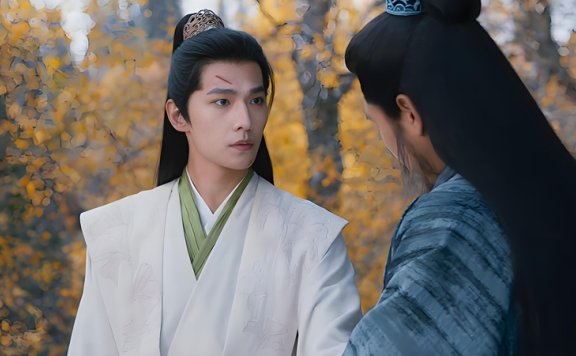
The Immortal Ascension (凡人修仙传) transcends typical cultivation narratives by centering on Han Li’s psychological evolution. Unlike protagonists reliant on destiny or intellect, Han Li’s strength stems from a primal survival instinct honed through betrayal. The drama’s early arcs, particularly his deadly chess match with mentor Mo Juren, reveal how trauma forges resilience. This character study explores three pillars of Han Li’s "strong mindset": embracing adversity as education, transforming victims into strategists, and recognizing that true power begins with self-preservation. Mo Juren: The Crucible of Cruelty Mo Juren’s duality as mentor and predator creates Han Li’s foundational trauma. A physician masking ruthless ambition, he selects the illiterate village boy precisely because Han Li seems malleable. Teaching him literacy, medicine, and the Everlasting cultivation technique, Mo Juren invests in Han Li only to harvest his body for a soul transplant. Actor Jin Shijie (金士杰) masterfully layers greed with twisted pride—his final moments acknowledge Han Li as a worthy adversary, not merely a failed vessel. This relationship dismantles the "noble master" trope. Mo Juren’s cruelty is pedagogical: he demonstrates that trust invites exploitation. When he poisons Han Li and attempts body theft, the betrayal becomes Han Li’s first lesson in immortal-world pragmatism. The… -
Hanfu Revival: Qin to Song Dynasty Robes Reimagined
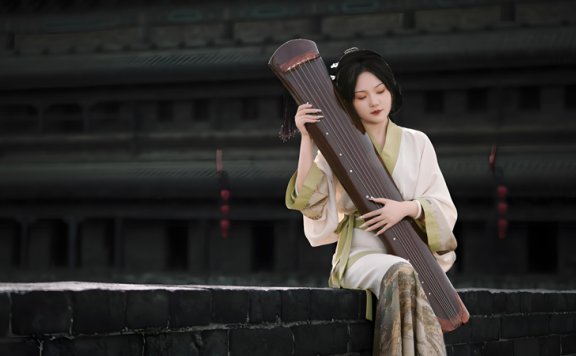
Hanfu is more than fabric; it is China's history draped on the human form. These garments, evolving across millennia, offer a silent narrative of shifting aesthetics, social values, and profound cultural identity. From the foundational rituals of the Qin-Han era to the cosmopolitan flair of the Tang and the introspective elegance of the Song, each dynasty imprinted its spirit on sleeves, collars, and flowing skirts. This journey reveals how Hanfu served as both a mirror and a maker of its time, its threads weaving a continuous story of civilization. Qin-Han Foundations The unification under Qin and Han established Hanfu's core grammar. Garments became instruments of order and ritual. The defining principle was "upper garment, lower skirt", combined with the distinct right-over-left collar closure. This structure conveyed dignity and a connection to cosmic principles. Colors held deep meaning: profound black for heaven, vibrant vermillion for earth. Predominant fabrics were sturdy hemp and coveted silk, often adorned with symbolic patterns like swirling clouds and thunder motifs, reflecting reverence for nature's power. The Quju Shenyi (曲裾深衣) stood paramount. It's wrapped, overlapping panels circled the body multiple times, flaring dramatically at the hem. This complex construction signified formality and status, worn by both men… -
Cang Lan Jue 2: The Shadow Tri-Realm Reveal
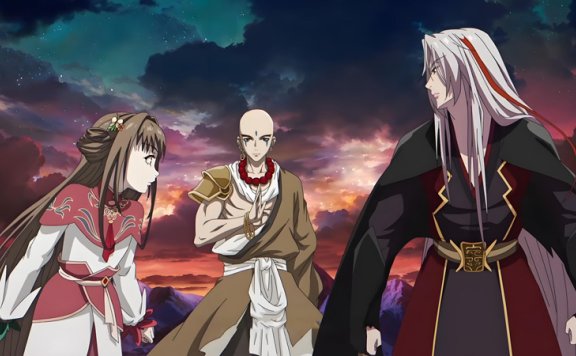
The long-awaited return of the beloved fantasy drama has finally arrived. Cang Lan Jue 2 (苍兰诀2) premiered on iQiyi this summer, instantly dominating platform charts and trending across seven major networks, amassing over 1.3 billion views. Fans, who had waited three years since the first season’s acclaimed run (garnering a stellar 8.4 on Douban), eagerly embraced the continuation of Orchid and Dongfang Qingcang's (东方青苍) tale. The new season shifts the battleground to the enigmatic Shadow Tri-Realm, promising deeper emotional bonds, intensified conflicts, and revelations that could unravel the very fabric of the Three Realms—Mistwater Marsh, Cloudsky Realm, and Cangyan Sea. Can this sequel meet sky-high expectations? The opening episodes suggest a resounding yes. New Realm, Unfolding Secrets Picking up immediately after Season 1, Dongfang Qingcang and Orchid depart Qian Yin Island (千隐岛), journeying towards the desolate Shadow Tri-Realm. Their arrival is met not with welcome, but with the fury of its ruler, Empress Ye Ying, who shockingly addresses Dongfang Qingcang as "father." Their confrontation escalates into a spectacular "summoning war," echoing the poetic incantations of the past but with grander historical and mythical figures clashing. This battle, far from simple vengeance, peels back layers of a shared, painful history. Empress… -
The Wanted Detective Premieres on Aug. 1
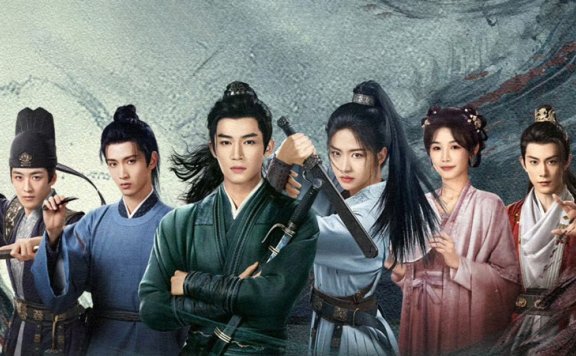
On August 1st, the murky waters of the Great Qi Dynasty will churn with deception and vengeance. The Wanted Detective (定风波), a historical mystery drama starring Wang Xingyue (王星越) and Xiang Hanzhi (向涵之), arrives on iQIYI. This highly anticipated series plunges viewers into the shattered life of Xiao Beiming, the dynasty’s foremost investigator. His wedding day becomes a nightmare when he’s branded the demonic killer "Night Terror," accused of murdering his mentor and betraying the realm. Forced into exile, Xiao Beiming spends three years plotting his return. Now, he emerges from the shadows, determined to clear his name and expose the true architect of his ruin. Unraveling the Night Terror’s Shadow Xiao Beiming’s quest for justice is far from solitary. He reunites with his skeptical martial sister, Zhong Xueman, whose initial distrust melts as she witnesses his relentless pursuit of truth. Their alliance forms the core of an unlikely team. Together, they confront a string of gruesome, seemingly disconnected murders shaking the capital. Each victim bears the chilling signature of the "Night Terror" – the very entity Xiao Beiming was framed as embodying. The cases escalate in brutality and complexity. A bride vanishes from her wedding vessel under a blood… -
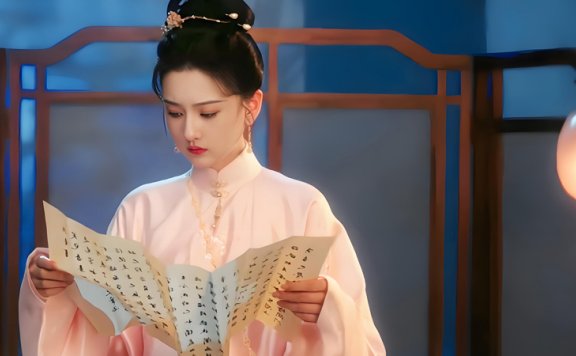
A Zhi A Zhi: Song Zuer's Rumored Return to Republican-Era Drama
Following her successful comeback, Song Zuer's (宋祖儿) career trajectory continues its upward climb. Fresh off acclaimed performances and generating buzz with stunning costume visuals in Biao Mei Wan Fu (表妹万福), the actress is now linked to a highly anticipated adaptation of the popular novel A Zhi A Zhi (阿吱阿吱). This project promises a captivating blend of genres, weaving together the supernatural with the poignant tragedy inherent in Republican-era romances. Rumors swirl around potential co-star Wang Hedi (王鹤棣), adding another layer of excitement and speculation within the industry and among fans. The combination of a beloved source material, Song Zuer's proven affinity for period aesthetics, and the intriguing casting possibilities positions A Zhi A Zhi as a potential future highlight. Period Charm and Casting Buzz Song Zuer's undeniable screen presence finds a perfect match in historical and Republican-era settings. Her recent work in Biao Mei Wan Fu has already showcased her ability to embody classic beauty, with meticulously crafted costumes and sets enhancing her portrayal. While some note a physical transformation leading to a leaner frame, her innate suitability for period dramas remains unquestionable. Her past appearances in cheongsam are frequently cited as standout moments, demonstrating a natural elegance and photogenic quality perfectly… -

Ancient Chinese Summer Clothing: Lightweight Fabrics and Designs
The sweltering heat of summer poses a timeless challenge. Modern solutions often involve minimal fabric and artificial cooling, leading many to wonder: how did ancient Chinese people, seemingly clad in multiple layers even in historical dramas, possibly cope without air conditioning? The answer lies not in suffering through the heat, but in a sophisticated understanding of textiles, garment design, and microclimate management that often surprises contemporary sensibilities. Ancient Chinese summer attire was a masterful blend of practicality and elegance, proving that covering up could be far cooler than stripping down. Far from being constrained by tradition, they innovated with purpose, creating garments specifically engineered to combat the intense heat using nature’s gifts and human ingenuity. Why Layers Beat Bare Skin The fundamental misconception lies in equating less fabric with more comfort. Ancient Chinese clothing philosophy prioritized creating a cool microclimate around the body. Loose, flowing layers, particularly those crafted from specific lightweight fabrics, facilitated constant air circulation. As air moved between the layers, it absorbed body heat and moisture, carrying it away much more effectively than stagnant air trapped against bare skin or tight clothing. This principle, akin to the cooling effect of a breeze, was key. Furthermore, these layers… -
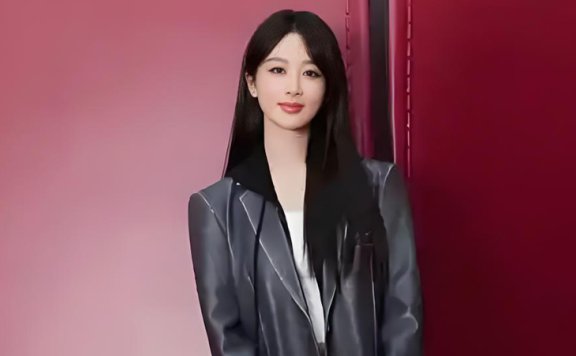
33-Year-Old Yang Zi Stuns in Nude Stockings
A recent series of candid photos featuring Chinese actress Yang Zi has gone viral on the internet. Captured in delicate nude stockings and a soft, retro-inspired ensemble, the 33-year-old star radiates an unexpected blend of youthful vitality and sophisticated allure. These images, rapidly circulating online, have sparked fervent discussions about her seemingly timeless beauty and unique fashion sense, drawing comparisons to an ethereal figure stepping out from a classic 1980s film. Fans and netizens alike marvel at how effortlessly she embodies both girlish charm and mature elegance, a combination rarely seen among her contemporaries. The Viral Photoshoot The unposed pictures showcase Yang Zi with a noticeably slender figure, smooth complexion, and legs accentuated by semi-transparent stockings. This striking visual immediately captivated audiences, prompting exclamations of disbelief regarding her age. "How can someone look this celestial at 33?" questioned one astonished admirer online questioned, echoing a sentiment felt by many. The contrast between her appearance and that of other actresses in their thirties – some navigating motherhood or body changes – highlights the distinctiveness of her presence. Yang Zi herself has previously joked about possessing an "auntie's fashion taste," a self-deprecating remark that now seems prophetic. This photoshoot vividly demonstrates that…