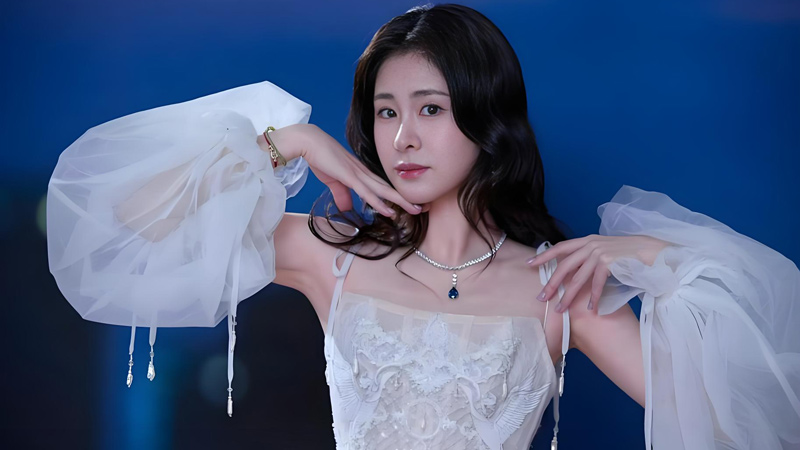
The story of Zhang Bichen (张碧晨), China’s audacious songstress, reads like a blockbuster script. From her meteoric rise on Sing! China (中国好声音) to headline-grabbing personal controversies, Zhang’s career is a masterclass in fearless ambition. Her refusal to back down—whether confronting industry giants or navigating personal storms—has cemented her reputation as pop’s unwavering rebel. This relentless spirit, however, now threatens to eclipse her musical legacy.
Korean Dreams, Solo Struggles
Born in 1989 to a Tianjin businessman and a museum curator, Zhang’s early love for music clashed with her parents’ pragmatism. She studied French locally, abandoning plans for Beijing’s Central Academy of Drama. But fate intervened when a Sino-Korean singing contest offered an unexpected lifeline. Defying her family, Zhang boarded a plane alone to become a K-pop trainee—a grueling gamble in an industry notorious for its cutthroat competition.
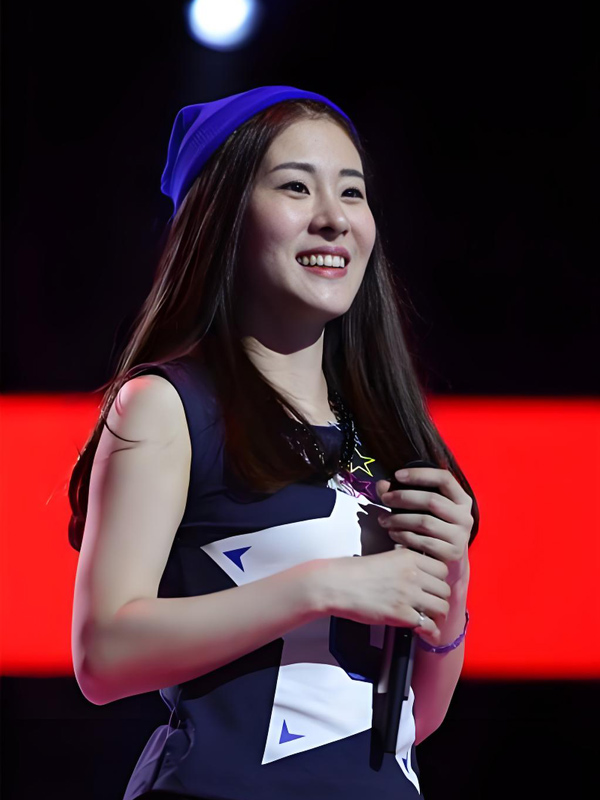
Her time in Seoul was marked by punishing rehearsals and isolation. Yet the resilience forged there became her trademark. In 2014, she returned to China and stunned audiences on Sing! China, winning Season 3 with her haunting rendition of Where Did the Time Go? Overnight, the former trainee became a star, her voice echoing through households nationwide.
The victory was more than a breakthrough—it was validation. Zhang had gambled everything on her talent and won. But her fiercest battles lay ahead, where personal and professional lines would blur explosively.
Raising a Child Without the Father
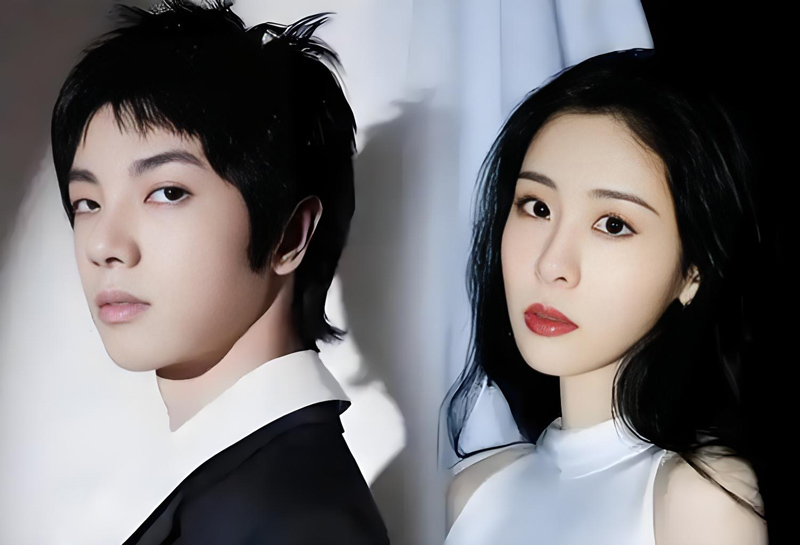
At her career’s peak in 2018, Zhang vanished. Rumors swirled until 2021, when she dropped a social media bombshell: she had secretly given birth to a daughter fathered by fellow superstar Hua Chenyu (华晨宇). The announcement, styled as a romantic novel excerpt, revealed she’d hidden the pregnancy and fled to the United States alone. "I didn’t want to burden him," she wrote, framing her solitude as empowerment.
The narrative unraveled instantly. Hua’s team countered with a terse statement: he was "single" and would co-parent without marriage. Fans uncovered timelines suggesting overlap with Hua’s rumored relationship with singer G.E.M.—whose song Painting allegedly referenced him. Zhang’s "brave" solo journey now seemed less heroic than calculated, fracturing her girl-power image.
The fallout was seismic. Brands distanced themselves, and her "OST queen" momentum stalled. Yet Zhang remained unbowed, doubling down on her narrative control—a pattern that would soon reignite.
Copyright Wars and Burning Bridges
The 2025 feud over Nian Lun (年轮) exposed Zhang’s defiance at its most combustible. When a viral influencer claimed Zhang was the song’s "only true vocalist," composer Wang Sulong’s (汪苏泷) company revoked performance rights, clarifying co-ownership. Zhang retaliated with copyright registrations, declaring herself sole artist. Wang’s CEO tweeted, "Bring Nian Lun home"; Zhang vowed never to sing it again.
Their clash escalated: Wang hinted at integrity during concerts; Zhang posted then deleted "No need for words." Days later, she scrubbed all Wang-related content. The influencer apologized, but the damage was done. Netizens compared Zhang to a Empresses in the Palace (甄嬛传) character reclaiming a child—except here, the "child" was a song, and the co-creator sidelined.
Industry insiders whispered of Wang’s repeated olive branches—private negotiations, dual-credit offers—all spurned. Zhang’s victory felt pyrrhic: she’d defended her claim but torched a decade-long collaboration.
The Price of Unyielding Courage
Zhang Bichen’s career is a tapestry of triumphs self-sabotaged. Her voice launched anthems like Liang Liang (凉凉), yet her offstage drama dominates her legacy. The "fearlessness" that propelled her from Tianjin to Seoul now isolates her—a solo act in an industry built on harmony.
As she faces the consequences of the Nian Lun feud, one truth echoes: yesterday’s bravery can become tomorrow’s recklessness. For Zhang, the road ahead remains open, but the bridges behind her smolder.