Article
Search results:
-
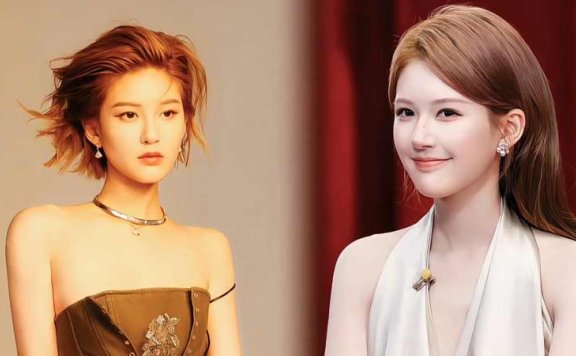
Zhao Lusi's Clash with Galaxy Cool Entertainment
Chinese actress Zhao Lusi (赵露思) accused her agency Galaxy Cool Entertainment of mistreatment and contractual betrayal via emotional social media posts, sharing chats and depression results. She claimed the agency neglected her during a December 2024 illness, causing losses, yet deducted over 2 million yuan from her studio for project disruptions, including shortening her drama Lian Ren (恋人) from 24 to 14 episodes. She declared "I quit," alleging rumors of "faking illness" and activity restrictions. Galaxy Cool implied responses aimed to protect business interests amid her volatile behavior, highlighting a deep rift. Contract Chaos and the Burden of Proof A central point of contention was the agency's authority to manage Zhao Lusi's finances. She expressed outrage that Galaxy Cool could "simply take money" from her studio account. However, industry norms and standard management contracts grant agencies significant control over an artist's professional earnings and expenses related to their work. The deduction likely occurred under provisions outlining shared liability for costs incurred due to artist unavailability. Galaxy Cool pointed to the legality of proportional cost-sharing as per their agreement, urging legal consultation—advice Zhao Lusi dismissed. Zhao Lusi framed her illness as a potential work-related injury, implying Galaxy Cool should bear full… -
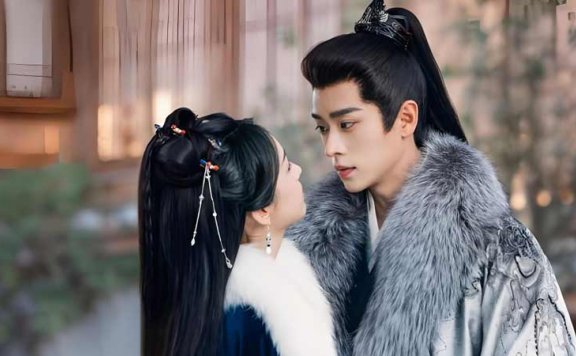
What Makes Legend of The Female General a Must-Watch?
Mark your calendars: the highly anticipated historical drama Legend of The Female General (锦月如歌) charges onto Hunan Television's primetime slot starting August 6th. Simultaneous releases on Mango TV and Tencent Video ensure global audiences won't miss a moment of this epic saga. For fans eagerly awaiting its arrival, a guide to its most compelling elements is essential viewing preparation. The General's Gambit He Yan (禾晏), portrayed by Zhou Ye (周也), shatters the mold of the demure historical heroine. She is a battle-hardened general, a rarity in recent Chinese period dramas. Adapted from Qian Shan Chake's popular novel Rebirth of the Female General Star (重生之女将星), the series weaves revenge, political intrigue, a power-balanced romance, and potent female awakening into its core. Qian Shan Chake's (千山茶客) previous adaptations, The Double (墨雨云间) and The Glory (雁回时), established a strong precedent for female-centric narratives driven by tight plotting and compelling protagonists, generating significant online buzz. Legend of The Female General elevates this formula. He Yan's journey begins with betrayal. Forced to disguise herself as a man and replace her brother in the army, her exceptional courage and martial prowess lead to battlefield glory. Instead of reward, her family poisons her, stealing blindness and the… -
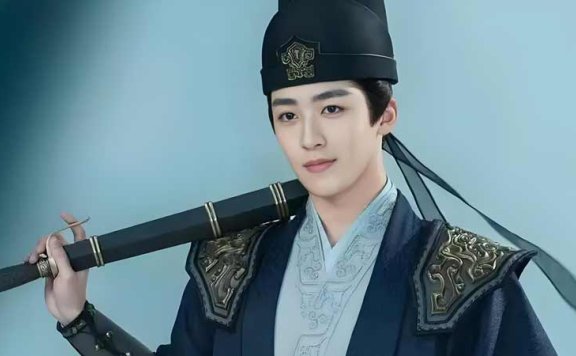
The Wanted Detective: A Masterclass in Tang Dynasty Suspense
Summer delivers an exceptional gift for historical mystery enthusiasts: The Wanted Detective (定风波). Following the success of Coroner’s Diary (朝雪录), this new series immediately captivated audiences with its intricate plotting and rich atmosphere. Viewers praise its relentless pace and layered storytelling, declaring it another standout from iQiyi's summer lineup. The Wanted Detective masterfully blends political intrigue, chilling crimes, and a compelling ensemble cast, creating an experience that demands binge-watching. Cases Within Cases The narrative opens explosively with the Monument Tears Case. Three high-ranking officials meet grotesque, seemingly supernatural deaths: one decapitated while riding, another incinerated at his desk, and a third drowned mysteriously. All clues point to the elusive Night Shades. Young detective prodigy Xiao Beiming (萧北冥) and his mentor, Zhong Yunchi (钟云赤), attempt a wedding trap to catch the suspects. The plan catastrophically fails. Zhong Yunchi and the suspects are brutally killed using the distinctive "seam murder" technique, while Xiao Beiming, gravely injured, plunges into Fengbo Lake. Framed for the massacre, he vanishes. Within two episodes, the show establishes the core conflict, political unrest, and Xiao Beiming's devastating fall. Three years later, the Bridal Seam Murders shock the capital. Four brides are found murdered, their bodies sewn shut in… -
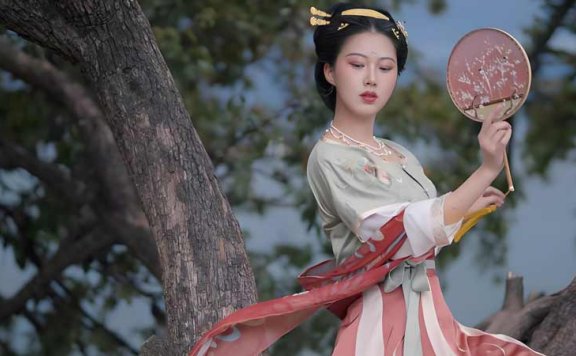
Sleeves: Tang Dynasty Fashion Through the Ages
Far more than mere attire, Tang-style Hanfu stands as a vibrant emblem of China's golden age. Rooted in profound aesthetics, it reflected societal shifts and technological prowess. As the ancient text Zuo Zhuan (左传) noted, the magnificence of ritual and dress defined Chinese civilization. Tang fashion, evolving dramatically across nearly three centuries, showcased unparalleled diversity in silhouette, color, and ornamentation, moving from restrained elegance to opulent grandeur and nostalgic revival, embodying the dynasty’s spirit of openness and cultural confidence. Its legacy continues to inspire contemporary fashion and cultural revival worldwide. Threads of Change The Early Tang period favored subtle refinement. Women wore slim-sleeved, short jackets paired with high-waisted skirts tied just below the bust. This "Ruqun" style elongated the figure, embodying an aesthetic of gentle grace. Fabrics were often light silks in soft hues, emphasizing understated beauty. Narrow stripes on skirts, known as "Jianse Qun (间色裙)," were initially modest. Empress Wu Zetian's (武则天) ascent catalyzed transformation. Necklines deepened into elegant curves, and the flowing "Pei Bo" (帔帛) scarf became essential. Waistlines gradually lowered to a high position under the bust. A bold trend emerged: women adopted male attire. Palace maids sported round-collar robes with practical slits, striped trousers, and functional… -
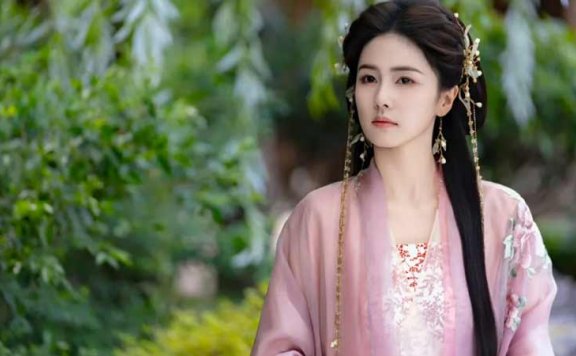
Pink Robes in Ancient Dramas: 8 Actresses' Stunning Styling
Pink carries a unique magic on historical drama screens. This gentle hue transforms actors into blossoms against intricate sets and rich storytelling. From celestial realms to royal courts, these costumes become visual poetry, each shade revealing character depth and narrative nuance. The recent surge in meticulously crafted pink styling highlights how color shapes our connection to these worlds. 1. Bai Lu (白鹿) Some performers embody pink's inherent softness. Bai Lu in Lin Jiang Xian (临江仙) exemplifies this. Her layered gown, adorned with subtle embroidery, harmonized with delicate hair ornaments. The ensemble created an aura of serene grace, mirroring her character’s gentle spirit. 2. Yang Zi (杨紫) Similarly, Yang Zi brought youthful radiance to Immortal Samsara (沉香如屑.沉香重华). Flowing pink chiffon contrasted with dark palace intrigue, visually anchoring her character’s innocence. Her subtle accessories enhanced rather than overwhelmed, proving elegance thrives in simplicity. 3. Ju Jingyi (鞠婧祎) Ju Jingyi’s unreleased drama Yuelin Qi Ji (月鳞绮纪) offers a glimpse of dynamic grace. Vibrant crimson florals danced across her pink robes, while a bold peony hairpiece commanded attention. This deliberate clash of hues suggested a character balancing delicacy with hidden fire. The intricate forehead adornment completed a look radiating poised energy. Her costume whispered… -
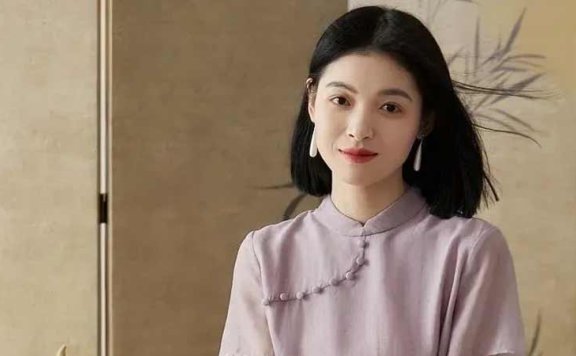
Modern Qipao: Organdy Fabric Merges Tradition, Ease
The Qipao has evolved into a symbol of contemporary grace, blending centuries-old Chinese aesthetics with modern comfort. Today's reinterpretations, like those made from Tencel Organdy, offer a refreshing take on classic silhouettes. This fabric mimics silk's luxurious feel while adding structure and coolness, making the dress ideal for everyday wear. With inclusive cuts that flatter all body types and designs that evoke timeless beauty, these dresses empower wearers to express their unique style. As we delve into their key features, you'll see how this garment captures the spirit of cultural renewal without sacrificing practicality. Design The dress boasts a classic Chinese stand-up collar, renowned for its refined and translucent texture. This element enhances elegance without restricting movement, effortlessly complementing various face shapes and outfit combinations. Its simplicity avoids fussiness, making it suitable for both casual and formal settings. The collar's airy quality ensures comfort while adding a touch of sophistication to the overall look. Faux diagonal plackets with cloth-covered buttons add a nostalgic charm, reminiscent of vintage fashion eras. This detail creates visual interest without overwhelming the modern lines, offering a subtle homage to traditional craftsmanship. The buttons are meticulously crafted, providing a tactile experience that elevates the dress's artisanal… -

Jackson Yee's Que Xue Tour: Beyond the Stage, Within the Stone
When Jackson Yee announces a concert, it transcends mere performance. Each show becomes an archaeological dig into his artistic psyche, where ancient characters and geological metaphors fuse with contemporary soundscapes. From the rose petals of his 18th birthday to the crimson waves of his 19th solo debut, Yee architects immersive worlds where every setlist, prop, and syllable serves a dual purpose: entertainment and intimate dialogue with fans. The cancellation of his Guangzhou stop and subsequent stone-sent consolation gifts reveal an artist navigating commercial pressures while honoring five-year-old pledges to frontline workers. His current Que Xue (礐嶨) tour, interlocked with the Wedge Stone EP, continues this tradition—transforming overlooked Chinese characters into visceral concert experiences that resonate deeper than any chart position. The Concert Evolution Yee’s 18th birthday concert unfolded like a poetic manuscript. Dressed in crisp white, he materialized through a curtain of roses murmuring "I heard you"—a phrase that electrified the arena. This deliberate staging wasn’t spectacle; it was covenant. His 19th Su Er (玊尔) concert deepened this language, flooding venues in symbolic red while declaring each attendee "a unique jade." Behind these moments lay three years of meticulous planning. Postponed from 2023 due to filming commitments, the current tour… -
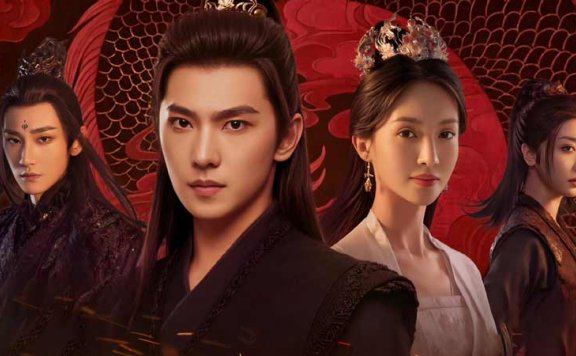
Dissecting the Flaws of The Immortal Ascension
Two years after Yang Yang's (杨洋) widely criticized performance in Fireworks of My Heart (我的人间烟火), audiences approached his latest project with cautious hope. The adaptation of The Immortal Ascension (凡人修仙传) promised redemption—a revered Xianxia novel breaking records globally, adapted into a well-received animated series. Yet this live-action version squanders its legacy through unimaginative execution. Despite dominating viewership charts, the drama reveals fundamental flaws in translation from page to screen, with Han Li's (韩立) journey becoming a case study in missed opportunities. Surface-Level Replication The series mistakes replication for reverence. Scenes mirror the animation shot-for-shot, including Doctor Mo's training sequences and early cultivation trials. This approach ignores fundamental differences between mediums: what works in animation feels laborious in live-action. The first episode fixates on Han Li's village ritual—five minutes devoted to flatbread preparation evoking A Bite of China (舌尖上的中国) visuals without narrative purpose. Pivotal moments suffer from baffling brevity. The Seven Mystics Sect entrance trial concludes abruptly after establishing its stakes. When Han Li and childhood friend Zhang Tie (张铁) become Doctor Mo's disciples, their training montages repeat without progression. Yang Yang's physique becomes the focal point rather than character development. Modifications worsen the problem. Expanding Doctor Mo's household to four… -
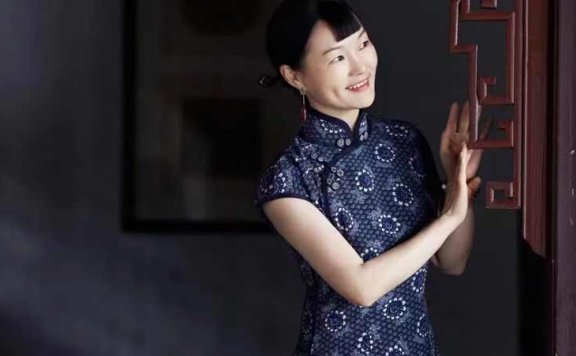
Cool Qipao: Secrets to Sweat-Free Summer Style
As temperatures soar, the timeless elegance of the Qipao remains a coveted choice. Yet, many hesitate, fearing the traditional dress might trap heat and compromise comfort during sweltering months. This concern, however, needn't mean sacrificing style. With thoughtful selections in design, fabric, and detailing, the Qipao transforms into a surprisingly cool and breezy summer staple. Discover how to embrace this iconic garment while staying perfectly comfortable, ensuring you look effortlessly chic whether strolling city streets or attending a garden soirée. Neckline Wisdom The collar plays a crucial role in summer comfort. Opting for a medium-low or low collar significantly enhances breathability compared to the high, closed styles often seen. This adjustment preserves the Qipao’s inherent grace and classical charm while allowing air to circulate freely around the neck. A lower neckline offers practical advantages beyond mere cooling. It lends a sense of openness, visually elongating the neck and softening facial contours for a more flattering silhouette. This subtle exposure strikes the perfect balance, maintaining the dress's dignified allure without venturing into excess. Ultimately, selecting an appropriate collar height is about harmonizing tradition with modern comfort needs. It allows the wearer to project an image of refined elegance, embodying sophisticated Eastern… -
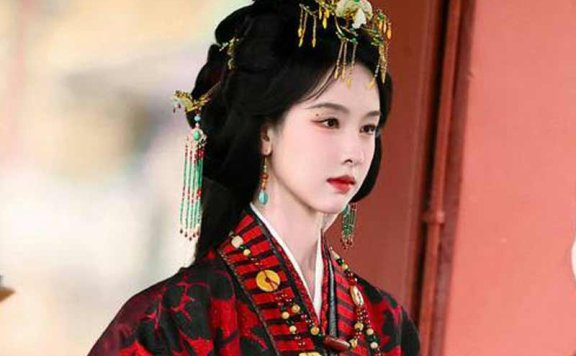
Chen Duling: The Crimson Phoenix Rising in Chinese Drama
Few could have predicted that Chen Duling (陈都灵), once celebrated as the gentle "campus goddess," would transform into a commanding presence on set during a torrential downpour in 2024. Clad in fiery red traditional robes with her hair sculpted into an imposing high bun, she shattered typecasting with an archer’s precision. Audiences witnessed not a damsel awaiting rescue, but a warrior unfazed by lashing rain—her poise earning viral praise as "crimson robes like war banners, hair coiled like victory standards." This metamorphosis obliterated assumptions about her artistic limits. Campus Muse to Period Drama Powerhouse Seven years after her breakthrough role as the fragile Li Su (李珥) in Left Ear, Chen has redefined her trajectory. Where she once embodied quiet innocence, she now dominates historical sets through meticulous character embodiment. Her shift transcends mere wardrobe changes; it represents an artistic evolution from supporting roles to commanding lead performances. Industry observers note her departure from predictable "flower vase" casting into complex, physically demanding parts. The contrast highlights stagnation among peers reliant on repetitive makeup and digital filters. While others chase trends, Chen immerses herself in historical authenticity—studying posture, movement, and period mannerisms. Her commitment extends beyond costumes into mastering martial sequences and… -
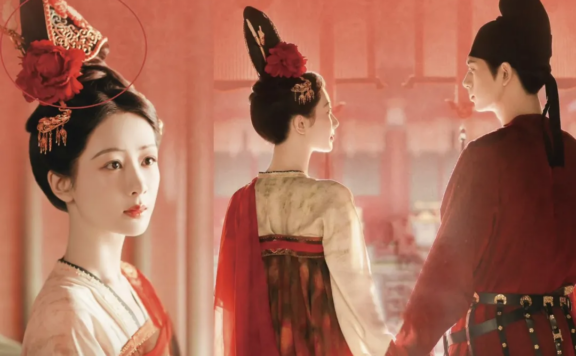
Yang Zi's New Hanfu Look: Like a Cone
The posters of the second part of Flourished Peony called In the Name of Blossom have revealed the new looks of Yang Zi and Li Xian. Yang Zi's hair bun on the top of her head resembled an upright cone. Some netizens joked, "Is this the so - called ‘cone - shaped hair’ in the Tang Dynasty?" First, let me conclude that this hairstyle is the single - blade half - flipped hair bun that was popular in the Tang Dynasty. Although it looks like a cone, its structure is actually much more complex than you might think. Let's break it down. The Chinese meaning is very clear: Single - blade means that when the hair bun is spread out, it looks like a single blade of a knife, and "half - flipped" means that the blade of the knife bends and flips inward halfway, resulting in the shape we see. Now, let's see how to visually identify the single - blade half - flipped hair bun. The two pictures on the left are from the Tang Dynasty, and the rightmost picture is from the Sui Dynasty. We can see that this hair bun, popular during the Sui and Tang… -
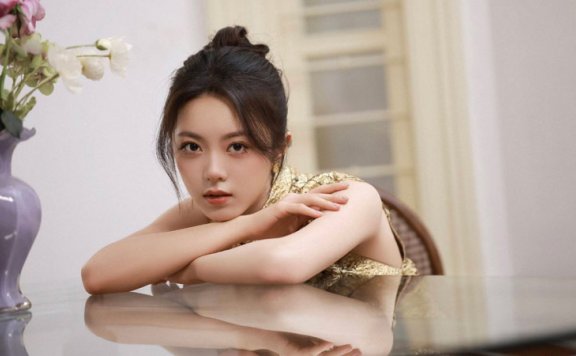
Zhao Jinmai: Navigating the Shift Beyond Youthful Roles
At just 22, Zhao Jinmai (赵今麦) has captivated audiences with memorable roles in teen dramas like A Love for Separation (小别离), and the time-loop thriller Reset (开端). Her natural portrayals of spirited characters earned widespread affection. Yet her recent pivot toward mature roles reveals growing pains. Projects like the period romance Our Generation (樱桃琥珀) highlight a disconnect between her established screen persona and the emotional depth newer characters demand. This transition, while ambitious, lacks the gradual evolution needed to convince audiences. The Our Generation Conundrum In Our Generation, Zhao partners with rising actor Zhang Linghe (张凌赫) in a story of fate and romance. Despite high expectations, the drama struggled with pacing and character development. Audiences found the leads’ chemistry unconvincing—Zhang’s mature demeanor clashed with Zhao’s youthful energy, creating a sibling-like dynamic rather than romantic tension. The rushed plot offered little foundation for their relationship, leaving viewers detached from the first episode. Zhao’s performance, though technically sound, retained traces of her iconic role as Lin Miaomiao (林妙妙) from Growing Pain (少年派). Her expressive eyes and bright smile, perfect for teen characters, felt incongruous with a role demanding gravitas. This inconsistency pulled viewers out of the narrative, sparking criticism about her limited… -
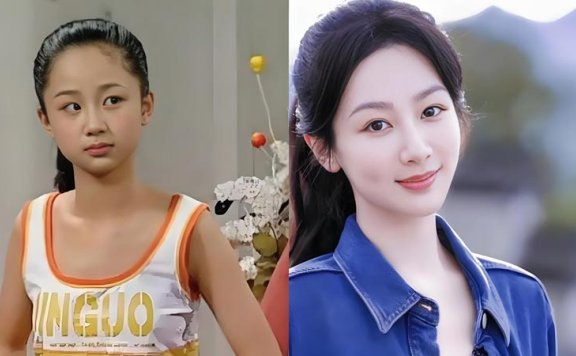
Yang Zi's Unconventional Path: Child Star to Authentic Artist
In the dazzling yet often superficial world of Chinese entertainment, Yang Zi (杨紫) carves a distinct trajectory that defies industry norms. Unlike peers meticulously crafting public personas, Yang embraces an almost defiant authenticity – carrying homemade meals to sets, shunning orchestrated publicity stunts, and prioritizing raw performance over polished perfection. Her journey, marked by early fame in Home With Kids (家有儿女) and weathered through industry turbulence, reveals an artist steadfastly navigating her own course, untethered by expectations of beauty or fleeting trends. This is not a path of rebellion, but a quiet insistence on artistic integrity, proving longevity stems from substance, not spectacle. The Unseen Battles Behind the Smile Child stardom, ignited by Home With Kids, thrust Yang Zi into an unforgiving spotlight. School cafeteria queues became autograph sessions, yet the abrupt loss of her role in the show's third season delivered a harsh lesson in industry impermanence. Recalling a solitary moment in her freezing Central Academy of Drama dorm, snow falling outside, she grappled with rejection: "Was I replaced, or did I not deserve the role?" This vulnerability translated into her breakout performance in Battle of Changsha (战长沙). A pivotal scene demanded tears she initially couldn't conjure, drawing sharp… -
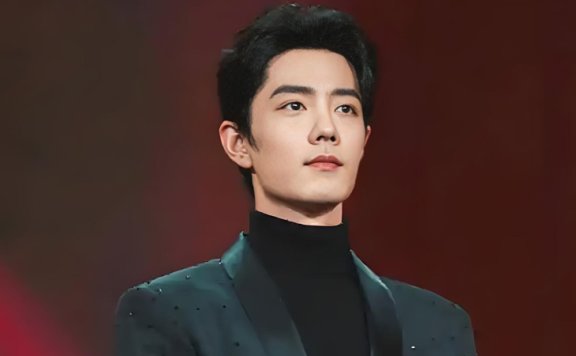
Xiao Zhan: Crafting Spotlight Beyond Reality Shows
At 33, an age where many Chinese celebrities actively court exposure through popular variety shows, Xiao Zhan (肖战) stands apart. His infrequent appearances on such programs spark constant speculation. While assumptions often point to restrictive management, the actor himself offers a different, surprisingly grounded rationale for his selective visibility. This deliberate approach, prioritizing artistic substance over fleeting fame, defines a unique path within China's fast-paced entertainment landscape. Choosing Depth Over Distraction Xiao Zhan's rise to stardom, propelled by the phenomenal success of the drama The Untamed (陈情令), brought immense pressure and scrutiny. Rather than capitalizing solely on this initial surge through ubiquitous variety show bookings, he articulated a clear preference in interviews. He consciously dedicates significant time and energy to selecting and developing substantial acting projects, viewing them as the true core of his career. This focus signifies a long-term commitment to craft over the immediate, often superficial, boost offered by constant reality TV presence. His management team operates with exceptional discernment. Invitations flood in, but acceptance is never guaranteed. Each potential variety show undergoes rigorous evaluation based on its core concept, target audience alignment, and potential impact on Xiao Zhan's carefully cultivated image. This meticulous filtering process reflects lessons… -
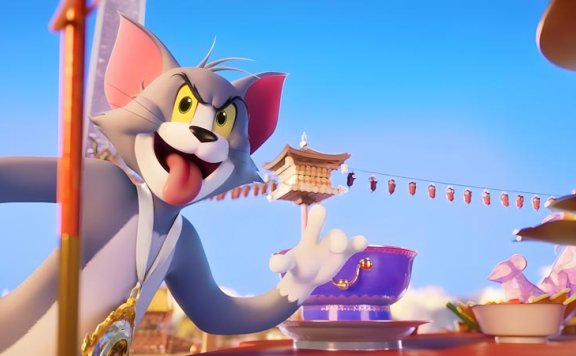
Tom and Jerry's Wild West Magic Chase
Prepare for a spectacular genre collision as the world's most iconic cat-and-mouse duo, Tom and Jerry, blast out of their familiar haunts and into a dazzling, danger-filled dimension in the animated feature Tom & Jerry: Forbidden Compass. This high-stakes adventure catapults the eternal adversaries from their classic chases into the heart of the Wild West Magic, a realm where dusty saloons sit beneath floating islands and six-shooters fire enchanted bolts. Their mission? To recover a shattered cosmic artifact before a malevolent sorceress uses its power to enslave dimensions. What begins as another frantic scramble over cheese spirals into an intergalactic rescue operation demanding an unprecedented truce. Broken Magic The chaos commences during one of their signature, house-wrecking pursuits. A tussle over a prized morsel inadvertently activates an ancient, ornate device known as the Star Chaser. This isn't some forgotten trinket; it's a relic of immense interstellar power. The sudden activation unleashes a swirling vortex of cosmic energy, swallowing both combatants and their contested treasure whole. Disoriented and tumbling, they crash-land in a landscape utterly alien yet hauntingly familiar: the Wild West Magic. Imagine sun-baked deserts stretching beneath levitating rock formations, cacti whispering secrets, and grizzled bovine gunslingers packing arcane ammunition.… -
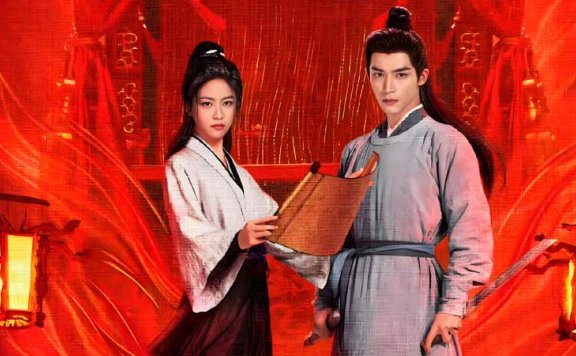
The Wanted Detective: The Night Fiend's Reign in Dingfeng Pavilion
Within the opulent halls of the Great Qi dynasty, a monument meant to honor loyalty became a harbinger of doom. As the newly unveiled Langhua Pavilion (琅华阁) opened its doors, housing statues commemorating forty-eight devoted ministers, an unspeakable horror unfolded. The stone visages of the four highest-ranking pillars of the court suddenly wept streams of crimson blood. This chilling omen swiftly manifested in reality: each of the tear-shedding ministers met grotesque, untimely ends, branded by the chilling signature of the Night Fiend. Into this maelstrom of fear stepped Xiao Beiming (萧北冥), the Shenbu Camp's (神捕营) most arrogant investigator, promising swift resolution even as his own wedding day loomed. His pursuit would unravel secrets darker than imagined, leading to a bridal ceremony drenched in betrayal and blood. Crimson Warnings The Langhua Pavilion ceremony descended into chaos. Witnessed by the Emperor himself, the blood tears staining the statues ignited superstitious terror. Panic proved prophetic. Lu Wenzhong (陆文忠), dispatched to quell banditry in Jizhou, was decapitated mid-gallop. Near his headless corpse, etched onto a tree, gleamed the characters for Night Fiend. Days later, Qin Ye (秦业) spontaneously combusted while reading scrolls by candlelight, his ashes forming the same ominous signature. Fan Jingzhi (樊敬志)… -
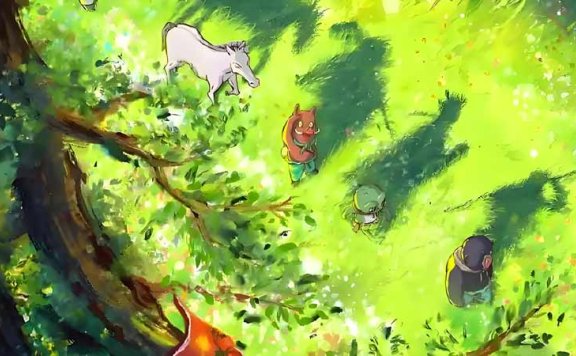
Nobody: Laughter and Struggle in a World of Hierarchy
Originally stemming from a standout episode in Yao-Chinese Folktales (中国奇谭), Nobody (浪浪山小妖怪) captivated audiences with its relatable workplace satire before being expanded into a full-length feature by the Shanghai Animation Film Studio. This film retains the studio's signature ink-wash aesthetic, blending ethereal landscapes with meticulous character details, creating a visually stunning experience rare in modern animation. Building on its short-form roots, the story evolves from a simple tale of underdog monsters into a profound exploration of ambition and societal structures, balancing humor with biting social commentary that resonates deeply in today's world. Comic Characters At its core, Nobody delivers non-stop laughter through the misadventures of four unlikely heroes. These underlings from Langlang Mountain decide to impersonate the revered pilgrims of Journey to the West (西游记) to reach enlightenment before the real team. This setup generates comedy from stark personality clashes, like the timid Ape Monster struggling to embody the bold Sun Wukong (孙悟空), his social anxiety making even a simple declaration impossible. Weasel Spirit's incessant chatter as Sha Wujing (沙悟净) leads to hilarious scenes, such as Piglet handing him a whetstone to grind whenever he talks too much, turning exhaustion into absurdity. The film's brilliance lies in how it uses… -
Nian Lun and Die Lian: A Melodic Controversy Revisited
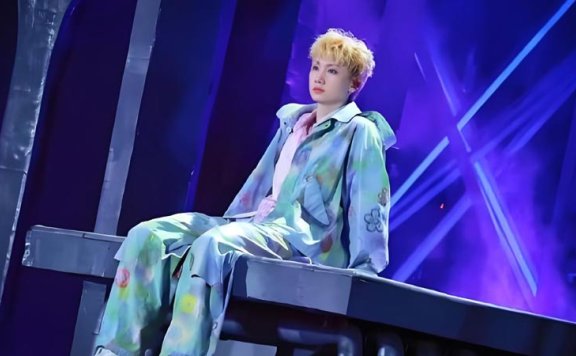
The recent copyright dispute between singers Wang Sulong (汪苏泷) and Zhang Bichen (张碧晨) over the song Nian Lun (年轮) has reignited an older, more complex debate: allegations that the popular television soundtrack plagiarized the classic game theme Die Lian (蝶恋). This renewed scrutiny places two beloved musical pieces from different eras of Chinese entertainment under an uncomfortable spotlight, forcing fans and professionals alike to confront difficult questions about inspiration, originality, and the fine line between homage and theft in music composition. The controversy transcends a simple copyright clash, touching upon industry practices, legal definitions, and listener perception in the digital age. The Resurfaced Controversy Allegations that Nian Lun copied Die Lian are not new. First voiced in 2015 when Nian Lun served as the haunting insert song for the massively popular drama The Journey of Flower (花千骨), the claims initially gained little traction. However, the spotlight returned fiercely following the highly publicized dispute between Wang Sulong and Zhang Bichen regarding the official vocal rights to Nian Lun. This clash propelled the song back into trending topics, inadvertently dragging the old plagiarism accusations along with it. The catalyst for the renewed debate was a fan-made comparison video circulating online. This video… -
How 3 Historical Dramas Reimagine Hanfu Styles Across Dynasties
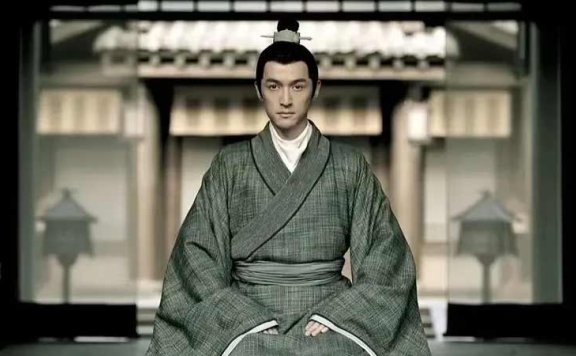
In the luminous realm of historical television, costumes transcend mere aesthetics to become portals to ancient China. Among these, Hanfu—the traditional clothing system of the Han ethnic group—serves as both cultural anchor and artistic expression. Through meticulous craftsmanship and dynastic authenticity, series like Nirvana in Fire (琅琊榜), The Story of Minglan (知否知否应是绿肥红瘦), and The Longest Day in Chang’an (长安十二时辰) have ignited global fascination with this sartorial heritage. Beyond visual splendor, they decode social hierarchies, gender roles, and philosophical ideals stitched into every fold. The Wei-Jin Spirit in Nirvana in Fire Nirvana in Fire channels the restrained ethos of the Northern and Southern Dynasties through its costumes. Unlike opulent Tang designs, its palette leans into muted ivories, inks, and azures—colors mirroring scholar-officials’ pursuit of humility. Protagonist Mei Changsu (梅长苏) epitomizes this philosophy: his unadorned ramie robes cascade like calligraphy strokes, while a jade pendant at his waist whispers Confucian integrity. Every drape rejects extravagance, echoing an era where intellect trumped ornamentation. Contrast emerges in the warrior nobility. Nihuang (霓凰), commander of the Southern borders, wears tailored tunics with geometric embroidery—subtle yet sharp as her strategems. Her ensembles blend femininity with authority through structured shoulders and muted gold threadwork. Even crowd scenes reinforce… -
Han Li's Survival Lessons in The Immortal Ascension
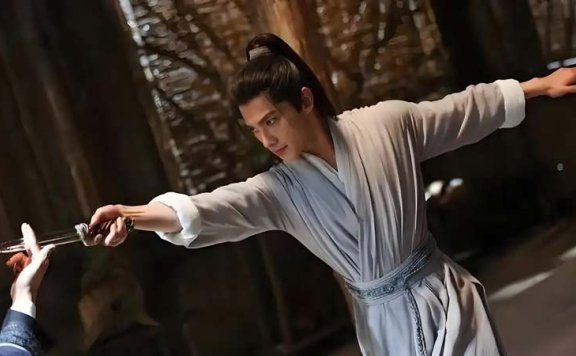
In the treacherous world of cultivation depicted in The Immortal Ascension (凡人修仙传), survival hinges on more than powerful spells or rare elixirs. For Han Li (portrayed by Yang Yang), a seemingly insignificant green vial becomes the catalyst for his journey, accelerating his cultivation of the Changchun Gong (长春功) technique far beyond his initial expectations. Yet, his greatest lesson arrives not from the vial's magic, but from the lethal betrayal orchestrated by the man who first guided him onto the spiritual path – his own master, Mo Dafu (墨大夫). Their confrontation in the secluded valley reveals that the most potent weapon Han Li possesses isn't mystical energy, but the foundational skills of perception and intellect honed under duress. This clash, where deceit meets desperate ingenuity, lays bare the brutal realities of a cultivator's ascent. The Poisoned Pact Driven by a terminal illness, Mo Dafu's time dwindled to a mere year. His survival hinged entirely on Han Li reaching the fourth level of the Changchun Gong. When Han Li's (韩立) progress remained frustratingly slow, Mo abandoned mentorship for coercion. He revealed the horrifying truth: the "supplement" he had forced upon Han Li contained a dormant parasite. Failure meant the creature would awaken, consuming…
