Article
Search results:
-
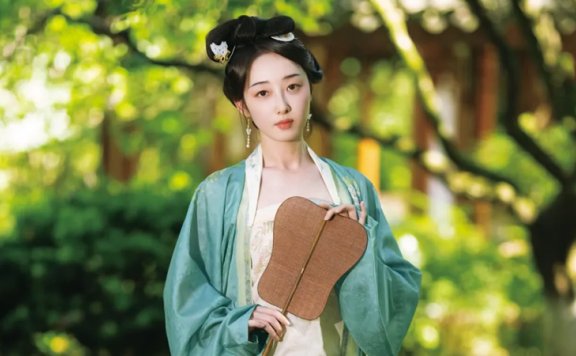
How a Historical Attire Becomes Modern Style
In recent years, the traditional attire of the Song Dynasty, referred to as Hanfu, has captured the attention of fashion enthusiasts worldwide. This style, distinct from the lavish Tang or stately Ming designs, emphasizes understated grace and simplicity. Its flowing silhouettes and muted palettes evoke a sense of calm, making it a favorite for those seeking a break from today's fast-paced trends. As more people explore this historical fashion, it highlights a growing appreciation for attire that blends artistry with everyday wear, offering a fresh perspective on personal expression through clothing. Historical Roots The origins of Song Dynasty Hanfu trace back to a period in Chinese history marked by cultural refinement and scholarly pursuits. During this era, clothing was designed to reflect values like modesty and intellect, with garments often featuring layered pieces such as the Beizi (褙子), a long outer robe, and subtle embroidery. This approach contrasted with earlier dynasties, focusing on lightweight fabrics and clean lines that enhanced natural movement. Over time, these elements have been preserved in modern interpretations, showcasing how historical context shapes contemporary fashion choices. Key components like the inner garment, often a simple top, and skirts with pleats, contributed to an overall aesthetic of… -
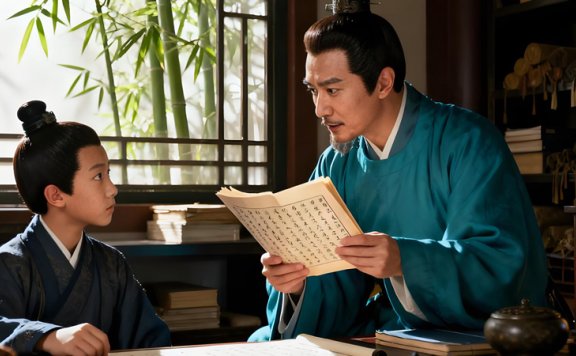
Discover the Strangest Official Positions in Ancient Chinese History!
Ancient China's bureaucratic system was a vast and intricate network, filled with roles that might seem odd or mysterious to modern eyes. These positions, with their unique names and specialized duties, offer a glimpse into the political ingenuity of bygone eras. Far from being mere curiosities, they played vital parts in maintaining social order and supporting the imperial machinery. This article delves into four such fascinating jobs, revealing how they evolved and why they mattered. From tutors to crime-fighters, these officials shaped history in ways that still capture our imagination today. 1. The Taizi Xima (太子洗马) Imagine a job title that sounds like it involves scrubbing horses, but actually places you at the heart of imperial power. The Taizi Xima was exactly that—a high-ranking tutor and confidential secretary to the crown prince. Contrary to what the name suggests, this role had nothing to do with equine care. Instead, it focused on guiding the future ruler through education and state affairs. Originating in the Qin Dynasty, the title derived from a term meaning "pioneer," reflecting the official's duty to lead and advise. Holders of this position curated the prince's library, instructed him in classics, and accompanied him on journeys, building a… -
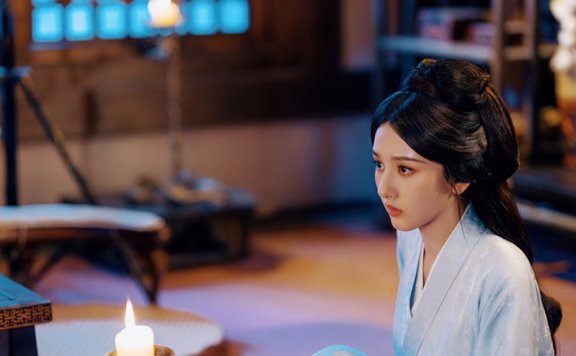
Did Song Zuer Really Wear Underwear as Outerwear?
In a recent preview for the period drama Biao Mei Wan Fu (表妹万福), set against a Ming Dynasty backdrop, actress Song Zuer's (宋祖儿) character is seen outdoors wearing what appears to be a structured, clasp-fastened undergarment. This has sparked a fiery online debate: Was it historically accurate for a woman to reveal her inner wear during this era, or is this merely a creative costume design choice? The scene challenges modern perceptions of Ming fashion, often imagined as uniformly modest and restrictive. To understand this sartorial choice, we must delve into the specific garment in question and its place in the private versus public life of a Ming gentlewoman. Zhuyao Unveiled The garment causing the stir is not a modern invention but a historical piece known as a Zhuyao (主腰). Popular during the Yuan and Ming periods, it was sometimes poetically called a "pleasure-binding jacket." Its defining feature was a front opening secured by ties or clasps, a distinct departure from the more common wraparound styles. While the overarching term for inner wear in this period is often debated, the Zhuyao stands out for its tailored construction. Surviving artifacts show it could be worn with or without shoulder straps, which could… -
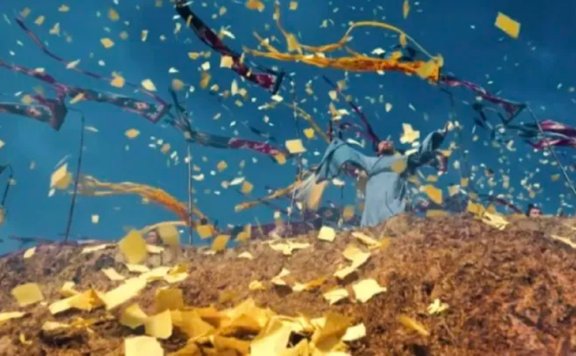
Did a Golden Slip Really Save an Empress's Life?
In the television series Strange Tales of Tang Dynasty Ⅲ: Chang'an ( 唐朝诡事录之长安), two officials are on a mission to locate a mysterious artifact—a golden slip. This object holds the key to unraveling a complex mystery. What many viewers might not realize is that this plot device is not merely a writer's invention. It is based on a real, historical treasure connected to one of China's most powerful rulers, Empress Wu Zetian (武则天). This gleaming piece of gold offers a tangible link to her reign, raising a compelling question: could this small object have truly held significance for the fate of an entire dynasty? The Golden Proof The prop in the show is a detailed replica of an actual artifact housed in the Henan Museum. This genuine Jin Jian (金简), or Golden Slip, measures 36.2 centimeters in length, 8 centimeters in width, and weighs 223.5 grams. Its gold content exceeds an impressive 96%. The surface is devoid of intricate patterns. Instead, its value lies in the sixty-three characters etched into the metal. These words form a personal plea from the Empress, asking the heavens to absolve her of her worldly sins. This slip remains the only known relic directly tied… -
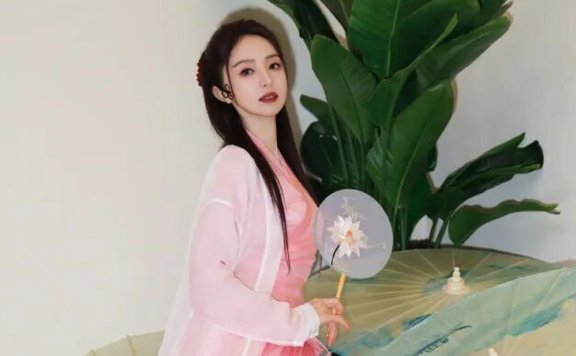
46-Year-Old Dong Xuan Stuns in Pink Hanfu
When photos of Dong Xuan (董璇), a 46-year-old actress, surfaced online in a stunning pink Hanfu ensemble, they instantly captivated audiences. The images, set against a backdrop reminiscent of Jiangnan's scenic beauty, showcase her in a flowing, gauzy dress that seems to dance with the breeze. This isn't just another celebrity photoshoot; it's a vivid portrayal of classical elegance meeting modern grace. Her choice of a round fan adorned with lotus motifs and traditional embroidered shoes completes the look, making it a topic of widespread admiration. At an age where many might shy away from bold fashion statements, Dong Xuan demonstrates how timeless style transcends generations. The response has been overwhelming, with fans and fashion enthusiasts alike praising her ability to embody the spirit of traditional Chinese aesthetics so effortlessly. This moment highlights a growing appreciation for cultural elements in contemporary media, and Dong Xuan's presentation serves as a perfect entry point into this discussion. The Ensemble The pink gradient Hanfu worn by Dong Xuan features layers of sheer silk that create a soft, ethereal effect. Its design includes delicate sleeves that flutter gently, evoking the tranquil atmosphere of a water town in southern China. The color transitions from light… -
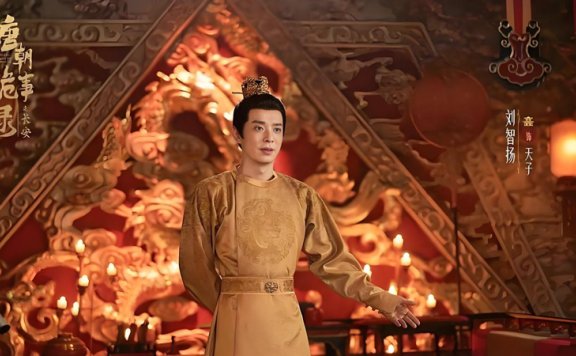
Dive Into 5 Captivating Chinese Mysteries
In recent years, a fascinating new wave of Chinese historical dramas has been captivating audiences, distinguished not by star power but by rich storytelling, intricate production design, and a unique cultural aesthetic. These series seamlessly blend mystery, the supernatural, and political intrigue against the backdrop of meticulously recreated ancient settings. Leading this trend are several standout productions from the mid-2020s, such as Strange Tales of Tang Dynasty III: Chang'an and Blade of Vengeance. They represent a shift towards "Zhongshi Guiguai (中式诡怪)", a distinctly Chinese approach to the eerie and supernatural, offering a fresh alternative to Western genres. These dramas are characterized by their complex, case-driven narratives that are often woven into larger, overarching conspiracies, immersing viewers in worlds where every solved mystery reveals deeper layers of courtly ambition and hidden truths. The commitment to authenticity is paramount, from constructing vast, physical sets like Chang'an's Western Market to choreographing fluid, demanding fight sequences performed by the actors themselves. Furthermore, they explore profound themes of justice, memory, and revenge, grounding their fantastical elements in the emotional journeys of compelling characters whose partnerships—forged in conflict and mutual respect—form the heart of the story. This convergence of intellectual mystery, visceral action, and deep cultural… -
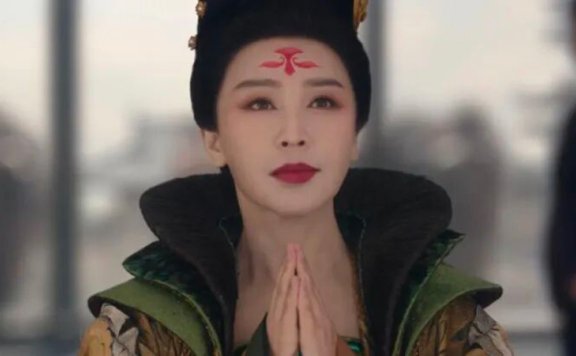
Why Princess's Forehead Ornament Stands Out
In the bustling capital of Chang'an, the latest season of Strange Tales of Tang Dynasty Ⅲ: Chang'an ( 唐朝诡事录之长安) showcases a striking visual choice that has captured audience attention. The character of the Princess appears with an oversized Huadian (花钿), a forehead ornament that spans nearly her entire brow, diverging from the subtle accents seen in other period dramas. This bold aesthetic immediately raises questions about its historical accuracy and symbolic intent. Rather than a mere decorative flourish, this large Huadian serves as a narrative device, hinting at deeper layers of personal identity and political statement within the storyline. As viewers, we are drawn into a world where beauty standards intertwine with power dynamics, inviting us to look beyond the surface. Early Tang Fashion During the early Tang dynasty, particularly in the seventh century, women's adornment practices reflected a period of cultural flourishing and experimentation. The exaggerated Huadian, as depicted in artifacts like the Dancing Maid Painting (舞伎图) from the Astana tombs, often covered most of the forehead and was typically painted with pigments like cinnabar for a vibrant, gradient effect. This style was not just about aesthetics; it symbolized a era of confidence and innovation, where women expressed themselves… -
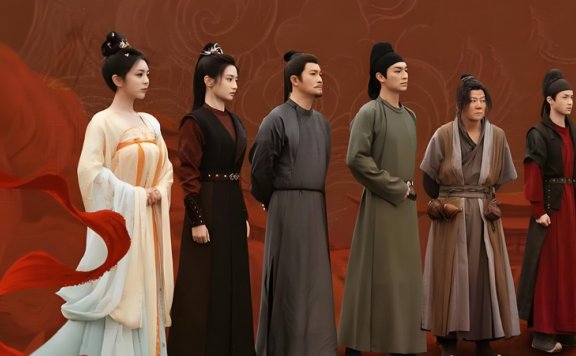
Identity Struggles Tang Dynasty Chang'an Mysteries
In the engaging series Strange Tales of Tang Dynasty Ⅲ: Chang'an ( 唐朝诡事录之长安), audiences are transported to a world where personal identities blur and political ambitions collide. Set against the vibrant backdrop of the Tang Dynasty, this show weaves tales that explore how appearances can shape destinies and ignite conflicts. One narrative centers on a young woman whose striking resemblance to a revered empress thrusts her into a whirlwind of danger and desire. Through such stories, the drama delves into universal themes of self-discovery and the struggle for autonomy, all while maintaining a grip on historical intrigue. Its ability to blend character-driven plots with subtle societal commentary makes it a compelling watch for those interested in deeper narratives. The Look-Alike Effect Characters with identical faces often drive the plot in Tang Dynasty Mystery Records. Wuyang (舞阳), for instance, bears an uncanny likeness to the young Empress, leading others to label her as a reincarnation. This misconception subjects her to both reverence and persecution, dramatically altering her life path. Her journey highlights how physical similarity can become a prison, forcing her to confront external expectations while seeking her own identity. The series uses this motif to question whether we are defined… -
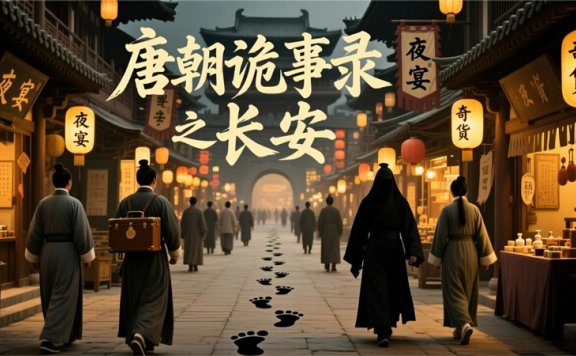
How Tang Dynasty Tales Resonate with Modern Audiences
In the final months of 2025, a television phenomenon has seized the attention of audiences, proving that substance can triumph over spectacle. Strange Tales of Tang Dynasty Ⅲ: Chang'an (唐朝诡事录之长安), the third installment of a beloved series, achieved staggering platform ratings and critical acclaim mere days after its premiere. This period mystery drama, devoid of A-list celebrities and pre-existing blockbuster IPs, has managed to not only meet but exceed the high expectations set by its predecessors. Its success is not a happy accident but the result of a meticulous and thoughtful creative philosophy that has resonated deeply with viewers. The Foundation The bedrock of the series' appeal is its unwavering respect for the audience's intellect. Rejecting convoluted plots that rely on character ignorance, the narrative presents mysteries that are complex yet logically sound. The story returns to the vibrant, bustling capital of the Tang Dynasty, Chang'an, in its early prosperous years. The protagonists, General Lu Lingfeng (卢凌风) and his partner Su Wuming (苏无名), a disciple of the famous Judge Di, lead their investigative team through a maze of bizarre cases set against a backdrop of intense court rivalries between the Emperor and the Princess. Craftsmanship A tangible, almost obsessive dedication… -

How Costumes in Love & Crown Whisper the Plot
In the realm of historical television, where stories of love and power often blend into a familiar tapestry, Love & Crown (凤凰台上) distinguishes itself through an unexpected narrator: its costumes. Beyond the compelling performances of Ren Jialun (任嘉伦) and Peng Xiaoran (彭小苒), the series has captivated audiences with its sartorial eloquence. Each robe, crown, and accessory is imbued with meaning, silently charting character arcs and emotional undercurrents. This attention to detail transforms clothing from mere backdrop to active participant in the storytelling, inviting viewers to look closer and discover a hidden language stitched into every fiber. Imperial Robes Emperor Xiao Huan's (萧焕) wardrobe serves as a visual diary of his burdens. His dragon robes defy traditional bright yellows, opting instead for subdued hues like pale gray and charcoal. Upon closer inspection, these garments reveal a secret: intricate mountain and river patterns embroidered with thread matching the base color, visible only under specific lighting. This design mirrors his life sentence to the throne, where the weight of the nation is a constant, invisible pressure. When he ascends the dais in court scenes, the faint outlines of these landscapes seem to cling to him, a ghostly map of his responsibilities. The evolution… -
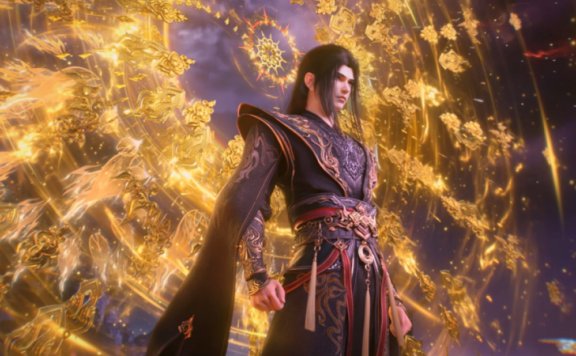
Why Did the Soul Palace's Grand Elder Flee From a Newborn Saint?
A tense silence shattered above the Falling Star Pavilion. Just as the armies of the Nether River Alliance prepared to deliver a final blow, a formidable energy erupted from the mountain pass. The air itself seemed to solidify under an overwhelming pressure. Xiao Yan (萧炎) had emerged, and his aura announced a monumental shift. He was no longer a mere Dou Zun (斗尊). He had transcended into the realm of the Dou Sheng (斗圣), a Dou Saint. His arrival was a thunderclap. With terrifying efficiency, he eliminated two Half-Saint experts, Tianming Laoyao and the Third Heavenly Respect, as if they were mere practice dummies. His focus then shifted to the skeletal Gu You Saint. Victory seemed absolute. But then, space tore open. A distant, shadowy figure intervened, its power snatching Gu You from the jaws of certain death. This was the Grand Elder of the Soul Palace (魂殿), a seasoned expert at the peak of the One Star Dou Saint level. He had the power to intervene, yet after saving his subordinate, he retreated just as swiftly. He chose not to challenge the newly ascended Saint. This decision, seemingly illogical, was rooted in a complex web of unspoken rules and… -
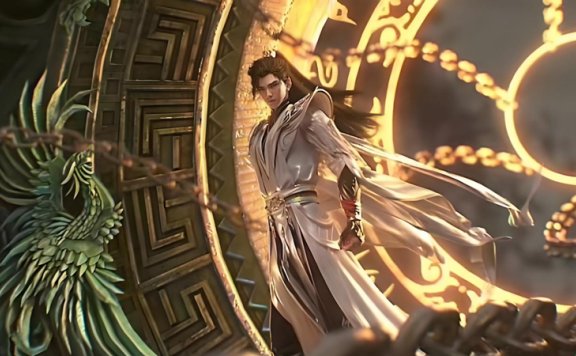
What Secrets Lie Beneath the Dragon's Lair in Shrouding Heavens?
The animated series Shrouding Heavens (遮天) continues to captivate its audience with a plot that thickens with every episode. In the recent installment, the stakes are higher than ever as our protagonists find themselves in the heart of a treacherous ancient site. The preview for this chapter promises a blend of high-risk exploration, unexpected alliances, and legendary treasures that could shift the balance of power. The narrative thrusts the characters into a situation where every decision carries immense weight, and the line between opportunity and peril is dangerously thin. This particular journey begins with a forced hand and culminates in a discovery that ties directly to one of the most formidable figures in their world's history. The dynamics between the characters are tested, and loyalties are questioned as they navigate a domain filled with primordial dangers. The official adaptation also makes a notable departure from the source material, aiming to enrich character development and emotional resonance for its viewers. The Dragon's Lair Cornered by a group of powerful adversaries, Ye Fan has little choice but to lead them to the fabled Wanlong Nest (万龙巢). This decision proves to be catastrophic, as it disturbs the slumber of ancient primeval creatures slumbering… -
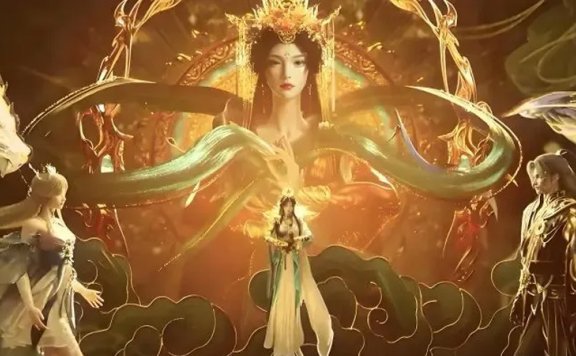
The Game-Changing Episode of Eclipse of Illusion
A surge of emotion swept through the fan community following the latest episode of the original animated series Eclipse of Illusion (云深不知梦). In a stunning narrative turn, Shuyu (淑玉), the one true dragon of the Mu Ling Continent (沐灵大陆), made the ultimate choice: self-sacrifice to save her sister. This moment was not just a plot point but a powerful demonstration of the series' growing ambition. Since its premiere on Youku in July 2025, this production from Ian Animation has captivated a dedicated following. It masterfully blends a distinctive Xin Guofeng (新国风) aesthetic, a compelling female-centric narrative, and cinematic storyboarding to create a unique viewing experience. The series has consistently impressed with its visual direction, but this newest chapter elevated its artistry to a new level. While perhaps not every single frame could serve as a desktop wallpaper, the episode's visual intensity was undeniable. The central battle sequence, where the usually gentle Long Er (龙儿), spear in hand, awakened her true power as the War Dragon Sovereign to face two formidable foes, was a spectacle of breathtaking scale. The imagery of nine ethereal dragons coiling around a figure with flowing, unbound hair has already been hailed by many as one of… -
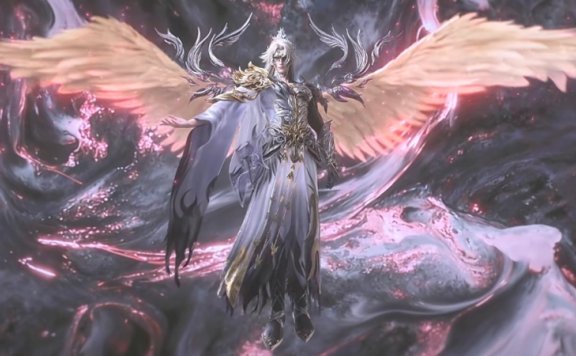
The Eternal Rival: Who Was He Wushuang in Perfect World?
In the vast cosmos of Perfect World (完美世界), two prodigies emerged as living representations of their warring realms. Their conflict transcended personal ambition, becoming a struggle between two distinct cosmic destinies. From the barren Nine Heavens and Ten Earths came Shi Hao (石昊), fighting against a broken heavenly law with sheer willpower. Opposite him stood a genius nurtured by the abundant resources of the Other Realm, a young man whose very name became a legend. This is not merely a story of clashing techniques, but a profound examination of how environment shapes destiny, and what happens when natural advantage meets relentless determination. The stage was set across two fundamentally different worlds. One realm offered every resource imaginable to its chosen son, while the other forced its champion to claw his way up from nothing. Their eventual collision was not just a battle of individuals, but a cosmic event that would echo through time, questioning whether privilege or perseverance ultimately forges the stronger warrior. An Unlikely Prodigy He Wushuang (鹤无双) emerged from the most humble of origins. His clan, the Crane Tribe, was considered a minor power, barely registering on the political landscape of the Other Realm. Yet from this unremarkable… -
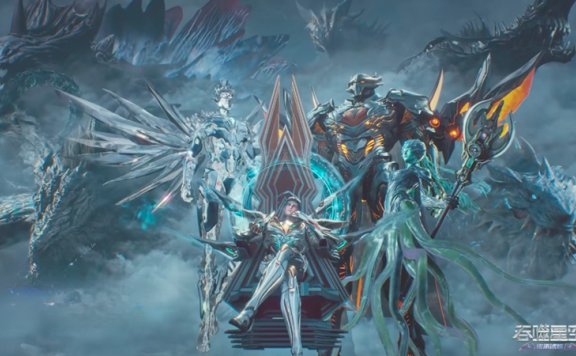
Ownership Without Mastery in Swallowed Star
In the vast universe of Swallowed Star (吞噬星空), the moment Star Tower acknowledged Luo Feng (罗峰) as its master, it seemed like a turning point in his journey. Yet, instead of unleashing unparalleled power, he found himself unable to command it fully, relying on it merely as a defensive shield. This paradox lies at the heart of his growth, reflecting deeper themes of patience and preparation in a world where strength dictates survival. The story delves into why such a powerful artifact remains elusive, weaving together elements of energy limits, spiritual harmony, and strategic foresight. As Luo Feng navigates these challenges, his struggles highlight that true mastery requires more than ownership—it demands alignment of ability and intent, a lesson resonating beyond the stars. Energy Consumption The Star Tower operates on an energy scale that defies conventional understanding. As a artifact beyond the primal universe's capacity, its basic defensive mode drains the core energy of dozens of stars every second. For higher functions like spatial lockdowns or mass suppression, the demand skyrockets to astronomical levels. Luo Feng, even at his peak as a Realm Lord with the Nine Calamities Secret Code enhancing his divine power, possesses reserves that are minuscule in… -
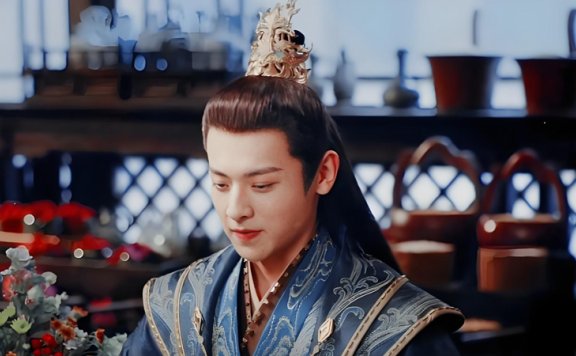
How Did Xiao Ruofeng's Noble Dreams Unravel in Blood River?
In the tumultuous world of Blood River (暗河传), the saga of Xiao Ruofeng (萧若风) stands as a poignant tale of sacrifice and unintended consequences. Set against the backdrop of the Beili (北离) empire, his life unfolds like a classic tragedy, where personal virtues clash with political realities. As a central figure, he navigates a path filled with loyalty, love, and the heavy weight of destiny. This story delves into how his choices, meant to preserve peace, instead ignited conflicts that reshaped kingdoms. Through his journey, we see the fragile balance between ambition and selflessness, offering lessons that resonate beyond the screen. What begins as a tale of brotherly devotion spirals into a web of power struggles, leaving audiences to ponder the true cost of integrity in a world driven by force. Throne Denied Xiao Ruofeng's early life was marked by a bond with his brother, Xiao Ruojin (萧若瑾), that seemed unbreakable. Their childhood struggles, including a moment when Xiao Ruojin threatened a physician to save him, forged a deep connection. When their father, Emperor Tai'an (太安帝), favored Xiao Ruofeng for the throne, it placed him in an impossible position. The Dragon Seal Edict bore his name, a symbol of legitimacy… -
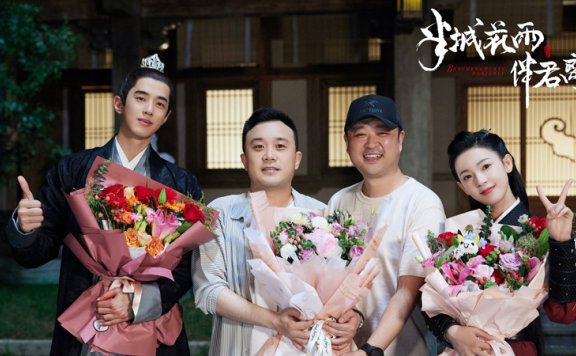
Can a Scarlet General and a Cunning Minister Rewrite Their Destinies?
A flash of crimson cuts through the battlefield, a stark symbol of defiance and beauty. This is the first glimpse of Hua Zhuyu (花著雨), a general whose legend is as formidable as her sword. Her story, brought to life in the new series Love Under the Floral Rain (半城花雨伴君离), is not a simple tale of romance. It is a complex dance of survival, revenge, and an unexpected alliance that blooms in the most treacherous of soils. Based on the novel Phoenix Hidden Under the Sky (凤隐天下) by Yue Chuyun (月出云), the series pairs the compelling performances of Chen Yao (陈瑶) and Liang Jingkang (梁靖康) in a historical narrative that challenges the conventions of its genre. The world of the Qi Kingdom (綦国) is one of intricate politics and sudden betrayals. At its heart is General Hua, known to friend and foe alike as the “Silver-Masked Asura”. Her prowess in military strategy is matched only by her skill with the Guqin (古琴), a duality that defines her character. Yet, beneath the formidable exterior lies the memory of a lonely boy she once rescued, a tender secret she calls “Brother Ling”. This childhood act of kindness stands in sharp contrast to the… -
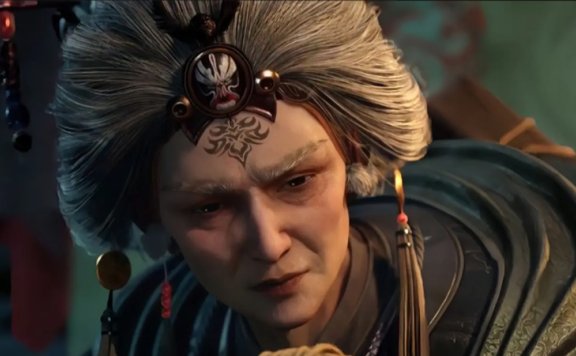
4 Unforgettable Physical Shifts in Top Chinese Animation Female Roles
In the vibrant world of Chinese animation, female characters often undergo breathtaking physical changes that captivate audiences. These transformations are not merely visual tricks; they weave deep narratives about identity, sacrifice, and empowerment. From elderly figures shedding years to reveal youthful vigor, to children maturing into powerful adults, these shifts challenge perceptions and drive stories forward. This article delves into four iconic examples where such metamorphoses redefine characters and plotlines, offering viewers a glimpse into the creative storytelling that sets these series apart. Each change carries emotional weight, turning simple animations into profound explorations of human experience. 1. Tale of Herding God (牧神记) - Si Youyou (司幼幽) In Tale of Herding God (牧神记), Si Youyou lives as a hunched old woman in Canlao Village (残老村), hiding a past filled with turmoil. Once the sacred maiden of Tianmo Jiao (天魔教), she was forced into marriage by its leader, Li Tianxing (厉天行). During their wedding, she struck back, stealing the Dayu Tianmo Jing (大育天魔经) and fleeing to escape persecution. Her disguised life as an elder conceals a fierce spirit and a history of rebellion, making her daily existence a delicate balance between survival and secrecy. Beneath the wrinkled facade lies unparalleled beauty,… -
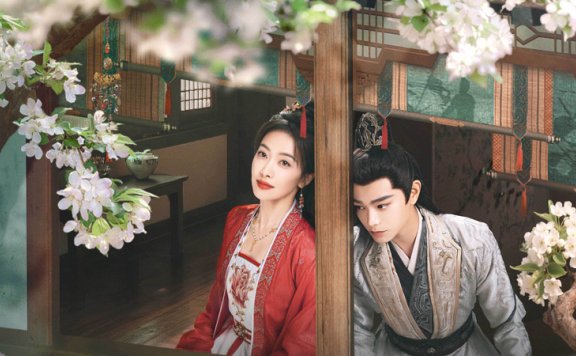
Unpacking Character Arcs in Fight for Love
In the captivating world of Chinese period dramas, Fight for Love (山河枕) stands out with its intricate plots and deeply human characters. This series, set against the backdrop of the Dasui (大遂) dynasty, weaves tales of love, loss, and redemption that resonate with audiences. As viewers follow the lives of figures like Chu Yu (楚瑜) and Wei Yun (卫韫), they explore themes of resilience and societal expectations. The drama's ability to blend personal journeys with historical elements creates a rich tapestry that keeps fans eagerly anticipating each twist. Rather than merely recounting events, it invites reflection on how individuals navigate duty and desire in a turbulent era. This introduction sets the stage for a deeper look into the characters' evolving paths and the cultural nuances that make the story compelling. Chu Yu's Journey Chu Yu's arc in Fight for Love is a testament to personal growth amid adversity. Initially, she faces scorn for her unconventional choices, particularly her relationship with Wei Yun, which defies traditional norms. Her resilience shines as she balances emotional ties with her responsibilities, showcasing a blend of strength and vulnerability. This character development highlights how women in historical settings often had to forge their own paths… -

The Complex Journey of Wu Yang in Chang’an
In the gripping drama Strange Tales of Tang Dynasty Ⅲ: Chang'an (唐朝诡事录之长安), the character Wu Yang (舞阳) initially appears as a victim of circumstance, trapped by her mother's overprotective love in the bustling capital of Chang'an. Her story unfolds with layers of deception, challenging viewers' perceptions of innocence and manipulation. As the plot delves into her desperate bid for freedom, it reveals a complex web of human emotions and calculated moves, set against the rich backdrop of the Tang Dynasty. This narrative not only captivates with its suspense but also invites reflection on the lengths one might go to break free from societal constraints. The Illusion of Innocence Wu Yang's first encounter with Cherry and Pei Xijun (裴喜君) at a cosmetic shop seems like a chance meeting, but it is carefully orchestrated. She approaches them with a facade of pure vulnerability, quickly proposing a friendship and arranging a visit to Chenfo Temple (成佛寺). Her ability to read people allows her to select targets who are both sympathetic and influential, ensuring that her disappearance would cause enough concern to be investigated, yet not enough to derail her plans. This calculated approach shows her deep understanding of human psychology, far beyond what…