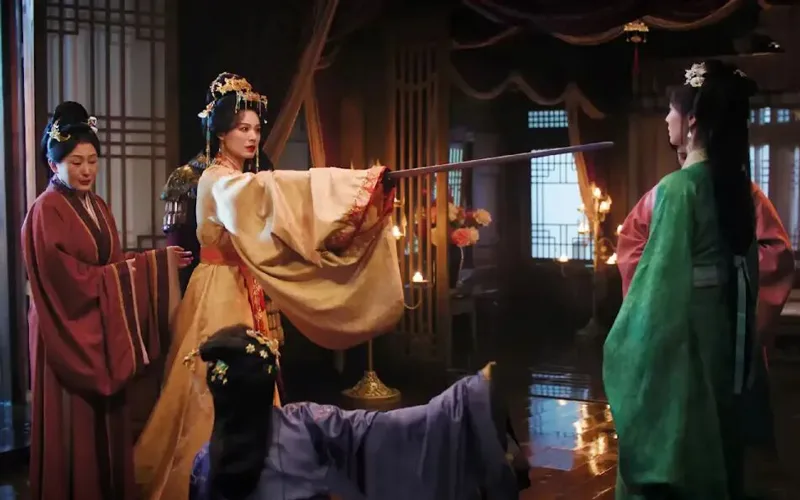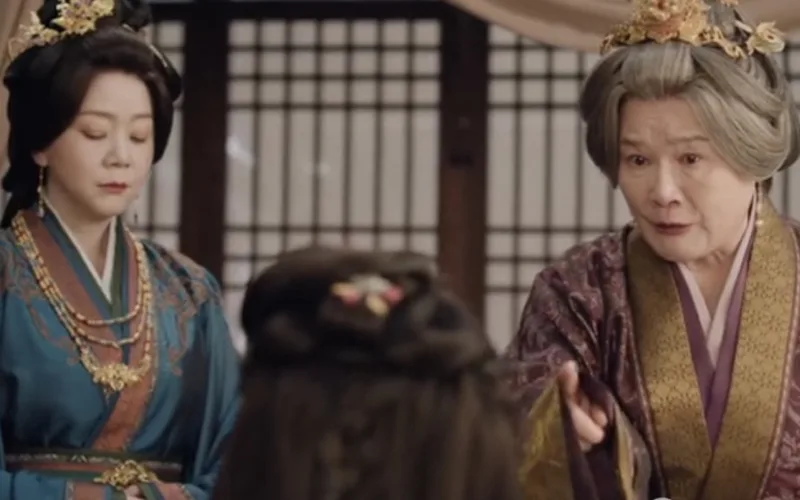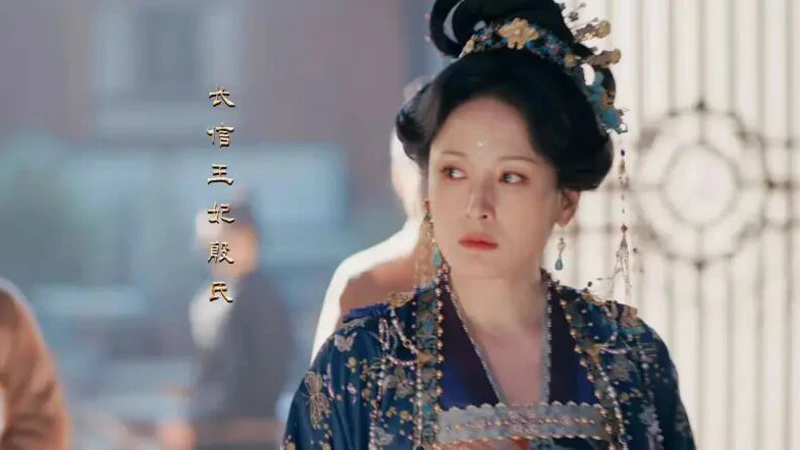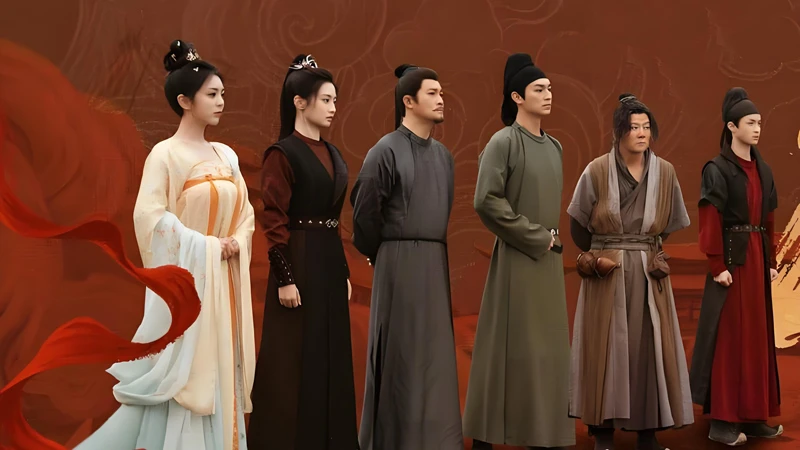
In the engaging series Strange Tales of Tang Dynasty Ⅲ: Chang’an ( 唐朝诡事录之长安), audiences are transported to a world where personal identities blur and political ambitions collide. Set against the vibrant backdrop of the Tang Dynasty, this show weaves tales that explore how appearances can shape destinies and ignite conflicts. One narrative centers on a young woman whose striking resemblance to a revered empress thrusts her into a whirlwind of danger and desire.
Through such stories, the drama delves into universal themes of self-discovery and the struggle for autonomy, all while maintaining a grip on historical intrigue. Its ability to blend character-driven plots with subtle societal commentary makes it a compelling watch for those interested in deeper narratives.
The Look-Alike Effect
Characters with identical faces often drive the plot in Tang Dynasty Mystery Records. Wuyang (舞阳), for instance, bears an uncanny likeness to the young Empress, leading others to label her as a reincarnation. This misconception subjects her to both reverence and persecution, dramatically altering her life path. Her journey highlights how physical similarity can become a prison, forcing her to confront external expectations while seeking her own identity. The series uses this motif to question whether we are defined by our looks or our actions.
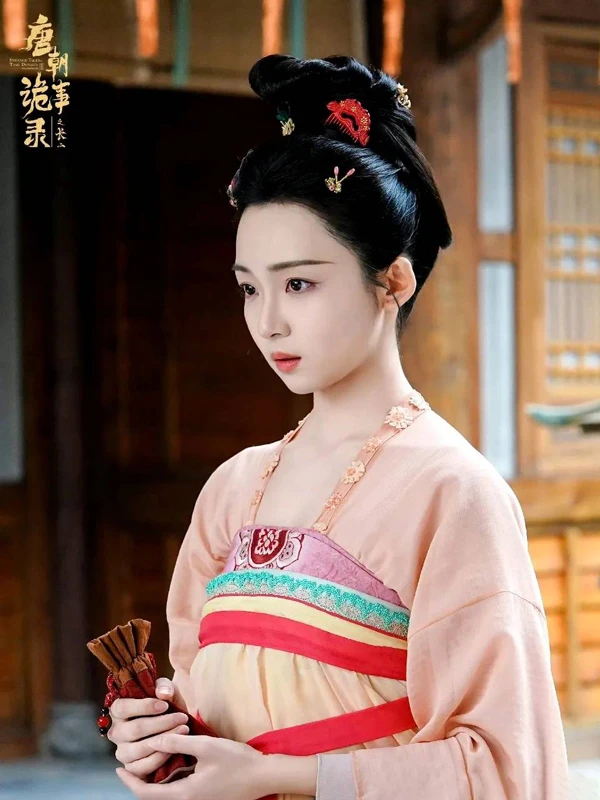
This theme recurs with other pairs, such as the monk Kongle (空了和尚) and Qin Xiaobai (秦孝白), whose shared appearances create eerie coincidences that deepen the mystery. By reusing actors in these roles, the production adds a layer of familiarity while exploring new twists. It allows the show to maintain continuity without feeling repetitive, engaging viewers through clever casting choices. These doppelgängers serve as mirrors, reflecting the characters inner conflicts and the societal pressures they face.
Wuyang’s desire for freedom leads her into perilous situations where others exploit her resemblance. From rogue traders seeing profit in her face to lovers projecting past affections onto her, she navigates a web of manipulation. Her resilience becomes a testament to the human spirit’s yearning to break free from imposed roles. This struggle resonates with anyone who has felt trapped by others’ perceptions, making her story both personal and universally relatable.
Hidden Power Struggles
Beneath the surface of personal dramas, fierce political rivalries simmer throughout the series. The tension between the Grand Princess and the Emperor subtly influences events from the Golden Peach Case to the Weeping of Chenfo Temple (成佛寺). These power dynamics shape character decisions, revealing how personal insecurities can sway royal politics. For example, the Emperor’s reaction to Wuyang’s existence shows how fear of usurpation drives authoritarian actions, adding depth to the narrative.
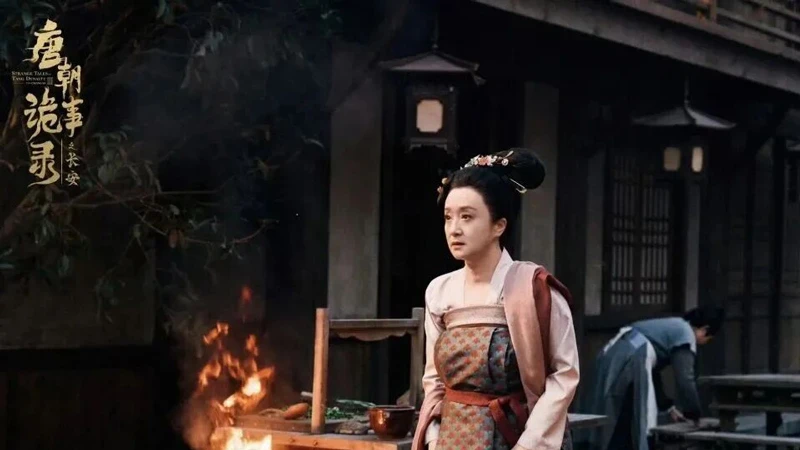
Figures like the Grand Princess view Wuyang as a pawn, considering adoption to strengthen their influence. This manipulation of identity for political gain illustrates the ruthless nature of court life. The series portrays these intricacies without overwhelming viewers, using historical context to ground the fiction. By integrating real elements like references to court favorites, it creates a believable world where every alliance is fragile and every gesture carries weight.
Secondary characters, such as minor officials, often find themselves entangled in these conflicts. Their interactions with main players highlight how broader power struggles trickle down to affect all levels of society. The inclusion of supernatural elements, like the Ye Xing You Nü (夜行游女) or Night Wailing Woman, mirrors these human tensions, blending folklore with political commentary. This approach enriches the storytelling, offering layers that reward attentive viewing.
Metaphors of Escape
Symbolism plays a key role in conveying themes of liberation in the series. In the Weeping of Chenfo Temple unit, Wuyang’s rescue by Amu from a water cage echoes an earlier scene where he saves her from maternal control. Both moments symbolize breaking free from constraints, whether physical or emotional. The water imagery evokes purification and rebirth, underscoring her transition from captivity to self-determination. Such details elevate the narrative beyond simple plot points to profound statements on freedom.
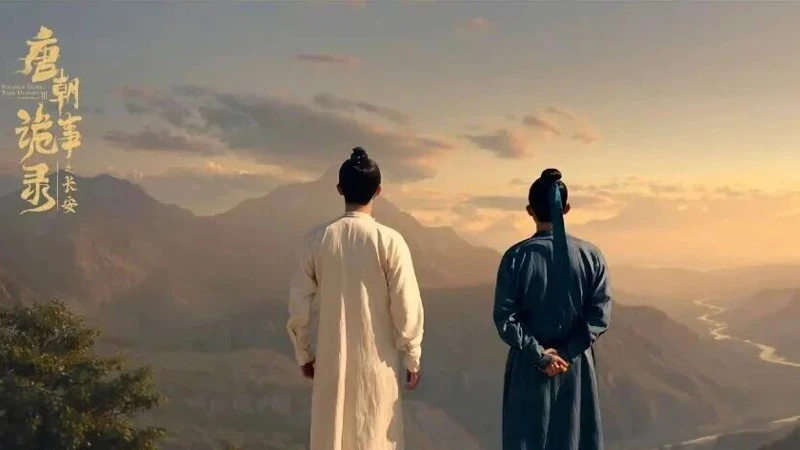
Other symbolic elements include artifacts like the Shenxian Yunü Powder (神仙玉女粉), which initially appears crucial but later proves deceptive. This red herring teaches viewers to question surface appearances, aligning with the series broader themes. Similarly, paintings in Chenfo Temple trigger memories and foreshadow events, linking different story arcs. These devices create a cohesive universe where every element serves multiple purposes, enhancing rewatch value.
The series balances its heavier themes with lighthearted moments, such as characters playfully naming dishes in nods to other cultural works. These instances provide relief while honoring traditions, making the drama accessible and enjoyable. By intertwining humor with depth, it ensures that the exploration of identity and power remains engaging without becoming overly solemn. This blend keeps the audience invested in both the characters and their journeys.