Article
Search results:
-
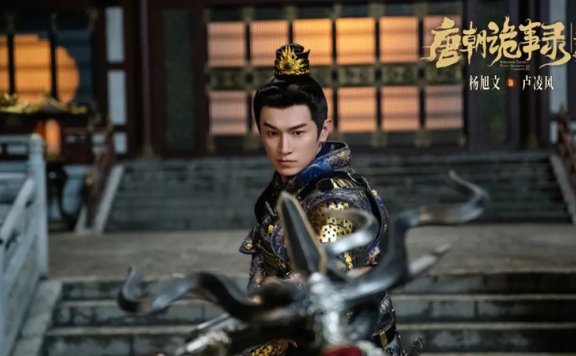
Strange Tales of Tang Ⅲ: Chang'an Shines with 8.1 Douban Score
In a landscape where many Chinese series struggle to maintain quality across seasons, one show has defied expectations with its latest installment. Strange Tales of Tang Dynasty Ⅲ: Chang'an (唐朝诡事录之长安) has captivated audiences, achieving an impressive 8.1 rating on Douban and drawing millions of viewers. Set in the bustling capital of the Tang Dynasty, this season immerses viewers in a world where detective work meets political intrigue. The story follows investigators as they unravel bizarre cases rooted in historical mysticism, blending suspense with rich cultural elements. Its success marks a significant achievement for original IPs, proving that compelling storytelling can thrive without relying on tired tropes or excessive effects. The Mysterious Cases At the heart of this season lies the enigmatic "Golden Peach of Kang" case, which sets the tone for the series' intricate plots. When the valuable Golden Peach arrives as a tribute, it triggers a series of bizarre deaths linked to a mythical creature. Investigators discover that victims are attacked by what appears to be the Uyan Bird, a legendary beast from folklore. However, the truth proves more complex, as evidence points to human manipulation behind the scenes. This case not only hooks viewers with its twists but… -
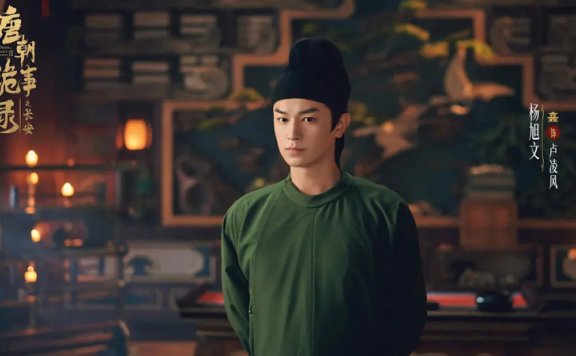
Strange Tales 3 Dives Into Chang'an's Power Wars
Have you ever wondered what keeps viewers glued to their screens for a historical mystery? The answer might lie in a bustling Tang Dynasty market, beneath the shadow of a mechanical beast, or within the whispered secrets of the palace. Strange Tales of Tang Dynasty Ⅲ: Chang'an (唐朝诡事录之长安) returns, and it wastes no time plunging audiences back into its captivating world of suspense and intrigue. Picking up directly from the events of its predecessor, the series immediately reacquaints us with the familiar faces of the investigation team. They find themselves in a Chang'an simmering with political tension, where a simple transport mission for a rare treasure unravels into a web of conspiracies that threaten the very heart of the empire. This season promises not only baffling cases but also a deeper exploration of the power dynamics shaping the era. Unveiling The Mystery The series has always been defined by its "strange" elements, and the third installment doubles down on this signature style. The premiere episode delivers a high-stakes encounter with colossal, mechanical birds that attack the Emperor. The spectacle is not mere fantasy; the show grounds its weirdness in historical texts like the Youyang Zazu (酉阳杂俎), which records flying wooden… -
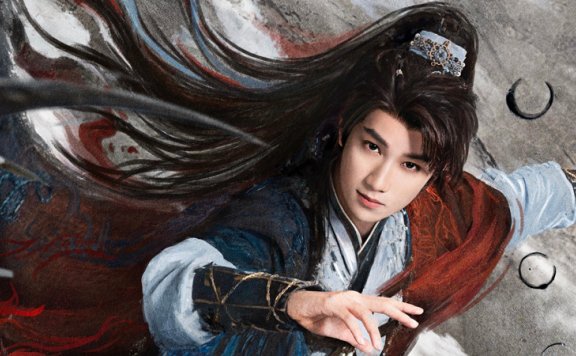
How Could a Friendship End With a Merciful Sword Strike?
The finale of the television series Whispers of Fate (水龙吟) leaves viewers with a profound sense of tragedy, centered on two characters whose fates are irrevocably intertwined. The world of Wuxia is often defined by honor and revenge, but this narrative explores a darker, more personal cost. It asks a difficult question: what is the ultimate price of loyalty, and what remains when vengeance proves to be a hollow pursuit? The conclusions for Chi Yun (池云) and Liu Yan (柳眼) are not merely endings but somber reflections on sacrifice and the devastating weight of misplaced blame. A Friend's Final Duty Chi Yun's story is a heartbreaking descent from light into darkness. He begins as a character full of life, his devotion to his fiancee, Bai Suche (白素车), and his unwavering friendship with Tang Lici defining his existence. His trust in Tang Lici (唐俪辞) is absolute, a bond that seems unbreakable. This makes his eventual fate all the more tragic, a cruel twist orchestrated not by a villain, but by circumstance. In a desperate attempt to protect Bai Suche, Chi Yun is contaminated by poisoned blood, a transformation that turns him into the most powerful and dangerous Guwang (蛊王), a venomous… -
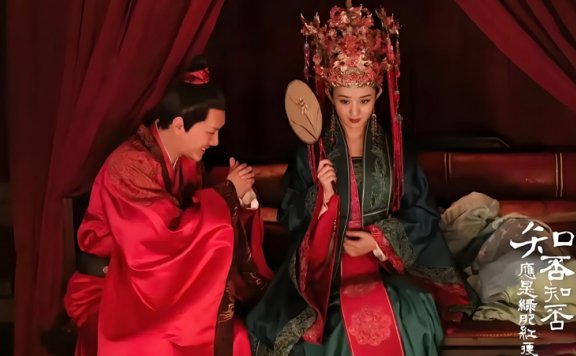
How Chinese Wedding Traditions Adapt and Endure
In the heart of ancient China, a bride's journey to her new home was marked by a procession of carefully curated items, each telling a story of family love and societal expectations. From the bustling streets depicted in The Story of Minglan (知否知否应是绿肥红瘦) to the intricate details in Flourished Peony (国色芳华), dowries served as more than mere possessions; they were a woman's anchor in a world defined by marital bonds. These collections, often prepared from a daughter's birth, reflected deep cultural roots where marriage was not just a union but a strategic alignment of families. Parents invested years, sometimes even mortgaging properties, to assemble dowries that would ensure their daughter's dignity and security. This practice, steeped in tradition, highlighted the delicate balance between affection and social standing, weaving a tapestry of hope and responsibility that transcended generations. Dowry Components Ancient Chinese dowries were meticulously divided into practical and symbolic categories, tailored to a family's means. For ordinary households, items like beds, chests, quilts, and pillows formed the core, as seen in historical records and dramas such as The Story of Minglan. These objects, though simple, embodied parental devotion, with families often measuring the groom's home beforehand to customize furniture. In… -
Deception & Sorrow: Forging the Perfect Human Weapon
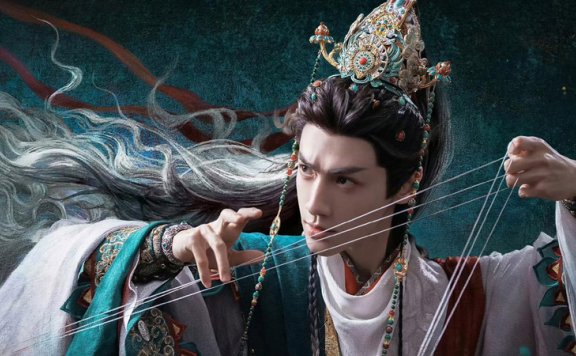
What if every act of kindness in your life was part of a stranger's calculated design? For Tang Lici (唐俪辞), the revered hero of the Whispers of Fate (水龙吟) tale, this nightmare was his reality. His entire existence, from a fateful rescue to a profound loss, was orchestrated by a shadowy architect from another realm. The seven years of warmth and guidance he received from his adoptive guardian, Fang Zhou (方周), were not a sanctuary but a carefully set stage for a devastating tragedy. This is not merely a story of betrayal; it is an exploration of a chilling experiment to forge the perfect human weapon through the crucible of emotional suffering. The Architect's Gambit The mastermind, Yi Que Yinyang (一阙阴阳), originated from Tianrenjing (天人境), a celestial realm desperate to escape its decaying fate. His mission was to pave a path to the mortal world of Shenzhou (神州). However, after falling to the earthly kingdom of Gumo (姑墨), he was deceived and betrayed by its king, an experience that poisoned him with a deep-seated hatred for humanity. This bitterness crystallized into a new, monstrous ambition, one that required a specific and perfect vessel for his resurrection. He found his answer… -
What's the Story Behind Ju Jingyi's Head Scarf in Veil Of Shadows?
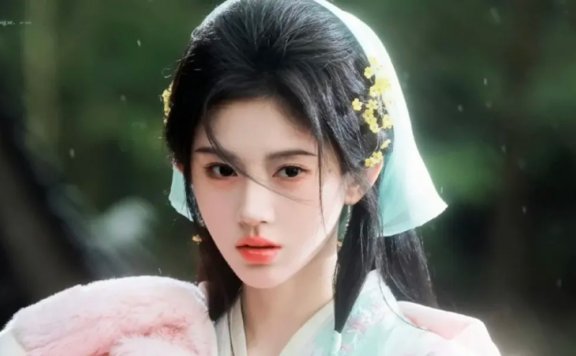
In the recent buzz surrounding actress Ju Jingyi (鞠婧祎) and her role in the drama Veil Of Shadows (月鳞绮纪), a simple head wrap has captured audience attention, sparking debates online. This accessory, far from a random costume choice, echoes a practical tradition from ancient China. Known as Pazi (帕子), it served as a everyday solution for managing hair, similar to modern hairbands or scarves. Its appearance in the show highlights how historical elements can blend seamlessly into contemporary storytelling, inviting viewers to look beyond the glitter of ornate hairstyles and appreciate the simplicity of daily life in past eras. This piece of cloth connects us to a time when functionality and fashion intersected in subtle ways, reminding us that some style solutions are timeless. Historical Roots Long before Veil Of Shadows brought it to screen, the head wrap had deep roots in Chinese history, dating back to periods like the Wei and Jin dynasties. Initially, both men and women used these square cloth pieces, often made from fabric scraps, to bundle their hair and maintain a neat appearance. For instance, men frequently wore a style called Zicuo (缁撮), which involved twisting black cloth into a bun-like shape, commonly seen among… -
What Did Song Dynasty Elites Wear to Beat the Cold?
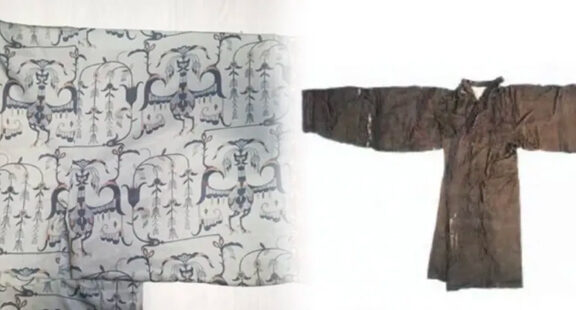
As winter winds sweep through modern cities, it is natural to wonder how people in ancient times managed without today's heating systems. The image of historical figures in flowing robes during chilly months might seem illogical, but ancient Chinese developed sophisticated methods to stay warm. This article delves into the innovative clothing and accessories used in dynasties like the Song, revealing how elegance and practicality coexisted in winter wear. From layered garments to insulated accessories, their approaches offer a fascinating glimpse into daily life centuries ago. Layered Clothing In ancient China, people relied on multi-layered garments similar to modern jackets. One key example is the Jia Yi (裌衣), an insulated outer robe designed for cooler seasons. It typically consisted of an outer shell and an inner lining, with padding materials sandwiched in between. This design allowed for flexibility and warmth, much like today's quilted coats. Historical texts, such as poems by Su Shi (苏轼), reference these items, showing their importance in daily life. For instance, in his work Chu Qiu Ji Zi You (初秋寄子由), he describes how putting on a Jia Yi provided comfort as temperatures dropped, highlighting its role in autumn and winter. Archaeological finds support the use of… -
The Story of Song Pearl Makeup’s Diversity
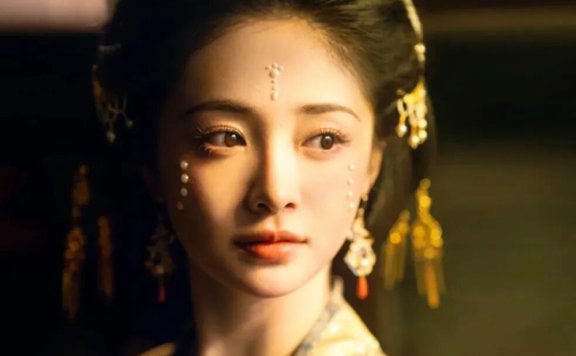
Why Did Pearl Makeup Styles Vary So Greatly in the Song Dynasty? From royal portraits to modern television dramas, the distinctive Zhenzhu Zhuang (珍珠妆), or pearl makeup, has become an iconic representation of Song Dynasty aesthetics. This facial adornment, featuring pearls strategically placed on the face, appears in countless historical productions and contemporary Hanfu fashion. Yet observers quickly notice puzzling differences: some wearers display sparse clusters of pearls, while others boast lavish arrangements covering entire cheekbones. What accounts for this dramatic variation in application and quantity? The answer reveals a fascinating narrative about personal expression, economic status, and cultural practices that transcended rigid social hierarchies. Social Statements Contrary to popular assumption, pearl placement and quantity never reflected official rank or marital status during the Song period. While court regulations meticulously dictated dragon and phoenix motifs on formal headdresses to indicate hierarchy, no edict governed facial pearls. The widespread belief that lower-status individuals wore fewer pearls represents a modern misinterpretation. Historical evidence confirms that pearl adornment functioned as what we might call democratic fashion—accessible in theory to anyone who could acquire pearls, though practical limitations naturally applied. The face offers limited real estate for decoration, with preferred positions including the forehead… -

The Hidden Beauty of White in Traditional Chinese Attire
When we think of white in traditional Chinese context, many immediately associate it with mourning and funerals. This common belief often leads to misunderstandings when seeing characters in historical dramas dressed in pristine white garments. However, white's role in Chinese sartorial history is far more nuanced and vibrant than mere symbolism of loss. From scholars expressing integrity to nobility showcasing elegance, white has woven itself into the fabric of daily life across dynasties. This article delves into the multifaceted journey of white clothing, challenging modern perceptions and revealing how this hue defined aesthetics beyond somber occasions. Historical White In the Ming Dynasty, white was a staple in wardrobes, especially among the elite. Women often wore Bai Ling Ao (白绫袄), a white silk jacket, during festive events like lantern festivals. These garments were not signs of grief but statements of sophistication. The natural whites used, such as Yu Du Bai (鱼肚白) or Yue Bai (月白), derived from organic dyes, offered a soft glow that complemented the surroundings. Unlike today's stark industrial whites, these tones blended seamlessly with moonlit nights and colorful lanterns, enhancing the wearer's grace without overpowering the scene. White also served practical purposes in everyday attire. It was commonly… -
Is That Snow White in Tang Dynasty China?
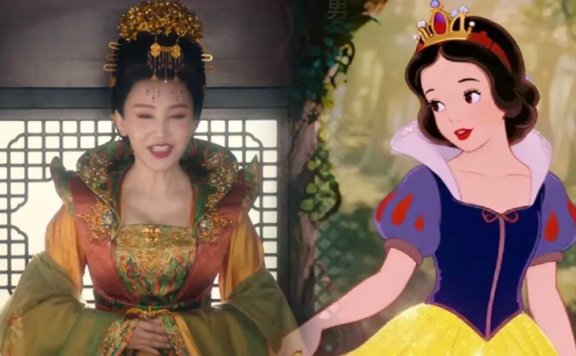
When viewers tuned into the historical drama Strange Tales of Tang Dynasty Ⅲ: Chang'an (唐朝诡事录之长安), a vibrant discussion erupted across social media platforms. The focus was not on the plot, but on the costume of a central character, Princess. Her gown, particularly its distinctive collar, bore a striking resemblance to the iconic outfit worn by Snow White from Western animation. This visual parallel prompted a wave of questions: Was this a deliberate borrowing from Disney? Does this design have any authentic roots in Chinese historical clothing, or is it a modern fabrication? The conversation highlights a larger, ongoing debate about how contemporary media interprets and represents historical fashion, blending fact with creative liberty. This costume controversy serves as a fascinating gateway into examining the intricate dialogue between Eastern and Western aesthetic traditions, and how ancient styles are reimagined for modern screens. Historical Inspirations To understand the princess's attire, one must look back at artifacts from the Tang Dynasty. Archaeological finds, such as ceramic dance figurines, reveal costumes with open necklines, often described as a U-shape or exposed collar. These garments, specifically used for performance, allowed for greater freedom of movement and an ethereal, flowing silhouette. The design typically involved layered… -
How Did Ancient People Survive Winter Without Heaters or AC?
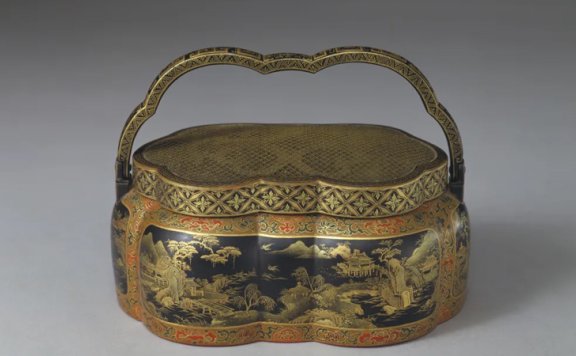
As temperatures drop each year, modern solutions like electric blankets and smart thermostats become essential. But centuries before central heating, people across China developed remarkably sophisticated methods to stay warm. Their innovations blended architectural genius with portable comfort, creating systems that heated entire homes or provided personal warmth during bitter winters. These weren't just practical solutions—they represented a deep understanding of materials, heat conduction, and seasonal adaptation. From permanent structures built into homes to delicate artifacts carried in sleeves, each invention tells a story of human ingenuity facing nature's challenges. Heated Architecture The Kang (炕) heated bed was northern China's architectural answer to winter. Constructed from brick or adobe, this platform contained an intricate network of flues connecting to the household stove. Heat and smoke from cooking would circulate beneath the sleeping surface before exiting through a chimney. This clever design provided whole-room heating without extra fuel. The system appears in historical dramas like Flourished Peony (国色芳华), where characters enjoy its steady warmth. Wealthier households and palaces developed even more advanced systems. During the Ming and Qing dynasties, the Forbidden City utilized underground heating channels beneath its most important halls. Servants would light fires in outdoor stoves, with hot air… -
4 Secrets Enable Ancient Chinese Explorers’ Sea Mastery
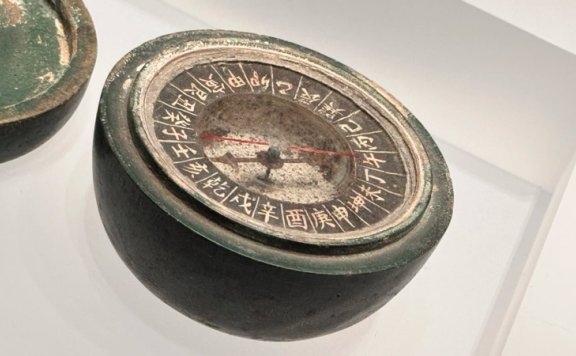
Imagine a time when the sky was your only map, and the sun and stars your guiding lights. Long before the magnetic compass pointed the way, ancient people relied on nature's cues to navigate their world. The sun rose in the east and set in the west; at night, the North Star marked true north, while lush tree growth often indicated south. But what happened on cloudy days when these signs vanished? Direction became a guessing game until a groundbreaking invention changed everything. The compass, born from human ingenuity, transformed exploration and trade, enabling journeys across vast oceans and uncharted lands. This is the story of how ancient Chinese innovators turned magnetic rocks into precise tools that shaped history, evolving from simple instruments to sophisticated devices that never lost their way. 1. Si Nan (司南) The Si Nan, often called the ancestor of the modern compass, emerged during the Warring States period. It consisted of a magnetic spoon carved from lodestone and a bronze plate engraved with directional symbols. When placed on the smooth surface, the spoon would spin freely and settle with its handle pointing south. This device leveraged the Earth's magnetic field, though its bulk and sensitivity limited… -
Career Rebound with Love's Freedom Amid Contract Disputes
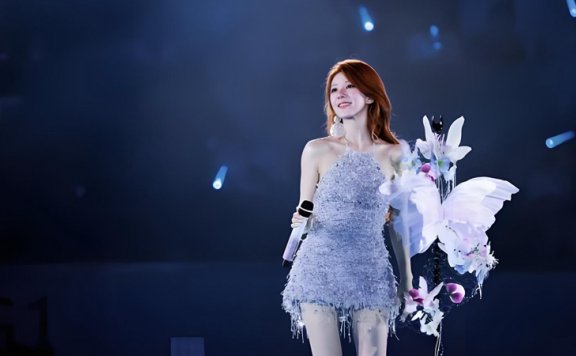
Long days of absence led many to assume Zhao Lusi (赵露思) was stepping away from the spotlight. She had shut down a personal account she maintained for nearly a decade, navigated contract disputes, and faced scrutiny over a lively broadcast that some labeled erratic. Just as speculation about her career downturn peaked, an unannounced project shifted the narrative entirely. On September 26, Love's Freedom (许我耀眼), featuring Zhao Lusi and Chen Weiting (陈伟霆), debuted without advance notice. The series quickly set a yearly record for platform engagement, generating over 300,000 discussions within the first hour and reaching a peak of nearly 27,000 concurrent viewers on its opening day. Its success was not isolated; during the summer, it had already shown potential abroad, with TikTok hashtags accumulating 1.1 billion views and YouTube previews attracting 480,000 watches. Her reach extends across continents. Instagram followers surpassed 6.4 million, while a wedding photo from the series earned a million likes. In Southeast Asia, admirers regard her as a beloved figure, with events like a Cambodian princess openly supporting her and crowded welcomes in Thailand highlighting her cross-border appeal. Yet visibility brings intense examination. Each action she takes is subject to public judgment, keeping her in… -
Top 10 Must-Watch Chinese Fantasy Dramas of 2025
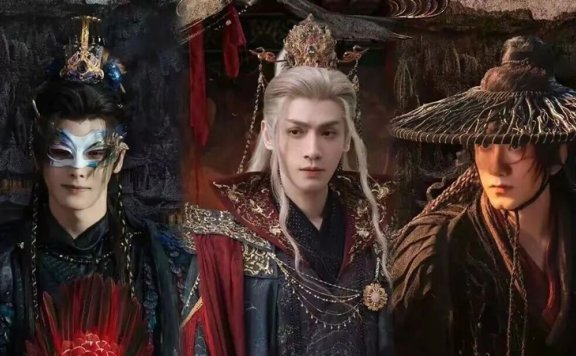
The landscape of Chinese television has seen a flurry of activity, with several productions capturing audience attention through distinctive narrative approaches and visual styles. These series often blend traditional elements with modern sensibilities, creating a unique viewing experience. The following selections represent some of the more notable entries that have generated discussion for their execution and conceptual frameworks. Whispers of Fate (水龙吟) Aired: 2025 Period Background: Fictional ancient realm Genres: Fantasy, Martial Arts, Mystery Main Roles: Luo Yunxi (罗云熙) as a fox-like being with dual hearts, Xiao Shunyao (肖顺尧) as a mysterious warrior, Ao Ziyi (敖子逸) as a youthful fighter, Bao Shang'en (包上恩) and Chen Yao (陈瑶) as skilled female leads Adapted from: The novel Qian Jie Mei (千劫眉) by Teng Ping (藤萍) Plot Deep Dive: The narrative begins with a violent incident at a wedding, setting off a chain of mysteries that move from one location to another. The central character possesses a dual nature, embodying both serene and destructive tendencies, which complicates his journey through a world filled with intrigue. The story structure involves interconnected cases that challenge both the characters and the audience. Why Watch: This production distinguishes itself through its integration of aesthetic principles from historical… -
Visual and Eastern Wisdom in Sword and Beloved
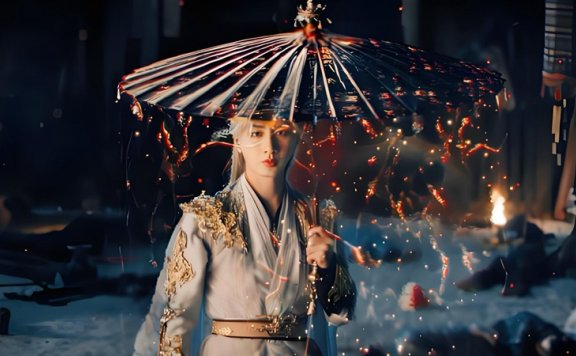
In the landscape of contemporary fantasy, Sword and Beloved (天地剑心) distinguishes itself not through spectacle, but through a profound synthesis of visual poetry and philosophical depth. The series charts the internal journey of Wangquan Fugui (王权富贵), whose evolution from a constrained heir to an autonomous guardian is rendered with remarkable subtlety. Under Director Du Lin's (杜林) guidance, the narrative finds its strength in quiet character dynamics and a refined visual language, where every frame—from choreographed action to symbolic costume—serves the central theme. The story gracefully channels Daoist thought, exploring how a blade can become a vessel for self-discovery and universal connection. This meticulous approach, prioritizing emotional resonance and cultural texture over conventional tropes, demonstrates a mature artistry that trusts its audience to engage with layered storytelling, making the series a compelling study of inner awakening. 1. A Fresh Perspective on Eastern Storytelling Sword and Beloved has emerged as a standout series, captivating viewers with its distinctive approach. It weaves a narrative where a central figure, Wangquan Fugui, embarks on a personal journey, grappling with his identity and purpose. His evolution from confusion to clarity is portrayed with subtlety, avoiding grandiose declarations. The series does not rely on spectacle alone; instead,… -
Why the Crown Prince’s Execution Outweighed Freedom
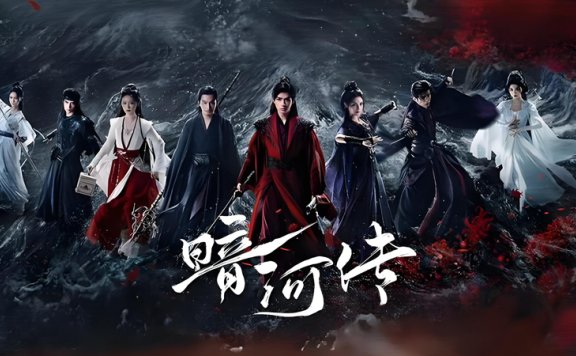
Why would a secret organization on the verge of freedom suddenly choose to plunge back into darkness? The shocking finale of Blood River (暗河传) left audiences with this very question. After fulfilling their pact with Langya Wang by rescuing the emperor and neutralizing the zombie-like warriors, the clandestine group known as Anhe (暗河) stood at the threshold of legitimacy. Their leader, Su Muyu (苏暮雨), had secured a promise that his people could finally leave the shadows. Yet, in a stunning turn of events, he and his ally, Su Changhe (苏昌河), publicly executed the Crown Prince. This act seemingly destroyed their chance for a peaceful future. Their decision was not a reckless mistake, but a deliberate and powerful statement. It was a declaration that some prices for freedom are too high to pay, and that true autonomy is worth more than a life granted by those in power. The Unforgivable Betrayal For the members of Anhe, trust is a matter of life and death. The Crown Prince, Xiao Yong (萧永), first secured an alliance with Su Changhe, offering guarantees for the organization's safety. Yet, almost immediately after this agreement, he dispatched his uncle, General Dian Ye (典叶), to hunt down and… -
What Secrets Make Moonlit Order a Must-See Show This Fall?
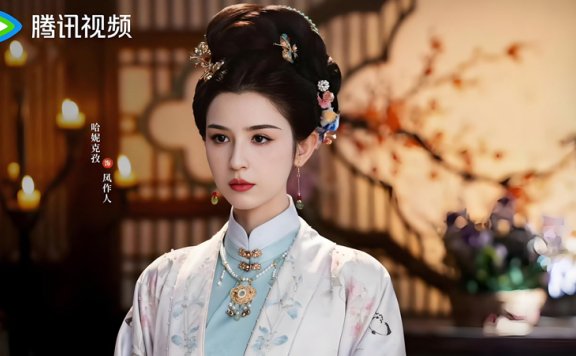
When Moonlit Order (锦月令) premiered, it shattered records within hours, becoming the most discussed historical drama of the season. Set in a fictional ancient dynasty, the series follows the intricate lives of nobility and secret identities, weaving a tale that has captivated millions. At its heart are characters whose depth and the show's relentless pace create an unforgettable viewing experience. Unlike typical period pieces, this production balances suspense, romance, and cultural richness without relying on clichés. Its rapid rise to fame isn't just about star power; it's the clever fusion of storytelling and visual artistry that keeps audiences glued to their screens, eagerly awaiting each new episode. Complex Characters Xue Hexu (薛和煦) stands out as a masterclass in character development, portrayed with a nuance that defies simple labels. On the surface, he appears as a carefree nobleman, often seen with a high ponytail and playful demeanor, but subtle clues hint at his hidden past as a displaced heir. This duality isn't just for show—it mirrors real struggles with identity and resilience, making his journey feel authentic. In one pivotal scene, he casually deflects a poisoned tea offer, his eyes flashing with calculated intensity, revealing layers of strategy beneath the charm.… -
What Secrets Lie in Dragon Raja's Subway Maze of Destiny?
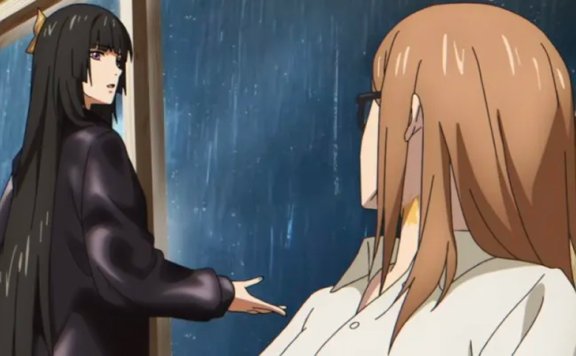
In the latest episodes of Dragon Raja 2 (龙族2), the narrative plunges into a subterranean world where modern infrastructure collides with ancient myths. As Lu Mingfei (路明非) and Chu Zihang (楚子航) navigate a labyrinthine metro system, viewers are drawn into a high-stakes adventure that blurs the lines between human endeavor and supernatural forces. The series masterfully builds tension around Xia Mi's (夏弥) enigmatic role, hinting at revelations that could redefine alliances and spark emotional turmoil. This arc not only advances the pursuit of the Dragon King but also delves into themes of loyalty and hidden identities, setting the stage for pivotal confrontations. With its blend of urban fantasy and character-driven drama, the show continues to captivate audiences, leaving them eager for each Friday's release. The Hidden Maze Beneath the city's bustling streets, the subway maze serves as a treacherous gateway to secrets long buried. Lu Mingfei finds himself isolated in this metallic web, forced into a surreal card game where victory is the only escape. The environment, described as an industrial wasteland with dangling cables and eerie red lights, amplifies the sense of entrapment and timeless struggle. Here, the rules defy mortality—trapped souls wither without end, a haunting metaphor for… -
The Truth Behind Tang Lici's Sudden Whitening Hair in Whispers of Fate
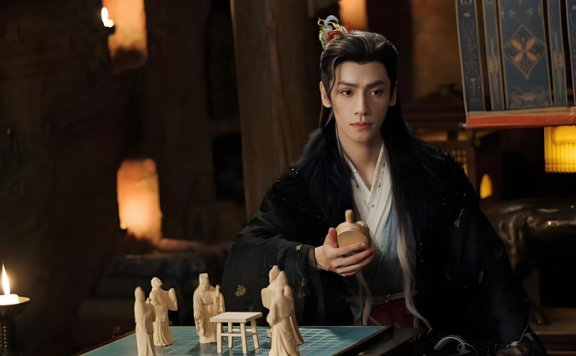
In the captivating world of Whispers of Fate (水龙吟) , a dramatic transformation leaves viewers stunned: the protagonist's hair turns white overnight. While many attribute this change to external betrayals and battles, the true cause lies deeper, woven into a web of hidden motives and personal sacrifices. This series, set against a backdrop of martial arts intrigue and mystical elements, follows Tang Lici (唐俪辞) as he navigates a landscape filled with allies and enemies, each with their own secrets. The sudden whitening of his hair is not merely a physical change but a symbol of the cumulative weight of unseen struggles, pointing to a revelation that goes beyond surface-level conflicts and into the heart of his journey. Fang Pingzhai's Scheme Fang Pingzhai's (方平斋) actions are driven by a hidden agenda rooted in his past. As the former sixth prince of a fallen dynasty, he seeks the Wang Sheng Pu (往生谱), a mystical text rumored to grant resurrection, to restore his family's legacy. His infiltration into the sword assembly is a calculated move, aiming to steal this power under the guise of cooperation. However, Tang Lici's sharp intuition quickly detects the deception, leading to a tense confrontation that exposes Fang Pingzhai's… -
The Character Depth and Plot Intrigue of Wuxia Series Whispers of Fate
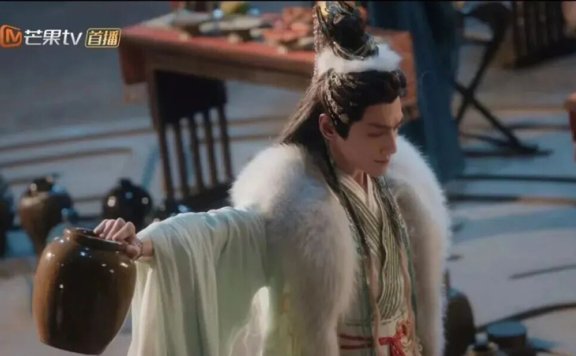
When the Chinese fantasy series Whispers of Fate (水龙吟) debuted with a surprisingly low 5.7 rating on Douban, it sparked widespread debate among viewers. Many critics immediately focused on its flamboyant costumes, dramatic makeup, and comparisons to other works, but this initial reaction overlooks the drama's substantial narrative strengths and character development. This series, set in a rich Wuxia universe, challenges audiences to move beyond superficial judgments and appreciate its intricate storytelling and emotional depth. Rather than conforming to typical genre expectations, it carves out a unique space with unpredictable twists and a memorable ensemble cast that keeps viewers invested episode after episode. Character Depths The central conflict in Whispers of Fate revolves around Tang Lici (唐俪辞) and Liu Yan (柳眼), whose relationship is a volatile mix of deep-seated resentment and unspoken bonds. Liu Yan's relentless pursuit of vengeance against Tang Lici drives much of the plot, yet his motivations are layered with personal tragedy and misunderstanding. Instead of a straightforward villain, he embodies a tortured soul whose actions stem from perceived betrayals, making his character both infuriating and sympathetic. This complexity forces audiences to question who is truly at fault, adding a psychological dimension to their clashes. Supporting characters…