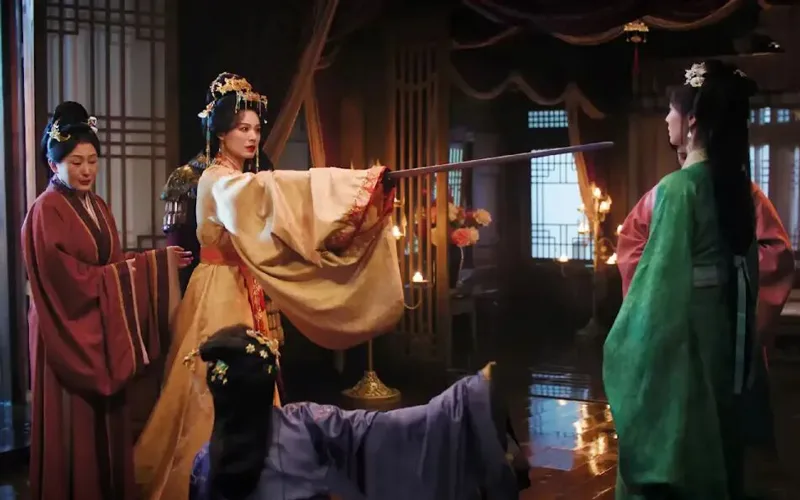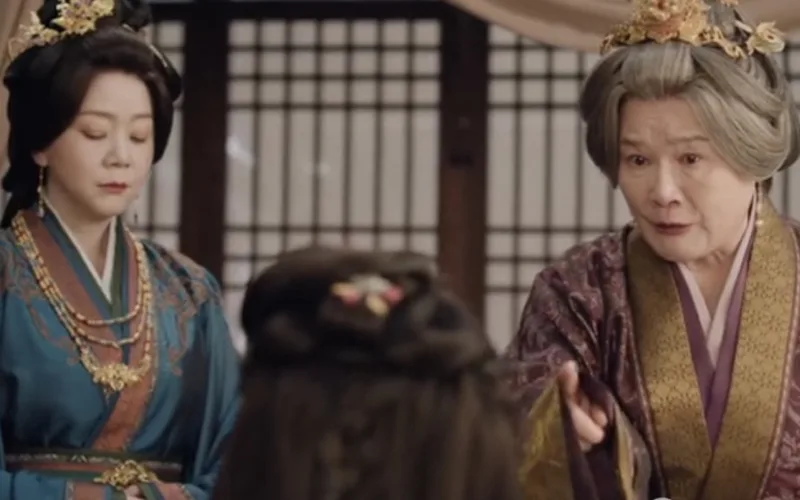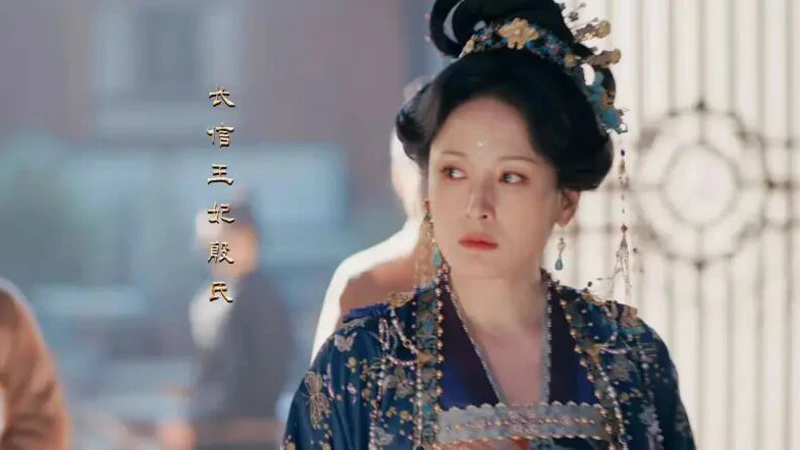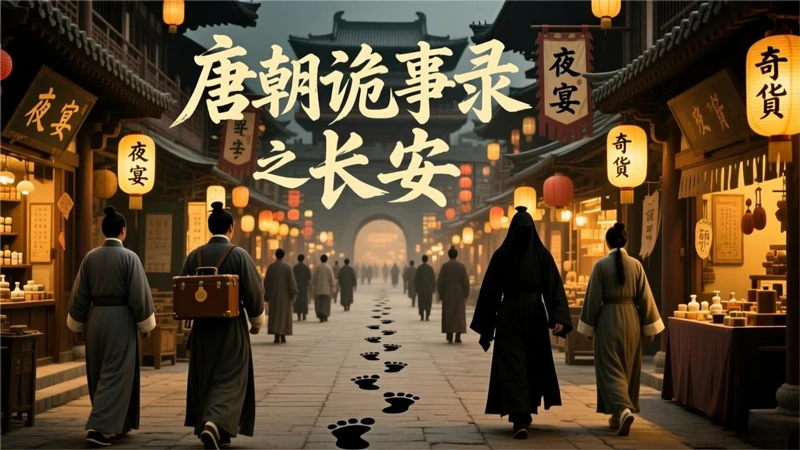
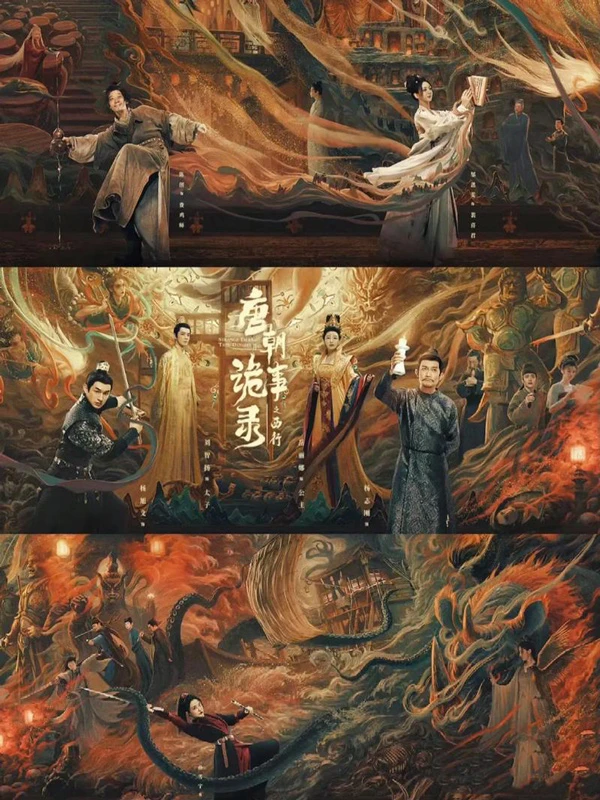
In the final months of 2025, a television phenomenon has seized the attention of audiences, proving that substance can triumph over spectacle. Strange Tales of Tang Dynasty Ⅲ: Chang’an (唐朝诡事录之长安), the third installment of a beloved series, achieved staggering platform ratings and critical acclaim mere days after its premiere. This period mystery drama, devoid of A-list celebrities and pre-existing blockbuster IPs, has managed to not only meet but exceed the high expectations set by its predecessors. Its success is not a happy accident but the result of a meticulous and thoughtful creative philosophy that has resonated deeply with viewers.
The Foundation
The bedrock of the series’ appeal is its unwavering respect for the audience’s intellect. Rejecting convoluted plots that rely on character ignorance, the narrative presents mysteries that are complex yet logically sound. The story returns to the vibrant, bustling capital of the Tang Dynasty, Chang’an, in its early prosperous years. The protagonists, General Lu Lingfeng (卢凌风) and his partner Su Wuming (苏无名), a disciple of the famous Judge Di, lead their investigative team through a maze of bizarre cases set against a backdrop of intense court rivalries between the Emperor and the Princess.
Craftsmanship
A tangible, almost obsessive dedication to authenticity elevates the viewing experience from mere entertainment to immersive historical fiction. The production team’s commitment to detail is evident in every frame. For General Lu’s armor, the producers commissioned a piece based on a real excavated Mingguangkai (明光铠) from the era. A master armorer, practicing a fading craft, led his apprentices in a 240-day endeavor to recreate it, meticulously shaping each metal plate and adding subtle bevels to ensure the actor’s safety during strenuous action sequences.
The world of Chang’an itself is a character. The art department made multiple research trips to historical sites like the Yingtianmen (应天门) gate in Luoyang, spending months reconstructing architectural details from the reign of Empress Wu Zetian (武则天). They consulted Dunhuang (敦煌) cave paintings and ancient texts to rebuild the city’s layout and atmosphere. This painstaking effort results in a setting that feels lived-in and authentic, not merely a decorative backdrop.
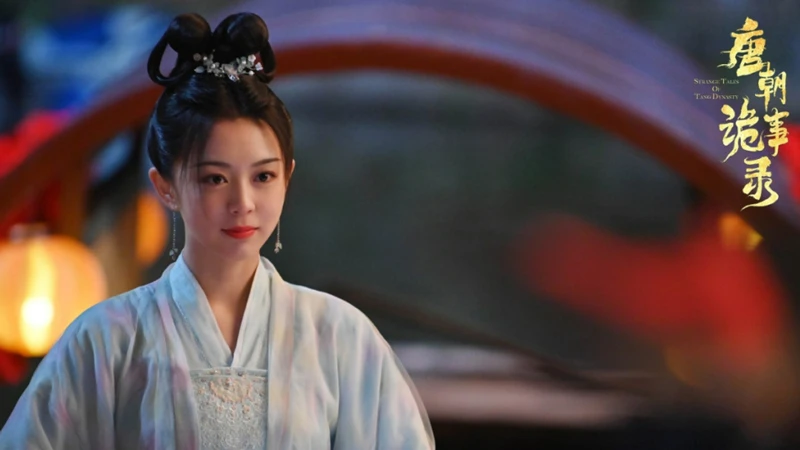
Even the visual effects serve the story rather than overwhelm it. The transformation of a pond fish into a tiger, a scene drawn from classical texts, was executed with scientific precision. A specialized effects team deconstructed the motion across thousands of frames, ensuring the creature’s muscle contractions and skeletal shifts were anatomically plausible. This commitment makes the impossible feel terrifyingly real, sending chills down the spine through believability, not brute force.
Character Journey
Beyond the clever plots and stunning sets, it is the evolution of the characters that forges a deep, emotional connection with the audience. Viewers have witnessed Lu Lingfeng’s journey from a brash and impulsive young officer in the first season to the thoughtful, composed leader he has become. His physical prowess is matched by his growing strategic mind. A highlight of this season features him performing a complex, single-take fight sequence while wearing the thirty-kilogram armor, a testament to both the character’s and the actor’s dedication.
His counterpart, Su Wuming, provides a perfect balance. Portrayed with a blend of wit and gravitas by Yang Zhigang (杨志刚), he navigates the treacherous waters of court politics with a deceptively relaxed demeanor. While he may appear unassuming, his unwavering moral compass and sharp intellect make him the anchor of the team, a figure of immense reliability when circumstances grow dire.
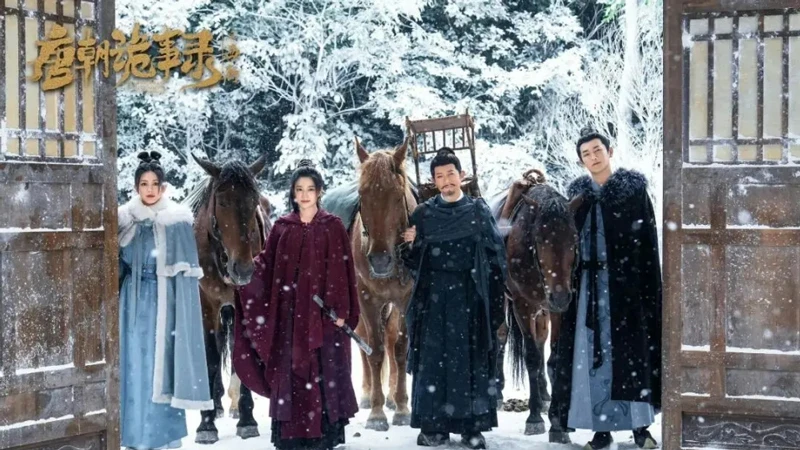
The female characters also claim a more prominent and active role. Pei Xijun’s (裴喜君) artistic skills are frequently and cleverly integrated into the investigations, while Chu Yingtao (褚樱桃) shines as a covert operative, demonstrating her capability in physical confrontations and proving herself an indispensable member of the ensemble. Their development ensures the team dynamic is rich, collaborative, and continually evolving.
Modern Echoes
The true genius of Strange Tales of Tang Dynasty Ⅲ: Chang’an lies in its ability to weave contemporary relevance into its historical fabric. The series uses its ancient setting to hold a mirror to modern societal issues. The very first case, “The Golden Peach of Kang Kingdom,” deftly avoids a simplistic moral binary. The perpetrator is not a mere villain but a complex figure driven by motives rooted in historical trauma and a desire for vengeance, forcing viewers to confront difficult questions about justice.
Beneath the overarching political conspiracy, the show touches upon themes that feel strikingly current. Subplots and character motivations reflect concerns like scams targeting the elderly and the quiet struggles of mental health, framed within the context of the time. This subtle parallel drawing creates a powerful bridge between the past and the present.
By framing these universal concerns within its suspenseful narratives, the drama achieves a rare emotional depth. It demonstrates that human nature, with all its virtues and flaws, remains constant across centuries. The “strange tales” are ultimately about people, their fears, their ambitions, and their capacity for both great kindness and profound cruelty, making the stories resonate on a deeply personal level.
Sustaining Power
The journey of this series marks a significant shift in the television landscape. When it first debuted in 2022, the market was saturated with romantic idol dramas and solemn historical epics. Strange Tales of the Tang Dynasty carved its own path by fusing history, supernatural folklore, and detective fiction into a unique genre hybrid. It looked not to trendy templates for inspiration, but to the rich, untapped well of classical Chinese literature.
Its trajectory—from an underdog project to a celebrated franchise—signals a welcome return to the primacy of original content. The show stands as compelling evidence that while marketing and star power can generate initial buzz, only genuine quality and respect for the audience can build a lasting legacy. It proves that a compelling story, well-told, is the most valuable asset of all.
The immense popularity of Strange Tales of Tang Dynasty Ⅲ: Chang’an is the culmination of strategic, thoughtful development at every level—writing, production, and performance. It is a quiet triumph of substance, a series that earns its audience through craft and emotional truth rather than loud promises. This foundational integrity is the definitive reason viewers have embraced it so completely.