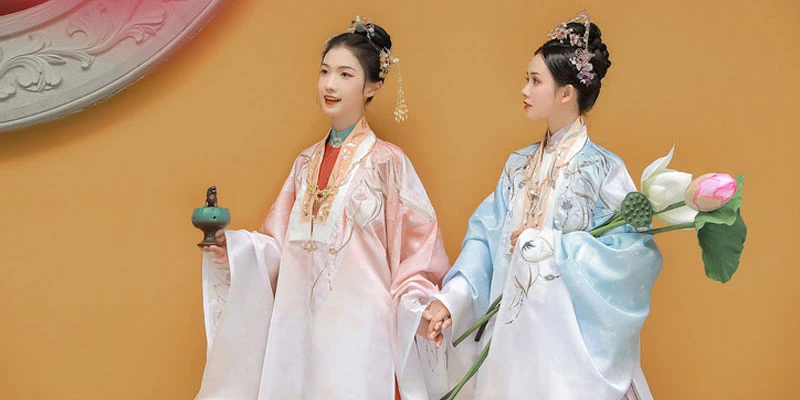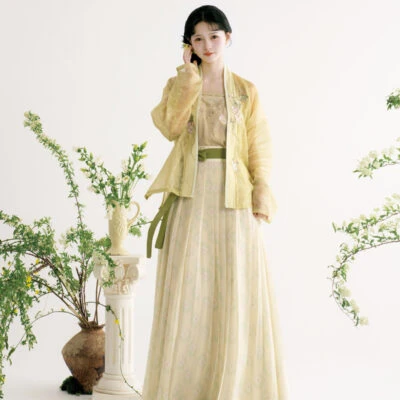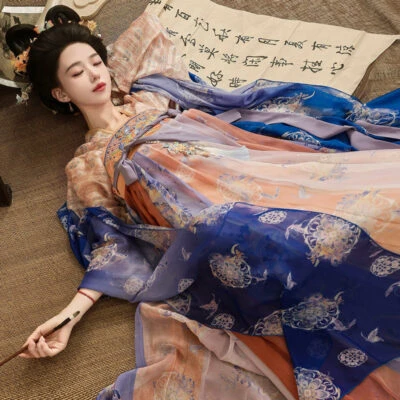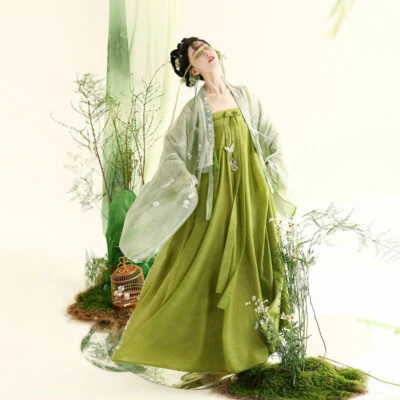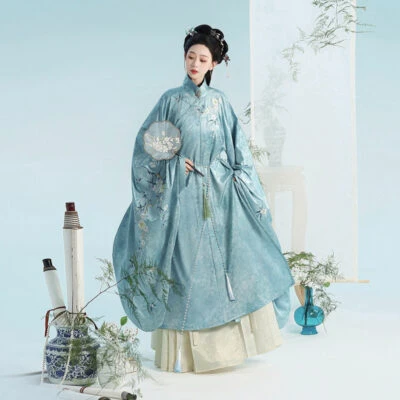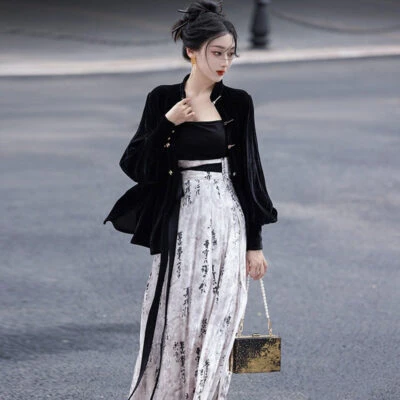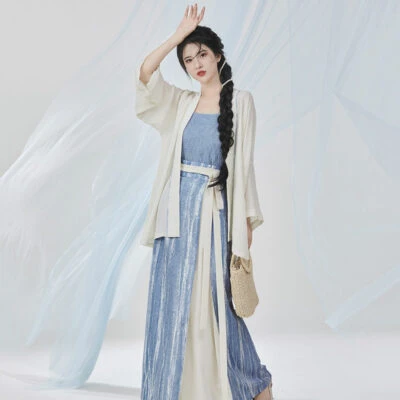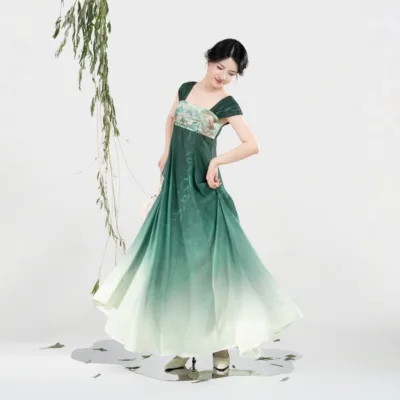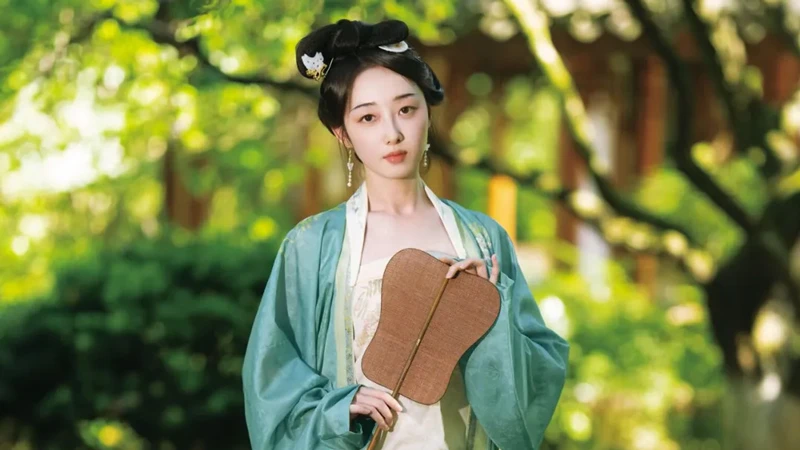
In recent years, the traditional attire of the Song Dynasty, referred to as Hanfu, has captured the attention of fashion enthusiasts worldwide. This style, distinct from the lavish Tang or stately Ming designs, emphasizes understated grace and simplicity. Its flowing silhouettes and muted palettes evoke a sense of calm, making it a favorite for those seeking a break from today’s fast-paced trends. As more people explore this historical fashion, it highlights a growing appreciation for attire that blends artistry with everyday wear, offering a fresh perspective on personal expression through clothing.
Historical Roots
The origins of Song Dynasty Hanfu trace back to a period in Chinese history marked by cultural refinement and scholarly pursuits. During this era, clothing was designed to reflect values like modesty and intellect, with garments often featuring layered pieces such as the Beizi (褙子), a long outer robe, and subtle embroidery. This approach contrasted with earlier dynasties, focusing on lightweight fabrics and clean lines that enhanced natural movement. Over time, these elements have been preserved in modern interpretations, showcasing how historical context shapes contemporary fashion choices.
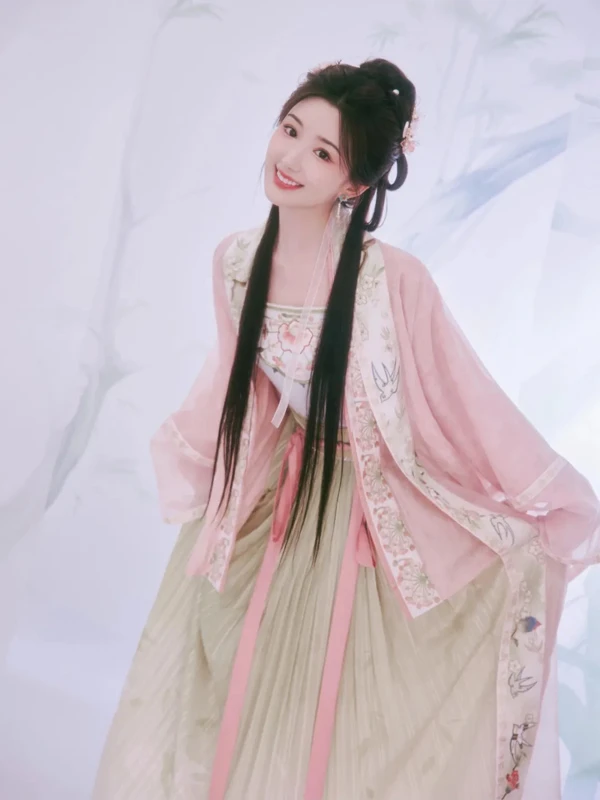
Key components like the inner garment, often a simple top, and skirts with pleats, contributed to an overall aesthetic of elegance. These items were not just functional but symbolic, representing social status and personal taste. The use of delicate patterns and restrained colors, such as soft pinks and greens, avoided excess while emphasizing harmony. This attention to detail made Song Hanfu a timeless choice, appealing to those who value depth in design over fleeting trends.
Today, enthusiasts and historians alike study these garments to understand their cultural significance, noting how they embody a philosophy of balanced living. By integrating these historical elements into current wardrobes, wearers connect with a legacy that prioritizes artistry and mindfulness. This revival demonstrates how ancient styles can inspire modern creativity without losing their essence.
Modern Adaptations
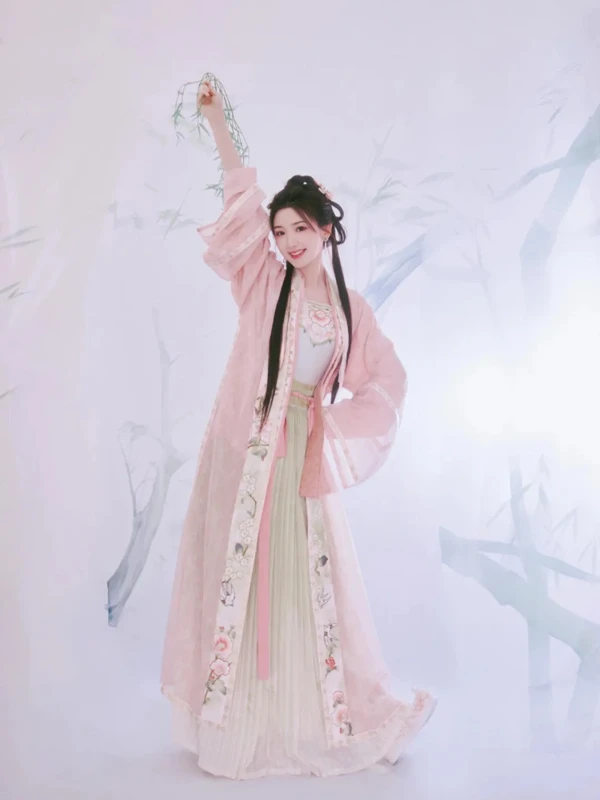
In contemporary settings, Song Hanfu has been embraced by celebrities and everyday wearers, adapting its classic forms to fit modern lifestyles. For instance, Mao Xiaotong (毛晓彤), known for her vibrant roles, often chooses pieces in pink and green hues that highlight her youthful energy. Her selections, like a floral-printed outer layer paired with a sleek skirt, show how traditional elements can feel fresh and accessible. This approach makes the style relatable, encouraging others to experiment with Hanfu in casual contexts.
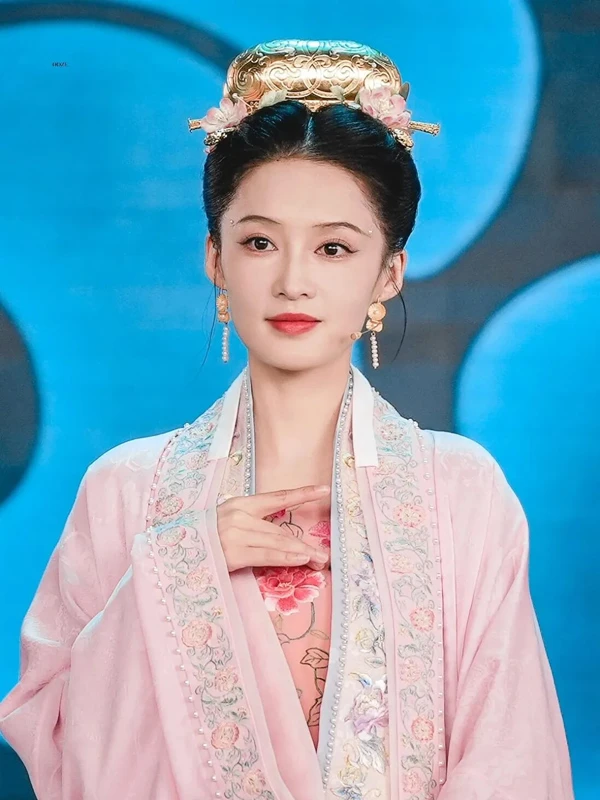
Similarly, Li Qin (李沁) has garnered attention for her sophisticated takes on Song attire, such as outfits featured in televised events. She incorporates accessories like ornate hairpieces that echo historical crowns, adding a touch of grandeur while maintaining the style’s inherent simplicity. Her ability to blend these aspects illustrates how modern wearers can honor tradition while expressing individuality, proving that elegance doesn’t require extravagance.
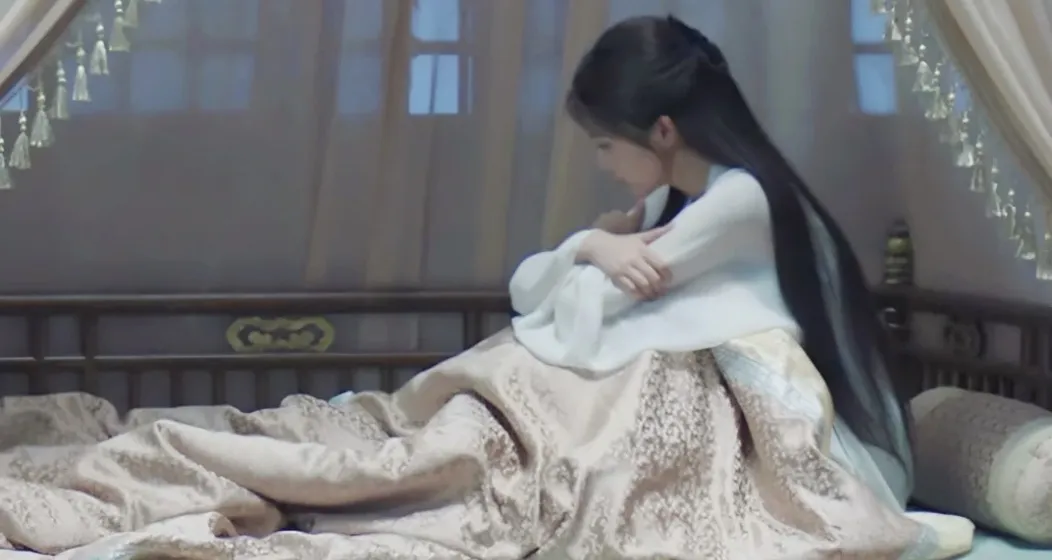
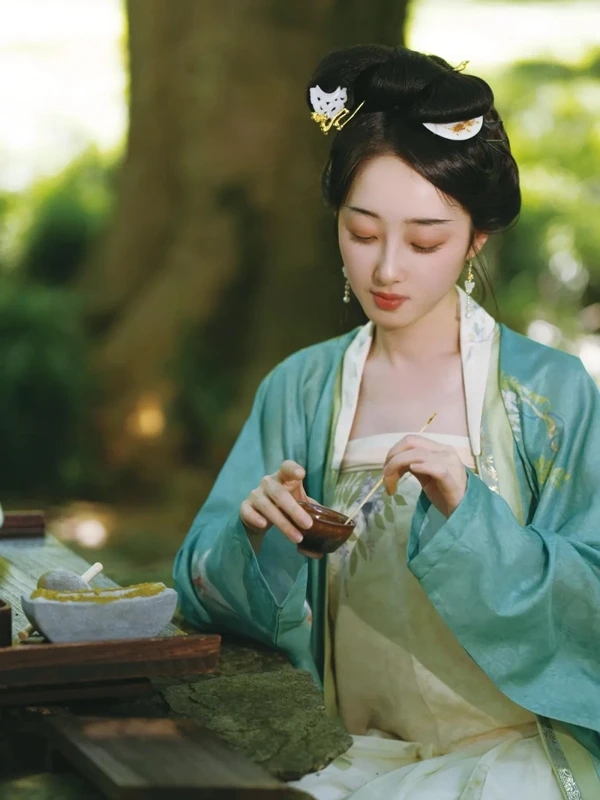
Another example is Jiang Mengjie (蒋梦婕), whose portrayal of Lin Daiyu (林黛玉) in The Dream of Red Mansions (红楼梦) aligns with the serene qualities of Song Hanfu. Her preference for cooler tones and streamlined designs underscores a bookish charm, resonating with those who appreciate a more reserved aesthetic. This connection between personal identity and historical fashion enriches the wearing experience, making it a form of self-expression rather than mere costume.
As these adaptations gain popularity, they spark discussions about authenticity and innovation in fashion. Designers are experimenting with fabrics and cuts to enhance comfort and durability, ensuring that Song Hanfu remains relevant. This evolution reflects a broader movement where cultural heritage inspires new creations, bridging past and present in meaningful ways.