Article
Search results:
-
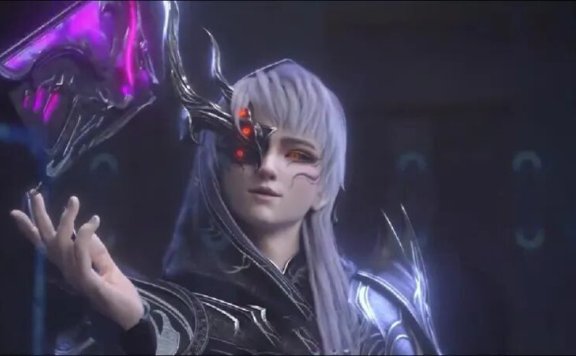
The Soul Hall's Calculated Threat in Battle Through the Heavens
The hall fell silent, the air itself seeming to solidify as a projection of dark energy coalesced before the gathered leaders. This was no full-scale invasion from the Soul Hall, but a deliberate, chilling display: a mere avatar of its Deputy Hall Master threatening the newly formed Blazing Sky Alliance. In the world of Battle Through the Heavens (斗破苍穹), where power often dictates direct confrontation, this choice seemed puzzling. Why would a three-star Dou Saint, capable of devastating entire regions, send only a shadow to intimidate his enemies? The answer lies not in weakness, but in a web of intricate strategy, hidden powers, and a millennia-old plan that demanded restraint even from the most formidable antagonists. The Illusion of Supremacy On the surface, the Deputy Hall Master's power is overwhelming. At the peak of the three-star Dou Saint stage, he ostensibly outmatches the Alliance's known protectors. Yet, raw power level is not the sole determinant of victory in this conflict. The Alliance's cornerstone, Xiao Yan (萧炎), is a perennial wildcard. Despite being a nascent one-star Dou Saint, his mastery of multiple Heavenly Flames has repeatedly allowed him to shatter expectations and defeat stronger foes. A full assault might succeed, but… -
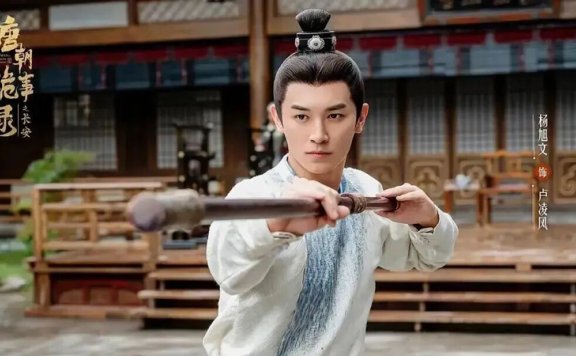
Moral Ambiguities and Unresolved Stories in the Tang Dynasty Mysteries
As the dust settles on the dazzling spectacle of the Grand Polo Tournament, the final chapter of Strange Tales of Tang Dynasty Ⅲ: Chang'an (唐朝诡事录之长安) closes not with a whisper, but with a resonant echo. The grand conspiracy is thwarted, the immediate danger passes, yet the true legacy of the series lies not in its explosive finale, but in the haunting, unresolved human stories woven throughout its eight cases. While Su Wuming (苏无名) and Lu Lingfeng (卢凌风) stand victorious, gazing upon the sprawling capital, their philosophical pondering of "What is Chang'an (长安)?" lingers. It is a question the show answers not through its heroes, but through its victims, its perpetrators, and the profound moral ambiguities left in their wake. Beyond the palace intrigue and foreign threats, the series leaves us with a deeper unease, a collection of emotional puzzles more compelling than any whodunit. Love and Vengeance: Nuo Gao Ji (诺皋记) The case of Nuo Gao Ji begins with familiar tropes: a beautiful courtesan, Hong Yao (红药), adrift in the pleasure districts of Pingkang Fang (平康坊), seemingly entangled in a loveless marriage to Meng Buyi (孟不疑). The expected tale of vanity and betrayal unravels into something far more potent. Hong… -
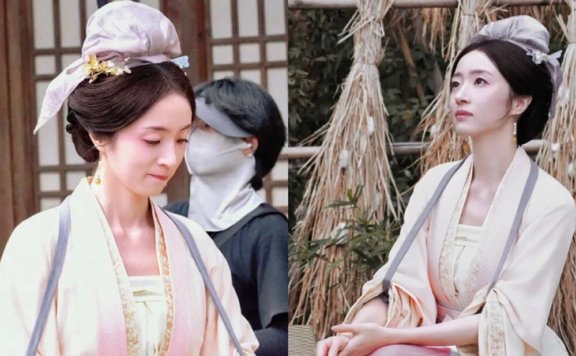
Hu Bingqing: Her Song Dynasty Baoji in Da Song Ci Ren Zhuan
A single image from a documentary has captivated audiences, sparking both curiosity and admiration. In the CCTV production Da Song Ci Ren Zhuan (大宋词人传), actress Hu Bingqing (胡冰卿) portrays Xu Wenmei (徐文美), the wife of renowned poet Qin Guan (秦观). Her most striking feature is an elegant, sculptural headwrap that some viewers humorously compared to a chef's hat. Yet, far from being a culinary misstep, this delicate headdress is a meticulously researched piece of historical attire. It represents a perfect marriage of actress, aesthetic, and era, leading fans to applaud the "authoritative taste of CCTV" for its authentic and harmonious presentation of Song Dynasty elegance. The Headwrap's History The style worn by Hu Bingqing is known as a Baoji (包髻), a term literally meaning "wrapped hair knot." Its origins can be traced to practical necessity. For women engaged in daily work or managing households, keeping intricate hairdos tidy was a challenge. The Baoji offered a simple, graceful solution: a square piece of cloth, often silk or fine linen, folded and wrapped securely around the styled hair. This practice was not invented in the Song Dynasty. Its precursor was the more structured Jinguo (巾帼), a headdress from the Han Dynasty. The… -
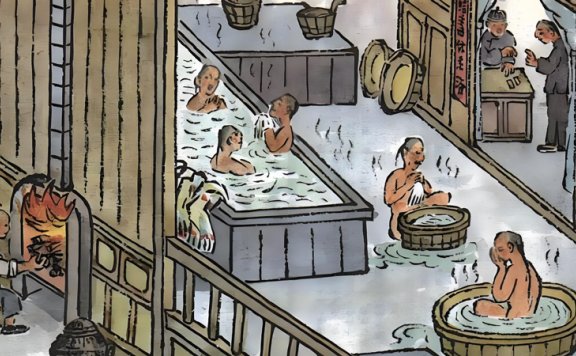
How Did Ancient Chinese Bathe?
Today, a shower involves stepping into a tiled space, reaching for brightly bottled gels, and enjoying instant lather. But in ancient China, from the dusty courts of the Zhou to the bustling markets of the Qing, bathing was a deliberate practice woven into the social and spiritual fabric. Without modern plumbing or chemistry, people turned to the earth and kitchen for solutions. This narrative isn't about mere cleanliness; it's about a cultural dedication to purity that evolved over millennia, using everything from grain runoff to animal organs. The story of their bathing rituals reveals a sophisticated, resourceful approach to personal care that rivals our own in ingenuity and intent. Bathing Rituals In ancient China, washing was codified. The classic text Book of Rites prescribed washing hair every three days and bathing the body every five. This was not a casual suggestion but a recognized standard for refinement and health. During the Han Dynasty, this principle was institutionalized for officials, who were granted a "rest and bath" day every fifth day to attend to personal hygiene. Such practices underscored that cleanliness was both a private duty and a public expectation. The language itself was precise. The act of cleansing was divided… -
How Attire and Hairstyles Showed Servant Status in Imperial China
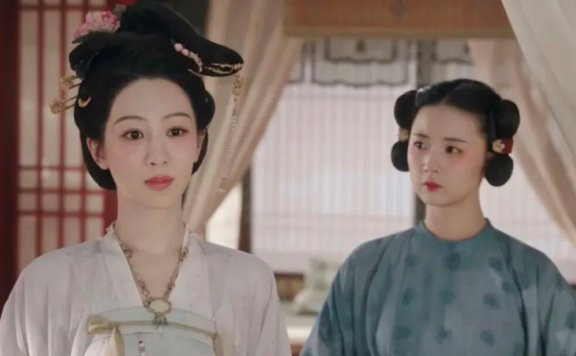
In contemporary historical dramas set in ancient China, a puzzling visual trend often leaves viewers scratching their heads: maidservants and their mistresses appear almost identically dressed, differentiated only by slightly less elaborate accessories. This blurring of costume hierarchies challenges audience perception and raises questions about historical authenticity. What were the actual sartorial rules for servants in imperial households? How did clothing and hairstyles clearly demarcate social standing? Moving beyond modern screen interpretations, historical artifacts and paintings reveal a defined and practical aesthetic for maidservants, one that balanced functionality with visible subordination. Understanding these codes not only enriches our view of the past but also offers a lens to critique current cinematic practices. Attire and Status Servants' clothing across dynasties was fundamentally shaped by practicality and symbolism. Unlike their mistresses, who wore luxurious silks and brocades, maidservants typically donned garments made from humble Mian (棉, cotton) and Ma (麻, linen). These fabrics were affordable, durable, and suited for daily chores. After cotton's proliferation in the Ming dynasty, it became the standard material for working attire. The basic ensemble often consisted of a simple, cross-collar top worn over trousers, allowing for ease of movement during tasks like cleaning, serving, or accompanying the… -
Can One Outsider Decide the Fate of Tianyao City in Renegade Immortal?
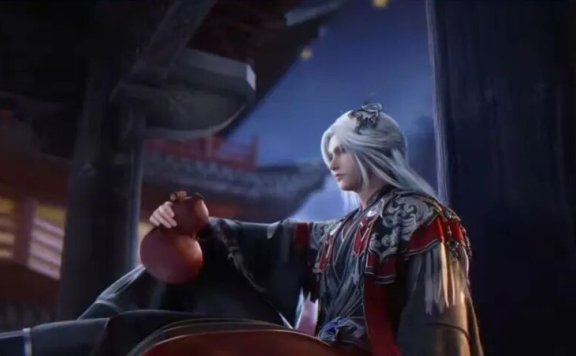
The air in Tianyao City (天妖城) is thick with ambition and dread. The grand Yaojiang (妖将) competition approaches, a pivotal event that will reshape the hierarchy of power. For the generals, or Yaojiang, securing a formidable external champion is not a luxury but a necessity for survival and prestige. This desperation has birthed a shadow war, where assassins stalk the city’s allies under the cover of night. Amidst this chaos, one name circulates with a mixture of fear and skepticism: Wang Lin (王林). An outsider with no official allegiance, his presence has become the most unpredictable variable in the pre-competition calculus. While others scramble to eliminate rivals, he stands unmoved, an island of cold focus in a storm of intrigue. The stage is set not just for a tournament of strength, but for a demonstration of sheer, unyielding will. The Uninvited Guest A formal challenge, sealed and delivered, cuts through the underhanded tactics. The Yaojiang Mo Fei (墨非) sends a herald, Mo Yang, to the residence of Left Wing General Mo Lihai (莫厉海). The message is simple: a duel in three days' time, with the loser forfeiting all rights to participate in the coming grand competition. Mo Lihai, bound by… -
6 Standout Chinese Dramas Preview 2025 Screens
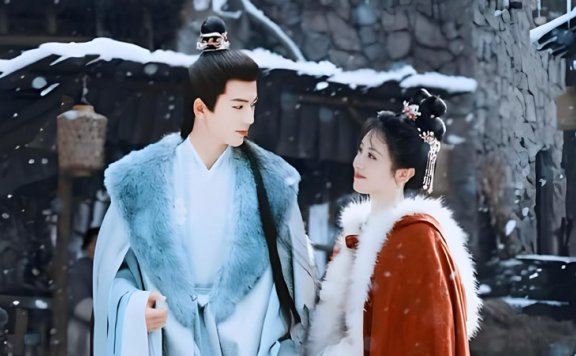
Television platforms are preparing an eclectic mix of series for the upcoming year. Audiences can look forward to Wuxia sagas that blend action with deeper themes, alongside shows highlighting rural renewal. One drama might trace a protagonist's personal growth, while another unravels complex power dynamics. Their concise storytelling and capable casts make them stand out. This breadth ensures diverse viewing experiences, from emotional journeys to suspenseful plots. Have you considered which ones to follow? Chinese television is currently experiencing a vibrant transformation, with storytellers breaking away from conventional templates to deliver series that are as thought-provoking as they are entertaining. This shift is characterized by a move towards nuanced character development, innovative genre blends, and a deeper engagement with cultural elements that resonate with modern viewers. The six dramas discussed here—each distinct in tone and approach—exemplify this new direction, offering fresh perspectives on historical and mythological narratives. They prioritize human connections and personal growth over grandiose plots, making the viewing experience both intimate and expansive. By focusing on relatable struggles and triumphs, these shows are redefining what period and fantasy series can achieve, captivating audiences with their authenticity and creativity. Chasing the Jade (逐玉) In Chasing the Jade, the narrative… -
Passionate Sagas & Anguish-Satisfaction: The Emotional Pull Shaping Chinese TV
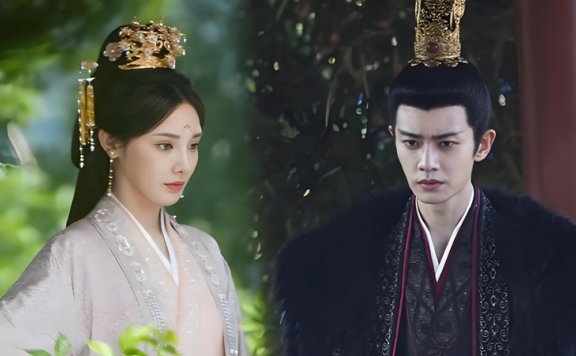
Television audiences are gravitating toward narratives where deep affection clashes with sharp conflict. A phrase like Passionate Sagas now peppers online forums, summing up this pull toward stories where bonds are tested by fierce emotions. In The Prisoner of Beauty (折腰), leads display warmth while hiding private agendas. Love & Crown (凤凰台上) shows he and she divided by a mentor's death yet drawn together. Even cinema captures this, as in The Sun Rises on Us All (日掛中天), where a street-side glance between Zeng Meiyun (曾美云) and Bao Shu (葆树) speaks volumes. This pattern, often called Anguish-Satisfaction, weaves mild anguish into rich emotional payoffs. Creators are noting how viewers embrace these layered tensions, shaping new projects to feed this appetite. 1. Love and Hate in Modern Drama In today's television landscape, a distinct narrative pattern captivates audiences by weaving together deep-seated conflict and passionate romance. This approach, often seen in series where characters grapple with opposing loyalties or historical grievances, draws viewers into a whirlwind of feelings. Stories that pit love against hatred or duty against desire have become a staple, offering a mix of heartache and hope. They tap into universal emotions, making the journey of characters who cannot easily… -
Top 10 Must-Watch Chinese Period Dramas of 2025
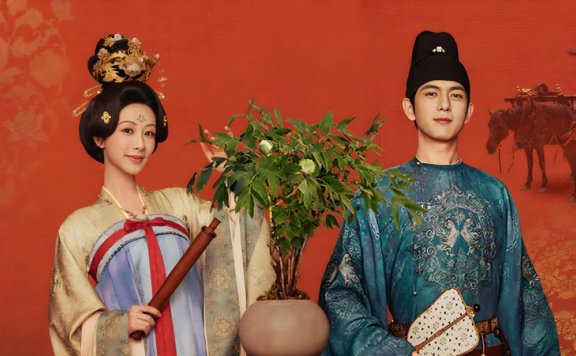
This year, historical series have transformed television with their inventive approaches. The Legend of Zang Hai immediately captivated viewers, setting a precedent for narrative depth. It blends suspense with emotional arcs that keep audiences engaged. Another standout, The Demon Hunter's Romance merges the supernatural into ancient settings, offering a fresh perspective. Meanwhile, Strange Tales of Tang Dynasty Ⅲ: Chang'an delves into Tang dynasty enigmas, where each revelation builds tension. These productions highlight a shift toward complex storytelling, resonating with fans who seek more than mere escapism. Flourished Peony (国色芳华) Aired: 2025 Douban rating: 7.8 Period Background: A fictional ancient dynasty reminiscent of the Tang era, focusing on urban commerce and aristocratic circles. Genres: Historical Drama, Business, Female Empowerment, Political Intrigue Main Roles: Yang Zi (杨紫) portrays He Weifang (何惟芳), a determined merchant's daughter; Li Xian (李现) appears as Jiang Changyang (蒋长扬), a clever official with a hidden agenda; supporting actors include Wei Zheming, Zhang Yaqin, and Tu Songyan. Adapted from: The novel by Yi Qianzhong (意千重), which originally serialized online. Plot Deep Dive: He Weifang enters a marriage of convenience to aid her ailing mother, only to encounter coldness and deceit from her husband's family. After discovering fraudulent medicinal practices,… -
Yun Wangshu's Vengeance: The Core of Eclipse of Illusion
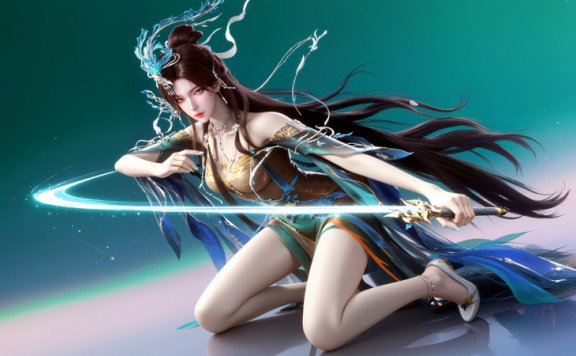
In a genre often dominated by romantic entanglements and damsel-in-distress narratives, the Chinese animated series Eclipse of Illusion (云深不知梦) presents a starkly different protagonist. This is not a story about finding love; it is a brutal, calculated narrative of retribution. The series immediately captivates with its intense emotional depth and visual grandeur, focusing on a woman whose entire world was shattered in a single, bloody moment. Her journey back is paved not with hope, but with a cold, relentless desire for justice, redefining what it means to be a strong female lead in modern animation. A Bloody Wedding The story of Eclipse of Illusion begins at what should have been a joyous climax. Yun Wangshu (云望舒), the young mistress of the Zhenlan Zong (镇岚宗) sect, stands at the center of a lavish wedding ceremony. The scene is one of celebration and bright colors, a visual representation of her anticipated future. Without warning, this illusion is violently torn apart. The event transforms into a meticulously planned massacre, resulting in the destruction of her sect and the death of her family. The most devastating blow comes from a personal betrayal, leaving her physically broken and emotionally ravaged, forced to flee for her life. This… -
Xu Yiyang’s Show-Stopping Moments at Bridal Fashion Week
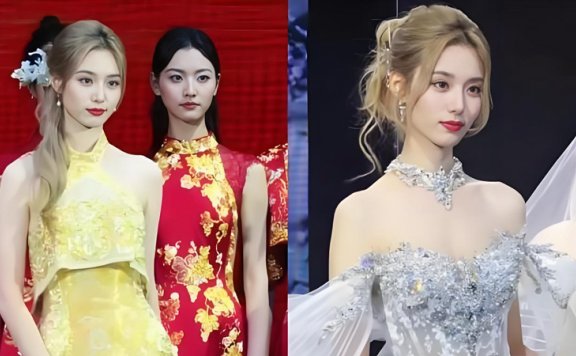
When Xu Yiyang (徐艺洋) stepped onto the runway at the Sanya (三亚) International Bridal Fashion Week, she did more than just showcase dresses; she ignited a conversation about style, celebrity, and personal evolution. The young artist, known for her roles in television and variety shows, took on the role of a bridal experience officer, presenting two distinct looks that captured widespread attention. Her appearance quickly trended on social media, with fans and critics alike praising her poised demeanor and flawless appearance in unedited photos. This event marked a significant moment in her career, transitioning from a pop idol to a fashion influencer, and left many wondering about the motivations behind her bridal-themed debut. Golden Cheongsam Glamour The first outfit was a modern interpretation of the classic cheongsam, crafted in a shimmering gold hue that highlighted Xu Yiyang's fair complexion and elegant posture. Designers blended traditional elements with contemporary touches, such as a semi-high neckline and a central bow fastening, which added a playful yet refined edge. The dress featured a floor-length silhouette with a high slit, allowing for fluid movement that echoed both grace and confidence on the catwalk. This combination of old and new resonated with viewers, who noted… -
The Unclouded Soul: A Mythic Romance Across Human-Demon Realm
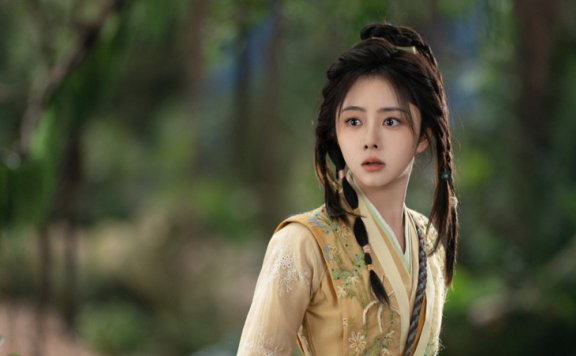
As December approaches, iQiyi prepares to unveil The Unclouded Soul (逍遥传), a historical fantasy romance that promises to enchant audiences. This series, produced with Liubai (留白) Film and Television, brings together a talented cast including Tan Songyun (谭松韵), Hou Minghao (侯明昊). Its blend of mystical elements and heartfelt relationships has already generated significant buzz, positioning it as a potential standout in the year-end lineup. Viewers can expect a visually rich narrative that explores love across boundaries, set against a backdrop of conflict and discovery. Character Dynamics At the heart of The Unclouded Soul lies the turbulent history between humans and demons, centered on the Yuli Shenquan (玉醴神泉), a sacred spring that has sparked a hundred-year war. This cycle of strife is unexpectedly interrupted when The Unclouded Soul, a lively human girl, accidentally enters the Wan Yao Gu (万妖谷). Her intrusion not only disrupts the demon realm's peace but also leads her to cross paths with Hong Ye (红烨), the demon king. Their initial encounter is charged with tension, as two vastly different worlds collide in a moment that alters their fates forever. The Unclouded Soul's character, portrayed by Tan Songyun, embodies a blend of innocence and resilience. She navigates the… -
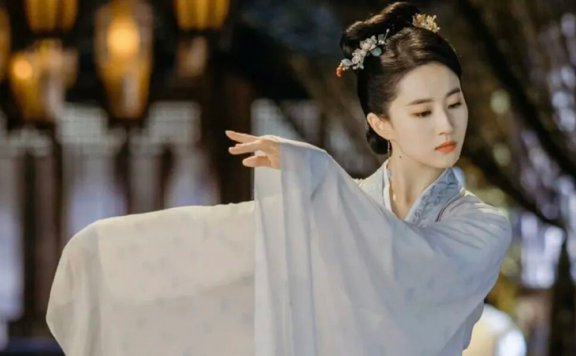
Why Do Chinese People Show Less Interest in Dancing?
In the heart of ancient China, dance was not merely entertainment but a vibrant expression of life and culture, particularly during the Tang Dynasty. This era, known for its economic prosperity and cultural exchanges, saw dance flourish in ways that might surprise modern observers. Today, however, the lively dance floors of old seem a distant memory, leading many to wonder why such a rich tradition has faded. This article delves into the dynamic world of Tang dances, exploring their forms and the historical shifts that quieted their rhythms, offering a fresh perspective on a cultural evolution that resonates beyond time. Vibrant Jianwu Jianwu (健舞), or vigorous dance, epitomized the energy and strength of Tang performers, captivating audiences with its lively movements. This style included subtypes like Zhezhi (柘枝), which originated from Central Asia and featured solo female dancers moving to drumbeats in a blend of power and grace. Historical records, such as those in Yuefu Zalu (乐府杂录), highlight how these dances reflected the era's openness to foreign influences, with performers like Gongsun Daniang (公孙大娘) celebrated for their skill. Her performances, described in poetry, showcased a mastery that left a lasting impression on spectators, illustrating how Jianwu became a symbol of… -
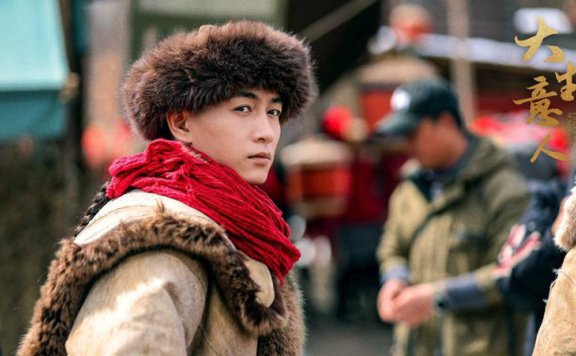
Who Framed Gu Pingyuan? The Shocking Conspiracy in Legend of the Magnate
In the dramatic world of Legend of the Magnate (大生意人), the imperial examination hall in Beijing becomes the stage for a life-shattering deception. Gu Pingyuan (古平原), a diligent scholar from Huizhou (徽州), is on the verge of achieving his dreams when a cruel lie upends his fate. During the critical exams, an unknown voice cries out that his mother is gravely ill, prompting him to abandon his test in a frantic rush. In the chaos, he accidentally spills ink on an official, leading to accusations of disorderly conduct. This single moment of deceit results in his expulsion, the loss of his scholarly rank, and exile to Ningguta (宁古塔). The mystery deepens as Gu Pingyuan seeks answers: who would orchestrate such a plot, and why? This tale weaves together personal vendettas, hidden family ties, and the cutthroat world of commerce in 19th-century China, setting the scene for a relentless pursuit of truth. Exam Day Deceit The imperial exams were meant to be Gu Pingyuan's path to honor and success. As he focused on his papers in the bustling hall, a shout pierced the silence, claiming his mother had fallen ill back in Anhui. Panic set in; he pushed through the crowd,… -
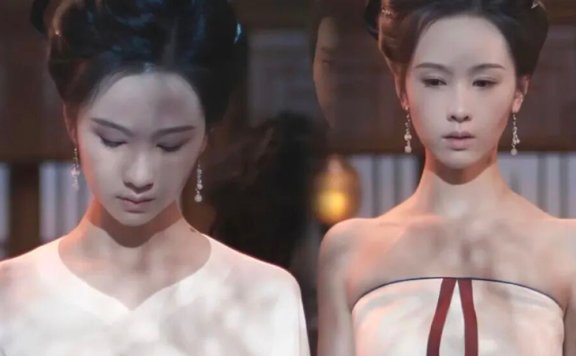
Unveiling Practical Functions of Zhongyi in Ancient China
Have you ever noticed how characters in historical dramas often retire for the night dressed in pristine white garments, and wondered if they ever worry about stains? This common visual isn't a costume designer's oversight or a symbol for something else; it is a deliberate and historically accurate representation of a fundamental layer of traditional attire known as Zhongyi (中衣). Far from being simple sleepwear, this undergarment served as the versatile core of ancient Chinese dress, functioning as both a formal inner layer and comfortable loungewear. Its enduring presence on screen hints at a sophisticated sartorial system where every piece, even the hidden ones, played a crucial role in aesthetics, etiquette, and personal comfort. Historical Roots The concept of Zhongyi is deeply embedded in classical texts. Its name, literally meaning "middle clothing," originates from the ancient glossary Shi Ming (释名), which describes its position between the innermost undergarments, or Xieyi (亵衣), and the outer robes. This placement was not merely practical but symbolic, representing a structured approach to dressing that prioritized propriety. In the hierarchical system of traditional dress, the Zhongyi was the essential buffer, a layer of modesty and refinement that separated the private self from the public presentation.… -
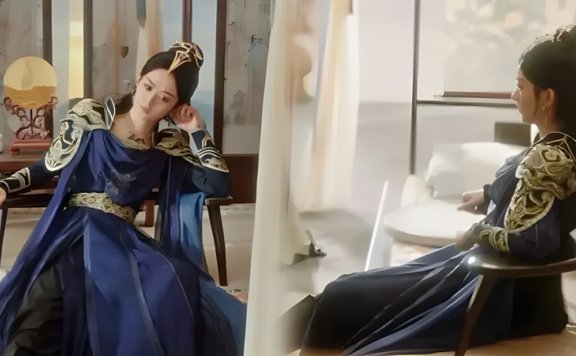
The Yinji and the Ancient Chinese Philosophy of Slow Living
You have seen it in countless historical Chinese dramas, from The Story of Minglan (知否) to Nirvana in Fire (琅琊榜). A character, perhaps Shen Li (沈璃) from The Legend of Shen Li (与凤行), lounges gracefully, not on a chair, but on a piece of furniture that looks like a curved armrest. It seems incredibly comfortable, a perfect prop for scenes of scholarly contemplation or leisurely repose. But what is this object? It is not a chair at all. This is the Yinji (隐几), an ancient support that was the epitome of comfort and intellectual attitude for centuries of Chinese literati. More than just furniture, it was a portable sanctuary for relaxation and a symbol of a mindful approach to life. Not a Chair The Yinji, also known as a leaning stool or armrest, was a quintessential item in ancient Chinese interiors, particularly for use on a Ta (榻), a low platform bed. Its primary function was to provide support for the back, the arms, or even the side of the body. Imagine a portable sofa arm that could be placed wherever one desired a comfortable lean. It was designed for ease of movement, often light enough to be carried outdoors… -
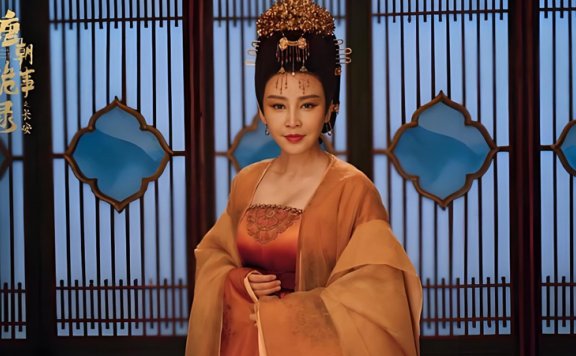
The Grand Princess in Tang Dynasty Mysteries
Have you encountered a character so boldly portrayed that she defies typical television norms? In the captivating series Strange Tales of Tang Dynasty Ⅲ: Chang'an (唐朝诡事录之长安), one figure consistently captures attention without conforming to standard beauty filters or humble dialogues. This show, set in the bustling capital of the Tang Dynasty during the early 8th century, blends detective work with political intrigue, offering a fresh take on historical drama. Unlike many romantic tales, it prioritizes suspense and clever plotting, with characters like the enigmatic Grand Princess standing out for her unapologetic presence. Played by Yue Lina (岳丽娜), she brings a layer of complexity that resonates deeply with modern audiences, making her a fan favorite despite—or because of—her extravagant demeanor. Her Character From her first appearance, the Grand Princess commands the screen with a regal aura that feels both authentic and exaggerated. Her lavish costumes and distinct visual treatment, including a personalized smoothing effect, have sparked discussions. Instead of criticism, viewers applaud this choice, seeing it as a reflection of her elevated status in the story. This approach highlights how character depth can outweigh superficial expectations, drawing people into her world of power and ambition. Her dialogues are equally striking, filled… -
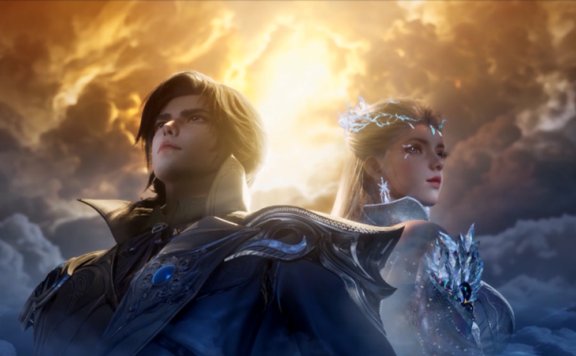
Snow Empress's Bold Stand: How She Challenges the Beast God in Douluo Dalu
In the latest twists of Soul Land 2: The Peerless Tang Clan (斗罗大陆 ‖ 绝世唐门), a stunning transformation unfolds as Snow Empress awakens to her true self. After absorbing the profound energy from the ancient ice marrow, she sheds her youthful form, emerging as a powerful adult with memories of her reign over the Extreme North fully restored. This rebirth sparks a daring confrontation, where she openly warns Beast God Ditian, the mightiest known soul beast. What fuels her audacity to challenge such a formidable force, and where does her confidence stem from? This article delves into the depths of their powers, examining the origins of their strength and the factors that could tip the scales in an epic clash. Cultivation and Power Beast God Ditian boasts an impressive 890,000 years of cultivation, placing him on the brink of divinity as a near-god entity. His mastery of dual soul cores allows him to compress soul force to its limits, granting unmatched explosive power and endurance in battles. This advanced state makes him a towering figure among soul beasts, with abilities that dwarf many rivals. However, Snow Empress is no ordinary opponent. Her 700,000 years of cultivation come from a pure,… -
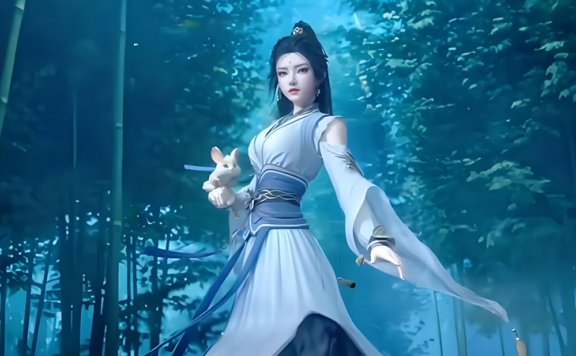
Shi Mu’s Epic Journey in The Gate of Mystical Realm
A new animated spectacle has arrived, promising to set screens ablaze. The Gate of Mystical Realm (玄界之门), a 3D animated series, premiered on Bilibili on November 26, 2025. With a full season of 26 episodes, each running approximately 20 minutes, this adaptation of Wang Yu's (忘语) popular web novel from Qidian Chinese Network is poised to capture the hearts of animation enthusiasts. Directed by Huang Xiaohong (黄晓洪) and scripted by Li Yang (李杨), the series dives headfirst into a sprawling, ambitious universe where the only constant is the struggle for power. 1. Origins of the Tale The story unfolds in a classic Wuxia setting, a realm where martial artists reign supreme. In this world, might makes right, and powerful sects dot the landscape like ancient trees in an unending forest. Here, one's lineage and cultivation techniques are not just aspects of identity; they are the very determinants of fate. It is a society built on strength, where the weak are trampled and the strong write their own laws. At the center of this tumultuous world is our protagonist, Shi Mu (石牧). An adopted son in a prominent family, he grows up on the Eastern Continent with a clouded past. Unbeknownst… -
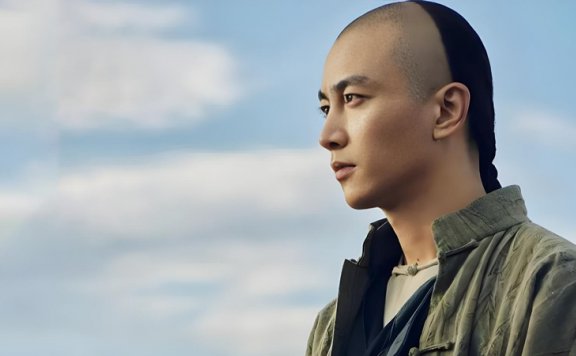
Personal Vendetta Drives The Big Businessman’s Qing Dynasty Drama
In the intricate world of Legend of the Magnate (大生意人), set against the backdrop of late Qing Dynasty Pingyao (平遥), the latest plot twists reveal more than mere business rivalries. Wang Tiangui (王天贵), the wealthiest man in town, orchestrates a complex scheme to imprison Chang Si (常四) and coerce Gu Pingyuan (古平原) into joining his firm, Taiyufeng (泰裕丰). On the surface, this appears as a shrewd move to harness fresh talent, but beneath lies a deeply personal torment that fuels his actions. This article delves into the hidden motivations driving the characters, exploring how personal insecurities can shape destinies in a volatile economic landscape. The Feud Begins Wang Tiangui reigns supreme in Pingyao, with his enterprise, Taiyufeng, dominating the financial scene. His influence extends to local officials, who often bend to his will. The conflict with Chang Si ignites over a prime piece of land that Wang covets for its symbolic "dragon's head" location, believed to bring prosperity. When Chang Si refuses to sell, Wang retaliates by manipulating the authorities to seize Chang's salt fields, plunging him into debt. This sets off a chain of events where Chang Si must risk his life in caravan trades to repay what he…