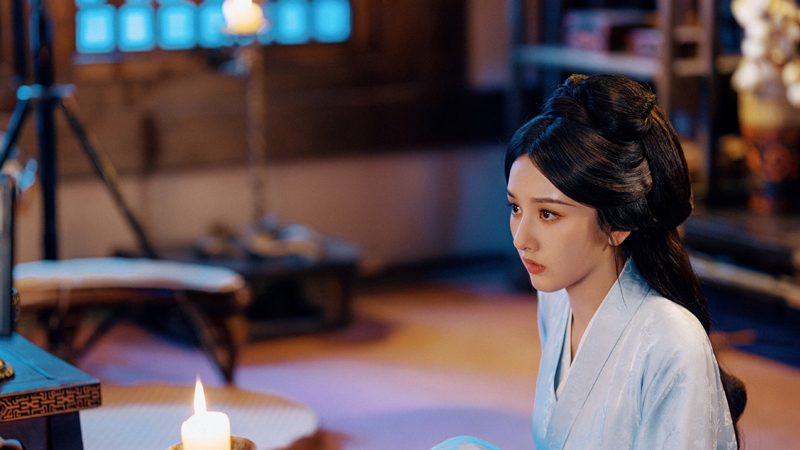
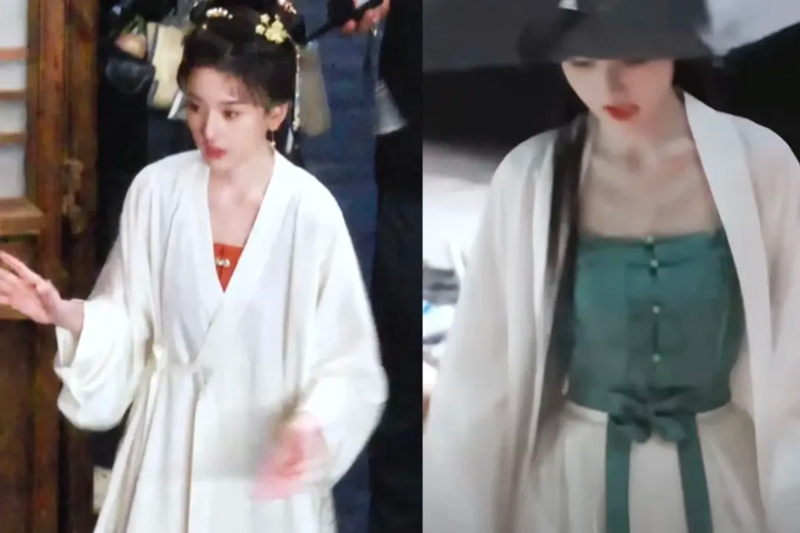
In a recent preview for the period drama Biao Mei Wan Fu (表妹万福), set against a Ming Dynasty backdrop, actress Song Zuer's (宋祖儿) character is seen outdoors wearing what appears to be a structured, clasp-fastened undergarment. This has sparked a fiery online debate: Was it historically accurate for a woman to reveal her inner wear during this era, or is this merely a creative costume design choice? The scene challenges modern perceptions of Ming fashion, often imagined as uniformly modest and restrictive. To understand this sartorial choice, we must delve into the specific garment in question and its place in the private versus public life of a Ming gentlewoman.
Zhuyao Unveiled
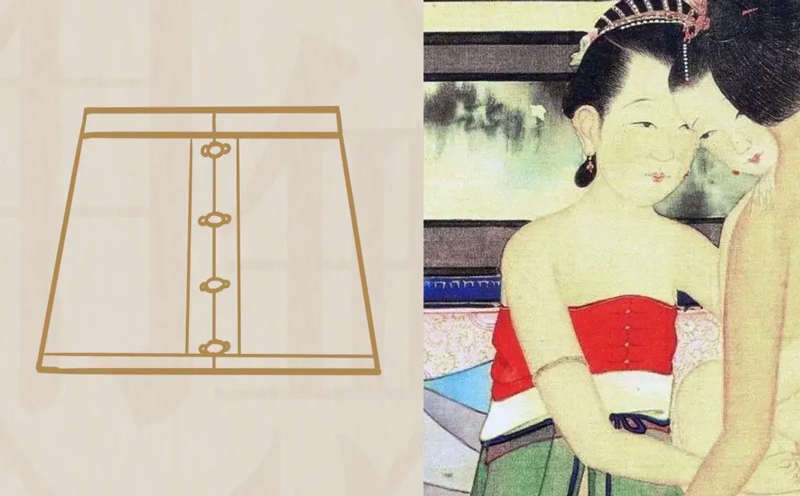
The garment causing the stir is not a modern invention but a historical piece known as a Zhuyao (主腰). Popular during the Yuan and Ming periods, it was sometimes poetically called a "pleasure-binding jacket." Its defining feature was a front opening secured by ties or clasps, a distinct departure from the more common wraparound styles. While the overarching term for inner wear in this period is often debated, the Zhuyao stands out for its tailored construction. Surviving artifacts show it could be worn with or without shoulder straps, which could be fastened in various ways, indicating a surprising degree of flexibility and fashion-conscious design for its time.
This contrasts with the other prevalent undergarment, the Moxiong (抹胸). The Moxiong was typically a single rectangular piece of cloth with long ties on either end, wrapped around the torso and secured under the arms. It was a classic, timeless design used for centuries and sometimes even worn by men for abdominal warmth. While the Moxiong remained common, the Zhuyao represented a more specialized and fashionable option for the Ming elite. It offered a different silhouette and functionality.
The key advantage of the Zhuyao was its practical design. The front opening made it easier to put on and take off. The clasps or ties allowed for adjustable snugness, enabling it to better contour and support the body's shape. Furthermore, the decorative potential of the front fastenings allowed the wearer to express a degree of personal taste, even in a garment meant to be hidden. This combination of utility and subtle aesthetics made it a valued item in a woman's wardrobe.
A Private Indulgence
So, would a woman like the character in Biao Mei Wan Fu have worn her Zhuyao in view of others? The historical evidence suggests a firm "no" for public settings. Influenced by Neo-Confucian ideals, Ming society prized modesty in women's dress. Outer layers were designed to be concealing. However, within the inner quarters of a home—the private women's apartments—the rules relaxed. Numerous Ming paintings of court ladies and gentlewomen depict them in intimate, domestic settings wearing such garments, often in a striking vermillion red.
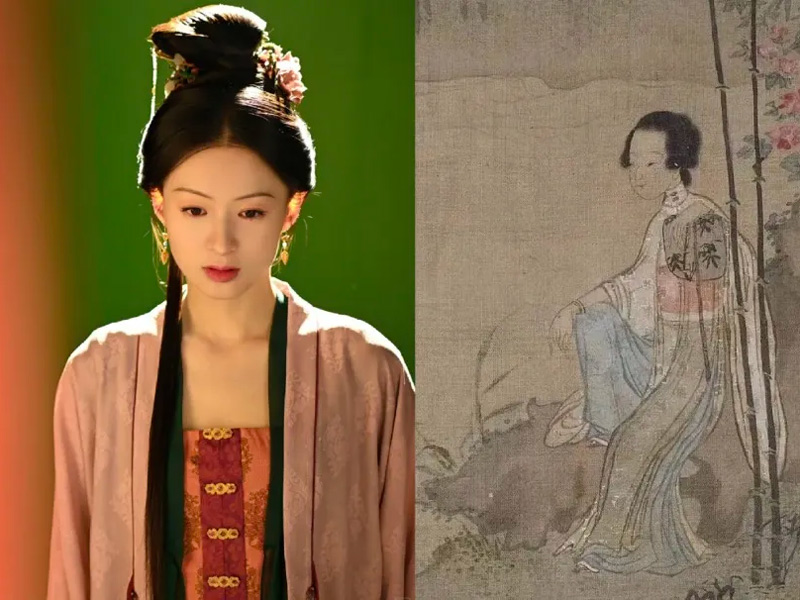
In these private spaces, the Zhuyao was not meant to be seen alone. It was typically covered by a light, often translucent, robe or gown. The vibrant color of the inner layer would peek through the sheer outer fabric, creating a deliberate and alluring visual effect. This practice points to a nuanced reality: while public decorum was strict, women found ways to embrace color, texture, and style within their private lives. It was a quiet act of self-expression within a prescribed social framework.
This context makes the controversial scene more plausible. If the character is depicted within her home's inner garden or a private courtyard, the costume could be historically justified. The outfit would be seen as casual, at-home wear, not intended for the outside world. The critique, therefore, may hinge more on the specific setting of the scene rather than the garment's existence. The drama's costume designers are likely aiming to showcase this hidden, more personal side of Ming fashion.
Innerwear to Streetwear
The discussion around the Zhuyao extends beyond historical drama into modern fashion. Today, many of the "traditional" undergarments sold are contemporary interpretations. These modern Zhuyao-style tops often feature non-functional clasps at the front and an elasticated back for pull-on wear, prioritizing convenience over historical accuracy. They blend the aesthetic of the past with the demands of present-day life.
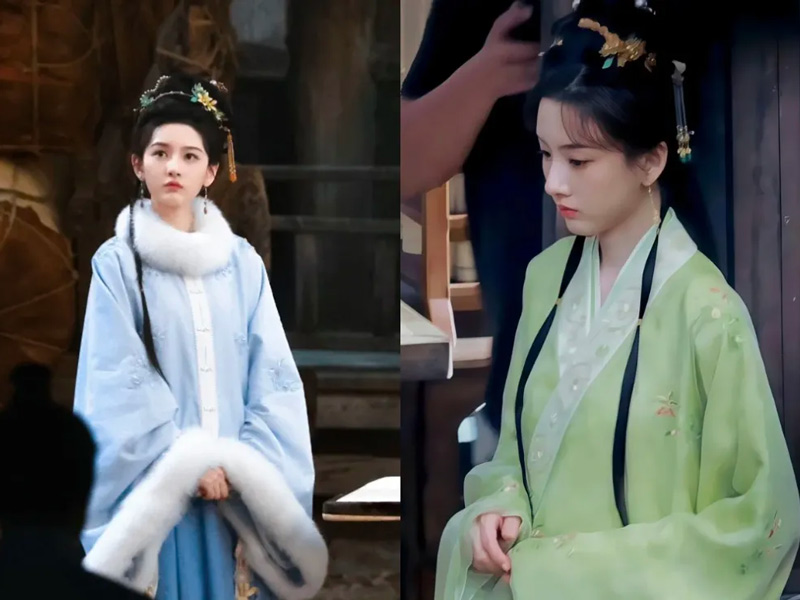
This fusion has allowed the Zhuyao to be reimagined as a fashion item in its own right. No longer confined as innerwear, it is now frequently worn as a stylish bodice or bustier. Paired with a blazer, a sheer shirt, or even on its own in certain contexts, the modern Zhuyao makes a bold statement. The metallic clasps and structured silhouette provide a unique blend of antique charm and contemporary edge.
This transition from private undergarment to public fashion piece reflects a broader trend of reclaiming and reinterpreting historical clothing. The Zhuyao's journey from the inner chambers of the Ming Dynasty to the wardrobes of modern style enthusiasts demonstrates how classic designs can find new life. It serves as a wearable link to the past, allowing individuals to connect with history while expressing their personal style, proving that some designs are truly timeless.