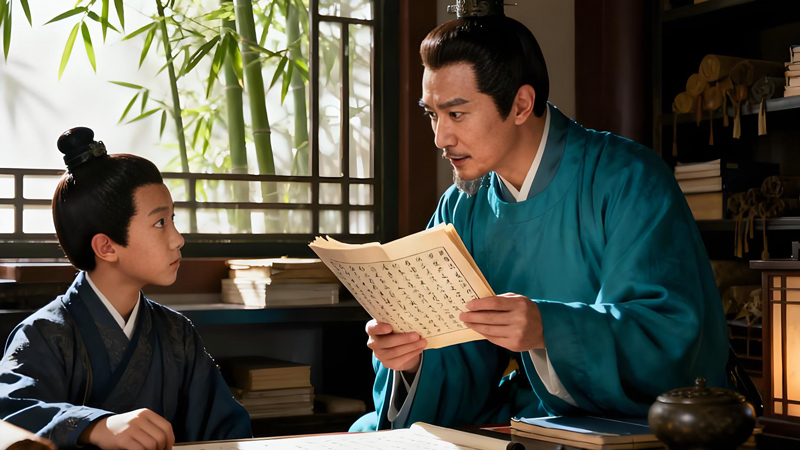
Ancient China's bureaucratic system was a vast and intricate network, filled with roles that might seem odd or mysterious to modern eyes. These positions, with their unique names and specialized duties, offer a glimpse into the political ingenuity of bygone eras. Far from being mere curiosities, they played vital parts in maintaining social order and supporting the imperial machinery. This article delves into four such fascinating jobs, revealing how they evolved and why they mattered. From tutors to crime-fighters, these officials shaped history in ways that still capture our imagination today.
1. The Taizi Xima (太子洗马)
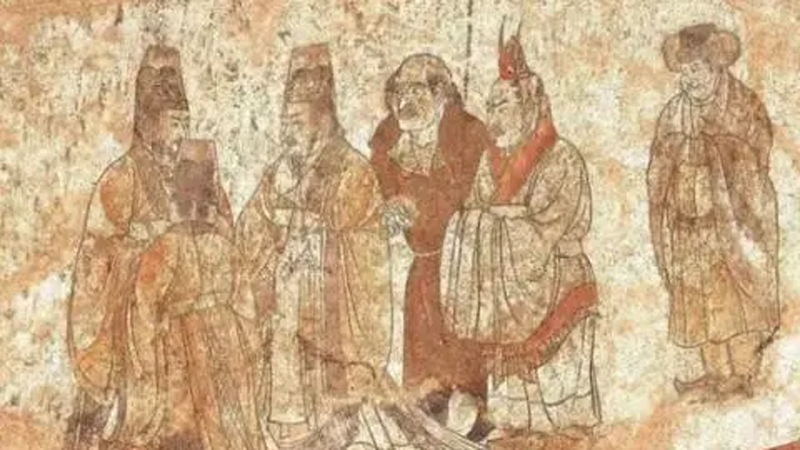
Imagine a job title that sounds like it involves scrubbing horses, but actually places you at the heart of imperial power. The Taizi Xima was exactly that—a high-ranking tutor and confidential secretary to the crown prince. Contrary to what the name suggests, this role had nothing to do with equine care. Instead, it focused on guiding the future ruler through education and state affairs. Originating in the Qin Dynasty, the title derived from a term meaning "pioneer," reflecting the official's duty to lead and advise. Holders of this position curated the prince's library, instructed him in classics, and accompanied him on journeys, building a bond that could define their careers.
During the Tang Dynasty, the Taizi Xima became part of a structured system under the Zhan Shi Fu (詹事府), with a rank of lower fifth grade. These individuals were often scholars of impeccable reputation, selected for their wisdom and integrity. As the prince's closest confidants, they wielded influence that extended beyond mere administration. When the prince ascended the throne, his former guide might rise to prominent roles, even reaching the upper echelons of government. This made the position a stepping stone to higher power, akin to a "future chancellor" in the making.
2. Zhongshu Sheren (中书舍人)
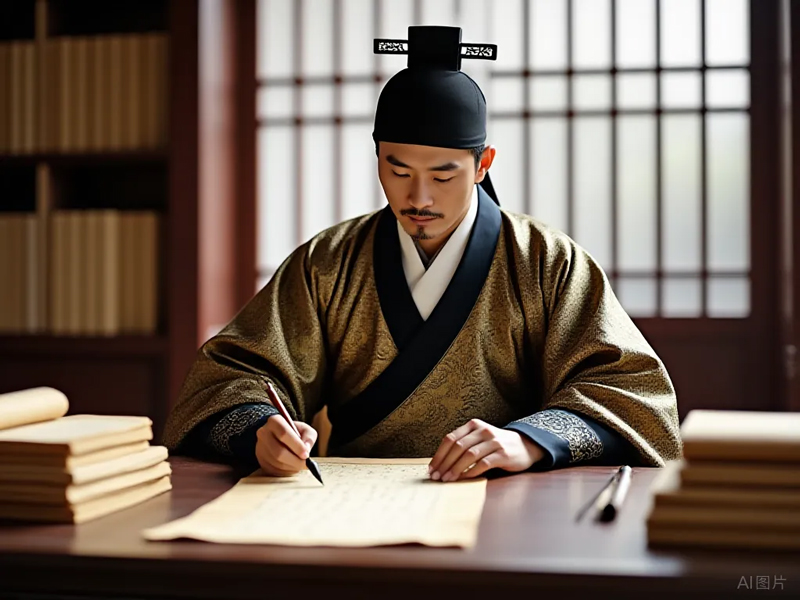
In the corridors of ancient power, the Zhongshu Sheren held a pen that could shape empires. Established during the Wei and Jin Dynasties, these officials started as clerks managing documents but grew into key players in drafting imperial decrees. By the Tang Dynasty, their authority peaked, with six scribes overseeing edicts related to different government departments. They didn't just write words; they could challenge decisions by refusing to draft orders they deemed unwise, acting as a check on imperial power.
Though their rank wasn't the highest, the Zhongshu Sheren enjoyed immense prestige as "literary elites." Famous poets like Bai Juyi (白居易) and Du Mu (杜牧) served in this capacity, blending artistry with administration. Their work ensured that the emperor's commands were clear and justified, making them indispensable to the court's functioning. This role exemplified how intellectual prowess could translate into tangible influence in ancient China's governance.
3. Buliang Ren (不良人)
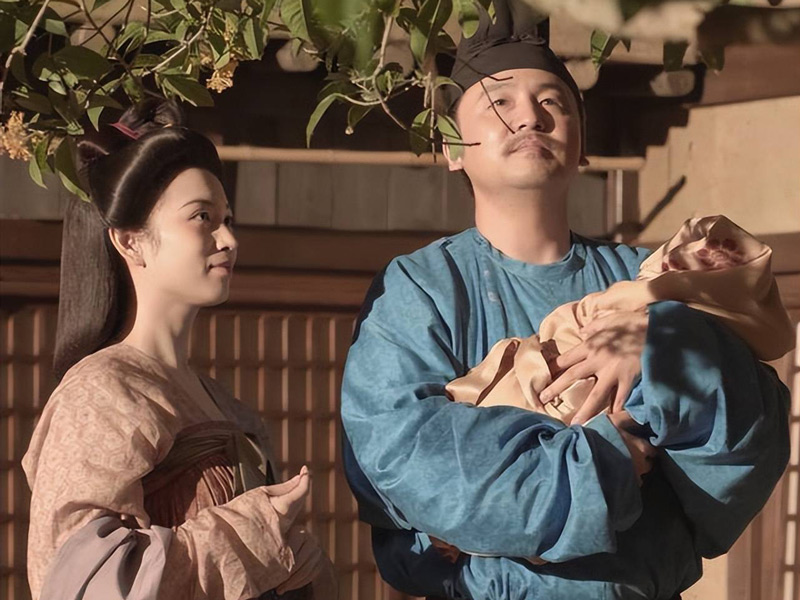
Long before modern detectives, the Buliang Ren patrolled the streets of the Tang Dynasty, hunting criminals and maintaining order. Their name, often interpreted as "dealers with undesirables," hints at their gritty work—apprehending thieves, murderers, and other lawbreakers. Unlike high-ranking officials, they were low-level constables without official grades, yet crucial to everyday safety. Recent portrayals in dramas like The Legend of the Tang Dynasty have romanticized their image, but historically, they were practical enforcers in a complex justice system.
Some theories suggest that Buliang Ren were recruited from former criminals or street-savvy individuals who understood the underworld. While this isn't firmly documented, it adds to their mystique as figures bridging law and disorder. They operated under local magistrates, investigating cases and making arrests with minimal fanfare. Despite their low status, their efforts helped stabilize communities, showing how ancient societies managed crime long before forensic science.
4. Jiong Qing (囧卿)
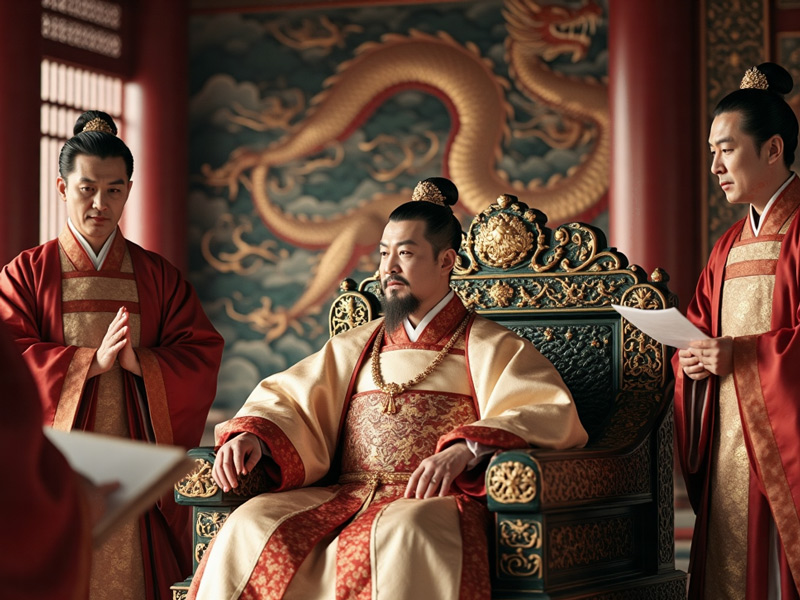
Meet the Jiong Qing, a title that now evokes internet memes about awkwardness but once denoted a respected master of imperial transport. Derived from the Taipu (太仆), this official oversaw the emperor's chariots, horses, and ceremonies. In early dynasties like Qin and Han, the Taipu ranked among the nine high ministers, managing everything from royal processions to state-run stables. The term Jiong originally meant "bright" or "illuminating," symbolizing their role as conduits of imperial authority.
By the Tang and Ming Dynasties, the Taipu adapted to changing administrations but retained its focus on equine affairs. In an era where cavalry was vital for defense, this role involved breeding and maintaining warhorses across the empire. Holders of this position, often of third rank or higher, ensured that the emperor moved with dignity and efficiency. Their legacy reminds us that even seemingly mundane tasks, like managing transportation, were pillars of ancient statecraft.