Article
Search results:
-
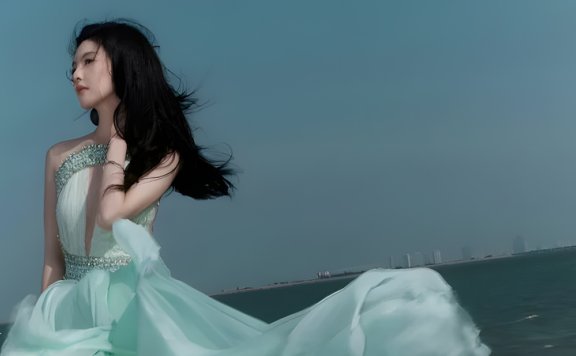
Zhang Ruonan’s Sea Mist Noble Moment
The image is arresting: an expanse of pale, hazy green billowing against a windswept shore. Actress Zhang Ruonan (章若楠) stands as the focal point, her mint-colored gown melting into the sea mist behind her. This is more than a celebrity photoshoot; it is a character study, a fleeting scene from an unwritten film. She is not merely wearing a dress. She embodies a persona—a 'Sea Mist Noble,' ethereal yet grounded, delicate but commanding. This single look, captured against the elemental backdrop of ocean and sky, has sparked widespread admiration, transcending typical fashion commentary to become a cultural talking point. It represents a pivot in red carpet narrative, away from overt glamour and toward a more resonant, atmospheric storytelling. Anatomy of an Aura The power of the look lies in its masterful contradictions. The gown’s construction balances structure and fluidity. A halter neckline, meticulously embroidered with gradient crystals, frames the shoulders and provides a defined silhouette. This jeweled element suggests luxury and craftsmanship. From this anchored top flows an immense skirt of layered tulle, a weightless cloud of fabric that surrenders completely to the coastal breeze. The deep V-neck adds a subtle hint of classic Hollywood sensibility without overshadowing the overall… -
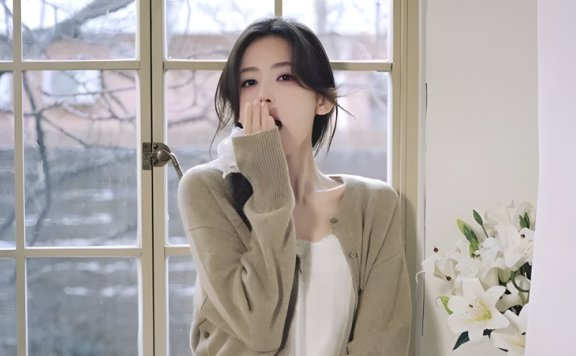
Na Zha's Khaki Knit and White Lace Dress Charm
A recent series of photos featuring actress Na Zha (娜扎) has sparked widespread admiration, offering a masterclass in winter styling that feels both cozy and enchanting. Against a backdrop of white lilies and soft, golden-hour light, she presents a vision of gentle elegance that seems to defy the season's chill. The outfit, a study in tonal harmony and textural contrast, moves beyond mere clothing to evoke a specific mood—a warm, languid afternoon feel. This look challenges the conventional wisdom of bulky winter wear, proving that warmth and a soft, romantic aesthetic are not mutually exclusive. It serves as a compelling entry point into a broader discussion about seasonal style, personal expression, and the subtle art of crafting an atmosphere through what we wear. The Relaxed Knit The cornerstone of this look is a light khaki knitted cardigan. Its power lies not in structure, but in its deliberate lack of it. The soft, draped fabric and slightly oversized silhouette create an immediate sense of ease and comfort. This approach to knitwear shifts the focus from shaping the body to encompassing it in a soft, tactile layer. The color itself—a muted, earthy tone—acts as a neutral canvas, warm without being loud, perfectly… -
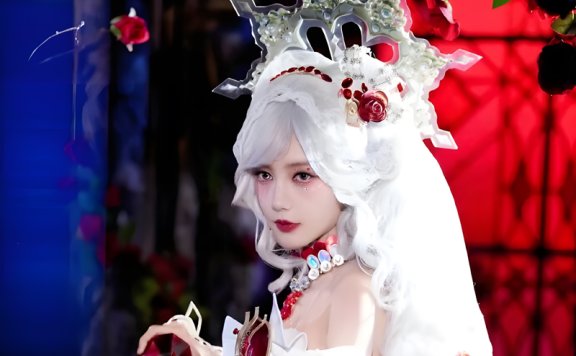
Li Yitong's Dark Rose Bride Look
When photos of actress Li Yitong's (李一桐) latest editorial shoot surfaced online, they sparked an immediate and widespread reaction. Styled in a striking ensemble dubbed the "Dark Rose Bride," she presented a vision that was both fantastical and powerfully modern. The look masterfully blended gothic romance with fairy-tale elegance, creating a visual spectacle that captivated audiences and dominated fashion discussions. It wasn't just another celebrity photoshoot; it became a moment that showcased a daring artistic direction and a star's ability to transform into a living piece of narrative art. The power of this styling lies in its bold confrontation of classic aesthetic opposites. It takes the traditional symbolism of a bridal gown—purity, romance, celebration—and infuses it with a darker, more dramatic edge. This creates a compelling tension that feels fresh and arresting. For Li Yitong, known for her versatile roles, this fashion statement acts as a new kind of character portrayal, one where the clothing itself tells a story of beauty, strength, and mystery. The overwhelming positive response highlights a public appetite for looks that are not just beautiful, but conceptually rich and emotionally evocative. A Masterclass in Details Every element of the ensemble was meticulously curated to build the… -
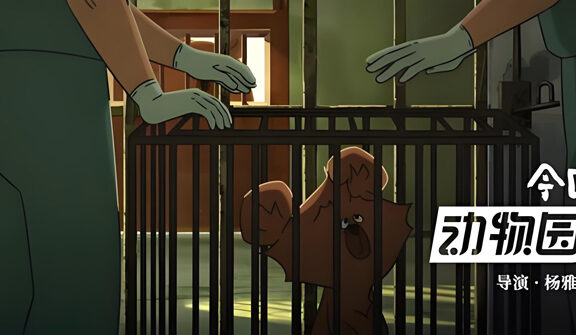
Yao-Chinese Folktales 2: Zoo Today – Between Cages and Dreams
The latest episode of the animated anthology Yao-Chinese Folktales 2 (中国奇谭2) isn't about mythical beasts or ancient legends. Titled Zoo Today, it presents a modern urban zoo where the cages hold more than animals—they contain mirror images of our own lives. Stripped of fantasy, the story uses its animal inhabitants to sketch vivid, uncomfortably familiar portraits of contemporary existence. From the anxious office worker to the nostalgic retiree, each character embodies a specific societal role and its inherent constraints. This narrative has sparked widespread recognition, not for its visual spectacle, but for its piercing accuracy in depicting the quiet struggles and resigned compromises that define daily life for so many. Life Stories Hidden in These Animals This is not a zoo, but a living portrait of our time. Within these enclosures, the animals do not merely exist—they strive, they dream, they despair. Their cages are built not only of iron bars, but of economic necessity, transferred expectations, and the crushing weight of daily survival. Each creature embodies a modern dilemma: the gorilla running just to stay in place, the tiger parents scripting their cub’s future, the giraffe aiming only for a better cage. Their struggles lay bare the quiet negotiations… -
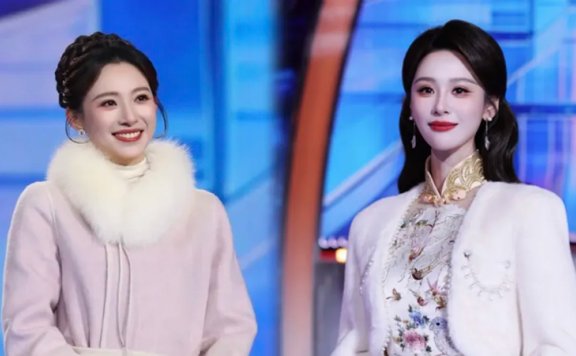
Why Do New CCTV Hosts Always Spark Such Debate?
A recent wave of discussion swept across Chinese social media following the announcement of hosts for a major state television gala. The conversation wasn't about their professional credentials, but their faces. Many netizens expressed a longing for the "faces of national peace and prosperity," a term coined for veteran hosts like Dong Qing (董卿). Their absence, critics argue, has left a void on the nation's most prestigious stages. This phenomenon points to a deeper, nationwide conversation about shifting beauty standards and a perceived loss of a distinctive Chinese aesthetic in the public eye. The Classical Blueprint Traditional Chinese aesthetics prized harmony and implied meaning. In portraiture and classical art, the ideal was not sharp definition but artistic "liubai (留白)" or intentional blank space. This principle applied to facial features as well. The admired "Fang E Guang Yi" (方额广颐)—a broad forehead and full, rounded jawline—offered a canvas of balanced proportions. It was a face with room to breathe, considered a sign of health, stability, and fortune. This aesthetic is vividly preserved in artifacts like the Dunhuang (敦煌) frescoes. The female figures depicted there embody a diverse yet coherent ideal: rounded faces, gentle eyes, and natural proportions. Their beauty lies in composure… -
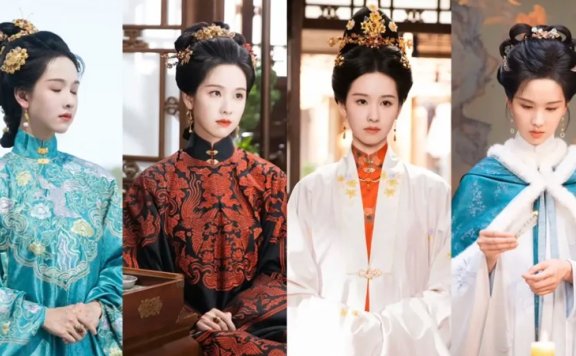
Why Are So Many Historical Dramas Abandoning Real History?
Turn on any streaming platform, and you’ll be greeted by a wave of period dramas with lavish costumes and sprawling palaces. Yet, a closer look reveals a curious trend: fewer of these stories are set in a documented historical dynasty. Instead, they inhabit vague, fictionalized worlds—often labeled as Jiakong Ju (架空剧), or "alt-history" dramas. This shift from specific reigns like the Tang or Ming to nebulous "ancient times" is more than a creative whim; it's a complex response to modern storytelling constraints, audience appetites, and the daunting task of world-building itself. Escape from Historical Scrutiny One primary driver is the intense scrutiny facing dramas based on real history. When a show claims to depict the life of a known emperor or a famous general, it opens itself to relentless examination from scholars and passionate fans. Historical records, however limited, set boundaries. A character's personality, key decisions, and even their fate are often matters of public record. Deviating from these established facts for dramatic effect can lead to accusations of distortion, sparking online controversy and potentially affecting a show's reception. For creators, this can feel less like writing and more like navigating a minefield. The story of Wu Zetian (武则天), for… -
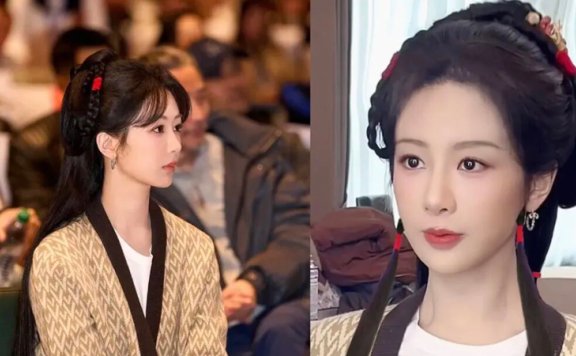
Who Tied the First Red String in Your Hair?
When actress Yang Zi (杨紫) appeared on screen with her hair tied with a simple red string, a wave of nostalgia washed over many viewers. That vibrant Hongtousheng (红头绳, red hair string) is more than a childhood memory or a festive accessory; it is a thread woven through centuries of Chinese social and aesthetic history. This humble object, often just a length of red yarn, connects the practical needs of daily life with deep-seated cultural wishes, evolving from a common hair fastener into a powerful symbol of tradition and belonging. Practicality to Memory Long before elastic bands, securing hair was a daily concern. Traditional methods used hairpins, combs, and cloth bands. The use of red cloth strips for decoration was common, but the narrower, string-like Hongtousheng truly emerged in the late Ming and early Qing dynasties. This shift was linked to specific hairstyles like the Sanliutou (三绺头, three-section hairstyle), which required sections of hair to be bound separately. A thin, strong red string was perfect for neatly dividing and securing these sections at the crown. The industrial revolution made machine-spun yarn cheap and widely available. Red wool or cotton string became an indispensable item in every household. It was durable,… -
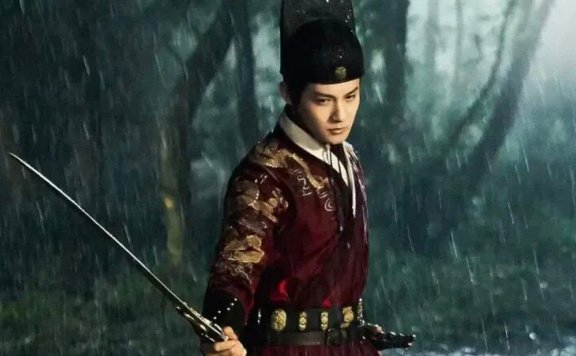
Who Really Wore the Feiyu Uniform?
The image is iconic: a stern, formidable figure stalking palace corridors or shadowy alleyways, clad in brilliant crimson robes embroidered with mythical creatures, a sleek, curved blade at his side. This is the Jinyiwei (锦衣卫), or Embroidered Uniform Guard, as popular culture has cemented him in our minds. From television dramas to video games, this visual shorthand for Ming Dynasty secret police and imperial power is unmistakable. But what if this widespread portrayal is more fantasy than fact? The glamorous Feiyu uniform was not standard issue. For the vast majority of the men who served in this complex institution, such opulence was a distant dream, a privileged symbol reserved for a select few at the very top. The Privilege of the Robe Contrary to the on-screen legions of red-clad agents, the Feiyufu (飞鱼服) was not a uniform in the common sense. It was a "Cifu" (赐服), a bestowed garment, one of the highest honors the Ming emperor could grant. Ranking just below the imperial dragon robe, it was awarded individually for merit or faithful service. The right to wear it was a legal privilege, and unauthorized use was strictly forbidden. Its name comes from the "Feiyu" pattern: a legendary creature… -
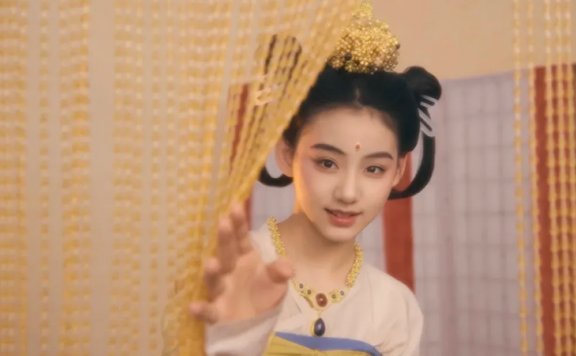
The Tragic Story of Sui Dynasty Noble Girl Li Jingxun
When 13-year-old actress Liu Jiaxi (刘佳玺) recently shared a photo series recreating the style of a 1,400-year-old noble girl, the internet took immediate notice. Dressed in Sui Dynasty-inspired attire, her image struck a chord far beyond typical historical cosplay. Many viewers instantly connected her look to her upcoming role as the young Dou Zhao (窦昭)) in the highly anticipated series Blossom (九重紫). Yet, the figure she portrays, Li Jingxun (李静训), represents a far deeper and more poignant story from China's past. This act of transformation bridges centuries, turning ancient artifacts into a living conversation about memory, art, and the fleeting nature of life itself. The Girl in the Tomb Known affectionately as "Li the Child," Li Jingxun's short life was one of extraordinary privilege and profound tragedy. Born into the pinnacle of Sui Dynasty aristocracy as the great-granddaughter of Emperor Wen and granddaughter of Empress Dowager Yang Lihua (杨丽华), she was enveloped in luxury. Historical records describe a girl "instructed in the deep palace," raised with immense care and expectation. Her world, however, was brutally brief. At just nine years old, she succumbed to pneumonia after being caught in a storm while on an excursion. Her early death, a personal… -
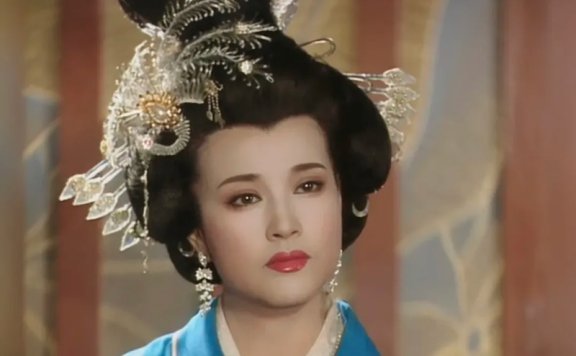
Liu Xiaoqing Revisits Empress Wu After 32 Years
The recent announcement that 75-year-old Liu Xiaoqing (刘晓庆) will once again portray the formidable Empress Wu Zetian in a new short drama series has sent waves through the Chinese entertainment world. This marks a stunning return to the role she immortalized in the iconic 1995 television series. For many, her name is synonymous with the part; she didn't just play the character, she embodied her journey from a young concubine to the only female emperor in Chinese history. Yet, this casting has sparked a complex debate. While fans of the original series feel a surge of nostalgia, others question whether this represents a creative resurgence or a reluctance to pass the torch. Is this a celebration of a timeless performance, or does it highlight a shortage of actresses deemed capable of carrying such a weighty historical legacy? An Unmatched Legacy The 1995 series Empress Wu Zetian (武则天传奇) stands as a monumental achievement, largely due to Liu Xiaoqing's commanding performance. She carried the narrative alone, portraying the character's evolution across decades with a rare intensity. This was not a fragmented portrayal by multiple actresses but a single, cohesive artistic journey. The series became a cultural touchstone, defining the visual and emotional… -
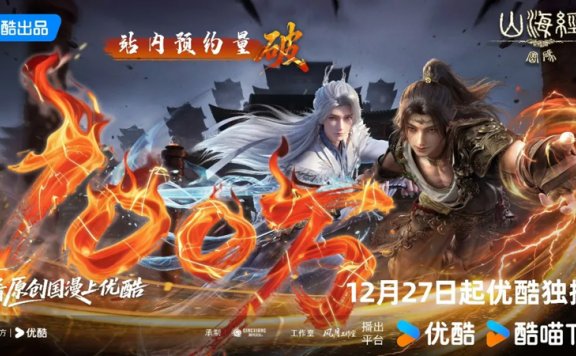
World-Building and Character Destiny in Threads of Fate: A War Untold
Is this flight, or a deliberate march into the unknown? For the young souls at the story's heart, the distinction blurs. Their journey begins not with a call to glory, but with a rejection of pre-ordained paths. Shan Hai Jing (山海经), that ancient tapestry of myth and beast, is no longer mere scripture. It becomes the very ground they tread—a Dahuang Shijie (大荒世界) of primordial chaos and raw wonder, re-awakened through their defiant eyes. This narrative shift represents more than a new setting. It is a conscious turn inward, towards the deepest wells of the cultural imagination. The anime Threads of Fate: A War Untold (山海经密码) channels the text's untamed spirit, not through scholarly reverence, but through the volatile energy of its protagonists. Their rebellion against fate and heated struggles feel immediate, forging a tangible link between the audience and the ancient world's breathtaking scale and peril. By framing epic, dynasty-shifting events through the lens of youth and their visceral conflicts, the work attempts a delicate fusion. It seeks to make the foundational myths resonate on a human frequency, suggesting that the oldest stories can hold the sharpest relevance when their heartbeat is rediscovered and set racing anew. Myth Reborn:… -
How Glory Challenges Gendered Narrative Tropes
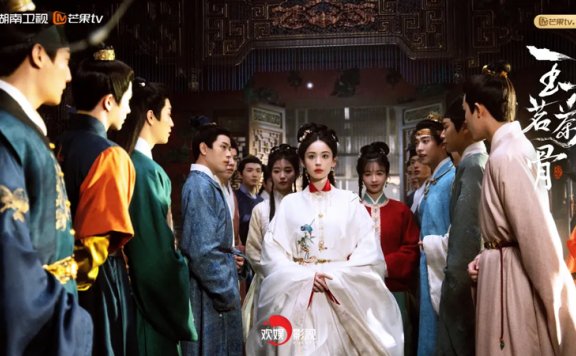
The period drama Glory (玉茗茶骨) presents a world where men scheme in inner chambers and women pursue political thrones. Its producer, Yu Zheng (于正), markets this as a true female-centric narrative. The concept is undoubtedly attention-grabbing, positioning itself as a bold departure from tradition. It flips the script of classic palace intrigues, placing female characters in conventionally male positions of overt ambition. Yet, simply having men play at "harem struggles" while women seek a crown does not automatically forge a new path. The framework often feels familiar, merely swapping the genders within an old blueprint. The core mechanics of power—conspiracy, betrayal, rivalry—remain unchanged. This raises a question: is it female empowerment, or just the same play with a different cast? The drama's real test is whether it can move beyond this initial inversion to imagine a fundamentally different structure of power and relationship. When Men Wear the Palace Crown A new television drama turns the traditional courtship narrative inside out. In Glory, the power to choose belongs entirely to women. The story unfolds within the wealthy and influential Rong Family, a matriarchal clan whose authority in the tea trade rivals that of regional lords. Here, men are the suitors, brought… -
Battle Through the Heavens: The Doomed Gambit of Treachery and Bloodlines
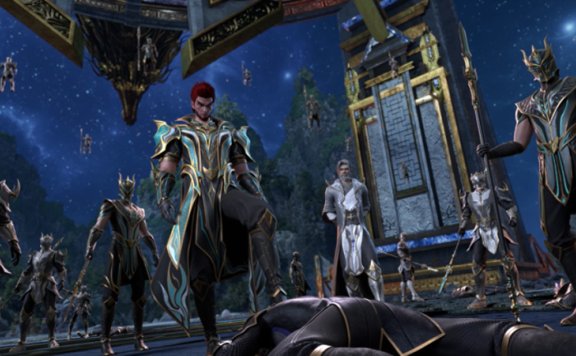
In the turbulent world of Battle Through the Heavens (斗破苍穹), an alliance between sworn enemies is never just a partnership. It is a razor's edge walked over a chasm of mutual destruction. The decision by the three rebellious Dragon Kings of the Tai Xu Gu Long (太虚古龙) clan to seek help from their ancestral rivals, the Tian Yao Huang (天妖凰) tribe, appears at first glance to be an act of sheer madness. This move, born from a bitter civil war for the dragon throne, seems to ignore generations of spilled blood and deep-seated hatred. The offered bait—the legendary Dragon-Phoenix bloodline—is a treasure beyond measure. Yet, this entire arrangement was less a treaty and more a trap being set by all parties involved, each believing they could outmaneuver the other. It was a dangerous gambit that revealed not strength, but the precarious desperation at the heart of the conflict. A Calculated Risk The three Dragon Kings were not fools. Their invitation to the Tian Yao Huang was a cold, strategic calculation. Their primary and immediate threat was not the external rival, but the internal legitimist force: the Eastern Dragon Island and its true heir, Zi Yan (紫妍). Eliminating this challenge was… -
Cang Kun Ruins: Han Li’s 4 Crimson Jade Treasures
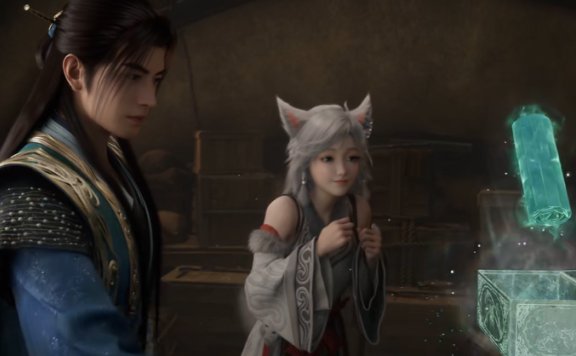
When a seasoned treasure hunter cracks open ancient relics with the quiet confidence of someone checking their mailbox, you know there's more than luck at play. In the recently explored Cang Kun (苍坤) Ruins, the cultivator known as Old Devil Han secured not one, but four crimson jade cases. The contents weren't the typical world-shaking divine artifacts; instead, they were peculiar, niche, even seemingly useless items. Yet, in his hands, these objects transformed into masterclasses in strategic survival, revealing that in a world of cosmic power, the sharpest tool is often the mind assessing them. 1. Moongazing Art The first case held a pale blue jade slip containing the Moongazing Art, the primary cultivation technique of a legendary vagrant cultivator from five millennia past. Complete with movement spells and consciousness-refining secrets, it was a top-tier legacy. However, its elemental properties clashed directly with Han's spiritual roots, rendering it impossible for him to practice. On the surface, it was a prize he couldn't use. Its true value lay not in practice, but in theory. The manual's profound insights into high-level spiritual consciousness operation perfectly complemented Han's own foundational mental cultivation art, Great Evolution Art (大衍诀). It provided the theoretical framework for… -
Eclipse of Illusion: Female Vengeance in Eastern Fantasy
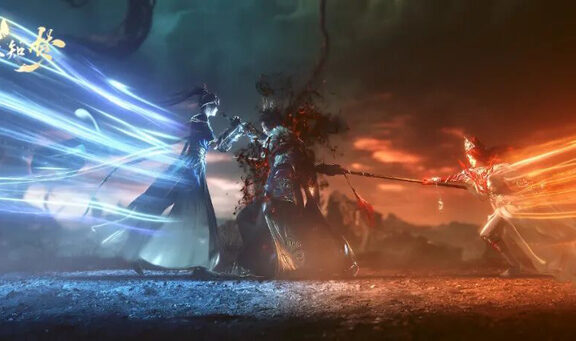
In a landscape often dominated by familiar tales of male asceticism, a new series arrives not with a whisper, but with the sharp, resonant ring of a drawn sword. Eclipse of Illusion (云深不知梦) has swiftly carved its name into the top of trending charts, distinguishing itself through a potent combination of relentless narrative drive and visual artistry of the highest order. This is not merely another entry in the Guochao (国潮) animation wave; it is a deliberate and striking manifesto. It shifts the lens firmly onto a story of female vengeance and self-realization, challenging genre conventions and audience expectations in one bold stroke. The series invites viewers into the meticulously crafted Mu Ling Continent (沐灵大陆), a world where beauty masks brutality and a decades-old conspiracy begins to unravel. A Vow Forged in Blood The tale begins at what should have been a joyous culmination. Yun Wangshu (云望舒), a celebrated prodigy of her sect, stands at the altar. In a brutal, shocking turn, her world is destroyed. Framed for a horrific crime she did not commit, she witnesses the annihilation of everything she holds dear. This cataclysmic event does not break her; it forges a new, steely purpose. Sixty years of… -
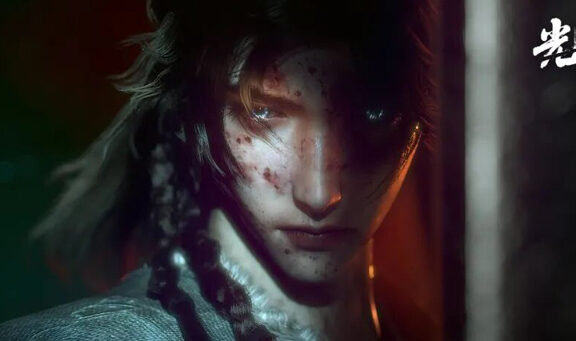
Two Braided Heroes Redefine C-animation Design
For years, the visual language of male leads in Chinese animated series followed a familiar script. Flowing locks suggested noble grace, short cuts implied pragmatic resolve, and disheveled styles hinted at an unorthodox spirit. This changed when a character arrived with his hair tightly woven into a single plait down his back. The premiere of the animated series Beyond Time's Gaze (光阴之外) introduced audiences to Xu Qing (许青), whose defining feature isn't a legendary sword or a mystical artifact, but a practical, tightly-bound braid. This seemingly simple choice has sparked discussions, drawn comparisons to the earlier braided hero Bai Yuechu (白月初) from Fox Spirit Matchmaker (狐妖小红娘), and signaled a shift in how character design conveys narrative and personality. Survival in Strands Xu Qing's world is one of perpetual twilight and desperation. Beyond Time's Gaze paints a stark picture of a civilization clinging to existence after a cataclysmic event. In this setting, every detail matters, and his braid is far from a cosmetic choice. It is a tool for survival. The plait is functional, keeping hair securely away from his face during combat and scavenging in the ruins. Its texture is not silky but coarse, mirroring the harsh, unforgiving environment he… -
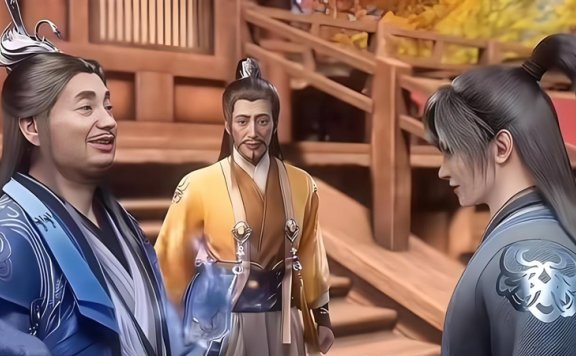
Renegade Immortal: Wang Lin and His 5 Masters –Betrayal & Devotion
The world of cultivation in Renegade Immortal (仙逆) is a treacherous landscape where power dictates survival. For the protagonist Wang Lin (王林), his arduous journey from an ordinary mortal to a formidable force is mirrored in the five masters who enter his life. These relationships form the crucible in which his character is forged. They are not merely teachers of technique but living lessons in human nature, revealing profound truths about trust, betrayal, and the rare, priceless value of genuine devotion. 1. Sun Dazhu (孙大柱) Wang Lin's introduction to the cultivation world comes through Sun Dazhu, a figure who embodies its most petty and vicious aspects. A low-level elder of the Hengyue Sect (恒岳派) with minimal power, his gaze is fixed solely on personal gain. He sees in Wang Lin not a disciple but an opportunity, coveting a gourd subtly influenced by the Heavenly Punishment Pearl. His "guidance" is a facade for sabotage, as he secretly laces Wang Lin's cultivation resources with hindering substances, escalating his schemes to attempted murder. This relationship serves as Wang Lin's brutal inaugural lesson. The title of "master" offers no sanctuary; it can be the source of the first and most intimate blade. Sun Dazhu's… -
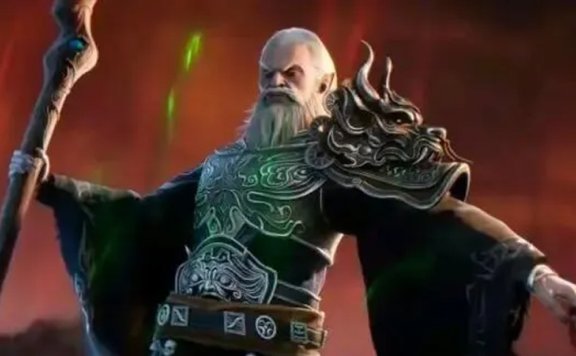
The Grim Truth of Power in Renegade Immortal
The animated saga Renegade Immortal (仙逆) presents a cultivation world of stark brutality and relentless consequence. Its protagonist, Wang Lin (王林), navigates a landscape where power is the only true currency and yesterday's disciple can become tomorrow's mortal enemy. His journey is less a heroic ascent and more a grim march through betrayal and survival. In a pivotal confrontation, he is forced to return to a place of ancient conflict, the Ancient Battlefield, to settle a debt a decade old and face a treachery that festered within his own circle. This episode crystallizes the series' core theme: in the pursuit of immortality, the most dangerous demons are often those you once nurtured yourself. The Traitor's Ambition Treachery often wears a familiar face. Hu Pao (虎咆), once under Wang Lin's tutelage, re-emerges not as a lost follower but as a vengeful rival. His rapid rise in power, serving the malevolent San Mo (散魔), is built on a foundation of resentment. He views his past as a subordinate as a stain to be erased. His ambition mirrors Wang Lin's own early hunger but is twisted by bitterness. He dreams of erasing his master and establishing his own dominion, proving that the pupil… -
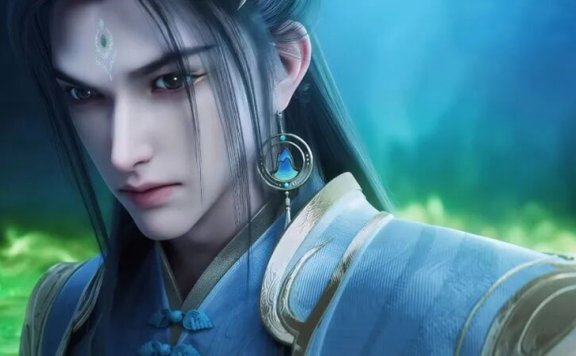
Why Does Every Xianxia Heroine Now Share the Same Face?
Open any recent Xianxia animation or game, and a familiar sight often greets you. The archetypal, aloof female immortal—pale, elegant, and emotionally reserved—has become a staple. This phenomenon was thrown into sharp relief with the release of the animated series Sword of Coming 2 (剑来2). The character design for Ning Yao (宁姚), a pivotal heroine, immediately sparked a wave of recognition among viewers. Her delicate features, cool demeanor, and ethereal aura felt less like a new creation and more like the return of an old acquaintance: Lu Xueqi (陆雪琪), the iconic swordswoman from the classic tale Jade Dynasty (诛仙). This is not an isolated incident. Across the genre, a specific aesthetic template has emerged, leading fans to play a perpetual game of "spot the similarity." How did one character's visage become the default blueprint for so many others? The Universal Template The resemblance is uncanny. The template consists of a pale, oval face, finely arched eyebrows, and eyes that hold a distant, frosty light. It is a beauty that speaks of cultivation, restraint, and a heart guarded by layers of ice. When Ning Yao appeared, long-time readers of the Sword of Coming novels, who cherished her unique pride and strength,… -
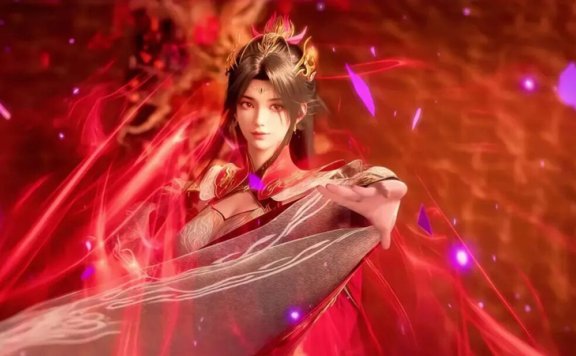
Xiao Xiao's Father Mends Doupo's Regret in Great Ruler 2
The return of a new season often brings anticipation, but seldom does a single moment arrive with the weight of an era's longing. In the latest episodes of The Great Ruler 2 (大主宰2), that moment crystallized in a single, resonant word: "Father." Spoken by Xiao Xiao (萧潇), the daughter of the legendary Xiao Yan (萧炎), this greeting did more than advance a plot. It served as a keystone, locking into place a narrative arch spanning two epic tales. For viewers who have journeyed from the Doupo Continent (斗破大陆) to the vast Da Qian World (大千世界), it was a payoff years in the making, mending a lingering regret from the adaptation of Battle Through the Heavens (斗破苍穹). The scene was not merely a reunion; it was a cathartic release, finally giving voice to a character and a relationship that had lived silently in fans' imaginations. The Power of a Name Within the complex hierarchy of the Da Qian World, names carry immense power. Xiao Yan, once a cautious youth from the Jia Ma (加玛) Empire, now stands as the Flame Emperor, master of the Wujin Realm (无尽火域)and a supreme Tian Zhizun (天至尊). His title commands awe, his mere glance can shake…