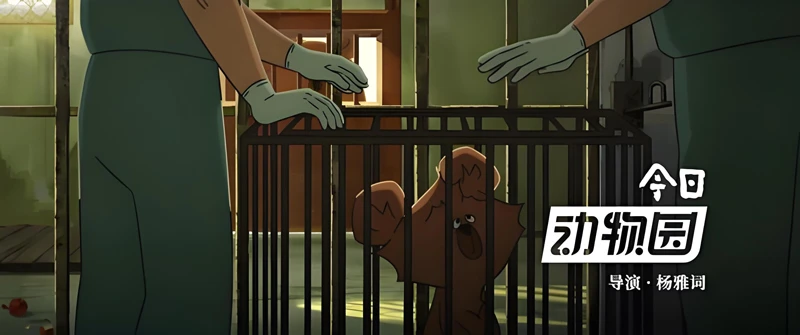
The latest episode of the animated anthology Yao-Chinese Folktales 2 (中国奇谭2) isn’t about mythical beasts or ancient legends. Titled Zoo Today, it presents a modern urban zoo where the cages hold more than animals—they contain mirror images of our own lives. Stripped of fantasy, the story uses its animal inhabitants to sketch vivid, uncomfortably familiar portraits of contemporary existence.
From the anxious office worker to the nostalgic retiree, each character embodies a specific societal role and its inherent constraints. This narrative has sparked widespread recognition, not for its visual spectacle, but for its piercing accuracy in depicting the quiet struggles and resigned compromises that define daily life for so many.

Life Stories Hidden in These Animals
This is not a zoo, but a living portrait of our time. Within these enclosures, the animals do not merely exist—they strive, they dream, they despair. Their cages are built not only of iron bars, but of economic necessity, transferred expectations, and the crushing weight of daily survival.
Each creature embodies a modern dilemma: the gorilla running just to stay in place, the tiger parents scripting their cub’s future, the giraffe aiming only for a better cage. Their struggles lay bare the quiet negotiations and profound costs of life in a world of intense competition and limited security. As we observe them, we see reflections of our own compromises, our own fears of falling behind, and the fragile line between pragmatic adaptation and the loss of one’s own spirit.
- The Trapped Gorilla – Run Hard, No Shelter
Lele (乐乐) the gorilla represents the vast majority with no safety net. He lacks connections, family support, or any cushion against failure. Every meal, every seemingly secure perch, is earned through relentless, precarious effort. His act—jumping through flaming hoops—is his only marketable skill. He knows his position is replaceable; today there is Lele, tomorrow there could be another. This constant vulnerability extinguishes the luxury of choice. While others debate dreams and freedom, his entire focus is on immediate survival. The fear isn’t of missing out, but of falling down.
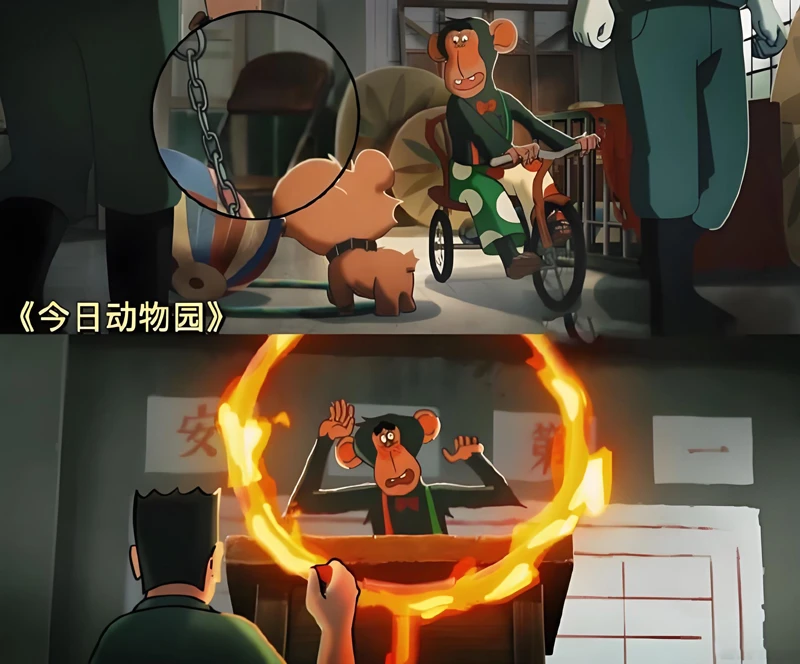
This resonates deeply with a generation navigating Neijuan (内卷), the intense internal competition for limited resources. Lele’s struggle is not for advancement, but for maintaining a fragile status quo. His story is a stark reminder of the psychological toll of an existence where stopping means losing ground. The audience’s empathy for him stems from a shared understanding of that grinding pressure, the knowledge that for many, the race is not toward a finish line, but simply to avoid being lapped.
His narrative arc offers no easy escape. It highlights a system where basic security is a hard-won prize, not a given. The gorilla’s enclosure, therefore, is not made of just bars, but of economic necessity and the absence of alternatives. His is the most common story in this zoo, and perhaps in our cities: the story of running as fast as you can just to stay in place.
- The Tiger Parents – Hope Lies in the Young
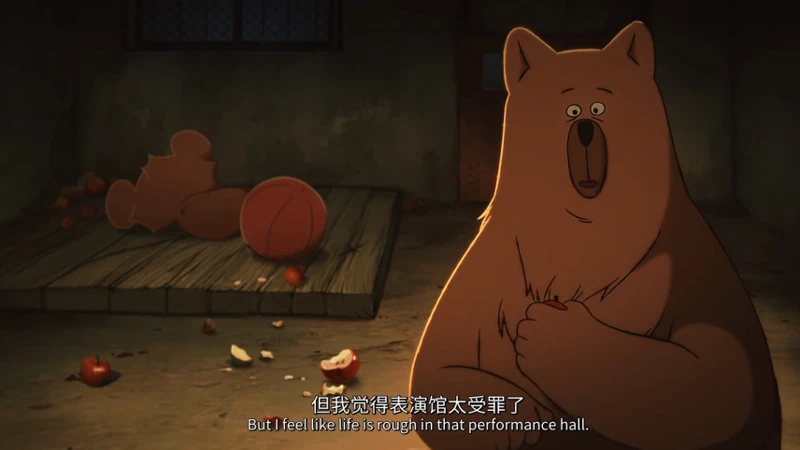
A pair of tigers fret over their unborn cub, meticulously planning its future path toward the prestigious performance arena. They see their own lives as finished scripts and project all their unmet ambitions onto the next generation. In their view, a young bear’s entry into the show must have been orchestrated by a pushy mother, revealing their own transactional worldview.
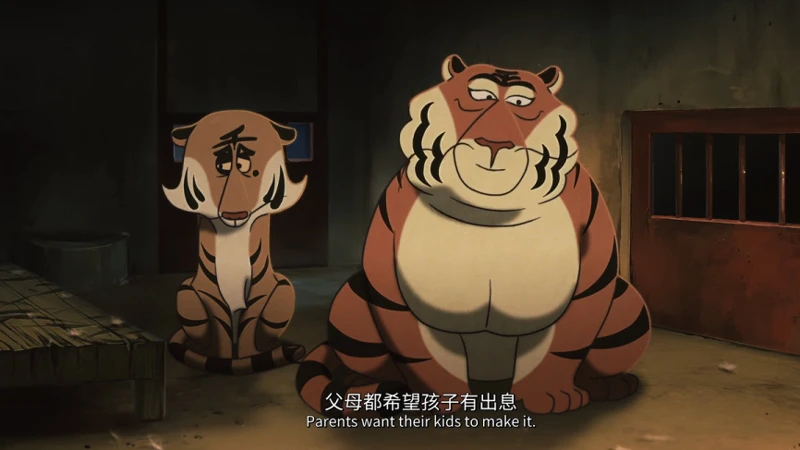
This satirizes the modern phenomenon of over-invested parenting, where a child’s life becomes a vessel for parental legacy and validation. The tigers’ dialogue is laced with competitive anxiety, worrying about their cub falling behind before it even takes its first steps. Their love is genuine, but it is filtered through a lens of social pressure and personal regret.
Their enclosure is one of transferred expectations. It questions what happens when parental guidance becomes predetermined programming, sacrificing a child’s undefined potential at the altar of perceived stability and success. The tigers, for all their fierceness, are ultimately trapped by a narrow definition of what a worthy life should be.
- The Giraffe – A Better Cage, Ultimate Goal
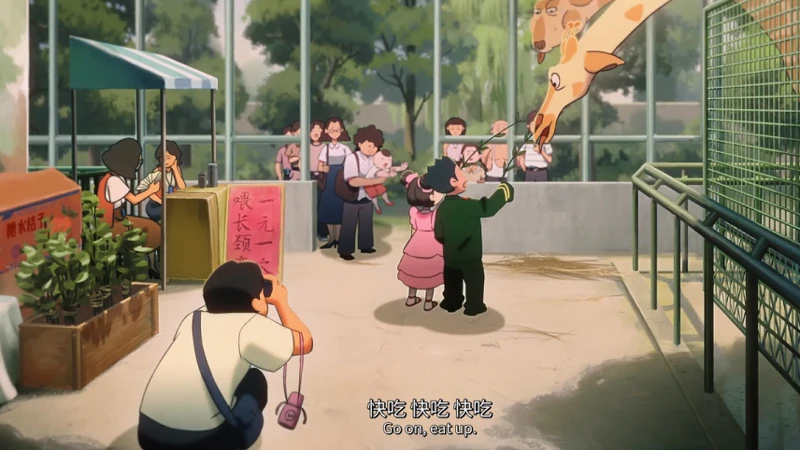
This character prides itself on seeing far, yet its vision is ironically limited to the boundaries of its own world. It believes the ultimate goal of all striving—like the bear’s performances—is merely to secure a better, larger enclosure. It reduces complex aspirations to simple material upgrades.
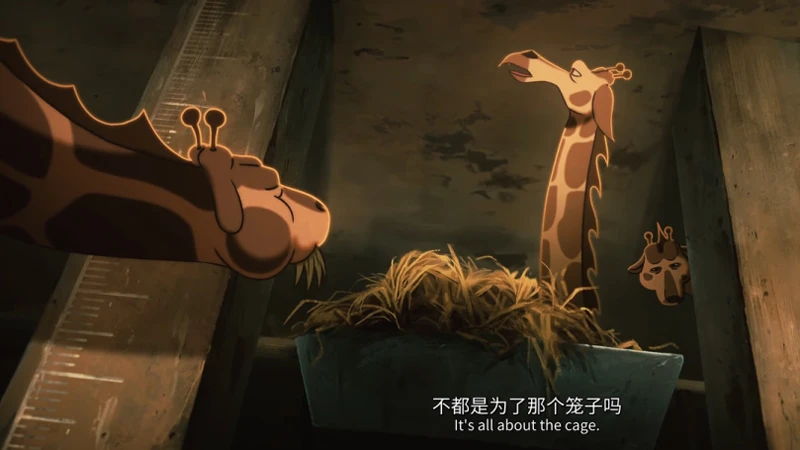
This mirrors those who bind their entire life’s purpose to a single, monumental purchase, like a home. The struggle becomes about acquiring a “better cage,” while questions of fulfillment, passion, or freedom outside that framework remain unasked. The giraffe’s supposed aloofness is comically undermined when it bickers for snacks tossed by visitors.
This juxtaposition highlights a common contradiction: the pursuit of dignified status often collapses under basic needs. The character embodies the conflict between lofty self-image and the pragmatic, sometimes undignified, realities of daily survival. Its enclosure is built from societal benchmarks it never chose to question.
- The Parrot’s Perch – Tame Myself for Food
The parrot is the ultimate pragmatist. In its eyes, every action is motivated by securing the next meal. It views the bear’s passion as a strategy for earning more biscuits and watches the struggles of others with detached anxiety about its own future security. It has mastered the art of performative obedience, learning tricks to please the crowd and ensure its daily rations.
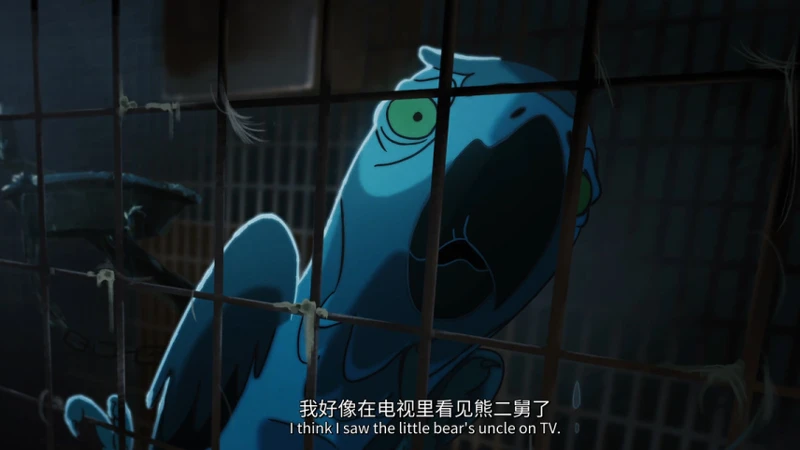
This character reflects the soul-crushing adaptation to systemic demands. To preserve its place, the parrot has willingly smoothed its edges, suppressed its instincts, and become a proficient tool. Its greatest fear is obsolescence, its greatest ambition is continued relevance within the system that cages it.
Its story is a cautionary tale about the cost of trading autonomy for security. The parrot’s enclosure is invisible, built from its own learned helplessness and the fear of venturing beyond a guaranteed, if limited, existence. It represents the slow, quiet process of self-domestication for the sake of a paycheck.
- The Elephant – Glory of the Past, Dignity of Memories
Once a star attraction, the elephant now lives in a messy stall, its glory days behind it. It copes by constantly referencing past achievements—a slide shaped in its image, the applause it once received—while deriding the present endeavors of others as undignified. Its identity is entirely retrospective.
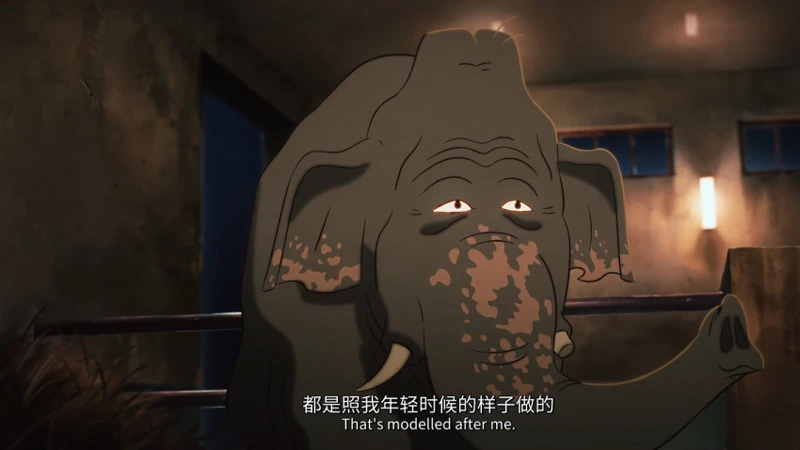
This portrays the human tendency to seek refuge in nostalgia when current reality feels inadequate. The elephant uses its history as a shield against present obscurity and a tool to assert a fading superiority. It is trapped not by physical bars, but by its own attachment to a bygone era.
Its situation speaks to the difficulty of finding meaning in the “afternoon” of one’s life or career. The enclosure here is psychological, built from the unwillingness to adapt or to find new value beyond past triumphs. It is a poignant reminder of the emptiness that can follow when one’s story is considered complete.
- The Bear – Live for Myself, Lucky Few
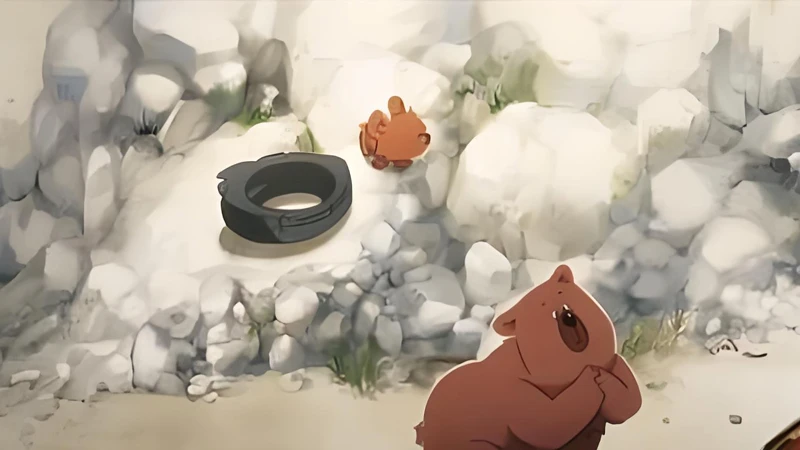
The young bear is the outlier. Unburdened by immediate financial fear or rigid parental plans, it acts from genuine curiosity and a desire for adventure. It enters the performance arena not for fame or a better cage, but for the thrill of the act itself. It dreams of freedom, inspired by a wanderer figure, and ultimately, it does what seems impossible: it escapes the zoo entirely.
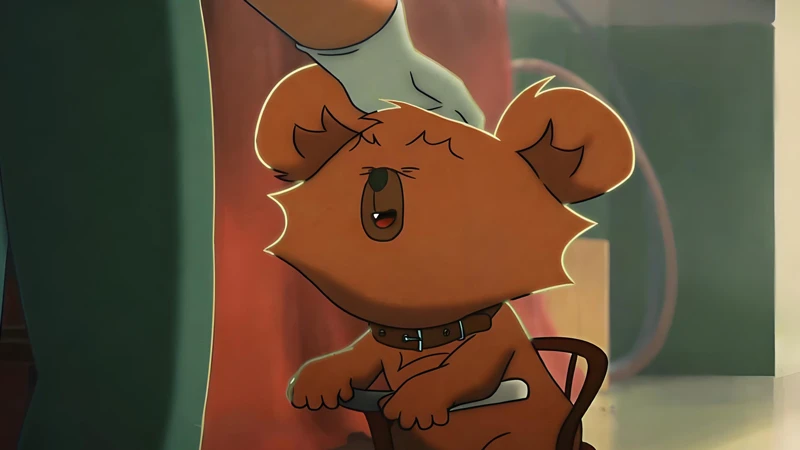
This character highlights the role of privilege in enabling true choice. The bear’s courage is underpinned by a basic security that others lack. Its successful escape is thus both inspiring and, for many viewers, a source of bittersweet recognition. It represents the path not taken, the possibility that feels available only to a fortunate few.
Its story serves as the narrative’s hopeful yet sobering counterpoint. The bear’s freedom underscores the constraints binding the others. It asks the audience a difficult question: how many of us are kept in our enclosures not just by external bars, but by the internalized limitations of responsibility, fear, and circumstance? The zoo, in the end, is as much a state of mind as it is a physical space.
https://youtu.be/wD1AIAQKl8g
Beyond the Bars: Which Cage Do You Call Home?

The Zoo Within: Empathy and Existence
Human stories often find strange echoes in the lives of animals. A narrative like Zoo Today (今日动物园) does more than display creatures; it holds a mirror to our own confined realities. This series uses the metaphor of a zoo to examine the various cages we build and inhabit, consciously or not. It prompts a simple, yet profound, reflection on why we see ourselves in these animals and how that vision can foster a deeper respect for every form of life.
We feel for these animals because their stories strip life to its essential struggles. Consider Lele, a gorilla whose every move seems measured and hesitant. His caution is not a flaw but a survival tactic in a world with few choices. We recognize in him the weight of obligation, the person who must prioritize safety over desire. Then there are the tiger parents, whose entire world narrows to the future of their cub. Their intense focus mirrors human parents who channel their own unmet hopes into their children, finding purpose in this dedication rather than in personal freedom.
The giraffe offers another perspective. It does not pine for the distant savanna but finds a peculiar contentment within the familiar walls of its enclosure. This creature represents those who value stability and routine, who measure success not by boundless horizons but by secure foundations. Similarly, the parrot, repeating phrases taught by keepers, reflects individuals adapting to societal scripts. In its mimicry, we see the human need to belong, even if it means conforming to a prescribed role.
Empathy blossoms from this recognition. When we watch Lele, we might recall times we felt trapped by circumstance. The tiger couple’s story reminds us of investments we make in others, often at personal cost. The giraffe’s calm acceptance can resonate with anyone who has chosen peace over upheaval. These are not tales of animals but parables of people. Our connection is rooted in a shared understanding: existence, for all beings, involves navigating limits and making meaning within them.

Dignity in All Corners
Zoo Today refuses to rank lives. It does not crown the adventurous little bear as a hero nor dismiss Lele as a coward. Each path is presented as a valid response to a given set of walls. In the human world, few live as the little bear, constantly breaking barriers. Most exist more like the parrot or the giraffe, shaped by demands they did not choose. To mock what seems like a “caged life” is to ignore the quiet courage required to wake up and continue within it.
Survival itself commands respect. For an animal with no prospect of escape, finding a way to thrive in its space is a monumental task. The tiger parents’ devotion, the parrot’s learned routines—these are triumphs of adaptation. Human lives are no different. The employee dedicated to a mundane job, the caregiver bound by duty, they are not failing to live but living within their reality. Their effort, often unseen, is what keeps the world turning.
This view challenges modern cults of constant disruption and limitless ambition. The giraffe’s satisfaction with its enclosure questions the idea that more space always equals more happiness. Some cages provide comfort, community, or a sense of order that reckless freedom might destroy. Honoring the giraffe’s choice means validating human choices for security, even when they seem unremarkable. It acknowledges that a good life is defined by inner peace, not external benchmarks.
Therefore, the true lesson is about context. Judging another’s life without knowing their constraints is futile. Not everyone has the means, the temperament, or the luck to be the little bear. Many must be Lele, protecting what little they have with diligent care. This is not a lesser existence but a different one. By extending dignity to all these modes of being, we cultivate a culture of empathy where effort is honored over outcome, and every struggle is seen as part of the human, and animal, condition.
Ultimately, this narrative provides comfort. It assures us that our individual struggles—whether for freedom, for family, or for simple stability—are all part of a vast, shared experience. You might see yourself in the careful steps of Lele or feel a stir from the little bear’s restlessness. Both reflections are true and valid. In the grand zoo of existence, every creature is doing its best with the space it has. That shared endeavor, in all its forms, is what truly deserves our respect and understanding.
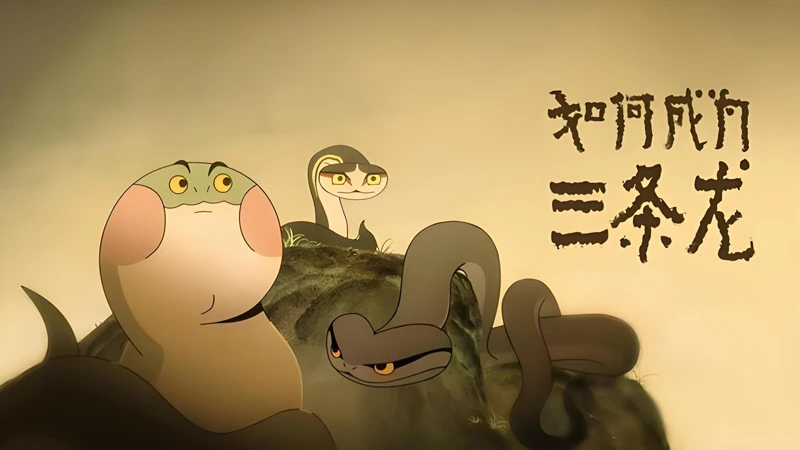
Yao-Chinese Folktales 2: How to Become Three Dragons