For years, the visual language of male leads in Chinese animated series followed a familiar script. Flowing locks suggested noble grace, short cuts implied pragmatic resolve, and disheveled styles hinted at an unorthodox spirit. This changed when a character arrived with his hair tightly woven into a single plait down his back.
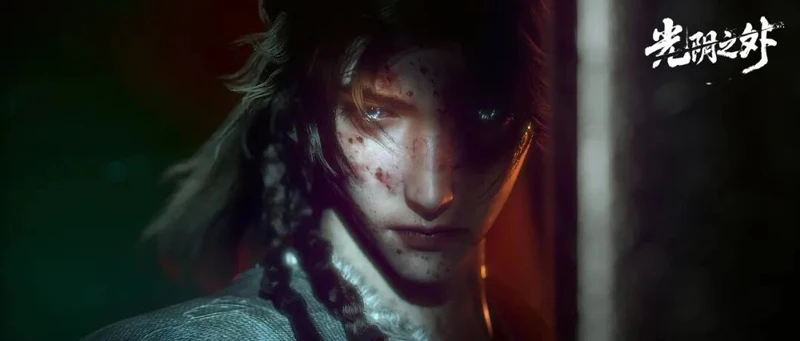
The premiere of the animated series Beyond Time’s Gaze (光阴之外) introduced audiences to Xu Qing (许青), whose defining feature isn’t a legendary sword or a mystical artifact, but a practical, tightly-bound braid. This seemingly simple choice has sparked discussions, drawn comparisons to the earlier braided hero Bai Yuechu (白月初) from Fox Spirit Matchmaker (狐妖小红娘), and signaled a shift in how character design conveys narrative and personality.
Survival in Strands
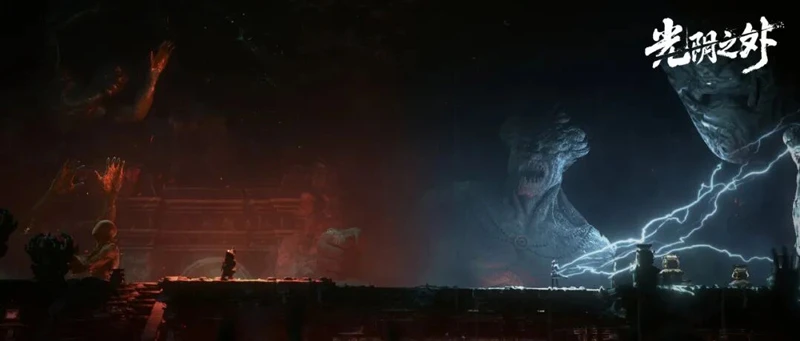
Xu Qing’s world is one of perpetual twilight and desperation. Beyond Time’s Gaze paints a stark picture of a civilization clinging to existence after a cataclysmic event. In this setting, every detail matters, and his braid is far from a cosmetic choice. It is a tool for survival. The plait is functional, keeping hair securely away from his face during combat and scavenging in the ruins. Its texture is not silky but coarse, mirroring the harsh, unforgiving environment he navigates. This design directly informs his character; he is a survivor first, his appearance forged by necessity rather than style.
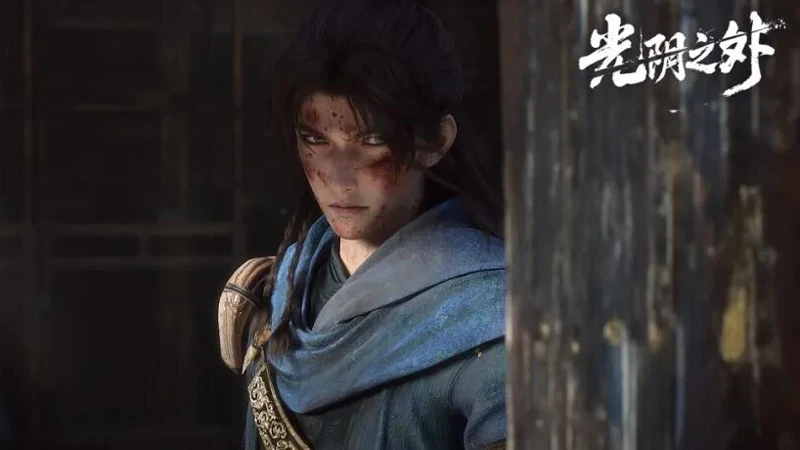
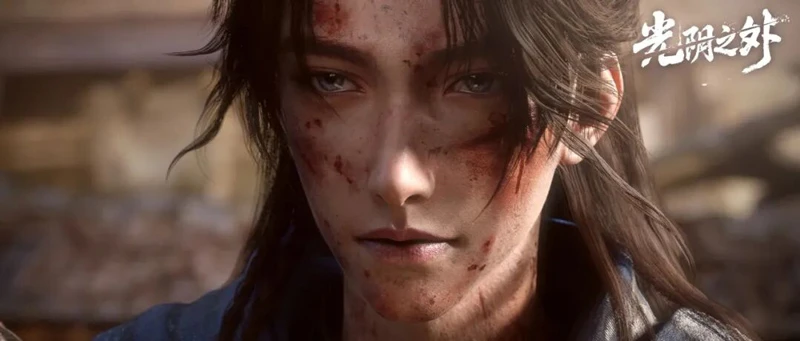
This functionality extends to his demeanor. The braid contributes to his imposing, solitary aura. Paired with a sharp gaze and hardened features, it broadcasts a message of vigilance and self-reliance. Unlike protagonists whose hair flows dramatically in battle, Xu Qing’s restrained style speaks of efficiency and control. Fans have noted that while traditional heroes use their appearance to awe, Xu Qing uses his to warn. His braid is less a decoration and more a component of his armor, a detail that tells you he is not to be trifled with.
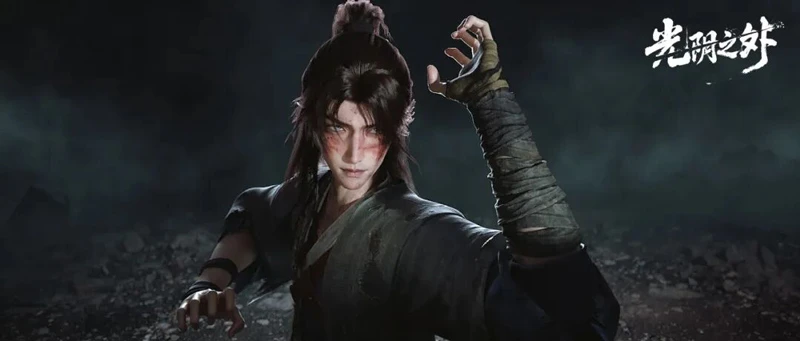
The brilliance of this design lies in its narrative integration. His braid isn’t explained through exposition; it is simply part of him, a logical adaptation to his dystopian life. As he masters formidable arts like the Sea Mountain, his appearance remains constant, a grounded anchor in a story of escalating power. It visually connects him to his origins as a scavenger, a reminder of where he came from even as his abilities grow. This creates a compelling contrast between his humble, utilitarian look and the vast, supernatural forces he confronts.
A Lighter Twist
Long before Xu Qing, another braided young man captured hearts with a very different energy. Bai Yuechu, the protagonist of Fox Spirit Matchmaker, sports a braid that is all about playful charm. Where Xu Qing’s is tight and severe, Bai Yuechu’s is loose, slightly tousled, and often accompanied by a comical stray hair. This style perfectly suits his character—a money-loving, food-obsessed teenager prone to hilarious antics. His braid swings with his movements, emphasizing his liveliness and adding a layer of visual comedy to his expressions.
His hairstyle also carries a deeper, narrative weight. Bai Yuechu is the reincarnation of the powerful Dongfang Yuechu (东方月初). His braided look serves as a deliberate visual marker separating his current identity from his past one. When his hair is down, the resemblance to his predecessor is uncanny, hinting at the legacy and burdens he carries. The braid, therefore, becomes a symbol of his present, joyful self, a conscious styling choice that maintains his individuality amidst the pull of destiny. It’s a clever device that uses hair to explore themes of identity and reincarnation.
The contrast between these two braids is profound. Bai Yuechu’s style makes him more approachable and relatable, often serving as the focal point in lighter, comedic moments. It challenges expectations not through grim practicality, but through joyful subversion. He proves that a braid on a male character can be a source of humor and charm, breaking the stereotype that associates the style solely with solemnity or femininity. His enduring popularity shows how a well-designed hairstyle can become an iconic, beloved part of a character’s identity.
Beyond Aesthetic
The emergence of these distinct braided heroes points to a larger evolution in Chinese animation. Character design is moving beyond archetypes and becoming a more nuanced tool for storytelling. A hairstyle is no longer just a way to make a character look “cool” or “handsome”; it is an extension of their world, their history, and their inner life. Xu Qing and Bai Yuechu demonstrate that the same basic concept—a male character with a braid—can communicate vastly different settings and personalities based on its execution.
This shift reflects a growing confidence in original character creation. Designers are drawing from a wider palette, understanding that authenticity often resonates more than idealized perfection. Xu Qing’s gritty, survivalist look would feel out of place in a lighthearted romance, just as Bai Yuechu’s playful braid would seem incongruous in a post-apocalyptic wasteland. The context gives the style its meaning, and this attention to context enriches the entire viewing experience.
Looking forward, this trend suggests a future where Chinese animated characters will continue to surprise us. The success of these braids paves the way for more diverse and expressive designs that defy easy categorization. It encourages creators to think deeply about how every visual element, down to the way hair is styled, can contribute to a cohesive and compelling character. The conversation has moved from what looks traditionally impressive to what feels genuinely authentic to the story being told.