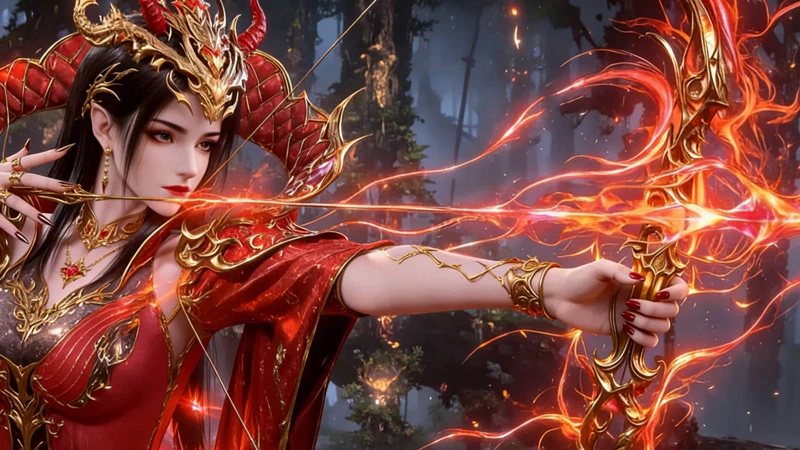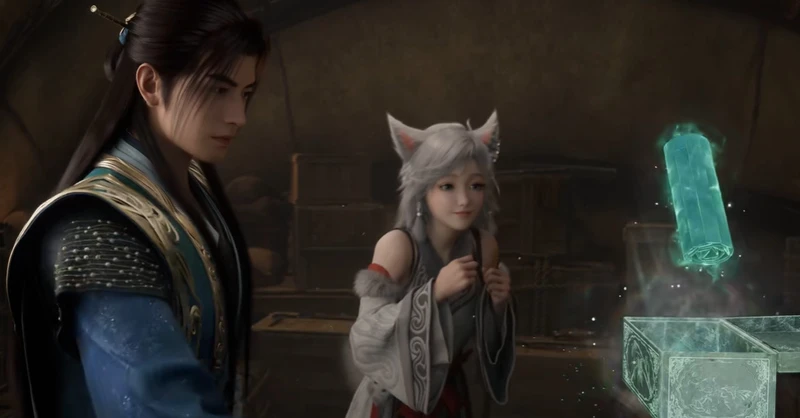
When a seasoned treasure hunter cracks open ancient relics with the quiet confidence of someone checking their mailbox, you know there’s more than luck at play. In the recently explored Cang Kun (苍坤) Ruins, the cultivator known as Old Devil Han secured not one, but four crimson jade cases. The contents weren’t the typical world-shaking divine artifacts; instead, they were peculiar, niche, even seemingly useless items. Yet, in his hands, these objects transformed into masterclasses in strategic survival, revealing that in a world of cosmic power, the sharpest tool is often the mind assessing them.
1. Moongazing Art
The first case held a pale blue jade slip containing the Moongazing Art, the primary cultivation technique of a legendary vagrant cultivator from five millennia past. Complete with movement spells and consciousness-refining secrets, it was a top-tier legacy. However, its elemental properties clashed directly with Han’s spiritual roots, rendering it impossible for him to practice. On the surface, it was a prize he couldn’t use.
Its true value lay not in practice, but in theory. The manual’s profound insights into high-level spiritual consciousness operation perfectly complemented Han’s own foundational mental cultivation art, Great Evolution Art (大衍诀). It provided the theoretical framework for a future fusion, allowing for breakthroughs in precision control. Furthermore, this “useless” jade slip later became a crucial bargaining chip, proving Han’s philosophy: an unused treasure is the most flexible diplomatic weapon.
This episode underscores a core survival tactic: immediate utility is not the only metric for value. True foresight involves recognizing latent potential and strategic leverage, turning apparent dead ends into future crossroads of opportunity.
2. Bijiudu (碧鸠毒)
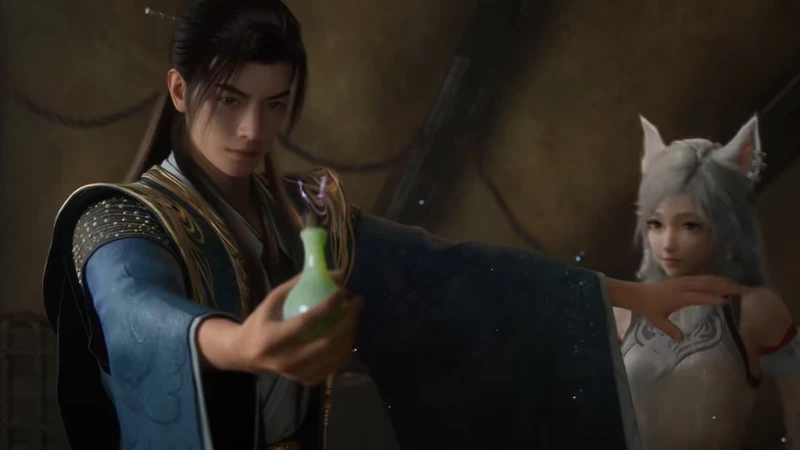
The second box contained a small green vial of Bijiudu , a poison listed among the Ten Absolute Toxins. Refined from the saliva of an ancient avian demon, it could corrode the physical body of a Nascent Soul cultivator. Its original purpose was a last-resort deterrent. Han, however, saw a tool for chaos and misdirection.
Deep within the perilous Falling Devil Valley, he employed it not for assassination, but for manipulation. By sprinkling minute amounts, he attracted a swarm of deadly Purple-Patterned Scorpions, directing their fury towards pursuing enemies in a classic act of leveraging the environment. Later, he refined the remaining poison into inconspicuous pills, eliminating Core Formation stage foes without a trace.
This item embodies the essence of asymmetric warfare. For a cultivator constantly outmatched in raw power, victory rarely comes from head-on confrontation. It comes from turning the battlefield itself—its creatures, its hazards—into an ally, using ingenuity to level an uneven playing field.
3. Zhicheng Dou (紫铖兜)
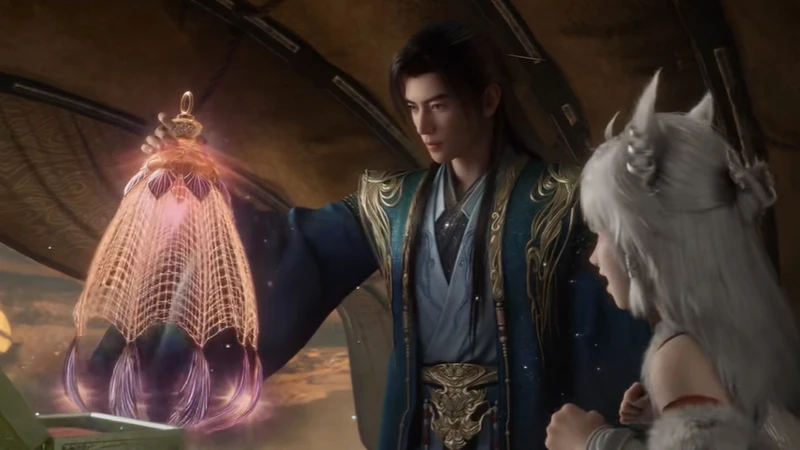
The third treasure was the Zhicheng Dou, a simple-looking purple net. This ancient relic, dating to the barbaric era, was an integrated offensive and defensive treasure. It could morph into a vast violet cloud for defense, release pure Yang true fire to purge evil, and conceal the user’s aura for ambush.
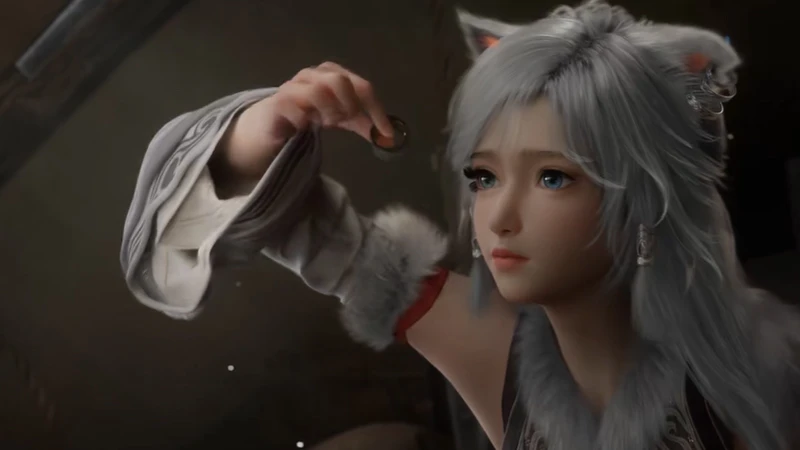
Its nature made it a natural counter to ghost and demonic path cultivators. However, its story truly began when Han gifted it to his spiritual wolf companion, Silver Moon. In her possession, it became an extension of her evolving prowess. It trapped elders, incinerated golden Dharma forms, and was so indispensable that Han traded a precious sacred lamp to retrieve it after it was briefly captured.
The net’s journey highlights a profound truth often overlooked: the symbiosis between wielder and artifact. A tool finds its highest purpose not merely in strength, but in the right hands. It catalyzed Silver Moon’s growth from a spiritual pet to a primary combatant, demonstrating that true power is collaborative.
4. The Yin Ring of the Liangyi Huan (两仪环)
The final item was the most unassuming: a simple, archaic ring. This was the Yin Ring of the Liangyi Huan, part of a matched set crafted by the ancient Alchemy Master. While its counterpart, the Yang Ring, focused on attack, this Yin Ring specialized in defense against a specific, deadly celestial phenomenon: the Arctic Primal Light.
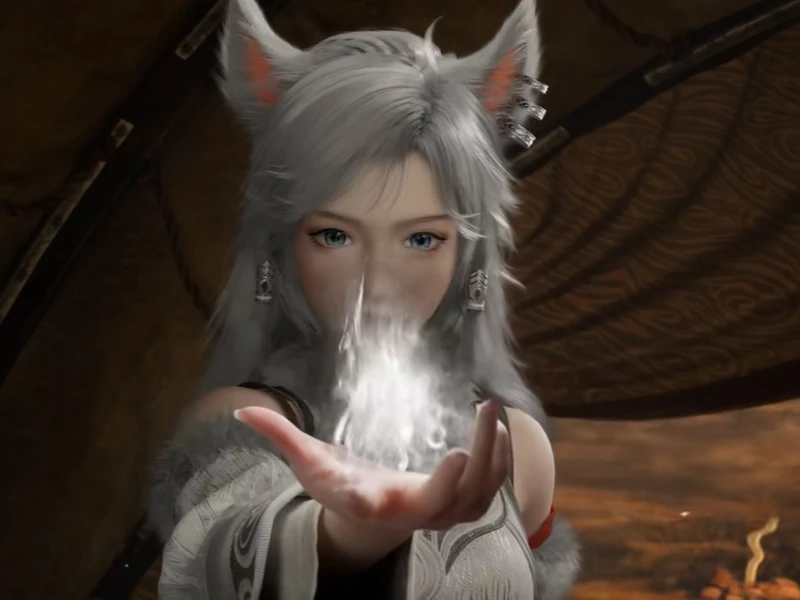
This ring was the ultimate niche tool. It served as a specialized “pass” to safely traverse the most hazardous zone of the Falling Devil Valley. Its power seemed singular, yet that singularity was its irreplaceable value. It didn’t solve every problem; it solved the one problem blocking the path forward.
Its ultimate significance was realized upon reuniting with his companion, Nangong Wan, who possessed the Yang Ring. Combined, they didn’t just defend against the Primal Light—they commanded it, creating a formidable domain. This paired treasure became a symbol of their partnership, a testament to a pragmatic romance where shared strength and survival forge the deepest bonds.
So, which treasure was the “correct answer”? The lesson from Old Devil Han’s haul is that the question itself is flawed. The ultimate treasure was the cultivator’s mindset: a relentless, analytical calculus that sees potential in the obscure, strategy in the simple, and partnership in power. It is the understanding that longevity in this world isn’t about finding one invincible weapon, but about weaving every resource, however small, into an unbreakable net of survival. That is the version answer that truly lasts.