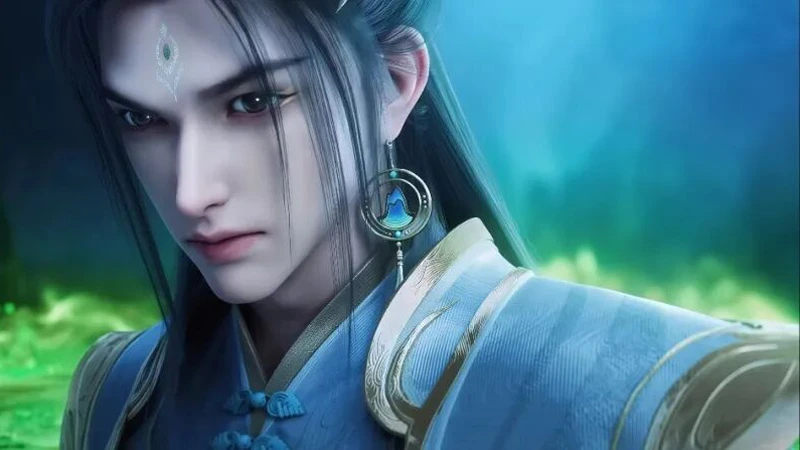
Open any recent Xianxia animation or game, and a familiar sight often greets you. The archetypal, aloof female immortal—pale, elegant, and emotionally reserved—has become a staple. This phenomenon was thrown into sharp relief with the release of the animated series Sword of Coming 2 (剑来2).
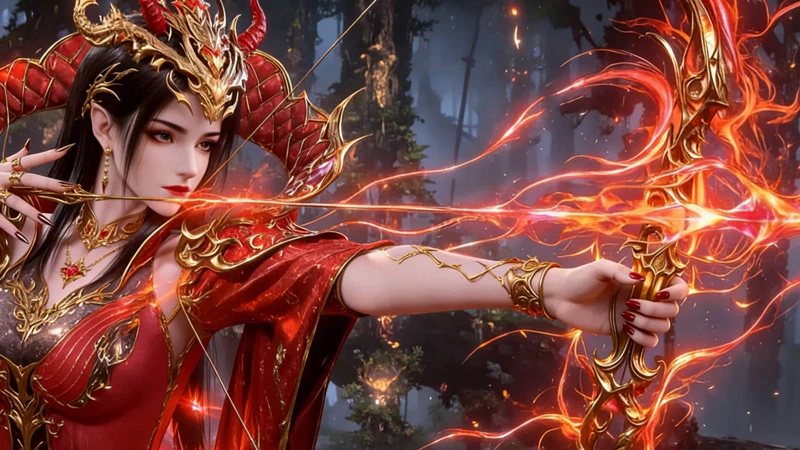
The character design for Ning Yao (宁姚), a pivotal heroine, immediately sparked a wave of recognition among viewers. Her delicate features, cool demeanor, and ethereal aura felt less like a new creation and more like the return of an old acquaintance: Lu Xueqi (陆雪琪), the iconic swordswoman from the classic tale Jade Dynasty (诛仙). This is not an isolated incident.
Across the genre, a specific aesthetic template has emerged, leading fans to play a perpetual game of “spot the similarity.” How did one character’s visage become the default blueprint for so many others?
The Universal Template
The resemblance is uncanny. The template consists of a pale, oval face, finely arched eyebrows, and eyes that hold a distant, frosty light. It is a beauty that speaks of cultivation, restraint, and a heart guarded by layers of ice. When Ning Yao appeared, long-time readers of the Sword of Coming novels, who cherished her unique pride and strength, were met with a visual déjà vu.
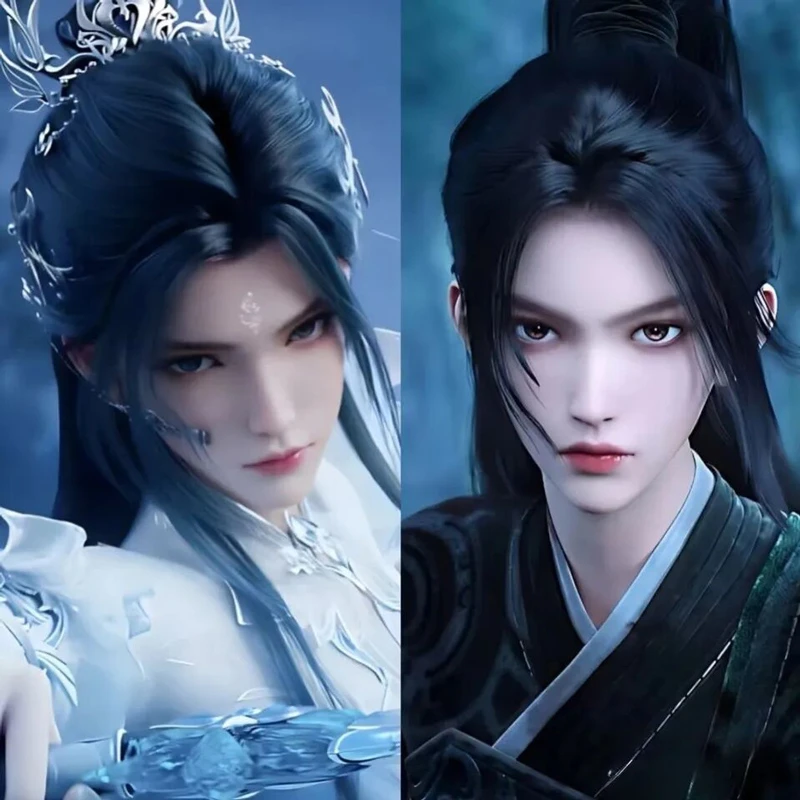
Comments flooded in, joking that the character modeler must have been borrowed from a Jade Dynasty project. The Teasing didn’t stop there. Observant fans began pointing out traces of this “Lu Xueqi aesthetic” in other female characters, and even in fleeting transformations, humorously suggesting her cameo was everywhere. It seems a visual shorthand has been established, connecting disparate stories under one familiar face.
A Classic’s Long Shadow
The reason for this pervasive comparison lies in the enduring legacy of Lu Xueqi herself. First brought to life in author Xiao Ding’s seminal novel, her image has been reinforced through countless adaptations in games, TV, and animation. Clad in white and blue, wielding the legendary Tianya (天琊) sword, she epitomizes the “unattainable white moonlight” for a generation of fans. Her character design is not just popular; it has become a cultural signifier for the archetype of the cool, capable, and morally unwavering immortal beauty.
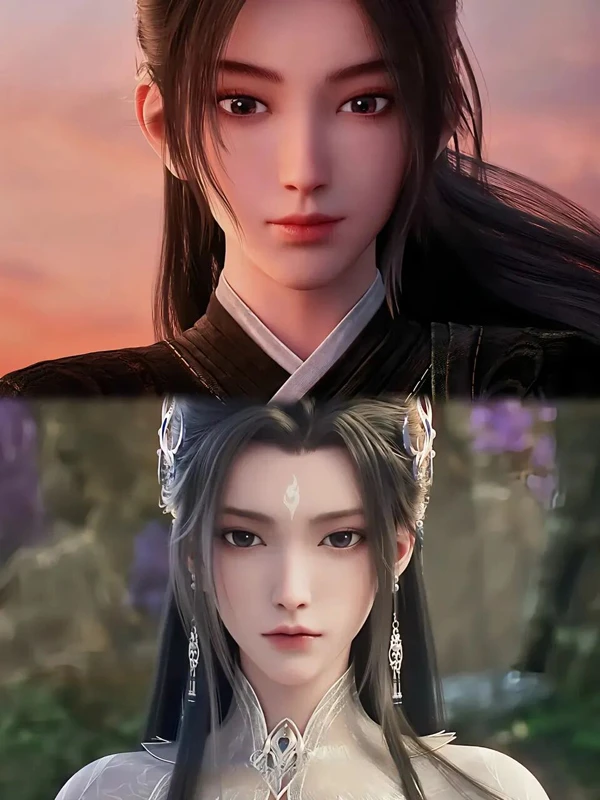
For production teams operating under tight schedules and budgets, referencing this proven, beloved design is a safe bet. It efficiently communicates a character’s role and temperament to an audience already trained to recognize and appreciate this specific kind of beauty. Why reinvent the wheel when a perfectly serviceable, audience-approved model exists?
The Cost of Convenience
From a production standpoint, this standardization is undeniably efficient. It streamlines workflow in an increasingly industrialized animation sector. However, for the audience, it breeds a certain visual fatigue. When every sect’s senior sister and every clan’s holy maiden conforms to the same mold, individuality suffers. These worlds are meant to be realms of boundless imagination, filled with diverse and unforgettable figures.
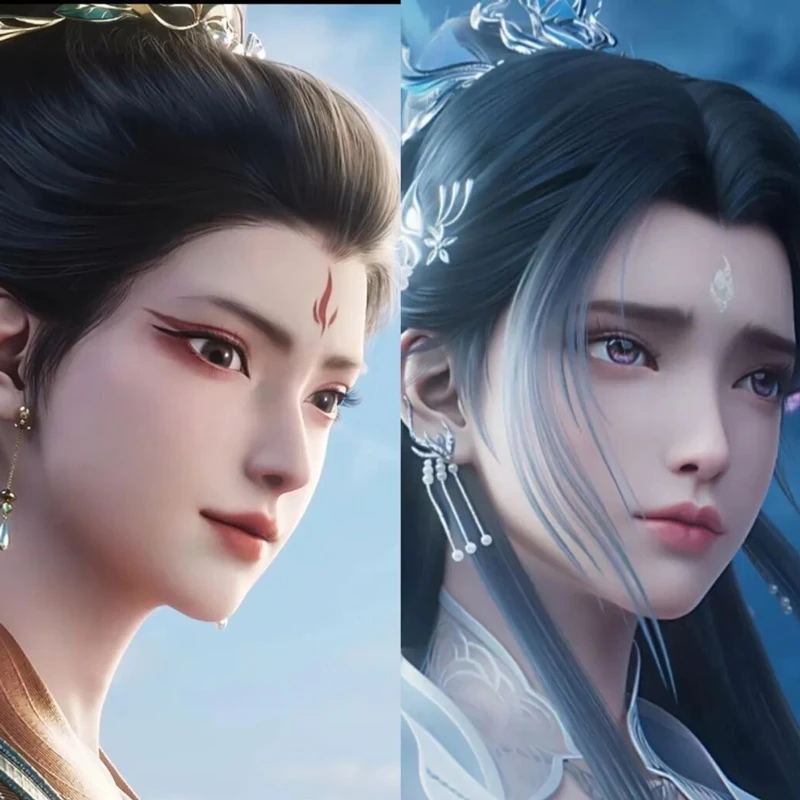
If every powerful woman shares the same carefully curated features, part of the magic fades. The fan activity of “finding Lu Xueqi” in new works embodies a mixed feeling. It is both an inside joke, a critique of creative recycling, and a silent wish for the next truly original design that can capture hearts anew.
Beyond the Features
Perhaps the deeper reason this “same face” trend resonates—or irritates—is because it touches on what audiences truly connect with. The appeal of Lu Xueqi, and characters like her, transcends precise facial measurements. It is about the essence they embody: immense power paired with quiet resilience, a icy exterior hiding profound loyalty and principle.
When a new character like Ning Yao arrives with a similar aura and a familiar face, it triggers an instant, almost nostalgic, acceptance. The visual becomes a shortcut, a shared code between creator and viewer that says, “This character belongs to this cherished archetype.” The longing, then, is not necessarily for entirely different features, but for that essential spirit to be housed in a form that feels fresh and uniquely its own.
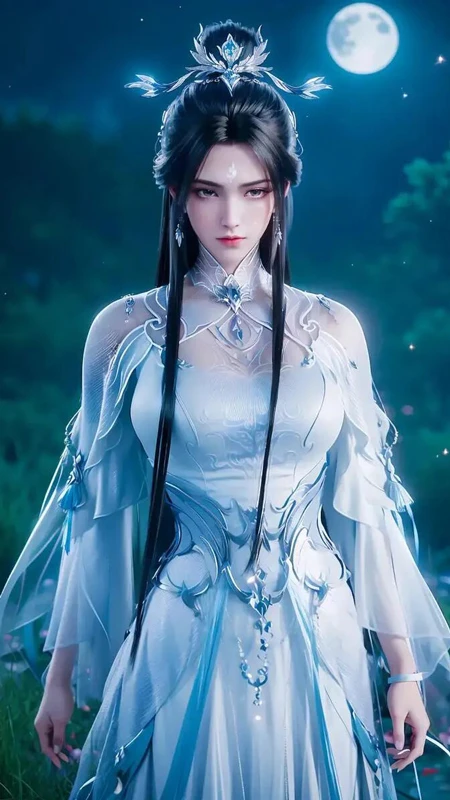
The discussion around the “Lu Xueqi Universe” is more than a passing meme. It reflects a mature industry capable of efficient production, but also highlights a creative crossroads. True classics are defined by their irreplicable soul, not just their reproducible appearance. The hope remains that the vast, wondrous Jianghu (江湖) of Xianxia can make room for a chorus of unique voices and visions, where a heroic shout of “Sword, come!” is answered by a hundred different, equally stunning faces.