-

A Vase Speaks: The Soul of a Tang Dynasty Relic
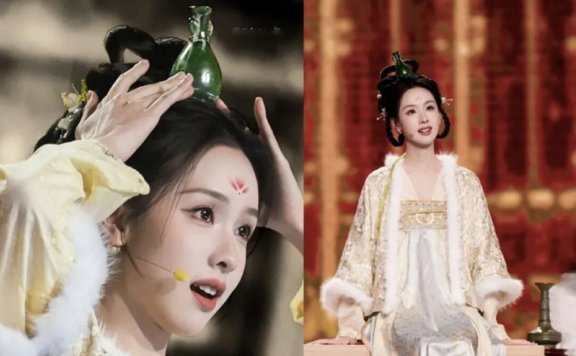
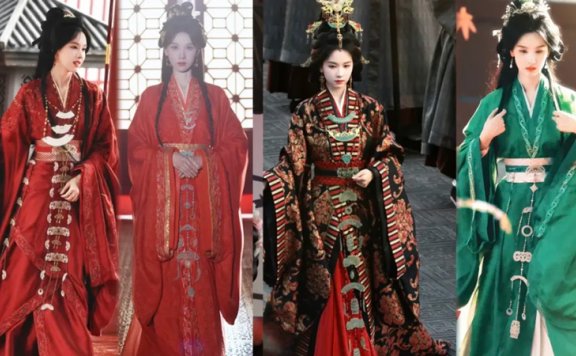
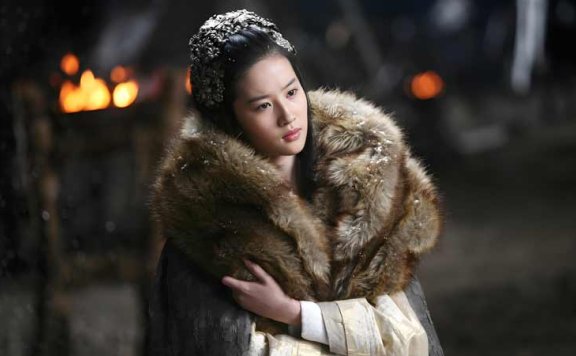
In a recent cultural variety show, actor Chen Duling (陈都灵) moved audiences to tears by portraying not a person, but a relic. She embodied the Tang Dynasty Glazed Twin-Handled Vase from the Palace Museum. Before restoration, this artifact had no elegant name—only a cold serial number: 3054. Her performance, paired with a poignant line about being "locked in a dark box, displaced and wandering," ignited a powerful online conversation about history, loss, and the fragile nature of protection. But it was a simple observation from actor Huang Jue (黄觉)—"It looks like you have been well protected"—that truly resonated, encapsulating generations of hardship and the quiet dignity of cultural preservation. A Vessel, Not Just a Number Chen Duling's costume was a masterpiece of storytelling. She wore a Qixiong Shanqun (齐胸衫裙), a chest-high skirt, paired with a Duijin Pi'ao (对襟披袄), a front-opening robe. Her forehead was adorned with a Hua Dian (花钿), a traditional floral decal. The soft, fuzzy texture of the garment immediately suggested something precious and well-cared-for. The intricate Lianzhu Wen (联珠纹), a pattern of connected circles indicating cultural fusion along the Silk Road, decorated her collar and skirt. Her hair, styled into twin buns, cleverly mirrored the vase's two…- 28
- 0
-
6 Highly-Anticipated Unreleased Dramas in 2026
A new wave is reshaping television landscapes far beyond its origin shores. Across platforms, narratives steeped in intricate political webs, resolute heroines, and reimagined legends are commanding unprecedented attention. These are not mere period pieces but sophisticated tales where personal destiny clashes with the fate of nations, and ancient traditions find new voice. Their staggering pre-release numbers and fervent fan discussions signal a shift in global viewing appetites. The appeal lies in a potent alchemy: the strategic depth of a chess game, the emotional resonance of a character's hard-won growth, and the immersive pull of a meticulously built world. This phenomenon moves past simple entertainment; it offers a window into narrative frameworks where honor, strategy, and sacrifice are examined with fresh intensity. As audiences worldwide seek substance alongside spectacle, these stories deliver complex plots and compelling relationships. Mo Li (莫离) The series Mo Li immediately presents a compelling deceit. Adapted from the novel Sheng Shi Di Fei (盛世嫡妃), it follows Ye Li (叶璃), a modern special forces soldier reborn into the body of a seemingly gentle but actually disgraced noblewoman. Her assigned marriage partner is the Dingwang (定王), Mo Xiuyao (墨修尧), publicly dismissed as a disabled and ineffectual prince. This…- 120
- 0
-
Veil of Shadows Premieres Jan 16
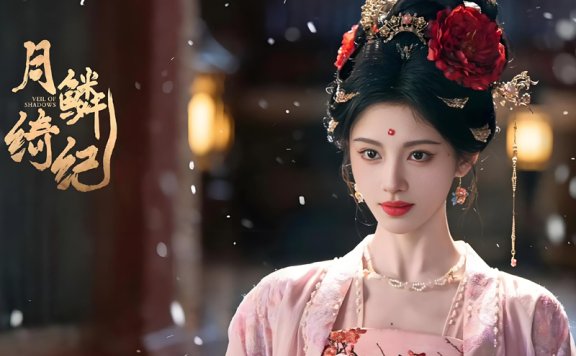
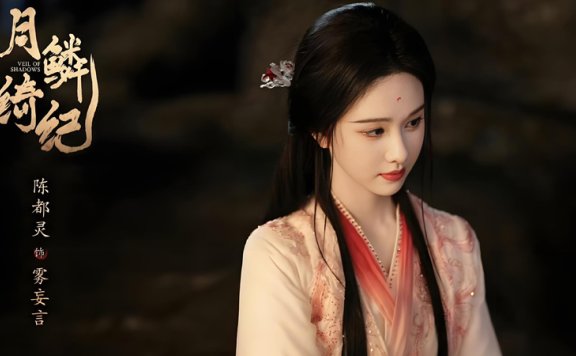
A new drama arrives to challenge the well-trodden paths of Chinese fantasy television. Veil of Shadows (月鳞绮纪), a 29-episode series premiering on Youku, brings together a blend of youthful star power, distinctive visual direction, and a narrative promise that shifts focus from individual romance to collective sacrifice. Helmed by the stylistically bold director Guo Jingming (郭敬明) and featuring Ju Jingyi (鞠婧祎), Zeng Shunxi (曾舜晞), and Chen Duling (陈都灵) in leading roles, the series aims to weave a tale where ancient legends and complex loyalties collide. Guo Jingming’s Visual Signature Director Guo Jingming’s name guarantees a specific aesthetic. His past works, like Tiny Times (小时代) and My Journey to You (云之羽), are known for meticulous costume design, dramatic lighting, and a highly polished, almost painterly frame composition. This approach, often called "the Guo Jingming aesthetic," treats each scene as a deliberate visual tableau. For a fantasy genre often reliant on digital backdrops, this attention to tangible texture is significant. Fabrics appear weighted, jewelry catches light deliberately, and settings feel architecturally considered rather than digitally inserted. This style prioritizes mood and beauty, creating a world that is immediately arresting and immersive for the viewer. Veil of Shadows continues this tradition. Early promotional…- 91
- 0
-
Chen Duling’s Starlight Gown on the Met Gala Carpet
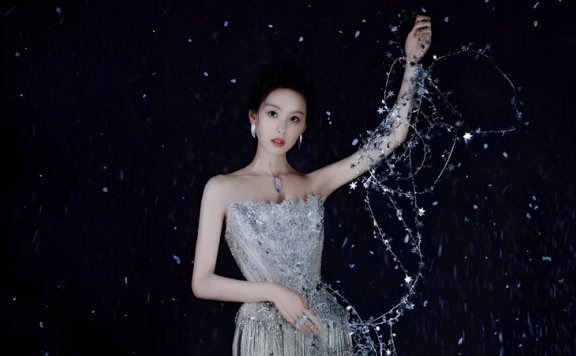
The Met Gala carpet has witnessed countless spectacles, but this year, a vision in frozen starlight stopped everyone in their tracks. Chen Duling (陈都灵) did not simply arrive; she materialized, a breathtaking apparition from a wintry celestial realm. Her gown, an intricate masterpiece of silver crystals and delicate tulle, transcended fashion to become a story—a narrative of ice, light, and quiet power unfolding with every step she took. Against the backdrop of flashing cameras and murmuring crowds, she became a living constellation. This was more than a red carpet appearance; it was a performance, a deliberate and stunning articulation of an artist evolving before the public eye. The look sparked instant global conversation, dissecting not just the craftsmanship of the dress, but the statement it made about her journey from a fresh-faced ingenue to a woman commanding the spotlight with serene, undeniable authority. The Anatomy of a Dream The magic was in the meticulous details. The gown's bodice, a sleek silver column, was entirely encrusted with hundreds of thousands of hand-sewn crystals. They were not simply placed; they were mapped onto her silhouette, catching and refracting light like a second skin made of shattered ice. It was sculptural, precise, and…- 25
- 0
-
The Power and Ritual of Ancient Jade Group Pendants
Has actress Chen Duling (陈都灵) made a mistake with her jade pendant? In the costume drama The Excellence (翘楚), her character wears an extremely long strand of jade ornaments. Is it meant to be a necklace or a waist decoration? This question from viewers points to a fascinating detail in historical attire: the Jade Group Pendant. Far more than mere decoration, these elaborate assemblages of carved jade pieces served as a walking symbol of power, status, and ritual propriety in ancient Chinese courts. Their placement—around the neck or at the waist—was not arbitrary but evolved through dynasties, reflecting changes in fashion, function, and social hierarchy. The controversy around a modern interpretation opens a window into the complex language of jade in antiquity. Necklace to Waistpiece The earliest forms of the Jade Group Pendant, dating to the Shang and early Zhou dynasties, were indeed worn around the neck. These were significant, multi-component ornaments. However, from the Eastern Zhou period onward, the primary location shifted to the waist. As other forms of lighter, more delicate necklaces developed, the larger, more complex assemblages became predominantly waist pendants. This historical shift means that many modern attempts at historical costume restoration, which place substantial group…- 38
- 0
-
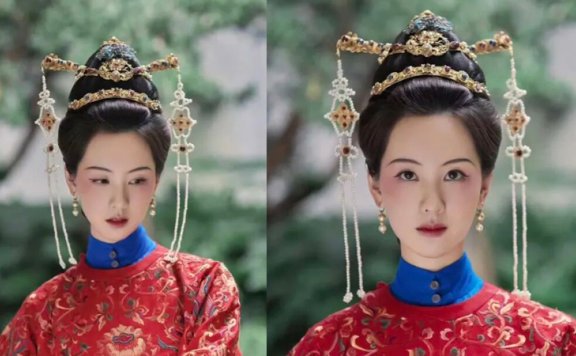
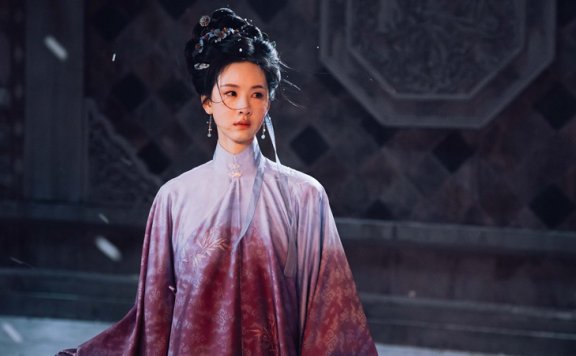
Why Are We So Obsessed With a Ming Dynasty Hairstyle?
A modern celebrity steps out in full historical regalia, and the internet buzzes. When actress Chen Duling (陈都灵) recently appeared in a meticulously crafted Ming Dynasty (明朝) ensemble, the focus wasn't just on the gorgeous silks. It was the towering, intricate headdress that captivated everyone. This wasn't mere costume play. It was a portal to a world where hair was architecture, and every pin held meaning. Her look taps into a growing fascination with historical accuracy and the sophisticated beauty standards of ancient China, proving that an elaborate 500-year-old hairstyle can feel strikingly relevant today. Architecture for the Head The foundation of Chen's look is the Jiaji (鬏髻), a pivotal Ming invention. This was not just styled hair. It was a wearable structure. Artisans created a lightweight frame from wire or bamboo, then meticulously covered it with real hair or silk. Worn over the wearer's own tied-up locks, it instantly added height and volume, creating a majestic silhouette. Available in styles like the Luohan Ji (罗汉鬏) or Shuangfeiyan (双飞燕), these were purchased ready-made from shops, much like buying a statement hat or hairpiece today. The Jiaji was more than a trend; it was a necessary canvas for the stunning jewelry… -
Chen Duling’s Zhuozheng Garden Hanfu Photoshoot
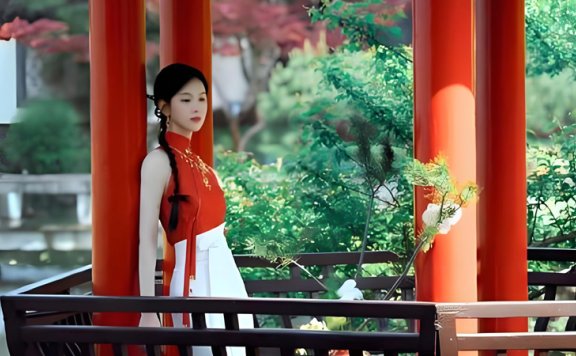
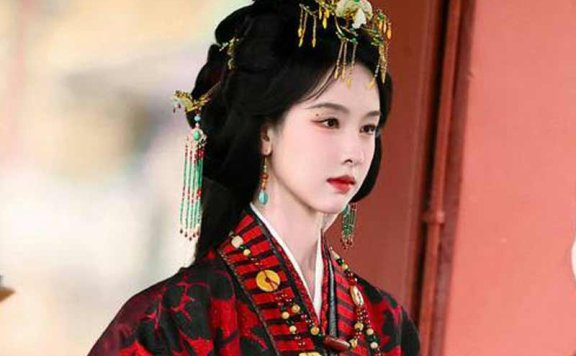
In an era dominated by fast-paced digital consumption, a recent photoshoot featuring Chen Duling (陈都灵) at Zhuozheng Garden (拙政园) has captivated millions, sparking conversations beyond mere aesthetics. Dressed in traditional Hanfu attire, her red and white ensemble against the garden's classical backdrop evokes a sense of timeless elegance. This imagery resonates deeply in a society grappling with constant noise, offering a visual pause that challenges modern beauty norms. Rather than a fleeting trend, it invites reflection on how authenticity and craftsmanship can thrive today. The response highlights a growing appetite for substance over speed, where every detail tells a story of cultural continuity and personal resonance. Craftsmanship Revived At the heart of Chen Duling's photoshoot lies an emphasis on meticulous artistry. Each element, from the hand-stitched Pan Kou (盘扣) buttons to the Baiyuzan (白玉簪) hairpin, was crafted by skilled artisans, underscoring a dedication to time-honored techniques. This attention to detail contrasts sharply with mass-produced Hanfu variants that prioritize speed over substance. The deliberate choice of materials and methods not only enhances visual appeal but also reinforces the garment's relationship with the wearer's form. It transforms clothing into a narrative of patience and precision, making beauty tangible through every thread and…- 72
- 0
-
Can Hanfu Break Free from Tradition in Love's Freedom?
In the television drama Love's Freedom (许我耀眼), the character Xu Yan (许妍), portrayed by popular actress Zhao Lusi (赵露思), embarks on a challenging entrepreneurial venture: modernizing traditional Chinese clothing. Her struggle mirrors a real-world debate simmering across the country. As Hanfu and other ethnic styles gain visibility, a critical question emerges: what kind of innovation truly honors these garments while making them relevant for today? The series does not offer easy answers, but it successfully frames a vital conversation about cultural identity in a fast-moving world. It moves beyond simple nostalgia, probing how historical attire can find a genuine place in contemporary closets, not just in photo studios or ceremonial events. The journey is far from straightforward. Love's Freedom illustrates the delicate balance required when tweaking centuries-old designs. Some purists argue that any alteration dilutes cultural authenticity, while others believe that without adaptation, these beautiful garments risk becoming mere costumes. Xu Yan's fictional endeavor highlights a practical reality: for clothing to be worn, it must be livable. It must accommodate the pace of modern life, from commuting on public transport to working in an office. The show suggests that the future of ethnic fashion lies not in perfect museum-quality replication,…- 78
- 0
-
Top 5 Revenge-Themed Historical Dramas of 2025
Where ancient grievances meet modern storytelling, these Chinese historical dramas weave tales of vengeance, redemption, and exquisite beauty that will captivate your imagination. The revenge motif taps into universal themes of justice, resilience, and moral complexity, offering more than just simple tales of retribution. Today's revenge dramas explore profound transformations, philosophical depths, and the psychological costs of vengeance, all set against richly detailed historical backdrops. Here are five exceptional revenge-themed historical dramas from 2025 that deserve your attention. Legend of Zang Hai 藏海传 Aired: May 21, 2025 Period Background: Fictional Yong Dynasty Genres: Historical Political Intrigue, Revenge, Growth Drama Main Roles: Xiao Zhan as Zang Hai, Zhang Jingyi as Xiang Tutu, Zhong Hanliang as Kuai Duo, Chen Yanxi as Zhao Shangxian Adapted from: Original screenplay Plot Overview "Legend of Zang Hai" traces the story of Zang Hai (originally named Zhi Nu), whose family falls victim to a purge orchestrated by the powerful minister Pingjin Hou. After being rescued and trained for ten years in specialized skills—including architecture, astronomy, and statecraft—he returns to the capital under a concealed identity. Rather than pursuing direct confrontation, Zang Hai employs a calculated approach, embedding himself within the power structures of the court and using…- 782
- 0
-
Grounded Costume Dramas Stay Hot with Heroines Chasing Careers
Adapted from Qianshan Chake's novel, Legend of The Female General (锦月如歌) received a Yunhe rating of S+, marking the first big splash for the "female general" subgenre of costume romance. So far this year, grounded costume dramas (落地古偶, meaning historical dramas rooted in reality rather than heavy fantasy) have kept their momentum. Shows like Flourished Peony (国色芳华), The Glory (雁回时), The Prisoner of Beauty (折腰), and Coroner's Diary (朝雪录) all drew strong reactions. With traditional fantasy xianxia dramas losing steam, these grounded works are holding steady. Why that is deserves a closer look. If we break it down by subgenres, the picture gets clearer: whether it's palace intrigue, mystery-solving, wuxia-inspired stories, or political power plays, these staples are always reliable. And in recent years, the rise of female-led stories—businesswomen, military commanders—has only added to the mix. For audiences, watching a heroine build her career can be just as satisfying as watching her fall in love. Popular Genres Shift to Female Generals Within grounded costume dramas, palace intrigue, mystery, wuxia, and political scheming remain the most enduring topics. Producer Lin Li explained: "In a platform-driven production system, these themes are safe bets because past data has already proven their appeal." Looking…- 137
- 0
-
Who's the New Leading Lady of Cdramas?
The last two years in the drama market have felt like a desert: too many misses, too few real hits. When it comes to the industry's definition of who can "carry a drama" (扛剧, means recognition from producers and platforms, not just fan hype), producers and platforms are becoming much more cautious. Compared to the so-called "traffic stars" whose pulling power is always in a Schrödinger's cat state—sometimes effective, sometimes an illusion—the top actresses who have built their status step by step through solid works are generally seen as the real deal when it comes to carrying a show. But in just one year, even this assumption has been shaken hard by the turbulence of the market. This rundown isn't about crowning or dismissing anyone—it's about looking closely at how these actresses are holding up in the storm: what they still have in hand, and what is slipping through their fingers. Yang Zi and Zhao Liying: Invincible Status? If we're talking about who still has an "unbroken golden body" (metaphor for a stable, almost invincible status), from the '85 generation to the post-2000s, it really feels like only Yang Zi (杨紫) and Zhao Liying (赵丽颖) remain. Zhao Liying's The Legend…- 249
- 0
-
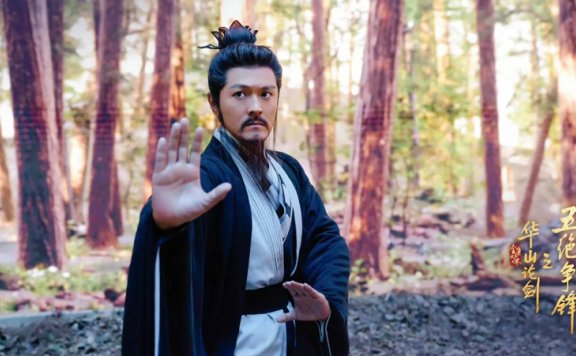
What Made Duel on Mount Hua's Finale Truly Resonate?
The grand finale of the Wuxia drama Wujue Zhengfeng (五绝争锋) delivered its last six episodes, culminating the series' intricate saga. This concluding segment resolved the central conflict surrounding the legendary Nine Yin True Sutra (九阴真经) and the fate of Zhong Juesheng (钟绝圣), the ambitious leader of the Ming Cult. The resolution wasn't merely about victory over evil; it offered a poignant, character-driven denouement that resonated deeply, moving beyond predictable tropes to find warmth and quiet closure amidst the martial world's chaos. Unmasking the Scheme The climactic gathering at Mount Hua, intended as a decisive contest for possession of the coveted Nine Yin True Sutra, took a shocking turn. When the sacred text's container was finally opened, it stood empty. This pivotal moment revealed an elaborate deception masterminded by Zhong Juesheng. His plan was insidious: dangle the promise of ultimate power to ignite a destructive war among the martial sects. Amidst the ensuing conflict, he aimed to advance his radical doctrine of "learning martial arts to destroy martial arts," believing his path was one of necessary, righteous purification. The revelation shattered the expectations of the gathered heroes. Zhong Juesheng's motives, while extreme, stemmed from a warped sense of purpose, challenging the…- 459
- 0
-
2 Wuxia Productions: A Contrast in Capturing the Genre's Essence
Two productions drawing from the same legendary wuxia universe couldn’t be more different in execution. While Jiuyin Zhenjing (九阴真经) offers a simplistic, romance-focused tale centered solely on its protagonist, Dongxie Xidu (东邪西毒) crafts a sprawling, gritty tapestry of authentic martial arts, complex characters, and profound themes reflecting a crumbling dynasty. The contrast exposes what truly makes Wuxia resonate: not just power fantasies, but the human struggle within a vast, unforgiving world. Fighting Spirit One relies solely on superficial spectacle. Jiuyin Zhenjing substitutes genuine martial prowess with endless slow motion, frantic camera cuts, and heavy reliance on wind machines and CGI blasts. Fight sequences feel weightless, devoid of distinct styles or credible threat. Mei Chaofeng (梅超风) masters advanced techniques like Bibo Palm implausibly fast, undermining the value of martial arts cultivation. Key figures like Huang Yaoshi (黄药师) appear weakened, acting inconsistently—such as bloodying his hands in a brawl, contradicting his established fastidious nature. The world feels small, limited to a single school, one coveted manual, and basic weapons. Conversely, Dongxie Xidu delivers visceral, varied combat grounded in martial philosophy. Different factions bring unique weapons and styles: the Zijin Tang (紫金堂) sect showcases practitioners like Yu Dian (俞典) wielding intricate bamboo umbrellas…- 88
- 0
-
Chen Duling's 7 Essential Costume Dramas List
Chen Duling, a former aerospace engineering student at Nanjing University of Aeronautics and Astronautics, has evolved from an internet-famous "campus beauty" into one of China's most versatile actresses. Her delicate features and intellectual aura bring depth to historical and fantasy roles. Here are her essential costume dramas: The Legend of the Heroes 金庸武侠世界 Aired: Jun 26, 2024 (Tencent Video) Period Background: Southern Song Dynasty martial arts world, focusing on rival clans and Peach Blossom Island. Genres: Wuxia, tragedy, female empowerment. Main Roles: Chen Duling as Feng Heng, Meng Ziyi as Mei Chaofeng. Adapted From: Jin Yong's The Legend of the Heroes, expanding Feng Heng and Mei Chaofeng's backstory. Feng Heng stands apart in Jin Yong's martial universe as a rare non-combatant intellectual. Unlike archetypal wuxia heroines who resolve conflicts through physical prowess, Feng navigates the treacherous Peach Blossom Island and clan rivalries using scholarly insight and psychological acuity. Her pivotal role emerges when she encounters Mei Chaofeng, a martial artist consumed by vengeance after personal betrayals. Instead of condemning Mei's violent quest, Feng engages her through philosophical dialogues about karma and consequence, subtly comparing revenge to "drinking poison to quench thirst" (饮鸩止渴). Her quiet library becomes a sanctuary where Mei…- 310
- 0
-
6 Actresses Shine in Duel on Mount Hua
In the sweeping Wuxia epic Duel on Mount Hua (华山论剑), legendary martial artists vie for supremacy. Yet, the drama's soul often resides in its captivating female characters, brought to life by six remarkable actresses. Each portrays a woman navigating a treacherous Jianghu (江湖) with distinct grace, strength, and tragedy. Their stories intertwine with the fates of the Five Greats, adding profound layers of emotion, resilience, and unforgettable beauty to the high-stakes world of honor and betrayal. 1. Chen Duling (陈都灵) Chen Duling embodies Feng Heng (冯衡), daughter of a salt official. Her life shatters when bandits murder her father, forcing her into a desperate flight. Surviving two perilous cliff falls, she encounters the reclusive Huang Yaoshi (黄药师). Feng Heng possesses no martial prowess, yet her spirit is indomitable. Confined mostly to a sickbed later in the story, Chen masterfully conveys an inner steel beneath a fragile exterior – a resilience that makes the origins of a daughter like Huang Rong (黄蓉) entirely believable. Her quiet intelligence and unwavering courage resonate deeply. Feng Heng's journey is one of profound loss and unexpected survival. Thrust into the brutal realities of the Jianghu after her father's murder, her strength lies not in physical…- 470
- 0
-
Duel on Mount Hua: Why This Jin Yong Adaptation Divided Fans
The return of Jin Yong's martial arts epics to television in 2025 was met with immense anticipation. Duel on Mount Hua (华山论剑), a series structured in four distinct units – promised a fresh exploration of the beloved Wuxia universe. Initial reactions, however, revealed a stark divide among viewers. The series became a talking point not just for its grand production, but for the contrasting quality between its opening chapter and the powerful resonance of its second act. It presented a complex picture of ambition, adaptation choices, and ultimately, the enduring power of Jin Yong's characters when given nuanced space to breathe. Jiuyin Zhenjing Focusing on Mei Chaofeng (梅超风) and her origins, the Nine Yin True Sutra (九阴真经) unit aimed to flesh out backstories only hinted at in Jin Yong's original The Legend of the Condor Heroes (射雕英雄传) or its classic 1983 adaptation. Mei Chaofeng, originally named Mei Ruohua (梅若华), is depicted from her tragic childhood, orphaned and mistreated, to her rescue by the formidable Huang Yaoshi (黄药师) and life on Peach Blossom Island. The intention to expand on her motivations, her complex bond with fellow disciple Chen Xuanfeng, and the dynamics leading to their betrayal was clear. Yet, this expansion…- 846
- 0
-
How 3 Actresses Revive Classical Hanfu Beauty
Amidst the ever-shifting sands of cinematic fashion, a quiet revolution unfolds: the return of authentic Hanfu aesthetics. Gone are the days of excessive ornamentation and anachronistic "violation structures"; audiences now crave the distilled elegance that defined historical dramas of the past. This resurgence isn't mere nostalgia; it's a celebration of how meticulously crafted simplicity – the drape of ancient fabrics, the gleam of silver adornments, the subtlety of period-accurate hairstyles – can amplify storytelling and etch characters into memory. Three actresses, through distinct roles, embody this powerful return to form, proving that true visual poetry lies in honoring the past. 1. Liu Yifei (刘亦菲) Few images linger as powerfully in Chinese cinematic history as Liu Yifei's portrayal of Yu Ji (虞姬) in White Vengeance (鸿门宴传奇). Stripped of elaborate modern hairdos or distracting embellishments, her performance relied on raw grace and impeccable authenticity. The costume spoke volumes: flowing robes reflecting the dignified austerity of the Han dynasty, paired with broad, intricately worked silver headpieces that shimmered with every movement, capturing the character's ethereal spirit. This near-minimalist approach created a visual purity, making the tragic farewell between Yu Ji and her lord, Xiang Yu (项羽), profoundly resonant. Liu Yifei's innate elegance merged…- 143
- 0
-
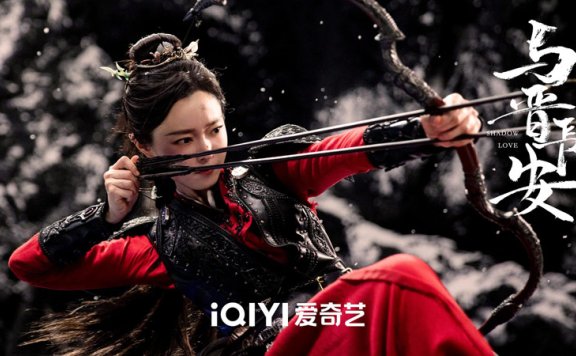
Chen Duling: The Crimson Phoenix Rising in Chinese Drama
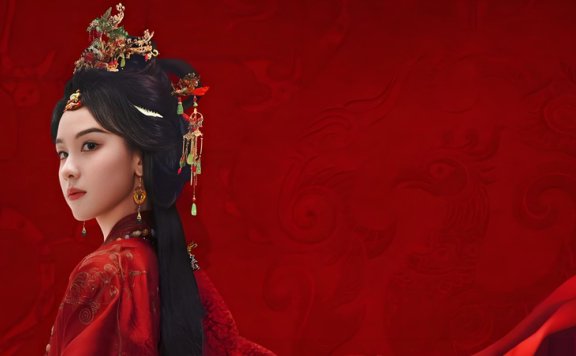
Few could have predicted that Chen Duling (陈都灵), once celebrated as the gentle "campus goddess," would transform into a commanding presence on set during a torrential downpour in 2024. Clad in fiery red traditional robes with her hair sculpted into an imposing high bun, she shattered typecasting with an archer’s precision. Audiences witnessed not a damsel awaiting rescue, but a warrior unfazed by lashing rain—her poise earning viral praise as "crimson robes like war banners, hair coiled like victory standards." This metamorphosis obliterated assumptions about her artistic limits. Campus Muse to Period Drama Powerhouse Seven years after her breakthrough role as the fragile Li Su (李珥) in Left Ear, Chen has redefined her trajectory. Where she once embodied quiet innocence, she now dominates historical sets through meticulous character embodiment. Her shift transcends mere wardrobe changes; it represents an artistic evolution from supporting roles to commanding lead performances. Industry observers note her departure from predictable "flower vase" casting into complex, physically demanding parts. The contrast highlights stagnation among peers reliant on repetitive makeup and digital filters. While others chase trends, Chen immerses herself in historical authenticity—studying posture, movement, and period mannerisms. Her commitment extends beyond costumes into mastering martial sequences and…- 294
- 0
-
Chen Duling: A Versatile Actress Breaking Prejudices
From serene fashion moments to gripping cinematic transformations, Chen Duling (陈都灵) captivates audiences with her artistic duality. The acclaimed actress recently showcased effortless style in a gray knit ensemble paired with minimalist metal earrings, embodying relaxed sophistication. Yet beyond her poised public image lies a bold artistic evolution. Her upcoming films, The River of Fury (怒水西流) and Body of Lies (谎言之躯), plunge into psychological depths far removed from her serene persona. These contrasting projects spotlight her versatility, challenging perceptions of an actress long celebrated for her delicate grace. Effortless Style, Quiet Confidence Chen Duling’s recent photoshoot radiates intellectual charm. Draped in a soft gray knitted top, she balances comfort and elegance, her loosely curled hair enhancing a naturally relaxed aura. Metal hoop earrings punctuate the look with understated modernity, proving minimalism’s enduring power. Holding a vintage DV camera, she gazes thoughtfully into the distance. The retro prop amplifies a nostalgic, artistic sensibility, while thin-framed glasses add a cerebral touch. These curated details craft a narrative beyond aesthetics—they reflect a contemplative personality. This visual language resonates deeply with fans. Since winning the 2013 Facejoking "Goddess Ranking" for her scholarly aura, her public image has intertwined intellect with beauty. Her fashion choices,…- 362
- 0
-
Chen Duling: Qiao Chu Breakthrough with Depth and Style
Chen Duling’s (陈都灵) embodiment of classical beauty has ignited fervent discussion across Chinese social media, solidifying her status as a uniquely compelling figure in historical storytelling. Her latest role in the upcoming drama Qiao Chu (翘楚) showcases an unprecedented fusion of martial dynamism and ethereal grace, propelling the term "heaven-chosen ancient persona" beyond mere fandom hype into a cultural phenomenon. This resonance stems not just from visual perfection but from her ability to infeach character with palpable depth, seamlessly translating classical aesthetics into contemporary relevance. Visual Poetry in Qiao Chu July 2025 set leaks from Qiao Chu became instant sensations. Images of Duling clad in flowing emerald robes executing a sword dance captivated viewers; her fluid movements merging martial precision with poetic grace. Another glimpse revealed her astride a horse in crimson attire, projecting regal authority intertwined with fierce determination. These visuals transcended mere costume appreciation, evoking comparisons to the unrestrained spirit of Wei-Jin Dynasty literati. She embodies the narrative’s essence before a single line is spoken. Her stylistic range within the drama further dismantles conventional historical aesthetics. Early leaks featured her in pristine white robes against snowy landscapes, radiating serene detachment. Later appearances, like a deep cerulean Warring States-period…- 235
- 0
-
Zhang Miaoyi's Fox Demon Reuters in New Tales of Liaozhai
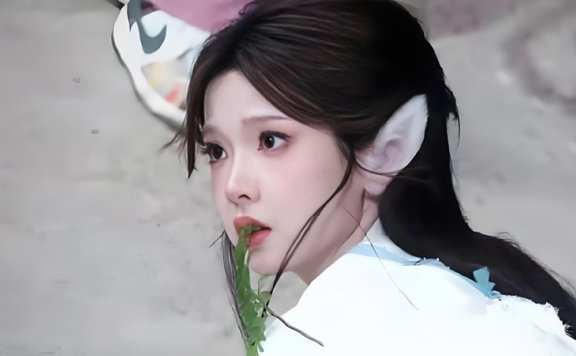
Costume design in Chinese historical fantasy dramas has transcended mere aesthetics, becoming a powerful narrative force. Recent leaks from New Tales of Liaozhai (聊斋新编) showcase this evolution, with actresses Zhang Miaoyi (张淼怡), Ju Jingyi (鞠婧祎), and Chen Duling (陈都灵) redefining the iconic fox spirit archetype. Their radically different interpretations—Zhang’s ethereal fragility, Ju’s doll-like perfection, and Chen’s chilling duality—ignite debates on whether transformative makeup elevates artistry or obscures identity. These visuals don’t just adorn characters; they rewrite folklore for the digital age. Zhang Miaoyi’s Ethereal Metamorphosis Zhang Miaoyi’s fox spirit in New Tales of Liaozhai shatters expectations. Clad in windswept white robes, she embodies fractured elegance. A single leaf clenched between her teeth becomes an organic accessory, contrasting with the character’s supernatural essence. This marks a stunning departure from Zhang’s prior roles criticized for lacking dimension. The genius lies in contemporary styling techniques. Delicate hairpieces and gradient makeup sculpt her features without drastic alteration. Diffused lighting enhances her porcelain skin, creating a ghostly luminescence. Where Zhang once blended into ensembles, she now commands them through nuanced vulnerability. Fragility defines this interpretation. Her posture suggests weightlessness, as if a breeze might dissolve her form. Wide-eyed glances convey ancient sorrow, transforming traditional fox…- 212
- 0
-
Chen Duling's New Makeup Style
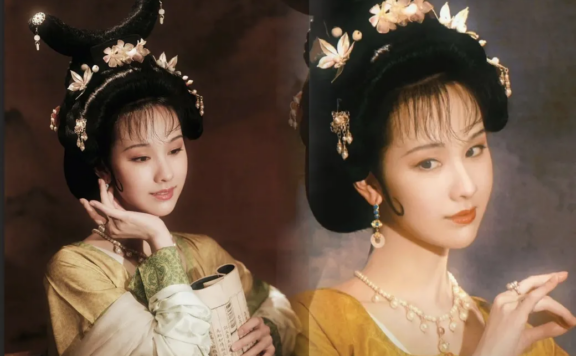
Recently, Chen Duling specially shot a set of costumes in the style of 1980s ancient - costume dramas, which left netizens hardly recognizing her. Some even wonder: Is there really such a significant aesthetic difference between classical makeup and modern makeup? Let's start with the conclusion. The biggest difference between them lies in the 'charm'. Most of the so - called classical makeup adheres to the traditional aesthetic standards for eyebrow and lip shapes, presenting a classical charm. In contrast, modern makeup is mostly the result of integration under the influence of various trends, like the once - popular Korean and European - American styles, with a style leaning towards modern simplicity and fashion. This charm, though abstract, can be expressed in forms. For example, the makeup and styling of the 1987 version of A Dream of Red Mansions are often regarded as a classic because its style shows a harmonious beauty. Here, harmony means that the proportion of a person's eyebrows and eyes complements the makeup, without being obtrusive, and the colors are warm - toned. So, the reason why classical makeup is enduringly attractive is the grasp of this sense of harmony. The most challenging part of classical…- 121
- 0
-
Coming of Age Ceremony for Chinese Women
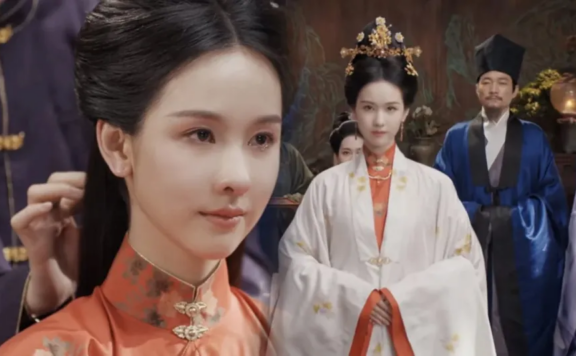
Finally, a historical drama recreates the coming - of - age rite. In When the Wild Geese Return, there's a scene where Zhuang Hanyan, played by Chen Duling, undergoes the Ji Li (coming - of - age ceremony for women). Netizens exclaimed, 'So this is the touching moment!' Nowadays, most children are considered adults once they reach a certain age, without a formal 'coming - of - age ceremony'. But in ancient China, one couldn't be truly 'adult' without understanding rites and undergoing the Guan Li (capping ceremony for men) for males or the Ji Li for females. Details of Rites Men usually had the Guan Li at 20, and women the Ji Li at 15. Also called 'Jia Ji' or 'Shangtou Li', the Ji Li involved parents or elders tying up the girl's hair and inserting a hairpin, signifying her adulthood and eligibility for marriage. As the saying goes, 'When a woman is betrothed, she undergoes the Ji Li and is given a courtesy name.' The main adornments in these rites were hair - tying and adding a crown or hairpin. Before adulthood, children wore their hair loose. The Guan Li for men had three stages, corresponding to different… -
Chen Duling's Cdrama Hairstyle - Marriage Look
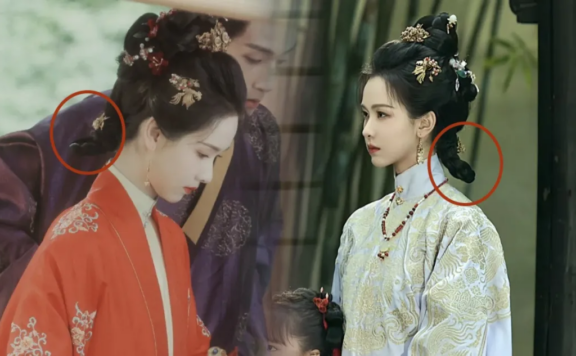
In the Cdrama When the Wild Geese Return, Chen Duling's post - marriage hairstyle surprised viewers: 'Why is this married hairstyle so odd? The ends just stick straight up!' In fact, this is the Sanlvtou (三绺头), a style popular among Han women in the late Ming Dynasty. The hairstyle features a 'wild goose tail' at the back, looking more dignified and steady. The Sanlvtou divides the hair into three sections: front, middle, and back. Each section is braided and gathered in a distinct way, thus getting the name 'Sanlvtou'. However, this hair - combing method can be traced back even earlier. For example, in the second act of The Box of Toiletries by an anonymous writer of the Yuan Dynasty, there is a line: 'Who would have thought that Kou Chengyu, a woman with the Sanlvtou hairstyle and two - piece clothing, has such loyalty.' Specifically, the Sanlvtou has two side strands called 'Lvebin (掠鬓)'. They frame the face like delicate clouds or cicada wings, so they are also poetically named 'Cloud - Like Hair' or 'Cicada - Wing Hair'. The front section of hair can be swept back, laid flat, or slightly raised, then tied with a red ribbon…- 242
- 0
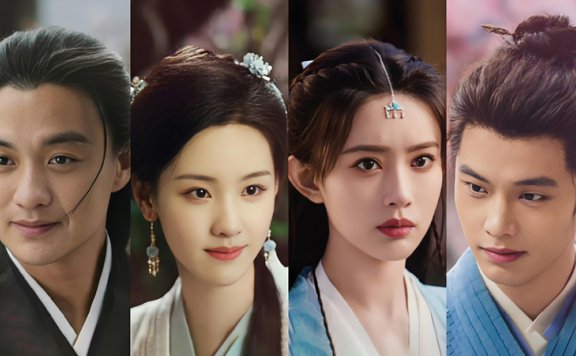
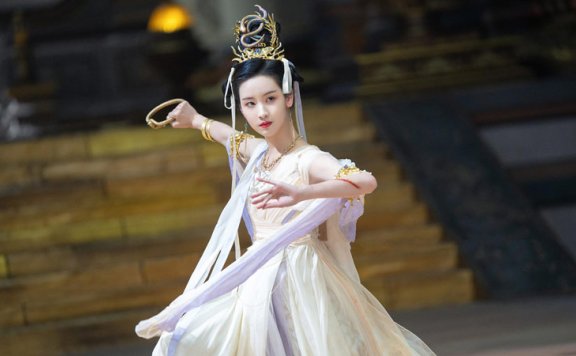
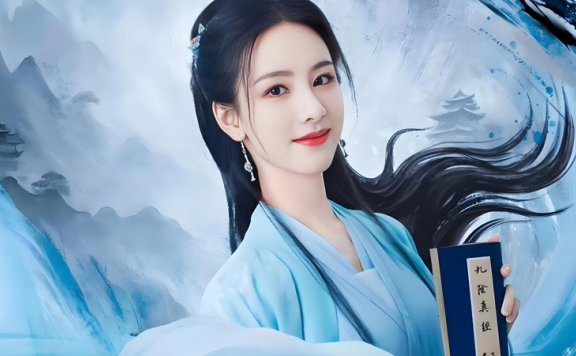
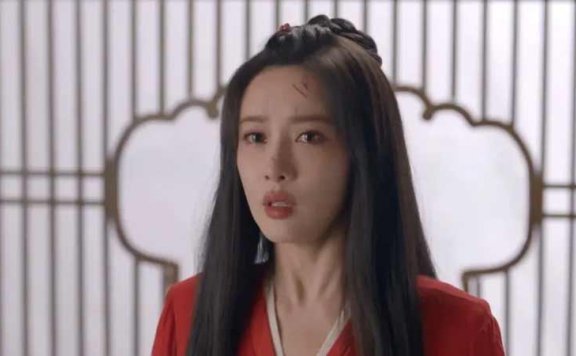
Chen Duling



Scan to open current page
-
$CouponsLimitation of use:Expired and UnavailableLimitation of use:
before
Limitation of use:Permanently validCoupon ID:×Available for the following products: Available for the following products categories: Unrestricted use:Available for all products and product types