
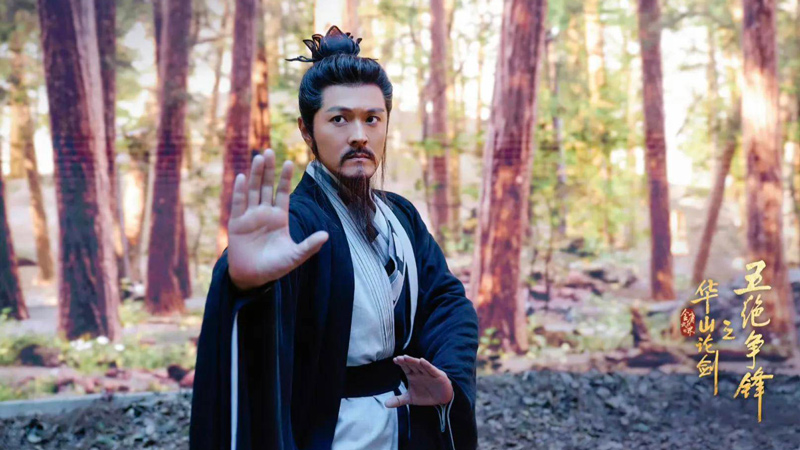
The grand finale of the Wuxia drama Wujue Zhengfeng (五绝争锋) delivered its last six episodes, culminating the series' intricate saga. This concluding segment resolved the central conflict surrounding the legendary Nine Yin True Sutra (九阴真经) and the fate of Zhong Juesheng (钟绝圣), the ambitious leader of the Ming Cult. The resolution wasn't merely about victory over evil; it offered a poignant, character-driven denouement that resonated deeply, moving beyond predictable tropes to find warmth and quiet closure amidst the martial world's chaos.
Unmasking the Scheme
The climactic gathering at Mount Hua, intended as a decisive contest for possession of the coveted Nine Yin True Sutra, took a shocking turn. When the sacred text's container was finally opened, it stood empty. This pivotal moment revealed an elaborate deception masterminded by Zhong Juesheng. His plan was insidious: dangle the promise of ultimate power to ignite a destructive war among the martial sects. Amidst the ensuing conflict, he aimed to advance his radical doctrine of "learning martial arts to destroy martial arts," believing his path was one of necessary, righteous purification.
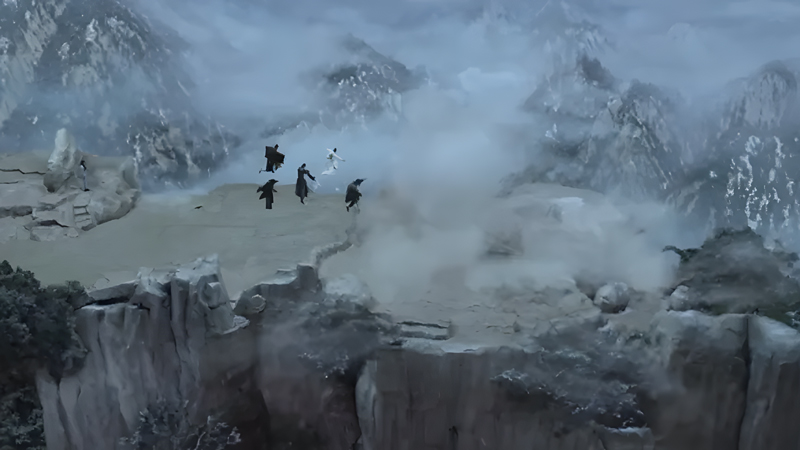
The revelation shattered the expectations of the gathered heroes. Zhong Juesheng's motives, while extreme, stemmed from a warped sense of purpose, challenging the simplistic label of pure villainy. He saw himself not as a destroyer, but as a reformer willing to dismantle the existing martial order he deemed corrupt and self-destructive. His actions forced a confrontation that tested the very foundations of the Wulin (martial forest).
His downfall, however, was swift and decisive. The heroes, realizing the depth of his betrayal, united against him. A crucial intervention came unexpectedly when Jia Lan (葭兰) recited an obscure passage from the true Nine Yin True Sutra. This fragment sparked immediate insight among the masters. Their combined strength, channeling unique techniques from diverse schools, became an unstoppable force. United, they overwhelmed Zhong Juesheng, sending him plummeting from the mountain's peak. Justice prevailed through collective action and enlightenment.
Finding Their Own Paths
With the immediate threat vanquished, the narrative shifted focus to the personal resolutions of the central figures. Their journeys concluded not with grand pronouncements, but with intimate, human moments that revealed their core identities and sacrifices.
Wang Chongyang (王重阳), recognized as the victor of the summit, was a figure marked by profound cost. His triumph came at the expense of severe, debilitating injuries. Understanding his own limitations and seeking peace, he entrusted the safekeeping of the genuine Nine Yin True Sutra to his devoted junior disciple, Zhou Botong (周伯通). This act symbolized relinquishing personal ambition for the greater good of the martial world he helped protect.
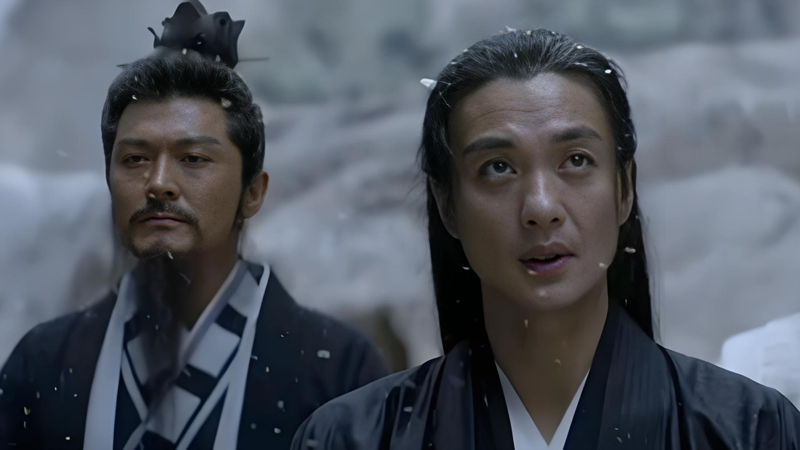
Duan Zhixing (段智兴) returned to his responsibilities in Dali (大理). Haunted by the losses suffered by his warriors, he visited their graves, a king burdened by duty and grief. His experiences fostered a newfound depth, prompting serious reflection on his capacity to rule and even fleeting thoughts of abdication. The flamboyant prince had matured into a more contemplative leader.
Hong Qi (洪七), the fiery leader of the Beggar Sect, grappled intensely with perceived failure. Unable to reclaim the manual for his brethren, he felt honor-bound to atone. In a stark act of personal accountability, he severed one of his own fingers, a permanent symbol of his regret and unwavering commitment to his sect's principles. His fierce loyalty demanded this tangible sacrifice.
Ouyang Feng (欧阳锋), often portrayed as ruthlessly ambitious, revealed a profound vulnerability. His primary concern shifted entirely to rescuing his son, Ouyang Ke (欧阳克). Carrying the young man away from the mountain, trudging through snow, his singular focus was paternal: getting his child safely home. Power and schemes faded before this fundamental human need.
Huang Yaoshi (黄药师) sought solace back on Peach Blossom Island. There, he found Feng Heng (冯衡) waiting, her face lit with a welcoming smile. Standing together under the blossoming trees as the sunset painted the sky, their quiet reunion offered a sanctuary of peace and enduring affection, contrasting sharply with the turmoil they had endured.
The Quiet Power of Closure
The finale's brilliance lay not in spectacle, but in this accumulation of smaller, resonant moments. After the high-stakes tension and fierce clashes of the martial world, the narrative deliberately slowed its pace. It focused on these individual reckonings and homecomings, allowing the characters to process their experiences and choose their futures.
This shift in tone was deliberate and powerful. The intense "Jianghu Qi" (spirit of the rivers and lakes), characterized by rivalry and strife, gradually dissolved. It was replaced by a sense of natural resolution, a recognition that the grand conflicts were ultimately secondary to the personal journeys. Each character, shaped by the trials of Mount Hua, moved forward carrying their unique burdens and hopes.
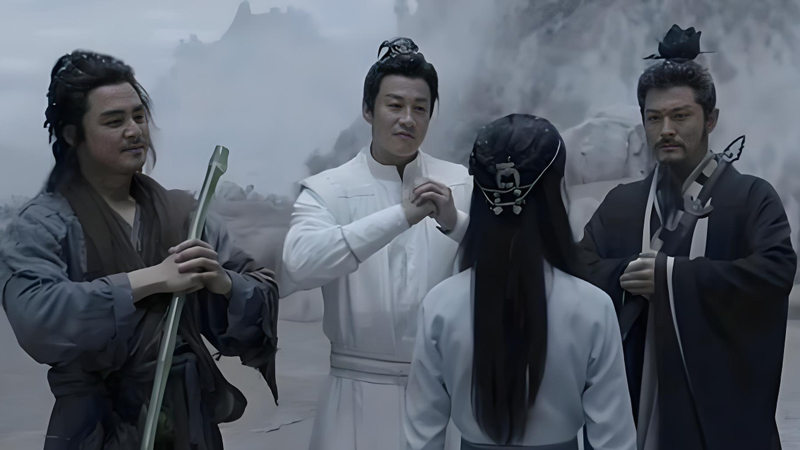
This approach avoided forcing artificial harmony. Not every ending was conventionally happy. Hong Qi bore a permanent scar; Wang Chongyang faced a life diminished by injury; Duan Zhixing wrestled with the weight of kingship. Yet, each conclusion felt authentic and earned. The characters found their own forms of peace or acceptance, stepping onto paths that felt true to who they had become.
The final scenes underscored a profound truth about the martial world, and perhaps life itself: after the clashes and upheavals, what truly endures are the individual quests for meaning, belonging, and a place to call one's own. The grandeur of "Duel on Mount Hua" faded, leaving behind the quiet, enduring power of characters simply moving forward, grounded in their personal truths. It was a finale that resonated because it prioritized human resolution over heroic myth, leaving a lasting impression of warmth and quiet authenticity.