Article
搜索结果:
-
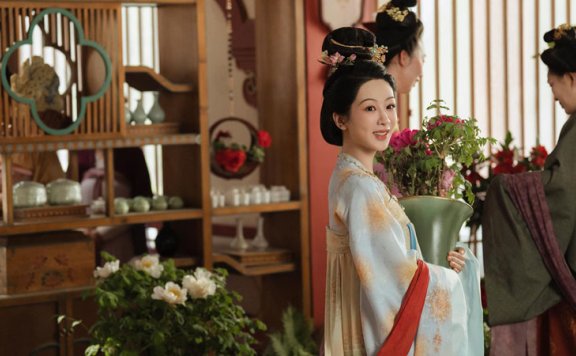
Women's Awakening and National Sentiment In the Name of Blossom
Every summer marks a fierce battleground for the Chinese TV industry. And one quiet rule has become increasingly clear in recent years: if you're going to launch a big historical costume drama, summer is your moment. Since the "xianxia/costume drama restriction order" (a policy aimed at limiting the number of historical and fantasy dramas on air introduced in 2019) was put in place, period dramas have noticeably declined on mainstream channels. Among them, love-centric historical shows have seen a particularly bumpy ride. To stay relevant, creators have been experimenting—pushing for quicker pacing, short-form storytelling, and even adding game-like elements. But the results? Mixed, at best. These tweaks might create short-term hype, but they don't offer a long-term solution. Now that long-format dramas are shrinking across the board, the industry's looking for a win—something high-quality and widely appealing enough to restore confidence. And top-tier costume dramas are under even more pressure: they not only have to look good but also find new ways of storytelling, inject real cultural depth, and raise the production bar to win back their audiences. Enter The Glorious Blossoms, which aired in late June, produced by Huace Media. It's the follow-up to the popular series Flourished Peony… -

Actor Li Xian: A Clear-Headed Example of Long-Termism in the Acting World
The currently airing costume drama In the Name of Blossom (锦绣芳华) has once again brought Li Xian back into the mainstream spotlight. With its intricate storyline of power struggles and merchant wars, plus Li's upgraded "Jiang Changyang 2.0" performance—what fans call a "heart-hunting" (meaning he subtly manipulates or reads others emotionally and psychologically) acting masterclass—the series has earned strong visibility in this year's summer lineup. Through a performance that fits the role like a glove, Li Xian successfully carries over the popularity from Season 1, continuing to draw in viewers. Over his years in the industry, Li has become something of a "stabilizing presence" at the frontline of a fast-changing entertainment landscape. He relies on professional conviction to counter the wear-and-tear of mass production, and uses a broad spectrum of roles to reshape what an actor's lifespan can look like. Without rushing or overreaching, he's become a living example of what long-termism in acting really means. Role Interpretation: Jiang Changyang In the Name of Blossom, a sequel that leans into differentiated genre competition, had already surpassed 6.45 million combined pre-release reservations on Mango TV and Weibo, with an additional 1.5 million on Migu Video, setting a new record for the… -
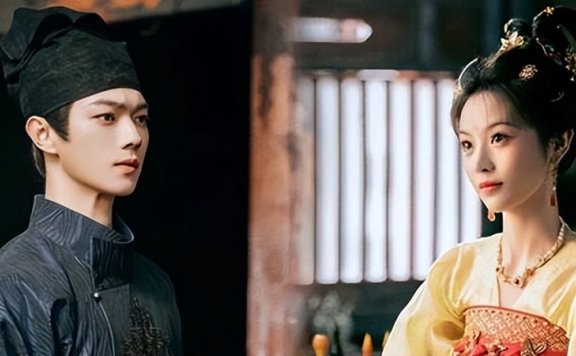
Xu Kai and Tian Xiwei Forge Destiny in Zi Ye Gui
The ancient capital of Chang'an, a jewel of the Tang Dynasty, becomes a battle ground between light and shadow in the highly anticipated drama Moonlit Reunion (子夜归). Head Exorcist Mei Zhuyu (Xu Kai) and aristocratic heiress Wu Zhen (Tian Xiwei) navigate a perilous dance of love and duty, their fates entwined by supernatural forces threatening the empire. Blending meticulous historical detail with Chinese mythical lore, this series promises a visual and narrative feast, redefining fantasy storytelling through its clash of human resolve and ancient magic. Tang Dynasty Mythos Reborn Chang'an's bustling streets hide eerie disturbances—whispers of spectral sightings and unnatural occurrences. Mei Zhuyu (梅逐雨), the stoic Head Exorcist, investigates these anomalies, declaring, "Mimicking form, imitating essence—deviations signal demonic presence." His pursuit leads him to Wu Zhen (武祯), whose playful aristocratic facade masks a startling truth: she inherits the power to transform into a feline guardian of the supernatural underworld. Their initial confrontation simmers with tension, a magnetic pull complicating their opposing missions. The resurgence of the Eternal Dawn Palace, lost for centuries, deepens the mystery. This celestial structure's reappearance fractures alliances and unleashes dormant evils, forcing Mei and Wu to question loyalties. The series revitalizes historical fantasy by weaving Tang… -
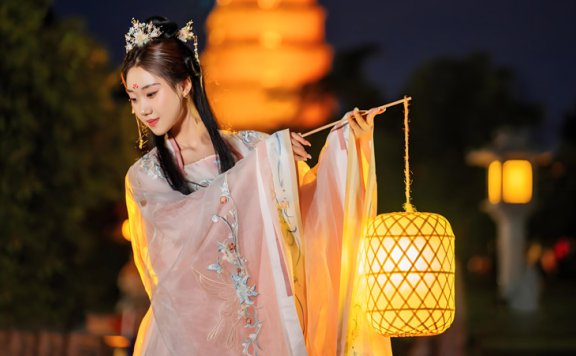
Tang Dynasty Splendor Walks Modern Xi’an Streets
Summer twilight descends upon Xi’an’s ancient city walls as a local ballad drifts through the humid air. Below the ramparts, a vibrant tapestry unfolds: young women in flowing Qixiong Ruqun (齐胸襦裙) skirts glide over cobblestones carrying silk fans, boys in traditional Futou headwear flash peace signs beside sausage vendors, and self-styled "Tang princesses" with tinkling hair ornaments weave through bicycle commuters. This seamless fusion of antiquity and urban life defines China’s ancient capital today. Across its historic quarters, a generation born after 1995 drives a cultural resurgence—transforming Hanfu from ceremonial costume into daily poetry. Threads of Transformation Xi’an’s streets have become runways for resurrected elegance. At the Tang Paradise Mall’s Hanfu Center near the Great Tang All-Day Mall, stylists livestream makeup tutorials, demonstrating how seventh-century "Luozidai" eyebrows complement Tang-style dresses. Behind them, racks display Ming Dynasty Mamian skirts and Tang half-sleeve robes—a sartorial timeline spanning dynasties. By day, tourists pose with circular fans before the Bell Tower’s soaring eaves. Inside the immersive "Chang’an Twelve Hours" theme park, scholars in round-collared gowns stroll alongside veiled maidens. As lanterns illuminate the 2-kilometer promenade at dusk, performers in reconstructed court dresses descend palace staircases, their gold Buyao hairpins catching spotlights. The Bell Tower… -
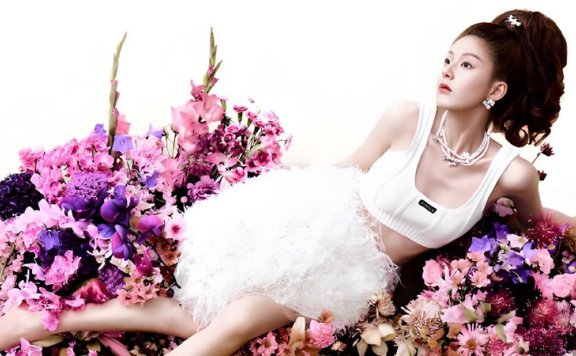
Zhao Lusi Reinvents: Bold Style Shifts in Latest Magazine
Zhao Lusi (赵露思) unveils a transformative visual identity in her latest magazine feature. The 25-year-old actress trades her signature flowing locks for a sharp chin-length cut, pairing it with a structured black bustier gown that accentuates her silhouette. Shot across varied settings—from minimalist studios to ethereal underwater scenes—these images capture her experimental shift from sweetheart roles to avant-garde fashion statements. Released on July 21, the editorial sparks conversations about reinvention versus authenticity in celebrity image-making. Stylistic Departure Zhao Lusi’s cropped hairstyle marks a decisive break from her familiar long tresses. The blunt cut frames her face with geometric precision, complementing the sculptural neckline of the black bustier dress. Cinched at the waist, the gown channels vintage Hollywood glamour while modern metallic accessories add edge. In one frame , she stands against botanical backdrops, merging organic textures with sleek tailoring. The second look features a white draped gown captured mid-movement underwater. Submerged fabric billows around her, creating ghostly trails of translucent silk. This aquatic theme continues with a close-up shot highlighting submerged facial expressions—eyes closed, features serene yet detached from her usual animated persona. Contrast defines the third ensemble: a form-fitting black sheath emphasizing minimalist lines. Lit dramatically against dark backgrounds,… -
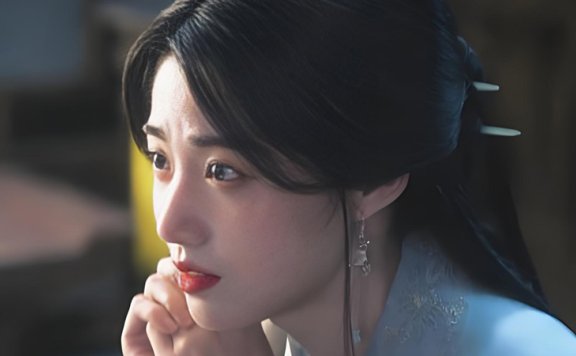
Lu Yuxiao's Style Alchemy: How Lu Yuxiao Defines Modern Style
At 25, actress Lu Yuxiao (卢昱晓) has captivated audiences not only with her nuanced portrayal of characters like My Journey to You's (云之羽) Shangguan Qian (上官浅) but also with a wardrobe that defies singular definition. Her sartorial choices—ranging from structured Chinese silhouettes to playful Korean minimalism and British-inspired layering—reflect a rare authenticity in today's trend-saturated fashion landscape. This chameleonic ability to embody diverse aesthetics while maintaining a cohesive "oxygen girl" essence makes her style playbook uniquely instructive. The Modern Chinese Muse Lu’s interpretation of contemporary Chinese design merges historical reverence with modern ease. Her black high-collar top and flowing skirt ensemble embodies understated elegance, hair swept into a low bun amplifying the look’s serene composure. The absence of excessive jewelry focuses attention on clean lines and fabric drape, proving restraint can radiate sophistication. This quiet confidence channels the poise of Jiangnan literati aesthetics—a harmony of human and garment transcending mere trend. In a bold departure, Lu’s crimson knitwear adorned with plum blossoms showcases her mastery of high-impact color. Against her delicate features, the vibrant red doesn’t overwhelm but creates a striking chiaroscuro effect—reminiscent of 1970s Hong Kong cinema starlets. Strategically placed floral motifs and softly backlit hair transform the look… -
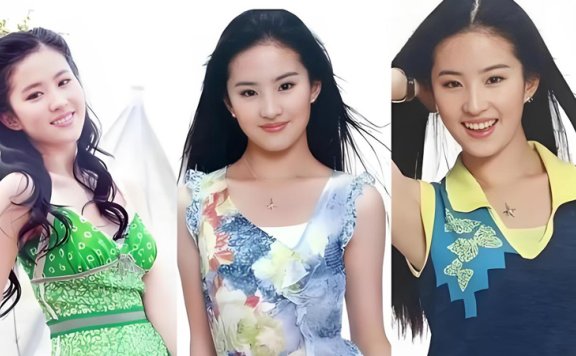
Liu Yifei’s Y2K Style: Rewriting Early 2000s Fashion Rules
Early 2000s fashion pulsed with chaotic energy—a neon-drenched, low-rise denim manifesto against minimalism. Amid this sartorial storm, a young Liu Yifei (刘亦菲) carved her own path. Her choices between 2000-2005 didn’t just follow trends; they quietly rewrote them. From Bai Xiu zhu’s (白秀珠) calculated elegance to Zhao Ling’er’s (赵灵儿) ethereal simplicity, Liu demonstrated how Y2K’s excess could be refined into timeless style. Her wardrobe balanced rebellion with grace, proving audacious color and strategic exposure could coexist with sophistication. Two decades later, her approach feels strikingly modern—a blueprint for today’s dopamine dressing. Bai Xiu zhu’s Rebellious Elegance Liu’s 2003 debut in The Story of a Noble Family (金粉世家) introduced a new kind of ingenue. As Bai Xiu zhu, she transformed a pale lilac spaghetti-strap dress into armor. The delicate fabric contrasted sharply with her posture—shoulders squared, gaze unwavering. A single strand of pearls at her neck wasn’t demure; it was a declaration. This juxtaposition—softness against steel—defined her early aesthetic. She rejected saccharine sweetness, favoring clean lines that accentuated collarbones and shoulders. Her Happy Camp (快乐大本营) appearance that same year further defied expectations. A vibrant green top met vintage-inspired denim, its straight-leg cut grounding the look. Silver thread woven through the jeans… -
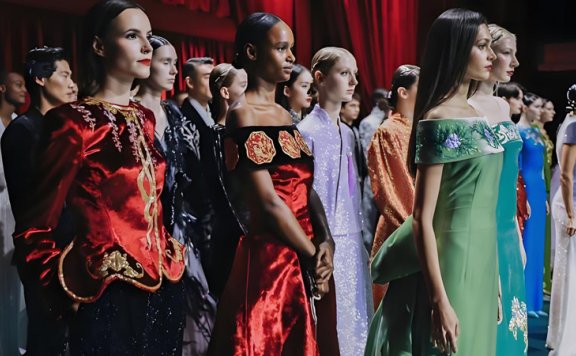
Gong·Fashion: A New Era of Chinese Couture
Under the illuminated eaves of Beijing's Gongwangfu (恭王府) Museum, history met haute couture on July 14th. The Ministry of Culture and Tourism's Gongwangfu Museum unveiled its groundbreaking "Gong·Fashion" brand, presenting 37 concept ensembles and 35 new Chinese-style ready-to-wear pieces alongside accessories. Against the backdrop of the ancient Yin'an Hall, models traversed a modern runway, embodying a unique dialogue between imperial legacy and contemporary design. Key figures including Deputy Director Su Ning (苏宁), acclaimed international designer Laurence Xu, collaborative designer Qi Qi (齐棨), and actress Mao Xiaotong (毛晓彤) witnessed the collection's premiere. This event signifies a strategic pivot for the museum, transforming its cultural treasures into wearable art for global audiences. Designs Rooted in History The "Gong·Fashion" collection draws deeply from Gongwangfu's visual language. Designers meticulously translated specific architectural and natural motifs into intricate textile narratives. Flowing wisteria vines cascading within the palace grounds inspired organic, draped silhouettes. The precise geometric latticework of the Crabapple Blossom Windows found expression in structured patterns and laser-cut details adorning jackets and skirts. Subtle plays of light and shadow, reminiscent of the Bamboo Courtyard, were captured through layered fabrics and gradient dyeing techniques. Perhaps most iconic, the revered "First Blessing Under Heaven" calligraphy was subtly… -
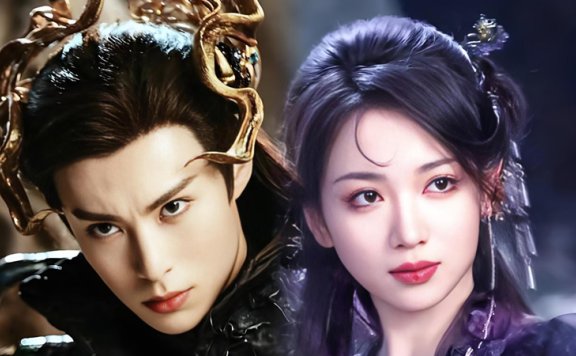
Xian Yu Fei Sheng: A Look at Characters' Styling Highlights
The upcoming fantasy drama Xian Yu Fei Sheng (咸鱼飞升) Ascends has ignited fervent anticipation across social media platforms, trending globally despite lacking an official release date. Adapted from Chong Guan An Du’s (重关暗度) acclaimed novel, the series follows protagonist Song Qianji (Wang Hedi), who navigates rebirth and reluctant heroism. Beyond its compelling narrative, leaked set photos reveal extraordinary costume artistry defining its ensemble cast. This visual storytelling promises a groundbreaking aesthetic in the fantasy genre, blending ethereal elegance with raw character depth. Here’s an exclusive look at how wardrobe and makeup forge the drama’s unforgettable identities. Miao Yan’s Ethereal Grace Li Qin (李沁) embodies Miao Yan (妙烟) through costumes that merge fragility with celestial authority. Her signature gradient white gown flows like liquid moonlight, sleeves billowing with subtle choreography suggesting weightless flight. Delicate pink robes feature translucent layers embroidered with motifs resembling frost patterns . Makeup artistically understates her features: translucent foundation highlights natural bone structure, while muted lip tones evoke "water lily purity." Her eyes convey complex emotion through minimal shadowing, framing a gaze that balances melancholy and resolve. This restrained palette crafts an otherworldly presence distinct from traditional fantasy heroines. Character Palette Diversity Costume designers reject monolithic fantasy… -
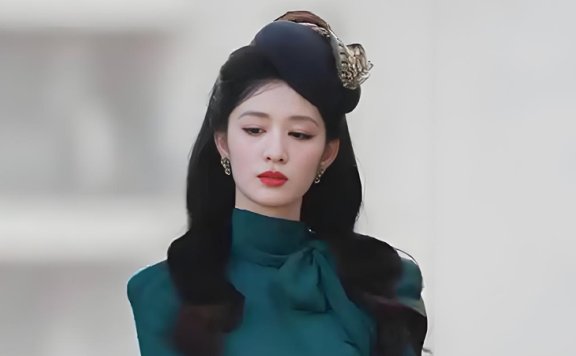
Republican-Era Costumes: Visual Storytelling in Costume Dramas
The resurgence of Republican-era aesthetics in contemporary Chinese cinema has become a visual feast, where costumes transcend mere clothing to embody character essence. Leading actresses of the post-85 generation are redefining historical narratives through meticulously crafted wardrobes, blending tradition with modern sensibilities. Wang Churan’s (王楚然) haunting elegance, Liu Yifei’s (刘亦菲) timeless grace—each ensemble stands as a silent narrator of turbulent times. This sartorial renaissance not only revitalizes period dramas but elevates them into cultural conversations, proving that fabric and silhouette can articulate emotions words often fail to capture. Visual Poetry in Motion Wang Churan’s transformation in Zhe Yi Miao Guo Huo (这一秒过火) epitomizes the power of Republican-era costuming. Her midnight-black gown and wide-brimmed hat create a chiaroscuro effect, sharpening delicate features into ethereal relief . Yet it’s her moon-white qipao that etches itself into memory: silk whispering against grey-brick backdrops, slit skirts revealing pearl-hued stockings, and jade bracelets clicking like metronomes to her movements. The ensemble merges restraint with sensuality—a collar clasped to the throat contrasting with the fluidity of draped sleeves. Liu Yifei’s legacy as Bai Xiu-zhu (白秀珠) in The Story of a Noble Family (金粉世家) remains unmatched, her teenage portrayal still shaping Republican archetypes. Decades later, her ability… -
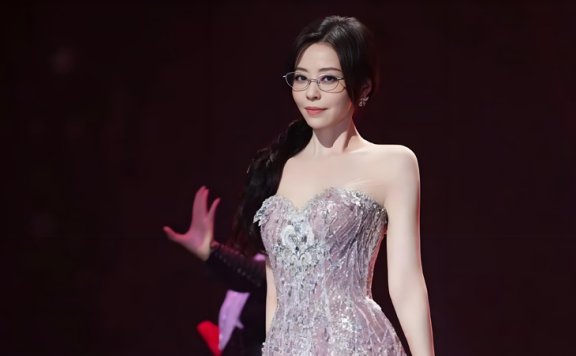
Zhang Liangying’s Evolution in Ninety Thousand Words
Zhang Liangying’s (张靓颖) gold-rimmed glasses and hip-swaying performance of viral song Ninety Thousand Words ignited both social media frenzy and artistic debate. The acclaimed singer’s deliberate shift toward internet culture—once considered territory for online influencers—challenges rigid hierarchies in entertainment. As her concert footage spawned millions of imitations, critics questioned whether such "influencer-style" acts diminish a star’s prestige. Yet this moment reveals deeper currents: the evolving symbiosis between high-artistry stages and algorithm-driven platforms. The Viral Alchemy of Performance Zhang’s transformation began with a televised appearance where her "forbidden charm" aesthetic—strict blazer, sharp eyewear—contrasted dramatically with the song’s provocative choreography. Audiences hailed it as "dimensional mastery," recognizing how her technical precision elevated a trending track. Professional vocal control and decades of stagecraft lent the routine an unreplicable depth. Within hours, amateur recreations flooded Douyin yet consistently fell short. Her background as a classically trained vocalist created an unbridgeable gap. Fitness discipline and movement economy allowed subtle gestures to convey complexity where influencers relied on exaggeration. When Zhang transplanted the act to her Hefei concert, multi-angle smartphone recordings amplified its reach. This demonstrated a new paradigm: staged artistry fueling online trends, which in turn drew audiences back to live performances. The loop between… -
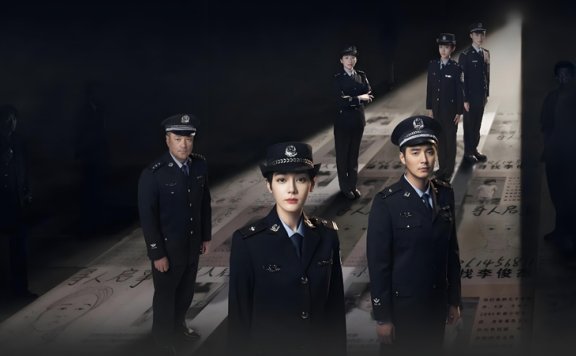
Sword Rose: A Police Procedural Against Human Trafficking
Sword Rose (利剑·玫瑰), starring Dilraba (迪丽热巴) and Jin Shijia (金世佳), exposes China’s human trafficking underworld through a gritty police procedural. Premiering July 28 on CCTV-8, the series merges psychological thrills with raw emotional stakes. The drama follows Linshan City’s Anti-Trafficking Unit chief Deng Yan (Dilraba) as she battles criminal syndicates alongside colleagues Chang Rui (Jin Shijia) and Yin Jiansheng (You Yongzhi). With chilling realism and noir visuals, it navigates shattered families and police valor. The creators prioritize authentic crime-solving tactics while spotlighting survivors’ healing journeys. The show's producers said, "We didn't just want to highlight those intense, heart-pounding moments when the police launch their big crackdowns. We really wanted to dig into the 'healing journey' of families that get torn apart by child trafficking, too." And then there's Sun Wenhan (孙文翰), the character Li Zhi (李智) plays. He's a regular dad who volunteered to fight against child trafficking—spent a whole decade searching before finally finding his missing kid. He's like a stand-in for all those families who've gone through that same terrible pain. The Iron Triangle Against Crime Deng Yan’s (邓妍) expertise in criminal psychology clashes with Chang Rui’s (常锐) street-smart tactics, forming a combustible partnership. Their unit’s first case—a… -
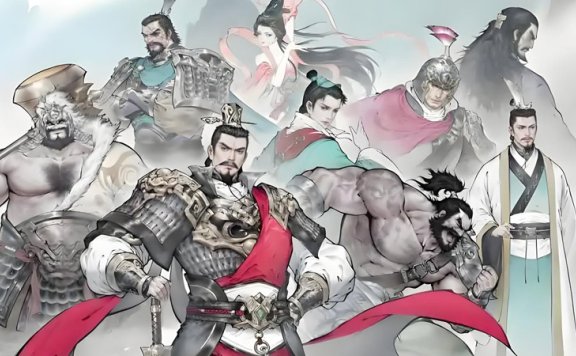
Shenzhou Saga: Three Kingdoms Revives Ink-Wash Gaming Artistry
The landscape of gaming often celebrates the future, yet a bold new title rewinds time with breathtaking artistry. Shenzhou Saga: Three Kingdoms (三国望神州), developed by Kwaiy’s "Flicker Universe," defies modern visual tropes. Instead of hyper-realism or anime vibrancy, it drapes the storied Three Kingdoms era in the ethereal cloak of Chinese ink-wash painting. This isn’t mere nostalgia—it’s a renaissance of Hanfu (traditional Han attire), reimagined through fluid strokes and subtle gradients, challenging players’ perceptions of historical immersion. As warriors stride through misty battlefields and scholars ponder amidst bamboo groves, the game proves tradition can feel revolutionary. Ink-Wash Reimagines History Shenzhou Saga: Three Kingdoms’s visual identity is its manifesto. While competitors favor saturated colors or 3D spectacle, this game embraces monochrome elegance. Mountains dissolve into washes of gray; armor gleams like wet ink on parchment. The Hanfu designs—flowing robes, wide sleeves, intricate sashes—are rendered with deliberate restraint. Shadows bloom like ink blots, and details emerge through negative space, evoking classical scrolls. This aesthetic isn’t decorative; it heightens emotional gravity. A lone general surveying a bloodied ridge feels less like a pixelated avatar and more like a brushstroke of tragedy. Historical fidelity anchors the artistry. Developers pored over Han and Jin Dynasty… -
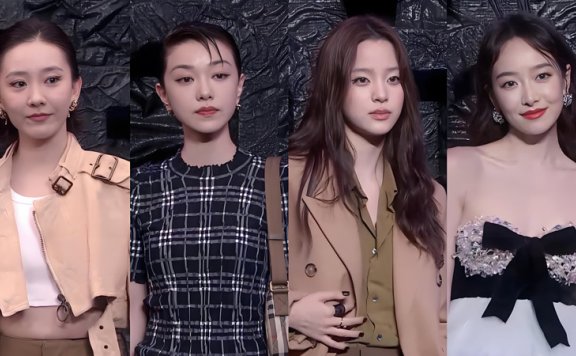
Another Man China's First Anniversary Party in Beijing
Celebrating its first anniversary, Another Man China transformed Beijing into a runway of audacious style with its exclusive party. Eschewing traditional red, the event featured a striking "Black Carpet" – a monochromatic backdrop and floor that challenged attendees to stand out or risk vanishing into the void. This unconventional stage witnessed a fascinating spectrum of personal expression, from seasoned stars embracing reinvention to rising talents making bold declarations. Against this dramatic setting, each ensemble became a conversation piece, revealing the wearer’s confidence, vulnerability, or sheer disregard for convention. The night wasn’t just about celebrating a publication; it was a vivid snapshot of fashion’s ever-shifting boundaries in motion. Veterans Reinvented The established stars navigated the black canvas with distinct strategies. Song Jia (宋佳), typically favoring understated elegance, embraced layered complexity with two overlapping plaid shirts paired with a black skirt. The skirt’s deep hue nearly dissolved into the background in the live stream, creating an arresting visual effect where her upper body appeared to float. Chen Yanxi (陈妍希) opted for full camouflage in a sleek black leather bustier dress and towering platform heels. While her silhouette threatened to merge with the setting, her radiant complexion and youthful energy defied her 42… -

The Princess's Gambit: A Political Romance Divided Between Praise and Criticism
The Princess's Gambit (桃花映江山), the highly anticipated historical romance drama starring Meng Ziyi (孟子义) and Liu Xueyi (刘学义), ignited screens with a blazing premiere. Its debut shattered records, soaring past 23,000 on popularity indexes, signaling potential dominance in the competitive costume drama landscape. Yet, this initial triumph quickly met a wave of audience skepticism. Online forums filled with debates questioning the central pairing's on-screen chemistry and the narrative's structural integrity. The drama promised intrigue between the neglected Northern Court Princess Jiang Taohua (姜桃花) and the cunning Qi Kingdom Prime Minister Shen Zaiye (沈在野). Their journey—beginning with forced alliance and mutual distrust, evolving through political machinations towards tentative partnership and love—faced immediate scrutiny. While some viewers championed the leads’ performances and embraced the familiar tropes, others pointed to repetitive plot devices and jarring inconsistencies, leaving The Princess's Gambit suspended between acclaim and critique. The Leads' Portrayal Initial reactions focused intensely on the perceived age gap between Liu Xueyi’s Shen Zaiye and Meng Ziyi’s Jiang Taohua, with some unkindly comparing him to her uncle. This surface-level critique overlooks the character’s inherent nature. Shen Zaiye is no youthful idealist; he is a seasoned political operator, burdened by responsibility and navigating treacherous court dynamics.… -
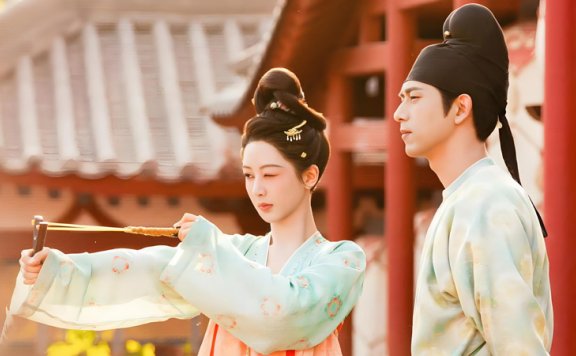
How Jin Brocade Weaves Through Chinese Drama Titles
The recent phenomenon of historical dramas embracing the character "jin" (锦, brocade) in their titles, like the hit series Flourished Peony (锦绣芳华), reveals more than a fleeting trend. This linguistic choice taps into deep cultural veins, transforming titles into shimmering gateways of promise. From Colourful Life (锦绣良缘) to Under the Power (锦衣之下), "jin" functions as a multifaceted emblem—evoking luxury, craftsmanship, and narrative ambition. Its recurrence speaks to a shared visual and symbolic language between creators and audiences, where a single character conjures worlds of opulence and intrigue. Characters Woven in Gold "jin" is far more than a decorative flourish. Its linguistic structure—combining "gold" and "silk" —historically signified textiles as precious as metal. As early as the Han Dynasty, scholar Xu Shen (许慎) defined "jin" as "colorful patterned silk," while Eastern Han lexicographer Liu Xi (刘熙) noted its value "equated with gold due to meticulous craftsmanship." This heritage persists in modern dramas, where titles like The Sword and the Brocade (锦心似玉) frame protagonists’ virtues as rare and refined. The character inherently elevates a title’s stature. When paired with "xiu" (绣) in "jinxiu," it becomes "splendid" or "magnificent," transforming ordinary words into poetic ideals: Flourished Peony suggests flourishing beauty. These combinations signal… -
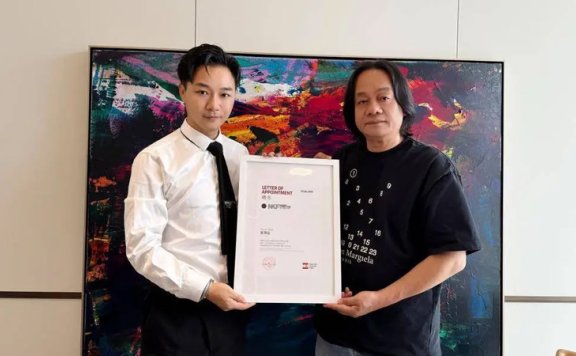
Nanjing Fashion Week 2025: Zhang Zhaoda's Vision of Six-Dynasty Design
Nanjing elevates its fashion ambitions with the appointment of Zhang Zhaoda (张肇达), a foundational figure in Chinese design, as Honorary Chairman for its 2025 International Fashion Week. His participation signals a strategic push to position Nanjing at the forefront of global fashion dialogue. Beyond a ceremonial role, Zhang will headline the opening gala with his iconic brand MARK CHEUNG, leveraging his four-decade legacy bridging Eastern aesthetics and international runways. This collaboration aims to transform Nanjing from a historical gem into a dynamic nexus for luxury commerce, cultural innovation, and trendsetting creativity. Design Philosophy Redefined Zhang Zhaoda’s journey began when Chinese design was virtually absent from global stages. His early 1980s collections introduced a nuanced equilibrium between market viability and artistic expression. The MARK CHEUNG label, renowned for its bias-cut silhouettes and subdued palettes, demonstrated that tradition could converse fluently with modernity. His approach earned him China’s inaugural Golden Top Award and UNESCO recognition. Zhang’s work consistently avoids cliched cultural symbols. Instead, he extracts abstract principles from Chinese art—like the fluidity of ink wash paintings or the structural logic of Ming furniture—translating them into contemporary garments. This intellectual rigor established him as a translator of heritage rather than a revivalist. His… -
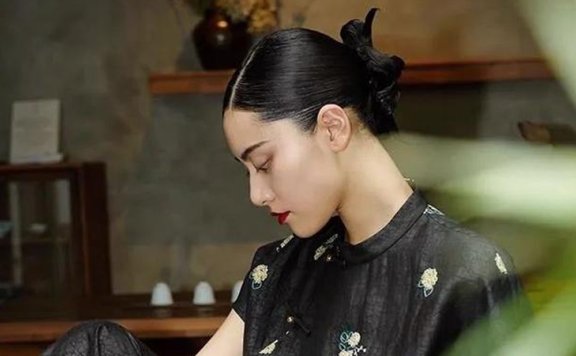
Xiangyunsha: New Chinese Fabric in Stitches
The quiet revolution in fashion isn't loud—it flows. Across bustling cities and serene landscapes, a refined aesthetic emerges: garments honoring heritage while embracing contemporary life. This movement transcends fleeting trends, weaving cultural threads into daily elegance. At its heart lies craftsmanship, where ancient techniques meet modern silhouettes. The Xiangyunsha (香云纱) embroidery set exemplifies this philosophy—unassuming luxury that speaks through texture, drape, and meticulous detail. The Fabric of Time Xiangyunsha isn’t merely silk; it’s alchemy. For centuries, artisans sun-dyed this fabric over 20 times, coaxing crackled patterns resembling aged porcelain. These "turtle wrinkles" aren’t flaws but narratives—each fissure a testament to patience. Unlike synthetics, Xiangyunsha breathes. Its porous structure wicks moisture, offering coolness in summer’s grip. With wear, magic unfolds. The fabric deepens in luster, developing an oil-like sheen that glows softly. This organic evolution makes every garment unique—a living heirloom. The black base in this set serves as a canvas, where light dances across subtle ridges, revealing hidden dimensions. Traditional dyeing uses mineral-rich river mud and plant extracts, yielding hues that harmonize with nature. Modern wearers inherit this legacy: cloth carrying earth’s poetry. Its weight feels substantial yet airy—structure without stiffness. Stitches of Sunlight Hand embroidery transforms fabric into art.… -

Shantou Culture, Tourism and Fashion Week is About to Start
From July 14 to 20, Shantou’s skyline will ignite with the inaugural "Chaos·Surging" Cultural Tourism Fashion Week. Centered along the Inner Harbor waterfront, events will transform landmarks like the Chaoshan History & Culture Expo Center and Xiaogongyuan Pier into dynamic stages for culture, design, and community. This festival merges intangible heritage with contemporary flair, positioning Shantou as a nexus of creative innovation along China’s southeastern coast. Fusion Runway: Heritage Reimagined National intangible heritage—paper-cutting and woodcarving—takes center stage as local artisans collaborate with avant-garde designers. These crafts evolve into wearable art, where delicate cut-paper motifs contrast with structured silhouettes. captures a gown featuring laser-cut woodcarving patterns layered over modern textiles, symbolizing dialogue across eras. Each piece narrates Chaoshan’s legacy while defying tradition’s boundaries. The runway becomes a cultural laboratory. Designers like Lin Wei embed porcelain-blue gradients inspired by Chaozhou kilns into minimalist tailoring, while tech-infused fabrics mimic the translucence of rice-paper lanterns. This synergy transcends aesthetics, offering a blueprint for preserving craftsmanship through relevance. Audiences witness how heritage fuels innovation, not nostalgia. Night Market Alchemy: Sips and Sounds At Chaoren Wharf, the "Tea Genesis" pop-up redefines tea culture. Chengchuan Zhicha and Hengdao Yipin launch fusion drinks like oolong-espresso tonics and lychee-infused… -
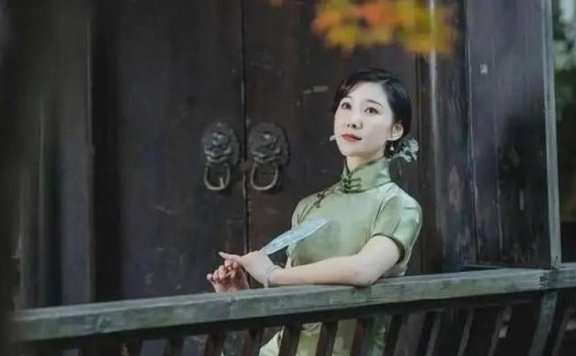
Master 7 Gestures to Captivate Cheongsam Portraits
The cheongsam, a timeless symbol of Chinese elegance, demands more than just the garment itself. Its high collar, intricate closures, and figure-hugging silhouette place unique emphasis on the wearer's posture and poise. While modern adaptations offer greater accessibility, capturing the garment's inherent grace and the wearer's inner charm remains an art. Among the most critical, yet often overlooked, elements are the hands. Restless or awkwardly placed hands can shatter the delicate harmony of a cheongsam portrait. Mastering purposeful, graceful hand gestures is paramount. These subtle movements and placements not only guide the viewer's eye but also become powerful tools for expressing character, enhancing femininity, and weaving a narrative of refined elegance. The following sections explore 7 essential hand positions, transforming them from potential pitfalls into instruments of profound photographic expression. The Waist: Anchor of Poise Positioning hands at the waist is fundamental. A gentle placement, perhaps fingers lightly interlaced or one hand resting slightly higher than the other, creates a sense of balance and composure. This gesture subtly defines the wearer's form, emphasizing the natural curve of the torso inherent to the cheongsam's design. When combined with a slight side angle towards the camera, it elongates the figure and accentuates…
