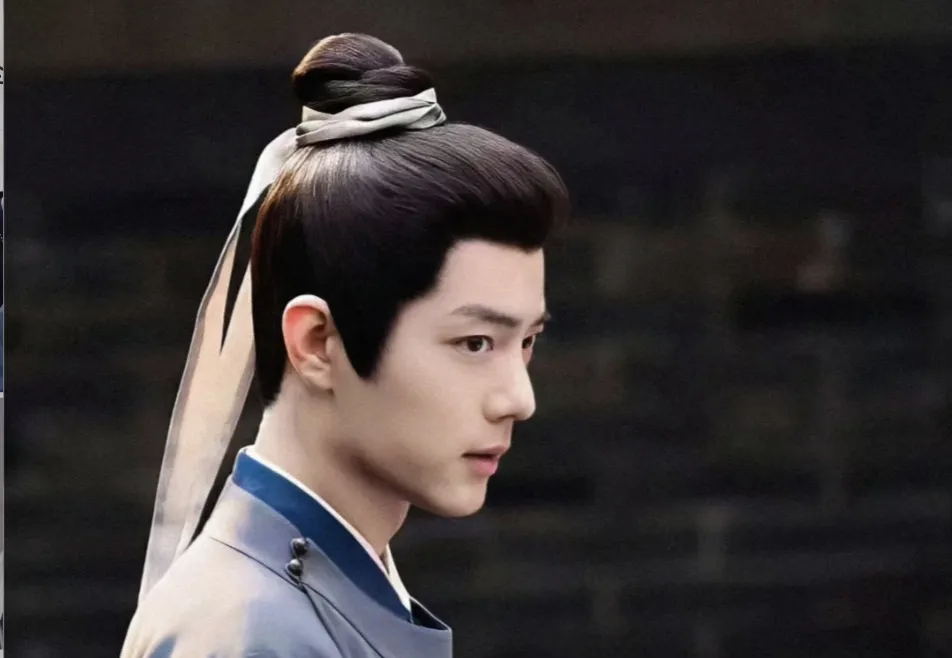
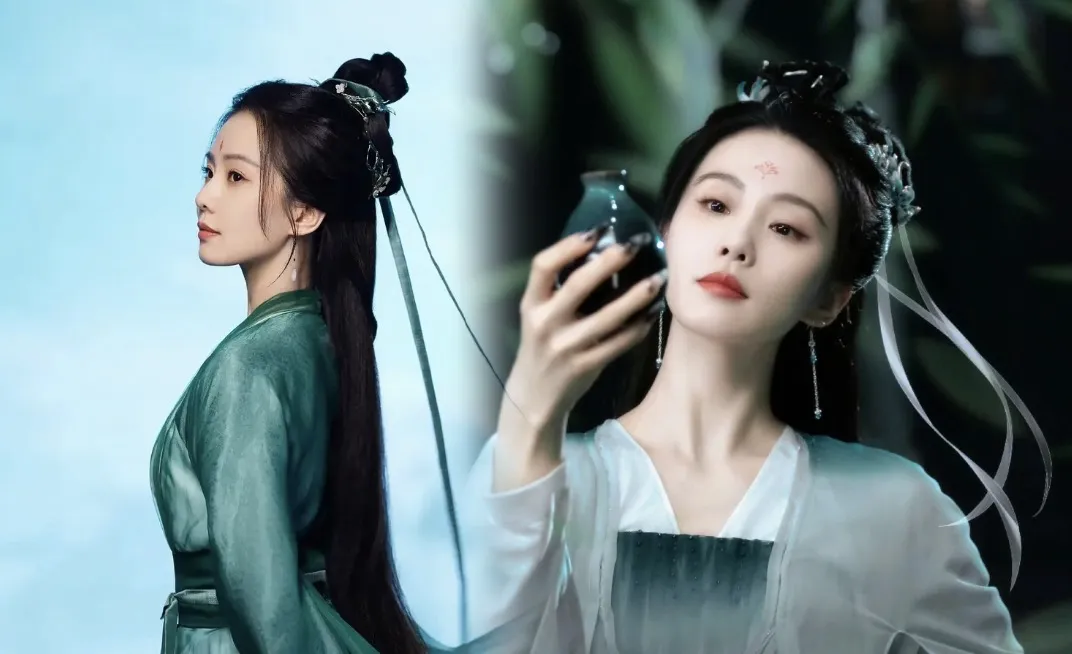
No matter which ancient - cdrama it is, there's always a headband on or behind the character's head. This seemingly simple headband can make the wearer look graceful and full of Chinese charm. How can such a simple accessory be so appealing? Let me state my view first. This headband is extremely common in TV dramas and Hanfu makeup and styling. For instance, Liu Shishi (刘诗诗) often sported headband looks in the ancient - costume drama Huai Shui Zhu Ting (淮水竹亭). Although we usually just call it a "headband", it actually has multiple names. Let's briefly sort out its common names and wearing methods.
Netizens joke that this headband is like a veteran actor, as it appears in every ancient - costume drama with excellent "acting". One of its names contains a character that's difficult to write (a character composed of "xu" on top and "jin" at the bottom, pronounced "xu", meaning a hair rope). According to Zhu Zi's Family Rituals (朱子·家礼), for mourning women, the "xu - jin" is a piece of slightly thin linen about eight inches long, used to tie the hair roots with the rest hanging at the back.
In the Song Dynasty's Records of the Origins of Things (事物纪原), it's written that "the daughter of Nvwa used wool as a rope and tied it at the back. Later generations replaced it with silk and colored silk, naming it 'head xu - jin', which is the legacy of the rope". In the Song Dynasty's Supplements to the Records of the Unusual (夷坚志补), it mentions "moving to Waisha outside Lin'an and selling head xu - jin and hair combs".
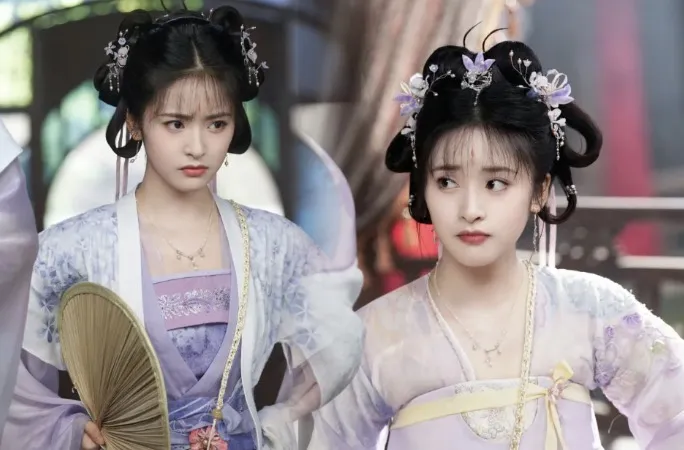
Wearing Methods
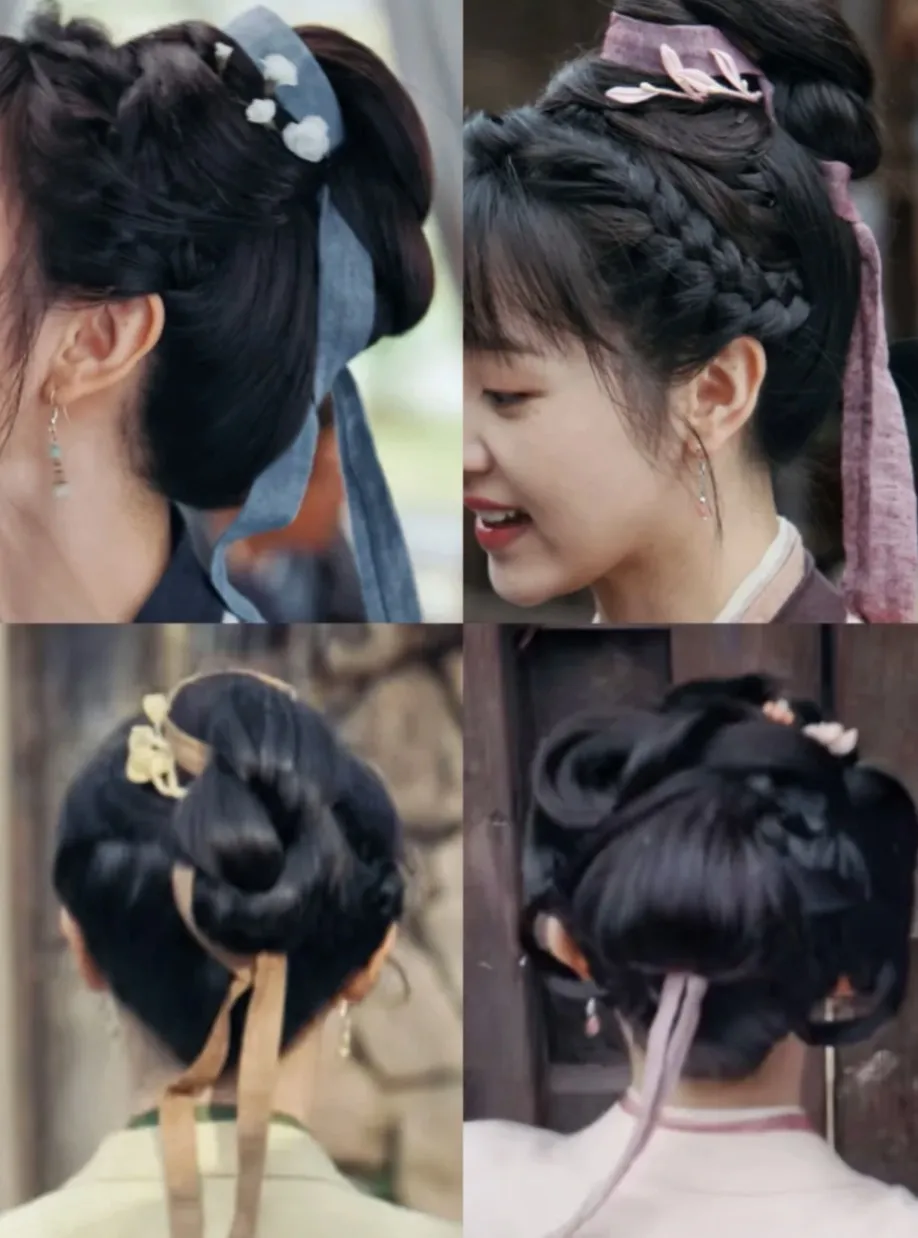
Judging from ancient paintings, cultural relics, and actual usage frequency, this headband is commonly used to decorate the back of the head. It can be directly tied in a knot, which is a common way we see in TV dramas. Note that adults in ancient times didn't wear their hair loose. It can also be worn on both sides at the back, similar to the effect of tying headbands on two hanging loop - shaped buns in the Tang and Song Dynasty - style paintings of ladies, presenting a more girlish and sweet look. Or it can be wrapped around the front of the hair bun, which is common in Song - style makeup and is usually used to show the structure of the hair bun and present a layered decorative beauty. It can also be directly used to tie up the end of the hair, which is common in the Han and Jin Dynasty - style makeup, giving a gentle and charming feeling. In the Western Han Dynasty, the hanging hair was often tied into a bun at the end, not just loose hair.
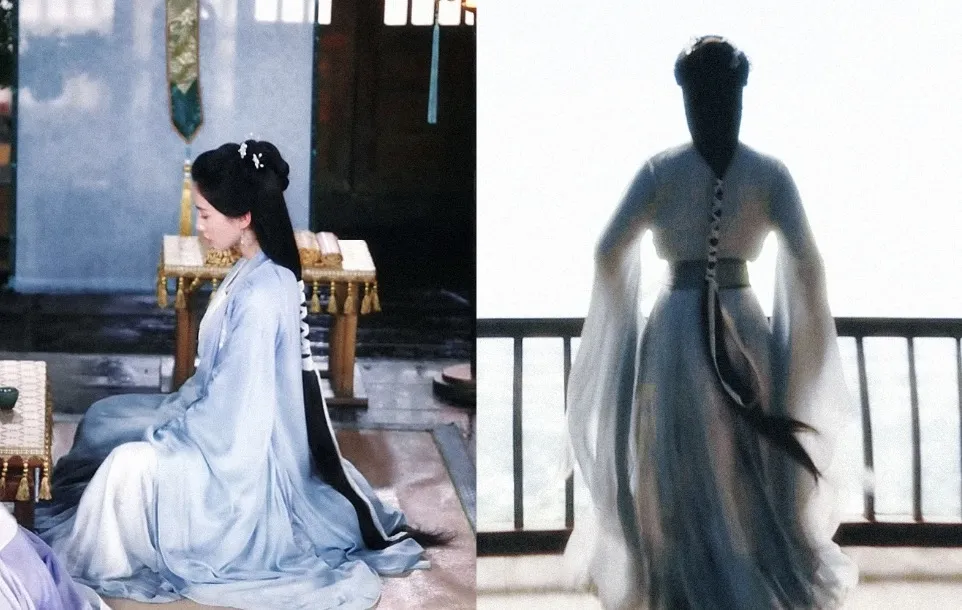
There are also various braiding styles. This kind of styling mostly appears on children or in exotic - style looks and is often used in TV dramas to show a girlish style. Moreover, regardless of gender, whether the hair is loose or tied up, this small headband plays a significant role. It has almost become the most common hair accessory in current ancient - costume dramas. It appears not only in Xianxia (仙侠) dramas but also in dramas set in various dynasties. For example, in the Ming - style makeup of the TV drama Yan Hui Shi (雁回时), it's often used to style Zhuang Hanyan in her girlhood.
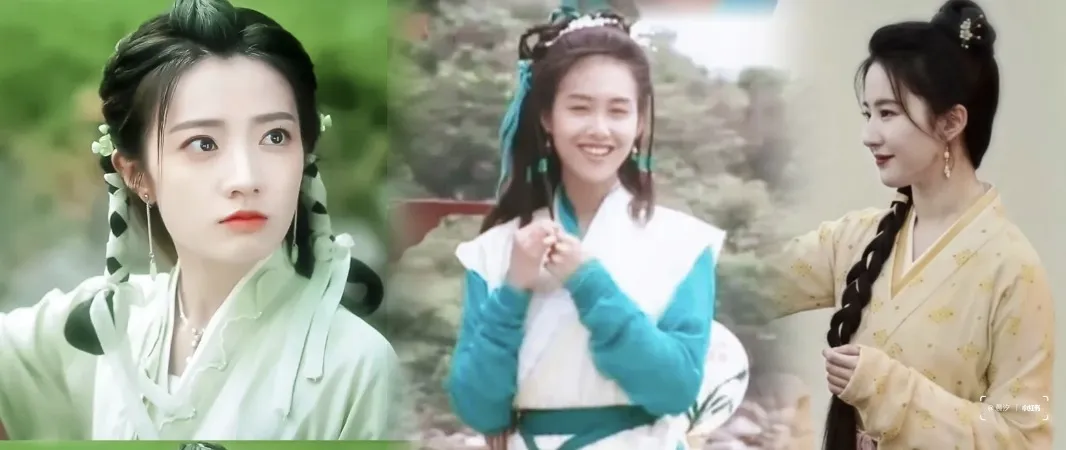
This accessory is not only "fairy - like" but also very practical. In daily makeup nowadays, referring to the effects in TV dramas and adding a headband can yield unexpected results. It's truly a high - cost - performance decoration. In short, an ancient - costume drama can't do without it. Which is your favorite headband look in an ancient - costume drama? Welcome to leave a comment below.