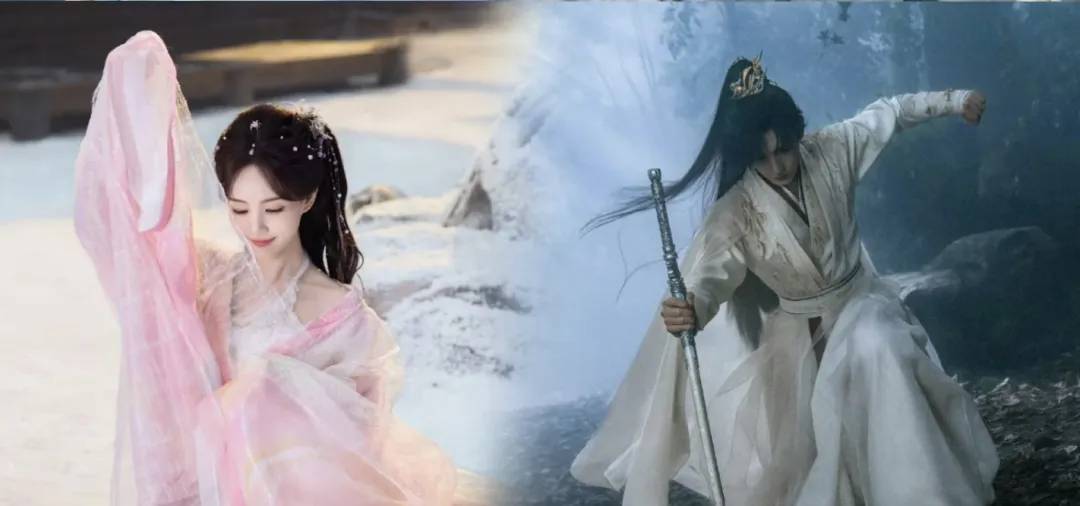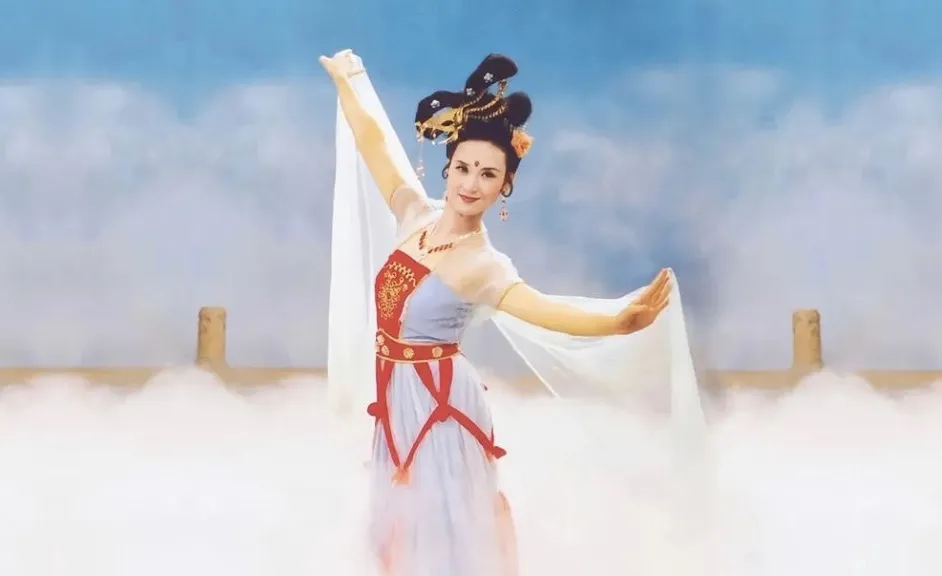
Why were the immortals in ancient costume dramas easily distinguishable at a glance? In today's Xianxia (仙侠) - themed movies and TV shows, the image of immortals usually features white, long robes fluttering in the wind, along with a combination of Chinese and Western photo - studio styles.
So, which one is the "real immortal"? Let me state the conclusion first. The images in old - fashioned TV shows were mostly modeled after the traditional costumes in immortal paintings, rather than being conjured up out of thin air. In contrast, modern Xianxia dramas adopt a uniform white color scheme and loose - hair makeup due to modern minimalist aesthetics, which has created a stereotypical impression of Xianxia among most young people.
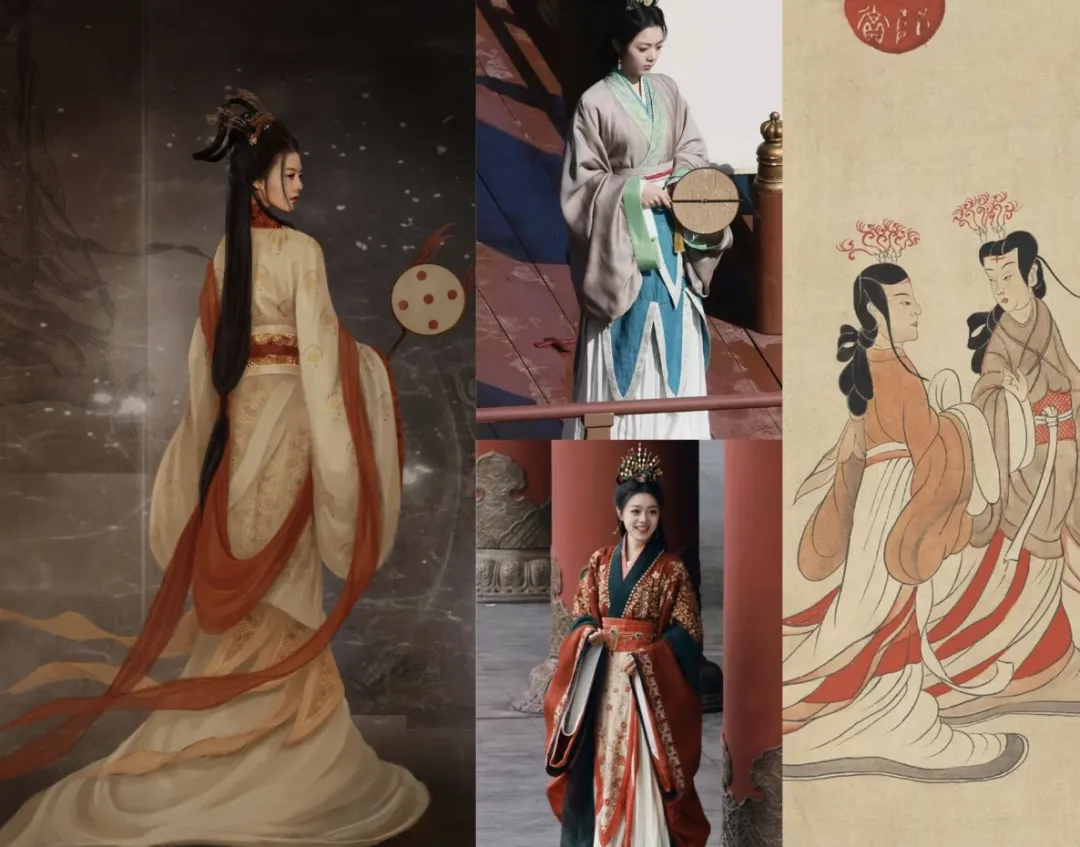
However, can we just make wild guesses about immortal costumes without a dynasty background? No. Looking at the Xianxia dramas in recent years, there are those with ancient Chinese styles, Western styles, or a blend of both. But without exception, pure white and light - colored outfits dominate. No wonder fans say, "To look charming, wear all white." When we examine ancient murals, we find that the immortals' clothing was colorful.
The ancients also painted immortals, and like us today, they had references for the immortals' clothing. Most of them were combinations of daily clothing from a certain historical period with some elaborate accessories. For example, we often use the clothing in Dunhuang murals as a basis for the immortal costume system. The TV show Long Moon Embracing the Star has made extensive use of Dunhuang elements, including Dunhuang - style color schemes and some adaptations from Buddhist clothing.
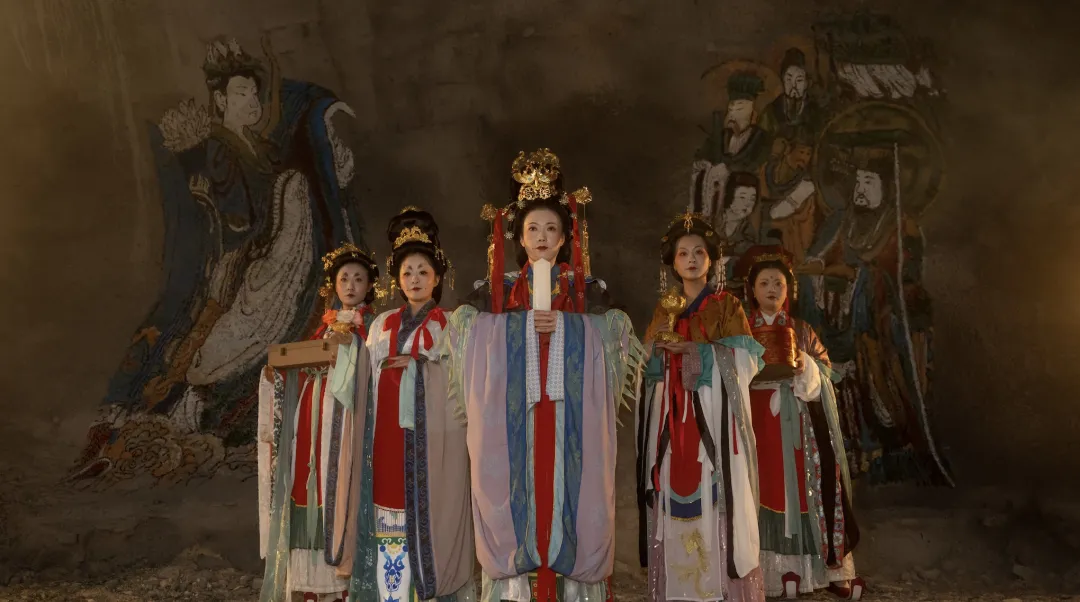
The real native Chinese immortal costumes usually come from ancient Taoist paintings, such as the immortal pictures through the ages, like Gu Kaizhi's Nymph of the Luo River in the Eastern Jin Dynasty, Wu Daozi's The Eighty - Seven Immortals in the Tang Dynasty, and the murals in the Yongle Palace of the Yuan Dynasty.
In the mural Court of the Gods in the Yongle Palace, most immortals wear large - sleeved robes with knee - length aprons. This is the grandest formal attire in the Chinese clothing system. Like civil officials, they also wear hairpins or hats and hold ivory tablets. They are adorned with gorgeous Yingluo (璎珞, a kind of jewelry), full of jewels and rich in color, completely different from the immortals in today's Cdramas.

This type of immortal costume generally refers to the basic structure of Hanfu, mainly featuring upper garments and lower skirts, with some additional accessories. For example, the trailing ribbons in Nymph of the Luo River, the feather - cloaks, knee - length aprons or skirts in The Eighty - Seven Immortals, and the yingluo and ribbons in the Yongle Palace murals.
The immortal costumes in today's TV shows, which have influenced the public's aesthetic, are a combination of traditional and modern elements, a cinematic and fashionable variant. They are a hodgepodge of large sleeves, lace, ribbons, semi - transparent fabrics, and even bows and lace, aiming to create a modern - day fairy or princess style, similar to the costumes in current Xianxia dramas. The difference is quite obvious.
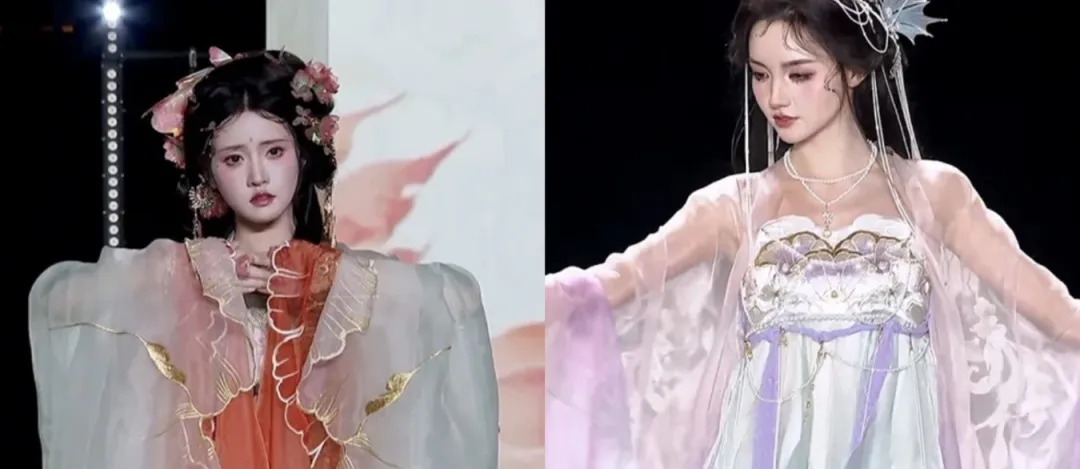
Although the image of Chinese immortals is conceived based on Chinese mythology, Chinese immortal costumes are prototyped from traditional clothing. After all, immortal culture is a part of traditional culture, and the visual image rooted in clothing culture is also an expression of our cultural confidence.
Whether it's "immortal costumes" or "Xian costumes", as long as we don't confuse the concepts, they are all forms of promoting traditional clothing culture. However, the debate between "Xian costumes" and "immortal costumes" is viewed differently by Hanfu enthusiasts. The final answer is up to you. Which one do you think better fits your image of an immortal? Welcome to leave comments for discussion. It's important that we continue to explore and understand these unique costume cultures to keep the traditional heritage alive.