

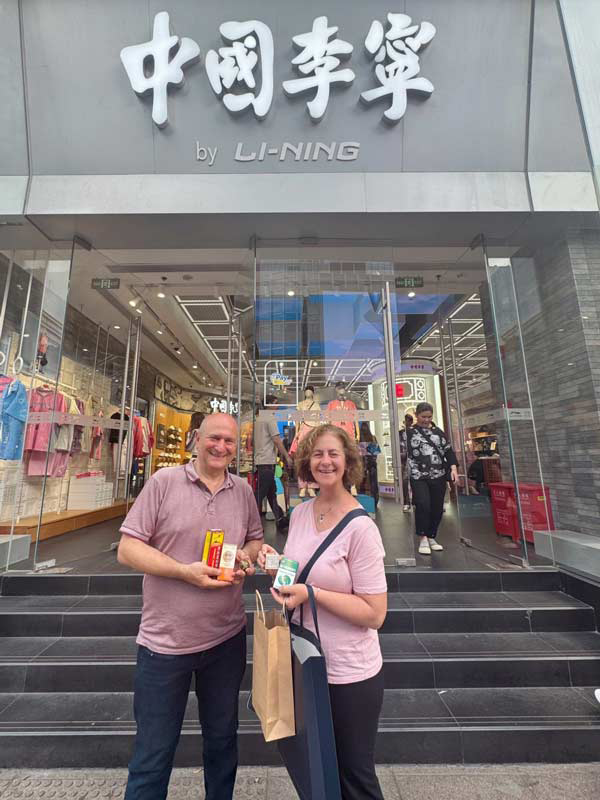
China's bold visa relaxation and innovative tax refund reforms are igniting an unprecedented wave of international tourism and cross-border shopping. Cities like Beijing, Shanghai, and Chengdu have become magnets for global travelers seeking unique experiences and value, transforming China from the "world's factory" into a burgeoning "global consumption hub". Turkish tourist Feridun Koc exemplifies this trend, marveling at Li Ning's (李宁) innovative footwear in Shanghai while his wife Hande stocks up on traditional Chinese remedies, all facilitated by instant tax refund counters that make purchases feel like direct discounts.
This synergy of open-door policies and shopping convenience is reshaping perceptions and fueling an economic renaissance, with cultural ambassadors like Italian blogger Ale and influencers such as "Agent00" bridging global audiences through authentic digital storytelling.
Policy Innovation: Fueling the Shopping Frenzy
The cornerstone of this boom is the groundbreaking "instant refund at purchase" service, now operational nationwide. International shoppers receive their 11% Value-Added Tax (VAT) rebate immediately at partner stores upon presenting their passport and invoice, eliminating the traditional airport queue.
This instant gratification, as noted by Huang Huang (黄璜) from the China Tourism Academy, creates a powerful "spending-reimbursement-spending" loop, encouraging tourists to reinvest their refunds in further purchases during their trip. The psychological impact of immediate savings significantly boosts purchase intent and overall expenditure within the Chinese market.
Lowering the minimum purchase threshold for refund eligibility from 500 RMB to 200 RMB has dramatically broadened the appeal. This strategic move incentivizes tourists to buy mid-priced souvenirs, local delicacies, and trendy cultural products like guochao (national trend) brands they might previously have overlooked.
Simultaneously, raising the cash refund limit to 20,000 RMB provides greater liquidity and flexibility for high-spending visitors. Professor Wang Tingting highlights how this dual adjustment stimulates frequent, smaller transactions while catering to luxury purchases, effectively diversifying the retail landscape.
Expanding the pool of eligible merchants is crucial. By relaxing the criteria from only A/B-grade tax-rated enterprises to include M-grade businesses, thousands of niche boutiques, artisan workshops, and new cultural hubs gain access to the international customer base. Stores specializing in intangible cultural heritage crafts or unique Chinese designs, previously excluded, can now attract global clientele. Shanghai's Hui Commercial Group secured M-level accreditation within 24 hours, eager to showcase its distinctive offerings to tax-refund shoppers seeking authentic cultural experiences beyond mainstream malls.
Tourist Triumphs & Economic Impact
South Korean tourists epitomize the targeted shopper demographic. Seoul-based Park Doo-hyun meticulously fills his cart at Shanghai's RT-Mart Pingxingguan store with Korean social media recommendations: hotpot bases, crab roe sunflower seeds, and distinctive snacks. Stores actively cater to this demand with Korean signage, basic language assistance, and curated "must-buy" lists. Manager Pan Chengxin reports a 15% surge in weekend foot traffic, with Koreans constituting up to 5% of customers, drawn by unique products, value, and tailored service. The viral tip "bring an empty suitcase to China!" underscores the shopping pilgrimage phenomenon.

The policy impact translates into staggering growth figures. Chengdu's SKP mall witnessed a 355% year-on-year explosion in tax-refund sales value during 2024, while Shenzhen saw refund amounts surge nearly 150% in Q1 2025 alone, reaching 40% of its 2024 total. Guangzhou processed 125% more tax refund forms during the 2025 May Day holiday. This surge isn't confined to luxury; everyday supermarkets and specialty stores thrive. Professor Wang Tingting emphasizes this data confirms the potent combination of visa ease, payment improvements, and tax refund optimization successfully converting tourism interest into tangible, high-volume consumption.
Beyond sheer volume, the reforms elevate "Made in China" to "Branded by China". Refund data reveals surging sales of premium domestic electronics (smartphones, wearables), high-end fashion, and innovative goods alongside traditional crafts. Shenzhen's inclusion of Xiaomi and Sundan stores in its latest refund merchant list highlights this shift. Local brands gain invaluable global exposure and market testing through direct tourist feedback and purchases, accelerating their international reputation and competitiveness far faster than traditional export channels allow.
Seamless implementation relies on robust backend systems. Upgraded tax refund platforms automatically pull invoice data, slashing manual entry and checkout delays for merchants. Tourists benefit from multiple refund channels: airport kiosks, centralized refund points in major shopping districts like Chengdu's IFS and Chunxi Road, and innovative solutions like Shanghai's passport-scanning self-service machines. Shenzhen's pilot "one-bag-per-invoice" system expedites customs clearance by sealing purchased goods, drastically reducing inspection time for validated shoppers.
Charting the Course: Experience & Innovation
Authentic cultural engagement remains paramount. Over 60% of international visitors cite experiencing Chinese culture as their primary travel motive. Huang Huang advocates moving beyond superficial sightseeing to develop integrated "public service" tourism products: combining heritage sites with wellness retreats, medical tourism, specialized study tours, or sporting events. Creating deep, thematic experiences around specific interests caters to evolving traveler demands and encourages longer stays and repeat visits, fostering genuine cultural exchange and understanding.

Digital visibility is critical for future growth. Professor Feng Xiang (冯翔) stresses the need for China's tourism providers to aggressively establish presences on international booking platforms (Tripadvisor, Booking.com) and social media channels favored by global travelers. Positive reviews and high ratings on these platforms are essential as AI-powered travel planners become the primary tool for independent tourists. Strategic online marketing showcasing unique experiences, coupled with accumulating authentic positive feedback, ensures Chinese offerings appear prominently in algorithm-driven recommendations for travelers planning their journeys.
Artificial Intelligence presents transformative potential for personalized tourism. The 2024 Annual Report on China's Inbound Tourism highlights AI's role in reshaping services. Future integration could offer hyper-personalized AI itinerary builders for visa-free visitors, real-time multi-language augmented reality guides at cultural sites, or AI-driven customer service bots handling complex refund inquiries instantly. Embracing these technologies enhances convenience and caters to the expectations of digitally-native global tourists, positioning China at the forefront of travel innovation.
The ultimate goal is forging lasting connections. Hande Koc's experience dismantling Western media stereotypes through firsthand travel underscores tourism's power as diplomacy. Combining hassle-free shopping fueled by smart policies with profound cultural immersion and cutting-edge convenience crafts an irresistible proposition. China's open door, backed by continuous refinement of the visitor experience through technology and service, aims not just to attract tourists, but to create global advocates who return and spread the word, solidifying its status as a premier world destination.