Article
搜索结果:
-
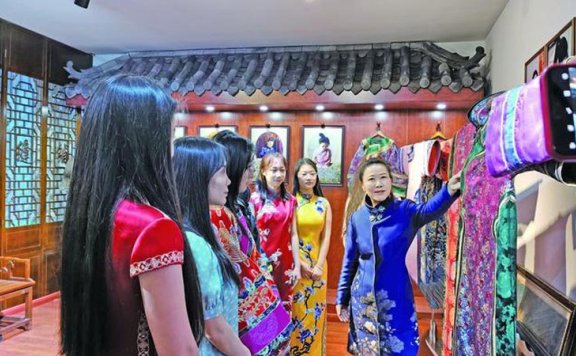
Jia Shujuan: The Design Beauty of Manchu Qipao
Beneath the cool summer skies of Mudanjiang, Heilongjiang, a living tapestry of tradition unfolds each evening. Dozens of models from Tang Man Culture Company grace parks and plazas, their Manchu qipaos—with sculpted collars, coiled buttons, and artful slits—blending ancestral grace with modern silhouettes. Led by Jia Shujuan (贾淑娟), a provincial intangible heritage inheritor, this daily procession embodies a cultural renaissance where every stitch narrates millennia of Manchu wisdom. Craftsmanship Reimagined Jia’s studio produces over a thousand unique qipaos annually, each a canvas of innovation. Regional motifs merge with ink-wash paintings and botanical dyes, transforming silk into storytelling mediums. The garments honor Qing Dynasty techniques likepan jin(coiling gold) embroidery, while contemporary cuts accentuate natural forms. Seasonal inspirations yield breakthroughs like the Ice-Snow Qipao. Jagged hems mimic glacial formations, while hidden snowflake cutouts along slits create "moving snowfall" illusions under light. This dialogue between environment and craft reflects Jia’s philosophy: "Technology is the bone, culture the soul, nature the muse." Nature’s Silent Language Heilongjiang’s wilderness breathes within every design. Wild tussah silk, harvested locally, provides the foundation. Artisans hand-paint patterns using roots, berries, and leaves—forest hues whispering through fabric. Peonies bloom across bodices, cranes soar on sleeves, each element distilling Northeast China’s… -
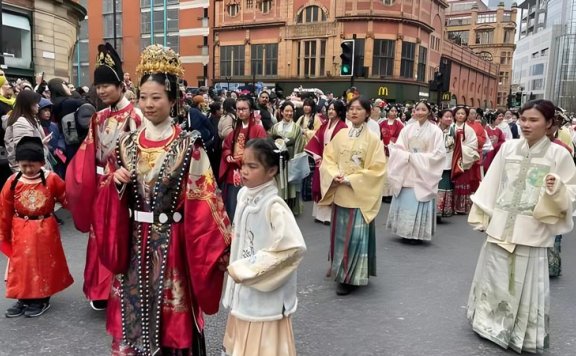
Hanfu and Mamianqun: Traditional Attires Become Viral Hits
In eastern China’s Anhui Province, ancient aesthetics are rewriting modern economic narratives. Tax data reveals a 7.4% surge in textile and apparel sales from January to May 2025, driven by the explosive popularity of mamianqun (horse-face skirts) and Hanfu attire. This resurgence isn’t mere nostalgia; it’s a cultural reawakening merging heritage craftsmanship with digital innovation, positioning Anhui at the forefront of China’s "guochao" (national trend) movement. Stitching Success The mamianqun, characterized by its pleated panels and symbolic motifs, has transcended historical reenactments to dominate mainstream fashion. Social media influencers and festivals like the Hefei Hanfu Carnival amplified its visibility, transforming local workshops into supply chain hubs. Artisans now blend traditional dyeing techniques with AI-assisted pattern design, cutting production costs by 30% while preserving authenticity. Anhui’s textile factories report 40% higher export orders for silk-blend fabrics, catering to Southeast Asian and European markets. Provincial tax incentives for heritage crafts further enabled small businesses to scale rapidly. As one Hefei designer noted, "Young consumers seek identity, not costumes—they’re investing in wearable history." Heritage Reimagined Beyond textiles, Anhui’s intangible cultural heritage fuels diverse industries. Ceramics infused with Longkiln techniques saw 8.5% revenue growth, while bamboo-woven handbags and lacquerware suitcases boosted box retail sales… -
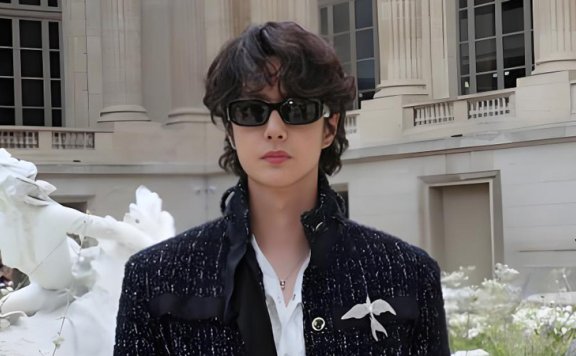
2025 Paris Fashion Week: Chinese Stars Shine Brightly
Paris Fashion Week’s autumn/winter showcases witnessed an undeniable shift: Chinese celebrities commanded global attention with distinctive aesthetics and unapologetic individuality. Moving beyond traditional "ambassador" roles, stars like Wang Yibo, Xin Zhilei, and Dilraba delivered masterclasses in personal style, blending Eastern sensibility with avant-garde Western design. Their presence wasn't merely noted; it became the focal point of social media buzz and front-row photography, signaling a new era where Chinese influence reshapes high fashion narratives. From Wang Yibo’s (王一博) youthful reinvention to Xin Zhilei’s (辛芷蕾) sharp elegance and Dilraba’s (迪丽热巴) ethereal grace, each moment resonated far beyond the runway, cementing their status as true style innovators. Boyish Charm, Reimagined Wang Yibo’s arrival at the Chanel show shattered expectations. Gone was the aloof idol; in his place stood a sun-kissed, tousle-haired vision of relaxed sophistication. His artfully messy "lamb's wool" curls framed a face radiating ease, a stark contrast to previous polished looks. The choice of Chanel’s AW25 glittering boucle tweed jacket was inspired, its intricate craftsmanship amplified by playful touches: a single swallow brooch pinned low and layered COCO CRUSH rings. The ensemble masterfully balanced haute couture grandeur with an approachable, almost rebellious, boyish energy. His interaction with the crowd—removing sunglasses to… -
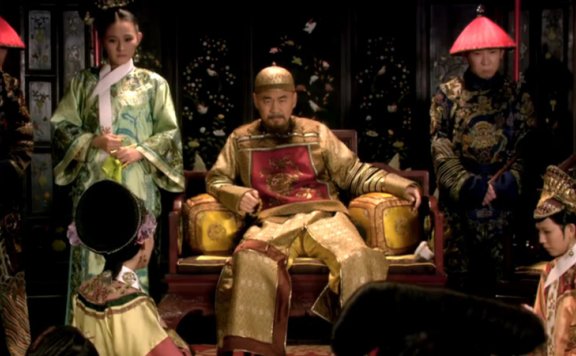
Why Chinese Dramas Can Never Seem to Get Emperors Right
From the moment Qin Shi Huang declared himself the first emperor in 221 BCE to the abdication of Puyi in 1912, China had more than two millennia of imperial history. Yet strangely enough, it wasn't until much later that Chinese audiences began seeing emperors on their screens. Before the 1980s, non-realist genres were few and far between on Chinese television—let alone any depictions of emperors. When Emperors Finally Entered the Frame According to media scholars, the earliest TV portrayals of emperors date back to 1982. That year, Shanxi TV produced Anecdotes of the Tianbao Era (天宝轶事), Shanghai TV aired Prince Qin Li Shimin (秦王李世民), and Hebei TV released Consort Yi (懿贵妃). All of these shows predate Nurhaci (努尔哈赤), a better-known 1986 drama by China Central Television (CCTV), which is often mistakenly believed to be the first of its kind on the mainland. On-screen emperors in Chinese TV dramas generally fall into two categories: the "official history" type and the "unofficial tales" type. Nurhaci is an example of the former. Directed by Chen Jialin—later crowned "the first director of Chinese historical drama"—the show laid out a grand, epic style that would set the tone for later historical blockbusters like Tang Minghuang,… -
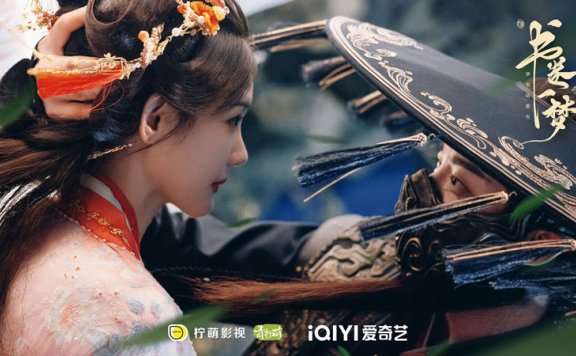
When The Feud and A Dream Within A Dream Try Short-Form Tricks
Following the success of The Double (墨雨云间), Yu Zheng's heavily promoted The Feud (临江仙) has ignited the summer fantasy romance market. Riding on the momentum of Wonderland of Love, Huanyu TV seems to have found a new formula—recasting long dramas in the mold of short-form content. The strategy: emotional punch over plot depth, and a binge-friendly pace over traditional slow burn. An "immortal romance" centered on a so-called "marital war," The Feud drew both praise and backlash, yet undeniable buzz. Its iQiyi popularity index climbed past 9500, though whether it can break 10,000 remains to be seen. Written by Zhao Na and Ren Yanan, directed by Zhi Lei and Guo Hao, and starring Bai Lu, Zeng Shunxi, He Ruixian, and Chen Xinhai, the drama tells the twisted tale of Hua Ruyue (Bai Lu) and Bai Jiusi (Zeng Shunxi)—immortal sovereigns doomed to love, hate, and marry/divorce three times across realms. Promotion was intense. Within a day of airing, the show's index surpassed 9300, peaking at 9514 by day three. Yet buzz began to slow. Nonetheless, 1873 trending topics—152 on Weibo's Hot Search, 637 on the Hot Rising list, and 305 on the Entertainment list—kept attention strong. Yunhedata confirmed a 12% market… -
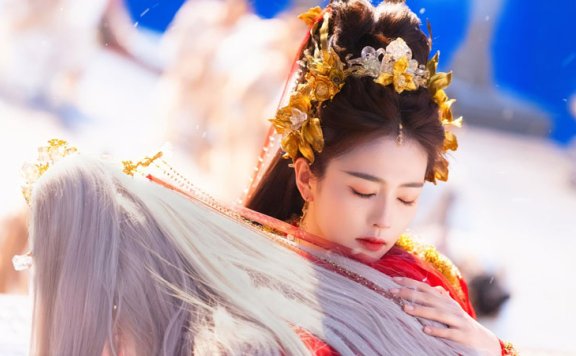
The Making of The Feud: Chatting with Director Guo Hao
Finally! The moment we've all been waiting for—the grand finale of The Feud aired! All the suspense and anticipation exploded in Episode 32. When Hua Ruyue travels back through parallel timelines, showing her mortal self everything Bai Jiusi has done... even though the past can't be undone, isn't making amends its own kind of perfect ending? That moment when they declared, "Never to be parted again, in heaven or on earth," melted away all those lingering "what ifs" for the audience! This xianxia series, built on "cross-temporal storytelling," shattered the usual BE (Bad Ending) vs. HE (Happy Ending) mold. The Feud pioneered its own PE (Perfect Ending) path. It's like finding a key to unlock emotional knots—not obsessing over philosophical questions of karma, or wrestling with clear-cut notions of right and wrong. It finds wholeness within regret, showing viewers that the courage to reconcile with yourself is the real power that transcends time and space. The finale's explosive buzz? That energy built up for weeks. Before launch, it smashed past 4 million advance viewers on just one platform. Once it aired, it broke records: "Highest premiere day heat ever on iQiyi (2025)," "Fastest to hit 100 million bullet comments," and… -
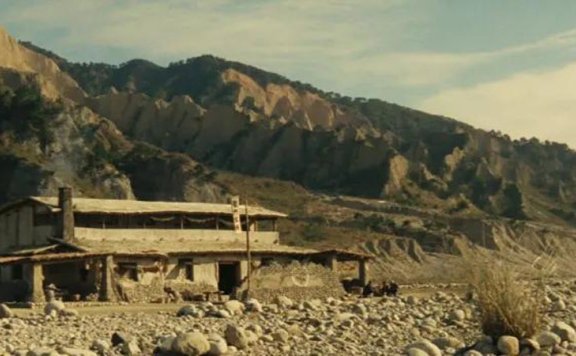
Every Wuxia Film Owes Something to This One
Dragon Inn sits in the middle of a desolate desert, looking like just another pit stop for weary travelers. Its thatched roof and mud-brick walls blend into the dry, rocky landscape that stretches for miles. A few strings of chili peppers and bundles of husks hanging on the walls are the only splashes of color. Inside, the layout is bare but orderly: a few wooden tables, and a staircase that leads up to some narrow rooms on the second floor. The place is set somewhere on the northern frontier of China, remote and anonymous—meant to be a quiet, forgettable location. A Standoff Under One Roof But when it first appeared on screen in King Hu's (胡金铨) Dragon Inn (1967), a group of mysterious men were already walking toward its door. You just knew trouble was about to walk in. Like the saloons in Westerns or the empty suburban houses in horror films, the humble setting becomes the perfect arena for a showdown. The flimsy walls and paper windows won't keep anything out. If A Touch of Zen—the three-hour epic Hu made four years later—is considered his most imaginative work, then Dragon Inn is where his visual language becomes the most… -
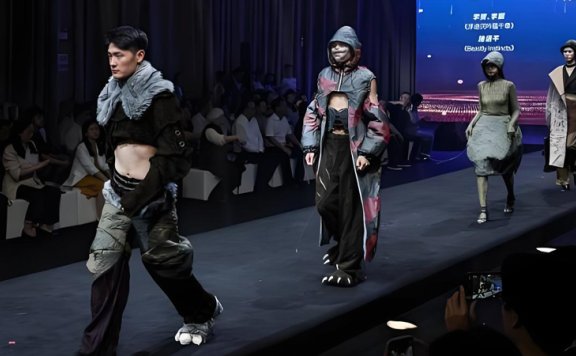
Young Designers Bridge Traditions at Wuhan Fashion Showcase
The runway pulsed with energy at Wuhan's Red T Fashion District on July 5th. Nearly one hundred young designers from universities across mainland China and Taiwan transformed fabric into dialogue, showcasing 38 finalist collections for the Fourth Golden Clothes Award. This event, part of the 19th Hubei-Wuhan Taiwan Week, became more than a competition—it evolved into a vibrant conversation about shared heritage and contemporary vision. Models moved beneath lights not just displaying garments, but carrying stories woven from ancient motifs and futuristic textiles, revealing how a new generation interprets identity through cloth and craft. Silk Roads Redrawn Layers of hand-dyed indigo flowed like mountain mist down the runway. One designer merged digital-printed Song Dynasty landscapes with biodegradable synthetics, creating gowns where past and future coexisted seamlessly. Another finalist reimagined Miao embroidery techniques using recycled thread, patterning jackets with geometric phoenixes traditionally stitched over months, now achieved with innovative speed without sacrificing artistry. The tactile richness of handwork met engineered fabrics unexpectedly. A collection from Taiwan featured modular clothing using magnetic Han-style closures, allowing wearers to reconfigure silhouettes instantly. This practical innovation honored traditional fastening methods while embracing adaptability for modern life. Judges noted how entrants sourced inspiration from regional textile… -
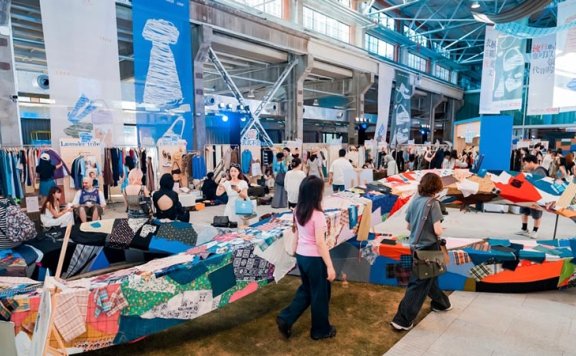
The Circular Wardrobe Revolution: Shanghai's Infinite Fashion Bazaar
Shanghai’s A.F.A ROJO Arts Space transformed into a vibrant hub of sustainable creativity this weekend. The Xiaohongshu "Infinite Fashion Bazaar" redefined urban style by turning forgotten garments into coveted treasures. Over 100 creators, 20+ vintage boutiques, and 30+ celebrity-donated pieces converged, proving that fashion thrives not through consumption, but circulation. This wasn’t just a market—it was a manifesto for conscious living, where discarded fabrics found new life and community connections sparked fresh trends. Swap, Don’t Shop At the heart of the bazaar lay the "Style Exchange Zone," a 6,000 sqm arena buzzing with sartorial diplomacy. Visitors traded pre-loved jackets, boots, and bags, each swap a silent protest against fast fashion’s waste. "These clothes once defined my past; now they’ll inspire someone’s future," shared one participant, clutching a newly acquired silk scarf. The space thrived on face-to-face interactions—strangers debated stitching techniques, shared closet confessions, and left with more than just items: they carried forward a philosophy where value outlasts vanity. Designer-led upcycling stations punctuated the zone. A plain tee morphed into a structured tote under precise scissors; shattered ceramics became mosaic brooches. These micro-workshops showcased sustainability’s tactile joy, transforming "waste" into heirlooms without a single new resource. The lesson echoed clear:… -
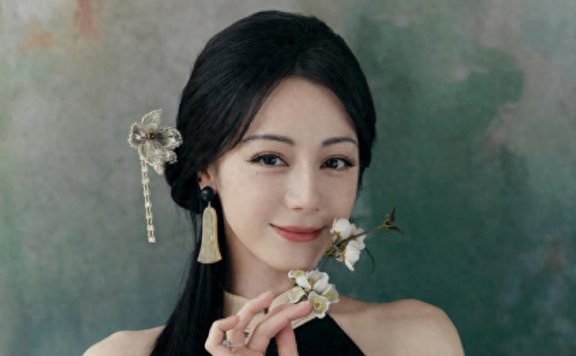
Dilraba: Redefining Modern Chinese Qipao on Global Stage
As Chinese cultural aesthetics gain global traction, actress Dilraba (迪丽热巴) emerges as its most captivating ambassador. Her recent fusion ensembles—a deconstructed qipao and an ink-wash gown—transcend mere fashion statements, weaving historical reverence with contemporary audacity. This exploration delves into how her sartorial choices ignite cultural pride, challenge design boundaries, and crystallize a new era of "Eastern Glamour." The Revolutionary Qipao Rebirth Dilraba’s black-and-gold qipao shattered conventions at a recent gala. Its asymmetric silhouette—featuring a single sculpted sleeve and strategic cutouts—balanced tradition with rebellion. Gold embroidery snaked across midnight silk, evoking dynastic opulence while the exposed shoulder whispered modernity. This architectural masterpiece proved heritage wear needn’t be archival. The ensemble’s genius lay in its disciplined restraint. Unlike ornate historical qipaos, Dilraba’s version used negative space as artistry. A solitary golden phoenix clasp anchored the neckline, while the split skirt revealed flashes of leg sans vulgarity. Every element served the garment’s narrative: China’s past reimagined for fearless futurists. Her styling amplified the revolution. Matte crimson lips contrasted with ink-black hair swept into a low chignon. No jade bangles or dangling earrings distracted; instead, a single gold ring echoed the gown’s metallic threads. Minimalism magnified the garment’s structural audacity. Social media erupted. Weibo… -
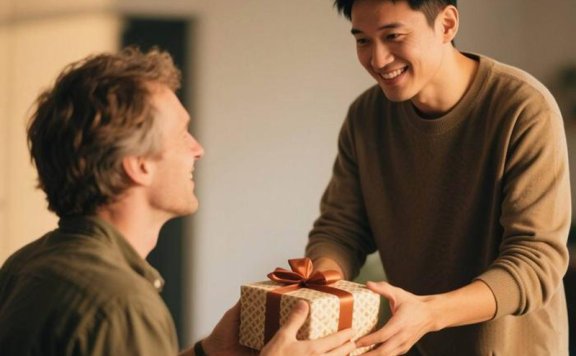
Cultural Gifts: Ideas for Global Friends
Building genuine connections across cultures enriches our lives. When birthdays or holidays arrive, choosing the right gift for foreign friends becomes more than a gesture—it’s an opportunity to share your heritage while honoring theirs. Thoughtful presents spark joy, foster mutual understanding, and create lasting memories. This guide explores unique, culturally resonant gifts that transcend borders. Handcrafted Cultural Treasures Traditional crafts tell stories of heritage and artistry. Chinese embroidery, like Suzhou or Sichuan styles, showcases intricate techniques passed down for generations. Pieces featuring nature themes—birds, flowers, or pandas—capture attention with vivid detail. These works transform into elegant wall hangings or table displays, offering daily inspiration. One diplomat displayed Suzhou embroidery in her office, prompting colleagues to ask about its symbolism, turning the gift into a conversation starter. Yixing clay teapots represent another timeless choice. Crafted from porous purple clay, these teapots enhance tea flavors over time. Classic designs like the "Shi Piao" (stone dipper) balance form and function. For tea enthusiasts, gifting a small Yixing pot with premium oolong creates an interactive experience. A London-based chef uses his daily, noting how the ritual centers him—proof that utility and tradition coexist beautifully. Culinary Delights from the Region Regional flavors offer edible adventures.… -
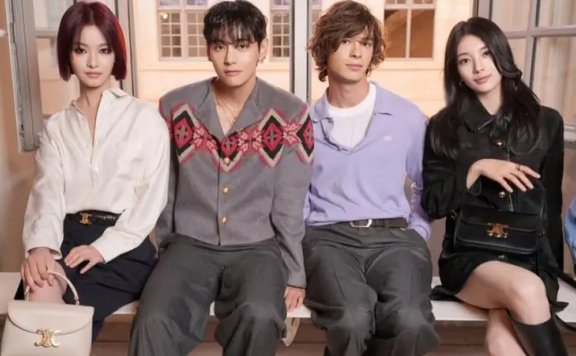
Asian Stars Steal Spotlight at Paris Fashion Week
The ongoing Paris Fashion Week has transformed into a global stage where cultural boundaries blur and style narratives intertwine. Beyond the haute couture runways, the attendance of Asian celebrities has sparked conversations about evolving aesthetics and cross-cultural influences. Chinese actress Liu Shishi (刘诗诗), Korean icons Bae Suzy and Park Bo-gum, alongside rising talents like Li Gengxi (李庚希) and Kim Tae-hyung, each brought distinct interpretations of contemporary fashion to the City of Lights. Quiet Power in Minimalism Liu Shishi’s presence for CELINE epitomized understated sophistication. Her khaki maxi skirt paired with a crisp white turtleneck embodied "quiet luxury," a trend championing refined simplicity over ostentation. The deliberate choice of a silk scarf as a hair accessory became her signature touch—elevating the ensemble with intellectual grace. Her poised demeanor, captured mid-stride under an umbrella, revealed a mastery of atmospheric storytelling through posture alone. The actress’s second look—a black button-down dress layered over tailored trousers—hinted at enigmatic allure. Unlike overtly theatrical designs, her outfits relied on precision tailoring and monochromatic harmony, proving that subtlety commands attention. This philosophy mirrors a shift toward intentionality in fashion, where wear ability merges with artistic vision. Korean Charm Reimagined Bae Suzy’s arrival showcased why she remains Korea’s… -
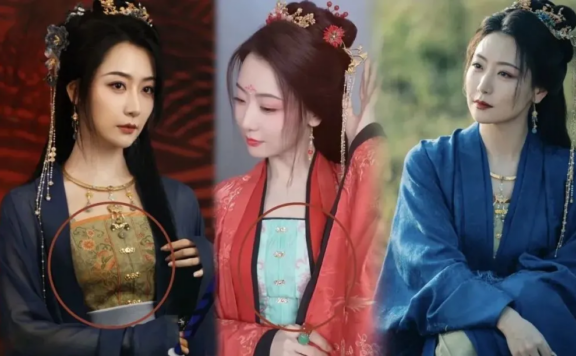
Why Does Bai Bing's Corset Have a Row of Buttons?
In the cdrama The Legend of Zanghai, Bai Bing plays Master Liuchu, and her corset clothing image is very impressive. Netizens are asking: Why does her corset have a row of buttons in the front? Let me give the conclusion first. In fact, there were corsets with front - opening buttons in the Ming Dynasty, called 'Zhuyao' (主腰). They were quite popular during the Yuan and Ming Dynasties and were also known as 'Hehuanjin' at times. Its biggest feature is the front - opening placket, which could be fastened with ties or buttons. Some people also refer to all the underwear styles of the Ming Dynasty as 'Zhuyao' instead of 'corset', which is just a different way of saying it. From cultural relics, it's obvious that this style could have shoulder straps, or not. The shoulder straps could be worn straight or crossed (see the two pictures on the bottom right), showing its flexibility in binding and fashion sense. Those without shoulder straps can also be classified as corsets. However, the common corsets in the Song and Ming Dynasties were mostly one - piece wraparound types with ties, while the 'Zhuyao' was a front - opening style. This one -… -
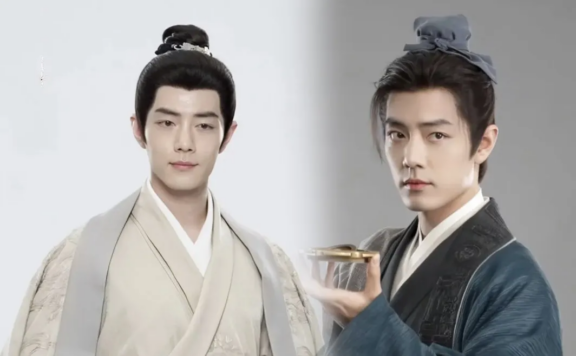
Is There a Story Behind Xiao Zhan's Scarf Headgear?
In the ancient - costumed TV drama The Legend of Zanghai, is there a story behind Xiao Zhan's scarf headgear? Does it seem to represent the typical outfit of a poor scholar in old - fashioned TV dramas? Comparing the picture on the left where he isn't wearing the scarf, he does seem more innocent. First, let me conclude. This is an ancient handkerchief, a square piece of cloth. You wrap it around your head with two corners on the outside to secure it. Both men and women often used it to cover their heads. The purpose is the same as using a hairband to hold back loose hair today, just to keep the hair in place and make the appearance neater. This way of wrapping the head with a scarf has appeared throughout the dynasties and was mostly used by the common people. It could be made from scraps of clothing. However, don't look down on the scarf headgear. It's a 'veteran' among head - scarf accessories. Before the Wei and Jin Dynasties, both men and women could wrap their heads with scarves, with men using it more often. One type is called 'Zi Cuo' (缁撮), which is the… -
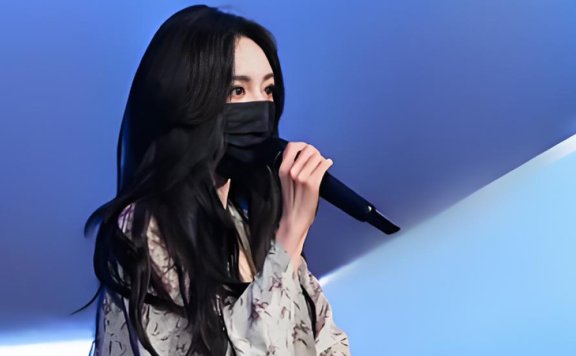
Yang Mi Sparks Hanfu Renaissance: Chinese-Style Fashion's New Trend
A single red carpet moment at the Shanghai Cooperation Organization Film Festival ignited an unprecedented cultural phenomenon. Chinese actress Yang Mi’s choice to wear a Jin Dynasty "Zhu Jie Yi" (Bamboo-Pleat Garment) didn’t just captivate fashion critics; it triggered a seismic shift in consumer behavior and revitalized a niche traditional craft. Within 48 hours, sales for the previously obscure Hanfu brand Ting Lan Song exploded from 50 monthly orders to over 35,000, forcing the small workshop to implement a 45-day pre-order system. This event transcends celebrity endorsement—it represents a pivotal case study in how cultural heritage can explosively intersect with modern influence, democratizing ancient aesthetics for contemporary life. Red Carpet Revolution Yang Mi’s ensemble fused meticulous historical accuracy with effortless modernity. Based on artifacts from the China National Silk Museum, the garment featured signature bamboo-stripe patterns and expansive sleeves characteristic of Wei-Jin aesthetics. Yet her styling—pairing it with a plain white tee, black trousers, and minimalist sneakers—transformed academic reconstruction into street-ready elegance. This deliberate fusion shattered perceptions of Hanfu as impractical costume, proving its adaptability for everyday wear. The visual impact resonated instantly. Paparazzi shots of Yang Mi during festival rehearsals, her hair loosely styled and face partially masked, radiated… -
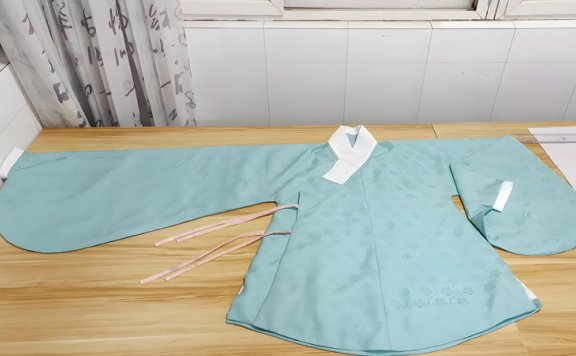
Rewriting the Cutting Rules for Horizontal Collars
Traditional garment construction relies on precise measurements, but what happens when a fundamental value disappears? A recent tailoring experiment challenged the necessity of the horizontal neckline measurement ("Heng Kai Ling"), proving garments can function beautifully without this standard dimension. This radical approach not only defies convention but reveals surprising historical parallels and new aesthetic possibilities. Defying Measurement Conventions In standard tailoring, the horizontal neckline measurement creates space for the neck, typically ranging from 3-8cm. Eliminating it entirely requires reimagining the shoulder seam’s position. The experimental garment shifted this seam backward, aligning it vertically with the spine instead of curving around the neck. This adjustment maintained structural integrity while allowing the collar strips to meet precisely at the shoulder point. Without the traditional neck curve, fabric efficiency reaches 100% – no trimming occurs at the back neckline. The collar strips remain perfectly parallel from shoulder to hem, creating a striking geometric silhouette. During fitting, the garment naturally parts at the neck while maintaining slight overlap at the hemline, proving wearability isn’t compromised by this omission. The most dramatic change appears in the back drape. Unlike garments with standard necklines that lie flat across the shoulders, the zero-neckline version generates cascading vertical… -
The Hairpin Flower Enclosure Captures the Elegance of a Millennium
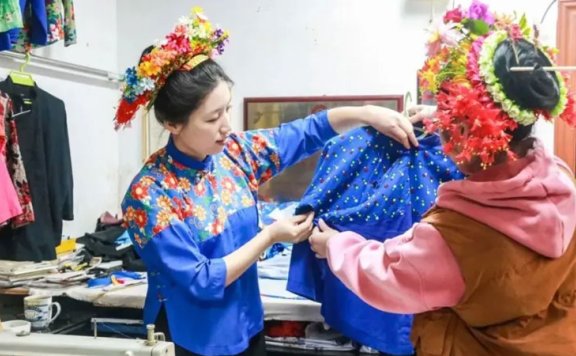
The salty breeze carries the scent of jasmine and the sea through the ancient lanes of Xunpu Village in Quanzhou, Fujian. Here, amidst houses adorned with oyster shells, a vibrant cultural ritual has transformed into a global tourism phenomenon. Visitors from across China and beyond are drawn not just to observe, but to become part of the living heritage, adorning their hair with elaborate crowns of fresh blooms known as Zanhuawei. This once-intimate custom, deeply rooted in the lives of Xunpu women, now offers travelers a unique, immersive passport into centuries of tradition, turning quiet village streets into bustling open-air studios where history is worn proudly, one flower at a time. Petals Through Time Zanhuawei is far more than an aesthetic accessory; it’s the vibrant heart of theXunpu women’s intangible cultural heritage, recognized nationally in 2008. For generations, Xunpu women have meticulously pinned fresh flowers – jasmine, magnolias, chrysanthemums – into their hair as a daily ritual and a symbol of joy, resilience, and connection to the sea. This practice evolved from heartfelt traditions where flowers were exchanged as precious gifts during celebrations and significant life events. The intricate hairstyle, anchored by a distinctive circular bun secured with bone or… -
Strange Arguments about Hanfu Revival
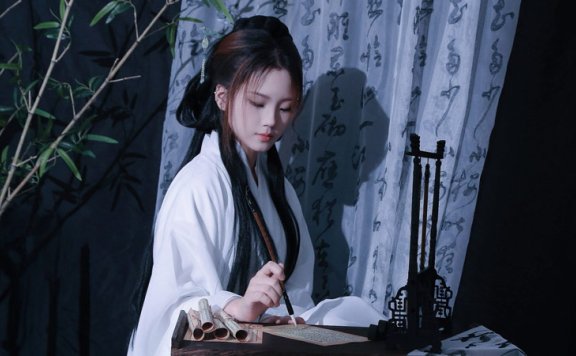
Why are there always such strange arguments about Hanfu (汉服, the traditional clothing of the Han ethnic group)? I'm going to complain about some outrageous statements about Hanfu. Why do people make a mountain out of a piece of clothing? The Debate on Hanfu Firstly, there are always strange arguments under Hanfu-related videos. Oh my god, who can stop those people who keep saying, "People wearing Hanfu these days all look like noble ladies. In ancient times, commoners didn't wear such clothes." Why on earth should people wear hemp clothes when we've achieved a moderately prosperous society? Even until the era of Sherlock Holmes in the West, the suits of working people were full of patches. Then why don't you wear tattered suits with patches when you wear Western-style suits? And some people say that there was no certain color in ancient Hanfu. Secondly, let me complain about some outrageous statements about Hanfu. Every time I see someone say, "The Hanfu that modern people like to wear was worn by nobles in the past. Commoners wore coarse cloth and hemp clothes. Wearing Hanfu means forgetting our ancestors." I just want to laugh. Is it possible that the brightly colored and… -
The Temperament Difference between Tang and Qing Hanfu
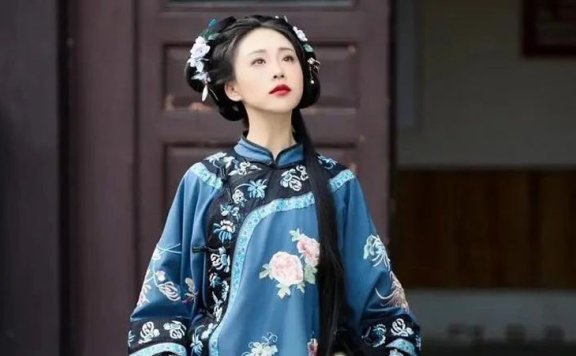
The current popular 'Qing Han Women' costumes give the impression of killing Ming-style Hanfu and arranging a ghost marriage for it! It combines Hu (ethnic minority) styles and the alternation of Hu and Han cultures, presenting two extreme feelings. The Qing and Republican women's clothing, which is the popular 'Qing Han Women' costumes now, really gives such an eerie feeling. It's so gloomy that even when it's just hanging there, it seems to have a gust of cold wind blowing. Just looking at the cheongsam alone doesn't give this sense of death. Tang-style Hanfu also combines Hu styles, but it looks very sunny and bright, full of the feeling of a living person. Is this the difference in clothing characteristics, or does the psychological state of people at that time fully reflect in the clothing culture? The temperaments are really like the two poles of yin and yang. For example, it's like the difference between a ghost marriage and a voluntary marriage. This is an extremely perceptive and poetic observation! It captures the profound cultural and psychological differences behind the clothing. Indeed, the temperaments presented by Tang-style Hanfu that combines Hu styles and Qing and Republican women's clothing (including 'Qing… -
2025 Yangtze River Delta Hefei Hanfu Carnival
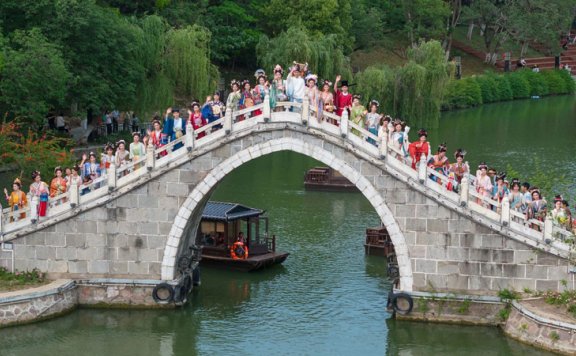
Stunning! When Hanfu meets Hefei, you can “travel through time” in a second! “I dream of her gowns as I dream of gorgeous flowers”. When the ancient Hanfu travels through thousands of years and meets modern Hefei, a dreamy cultural feast unfolds. Walking on the streets of Hefei, it's increasingly common to see people in Hanfu. They either look elegant with their fluttering robes or valiant and heroic, adding a unique ancient charm to the city. As more and more Hefei residents take up Hanfu as a hobby, the city has witnessed a “Hanfu craze”. The trend of traditional Chinese culture is on the rise. Hanfu Boom in Scenic Spots Hefei's major scenic spots are experiencing a “Hanfu boom”. On April 26 this year, the “Glorious New Scenes, Graceful Hanfu” — 2025 Yangtze River Delta (Hefei) Hanfu Carnival was held at the Bao Park Scenic Area. At the event, the Hanfu parade team walked through the park, attracting tourists to stop and take photos wherever they went. As the venue of this event, the Bao Park Scenic Area has been renovated and upgraded this year. Many scenic spots such as the red walls, Fuzhuang (Floating Village), and ancient - style…