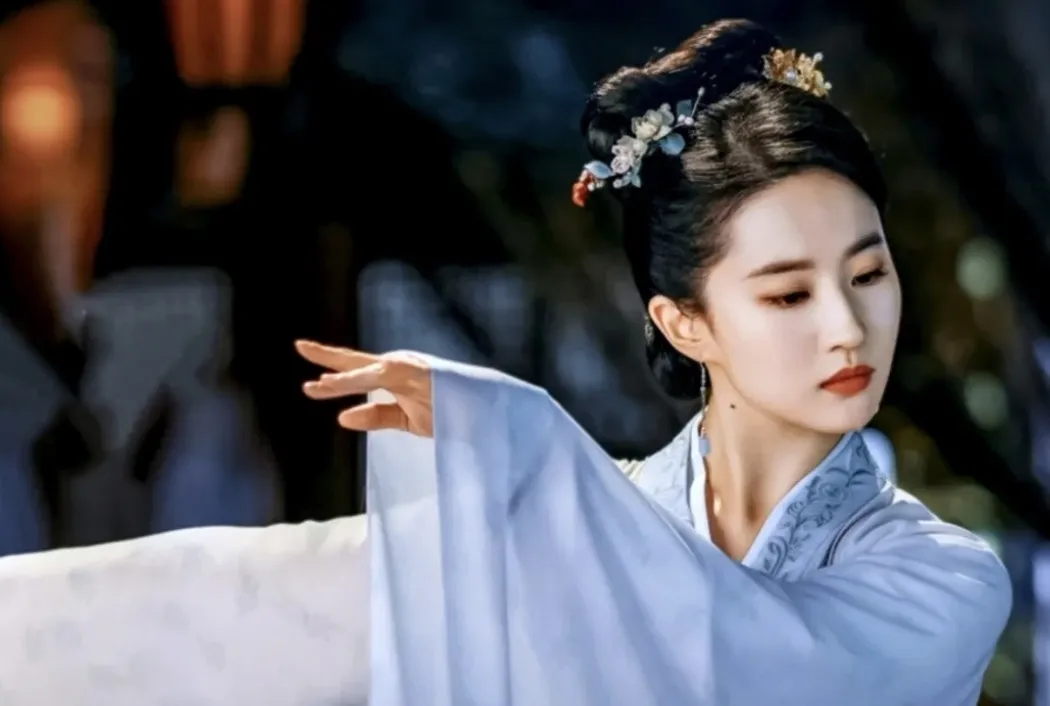
Recently, the postures of actors in two popular ancient - costume dramas have once again become a hot topic. Why do people care so much about postures? Because postures are extremely important for both ancient - style actors and those who wear Hanfu.
Let me state the conclusion first. What we often call posture is actually a person's figure and deportment, which are usually shown when walking, sitting, and standing. In the words of the older generation, it means sitting and standing properly. In current ancient - costume dramas, most characters have high social status, so the audience has higher requirements for them. After all, for a real gentlewoman from a prominent family, there are more constraints from etiquette, and the appearance presented should be more proper. However, in today's TV dramas, it's hard to see the so - called real 'gentlewomen from prominent families'. One reason is the poor postures. For example, the hunchback, the so - called 'rich and noble hump', and the forced standing postures can all reflect obvious posture problems. There are also details shown in expressions, such as the eyes and smiles. A good posture should at least be visually comfortable, natural, and aesthetically pleasing.
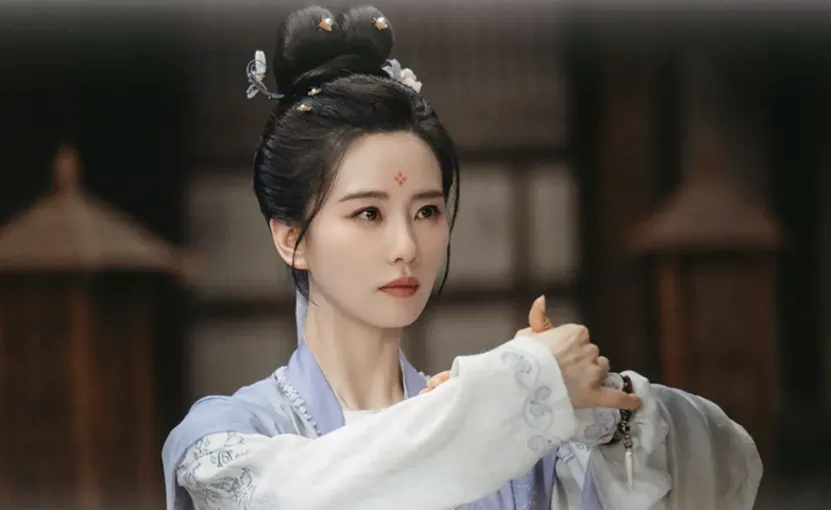
Ancient Posture Norms
In ancient people's norms, posture was very important. 'Di Zi Gui' (弟子规) mentions: 'Walk calmly, stand upright, bow deeply and roundly, and worship respectfully. Don't step on the threshold, don't stand crookedly, don't sit with legs apart, and don't shake your thighs.' It means that one should walk calmly, stand upright, show respect when bowing, not step on the threshold when passing through a door, not walk crookedly, and not shake legs when sitting. Jia Yi of the Western Han Dynasty wrote Rong Jing (容经), which includes chapters such as 'Standing Deportment', 'Sitting Deportment', 'Walking Deportment', 'Hurrying Deportment', 'Kneeling Deportment', 'Lying - prostrate Deportment', and even 'Deportment in a Carriage', all of which are requirements for people's deportment.
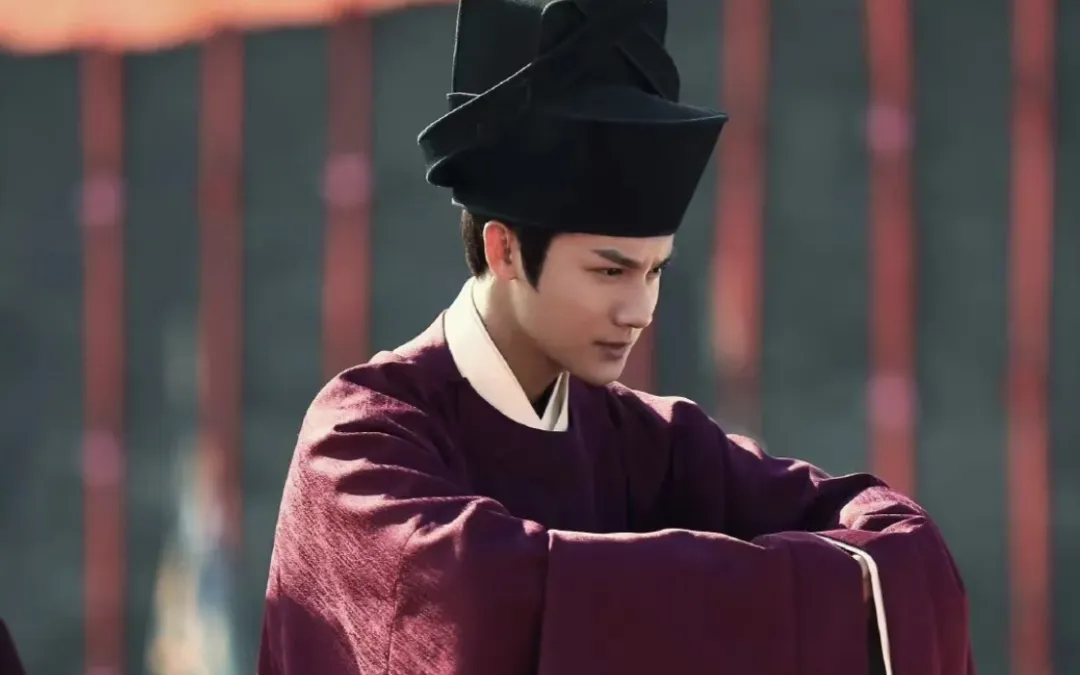
Impact on Actor Evaluation
These also affect our evaluation of 'actors born to play ancient characters'. If an actor walks crookedly or doesn't straighten their back, it will affect the 'first impression', and this shortcoming may even be infinitely magnified in our evaluation of an actor's acting skills and even a person's 'appearance and temperament'. For example, men are required to have 'piercing eyes, straight shoulders and backs, and be neat and steady', while women are required to be 'graceful, with moderate steps, and have the posture of a willow tree'.
Ancient Accessories for Posture
The ancients also used various accessories to restrict and remind people of their postures, such as 'Jin Bu' (禁步) and 'Bu Yao' (步摇). Nowadays, many people use them as accessories but forget that their names represent their core function, which is to remind people not to walk too fast. If one walks too fast, the jade pendants on the Jin Bu will jingle, which is very impolite. Jia Yi's 'Xin Shu · Rong Jing' (新书·容经) records: 'In ancient times, sage kings had rules for living and norms for actions. They wore jade pendants that jingled as they walked.'
Modern Significance of Posture
Although we don't have so many requirements in modern life, we can still see that a good posture has an impact on our movements and temperament when wearing modern clothes. The most obvious example is that the casual postures in photos can reflect a person's posture and etiquette. This kind of beauty is also the result of self - cultivation and self - discipline. Some people even learn to dance and correct their postures for the sake of a good posture, because posture has gradually become one of the main criteria for evaluating a person's image and temperament.
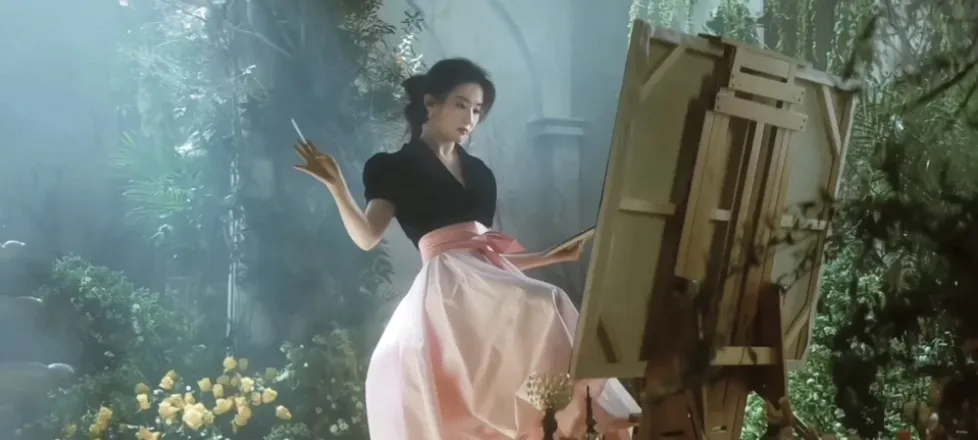
In previous ancient - costume dramas, the postures and etiquette requirements for characters of different identities basically required a period of professional training. However, the current industrialized and assembly - line production of TV dramas has led to the exposure of many image problems, not only the matching degree and fineness of costumes, makeup, and props, but also the actors' states and postures. Under the scrutiny of the public, it's obvious whether they are really 'up to standard'.
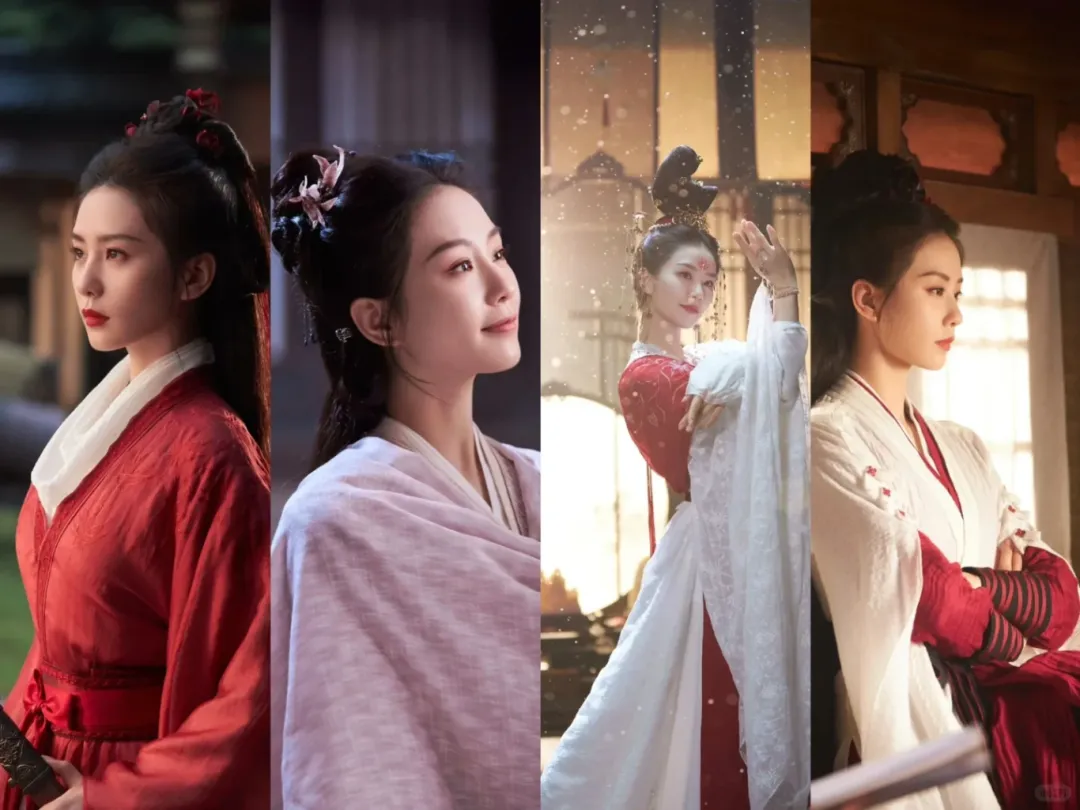
Although the ancient etiquette has faded away, it still influences our traditional aesthetics and subjective impressions to some extent. These 'requirements' in traditional concepts are not mandatory, but we still have more or less requirements and expectations for postures, which also reflects the self - confidence and self - requirements brought by good deportment. This is also a general recognition of truly beautiful things on our part. In conclusion, whether in ancient - costume dramas or modern life, good posture remains an important aspect that we should pay attention to. It not only adds to our appearance but also reflects our inner self - cultivation and respect for traditions.