Article
Search results:
-
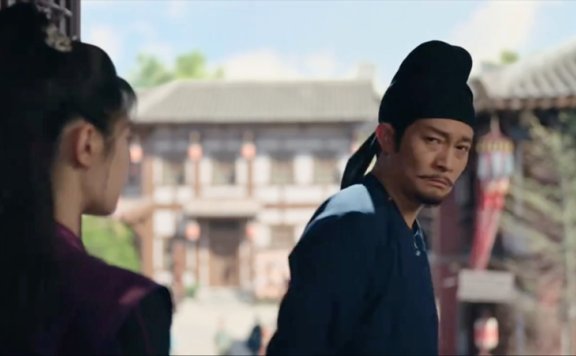
The Fifth Case of Tang Gui Ⅲ: How Did Elite Families Become Killers?
The fifth case in Strange Tales of Tang Dynasty Ⅲ: Chang'an (唐朝诡事录之长安), titled "A Foot Away from Heaven," closes with a somber revelation. The mastermind behind the merchant killings is finally unmasked, representing the last person Detective Lu Lingfeng (卢凌风) wished to confront. This resolution is not a triumphant capture but a poignant exposure of deep-seated societal decay festering beneath the glitter of the Tang capital. The investigation, beginning with a missing merchant's servant, peels back layers of charity, ambition, and ancestral pride to reveal a bitter core of class hatred and violent desperation. Charity and Suspicion Lu Lingfeng's inquiry into a missing servant leads him to the Jinguang Hui (金光会), an exclusive guild for immensely wealthy merchants. Simultaneously, he observes the activities of Anshe (安社), an organization distributing relief supplies. This charity, however, comes with a pointed condition: it is offered only to commoner families, deliberately excluding the established aristocratic Shizu (士族). This calculated slight ignites visible social friction. Du Yu (杜玉), an official from a prestigious family, can only issue weak reprimands to impoverished scholars who renounce their high-born clans for an extra bag of grain. The relief's organizer, He Bi, coolly states that districts dominated by aristocrats… -
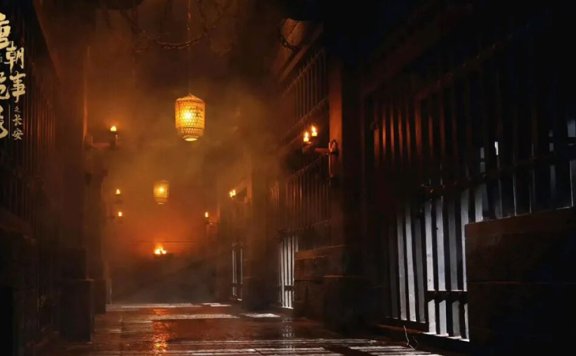
Tang Gui Ⅲ: What Makes Chinese Horror So Unnervingly Unique?
In the depths of the Tang Dynasty’s nocturnal capital, a different kind of fear takes shape. It does not leap from shadows with claws bared, but seeps from the cracks of history itself. The drama Strange Tales of Tang Dynasty Ⅲ: Chang'an (唐朝诡事录之长安) masterfully unveils this distinctive school of terror, one that scores high not with graphic violence but with a profound, culturally-rooted dread. Its power lies in the unsettling space where documented history bleeds into folkloric nightmare, where the grandeur of a golden age casts the longest, most distorted shadows. This is horror that resonates in the silent moments, making audiences feel a chill that is ancient, familiar, and deeply psychological. History’s Heavy Shadow The series is meticulously built upon the solid ground of historical reality. The painstakingly recreated 108 wards of Chang'an are not just a backdrop but an active participant. The stark contrast between the bustling daytime markets and the eerie, lantern-lit silence after curfew creates a perfect habitat for fear. Cases are cleverly woven from historical threads. An incident involving a tribute golden peach from the Western Regions merges official records with a legend of a monstrous avian creature. Another mystery, set in a ghost market, grafts… -
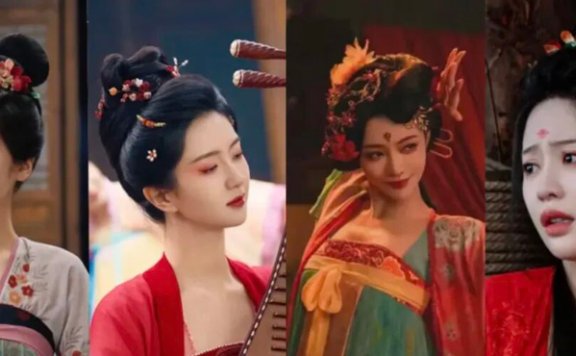
Who Truly Embodies the Splendor of Luoyang in Tang Gui Ⅲ
The finale of Strange Tales of Tang Dynasty Ⅲ: Chang'an (唐诡3) has sparked vibrant discussions, particularly around its female characters. Many viewers argue that the supporting roles outshine the lead, creating a rich tapestry where each woman possesses a distinct and compelling beauty defined by her unique styling and narrative purpose. Vitality and Ingenuity Pei Xijun (裴喜君), portrayed by Gao Siwen (郜思雯), captivates with her signature "bunny" hairstyle. This look, featuring twin buns resembling rabbit ears, falls under the broader category of Shuangji (双髻). It perfectly mirrors her clever and lively personality. Her wardrobe, dominated by Qixiong shanqun (齐胸衫裙) robes in soft yellows and pinks, enhances a youthful, delicate charm. The costume design employs a clever color strategy. While the base palette is gentle, stylists introduced subtle contrasts with muted reds and blues or yellows and greens. These accents add visual pop without overwhelming the character's sweet essence, making her outfits both period-appropriate and strikingly modern to the eye. This thoughtful styling extends to Chu Yingtao (褚樱桃), played by Sun Xuening (孙雪宁). Her character's martial prowess is reflected in modified Yuanling (圆领) robes with detachable sleeves and turned-down collars, offering a practical yet elegant silhouette. The dominant deep hues of… -
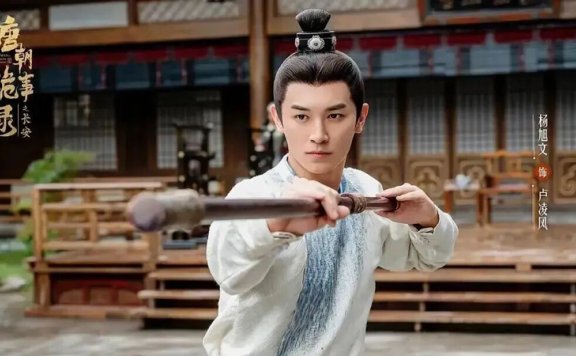
Moral Ambiguities and Unresolved Stories in the Tang Dynasty Mysteries
As the dust settles on the dazzling spectacle of the Grand Polo Tournament, the final chapter of Strange Tales of Tang Dynasty Ⅲ: Chang'an (唐朝诡事录之长安) closes not with a whisper, but with a resonant echo. The grand conspiracy is thwarted, the immediate danger passes, yet the true legacy of the series lies not in its explosive finale, but in the haunting, unresolved human stories woven throughout its eight cases. While Su Wuming (苏无名) and Lu Lingfeng (卢凌风) stand victorious, gazing upon the sprawling capital, their philosophical pondering of "What is Chang'an (长安)?" lingers. It is a question the show answers not through its heroes, but through its victims, its perpetrators, and the profound moral ambiguities left in their wake. Beyond the palace intrigue and foreign threats, the series leaves us with a deeper unease, a collection of emotional puzzles more compelling than any whodunit. Love and Vengeance: Nuo Gao Ji (诺皋记) The case of Nuo Gao Ji begins with familiar tropes: a beautiful courtesan, Hong Yao (红药), adrift in the pleasure districts of Pingkang Fang (平康坊), seemingly entangled in a loveless marriage to Meng Buyi (孟不疑). The expected tale of vanity and betrayal unravels into something far more potent. Hong… -
The Grand Princess in Tang Dynasty Mysteries
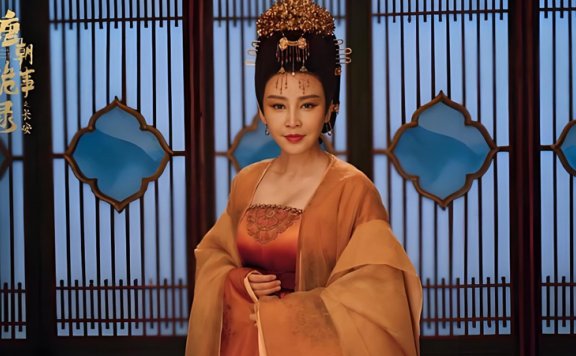
Have you encountered a character so boldly portrayed that she defies typical television norms? In the captivating series Strange Tales of Tang Dynasty Ⅲ: Chang'an (唐朝诡事录之长安), one figure consistently captures attention without conforming to standard beauty filters or humble dialogues. This show, set in the bustling capital of the Tang Dynasty during the early 8th century, blends detective work with political intrigue, offering a fresh take on historical drama. Unlike many romantic tales, it prioritizes suspense and clever plotting, with characters like the enigmatic Grand Princess standing out for her unapologetic presence. Played by Yue Lina (岳丽娜), she brings a layer of complexity that resonates deeply with modern audiences, making her a fan favorite despite—or because of—her extravagant demeanor. Her Character From her first appearance, the Grand Princess commands the screen with a regal aura that feels both authentic and exaggerated. Her lavish costumes and distinct visual treatment, including a personalized smoothing effect, have sparked discussions. Instead of criticism, viewers applaud this choice, seeing it as a reflection of her elevated status in the story. This approach highlights how character depth can outweigh superficial expectations, drawing people into her world of power and ambition. Her dialogues are equally striking, filled… -

The Vendetta of An: A Tactical Epic Blending Tang Wisdom and Modern Filmmaking
The recent approval of The Vendetta of An (长安二十四计) has set the stage for a fresh take on historical storytelling. This series, developed by Youku, brings together acclaimed actors like Cheng Yi and Liu Yijun (刘宇宁) in a 28-episode journey set in the imagined Wen Cheng (文承) period of the Tang Dynasty. It follows Xie Huai'an (谢淮安), a man driven by vengeance, as he allies with Emperor Xiao Wuyang (萧武阳) to thwart a rebellion led by General Yan Fengshan (言凤山). Blending traditional wisdom with modern filmmaking, the show aims to captivate audiences with its intellectual depth and aesthetic appeal, offering a unique perspective on power and loyalty in ancient China. Narrative Framework The Vendetta of An employs a distinctive episodic format, with each installment dedicated to one of the classic stratagems from Chinese lore. This approach not only structures the plot but also emphasizes the cerebral clashes between characters. Viewers can expect a paced unraveling of schemes, where every move ties into broader political games, making each episode a self-contained lesson in tactics and suspense. By rooting the story in these time-honored strategies, the series connects audiences to cultural heritage without relying on dry historical recounts. The progression from… -
Tang Gui Ⅲ: Guardians of Chang'an Unravel the Golden Peach Conspiracy
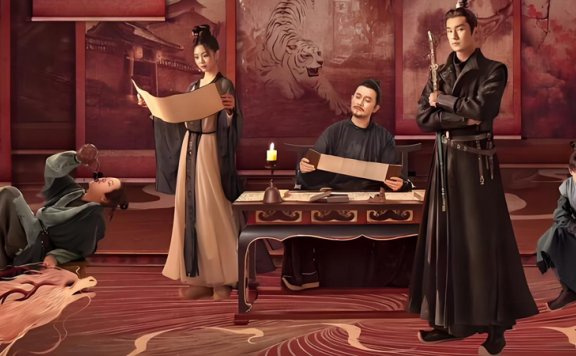
The third season of Strange Tales of Tang Dynasty Ⅲ: Chang'an (唐朝诡事录之长安) has arrived, and its return feels less like a simple premiere and more like a cultural event. Against a landscape where franchise fatigue is common, this series demonstrates how to evolve without losing its core identity. From its very first moments, the new installment,re-establishes its grip on the audience with a confidence that is both rare and exhilarating. A Narrative That Captures Imagination The plot wastes no time, immediately pulling viewers back into its meticulously constructed world of mystery and imperial intrigue. The storytelling is taut, with each of the initial eight episodes layering clues and character motivations that interlock with precision. It is this narrative craftsmanship, the ability to balance complex plotting with human drama, that forms the foundation of its success. The audience is not merely watching; they are actively piecing together the puzzle alongside the investigators. The Currency of Connection Beyond the screen, the show has cultivated a uniquely vibrant community. Fans, who call themselves "Guyou" (诡友), engage with the content through a shared language of inside jokes and playful speculation. When characters like the three constables from Chang'an County appear, they are instantly christened… -
Tang Gui Ⅲ: Power Struggles and Enigmas in the Tang Capital
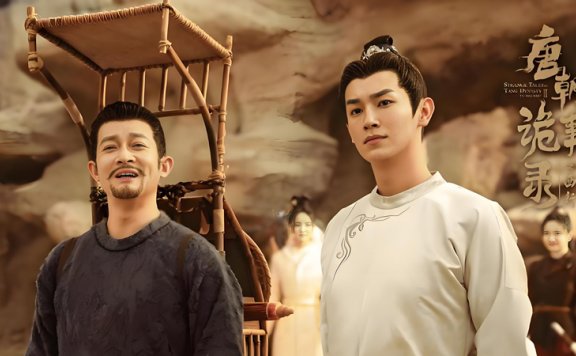
Audiences welcomed back the familiar team in Strange Tales of Tang Dynasty Ⅲ: Chang'an (唐朝诡事录之长安), where mysteries deepen within the ancient city's heart. Lu Lingfeng (卢凌风) demonstrated swift blade work to protect others, while Su Wuming (苏无名) skillfully managed tensions among powerful figures. Fei Jishi (费鸡师) amazed with his bone-setting techniques, and others like Xi Jun (喜君) applied portrait skills to pinpoint culprits. Ying Tao (樱桃) moved with agile grace, and Xue Huan (薛环) showcased quick thinking in tight spots. This season's debut on iQiyi (爱奇艺) quickly soared past 8500 in popularity metrics, reflecting high anticipation. Moving away from travel-focused plots, the story now anchors in Chang'an, weaving tales amid its political and social hubs. 1. A Tang Dynasty Web of Power & Deception In the heart of the ancient Tang Dynasty (唐朝), a simple mission to escort a rare golden peach to the capital unravels into a complex web of power and deception. As envoys navigate the treacherous paths to Chang'an, what appears to be a straightforward delivery quickly reveals deeper layers of political maneuvering. The golden peach, a symbol of wealth and prestige, becomes a focal point for hidden agendas, drawing in key figures from the imperial court.… -
Tang Dynasty Hanfu: How Celebrities and Flattering Styles Win Hearts
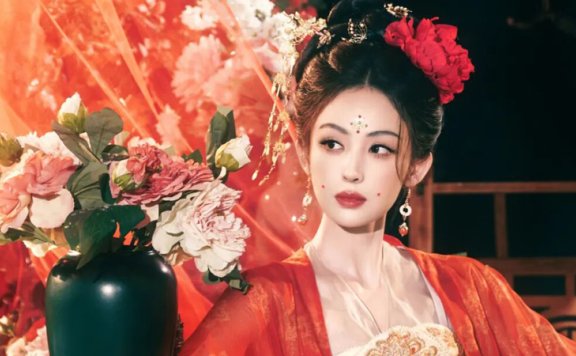
In today's fashion landscape, traditional attire from China's Tang Dynasty is experiencing a vibrant resurgence. This era, celebrated for its cultural prosperity and artistic innovation, has left a lasting legacy in clothing that emphasizes grace and adaptability. Hanfu styles from this period, with their flowing silhouettes and intricate details, are being rediscovered by a new generation. What makes them particularly appealing is their ability to flatter diverse body types and facial features, moving beyond rigid beauty standards. From curvy figures exuding opulence to slender frames radiating elegance, Tang Hanfu offers a versatile canvas for self-expression. Recent television series and celebrity endorsements have amplified this trend, making it more accessible and inspiring people to embrace their unique beauty through historical fashion. Flattering Designs The Qixiong Ruqun (齐胸襦裙) stands out as a quintessential Tang Dynasty garment, known for its high-waisted cut that rests above the bust. This design creates a universally flattering shape by avoiding tight fits and instead using soft, draping fabrics that flow with the body. For those with curvier builds, the loose structure and billowing sleeves help smooth lines and convey a sense of dignified luxury. Slimmer individuals find that the lightweight materials enhance their natural grace, adding an… -
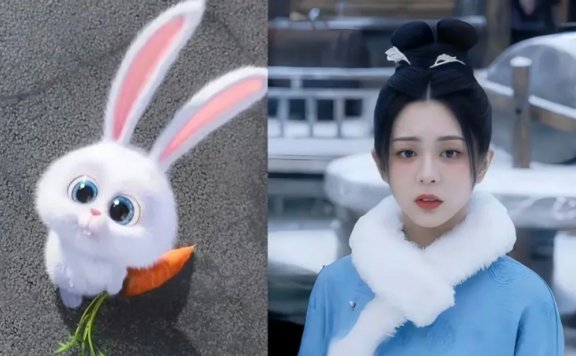
Rabbit Ear Hairstyle in Tang Dynasty Ⅲ
In the popular series Strange Tales of Tang Dynasty Ⅲ: Chang'an (唐朝诡事录之长安), the character Xi Jun (喜君) captivates audiences with her charming hairstyle that resembles rabbit ears. This look has sparked curiosity and admiration online, with many viewers wondering about its name and origins. Far from being a modern invention, this hairstyle has deep roots in Tang Dynasty fashion, where it symbolized youth and vitality. It frequently appears in historical dramas, often paired with traditional attire like Qixiong Shanqun (齐胸衫裙), enhancing the playful and innocent aura of female characters. This article delves into the history, variations, and enduring appeal of this distinctive style, revealing how ancient beauty standards continue to influence today's media. Ancient Origins The rabbit ear hairstyle is broadly categorized as Shuangji (双髻), meaning "double bun." This style was especially popular during the early to high Tang period, characterized by two buns positioned on the head, sometimes with a central gap or crossed sections. Historical records, such as those from the Five Dynasties period, note its prevalence among young women, reflecting societal norms where hairstyles indicated age and marital status. For instance, unmarried girls often wore Shuangji to showcase their youth, while mature women opted for more elaborate… -
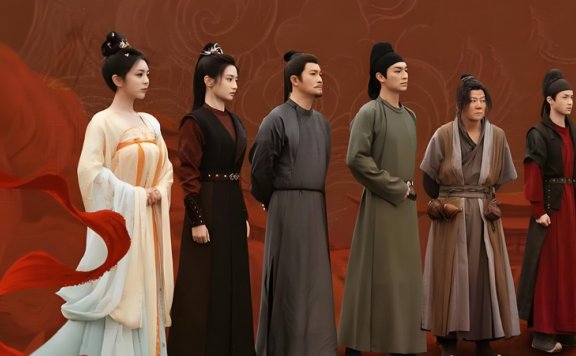
Identity Struggles Tang Dynasty Chang'an Mysteries
In the engaging series Strange Tales of Tang Dynasty Ⅲ: Chang'an ( 唐朝诡事录之长安), audiences are transported to a world where personal identities blur and political ambitions collide. Set against the vibrant backdrop of the Tang Dynasty, this show weaves tales that explore how appearances can shape destinies and ignite conflicts. One narrative centers on a young woman whose striking resemblance to a revered empress thrusts her into a whirlwind of danger and desire. Through such stories, the drama delves into universal themes of self-discovery and the struggle for autonomy, all while maintaining a grip on historical intrigue. Its ability to blend character-driven plots with subtle societal commentary makes it a compelling watch for those interested in deeper narratives. The Look-Alike Effect Characters with identical faces often drive the plot in Tang Dynasty Mystery Records. Wuyang (舞阳), for instance, bears an uncanny likeness to the young Empress, leading others to label her as a reincarnation. This misconception subjects her to both reverence and persecution, dramatically altering her life path. Her journey highlights how physical similarity can become a prison, forcing her to confront external expectations while seeking her own identity. The series uses this motif to question whether we are defined… -
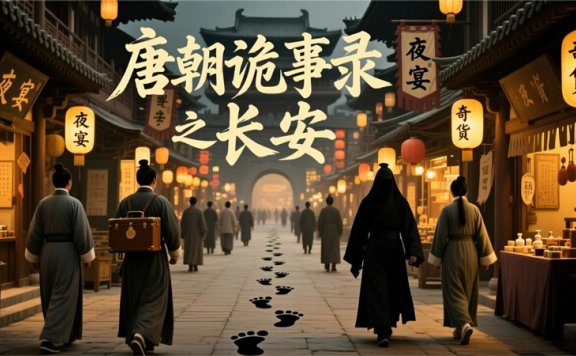
How Tang Dynasty Tales Resonate with Modern Audiences
In the final months of 2025, a television phenomenon has seized the attention of audiences, proving that substance can triumph over spectacle. Strange Tales of Tang Dynasty Ⅲ: Chang'an (唐朝诡事录之长安), the third installment of a beloved series, achieved staggering platform ratings and critical acclaim mere days after its premiere. This period mystery drama, devoid of A-list celebrities and pre-existing blockbuster IPs, has managed to not only meet but exceed the high expectations set by its predecessors. Its success is not a happy accident but the result of a meticulous and thoughtful creative philosophy that has resonated deeply with viewers. The Foundation The bedrock of the series' appeal is its unwavering respect for the audience's intellect. Rejecting convoluted plots that rely on character ignorance, the narrative presents mysteries that are complex yet logically sound. The story returns to the vibrant, bustling capital of the Tang Dynasty, Chang'an, in its early prosperous years. The protagonists, General Lu Lingfeng (卢凌风) and his partner Su Wuming (苏无名), a disciple of the famous Judge Di, lead their investigative team through a maze of bizarre cases set against a backdrop of intense court rivalries between the Emperor and the Princess. Craftsmanship A tangible, almost obsessive dedication… -
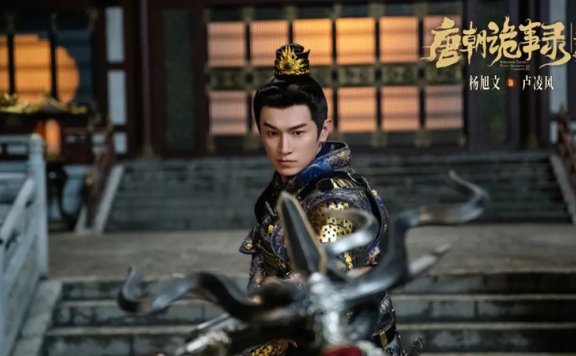
Strange Tales of Tang Ⅲ: Chang'an Shines with 8.1 Douban Score
In a landscape where many Chinese series struggle to maintain quality across seasons, one show has defied expectations with its latest installment. Strange Tales of Tang Dynasty Ⅲ: Chang'an (唐朝诡事录之长安) has captivated audiences, achieving an impressive 8.1 rating on Douban and drawing millions of viewers. Set in the bustling capital of the Tang Dynasty, this season immerses viewers in a world where detective work meets political intrigue. The story follows investigators as they unravel bizarre cases rooted in historical mysticism, blending suspense with rich cultural elements. Its success marks a significant achievement for original IPs, proving that compelling storytelling can thrive without relying on tired tropes or excessive effects. The Mysterious Cases At the heart of this season lies the enigmatic "Golden Peach of Kang" case, which sets the tone for the series' intricate plots. When the valuable Golden Peach arrives as a tribute, it triggers a series of bizarre deaths linked to a mythical creature. Investigators discover that victims are attacked by what appears to be the Uyan Bird, a legendary beast from folklore. However, the truth proves more complex, as evidence points to human manipulation behind the scenes. This case not only hooks viewers with its twists but… -
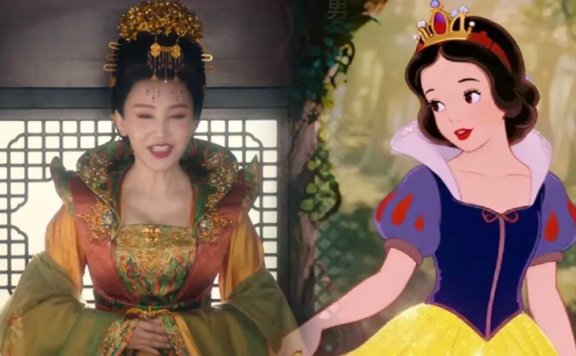
Is That Snow White in Tang Dynasty China?
When viewers tuned into the historical drama Strange Tales of Tang Dynasty Ⅲ: Chang'an (唐朝诡事录之长安), a vibrant discussion erupted across social media platforms. The focus was not on the plot, but on the costume of a central character, Princess. Her gown, particularly its distinctive collar, bore a striking resemblance to the iconic outfit worn by Snow White from Western animation. This visual parallel prompted a wave of questions: Was this a deliberate borrowing from Disney? Does this design have any authentic roots in Chinese historical clothing, or is it a modern fabrication? The conversation highlights a larger, ongoing debate about how contemporary media interprets and represents historical fashion, blending fact with creative liberty. This costume controversy serves as a fascinating gateway into examining the intricate dialogue between Eastern and Western aesthetic traditions, and how ancient styles are reimagined for modern screens. Historical Inspirations To understand the princess's attire, one must look back at artifacts from the Tang Dynasty. Archaeological finds, such as ceramic dance figurines, reveal costumes with open necklines, often described as a U-shape or exposed collar. These garments, specifically used for performance, allowed for greater freedom of movement and an ethereal, flowing silhouette. The design typically involved layered… -
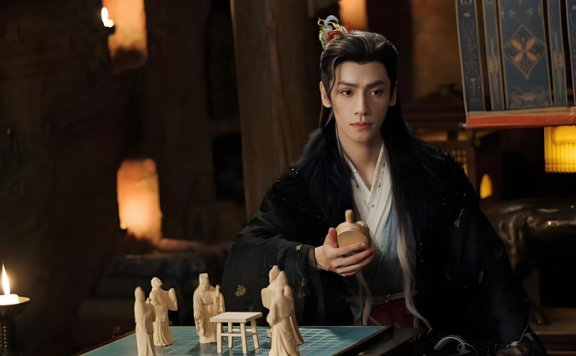
The Truth Behind Tang Lici's Sudden Whitening Hair in Whispers of Fate
In the captivating world of Whispers of Fate (水龙吟) , a dramatic transformation leaves viewers stunned: the protagonist's hair turns white overnight. While many attribute this change to external betrayals and battles, the true cause lies deeper, woven into a web of hidden motives and personal sacrifices. This series, set against a backdrop of martial arts intrigue and mystical elements, follows Tang Lici (唐俪辞) as he navigates a landscape filled with allies and enemies, each with their own secrets. The sudden whitening of his hair is not merely a physical change but a symbol of the cumulative weight of unseen struggles, pointing to a revelation that goes beyond surface-level conflicts and into the heart of his journey. Fang Pingzhai's Scheme Fang Pingzhai's (方平斋) actions are driven by a hidden agenda rooted in his past. As the former sixth prince of a fallen dynasty, he seeks the Wang Sheng Pu (往生谱), a mystical text rumored to grant resurrection, to restore his family's legacy. His infiltration into the sword assembly is a calculated move, aiming to steal this power under the guise of cooperation. However, Tang Lici's sharp intuition quickly detects the deception, leading to a tense confrontation that exposes Fang Pingzhai's… -
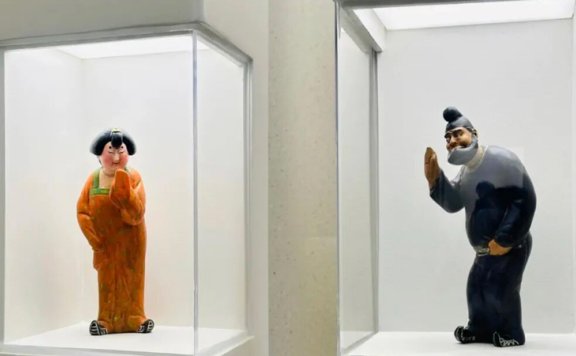
Xi'an's Restroom Signs: Blending Tang Dynasty Culture with Daily Life
Have you ever hesitated in front of a restroom door, puzzled by an abstract symbol? In the ancient city of Xi'an, this everyday experience is being transformed into a subtle cultural lesson. Forget the universal stick figures; here, history itself is guiding you. A shopping mall in the city has become an unlikely hotspot, not for its stores, but for its three-dimensional restroom signs. These aren't just signs; they are miniature exhibits. They feature intricate figures—a woman in elegant Tang-style attire and a man in a traditional round-collar robe, both rendered with such detail that they seem to step out of a history book. This innovative approach is part of a broader movement where public facilities are becoming canvases for cultural storytelling, challenging the global standard for restroom signage and offering a moment of historical connection in the most mundane of places. Tang Dynasty Guides The Shanxi Archaeological Museum (陕西考古博物馆) takes this concept even further. Its restroom signs are directly inspired by artifacts unearthed from local soil. The female figure is modeled after a mural from the tomb of a Tang dynasty crown prince. She wears a graceful outfit—a narrow-sleeved gown and a long, flowing shawl. Her hairstyle is elaborate,… -
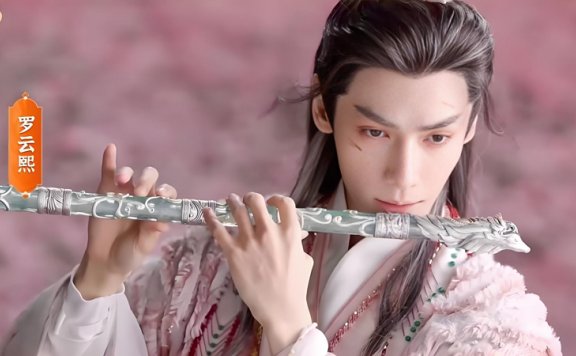
The Tangled Web of Whispers of Fate
The world of Whispers of Fate (水龙吟) is one where loyalties are as fragile as ancient parchment and every smile could hide a dagger. In the latest whirlwind of events, the line between ally and enemy has blurred beyond recognition. Tang Lici (唐俪辞), portrayed by Luo Yunxi (罗云熙), finds himself at the center of a storm, his physical wounds mirroring the deep-seated scars of his past. As characters grapple with betrayal, poisoned chalices, and the shocking truth behind the Scarlet Ghost Pills, the very foundations of their world are shaken. This is not merely a fight for power, but a complex dance of morality, sacrifice, and the haunting question of what one is willing to lose for a chance at redemption. Minds and Hearts The confrontation between Tang Lici and Liu Yan (柳眼) within the phantom realm was more than a battle of martial arts; it was a psychological war. Using the mesmerizing strains of his Pipa (琵琶), Liu Yan sought to trap his opponent in a prison of illusion. The duel reached its peak when Tang Lici employed the "Heart's Ease Lute," a gift from his departed friend Fang Zhou (方周). This was not just an escape but a… -
Exploring Tang Lici’s Quest and Fractured Bonds in Whispers of Fate
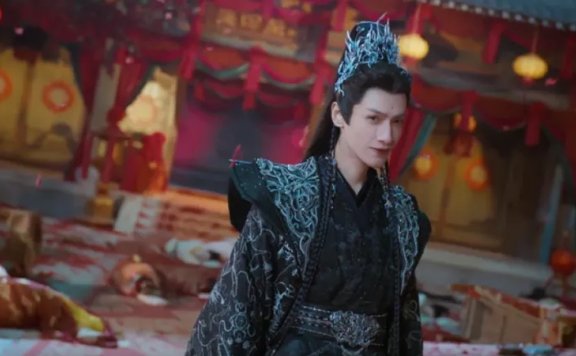
Is Whispers of Fate (水龙吟) The Next Big Thing in Wuxia Television? After its highly anticipated premiere, this new series is already generating significant buzz. Unlike typical martial arts stories, it introduces audiences to a world where Jianghu is intertwined with mystical elements, creating a unique Xianxia narrative. The story pulls viewers into a complex web of mystery from the very first scene, focusing on the enigmatic protagonist Tang Lici (唐俪辞) as he navigates a landscape of framed crimes and personal vendettas. This is not merely a detective story set in ancient times; it is a deep exploration of human relationships, causality, and the blurred lines between good and evil. A Mysterious Premise The series opens with a visually striking sequence reminiscent of Chinese gothic horror. Under a full moon, a palanquin carried by masked figures glides through the night. The mysterious passenger within is revealed to have a strikingly androgynous face. This palanquin descends upon a bustling marquis's estate, where a wedding celebration is underway. The old marquis is marrying a young woman named A Shei (阿谁), who sold herself into the marriage to bury her father. The festive atmosphere is shattered when the haunting sound of a Pipa… -
Is Zhao Liying's Tang Dynasty Dress Real?
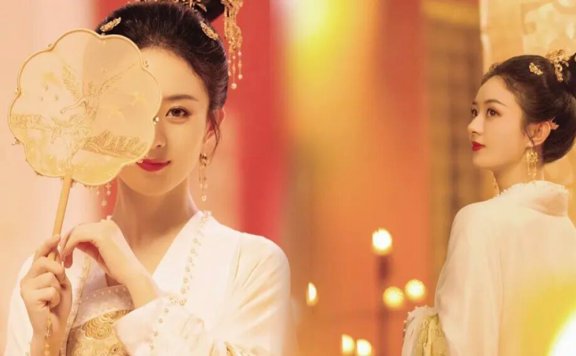
When Zhao Liying (赵丽颖) shared her recent photoshoot, fans were captivated by a dress that seemed to step out of ancient China. This garment, featuring an outer chest wrap and flowing sleeves, has ignited discussions about its place in history. Often called the Hezi (诃子) skirt today, it blends elegance with mystery, raising questions about its authenticity. As viewers admire its beauty, they wonder if such attire truly existed in the past or if it is a modern reinvention. This article explores the story behind this style, from its debated origins to its role in contemporary fashion, offering insights into how we connect with history through clothing. What is Hezi? The term Hezi refers to a type of chest wrap that forms part of a skirt ensemble, commonly seen in historical-inspired outfits. In modern Hanfu circles, it describes a dress where the chest piece is worn over an inner layer, creating a distinctive look. This design gained popularity through media portrayals, especially in period dramas, where it symbolizes Tang Dynasty aesthetics. However, the name itself is a recent creation, not found in ancient texts, which adds to the confusion. People often associate it with grace and tradition, yet its definition… -
DIY Round Fans of Intangible Cultural Heritage
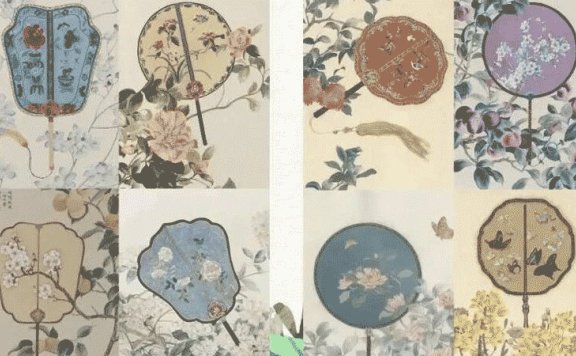
On a tranquil afternoon, a gentle hand cradles a Round Fan, its circular form mirroring the moon's embrace. This artifact, once a companion to nobility, carries whispers of harmony and connection, woven into the fabric of daily life. In ancient courts, it adorned figures whose gestures spoke volumes. A tilt or a sway could paint emotions across a room, transforming ordinary moments into living art. Its simplicity belied a depth that captivated all who beheld it. Over time, creators infused its surface with ink and color, sketching scenes that danced with life. Each stroke invited others to share in a breeze-filled narrative, blending poetry with visual charm. This evolution marked its journey from utility to inspiration. By 2006, its role in preserving craft was honored, securing a place among cherished traditions that continue to resonate today. 1. The Round Fan's Millennial Passage The Round Fan, a quintessential element of Chinese heritage, has woven its way through over three thousand years of history, embodying both utility and artistry. Initially conceived for practical purposes, it gradually transformed into a cultural icon, reflecting societal norms and aesthetic values across dynasties. Its journey from a simple shade to a decorated accessory illustrates the dynamic…
