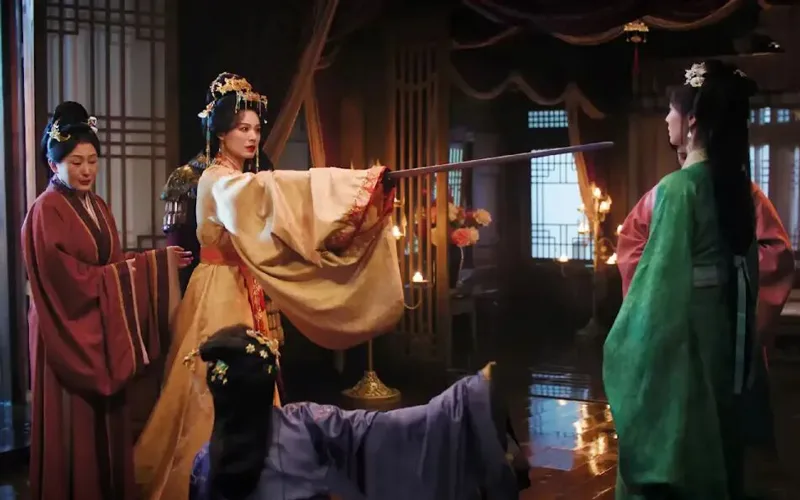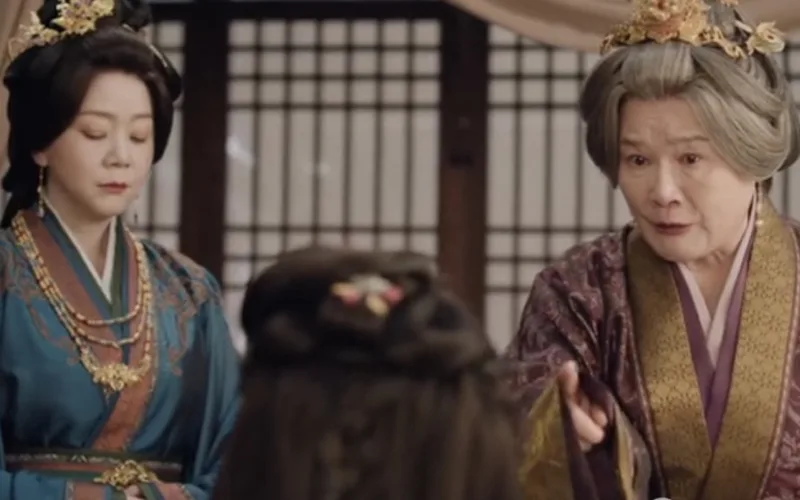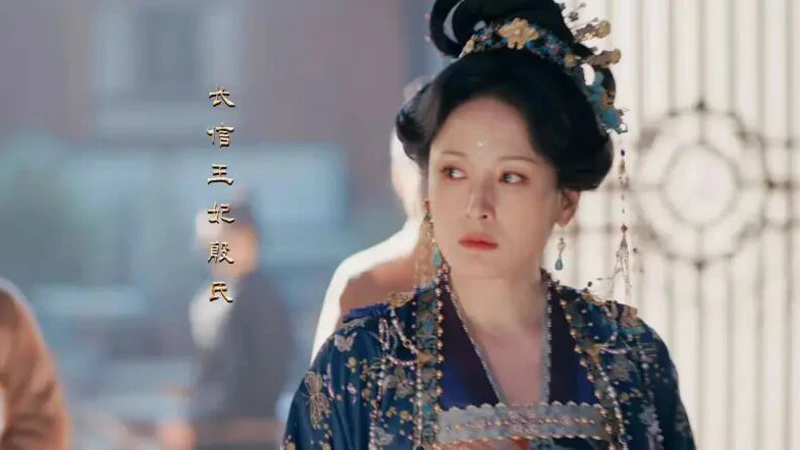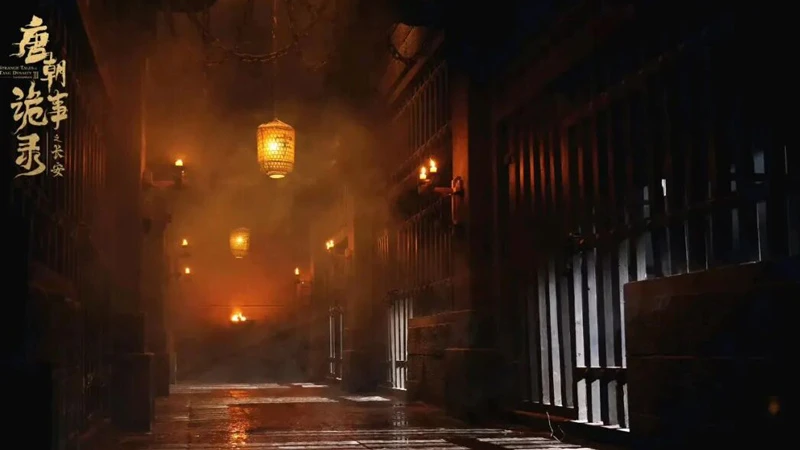
In the depths of the Tang Dynasty’s nocturnal capital, a different kind of fear takes shape. It does not leap from shadows with claws bared, but seeps from the cracks of history itself. The drama Strange Tales of Tang Dynasty Ⅲ: Chang’an (唐朝诡事录之长安) masterfully unveils this distinctive school of terror, one that scores high not with graphic violence but with a profound, culturally-rooted dread. Its power lies in the unsettling space where documented history bleeds into folkloric nightmare, where the grandeur of a golden age casts the longest, most distorted shadows. This is horror that resonates in the silent moments, making audiences feel a chill that is ancient, familiar, and deeply psychological.
History’s Heavy Shadow
The series is meticulously built upon the solid ground of historical reality. The painstakingly recreated 108 wards of Chang’an are not just a backdrop but an active participant. The stark contrast between the bustling daytime markets and the eerie, lantern-lit silence after curfew creates a perfect habitat for fear. Cases are cleverly woven from historical threads. An incident involving a tribute golden peach from the Western Regions merges official records with a legend of a monstrous avian creature. Another mystery, set in a ghost market, grafts puppet theatre from historical texts onto Dunhuang (敦煌) soul-summoning rituals, transforming dancing puppets under an eerie blue glow into timeless symbols of terror. By using the real to bolster the unreal, the horror gains a tangible weight and plausibility that is uniquely compelling.
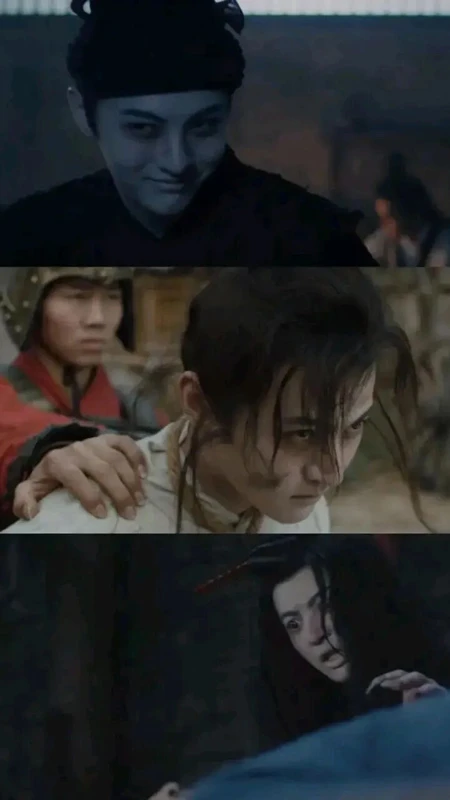
This approach taps into a collective memory. The Tang Dynasty was a period of immense cultural exchange and power, but also of strict social order and unseen dangers. The fear here is not of the unknown void, but of what might be hiding within the known structures of society, history, and even the imperial court itself. When the supernatural is presented not as a foreign invasion but as a potential truth hidden within official annals, it becomes far more disturbing. It suggests that the past we study is not entirely safe or understood, that it might contain sealed away horrors waiting to be rediscovered.
Objects of Unease
Chinese horror often derives its power from the subversion of familiar cultural and folkloric symbols. The drama excels in this creative transformation. A paper effigy shop, an ordinary fixture for funeral rites, becomes a gallery of unease with blood-streaked masks. A beautifully crafted oil-paper umbrella, a symbol of rainy-day elegance, is used in a “bone-revealing” ritual, its translucent skin casting skeletal shadows. Everyday items connected to rites of passage, communication with the afterlife, or spiritual protection are stripped of their benign functions.
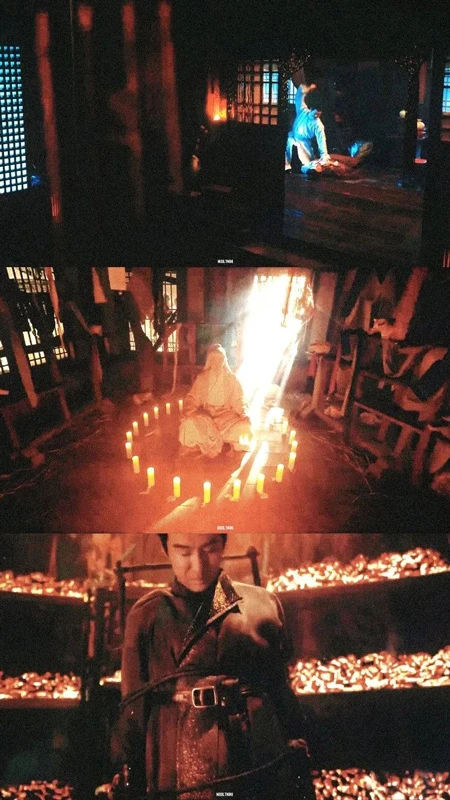
Mirrors, traditionally seen as vessels that can capture or reflect the soul, become portals to dread. These objects carry the weight of collective cultural memory. Their terrifying new context triggers a deep-seated, almost instinctual anxiety about taboo and transgression. The horror works because viewers recognize these items and their traditional meanings; twisting them feels like a violation of a cultural code. It is a fear born not from something alien, but from something intimately familiar turning against its purpose, making the domestic space suddenly feel charged and dangerous.
The Mind’s Dark Corners
Ultimately, the most potent source of fear in this tradition is the human psyche and the pressures of society. The series employs masterful psychological tension. Cinematography relies on the flutter of candlelight to create shifting, distorted silhouettes on palace walls. The soundtrack, with the frantic strumming of a Pipa (琵琶) or the mournful wail of a Bili (筚篥), fills the silence with palpable dread. The narratives themselves are rich with metaphor. A subplot about a “face-changing” service in a mysterious shop speaks to profound anxieties about identity and social standing in a rigid hierarchy.
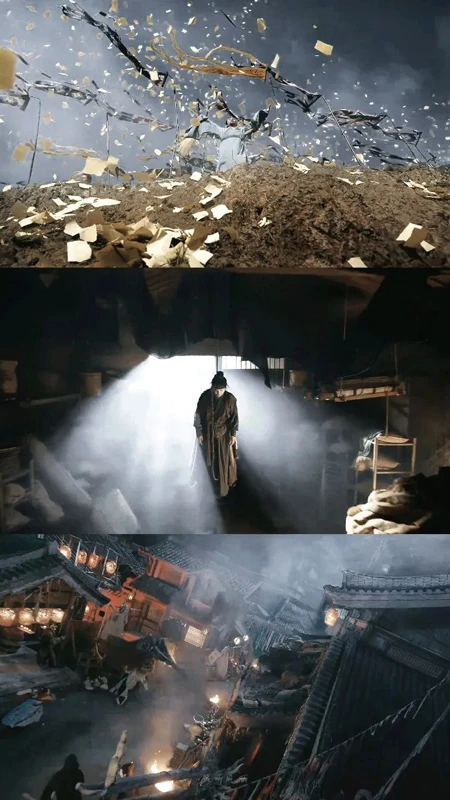
The recurring theme, voiced by the investigator Su Wuming, is pivotal: “There are no ghosts in this world, only people pretending to be ghosts.” Every strange case, once its supernatural facade is peeled back, reveals a very human pathology—a flaw in the defense system, a conspiracy within political factions, or a personal vendetta disguised as a curse. The final, most lingering chill comes from this realization. The true terror is the capacity for deception, corruption, and cruelty that resides within people, especially those cloaked in the authority of a glorious age. It is a horror that holds up a mirror, asking uncomfortable questions about power, morality, and the darkness that can flourish even in the brightest of times.