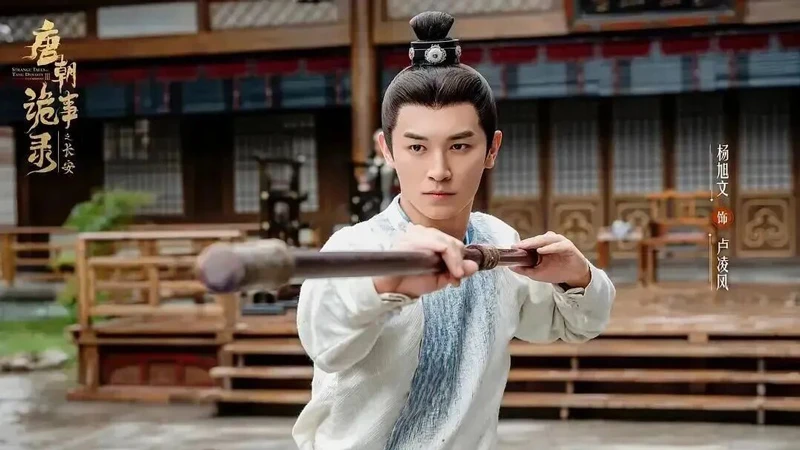
As the dust settles on the dazzling spectacle of the Grand Polo Tournament, the final chapter of Strange Tales of Tang Dynasty Ⅲ: Chang’an (唐朝诡事录之长安) closes not with a whisper, but with a resonant echo. The grand conspiracy is thwarted, the immediate danger passes, yet the true legacy of the series lies not in its explosive finale, but in the haunting, unresolved human stories woven throughout its eight cases. While Su Wuming (苏无名) and Lu Lingfeng (卢凌风) stand victorious, gazing upon the sprawling capital, their philosophical pondering of “What is Chang’an (长安)?” lingers. It is a question the show answers not through its heroes, but through its victims, its perpetrators, and the profound moral ambiguities left in their wake. Beyond the palace intrigue and foreign threats, the series leaves us with a deeper unease, a collection of emotional puzzles more compelling than any whodunit.
Love and Vengeance: Nuo Gao Ji (诺皋记)
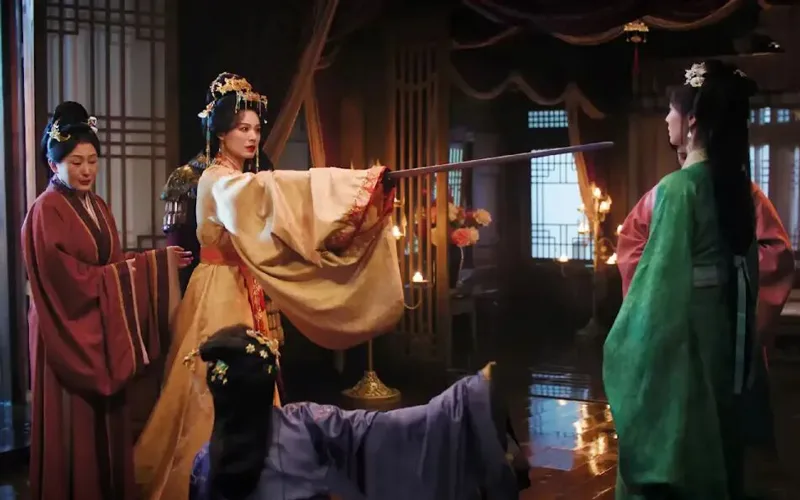
The case of Nuo Gao Ji begins with familiar tropes: a beautiful courtesan, Hong Yao (红药), adrift in the pleasure districts of Pingkang Fang (平康坊), seemingly entangled in a loveless marriage to Meng Buyi (孟不疑). The expected tale of vanity and betrayal unravels into something far more potent. Hong Yao’s performance is a carefully orchestrated act of vengeance, a years-long pursuit of justice for her murdered father and sister. Her cunning, moving between powerful men, reveals not a shallow heart but a formidable will.
Meng Buyi’s role transforms from cuckolded husband to silent guardian. His apparent indifference masks a steadfast, almost tragic, devotion. This is not a flamboyant romance but a testament to a deeper, unspoken covenant. Their love is expressed through shared sacrifice and a perilous, coordinated performance of mutual antagonism designed to protect the other.
The resolution provides a rare moment of warmth. Seeing the couple finally united, their burdens lifted, offers a cathartic release. Their story transcends a simple mystery, becoming a powerful ode to loyalty that operates in shadows, proving that the purest love in Tang Dynasty often wears the disguise of its opposite.
Legacy and Betrayal: The Age Borrower
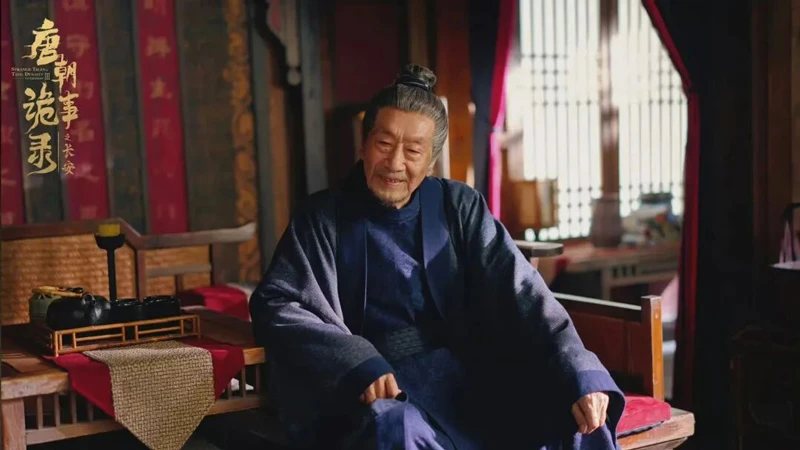
If Nuo Gao Ji explores love’s resilience, The Age Borrower dissects the corruption of mentorship and ambition. At its center is Geng Wushang (耿无伤), Chang’an’s premier coroner , a man whose pride rests on the skill of his two disciples. This pride becomes his tragedy. His eldest student, Zhong Shizai (钟士载), commits murder to win a competition, seeking to elevate his family’s social status. The crime is born from a desperate, if twisted, desire for progress.
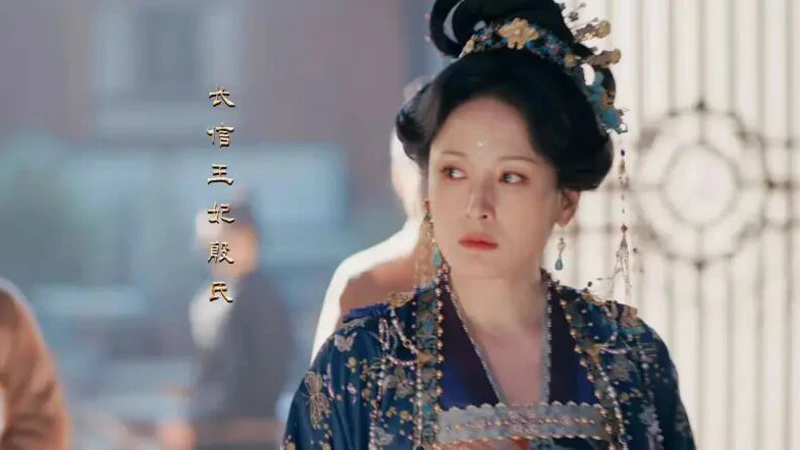
More devastating is the betrayal by Yin Yao (殷腰), the gifted and handsome second disciple. His deception is profound. He frames his crimes as an act of devotion, claiming to steal years from others to prolong his master’s life. In reality, he seeks only to force Geng Wushang to complete a seminal work on forensics, Records of Corpse Examination, and claim co-authorship. The student exploits the master’s legacy for his own glory.
Geng Wushang’s final act is one of devastating clarity and sacrifice. Choosing death by poison, he not only stops Yin Yao but secures the evidence to condemn him. His legacy, ironically, passes not to either of his brilliant male disciples, but to his adopted daughter, Su Chan (酥蝉). In this bitter conclusion, the series asks what truly remains of a life’s work when the chosen heirs fail its very principles.
Pride and Sacrifice: Within Reach of Heaven
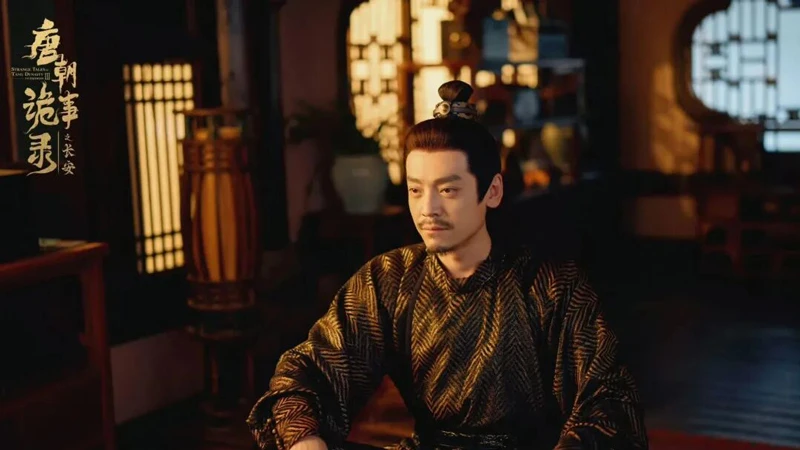
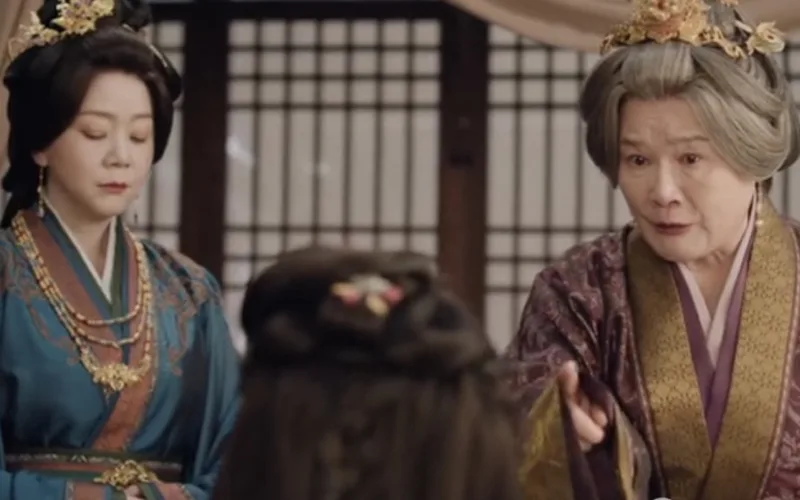
The most complex and unsettling case may be Within Reach of Heaven. It moves beyond personal crime into the volatile clash between established aristocratic families and the burgeoning class of wealthy merchants. The tragedy is ignited by the marriage of Wei Jia (韦葭), a woman from the esteemed Wei (韦) clan, to the merchant He Bi (何弼). Her subsequent mental breakdown, her daily, haunting question—”Sister-in-law, whom shall I marry today?”—is a silent scream against her humiliation.
He Bi’s deliberate desecration of the ceremonial gateposts, symbols of the Wei and Du (杜) families’ ancestral honor, is the final insult. The response is not a legal petition but a brutal, collective act of retribution. Wei Jia’s brother, Wei Tao (韦韬), and her cousin-in-law, Du Yu (杜玉), take matters into their own hands, executing several merchants. Their crime is presented not as wanton violence, but as a grim duty to restore familial and class honor.
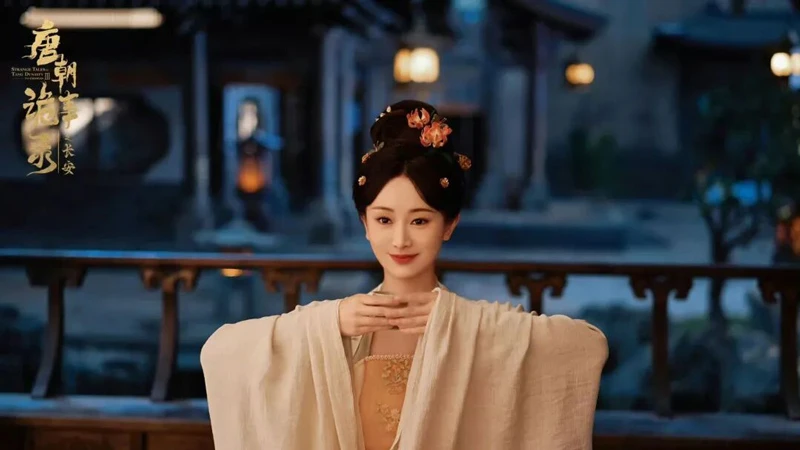
The true weight of the story settles not on the condemned men, but on Wei Tao’s wife, Ju Niang (橘娘). In the aftermath, she becomes the pillar holding two great houses together. She raises the children, cares for the broken Wei Jia, and upholds the family’s dignity. Her final words at the execution ground, “Our family’s learning and tradition shall not fall in the Great Tang!” are a defiant roar from a seemingly gentle soul. She embodies the paradoxical strength and rigidity of the aristocratic code—a system that both destroys and is perpetuated by those within it. Her resilience is admirable, yet the cost is immeasurable, leaving the viewer to question which victory, if any, was truly won.