
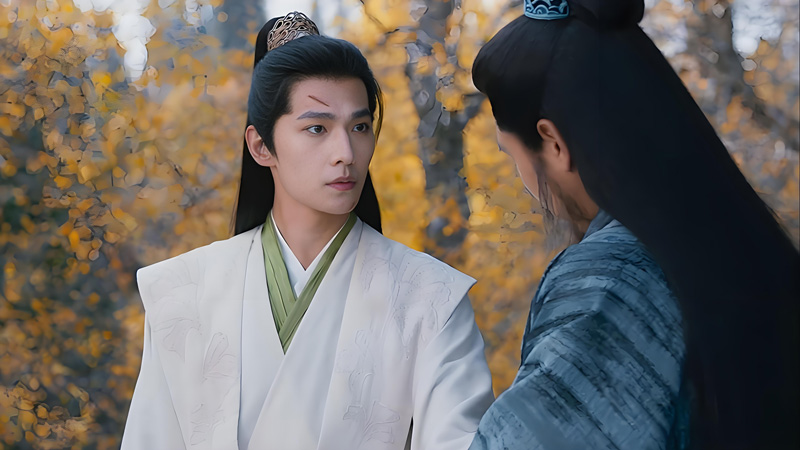
The Immortal Ascension (凡人修仙传) transcends typical cultivation narratives by centering on Han Li’s psychological evolution. Unlike protagonists reliant on destiny or intellect, Han Li’s strength stems from a primal survival instinct honed through betrayal. The drama’s early arcs, particularly his deadly chess match with mentor Mo Juren, reveal how trauma forges resilience. This character study explores three pillars of Han Li’s "strong mindset": embracing adversity as education, transforming victims into strategists, and recognizing that true power begins with self-preservation.
Mo Juren: The Crucible of Cruelty
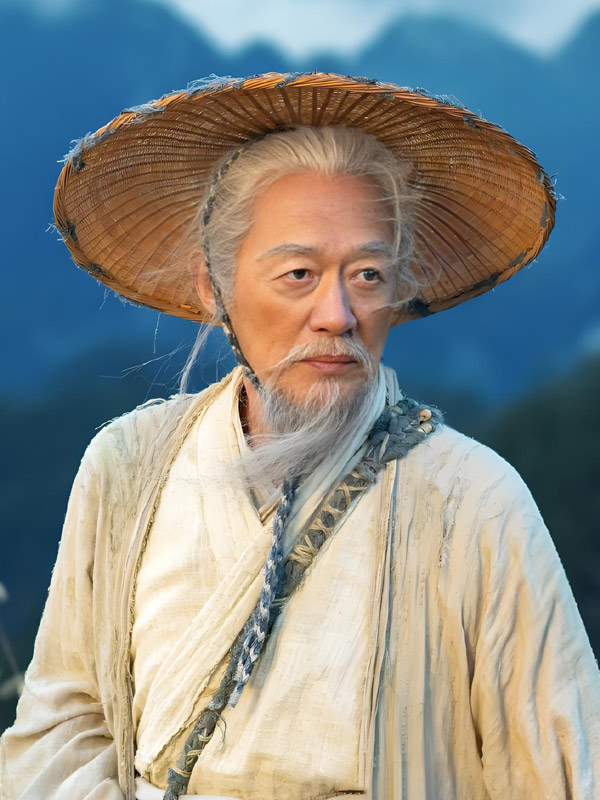
Mo Juren’s duality as mentor and predator creates Han Li’s foundational trauma. A physician masking ruthless ambition, he selects the illiterate village boy precisely because Han Li seems malleable. Teaching him literacy, medicine, and the Everlasting cultivation technique, Mo Juren invests in Han Li only to harvest his body for a soul transplant. Actor Jin Shijie (金士杰) masterfully layers greed with twisted pride—his final moments acknowledge Han Li as a worthy adversary, not merely a failed vessel.
This relationship dismantles the "noble master" trope. Mo Juren’s cruelty is pedagogical: he demonstrates that trust invites exploitation. When he poisons Han Li and attempts body theft, the betrayal becomes Han Li’s first lesson in immortal-world pragmatism. The drama intensifies this by contrasting Mo’s sophistication with Han Li’s rustic naivete, making the youth’s eventual victory feel earned through desperate adaptation rather than plot armor.
Critically, the series avoids vilifying Mo Juren entirely. His skills—medical genius, martial prowess, strategic patience—highlight what Han Li could become. Their dynamic echoes real-world mentorship: destructive teachers often impart indispensable skills, forcing students to separate wisdom from the wielder. Han Li’s later pragmatism—prioritizing escape over glory—roots itself in this trauma.
The Mindset Shift
Han Li’s transformation crystallizes in Episode 137 against Wen Tianren. Historically avoiding unwinnable fights (hence "Han Flees"), he now stands firm to protect Yuan Yao’s ritual. Wen Tianren’s condescension—"a stray dog like you should cower"—mirrors Mo Juren’s initial dismissal, triggering Han Li’s defiance. This isn’t heroism but reclaimed agency: he refuses to let others define his limits.
The battle choreography visualizes his evolution. Where Wen relies on inherited power, Han Li’s frugal tactics reflect hard-won ingenuity—like deploying limited Golden Devouring Beetles to stall despite heavy losses. His declaration, "My path needs no validation," marks the death of his "victim" identity.
This pivot echoes psychological resilience frameworks. Han Li processes betrayal not through bitterness but recalibration. He dissects Mo Juren’s motives (fear of death, envy of immortal potential), extracting lessons on human vulnerability. By internalizing why predators hunt, he anticipates threats—turning trauma into tactical foresight.
Scars as Strategy
The immortal Ascension argues that immortality isn’t conquered through power alone, but through mastering one’s relationship with pain. Han Li’s "strong mindset" accepts suffering as inevitable currency for growth. Where others seek revenge or succumb to despair, he treats wounds as data—refining his survival algorithm with each injury.

The drama contrasts Han Li with characters like Wang Chan. The Ghost Spirit Sect heir, blessed with dark-spirit roots and resources, stagnates at the Core Formation stage while Han Li reaches Nascent Soul. Wang Chan’s privilege breeds complacency; Han Li’s trauma breeds hypervigilance. When Wang Chan is bisected by Han Li’s sword, it symbolizes the triumph of earned resilience over innate advantage.
Ultimately, Han Li’s journey resonates because it mirrors real-world adversity management. His strength lies in depersonalizing harm—viewing Mo Juren not as a monster but a force of nature, like a storm to be navigated. The drama champions adaptability over invincibility: true immortality emerges from the wisdom to let scars teach, not cripple.
The Mortal’s Edge
Han Li’s ascent redefines "power" in cultivation lore. While legends emphasize celestial techniques or bloodlines, his weapon is mindset: the clarity to convert betrayal into blueprint, and the discipline to choose survival over pride. In a genre crowded with god-kings, The Immortal Ascension reminds us that the sharpest blades are forged in the fires of mortal peril.