
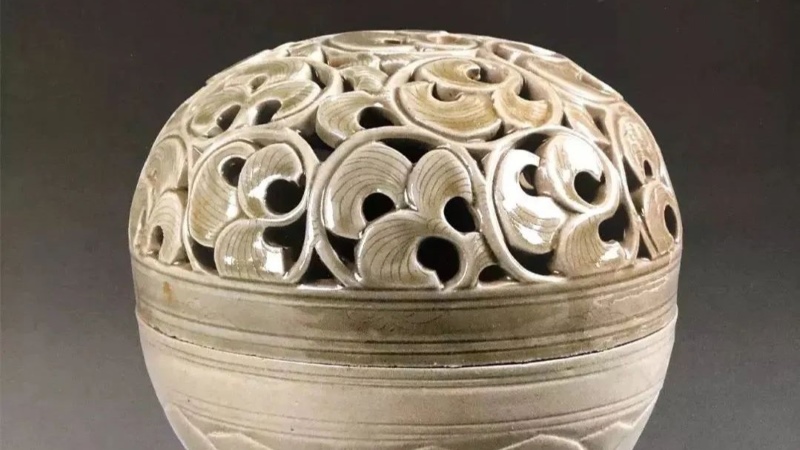
The Song Dynasty represents a golden age in Chinese ceramic production, where technical excellence met artistic innovation. Beyond their beautiful glazes and elegant forms, Song ceramics often bear various markings that provide fascinating insights into their origins, purposes, and historical context. These inscriptions served multiple functions, from workshop identification to imperial designation, creating a complex system of communication through clay.
Diverse Inscription Types and Their Functions
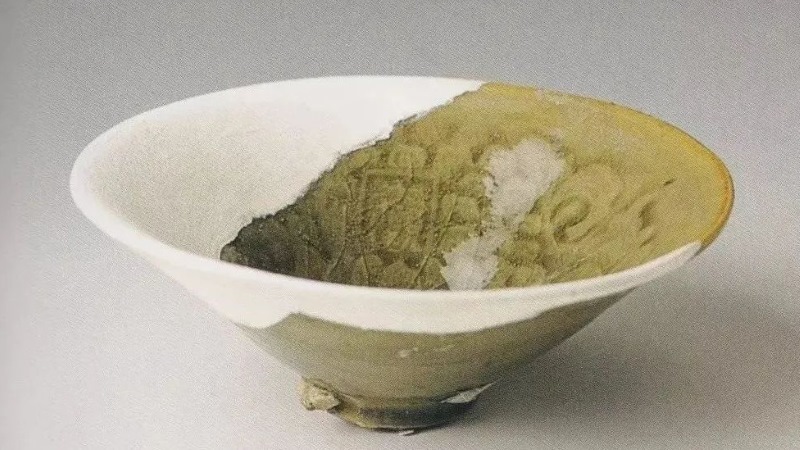
Ceramic markings from this period can be categorized into several distinct types based on their content and purpose. Workshop marks identified manufacturing origins, often featuring family names such as "Zhang Family" or "Li Family." Artisan signatures occasionally appeared, recognizing individual craftsmen's contributions to particularly fine pieces. Reign marks indicated production dates using emperor titles and year numbers, providing precise dating evidence for modern researchers. Special purpose inscriptions designated objects for particular institutional uses, including those created for imperial kitchens or medical bureaus. Poetic phrases and auspicious expressions decorated many commercial pieces, while specific palace names marked ceramics destined for particular royal residences.
Distinctive Marking Traditions Across Major Kilns
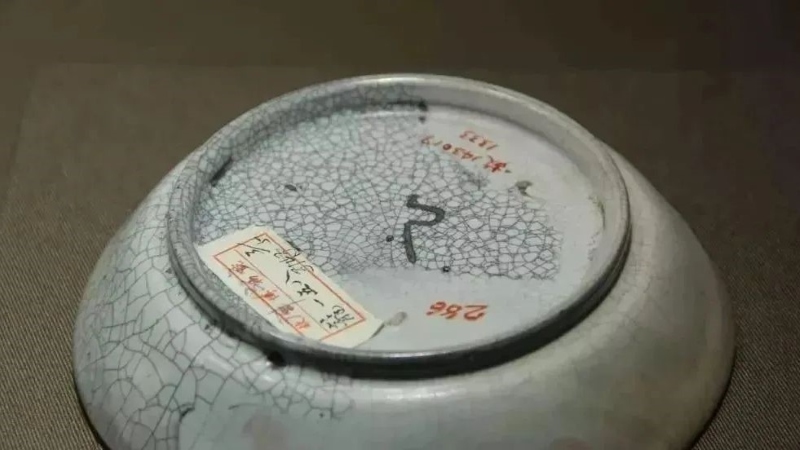
The variation between different kiln centers reflects both regional characteristics and specialized production systems. Yue Kiln (越窑) ceramics primarily featured incised date marks, with most surviving examples bearing Northern Song period dates. Simple single-character marks also appear, suggesting official tribute commissions. Ding Kiln (定窑) wares frequently displayed characters indicating imperial patronage, with some pieces showing inscriptions that might reflect administrative changes. Specialized court service inscriptions included those specifically for imperial kitchen and medical bureau usage, while palace names indicated specific royal destinations.
Ru Kiln (汝窑) ceramics, representing the most prestigious celadon wares, typically carried minimal markings. The rare palace marks and occasional surnames for important officials constitute the limited inscriptions found on these treasured objects. Jun Kiln employed a unique numbering system where smaller numbers indicated larger vessels, alongside palace inscriptions designating specific royal usage. Cizhou (磁州) Kiln specialized in pillow marks with workshop identifications, often accompanied by poetic verses, popular sayings, and even complete poetry verses that decorated these popular household items.
Technical Execution and Calligraphic Styles
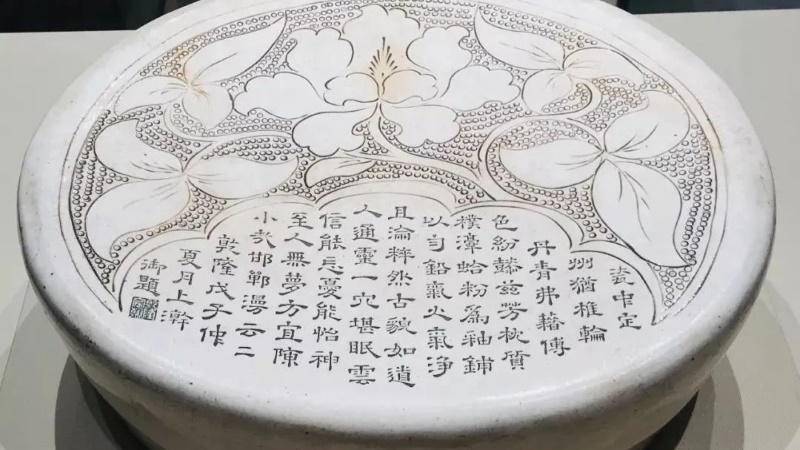
These markings were typically executed through three primary methods: incision into the clay body before firing, stamping with pre-made seals, and occasionally painting with underglaze pigments. The calligraphic style generally reflected the period's prevailing aesthetic preferences—characterized by slender, elegant characters with pronounced angularity and refined brushwork. The placement of markings varied considerably from prominent central positions on bases to more discreet side locations, often depending on the vessel's function and intended visibility. This variation in placement provides important clues about the intended audience for these inscriptions, whether for official inspection, commercial identification, or simply decorative purposes.
Historical Significance and Modern Interpretation
These ceramic markings provide invaluable historical evidence about Song Dynasty imperial administration, commercial practices, and artistic organization. The systematic use of workshop marks reveals the development of early brand consciousness and quality assurance mechanisms. Reign marks serve as important chronological markers that help establish dating sequences for archaeological finds. Special purpose inscriptions offer insights into the complex bureaucracy of the imperial court and its various administrative departments.
For contemporary collectors and researchers, understanding these markings has become essential for authentication, dating, and determining the original purpose and status of Song ceramics. The study of these inscriptions continues to evolve as new archaeological discoveries provide additional examples and context. Recent excavations have yielded previously unknown mark variations, leading to revised understandings of production timelines and distribution networks.
What remains clear is that these seemingly simple markings represent a sophisticated system of production control, quality assurance, and destination designation that supported one of history's most celebrated ceramic traditions. They offer a direct connection to the artisans, merchants, and imperial patrons who participated in creating these magnificent objects, speaking across centuries through carefully formed characters in clay. The continued study of these markings not only enhances our appreciation of Song ceramics but also deepens our understanding of the complex social and economic systems that produced them.

Carving calligraphy into clay is so impressive. These are the works of lifelong masters!