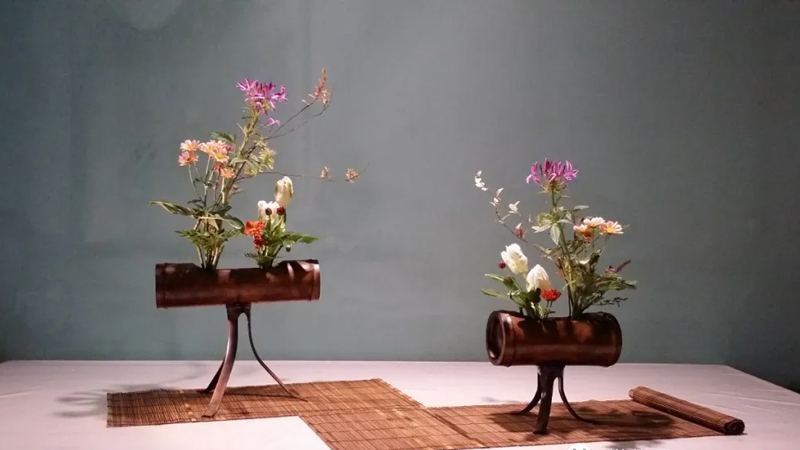
Unlike Western floral design, which often celebrates abundance and color, Chinese flower arrangement is a meditative art form where space, line, and symbolism intertwine to create a living poem. Rooted in ancient Daoist and Buddhist philosophies, it transcends mere decoration to become a profound expression of harmony between heaven, earth, and humanity.
As Ming Dynasty writer Yuan Hongdao (袁宏道) eloquently captured in his treatise Ping Shi (瓶史), the true marvel of a flower lies in its spirit—a spirit that is not manufactured by humans but inherently possessed, waiting to be understood and respectfully revealed. This pursuit of capturing the innate beauty and "living lines" of plant materials is the very essence of this ancient practice. It is an art that values deliberate imbalance over rigid symmetry, thoughtful voids over dense filler, and poetic symbolism over mere visual display.
Every stem, branch, and blossom is chosen not only for its form but for its deep cultural meaning, transforming an arrangement into a silent narrative of resilience, purity, or scholarly retreat. From the dignified Upright form to the cascading Descending style, each of the six classical patterns offers a unique way to channel nature’s energy into a vessel, creating a moment of frozen grace that invites contemplation and inner stillness. This is more than an art; it is a mindful practice that cultivates peace and reflects the delicate, transient beauty of the natural world.

1. The 4 Major Characteristics
1.1 Silent Poetry in Living Lines
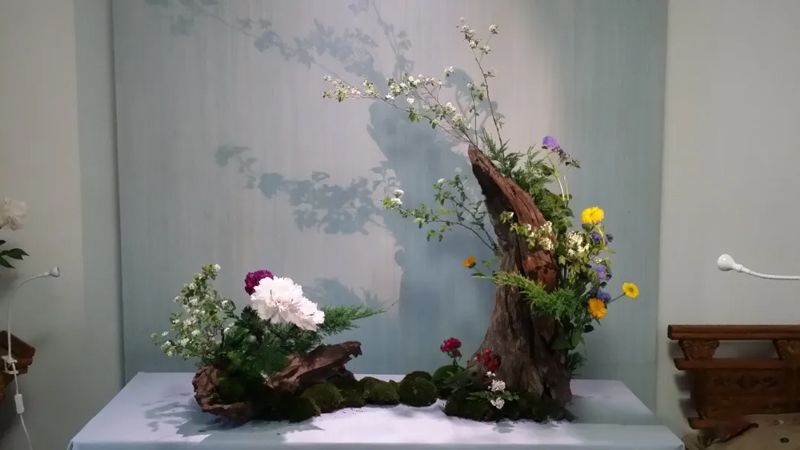
Chinese floral art defies rigid symmetry, embracing the graceful arcs and organic angles found in nature. It cultivates a deliberate imbalance, arranging stems to mirror how plants reach for light or bend in the breeze. This focus on living lines creates dynamic compositions like the proud upright form, the elegant slanting style, or the cascading trailing arrangement. Branches aren't forced; they converse with space, rising and falling in a visual rhythm. This subtle choreography avoids a central axis, instead finding harmony between disparate heights and angles. Each placement feels intentional yet effortless, capturing a moment of natural grace frozen in time.
The resulting structure possesses a serene energy. Tall stalks might stand sentinel while lower blooms cluster intimately, creating layers of visual interest. This careful orchestration of vertical and horizontal elements ensures no single point dominates. Space itself becomes an active participant, allowing the viewer's eye to wander freely through the composition. The overall effect isn't chaos, but a cultivated wildness – a reflection of nature’s own imperfect beauty held within a vessel. It invites quiet contemplation, appreciating the dialogue between stillness and growth.
1.2 Blossoms as Symbols
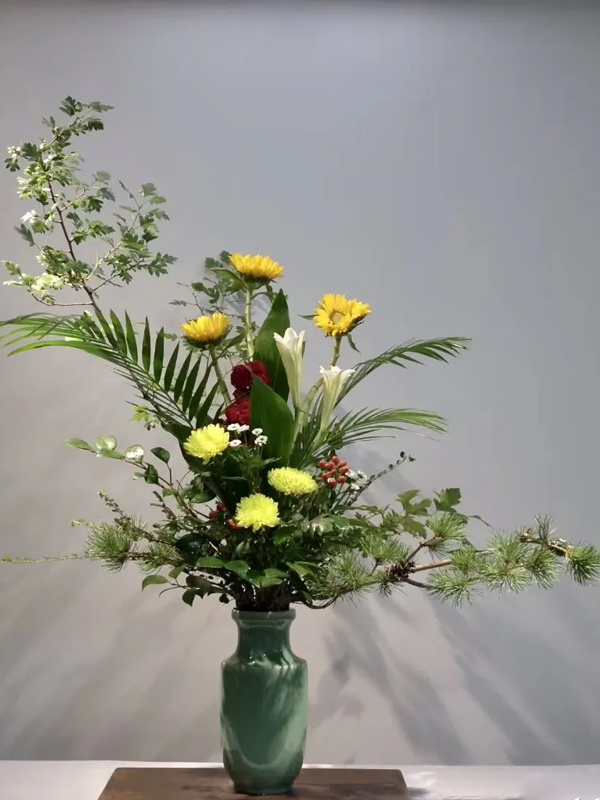
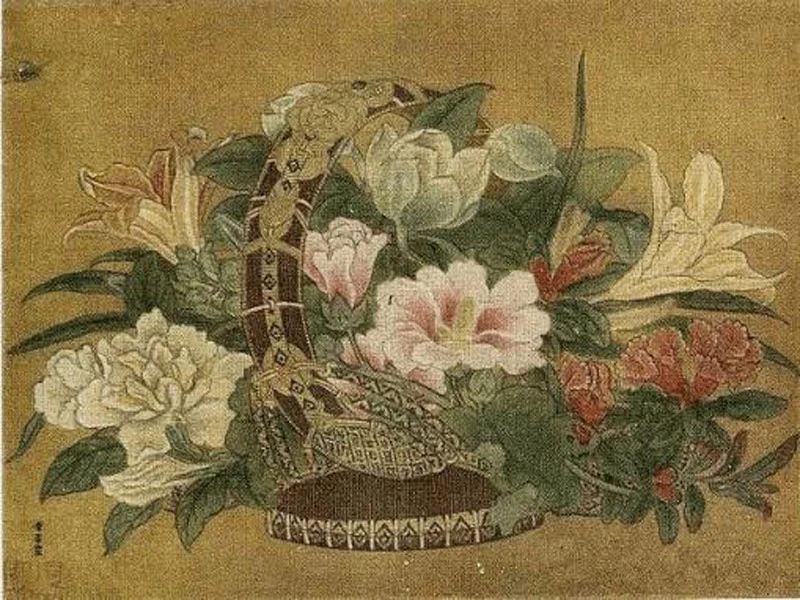
Within Chinese floral art, every petal carries weight beyond its hue. Flowers serve as silent messengers, embodying centuries of cultural meaning. The peony shouts nobility and prosperity, its lush fullness impossible to ignore. Chrysanthemums whisper of autumn solitude and scholarly retreat, their intricate petals holding quiet dignity. Lotus blooms rise pure from murky waters, symbols of unstained integrity. The plum blossom stands resilient against winter's bite, its delicate flowers a testament to perseverance and hope. These aren't mere decorations; they are chosen characters in a botanical narrative.
Arranging these symbolic blooms becomes an act of storytelling. An artist might pair the lotus's purity with bamboo's flexible strength, suggesting resilience tempered by integrity. Plum branches near chrysanthemums could evoke enduring through hardship towards contemplative peace. Understanding each flower's inherent language is crucial. The composition weaves these meanings together, creating layered emotional resonance. A single stem placed thoughtfully can shift the entire narrative, transforming a vase into a vessel for expressing complex feelings – reverence, joy, reflection, or enduring spirit – without uttering a word.
1.3 Harmony in Context
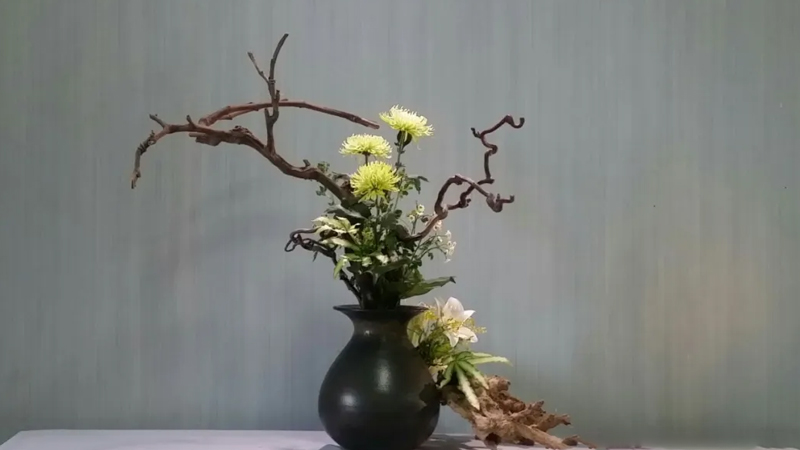
Chinese floral art exists not in isolation, but in constant dialogue with its surroundings. The core principle of heaven-human unity demands this awareness. An arrangement destined for a scholar's quiet studio differs profoundly from one meant for a festive hall. The setting dictates the mood – serene minimalism for contemplation, vibrant abundance for celebration. The artist considers the room's light, its existing textures, and the feeling it evokes. The goal is seamless integration, where the arrangement feels born from the space itself, not merely placed within it.
This sensitivity extends to honoring the plant's innate beauty. Twists, knots, and irregularities in branches aren't flaws to hide, but features to highlight, telling the story of the plant's life. Leaves retain their natural posture and sheen. Colors aren't artificially manipulated; the inherent vibrancy or subtlety of a bloom is respected. The artistry lies in selection and placement, not alteration. By preserving the authentic character of each element and aligning it with the environment, the arrangement achieves a state of quiet belonging. It enhances the space, becoming an organic extension of its atmosphere.
1.4 Space Speaks Louder
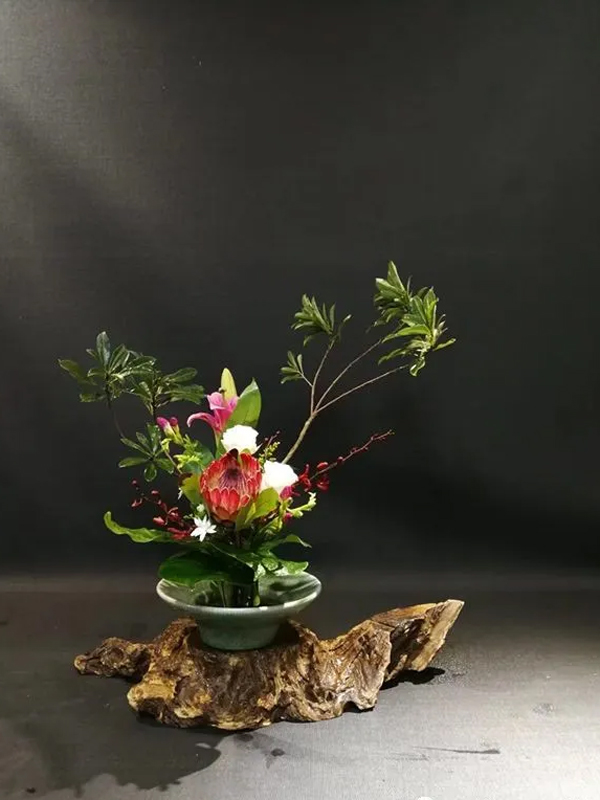
Where Western arrangements often fill every gap, Chinese floral art understands the eloquence of absence. Thoughtful voids are as crucial as the blooms themselves. This echoes the "empty space" philosophy found in ink painting and calligraphy. Negative space isn't wasted; it breathes. It allows the eye to rest, framing a single exquisite branch or emphasizing the elegant curve of a stem. This restraint creates room for the viewer's imagination, inviting them to complete the scene. The focus shifts from overt display to subtle suggestion, from loud declaration to a quiet, lingering presence.
Every component, even seemingly humble greenery, contributes to this nuanced expression. A solitary leaf positioned just so directs the gaze. A bare branch stretches into emptiness, speaking of potential. The arrangement avoids overwhelming density, favoring clarity and suggestion. This results in an atmospheric depth – a feeling rather than just a sight. The beauty unfolds slowly, revealing itself upon quiet observation. It whispers of misty mountains, weathered rocks, or the tranquility of a still pond, using botanical elements to evoke landscapes of the mind. The power lies not in filling the vessel, but in the profound resonance of what remains unsaid and unseen.
2. The 6 Major Flower Patterns
Chinese floral artistry speaks in whispers, where stems and blossoms become brushstrokes painting living poems. Unlike Western arrangements focused on abundance, this ancient tradition distills nature's essence into profound simplicity. Rooted in Daoist and Buddhist philosophies, it seeks harmony between heaven, earth, and humanity through deliberate placement. Three principal stems – representing sky, earth, and humankind – form the skeletal structure. Their precise angles, heights, and interactions create distinct personalities, each conveying unique energy and intention.
This art form transcends mere decoration; it cultivates mindfulness, reflects the seasons, and embodies the delicate balance inherent in the natural world. Mastering these forms offers a pathway to inner stillness and a deeper appreciation for transient beauty.
2.1 The Upright Spirit
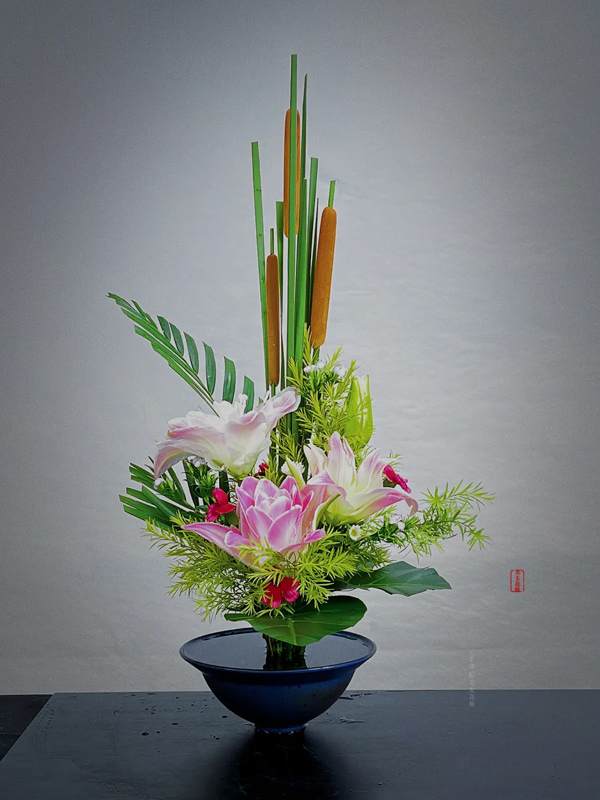
This form embodies resilience and dignity. The primary stem ascends vertically, rigid and unwavering like a steadfast sentinel. Secondary stems cluster respectfully around it, their slight inward curve suggesting reverence. Bamboo, gladiolus, and calla lilies, with their inherent linear strength, are natural choices. Their verticality commands attention.
The arrangement radiates stability and solemnity. Its visual weight rests firmly at the peak, evoking the image of a young tree reaching determinedly towards the sun. It speaks of integrity and quiet strength, a visual anchor in any setting.
Place it in studies, formal entryways, or conference spaces to instill an air of respect and order. It serves as an elegant gesture of esteem when presented to mentors or figures of authority, symbolizing unwavering regard.
2.2 The Inclined Grace
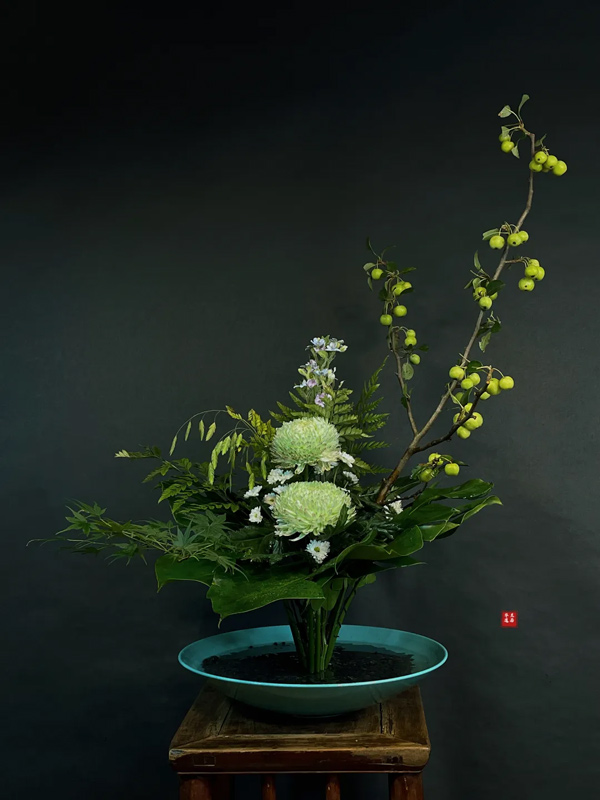
Fluidity defines this approach. The main stem angles gently between 30 and 60 degrees, mimicking a willow branch yielding to a soft breeze. Supporting stems extend gracefully, creating a sense of reaching outward, seeking light or connection. Plum blossom branches, flowering crabapple, or eucalyptus offer the perfect, naturally arching lines.
It possesses a serene dynamism, reminiscent of a figure leaning pensively over a balcony. This gentle movement effortlessly disrupts stillness, introducing a soft, natural rhythm into the environment.
Its charm enhances tea rooms, sunlit windowsills, or quiet corners. Displayed in wide-mouthed vessels, the pronounced slant amplifies a feeling of casual elegance and effortless beauty.
2.3 The Bold Departure
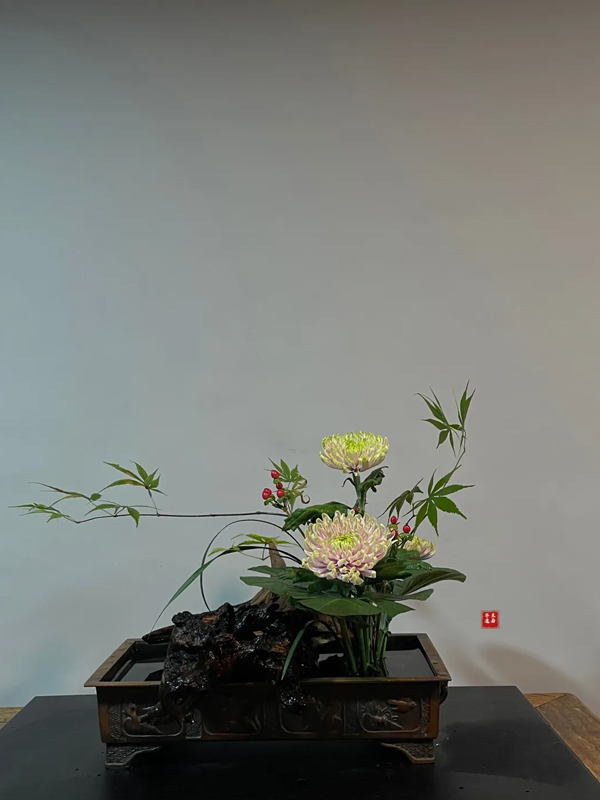
This style embraces audacity. The dominant stem thrusts dramatically sideways, exceeding 60 degrees, often nearing the horizontal plane. It projects boldly beyond the container's rim, creating visual tension and a sense of breaking boundaries. Pine branches, weathered driftwood, or long, tasseled grasses embody its adventurous spirit.
The impression is one of freedom and unconventionality. It carries an inherent drama, a deliberate challenge to the expected, designed to capture and hold the gaze.
It commands attention as a centerpiece in expansive living areas or gallery settings. Within contemporary interiors featuring Eastern influences, it acts as a powerful, defining element.
2.4 The Descending Poetry
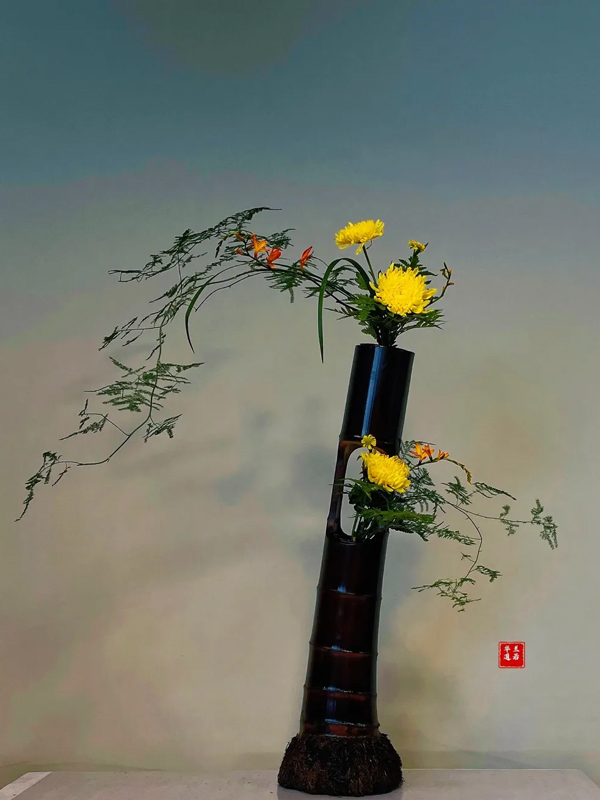
Here, gravity takes the lead. The principal stem cascades downwards in a controlled fall, like water over rocks. Blooms face the earth, demanding supple materials such as asparagus fern or ivy. Secure anchoring at the vessel's lip is essential to maintain the flow.
This inversion creates contemplative beauty. It challenges perception, evoking melancholic grace reminiscent of ancient, weathered landscapes – a visual haiku.
Position it on high shelves, wall brackets, or against openwork screens to introduce captivating vertical layers. Its wistful character harmonizes profoundly with spaces embracing wabi-sabi aesthetics.
2.5 The Floating Stillness
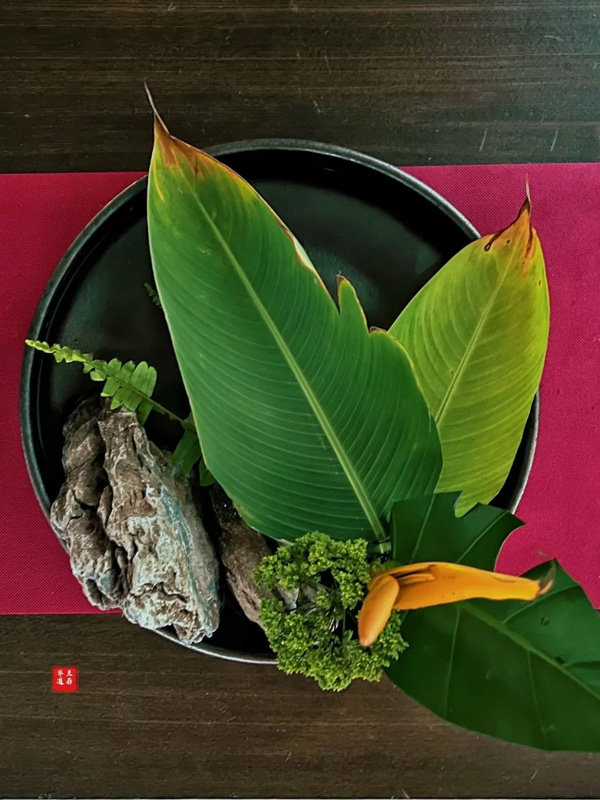
Simplicity reigns in this aquatic form. Blossoms and foliage rest directly upon the water's surface, mirroring lotus pads on a pond. Water lilies, frogbit, or delicate mosses are ideal. A shallow dish or bowl replaces the traditional vase.
Its essence is profound tranquility. It crafts a miniature, meditative landscape, a portal to quiet reflection amidst the everyday.
It finds its place on low tea tables, meditation alcoves, or as a serene desktop companion. Scattered petals become tiny boats adrift, adding minute points of focus to the calm expanse.
2.6 The Harmonious Fusion
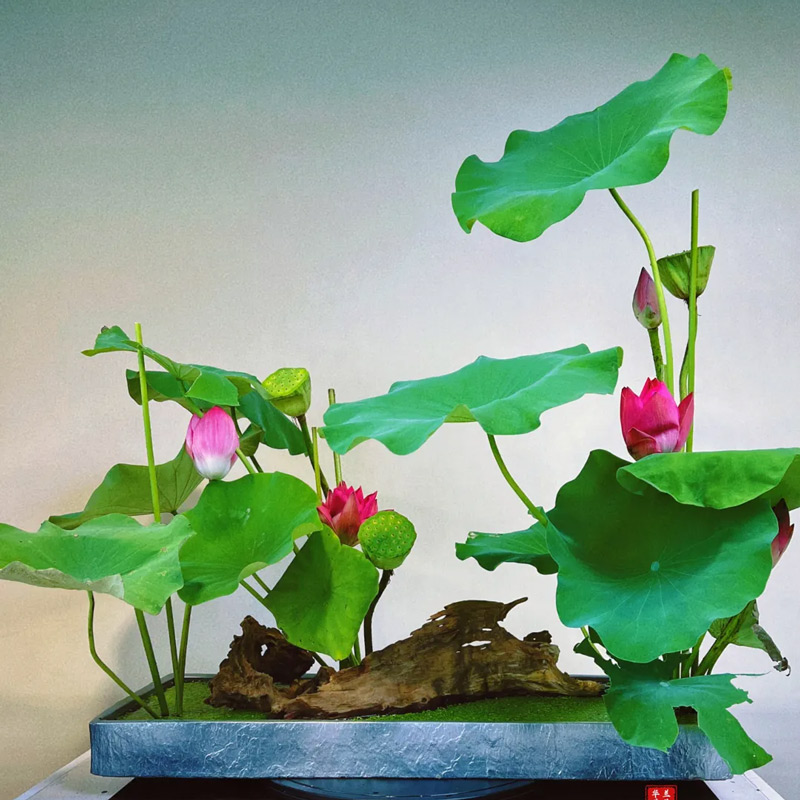
This is the artist's canvas. It blends two or more distinct forms – perhaps the resolve of the upright meeting the flow of the inclined. Clear hierarchy is paramount; one style must lead, supported harmoniously by others. Begin with the dominant form, then weave in complementary elements.
It offers boundless expressive potential. Rich in layers and narrative depth, it showcases advanced skill and conceptual vision.
It shines in thematic displays for celebrations or as a central art installation in exhibitions. Mastery of the foundational five forms is strongly advised before venturing into this complex synthesis.
Finding your starting point? Let this simple guide illuminate the path: Seek presence? Choose the upright. Desire softness? Embrace the inclined. Crave impact? Opt for the bold departure. Long for reflection? Select the descending poetry. Need calm? Find the floating stillness. Ready to create? Explore the harmonious fusion. True mastery lies not in rigid adherence, but in the mindful heart guiding the shears. Begin your journey – transform space and spirit, one stem at a time.
In Conclusion
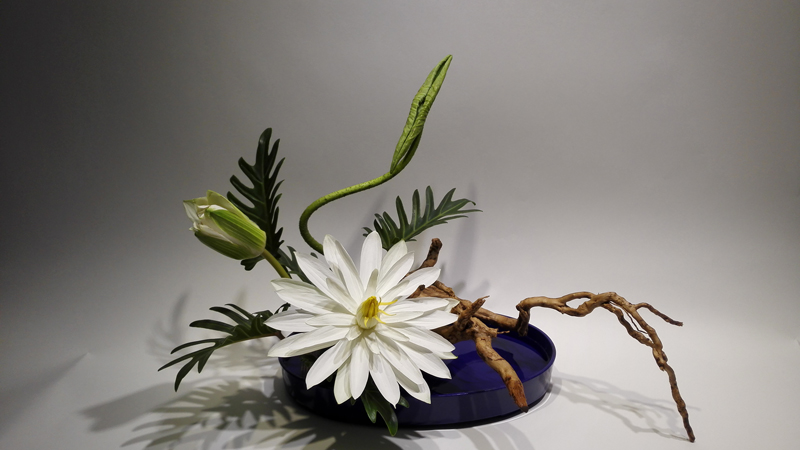
Chinese flower arrangement stands in stark contrast to Western floral design, prioritizing meditative harmony over mere abundance and color. Deeply rooted in ancient Daoist and Buddhist philosophies, this art form seeks to express the profound unity between heaven, earth, and humanity.
Its essence, as articulated by Ming Dynasty scholar Yuan Hongdao, lies in respectfully revealing the innate spirit and "living lines" of plant materials, rather than imposing human will. This pursuit is manifested through four core characteristics: the use of dynamic, asymmetrical lines that mimic natural growth; the incorporation of blossoms rich in cultural symbolism, such as the resilient plum blossom or noble peony; the conscious creation of harmony between the arrangement and its surrounding environment; and the masterful employment of empty space as a vital, expressive element. These principles are further articulated through six classical patterns—Upright, Inclined, Cascading, and others—each channeling nature’s energy into a unique vessel of frozen grace.
Ultimately, this practice transcends decoration to become a mindful discipline, cultivating inner peace and reflecting the transient beauty of the natural world through silent, poetic narratives.