
As the summer heat gradually yields to crisp autumn breezes, the Chushu (处暑) solar term marks nature's subtle transition towards cooler days. This period brings increasingly comfortable weather across most parts of China, though the lingering warmth reminds us that summer hasn't completely surrendered. The temperature variation between day and night becomes more pronounced, particularly in northeastern, northern, and northwestern regions, where clear skies and refreshing air create perfect autumn scenery. However, the residual heat combined with occasional rainfall creates a distinctive humid warmth that traditional Chinese wisdom calls the "autumn tiger"—a period requiring special attention to health maintenance.
Traditional customs and agricultural sayings passed down through generations offer valuable insights for navigating this seasonal shift. These time-honored practices blend practical wisdom with cultural heritage, providing guidance for maintaining balance during this transitional period.
Nourishing Traditions Through Seasonal Foods
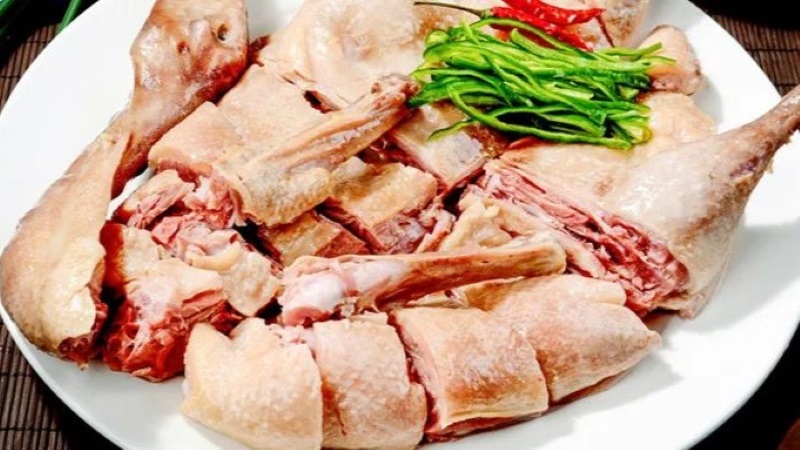
The custom of consuming duck meat during Chushu represents a perfect example of seasonal eating wisdom. As temperatures begin to drop and humidity decreases, people often experience dryness in their skin and respiratory system. Duck meat, particularly from older ducks (aged two years or more), offers a cooling effect while providing nourishment without excessive warmth. This makes it an ideal food for autumn according to traditional Chinese medicine principles.
Various regions have developed their own distinctive duck preparations—from roasted duck in Beijing to ginger-infused versions in southern regions. A particularly beneficial recipe is the Qianshi (芡实) Old Duck Soup, which incorporates Chinese herbs like fox nuts, fragrant Solomon's seal rhizome, and dried citrus peel. This nourishing soup is believed to strengthen the digestive system while combating autumn dryness.
Another seasonal delight is water caltrop, which reaches peak harvest time around Chushu. These aquatic nuts can be enjoyed fresh for their crisp texture or cooked for their soft, starchy quality. Processed into flour, they make nutritious porridge that helps clear summer heat while strengthening the digestive system.
Healing Beverages for Seasonal Transition
Herbal teas play a crucial role during this transitional period. Southern regions traditionally prepare cooling teas using chrysanthemum and honeysuckle, while northern areas favor sour-sweet plum drinks that help maintain fluid balance and calm the spirit. The popular saying, "Chushu sour plum tea drives away all summer heat," perfectly captures this seasonal practice.
The traditional preparation of these beverages involves careful selection of ingredients and specific brewing methods. In southern China, families often visit traditional pharmacies to obtain customized herbal formulations containing ingredients like chrysanthemum, honeysuckle, and other heat-clearing herbs. These are then brewed at home and consumed throughout the day to help the body adjust to the changing climate.
Northern-style sour plum tea involves simmering smoked plums, hawthorn berries, osmanthus flowers, and licorice root with rock sugar. This complex preparation creates a beverage that not only quenches thirst but also helps regulate bodily functions during the seasonal transition. The tartness stimulates saliva production, while the slight sweetness provides gentle energy.
Agricultural Wisdom in Seasonal Nutrition
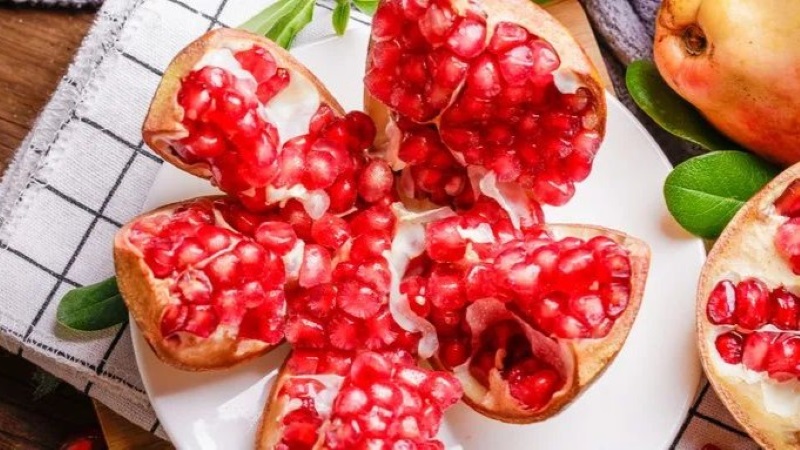
Traditional farming proverbs provide useful advice regarding seasonal wellness. The saying "Chushu pomegranates split open, Autumn Equinox water caltrops dance like swords" highlights the importance of seasonal fruits. Pomegranates, rich in antioxidants and vitamins, help combat autumn dryness while promoting fluid production. However, traditional wisdom cautions against overconsumption due to their high acidity.
Another proverb notes, "Chushu walnuts and White Dew dates, frost persimmons redden the slopes." Walnuts, resembling the human brain in appearance, have long been valued for supporting cognitive function and nourishing the kidneys. Their high nutrient content makes them particularly beneficial for elderly people and those experiencing mental fatigue.
The advice "See red dates at Chushu, finish picking by Autumn Equinox" emphasizes the importance of fresh jujubes during this season. These nutrient-packed fruits help nourish blood and calm the spirit, especially beneficial for women and those with sleep disturbances. Traditional wisdom recommends moderation—typically three dates daily provide optimal benefit.
Finally, "Chushu grapes and White Dew vegetables—don't plant wheat before the Autumn Equinox" reminds us of seasonal fruits' importance. Grapes, available in multiple varieties, help maintain fluid balance and overall vitality during the drying autumn weather. Different colored grapes offer varying benefits according to traditional understanding, with dark varieties considered particularly nourishing.
These traditional practices, rooted in centuries of observation and experience, provide helpful tips about maintaining health and harmony with nature's rhythms. By incorporating these seasonal foods and respecting nature's transitions, we can better adapt to the changing seasons while honoring cultural wisdom that has endured over time. The balance between respecting residual summer heat while preparing for autumn's dryness represents the essence of Chushu's nutritional wisdom, reminding us that successful seasonal adaptation requires both awareness of present conditions and preparation for coming changes.