Article
Search results:
-
What Mythical Creatures Did Ancient People Worship?
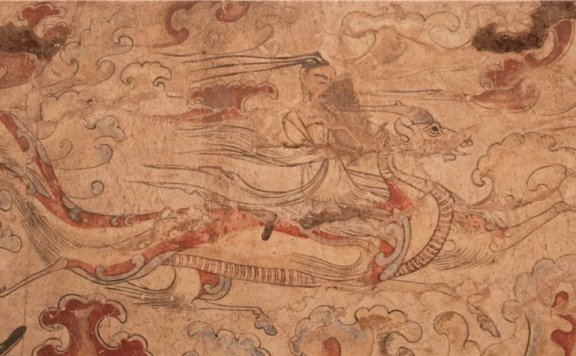
In the heart of ancient China, mystical beings were not just tales whispered in the night; they were integral to daily life, influencing everything from architecture to personal adornments. People placed stone lions at their gates, carved jade into beastly forms, and adorned roofs with ceramic figures, all in the hope that these divine creatures would offer protection and blessings. These entities, born from a deep reverence for nature and the unknown, continue to resonate in modern practices, symbolizing a bridge between the human world and the spiritual realm. This exploration delves into the most revered of these beings, uncovering their roles and the lasting legacy they imprint on culture and identity. 1. The Dragon's Dominion When the Dragon first emerged in Chinese lore, it was depicted as a majestic fusion of many animals: antlers like a deer, a head resembling a camel, and claws akin to an eagle. Ancient texts such as Er Ya Yi (尔雅翼) detailed this composite form, highlighting its ability to shift between visibility and invisibility, grow or shrink at will, and ascend to the heavens or dive into deep waters. This versatility made it a symbol of ultimate power and mystery, often linked to seasonal… -
What Makes 5 Elements Seed Rival World Tree in Perfect World?
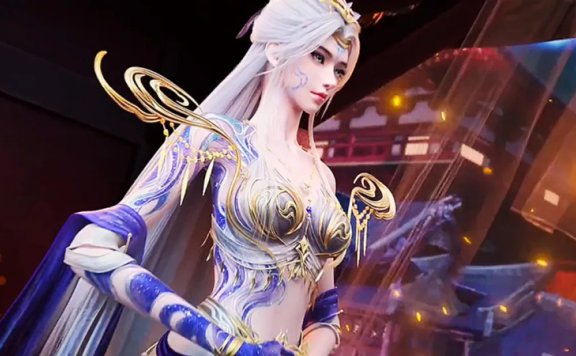
In the expansive universe of Perfect World (完美世界), cultivators seek powerful artifacts to ascend beyond mortal limits, and among these, the Five Elements Immortal Seed stands out as a legendary treasure. This seed embodies the core forces of nature, integrating metal, wood, water, fire, and earth into a harmonious whole. While it has not yet appeared directly in the animated series, its potential echoes through other divine seeds, hinting at abilities that could match even the famed World Tree. As followers of the show know, items like these shape the fate of characters such as Shi Hao (石昊), driving their growth and the storyline forward. This article delves into why the Five Elements Immortal Seed is so coveted, exploring its unique properties and how it compares to other supreme seeds in the narrative. The Elemental Fusion The Five Elements Immortal Seed's power lies in its complete balance of the five fundamental elements. In Perfect World, these forces—metal, wood, water, fire, and earth—interact through cycles of generation and restraint, forming the basis of cosmic laws. For instance, in battles, cultivators might use fire-based seeds to unleash destructive blasts or water seeds for healing, showcasing the individual strengths that this seed combines.… -
What Games Filled the Days of Ancient China's Secluded Women?
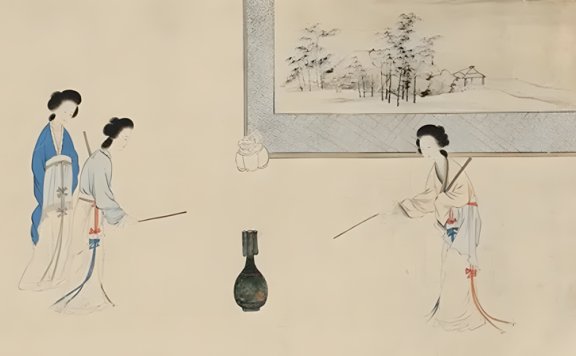
Imagine a life confined to inner chambers, where stepping outside was a rare luxury. For women in ancient China, this was often the reality, yet their world was far from dull. Behind closed doors, they engaged in sophisticated games that blended skill, strategy, and social interaction. These activities were not mere pastimes; they were vital expressions of culture and intellect. From throwing arrows to botanical duels, these games offered a glimpse into a vibrant subculture. They provided mental stimulation and a sense of community in otherwise restricted lives. This exploration reveals how creativity thrived within boundaries, shaping a unique aspect of feminine history. 1. Touhu (投壶) Touhu emerged during the Spring and Autumn Period as a ceremonial activity among nobles. By the Tang and Song dynasties, it had become a favorite among women in their quarters. Participants stood at a set distance, aiming to toss arrows into a decorative pot. The pots used by women were often exquisite, made from celadon or lacquer adorned with mother-of-pearl. The arrows, crafted from thornwood, required precision and a steady hand. The game was as much about grace as it was about accuracy. Women performed with slow, deliberate movements, one hand gathering sleeves while… -
How Li Yitong Forged Her Path Through Patience and Risk-Taking
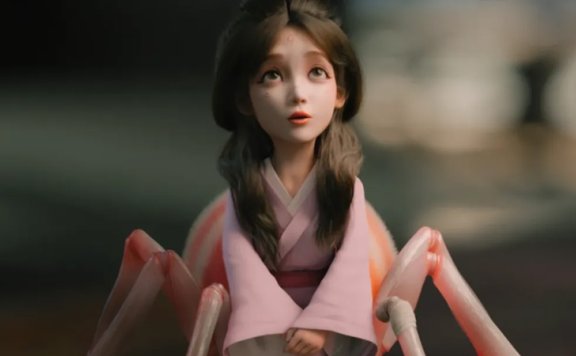
Have you ever encountered an actress who seems to defy the very concept of a linear career path? In an industry obsessed with typecasting and overnight success, Li Yitong (李一桐) stands apart. Her journey is not a straightforward climb but a fascinating exploration of different artistic avenues, challenging the simplistic labels often assigned to performers. From the fantastical world of Sword and Beloved (天地剑心) to the gritty realism of The Knockout (狂飙), her choices reveal an artist unafraid of reinvention. This is not the story of a star desperately seeking fame, but of an actor patiently honing her craft, proving that lasting impact often comes from unexpected directions. A New Kind of Heroine The recent buzz surrounding Sword and Beloved did not just revolve around its plot. A significant portion of the conversation was captured by Li Yitong's portrayal of a spider spirit named Qingtong (清瞳). This was not the conventional, seductive creature of folklore. Her character, sporting a pink-and-purple gradient dress and animated spider legs, presented a fresh, almost anime-inspired aesthetic for a female lead in a Wuxia drama. The initial appearance, a CG-rendered spider, was brought to life through her own meticulous performance in a motion-capture studio, demonstrating… -
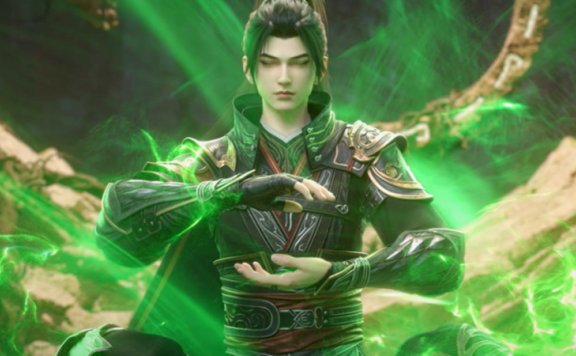
How Did Xiao Yan Achieve the Dou Di Realm in Just 6 Years?
In the world of Battle Through the Heavens (斗破苍穹), a young man's journey redefined the limits of cultivation. Xiao Yan (萧炎), once dismissed by his clan, embarked on a path that would see him reach the pinnacle of power in a timeframe that stunned the entire Dou Qi (斗气) continent. His ascent was not merely a tale of talent, but a chronicle of relentless pursuit, strategic alliances, and a destiny intertwined with the most potent forces of his world. From a determined youth to the legendary Yan Di (炎帝), his six-year climb to become a Dou Di (斗帝) stands as a testament to unwavering resolve. The Foundation of Power Xiao Yan's rapid advancement was built upon a foundation laid long before his six-year sprint began. His cultivation of the unique Fen Jue (焚决) technique, which evolved by devouring different Yi Zhong (异火), provided him with an unparalleled potential for growth. This, combined with the early guidance from his mentor, Yao Lao (药老), gave him a significant advantage. He was not just accumulating power; he was building a versatile and ever-strengthening foundation that could support the immense energy required for his later breakthroughs. His journey was marked by constant conflict and… -
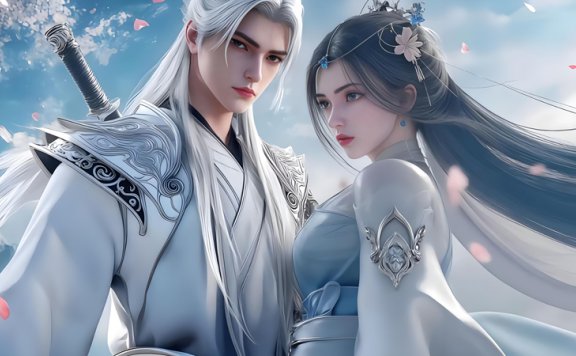
A Tragedy of Talent and Betrayal in Renegade Immortal
In the vast and mystical world of Renegade Immortal (仙逆), a tale of ambition and betrayal unfolds, centered on a young prodigy whose brilliance is overshadowed by his inner demons. This story delves into the complexities of mentorship, loyalty, and the fragile nature of talent when pitted against one's own weaknesses. It is a narrative that resonates deeply, exploring how potential can be both a gift and a curse in a realm where power and perception dictate fate. Prodigy's Ascent Hu Pao (虎咆) emerged from a small, obscure tribe, where his innate abilities set him apart from an early age. Possessing a two-star demonic power as a youth, he quickly caught the attention of larger forces. When the Soul Refining Tribe absorbed his community, he was captured by Ouyang Hua (欧阳华) and forced to drink the Demon-Severing Elixir, binding him to his new faction. This marked the beginning of his rapid rise, as he adapted swiftly to the tribe's rigorous practices. Within just four years, Hu Pao mastered the creation of ninety-three ten-soul banners, with thirty-one primary souls, a feat that placed him on par with core formation stage cultivators. His progress was nothing short of astonishing, drawing comparisons to… -
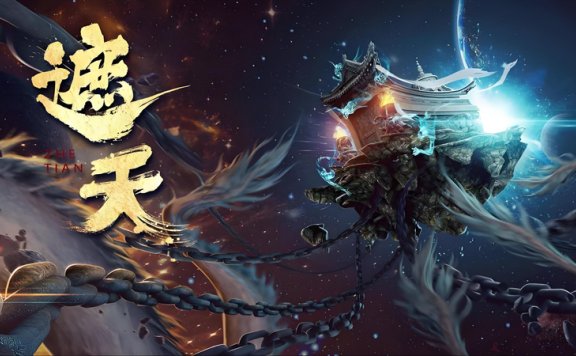
A Millennium-Long Wait and the Break of Fate in Shrouding Heavens
What happens when a cosmic misunderstanding spanning one hundred millennia becomes the catalyst for two legendary beings to rewrite their destinies? In the sprawling universe of Shrouding Heavens (遮天), the fates of a modern man and an ancient empress collide, creating a story not of romance or blood, but of profound, unintended salvation. This is not a simple tale of guidance; it is a complex dance where identities are mistaken, roles are reversed, and the very concept of destiny is challenged. At its heart lies a powerful question: can we ever truly live for another, or must we first discover and fight for our own selves? The Lonely Empress A young girl, left with nothing but the memory of her beloved older brother, makes a choice that will echo through the ages. After he is taken and sacrificed by the Yanhuang Dynasty (羽化神朝) to mend an immortal tool, her grief hardens into an unshakable resolve. She is not born with a legendary physique or divine lineage; she is a common mortal. Yet, through sheer will and the creation of the terrifying Heaven Devouring Art, she carves a path to the apex of power, becoming the feared Ruthless Emperor. Her goal… -
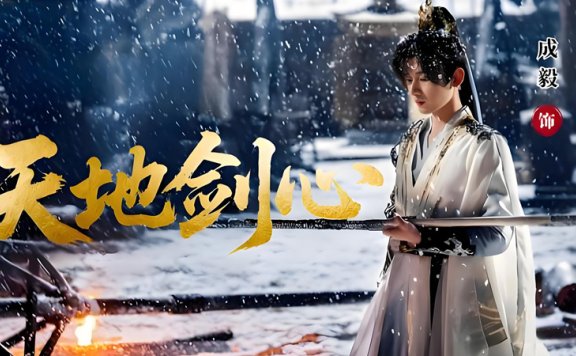
How Does a Mini Spider Spirit Steal the Show in Sword and Beloved?
In the realm of fantasy dramas, Sword and Beloved (天地剑心) emerges as a captivating tale set in a world where humans and demons collide. This series, streaming on iQiyi, follows the journey of Wang Quan Fugui (王权富贵), a formidable warrior bound by duty and isolation. With the first five episodes released, viewers are drawn into a narrative that blends mystical battles with unexpected warmth. At its heart lies the transformation of a cold, disciplined soldier through the influence of a tiny, spirited intruder. While the political intrigues and repetitive demon-slaying missions may feel familiar, it is the charming mini spider spirit who injects freshness and emotion into the story, making her the undeniable highlight of the series. The Lonely Warrior Wang Quan Fugui, portrayed by Cheng Yi (成毅), is introduced as a weapon forged for a single purpose: to eradicate demons. As the heir to the Wang Quan legacy and a key asset of the Yi Qi Meng (一气盟) alliance, his existence is confined to the icy confines of Han Tan (寒潭), a place that serves as both his home and prison. From childhood, his life has been stripped of joy, reduced to endless training and missions. His recent task… -

Lu Jingshan's Villain in Sword and Beloved & Fantasy TV
When Sword and Beloved (天地剑心) first aired, it immediately grabbed attention with its intricate set designs and dynamic action sequences. Viewers were drawn into a world where every detail, from the elegant pavilions to the fluid combat choreography, felt meticulously crafted. At the heart of the conversation is Lu Jingshan (卢靖姗), whose portrayal of the antagonist Yin Furen (音夫人) has become a standout element. Her performance challenges traditional roles and adds depth to the series, making it more than just another Xianxia production. This drama not only entertains but also highlights how compelling characters can elevate entire narratives, inviting audiences to rethink what makes a villain memorable. Yin Furen's Impact Yin Furen enters the story with a presence that is both intimidating and fascinating. Clad in dark robes, her mixed-heritage features enhance a character who exudes control and mystery. Every gesture, from a subtle eyebrow raise to a careless twist of her hair, conveys a sense of danger that keeps viewers on edge. Lu Jingshan embodies this role with a blend of cold calculation and dark humor, making Yin Furen feel authentic and multi-dimensional. Unlike one-dimensional villains, she commands scenes without overwhelming them, proving that restraint can be as powerful… -
The Tangled Web of Whispers of Fate
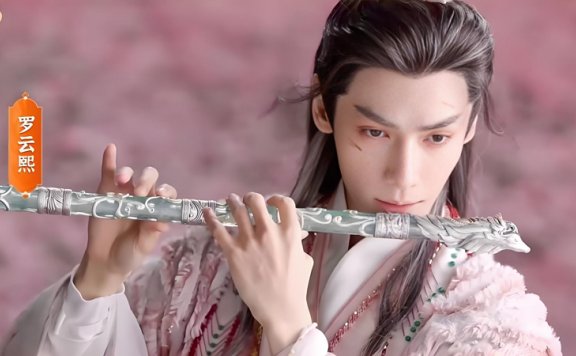
The world of Whispers of Fate (水龙吟) is one where loyalties are as fragile as ancient parchment and every smile could hide a dagger. In the latest whirlwind of events, the line between ally and enemy has blurred beyond recognition. Tang Lici (唐俪辞), portrayed by Luo Yunxi (罗云熙), finds himself at the center of a storm, his physical wounds mirroring the deep-seated scars of his past. As characters grapple with betrayal, poisoned chalices, and the shocking truth behind the Scarlet Ghost Pills, the very foundations of their world are shaken. This is not merely a fight for power, but a complex dance of morality, sacrifice, and the haunting question of what one is willing to lose for a chance at redemption. Minds and Hearts The confrontation between Tang Lici and Liu Yan (柳眼) within the phantom realm was more than a battle of martial arts; it was a psychological war. Using the mesmerizing strains of his Pipa (琵琶), Liu Yan sought to trap his opponent in a prison of illusion. The duel reached its peak when Tang Lici employed the "Heart's Ease Lute," a gift from his departed friend Fang Zhou (方周). This was not just an escape but a… -
How Did Ancient Chinese Brave the Cold Winters in Style?
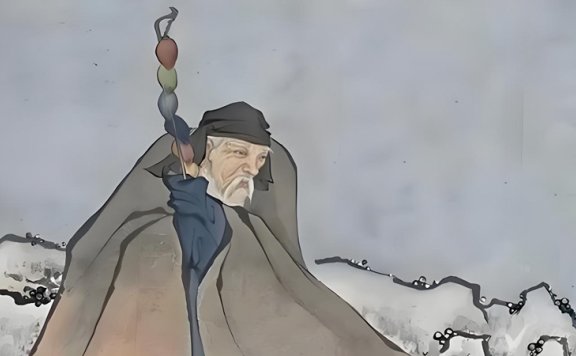
As temperatures drop, modern minds might wonder how people in ancient China managed to stay warm without today's advanced materials. Long before down jackets and thermal wear, they developed ingenious clothing solutions that evolved over millennia. From the earliest use of animal hides to the sophisticated integration of silk and even paper, these garments were not just functional but also reflected social status and cultural values. Each dynasty introduced its own innovations, turning winter wear into a fascinating aspect of historical life. This journey through time reveals how creativity and resourcefulness helped generations withstand the chill, with styles that ranged from luxurious furs to lightweight yet warm layers. By examining these ancient practices, we gain insight into a world where fashion and necessity intertwined seamlessly. Fur and Leather In ancient China, animal skins served as the primary defense against the cold, dating back to prehistoric times. Early humans relied on hides from hunted game, which provided basic insulation. As societies advanced, these evolved into more refined Qiu (裘), or fur garments, particularly during the Spring and Autumn period. These items became symbols of wealth and power, with nobility often sporting furs from foxes, leopards, and lambs. Classics like the Book… -
How Whispers of Fate Weaves Heritage into Its Visual Storytelling
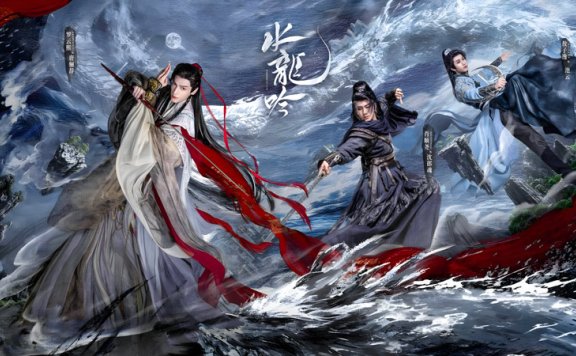
I just finished the opening episodes of Whispers of Fate (水龙吟), and the experience left me eager to discuss it with others. The protagonist, played by Luo Yunxi (罗云熙), stands out as a compelling figure who draws viewers into the story effortlessly. From the outset, the narrative flows smoothly, avoiding any sluggish moments that might lose the audience's interest. Characters are fleshed out with depth, making each interaction feel genuine and engaging. Visually, the scenes are crafted with such care that they could easily serve as stunning backgrounds for any device. Before diving in, I had reservations given the extensive promotions, but those worries dissolved quickly. The team behind this project has delivered something that resonates on multiple levels, blending action and emotion seamlessly. Platforms like Migu Video (咪咕视频) have thrown their weight behind the release, creating buzz through innovative campaigns. This support has amplified its reach, drawing in viewers who might otherwise overlook such offerings. What sets this series apart is how it balances intensity with subtlety, allowing moments to breathe without unnecessary embellishment. He brings a nuanced performance that anchors the entire plot, making it easy to invest in his journey. In an era where content can feel… -
Exploring the Final Outcomes of Love in the Clouds
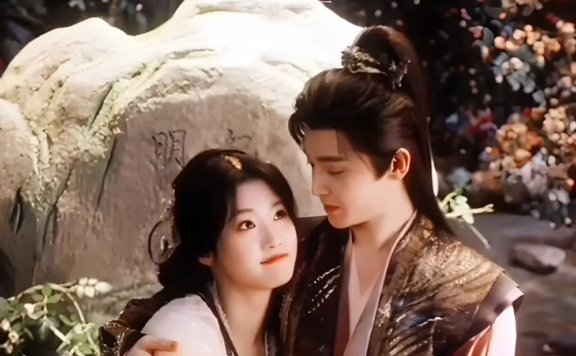
Viewing the final episode of Love in the Clouds (入青云) stirred deep reflections. Its narrative concluded as the He Xu Liu Jing (合虚六境) threat faded, leaving characters to navigate vastly different outcomes—some discovered joy, while others met sorrow or renewal. This blend of resolutions prompted both laughter and tears, mirroring life's unpredictable turns. Amid a bustling period with shows such as Fated Hearts (一笑随歌) and Yummy Yummy Yummy (宴遇永安), this series carved a distinct path. Its leap to second place in ratings underscored a narrative that felt genuine, sidestepping clichés to connect with audiences through relatable emotions and imaginative settings. The drama's strength lies in its subtle portrayal of personal struggles within a mythical framework, making each moment resonate. It proves that compelling storytelling need not shout to be heard. 1. The Final Chapter: Love and Sacrifice In a realm where power and passion collide, the conclusions of its central figures reveal profound truths about choice and consequence. Ming Yi (明意), once a revered warrior, and Ji Bozai (纪伯宰), a man shaped by vengeance, find their paths intertwined in a dance of destiny. Their journey from conflict to unity highlights the delicate balance between personal desires and greater responsibilities. Through… -
Why Does the Ending of Love in the Clouds Disappoint Viewers?
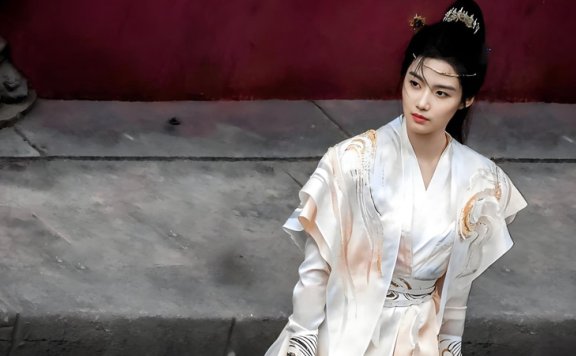
Why did the fantasy drama Love in the Clouds (入青云) leave viewers feeling underwhelmed despite its promising start? Many fans expected a gripping tale of power and revenge set in the mystical realms of Xianxia, where characters navigate complex moral dilemmas. Instead, the series stumbled into common traps that plague modern Chinese fantasy television. From inconsistent character motivations to overused narrative devices, the show's flaws highlight broader issues in the genre. This critique delves into why even visually stunning productions can fail to resonate when core storytelling elements are neglected. Flawed Protagonists Ji Bozai's (纪伯宰) quest for vengeance against his master's murderer should have been a compelling drive, yet his insistence on lawful justice in a world ruled by hierarchy felt out of place. He pursued evidence and public trials as if living in a modern society, ignoring the brutal realities of his environment. This inconsistency undermined his credibility, making his actions seem naive rather than noble. Similarly, Mu Qibai's (沐齐柏) obsession with strengthening the empire led him into pointless conflicts with rivals like the Tianji (天玑) Princess and Ji Bozai. Instead of consolidating power efficiently, he wasted energy on petty squabbles, diluting his menacing potential. The dynamic between these… -

What Secrets Does a 1600-Year-Old Northern Wei Dynasty Earring Hold?
In the quiet halls of the Datong Museum (大同博物馆), a pair of earrings whispers tales from a millennium ago. Crafted during the Northern Wei Dynasty, these ornaments are more than mere jewelry; they are portals to an era of vibrant cultural exchange. Discovered in a tomb along Heng'an Street, the earrings feature intricate designs that blend local artistry with distant influences. Their modern appeal is startling, with clasp mechanisms and elegant chains that mirror contemporary fashion. Yet, they hail from a time when the Silk Road connected empires, and craftsmanship was a language of power and identity. This piece, attributed to a woman named Han Farong, encapsulates a story of fusion and elegance, waiting to be unraveled. Artisan Craftsmanship The earring's design begins with the Linked Bead Pattern, a motif of small, connected circles symbolizing celestial bodies and divine authority. Skilled artisans carved this into the gold ring, framing two dragons that coil around a central lotus. Within the lotus, a serene human face peers out, a detail that merges spiritual symbolism with artistic grace. Below, teardrop-shaped gems—agate, turquoise, and pearls—dangle from finely worked gold settings. Each element, from the millet-grain textures to the circular turquoise mounts, showcases a hands-on… -
Dong Jie's U-Pins Reveal About Ancient Chinese Fashion
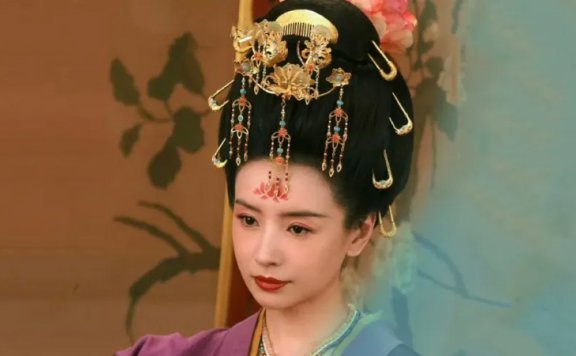
In a recent television series, actress Dong Jie (董洁) sparked curiosity with her striking hairstyle, adorned with oversized U-shaped hairpins that echo ancient traditions. This visual choice isn't just a random aesthetic; it taps into a rich history of hair accessories from dynasties like Wei, Jin, Tang, and Song. As viewers marvel at how these simple pins transform her look, they uncover a narrative where functionality meets artistry. This article delves into the evolution of these hairpins, their cultural roots, and how they bridge past and present in modern storytelling. Ancient Origins Long before modern beauty tools, ancient China developed the Zhegu Chai (折股钗), a hairpin resembling today's U-pins. Used from the Wei-Jin periods through the Tang and Song dynasties, it served to secure buns and style hair. The term "Zhegu" refers to its prongs—single for a hairpin, double for a Chai, akin to a fork. Early versions were crafted from bone or jade, but as metalworking advanced, gold, silver, and copper became common. These initial designs were minimalist, with smooth surfaces and no elaborate decorations, prioritizing practicality over ornamentation. Over time, the Zhegu Chai evolved to include intricate patterns and three-dimensional shapes. Artisans employed techniques like Leisi (累丝), where… -
The Reason Behind Loose Hair in Ancient-Style TV Series
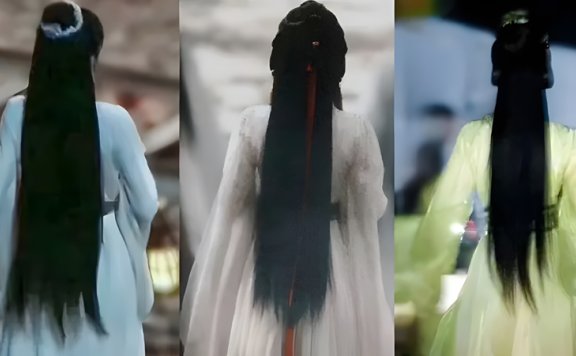
Why do so many historical dramas get the hairstyles completely wrong? Viewers often see characters with long, flowing locks in settings where this would have been historically inaccurate. From palace halls to battlefields, loose hair dominates the screen, creating a visually striking but historically questionable aesthetic. This stylistic choice raises questions about the balance between creative freedom and cultural authenticity in period storytelling. Hair and Adulthood In traditional Chinese society, hair management marked the transition to adulthood. When young men reached twenty years, they participated in the Guan Li (冠礼), a ceremony where they received their first adult hairpiece. Women underwent a similar ritual called the Ji Li (笄礼) at fifteen. During this ceremony, family members would gather to twist her hair into a mature style secured with hairpins. This transformation signaled her readiness for marriage and adult responsibilities. These ceremonies carried deep social meaning. A person's hairstyle communicated their understanding of social order and personal discipline. The famous saying from The Analects about being "left with disheveled hair and folded garments" illustrated how hairstyles distinguished civilized society from what was perceived as barbaric cultures. Maintaining proper hair arrangements demonstrated respect for the community's values. Contrary to what many television… -
The Making of Destiny in Whispers of Fate
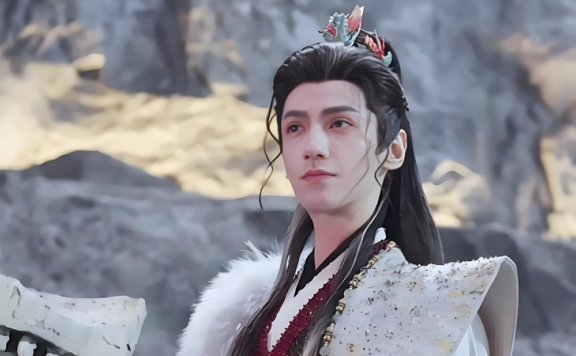
How does a man haunted by his past forge a new destiny in a world of martial arts and mystery? This is the central question at the heart of the captivating Wuxia drama, Whispers of Fate (水龙吟). Led by the enigmatic Tang Lici (唐俪辞), a group of skilled fighters navigate a landscape of ancient sects, personal vendettas, and hidden truths. The story unfolds as Tang journeys to the famed Sword King City, but his path is anything but direct. From a treacherous encounter at the mysterious Thirteen Floors to gaining an unlikely ally, each step reveals more about his complicated history and the limited time he has to confront it. A Perilous Shortcut After bidding farewell to Zhong Chunji (钟春髻), Tang Lici continues his travels with his companions, Chi Yun (池云) and A Shui (阿谁). Their journey takes a dramatic turn when their boat is sucked into a massive whirlpool. Instead of leading to disaster, the vortex transports them directly to the gates of an elusive and powerful organization, the Thirteen Floors. Chi Yun is astounded, having known the place as notoriously difficult to enter. The master of the Thirteen Floors is waiting for them, and he immediately recalls the… -
How Traditional Chinese Fashion Champions Comfort Without Tight Fits
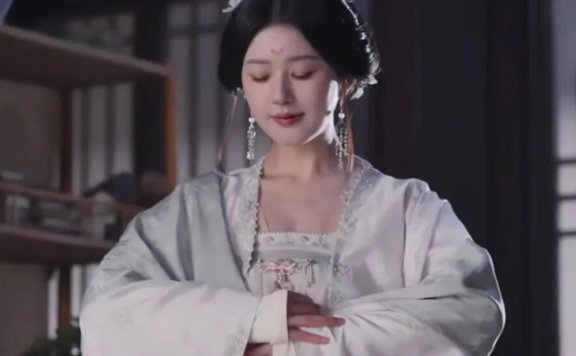
In today's fashion landscape, where body-hugging outfits and defined waistlines dominate, many people feel pressured to conform to restrictive clothing standards. Traditional Chinese attire, however, offers a refreshing alternative by prioritizing natural movement and ease over constriction. Rooted in historical practices, this approach uses intelligent design principles to ensure garments adapt to the wearer, not the other way around. By exploring concepts like added fabric space and fluid silhouettes, we can uncover a philosophy that values comfort and elegance equally. This perspective challenges modern norms and invites us to rethink how clothing should make us feel—empowered, comfortable, and authentically ourselves. As we delve into specific elements, it becomes clear that this isn't just about aesthetics; it's about fostering a healthier relationship with what we wear every day. The Fangliang Principle At the core of traditional Chinese clothing is Fangliang (放量), which involves intentionally adding extra space to garments beyond basic body measurements. This design choice ensures that clothes move with the wearer, allowing for a full range of motion without sacrificing style. For example, sleeves are often extended by at least 10 centimeters past the fingertips, enabling them to drape gracefully or cover hands during formal occasions. This not only… -
Exploring Tang Lici’s Quest and Fractured Bonds in Whispers of Fate
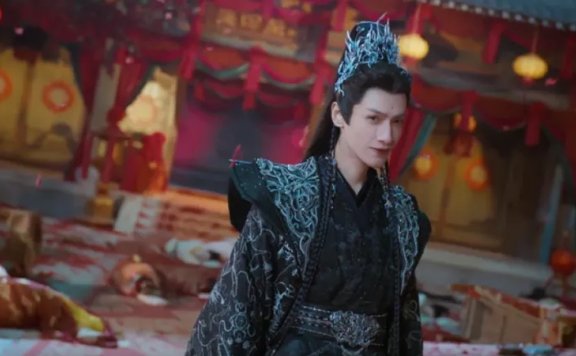
Is Whispers of Fate (水龙吟) The Next Big Thing in Wuxia Television? After its highly anticipated premiere, this new series is already generating significant buzz. Unlike typical martial arts stories, it introduces audiences to a world where Jianghu is intertwined with mystical elements, creating a unique Xianxia narrative. The story pulls viewers into a complex web of mystery from the very first scene, focusing on the enigmatic protagonist Tang Lici (唐俪辞) as he navigates a landscape of framed crimes and personal vendettas. This is not merely a detective story set in ancient times; it is a deep exploration of human relationships, causality, and the blurred lines between good and evil. A Mysterious Premise The series opens with a visually striking sequence reminiscent of Chinese gothic horror. Under a full moon, a palanquin carried by masked figures glides through the night. The mysterious passenger within is revealed to have a strikingly androgynous face. This palanquin descends upon a bustling marquis's estate, where a wedding celebration is underway. The old marquis is marrying a young woman named A Shei (阿谁), who sold herself into the marriage to bury her father. The festive atmosphere is shattered when the haunting sound of a Pipa…