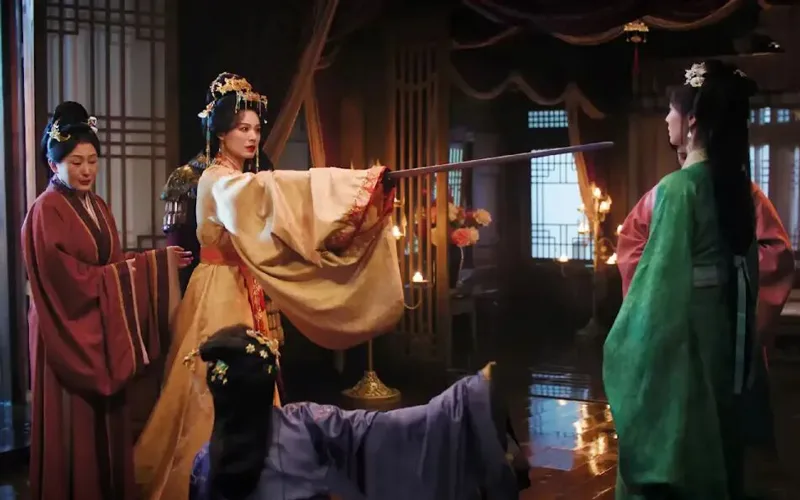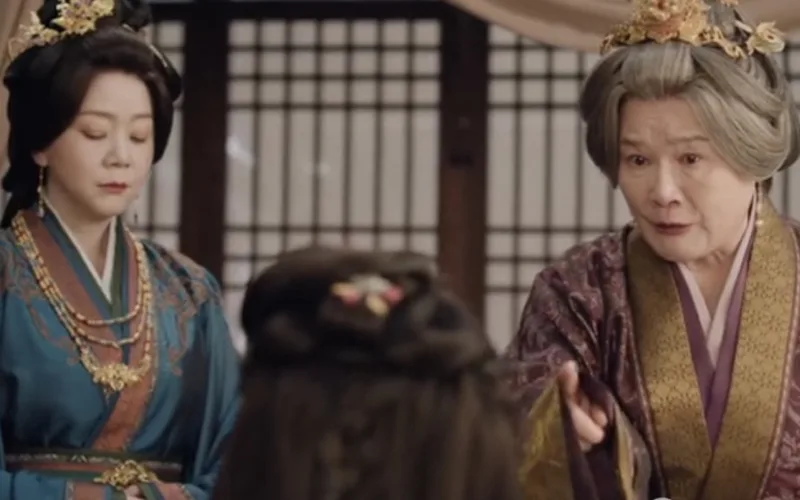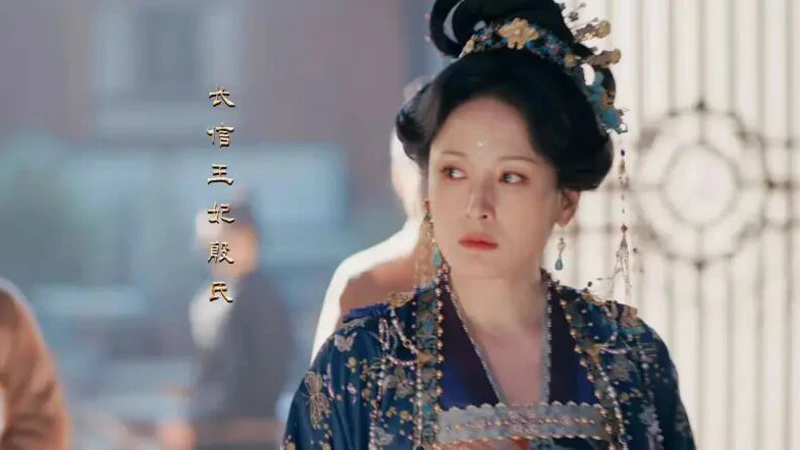
In the landscape of contemporary fantasy, Sword and Beloved (天地剑心) distinguishes itself not through spectacle, but through a profound synthesis of visual poetry and philosophical depth. The series charts the internal journey of Wangquan Fugui (王权富贵), whose evolution from a constrained heir to an autonomous guardian is rendered with remarkable subtlety.
Under Director Du Lin’s (杜林) guidance, the narrative finds its strength in quiet character dynamics and a refined visual language, where every frame—from choreographed action to symbolic costume—serves the central theme. The story gracefully channels Daoist thought, exploring how a blade can become a vessel for self-discovery and universal connection. This meticulous approach, prioritizing emotional resonance and cultural texture over conventional tropes, demonstrates a mature artistry that trusts its audience to engage with layered storytelling, making the series a compelling study of inner awakening.

1. A Fresh Perspective on Eastern Storytelling
Sword and Beloved has emerged as a standout series, captivating viewers with its distinctive approach. It weaves a narrative where a central figure, Wangquan Fugui, embarks on a personal journey, grappling with his identity and purpose. His evolution from confusion to clarity is portrayed with subtlety, avoiding grandiose declarations. The series does not rely on spectacle alone; instead, it finds its strength in quiet moments and refined visual composition.
Crafting the Narrative
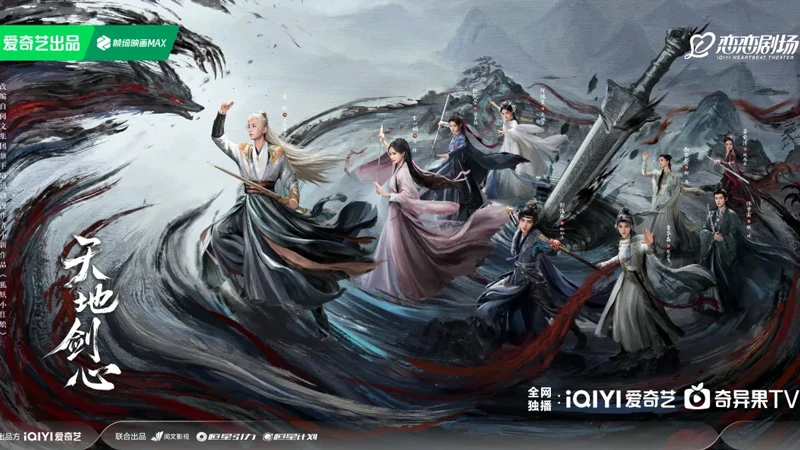
Director Du Lin brings a steady hand to the production, focusing on integration rather than imitation. In his view, the essence of the story lies in the interactions between characters. Qingtong (清瞳) offers a contrasting presence, her relationship with him adding layers to his development. Similarly, his dynamic with Wangquan Hongye (王权弘业) explores themes of legacy and independence. These elements are framed within a visual language that feels both ancient and immediate, using space and movement to suggest deeper philosophical ideas without explicit explanation.
Visual and Emotional Resonance
The aesthetic choices in Sword and Beloved serve the story directly. Action sequences are choreographed to emphasize rhythm and intention over sheer force. Scenes are constructed with attention to atmosphere, where the environment often reflects the internal states of the characters. This method creates an immersive experience, allowing the audience to feel the narrative’s pulse. The director’s prior experiences, including work on projects like Fox Spirit Matchmarker (狐妖小红娘), have informed this nuanced approach, highlighting a path of gradual artistic maturation that parallels the protagonist’s own growth.
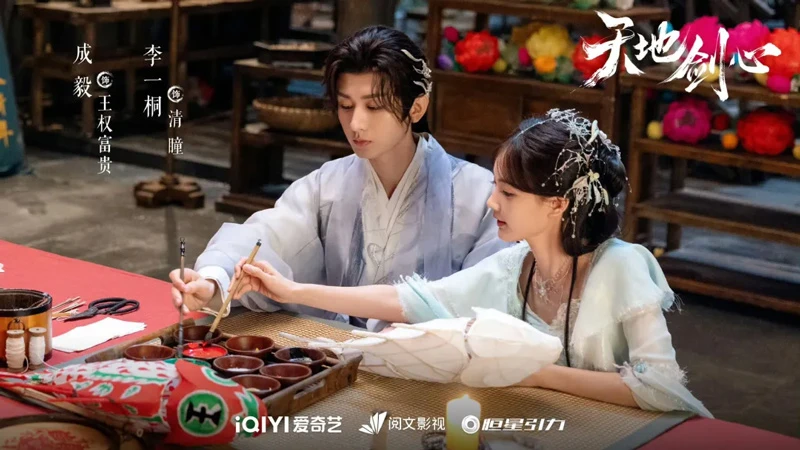
Audience reactions highlight the series’ ability to connect on an emotional level. Comments frequently note the sincerity in performance and the coherence of the visual style. This response underscores a shift in appreciation for stories that trust viewers to engage with layered storytelling. Sword and Beloved stands as a testament to this evolving dialogue, proving that depth and accessibility can coexist without compromise.

2. The Heart of the Blade: A Daoist Path
In narratives that weave ancient wisdom into modern tales, the interplay between weapon and wielder often mirrors deeper spiritual quests. This discussion examines how a story can channel Daoist thought, where a blade becomes more than metal—it turns into a vessel for understanding the self and the universe. Through character journeys and relational dynamics, such tales invite audiences to reflect on their own paths, blending personal strife with universal truths in a way that feels both intimate and expansive.
Expanding Vision
When Wang Quan Fugui loses his sight, his world narrows to darkness, yet this limitation sparks a broader awareness. Qing Tong stays by his side, crafting a silk band to guide him and leading him into the open air to sense the vitality around them. This act shifts his perception from isolation to connection, as he feels the rustle of leaves and the warmth of sunlight, laying groundwork for a philosophy that embraces all existence.
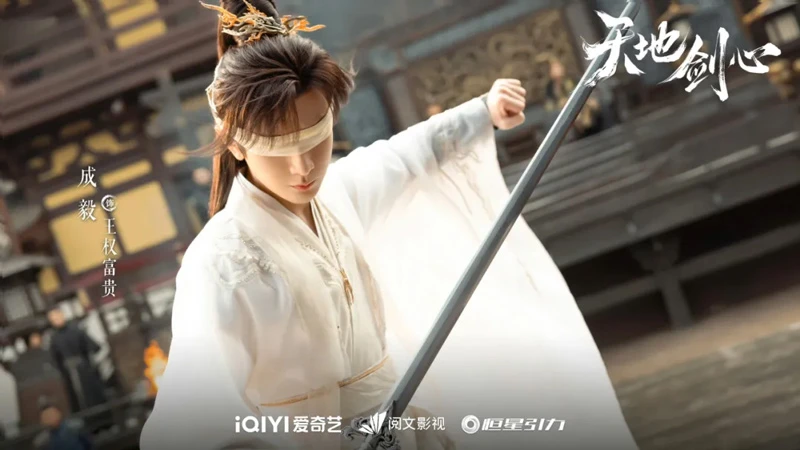
This moment illustrates how personal crises can open doors to wider ethical considerations. Instead of dwelling on individual loss, the experience encourages him to ponder the interconnectedness of life, moving beyond mere survival to a stance that values every being. Such narrative turns demonstrate how stories can elevate from simple emotional arcs to address collective harmony and moral clarity.
By focusing on sensory details and quiet interactions, the tale avoids grand declarations, allowing the audience to witness a gradual internal shift. The simplicity of a guided walk or a tied ribbon conveys profound change, making the journey toward understanding the “Way of All Living Beings” feel earned and relatable, rather than forced or abstract.
Awakening Choice
Faced with a barrage of arrows meant to enforce familial duty, Wang Quan Fugui makes a defiant stand by shielding Qing Tong, challenging the dogma that labels some beings as enemies. This decision marks a pivot from obedience to introspection, as he questions whether morality stems from species or actions, igniting a personal revolution that rejects inherited prejudices in favor of empathetic judgment.
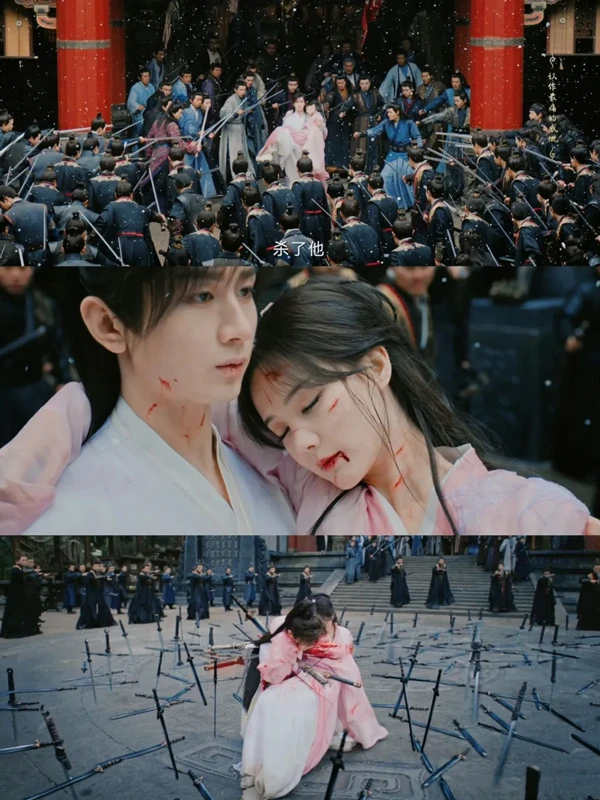
His evolution from a compliant instrument to an autonomous guardian reflects principles found in texts like the Dao De Jing (道德经), which emphasizes self-mastery and resilience. This arc resonates because it mirrors real-life growth—many people start by accepting external expectations before discovering their own values through trial and reflection, ultimately forging identities that align with inner convictions.
In scenes such as the confrontation with the Wan Ku Zhen (万枯阵) formation, the tragedy he witnesses extends his compassion from individual sorrows to universal suffering, solidifying his commitment to coexistence. The narrative avoids melodrama by grounding his transformation in tangible experiences, making his awakening a natural outcome of accumulated insights rather than a sudden plot device.
Silent Understanding
The relationship between Wang Quan Fugui and his father, Wang Quan Hongye (王权弘业), embodies a classic dynamic where love is expressed through restraint and unspoken gestures. Wang Quan Hongye’s deep affection manifests as harsh discipline, aiming to shield his son from past mistakes by fostering emotional detachment, a approach that creates tension yet underscores a protective intent common in familial bonds.
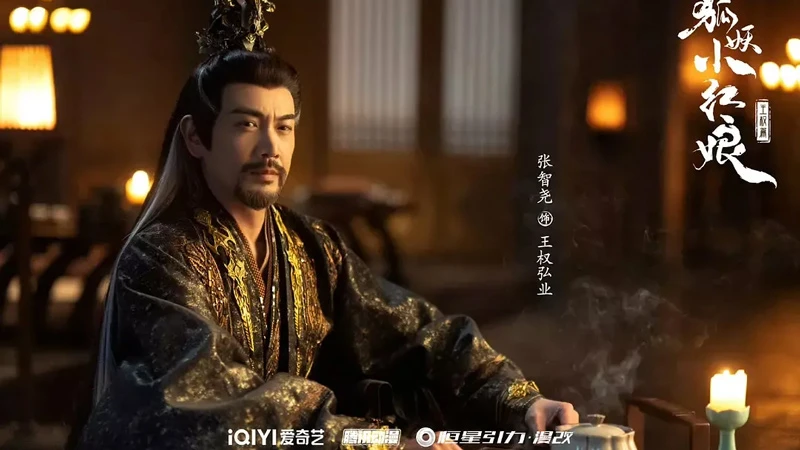
One poignant scene captures this without words: a mere glance at his father’s retreating figure conveys a flood of realization for Wang Quan Fugui, highlighting how silence can speak volumes in storytelling. This method trusts the audience to interpret subtle cues, fostering a deeper engagement as viewers piece together emotions from visual hints rather than explicit dialogue.
Such depictions avoid clichés by focusing on nuanced interactions—a shared breath, a hesitant look—that reveal layers of history and care. This approach not only deepens character authenticity but also mirrors real-world relationships where understanding often grows from quiet moments, making the narrative feel genuine and immersive without relying on exaggerated sentiment.
Crafting Moments
Behind the scenes, collaboration between directors and actors breathes life into the story, with each frame designed to echo the theme of blade and spirit. Before filming, teams dissect scripts line by line, aligning on how to convey emotional depths through minimal actions, ensuring that every gesture—from a trembling hand to a steady gaze—serves the broader narrative of inner awakening.
For instance, in a pivotal scene where Wang Quan Fugui grasps his sword with newfound resolve, the camera lingers on subtle details: fingers shaking with uncertainty before shifting to eyes alight with determination. This visual progression allows audiences to “feel” the character’s epiphany firsthand, transforming abstract concepts into palpable experiences that resonate on a sensory level.
This meticulous attention to performance and framing avoids over-reliance on dialogue, instead using imagery to evoke the protagonist’s journey. By prioritizing authentic expression over theatricality, the storytelling becomes a shared exploration, where viewers are not just observers but participants in the unfolding drama of self-discovery and connection.

3. The Making of Sword and Beloved’s Distinct Fantasy World
In the realm of fantasy storytelling, a new series has managed to carve out a distinct space for itself. Sword and Beloved demonstrates how technical execution can elevate a narrative beyond its genre conventions. The production focuses on marrying visceral action with a deeper philosophical current, creating an experience that feels both spectacular and substantive. This approach has resonated deeply with audiences, who have particularly praised its visual coherence and emotional weight. The series does not rely on empty spectacle but instead uses its technical prowess to illuminate character journeys and thematic depth.
Action and Balance
Crafting the physical confrontations in Sword and Beloved required a delicate equilibrium. The director, Du Lin, rejected both hyper-realism and pure visual flamboyance. He believed a strictly realistic approach would fail to capture the ethereal nature of the Wangquan Jianyi (王权剑意), or Royal Authority Sword Intent. Conversely, an over-reliance on computer-generated imagery would sacrifice the tangible impact and conviction inherent to Wuxia. The solution was found in a principle of balanced opposition, a concept drawn from classical thought.
This philosophy was applied to a duel sequence set in a heavy snowfall. The environment was one of pure, soft white, creating a backdrop of silent romance. Against this, the combatants moved with contrasting rhythms—swords tracing sharp, intricate patterns while their bodies flowed with a slower, more deliberate grace. The black structures in the scene accentuated the bright snow, and the urgent clashing of blades was offset by the calm, expansive movements. This created a clear visual hierarchy, allowing both intensity and beauty to coexist.
The evolution of a central figure’s fighting style mirrors his internal shift. Initially defined by his role as a soldier, his movements are technical, sharp, and mechanically efficient. After a significant awakening, his technique incorporates a flowing, almost dance-like quality, reminiscent of a crane spreading its wings. Even the manifestation of his sword energy transforms, shifting from a cold, metallic stream into a vibrant, living flame, visually charting the change within his spirit.
Visual Storytelling
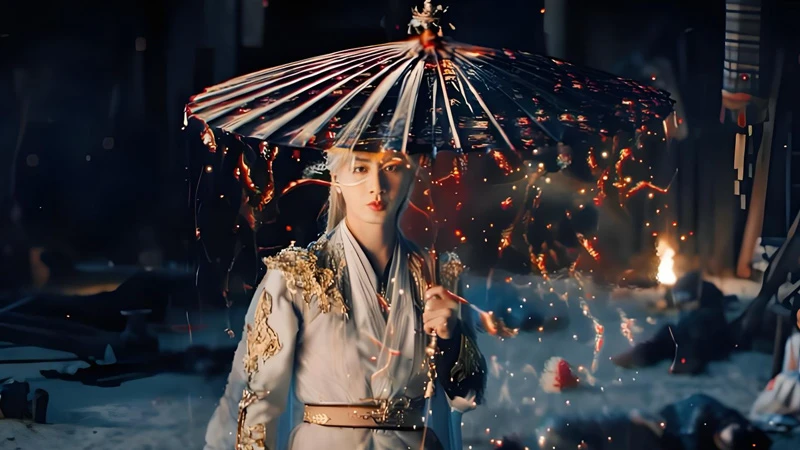
The visual language of the series is meticulously designed to serve as an external representation of internal states. Nothing is arbitrary. The armor worn by the character Wangquan Fugui is heavy and imposing, constructed from silver plates that feel cold and restrictive. This costume functions as a physical manifestation of the duty imposed by his lineage. In contrast, the attire of Qingtong is lightweight and soft, woven from a gauzy material. Delicate spiderweb patterns are subtly integrated into the fabric, alluding to a heritage that is both humble and resilient.
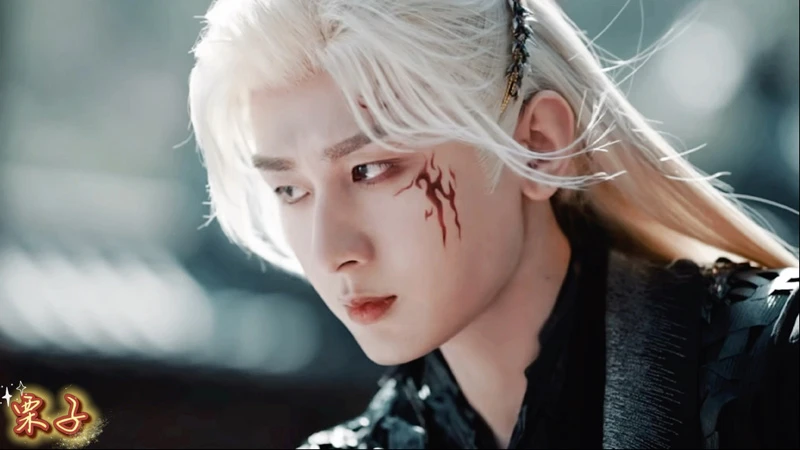
Color palettes are also employed with narrative intent. In the earlier stages of their journey, the characters are often framed in muted, desaturated tones. This reflects personalities that are yet to be fully formed or awakened. As they grow and their worldviews expand, the color saturation intensifies. The visuals become richer and more complex, mirroring the deepening of their emotional landscapes and the acquisition of personal agency.
This design logic culminates in a pivotal scene where Wangquan Fugui appears blindfolded and clad in white. This was not an arbitrary stylistic choice. The white robes symbolize a purity untainted by worldly corruption, while the blindfold represents a transition to perceiving with something beyond sight. The entire composition directly services his cultivation of the Jianxin (剑心), or Sword Heart, illustrating the concept of guiding the sword with one’s spirit rather than one’s eyes.
Cultural Texture
The integration of traditional craft is another layer of the series’ texture. The production team committed to an authentic representation of these arts. For instance, the embroidery techniques featured, specifically Ou embroidery (瓯绣), faithfully replicate traditional needlework methods like the oblique stitch and flat stitch. Similarly, the patterns used in Miao ethnic metal carving adhere to their original cultural symbolism. However, these elements are never included as mere decoration.
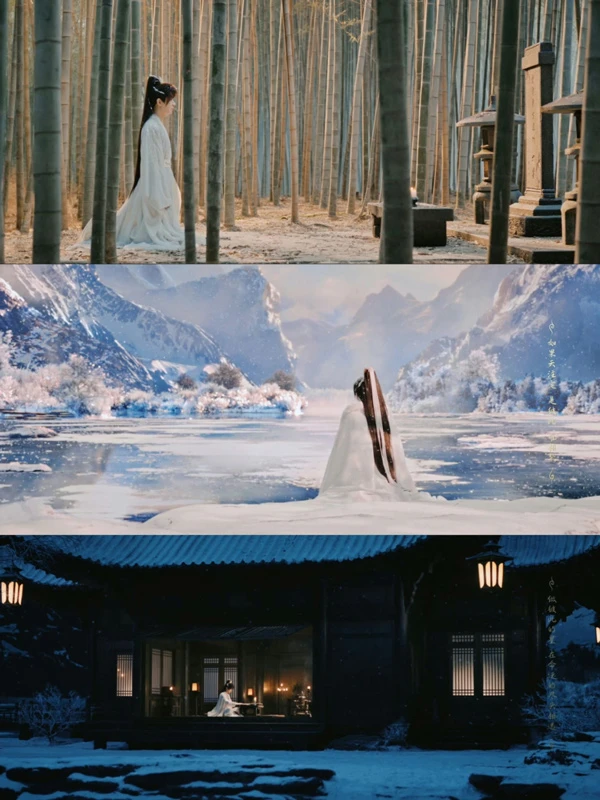
The most poignant example is a piece of embroidery titled Love in Pavilion (淮水竹亭), or Riverside Bamboo Pavilion, woven by Qingtong. On a technical level, its aesthetic was inspired by the color gradations found in the classical painting A Thousand Li of Rivers and Mountains (千里江山图). Narratively, this object, crafted from spider silk, becomes a profound symbol. For Wangquan Fugui, it represents the first glimpse of beauty and freedom in a life defined by confinement and obligation.
This artifact begins as a simple token of connection between two individuals. It gradually evolves into a catalyst for the protagonist’s moral awakening, prompting him to question long-held divisions and ultimately fostering a desire to protect rather than to dominate. Here, the traditional craft is more than a visual detail; it becomes a vessel carrying a character’s emotional shift from despair to hope.
Narrative Core
For Du Lin, the foundation of a compelling series lies beyond visual spectacle. While impressive visuals can serve as an initial hook, allowing audiences to quickly immerse themselves in the world, they are not what fosters a lasting connection. The elements that truly resonate are the soul of Eastern aesthetics and the roots of genuine human emotion within the story. The spectacle is the doorway, but the heart of the experience lies within.
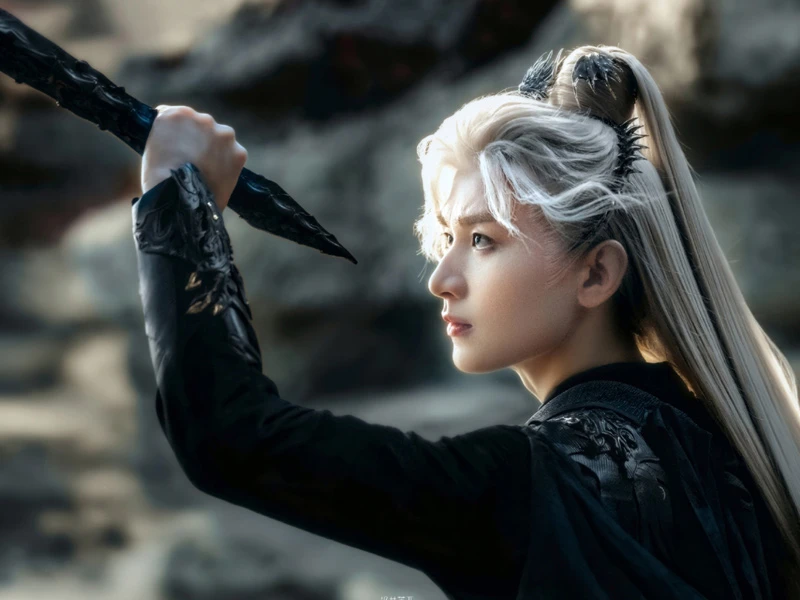
Innovation in the genre, therefore, must happen on dual fronts: narrative and technical. On a story level, it involves moving beyond well-trodden plot formulas to engage with values that speak to contemporary viewers. In Sword and Beloved, the central character’s growth is not about achieving dominance but about understanding that true guardianship is not possessive but supportive. This theme of reconciling with oneself proves far more resonant than simple tales of conquest.
Technologically, special effects must be subservient to the plot, not the other way around. A key sequence depicts a climactic duel not as a physical battle, but as a confrontation of wills, where intent is materialized into clashing swords. The color, shape, and trajectory of each blade of energy are directly tied to the combatants’ fluctuating emotions. In this context, the visual effect ceases to be just an effect; it becomes a direct extension of the narrative itself, visualizing the internal conflict.

4. Visual Poetry and Philosophical Depth
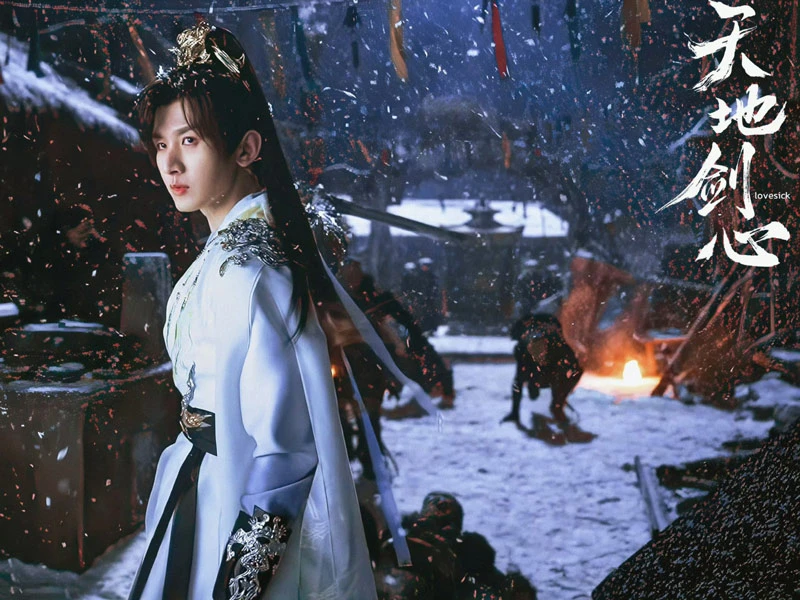
Sword and Beloved stands out in modern fantasy by prioritizing emotional depth and philosophical inquiry over spectacle. It follows Wangquan Fugui’s subtle internal journey from a restricted heir to an autonomous guardian. Under Director Du Lin, the narrative is driven by quiet character dynamics and a refined visual language where every frame serves the central theme. Channeling Daoist thought, the series uses its protagonist’s awakening to explore self-discovery and universal connection, offering a mature, layered storytelling experience that resonates deeply with its audience.
Discovering Sword and Beloved's Philosophical Journey