As temperatures drop each year, modern solutions like electric blankets and smart thermostats become essential. But centuries before central heating, people across China developed remarkably sophisticated methods to stay warm. Their innovations blended architectural genius with portable comfort, creating systems that heated entire homes or provided personal warmth during bitter winters.
These weren’t just practical solutions—they represented a deep understanding of materials, heat conduction, and seasonal adaptation. From permanent structures built into homes to delicate artifacts carried in sleeves, each invention tells a story of human ingenuity facing nature’s challenges.
Heated Architecture
The Kang (炕) heated bed was northern China’s architectural answer to winter. Constructed from brick or adobe, this platform contained an intricate network of flues connecting to the household stove. Heat and smoke from cooking would circulate beneath the sleeping surface before exiting through a chimney. This clever design provided whole-room heating without extra fuel. The system appears in historical dramas like Flourished Peony (国色芳华), where characters enjoy its steady warmth.
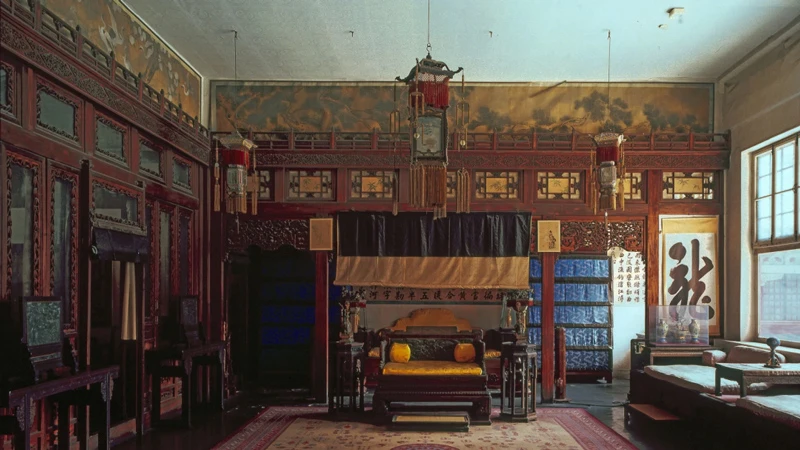
Wealthier households and palaces developed even more advanced systems. During the Ming and Qing dynasties, the Forbidden City utilized underground heating channels beneath its most important halls. Servants would light fires in outdoor stoves, with hot air traveling through subterranean passages to warm marble floors and hollow walls. These early radiant heating systems allowed emperors to conduct state affairs comfortably even during Beijing’s coldest months.
These architectural solutions demonstrated remarkable sustainability. By integrating heating with daily activities like cooking, they maximized energy efficiency. The thermal mass of brick and earth retained heat long after fires died down, providing consistent warmth through winter nights. This approach to building design represented a perfect marriage of function and comfort in traditional Chinese architecture.
Portable Warmth
The humble Huopen (火盆) brazier served as ancient China’s most universal heating device. Appearing in everything from rustic farmhouses to imperial palaces, these containers held burning charcoal or wood. Simple versions used clay or basic metal, while luxurious models featured intricate bronze casting or cloisonné enamel. Northern Song dynasty residents of Bianjing (汴京) even began using coal in their braziers as technology advanced.
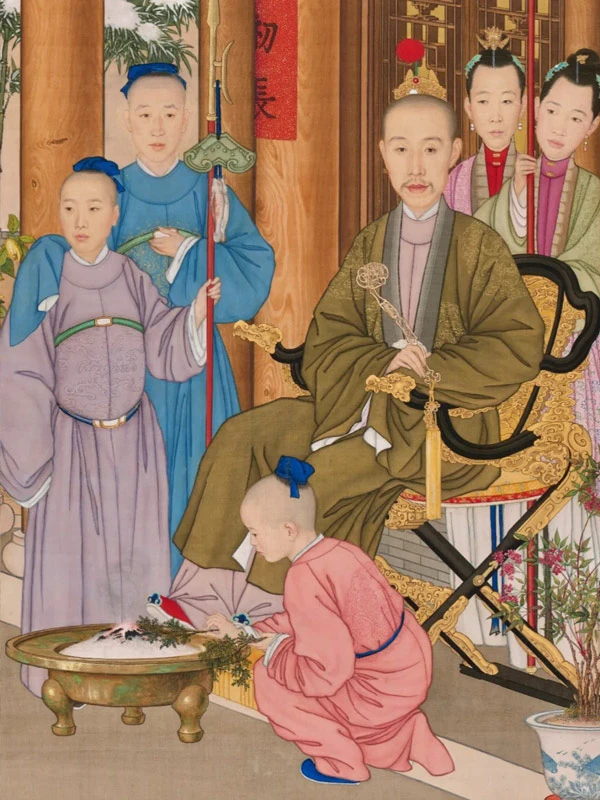
Safety concerns shaped how people used these devices. Carbon monoxide poisoning was a recognized risk, leading to the common practice of maintaining ventilation holes in rooms. Different fuel grades also emerged—ordinary families burned wood while aristocrats used special “auspicious charcoal” that burned cleaner and longer. These variations reflected social hierarchies while addressing the same fundamental need.
Beyond mere functionality, the brazier became a social center during cold months. Families would gather around its warmth, sharing food and conversation. In countless households across dynasties, this simple vessel provided both physical warmth and emotional connection during long winters, making it far more than just a heating tool.
Personal Heating
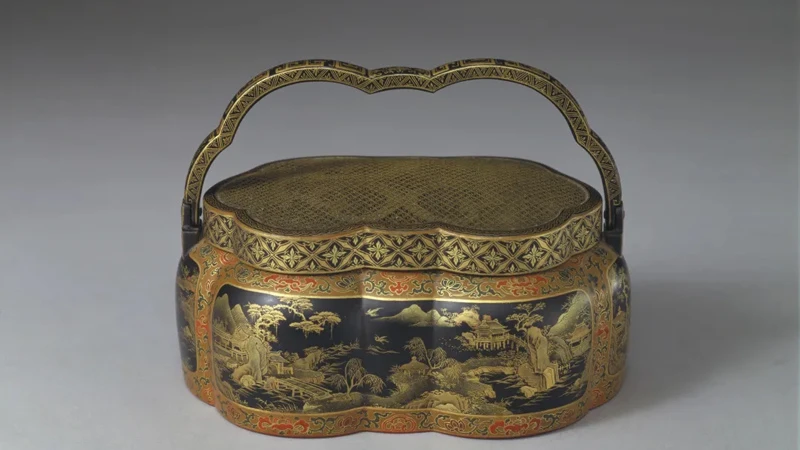
Shoulu (手炉) hand warmers represented the ultimate refinement in personal heating. These exquisite copper containers—small enough to hold or tuck into sleeves—held burning charcoal beneath perforated lids. Craftsmen designed them to distribute heat evenly without burning hands. Examples preserved in the Palace Museum showcase incredible artistry, with decorations ranging from engraved landscapes to colorful enameling.
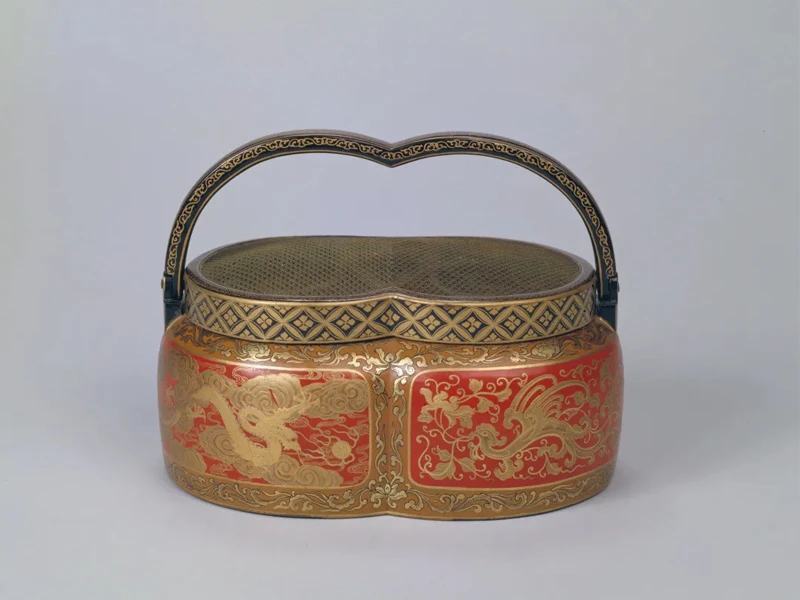
Operation required careful technique. Users would place hot charcoal pieces inside the central chamber, then cover them with ash to slow combustion. A single loading could provide hours of gentle warmth. During the Song dynasty, these devices transitioned from luxury items to middle-class accessories as craftsmanship improved and production costs decreased.
The hand warmer’s design reveals sophisticated understanding of heat transfer. The metal interior absorbed and distributed thermal energy while the outer casing remained at safe temperatures. This combination of scientific principle and artistic expression made these objects both useful and beautiful, embodying the elegance of traditional Chinese lifestyle.
Bed Warmers
For nighttime comfort, people turned to Tangpozi (汤婆子) bed warmers. These circular containers—typically made from copper, tin, or ceramic—held hot water. After filling through a small opening, users would screw the cap tight and wrap the vessel in cloth before placing it between bedding. The heat would permeate blankets and quilts, keeping sleepers comfortable until morning.
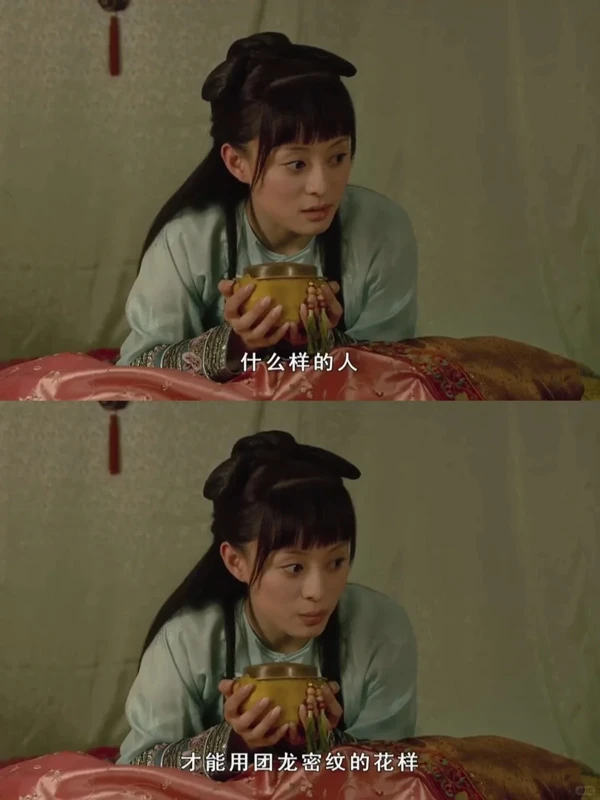
Historical records show these devices were already popular during the Song dynasty. Poet Huang Tingjian (黄庭坚) wrote affectionately about his “foot mother,” praising how it ensured warm sleep throughout cold nights. The device’s nickname playfully suggested it could substitute for a bedmate’s warmth, highlighting its importance in daily life.
These warmers were particularly valued for their safety and simplicity. Unlike charcoal burners, they produced no fumes, making them ideal for enclosed sleeping spaces. The gradual heat release matched the human body’s needs through the night. This thoughtful design—focused on sustained comfort rather than intense heat—demonstrated nuanced understanding of human needs.
Looking at these inventions together reveals a comprehensive approach to winter comfort. Permanent solutions like heated walls addressed architectural needs, while portable devices provided flexibility. The cultural significance extended beyond mere utility—these objects reflected philosophical concepts of harmony between humans and their environment. They remind us that comfort comes not from overpowering nature, but from working intelligently with available resources.