When Moonlit Order (锦月令) premiered, it shattered records within hours, becoming the most discussed historical drama of the season. Set in a fictional ancient dynasty, the series follows the intricate lives of nobility and secret identities, weaving a tale that has captivated millions. At its heart are characters whose depth and the show’s relentless pace create an unforgettable viewing experience. Unlike typical period pieces, this production balances suspense, romance, and cultural richness without relying on clichés. Its rapid rise to fame isn’t just about star power; it’s the clever fusion of storytelling and visual artistry that keeps audiences glued to their screens, eagerly awaiting each new episode.
Complex Characters
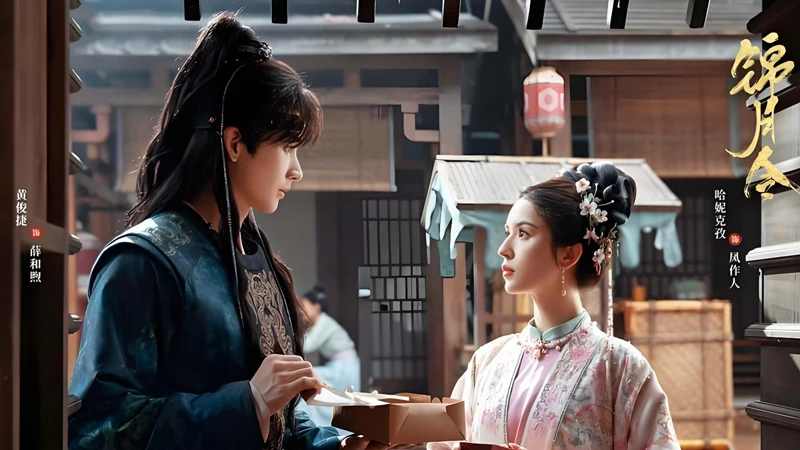
Xue Hexu (薛和煦) stands out as a masterclass in character development, portrayed with a nuance that defies simple labels. On the surface, he appears as a carefree nobleman, often seen with a high ponytail and playful demeanor, but subtle clues hint at his hidden past as a displaced heir. This duality isn’t just for show—it mirrors real struggles with identity and resilience, making his journey feel authentic. In one pivotal scene, he casually deflects a poisoned tea offer, his eyes flashing with calculated intensity, revealing layers of strategy beneath the charm. Such moments highlight how he uses wit to navigate dangers, transforming what could be a flat archetype into a relatable figure grappling with duty and disguise.
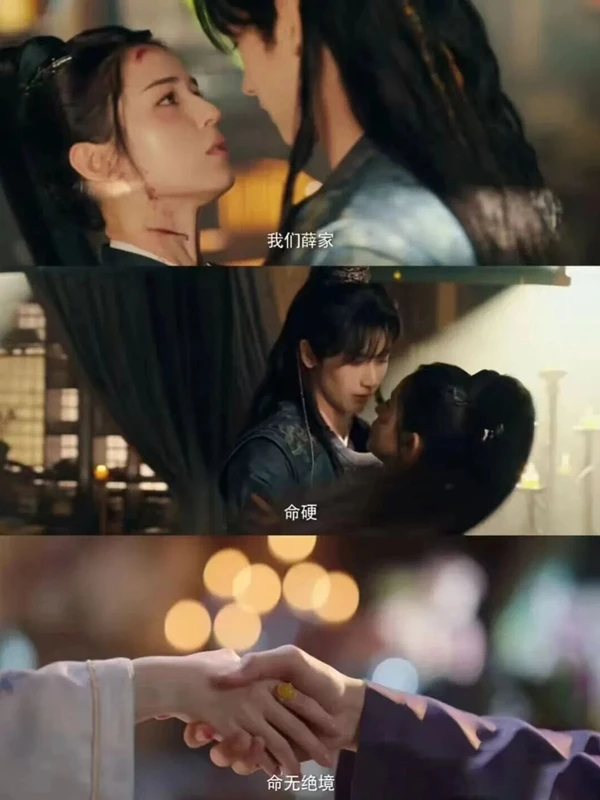
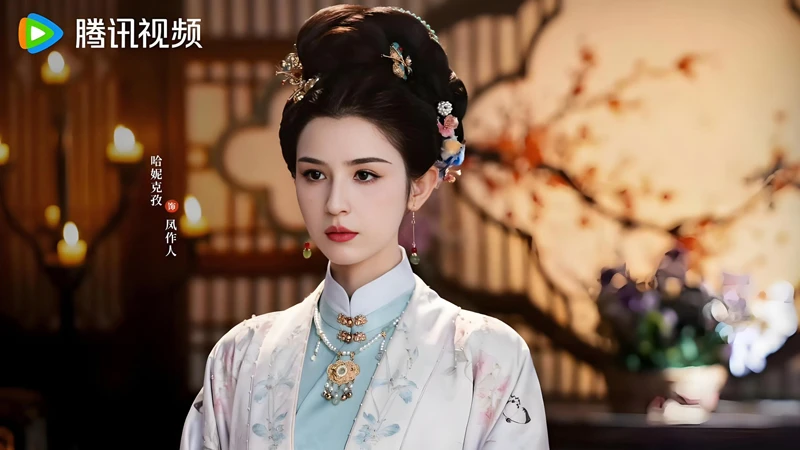
Feng Zuoren (凤作人) complements this dynamic as a skilled operative whose evolution from a rigid enforcer to a morally conscious individual adds emotional weight. Initially focused on missions, she learns to question blind loyalty through her interactions with others, particularly in high-stakes situations where trust is scarce. Her growth isn’t rushed; it unfolds naturally amid the plot’s twists, showing how adversity shapes her principles. This progression resonates because it avoids melodrama, instead focusing on quiet moments of self-discovery that echo the series’ theme of personal transformation.
The chemistry between them drives much of the narrative, but it’s their individual arcs that anchor the story. As they clash and collaborate, their relationship becomes a catalyst for change, pushing each to confront their flaws and strengths. This isn’t merely a romance; it’s a partnership that underscores the idea that true connection fosters growth. By prioritizing character depth over superficial conflicts, the series elevates itself beyond typical genre fare, offering viewers figures they can root for and learn from.
Visual Mastery
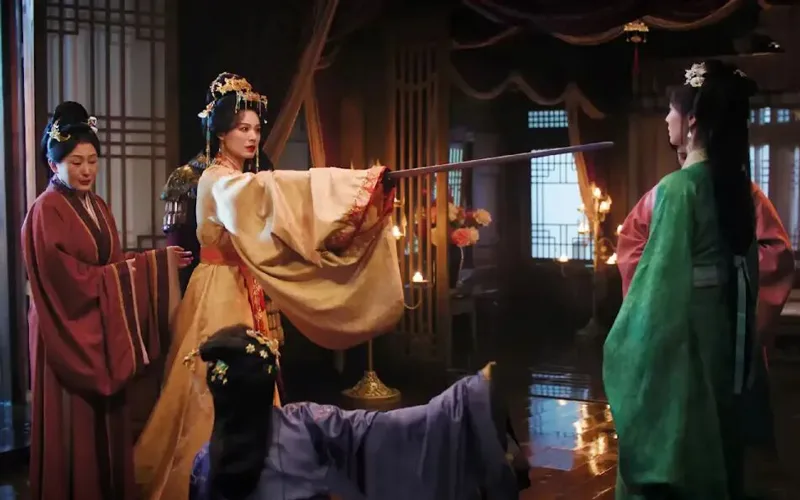
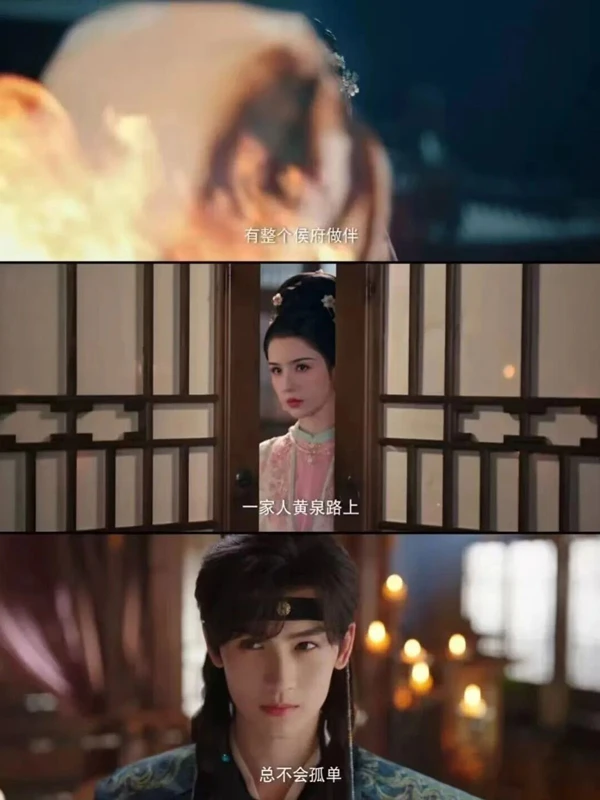
The aesthetic brilliance of Moonlit Order is evident in every frame, starting with costumes that blend historical inspiration with creative flair. Xue Hexu’s white robes, for instance, feature subtle gradient dyes and concealed embroidery that symbolize his concealed lineage, while Feng Zuoren’s armored outfits draw from Tang dynasty designs, incorporating functional elements like magnetic hidden weapons. These details aren’t just decorative; they enhance character narratives and reflect the show’s commitment to visual storytelling. The use of light and shadow in settings, such as the manor’s corridors, subtly mirrors emotional tensions, making each scene feel alive and intentional.
Scenes are crafted with a cinematic eye, avoiding overly filtered looks in favor of natural tones that highlight the era’s grandeur. From snow-drenched confrontations to intimate tea ceremonies, the composition balances action with atmosphere, ensuring that even quiet moments brim with meaning. This approach allows viewers to immerse themselves fully, as the visuals don’t just support the plot—they enrich it, turning each episode into a gallery-worthy experience that feels both authentic and imaginative.
Beyond aesthetics, the series integrates cultural elements seamlessly, such as references to classical poetry and Liqi (礼器) rituals, which are woven into dialogues and plot points without feeling forced. These touches honor tradition while keeping the story accessible, educating audiences subtly through context rather than exposition. Additionally, the portrayal of communication methods, like coded signals inspired by ancient espionage systems, adds a layer of intellectual engagement, showing how history can inform modern entertainment in engaging ways.