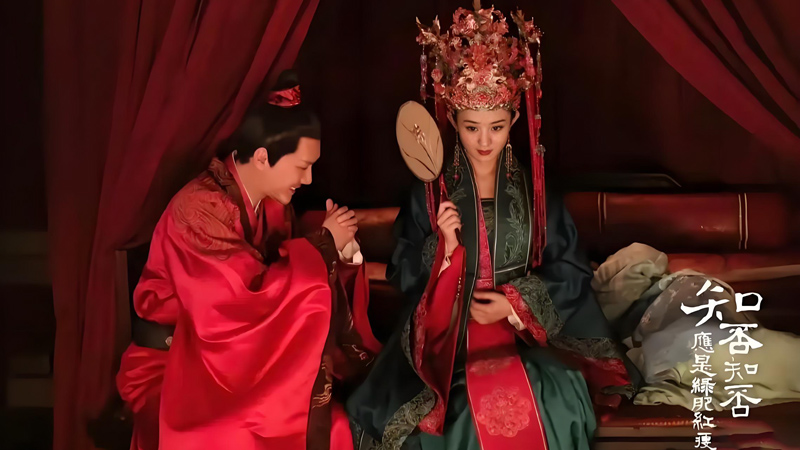
In the heart of ancient China, a bride's journey to her new home was marked by a procession of carefully curated items, each telling a story of family love and societal expectations. From the bustling streets depicted in The Story of Minglan (知否知否应是绿肥红瘦) to the intricate details in Flourished Peony (国色芳华), dowries served as more than mere possessions; they were a woman's anchor in a world defined by marital bonds.
These collections, often prepared from a daughter's birth, reflected deep cultural roots where marriage was not just a union but a strategic alignment of families. Parents invested years, sometimes even mortgaging properties, to assemble dowries that would ensure their daughter's dignity and security. This practice, steeped in tradition, highlighted the delicate balance between affection and social standing, weaving a tapestry of hope and responsibility that transcended generations.
Dowry Components
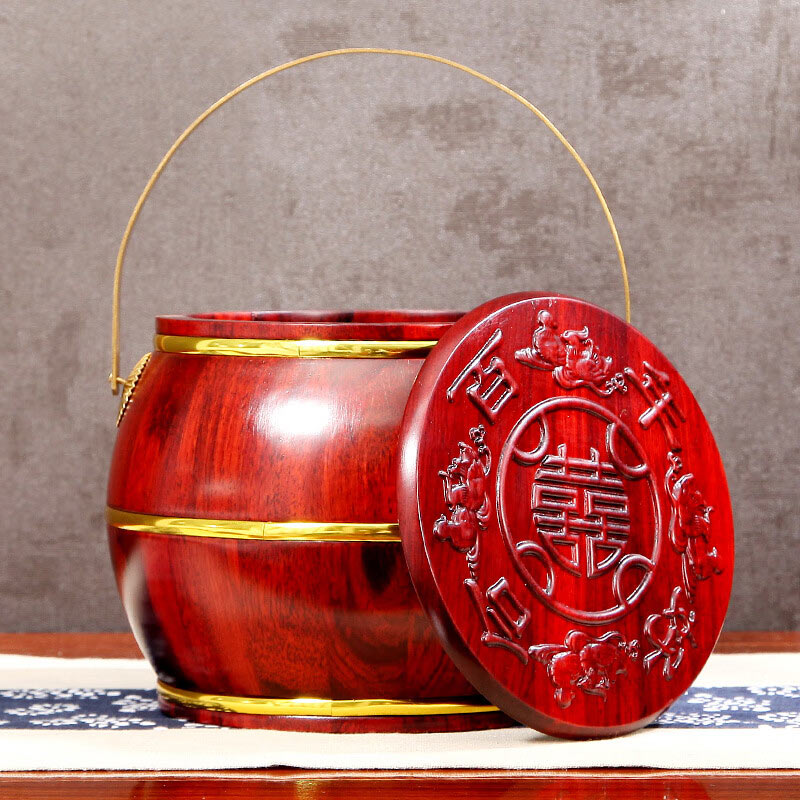
Ancient Chinese dowries were meticulously divided into practical and symbolic categories, tailored to a family's means. For ordinary households, items like beds, chests, quilts, and pillows formed the core, as seen in historical records and dramas such as The Story of Minglan. These objects, though simple, embodied parental devotion, with families often measuring the groom's home beforehand to customize furniture. In wealthier circles, dowries expanded to include land, shops, and even servants, showcasing a family's status. The Ba Bu Chuang (拔步床), an elaborate canopy bed, stood out as a centerpiece, requiring years of craftsmanship and symbolizing a bride's private sanctuary. Similarly, the Zi Sun Tong (子孙桶), a ceremonial bucket filled with nuts, promoted wishes for fertility and joy during wedding festivities.
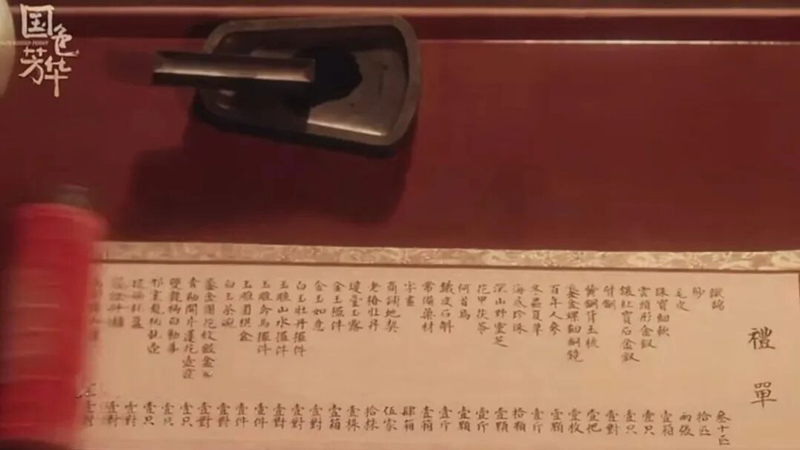
The contents of a dowry directly influenced a woman's position in her husband's household, as emphasized in texts from the Song Dynasty. Items like needle boxes and shared quilts conveyed messages of skill and harmony, while books and medicines hinted at intellectual and health considerations. This careful selection was not arbitrary; each piece aimed to bolster the bride's autonomy in a society where women had limited rights. Historical accounts, including those referenced in Flourished Peony, reveal that even mundane objects carried weight, transforming the dowry into a tool for social navigation and personal resilience.
Over time, the composition of dowries evolved, but their foundational role persisted. In the Ming and Qing eras, lavish displays included everything from real estate to funeral coffins, underscoring the lengths families went to secure their daughters' futures. Critics like Sima Guang lamented the materialism, yet the practice endured because it offered women a rare form of financial independence. Under Tang law, for instance, dowries were legally protected as the wife's property, immune from seizure by the husband's family. This legal backing turned the dowry into a safeguard, empowering women in an otherwise restrictive environment.
Cultural Echoes
Today, the spirit of ancient dowries lives on in modern weddings, though the forms have adapted to contemporary life. Parents might gift apartments, cars, or savings, echoing the ancestral desire to provide a solid foundation for their daughters. Traditional symbols, such as scissors for unity or chopsticks for fertility, still feature in ceremonies, bridging past and present. These elements, once vital for social standing, now serve as cultural touchstones, reminding couples of heritage while celebrating new beginnings. In shows like The Story of Minglan, viewers glimpse how these customs shaped relationships, offering lessons that resonate in today's discussions about marriage and equality.
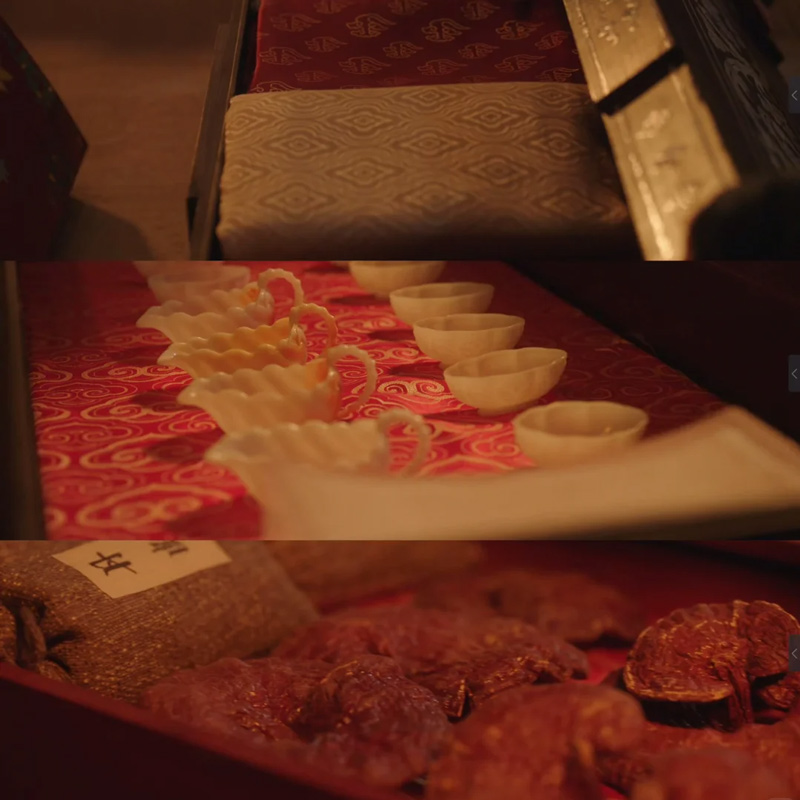
The emotional weight of dowries remains unchanged, embodying a family's unspoken love and concerns. In ancient times, a bride's departure was softened by the knowledge that her dowry would speak for her in moments of silence. Now, as then, these gifts represent a final blessing from childhood home to marital life, infusing weddings with depth and meaning. By understanding this history, we appreciate how material items can carry intangible values—strength, hope, and continuity—across the ages.
Ultimately, the story of dowries is one of adaptation and endurance. From the ornate Ba Bu Chuang to modern financial gifts, each iteration reflects societal shifts while honoring core human connections. As we explore these traditions through media like Flourished Peony, we see not just artifacts of the past but living narratives that continue to inspire and guide future generations in the art of giving and loving.