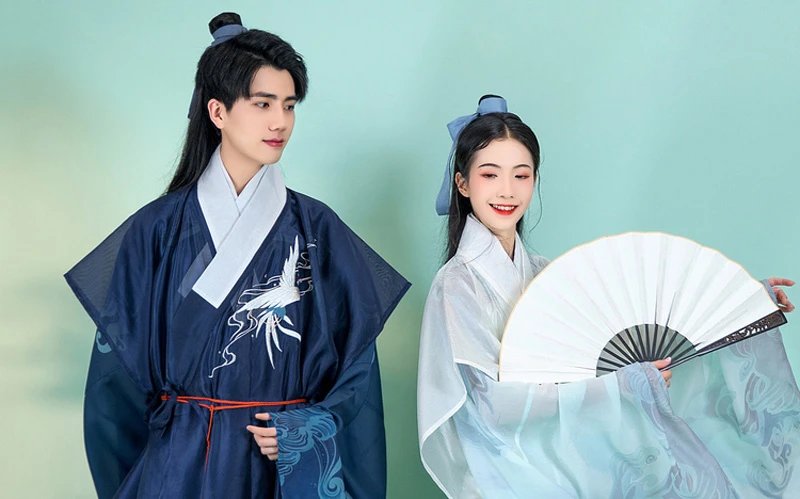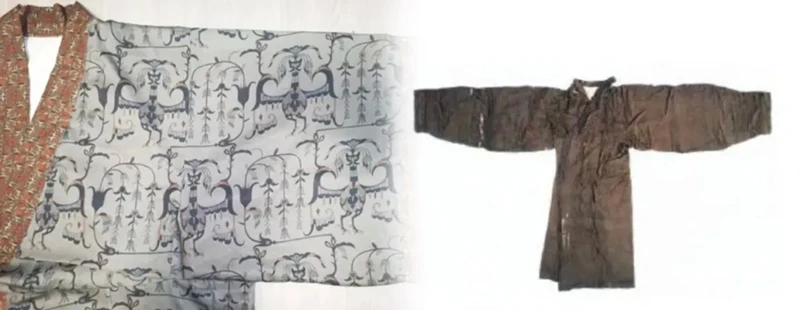
As winter winds sweep through modern cities, it is natural to wonder how people in ancient times managed without today’s heating systems. The image of historical figures in flowing robes during chilly months might seem illogical, but ancient Chinese developed sophisticated methods to stay warm. This article delves into the innovative clothing and accessories used in dynasties like the Song, revealing how elegance and practicality coexisted in winter wear. From layered garments to insulated accessories, their approaches offer a fascinating glimpse into daily life centuries ago.
Layered Clothing
In ancient China, people relied on multi-layered garments similar to modern jackets. One key example is the Jia Yi (裌衣), an insulated outer robe designed for cooler seasons. It typically consisted of an outer shell and an inner lining, with padding materials sandwiched in between. This design allowed for flexibility and warmth, much like today’s quilted coats. Historical texts, such as poems by Su Shi (苏轼), reference these items, showing their importance in daily life. For instance, in his work Chu Qiu Ji Zi You (初秋寄子由), he describes how putting on a Jia Yi provided comfort as temperatures dropped, highlighting its role in autumn and winter.
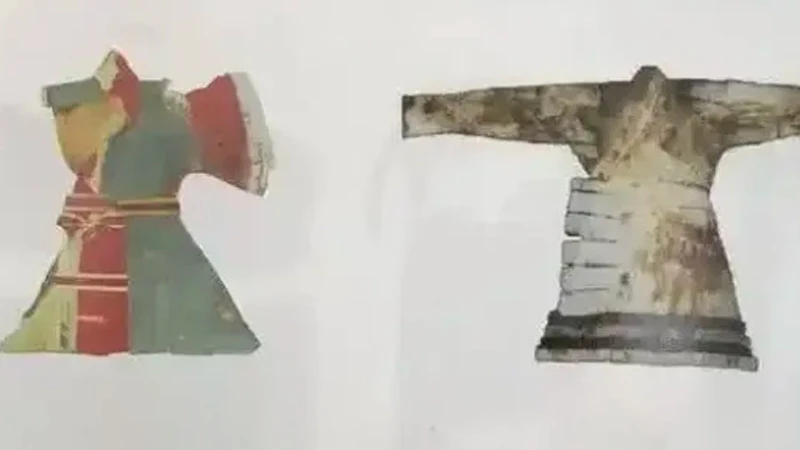
Archaeological finds support the use of such clothing. Excavations at the Mawangdui (马王堆) site in Hunan revealed garments filled with silk floss, which were lightweight yet effective against the cold. These items often used leftover materials from silk production, demonstrating resourcefulness. The padding could include silk, plant fibers, or later, cotton, depending on the era and availability. This layering technique was not just functional but also reflected social status, as finer materials denoted wealth and influence.
Over time, the design evolved across dynasties. In the Song period, such garments became more refined, with inner layers tailored for better insulation. Unlike single-layer robes depicted in some dramas, real historical wear involved strategic padding that balanced aesthetics with warmth. This approach allowed individuals to adapt to seasonal changes without sacrificing the elegance associated with traditional attire, proving that ancient fashion was as much about survival as style.
Materials and Fillings
The choice of materials played a crucial role in ancient winter wear. Initially, silk and hemp were common, with silk floss used for insulation in garments for the elite. As described in Shen Congwen’s (沈从文) Research on Ancient Chinese Clothing (中国古代服饰研究), wool textiles gained popularity after the Eastern Jin dynasty, often appearing in items like trousers and jackets. However, cotton did not become widespread until the Ming era, before which lower classes relied on coarser plant fibers while the wealthy enjoyed silk’s superior warmth.
Cotton’s introduction marked a significant shift. Artifacts like a cotton blanket from a Southern Song tomb in Zhejiang, measuring over two meters and featuring double-sided pile, show advanced weaving techniques. Poems from scholars like Su Zhe (苏辙) celebrate cotton’s comfort, referring to “wood cotton robes” that functioned like modern padded coats. His grandson, Su Zhou (苏籀), also praised cotton cloth in verses, indicating its growing appeal. This material, known as “Ji Bei” in historical contexts, offered a softer, more accessible option once production scaled up.
Beyond clothing, fillings were used in bedding. Cotton quilts, though not called by that name in Song times, were termed “heavy quilts” and provided essential nighttime warmth. Scholars like Hua Yue (华岳) wrote joyfully about acquiring such items, noting how they eliminated fear of winter cold. Similarly, Su Shi received a cotton coat from locals in Danzhou (儋州), which shielded him from harsh sea winds. These examples illustrate how material innovations transformed winter comfort across social strata.
Winter Accessories
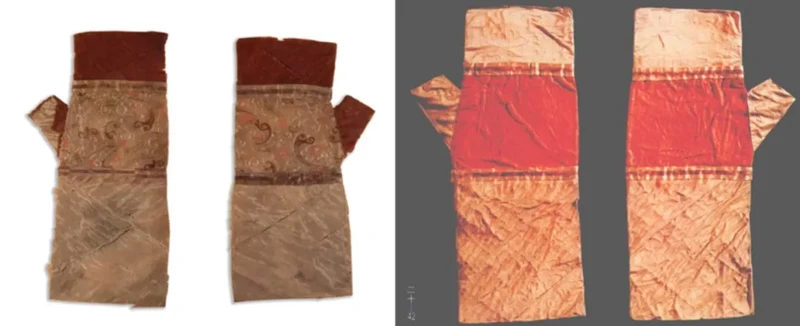
Hand and head protection were vital in cold weather. Gloves from the Han dynasty, unearthed at sites like Mawangdui, featured fingerless designs adorned with intricate embroidery, such as the “Xin Xi” stitch. These were not only practical but also artistically crafted, showing attention to detail. Later periods, including the Northern Dynasties and Ming era, yielded fully enclosed gloves, indicating progressive improvements in design for better insulation against biting winds.
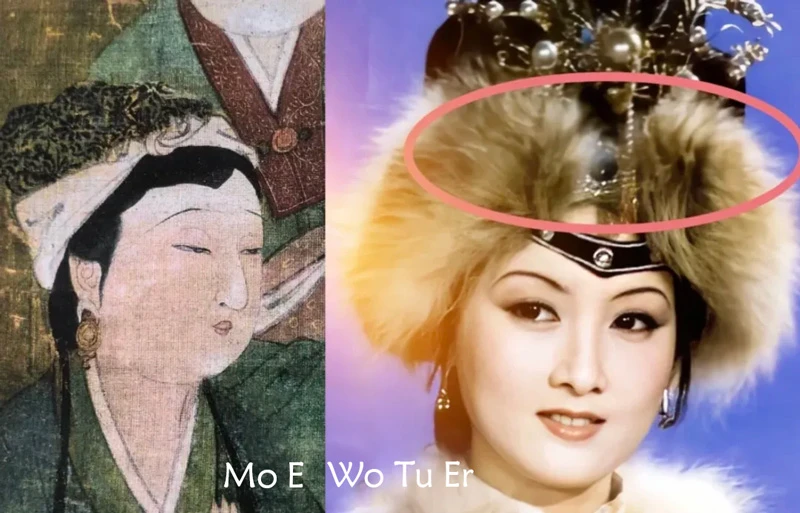
Headwear evolved significantly over centuries. In pre-Ming times, women often used cloth wraps called “Pa Tou” (帕头) for warmth. During the Song and Yuan dynasties, noblewomen adopted forehead bands known as “Mo E” (抹额), while Ming commoners used “Le Zi” (勒子) and elites wore “Wo Tu Er” (卧兔儿) or “Zhao Jun Tao (昭君套),” which were fur-lined caps without tops. These items combined fashion with function, often made from luxurious materials like fox fur for added comfort.
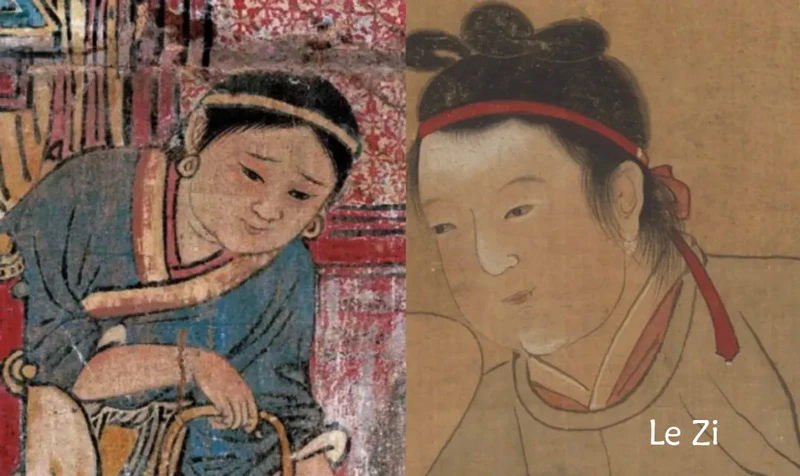
For men, forehead wraps filled with silk were common in the Han dynasty, worn by all classes. By the Song era, travelers opted for wind-resistant hoods, and in the Ming period, the court issued “warm ears”—fur ear protectors—to officials during winter months. These accessories underscored a broader cultural emphasis on holistic warmth, ensuring that every part of the body was shielded from the elements, much like today’s winter gear but with a distinct historical flair.