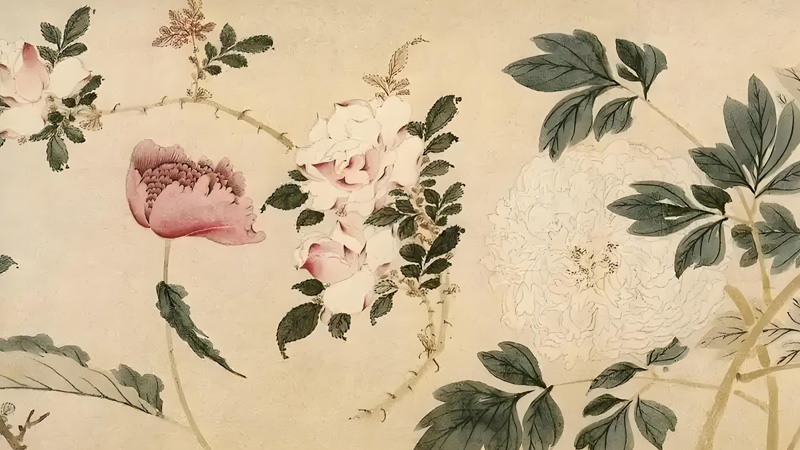
Mastering the art of boneless flower and bird painting involves a delicate balance of technique, observation, and restraint, capturing the essence of nature without rigid outlines. This approach encompasses diverse methods for rendering petals, leaves, branches, and even birds, each tailored to the subject’s unique characteristics.
For flowers, artists employ distinct strategies for single-petaled blossoms like hibiscus and multi-layered ones such as peonies, focusing on gradual color blending and structural unity. Leaves are brought to life through either vein-reserving or vein-defining techniques, while branches and vines gain texture and dynamism via water-color buildup or expressive brushwork. Extending to birds, the boneless style uses fluid washes and layered strokes to convey feather detail and vitality.
Complemented by secondary elements like rocks and grasses, these techniques come together to create harmonious compositions where every stroke—whether bold or subtle—breathes life into the natural world.

1. Mastering Boneless Methods in Flower Painting

1.1 Flower Petals
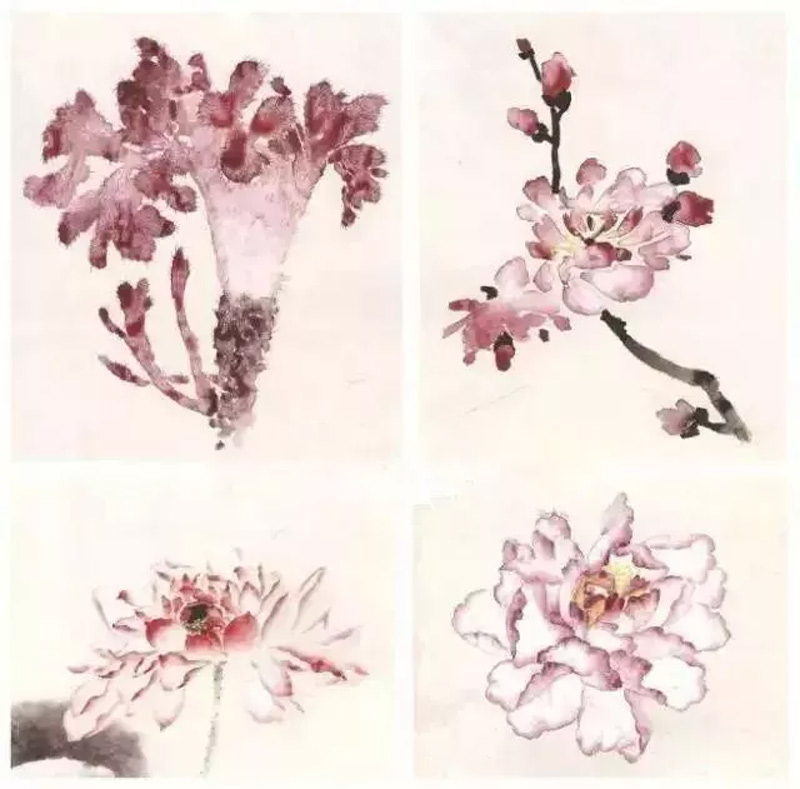
Single Blossom Approach: Single-petaled flowers like hibiscus or plum blossoms require deep understanding of their structure before painting. Start by preparing pigments: dip a medium brush tip into white paint, touch it with crimson at the edge, and spread one stroke per petal. Connect strokes smoothly for gradual color shifts. While wet, use a water-soaked brush to diffuse hues outward from the petal’s base, letting colors blend naturally. Add deep red or purple dots at the core to enrich depth. After drying, trace veins with crimson-ink mixes. This method captures delicate forms without harsh lines, making it versatile for blossoms like orchids or pears.
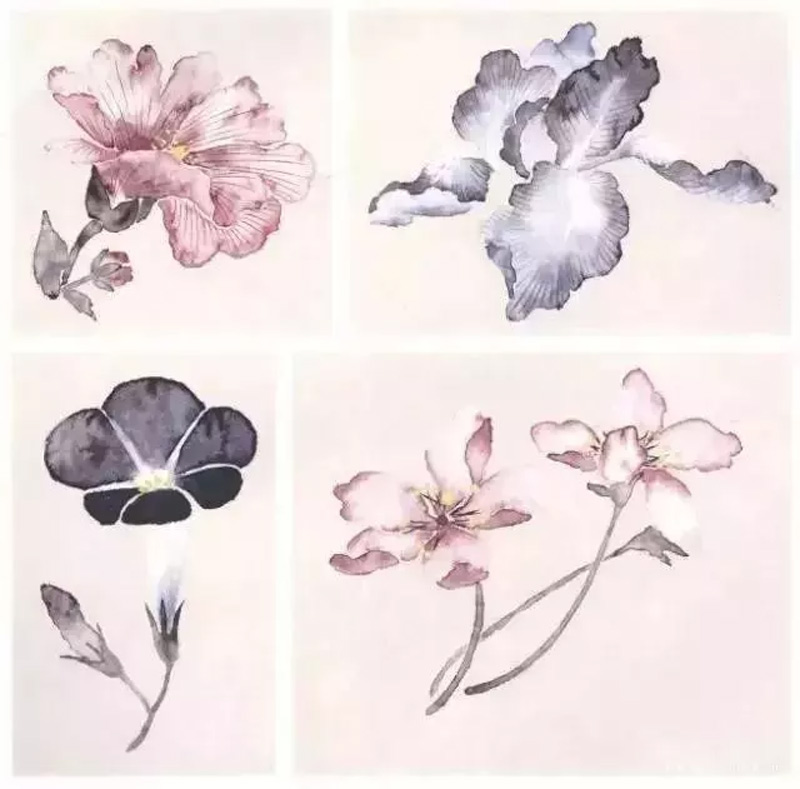
Double Blossom Approach: Multi-petaled flowers, such as peonies, have large, layered heads. Begin painting from the innermost heart, working outward in stages. Focus on the overall shape—avoid piecemeal strokes to maintain unity. Layer petals with care, adjusting for the flower’s unique beauty. Finish by highlighting stamens: use light hues like white-yellow for dark blossoms or deep shades like crimson for pale ones. This "awakening" step adds contrast and vitality, ensuring the bloom stands out vividly.
1.2 Leaf Methods
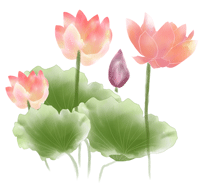
Vein-Reserving Style: For broad leaves like lotus pads, preserve white spaces as veins during painting. Apply washes to create subtle lines that follow the leaf’s natural curves. Add final touches by lightly tracing veins or leaving them implied for softness. Ensure gaps align with growth patterns and taper ends for realism. This approach suits plants with large foliage, balancing simplicity and detail without overworking.
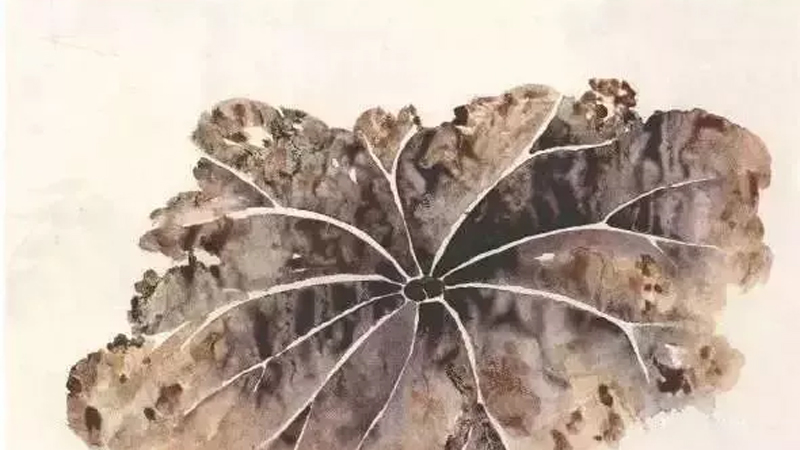
Vein-Defining Method: Small-leafed plants benefit from dot-based painting with ink or color, then outlining veins to "break" flatness. Simplify or detail veins based on brush effects, matching ink depth to leaf tones. Keep lines loose and varied—avoid uniform spacing. Adjust for leaf angles: use curved strokes for side views and straighter ones for fronts. This adds texture and avoids monotony, ideal for herbs or shrubs.
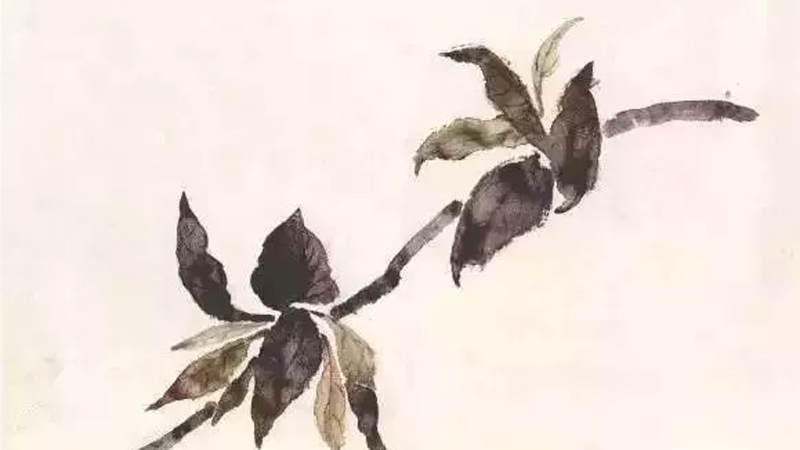
1.3 Branch Work
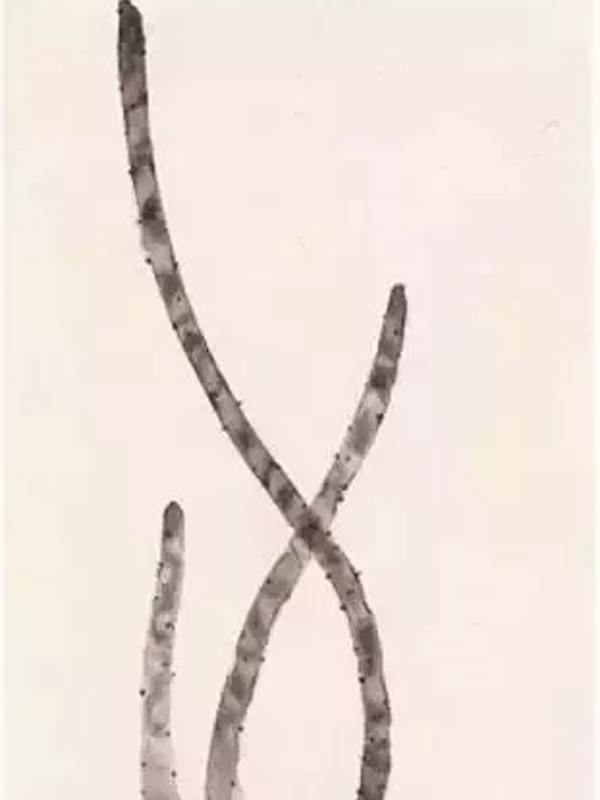
Water-Color Build-Up: Woody stems, as in magnolias, gain texture through water and pigment accumulation. First, sketch small branches with thick ink. While wet, add watery ochre or green shades along the structure, controlling flow with water drops or brush absorption. Leave gaps at joints to prevent blurring. When dry, this creates mottled, organic patterns that mimic aged bark.
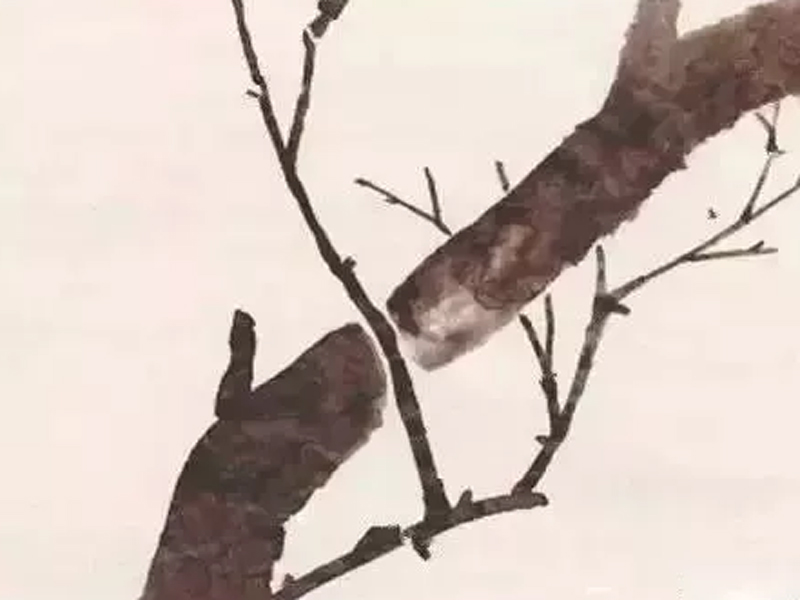
Outline-Texture Approach: Borrowing from landscape art, use a short, dry brush for trunks. Start with the main stem, employing swift, broken strokes for "flying white" effects. Vary pressure and speed—add texture lines based on the tree’s natural cracks. Avoid smooth, rigid marks; instead, embrace rhythmic, uneven lines that convey ruggedness.
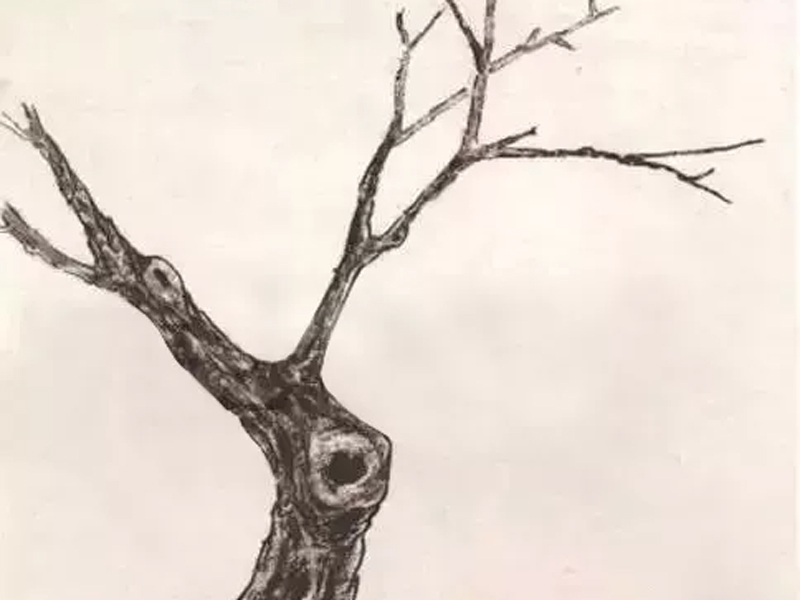
Vine Dynamics: Vines demand strategic placement in compositions. Plan their flow early, blending center and side strokes with mixed ink-colors. Vary wetness, length, and curves to create dynamic momentum. Integrate them as connectors that unify elements, enhancing balance and movement across the piece.


2. Exploring Boneless Bird Feather Painting
Chinese boneless painting captures nature’s essence through fluid ink washes, omitting rigid outlines. This technique breathes life into birds and insects, demanding precise control of moisture and pigment. Artists build forms gradually—layer upon translucent layer—to suggest volume and movement. The absence of contour lines invites viewers to complete shapes with their imagination, creating dynamic, organic compositions that feel alive.
2.1 Steps for Painting a Kingfisher
Step 1: Foundation in Fluidity
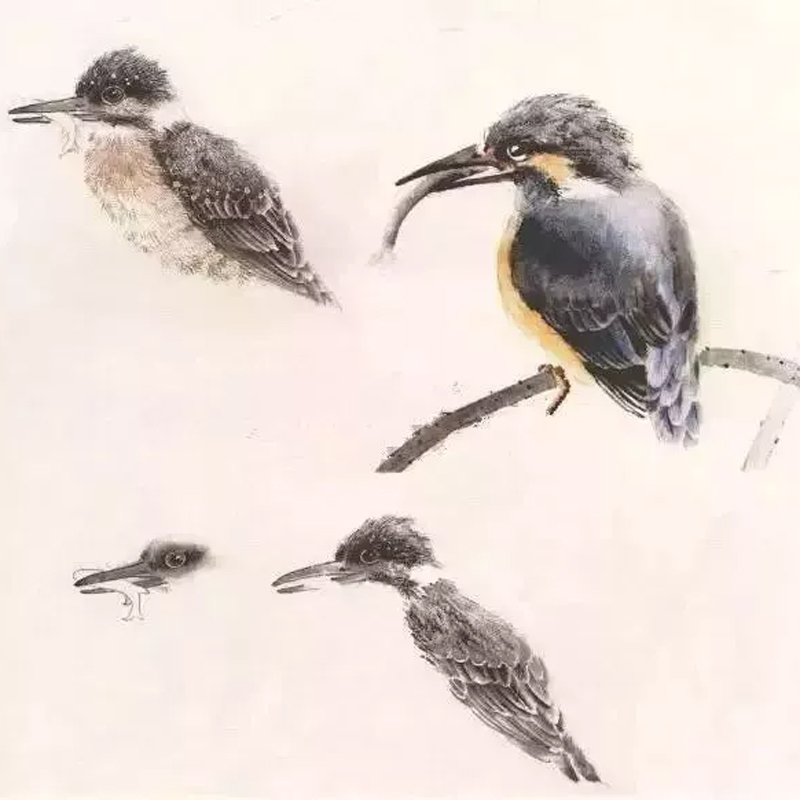
Begin with the beak and eyes. Outline the beak’s curve with pale ink, then define the eye—avoid perfect circles. Use fresh, dark ink for the pupil; stale ink dulls its spark. This anchors the bird’s presence, balancing delicacy and focus.
Step 2: Layered Blues
Wash the head with indigo. Render wings through layered strokes: dark ink for primary feathers, lighter tones for coverts. "Split-brush" silk-threading suggests fine plumage. While damp, dab cerulean spots on the shoulders.
Step 3: Warm Undertones
Soft-bristle brushes apply diluted ochre to the breast and tail. Deepen color near the throat, fading it rearward. This warmth contrasts with the cool blues, enhancing depth.
Step 4: Luminous Details
White pigment traces fine hairs on the head, neck, and belly. Break rigid edges by lifting a few wing feathers upward. Group strokes in overlapping "claw" shapes. Finally, add fish or reeds to complete the scene.
2.2 Steps for Drawing a Mountain Sparrow
Step 1: Structure and Texture
Define the beak and eyes with ink lines. Use dry-brush strokes around the eyes, leaving gaps for lightness. "Split-brush" techniques suggest head feathers, varying ink density for throat and ear patches. Unify with faint ochre washes.
Step 2: Winged Gradients
Wolf-hair brushes apply ink to the back with swift, textured strokes. Layer ochre over this base. Build wing color through ink gradients—dark flight feathers, pale coverts. Highlight edges with white.
Step 3: Soft Underbelly
Layer pale yellow-ochre on the chest. Overlay white silk-threading strokes, lifting some hairs to imply fluffiness. This softness contrasts with the sparrow’s sturdy back.
Step 4: Anchoring Details
Paint claws in dark ink mixed with ochre—make them sturdy, gripping. Deepen the eye’s corner with rich ink to intensify its gleam. Refine shadows for volume.
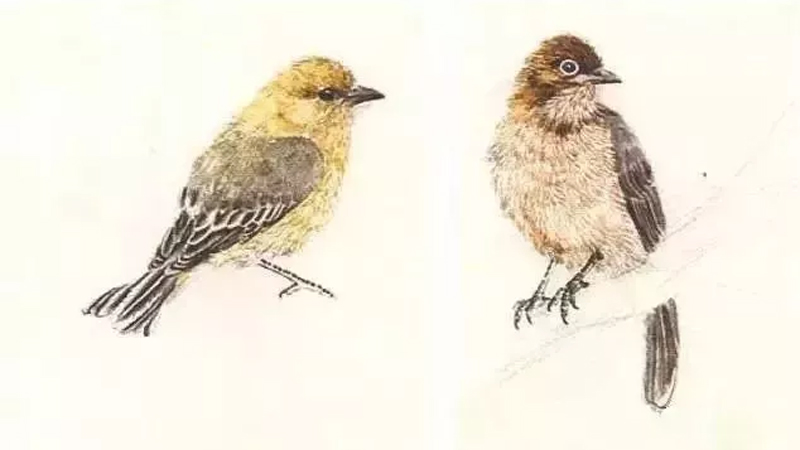
Boneless painting thrives in suggestion. A kingfisher’s cerulean spot, a sparrow’s lifted feather, or a mantis’ poised limb—each minimal stroke holds maximum vitality. It teaches restraint: where ink pools, where it fades, and where emptiness speaks. In these gaps, viewers glimpse the flutter of wings, the dart of a predator, the whisper of reeds. Life emerges not through lines, but through the breath between them.

3. The Silent Stones and Whispering Grasses
In traditional boneless flower-and-bird painting, secondary elements like rocks, reeds, or water plants transform fragmented compositions into harmonious worlds. These additions never dominate but elevate the central subjects through subtle dialogue of texture, space, and rhythm.
3.1 Painting Lakeside Rocks
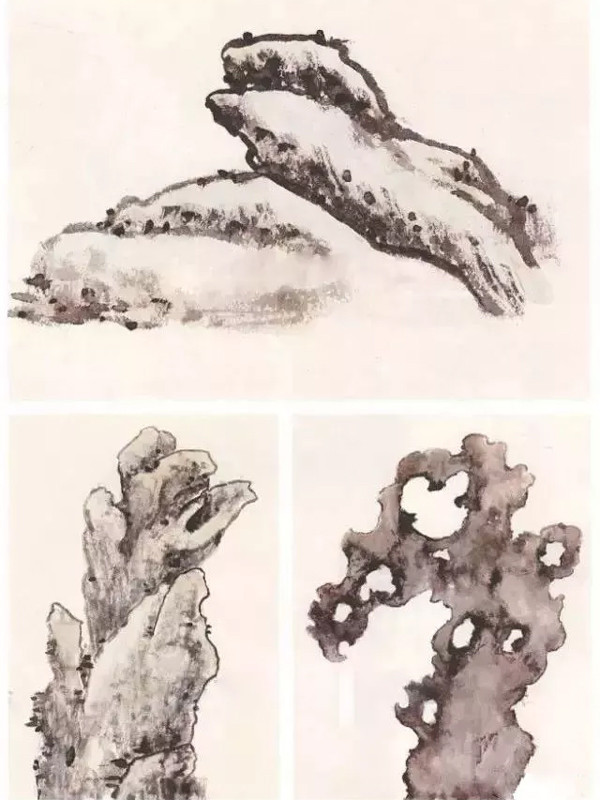
Unlike landscape art’s distant peaks, rocks here occupy the foreground. Their rendering avoids heavy outlines, favoring texture-building techniques: dry-brush scumbling, layered washes, or ink-rubbing effects. Each stroke must mirror geological logic—hard edges, porous surfaces, weighty presence.
Rocks harmonize with floral subjects through calculated contrast. Where blooms cluster densely, stones simplify; where petals float lightly, stone masses anchor. Behind flower thickets, rocks emerge as translucent shapes, avoiding fussy details. For perforated Taihu rocks (太湖石), crisp yet minimal lines capture their sculptural whimsy. Overworking shatters their spirit.
3.2 Weaving Grasses and Reeds
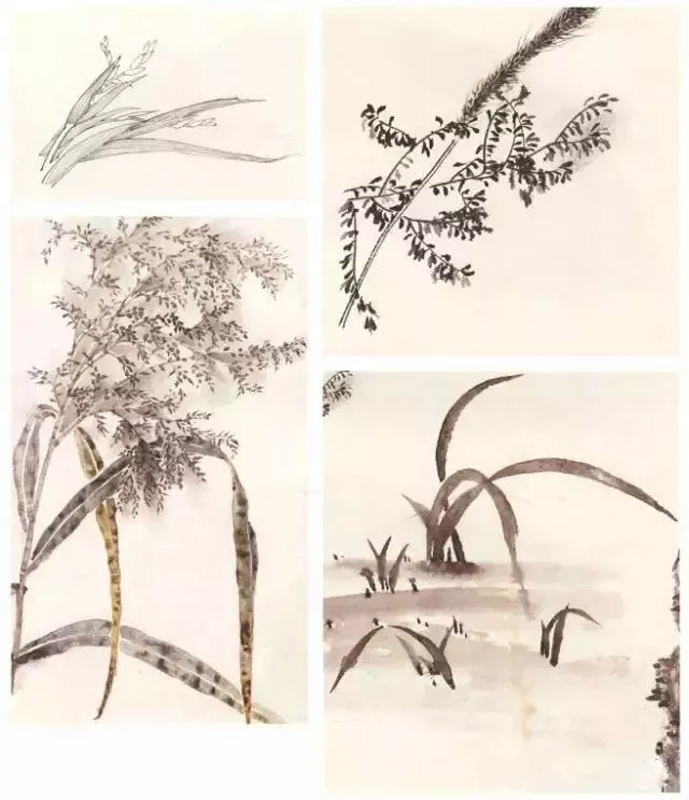
Slender grasses guide the eye, filling voids while amplifying movement. Techniques vary: twin-line ink tracing, freehand sweeps, or tonal washes. Even "minor" elements demand botanical accuracy—observe leaf joints, growth angles, seasonal hues.
Designing grasses requires choreography. Alternate blade lengths, let stems cross dynamically, and balance pale greens against deeper tones. A single curved reed can counterpoint rigid branches; clustered marsh plants might soften stony edges. Their dance should feel inevitable, never decorative.
3.3 Mastering Nuance
Success lies in restraint. Rocks breathe through hollows; grasses sway through gaps. When a stone’s roughness echoes a bird’s feather, or reeds rhyme with floral stems, the painting transcends technique.

4. Decoding the Steps of a Sample Painting

4.1 "Chu Chen" (出尘) Method
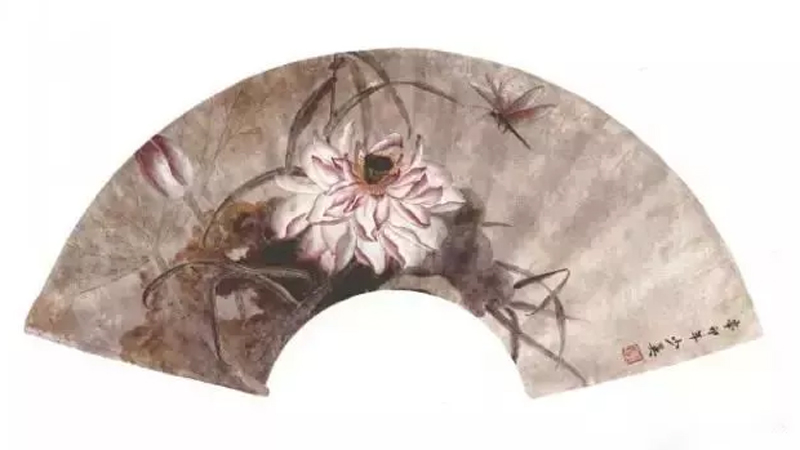
Begin by outlining the composition lightly. Use a large brush with diluted ink and a touch of ochre to create a pale gray-ochre background. Work swiftly to cover the area around the lotus, avoiding visible strokes. Blend wet layers smoothly for a soft fade from left to right.
Apply white and crimson from the flower's center outward. Build petals gradually—start dense, then sparse, with varied sizes for natural flow. Finish by defining edges with crimson lines. This adds depth without clutter.
Introduce lotus leaves and water plants. Focus detail on the main leaf under the bloom; sketch others lightly to highlight the focal point. Maintain balance between elements.
Add a dragonfly and refine the lotus details. Adjust contrasts for vibrancy, then sign the piece. Keep edits minimal to preserve spontaneity.
4.2 "Tian Xiang"(天香) Approach
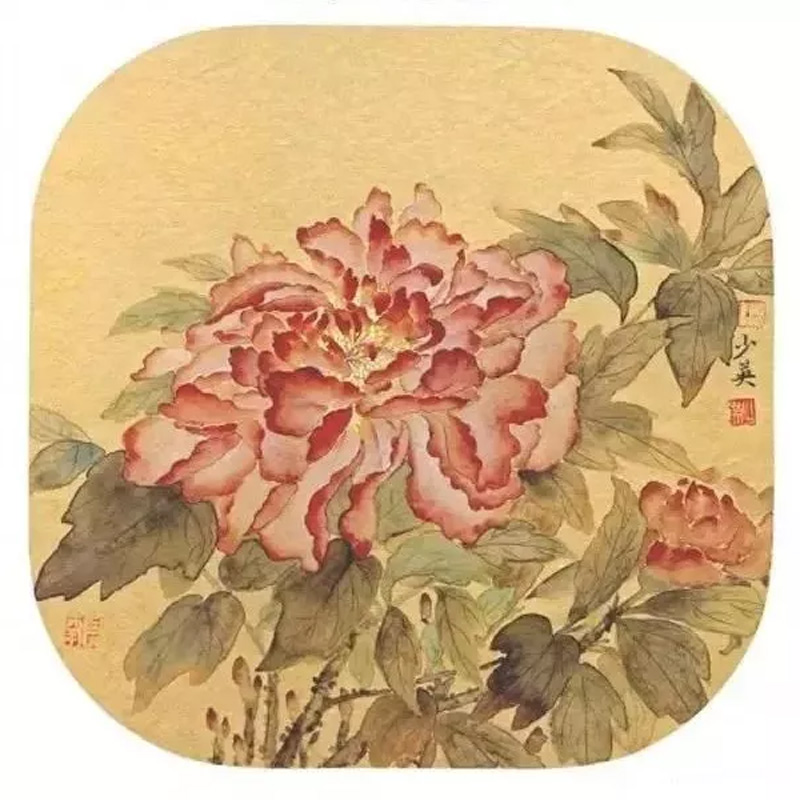
Set a symmetrical layout for the peony's elegance. Start with the bloom, ensuring subtle asymmetries within the form for dynamic unity. Aim for rounded shapes with organic variations.
Incorporate stems and leaves using mostly ink. Keep tones muted to contrast the bloom's vivid red. Layer dark and light ink for depth, employing splash and water-drop techniques to vary leaf textures.
Expand the scene step by step. Paint leaves with moderate water—neither too dry nor soaked—to capture natural overlaps. Arrange young shoots and older stems fluidly, avoiding stiffness.
Highlight the bloom's base with white powder. Dot the center with yellow stamens for color pop. Sign off after final tweaks to emphasize harmony.
4.3 "Nuan Chun" (暖春) Process
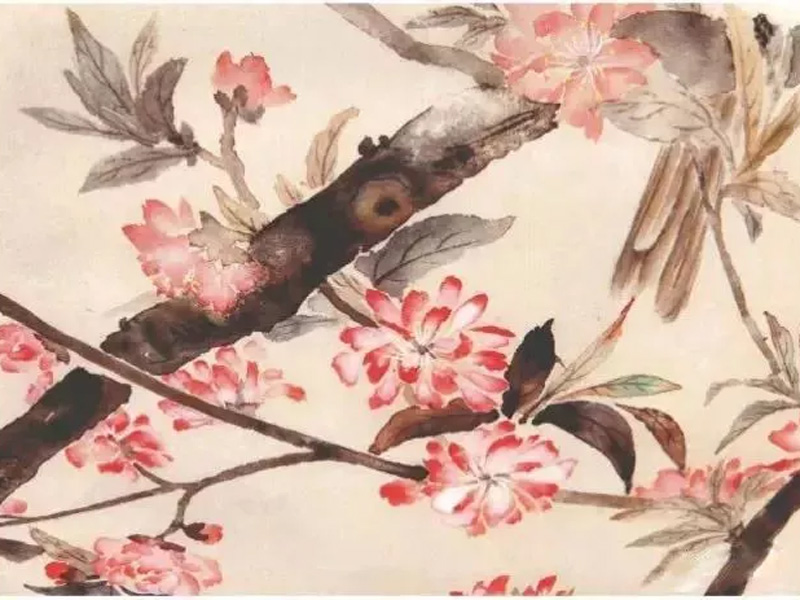
Plan the street layout first. Position the main branch relative to blossoms and birds using a diagonal design. Reserve space for key elements. Apply water-color collision methods; use a water brush quickly to prevent ink hardening.
Group flowers: peach blossoms with pink-tipped dots, magnolias in pure white for contrast. Paint leaves freely, mixing light and dark ink in single strokes for richness. Avoid flatness.
Add two birds, matching their hues to the scene. Focus on one as primary—detail its head and posture to echo the lively mood. Keep the secondary simpler for balance.
Refine the whole: wash over dense areas if needed. Trace leaf veins with ink, dot stamens in white and yellow. Sign to complete.
4.4 "Qiu Han Xi Nuan" (秋寒惜暖) Technique
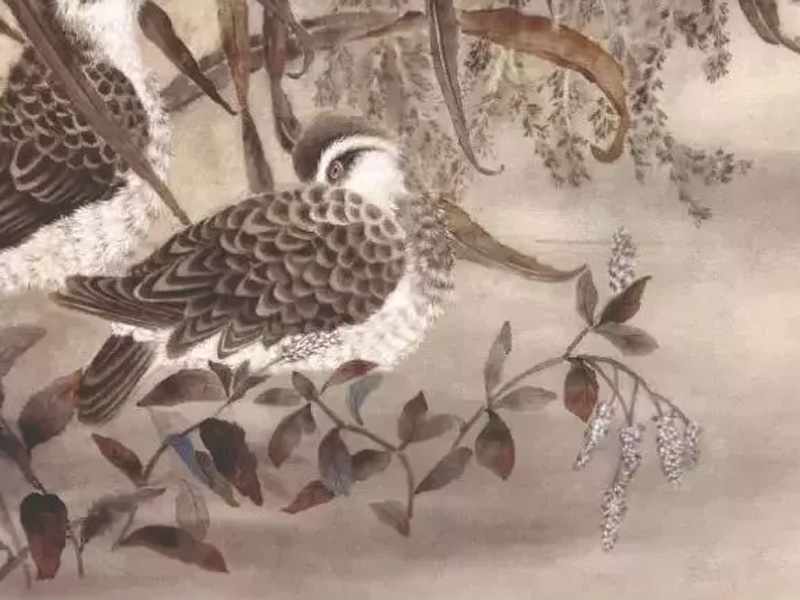
Sketch a light pencil outline. Decide the waterfowl's palette early. Treat the background with water-stain washes—dampen the area first, then apply diluted indigo and ink for watery effects.
Deepen foreground reeds traditionally. Layer them with front elements crisp and back ones soft for spatial depth.
Paint reed flowers by grouping stems. Use faint ink washes and dotting for texture—vary dot darkness for dimension. Prioritize one or two clusters over others.
Polish the waterfowl and reeds. Adjust contrasts and space for a serene feel. Add distant plants subtly to extend the vista without distraction.
4.5 "Qing Xiao" (清晓) Method
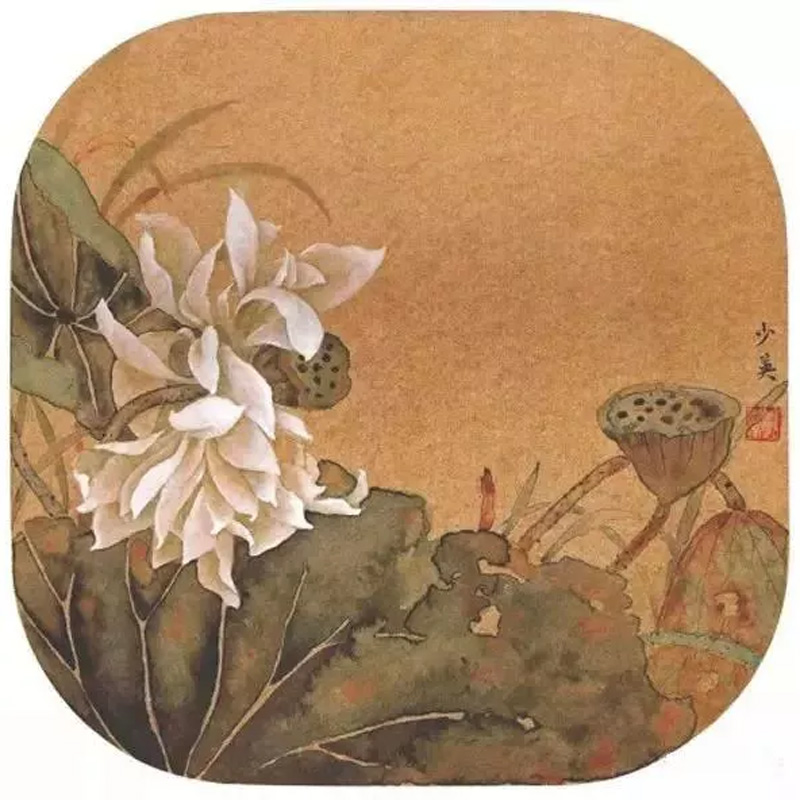
Shape fading lotus petals with powder-collision. Build white layers at the tips gradually to enrich form.
Render leaves using vein-reserve style: ink base first, then hit with plant-green water for mottled effects. Splash ochre or water to create insect-bite gaps, adding liveliness.
Add seed pods and new leaves. Vary ink density and line lengths for interplay. Position them to complement without overpowering.
Tune the scene: use light ochre and ink for added stems. Keep these faint to stay secondary. Sign after ensuring cohesion.
4.6 "Gu Yan Si Nan" (孤雁思南) Steps
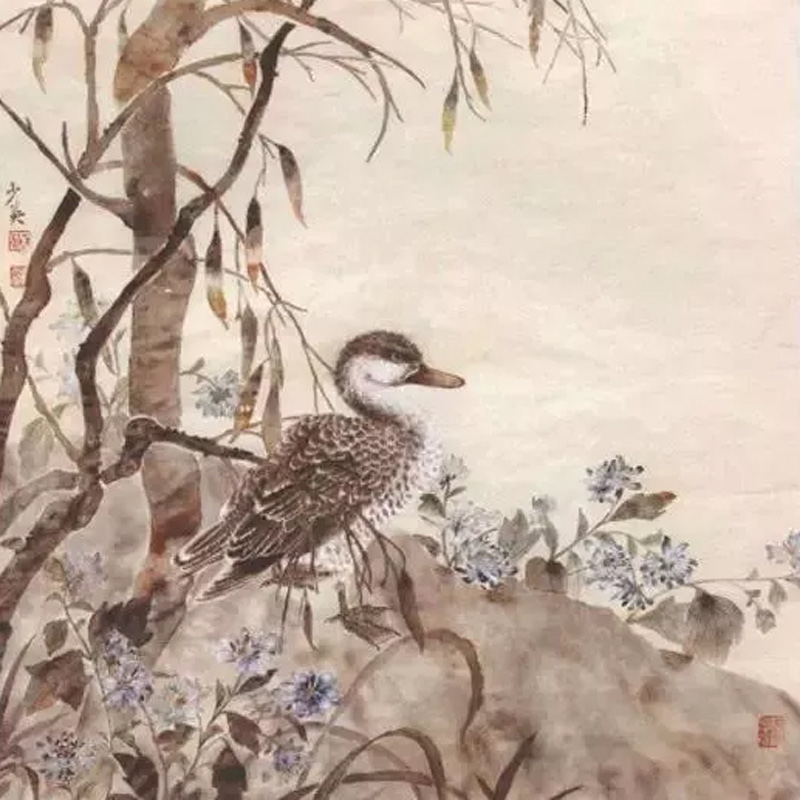
Envision the scene's relationships. Paint the foreground slope wet, saving space for plants. Use water-pool and color-splash for willows—control branch angles and rhythms deliberately.
Sharpen the composition with blue wild chrysanthemums. Their hue enhances the cool mood, and fine shapes break up broad color blocks. Treat front and back groups distinctly.
Detail the goose: blend its back feathers softly to avoid busyness. Ensure it stands out against willow branches.
Add grasses and refine the goose's edges subtly. Boost local color contrasts for unity, then sign.
4.7 "Shu Ying Heng Sha"(疏影横沙) Approach
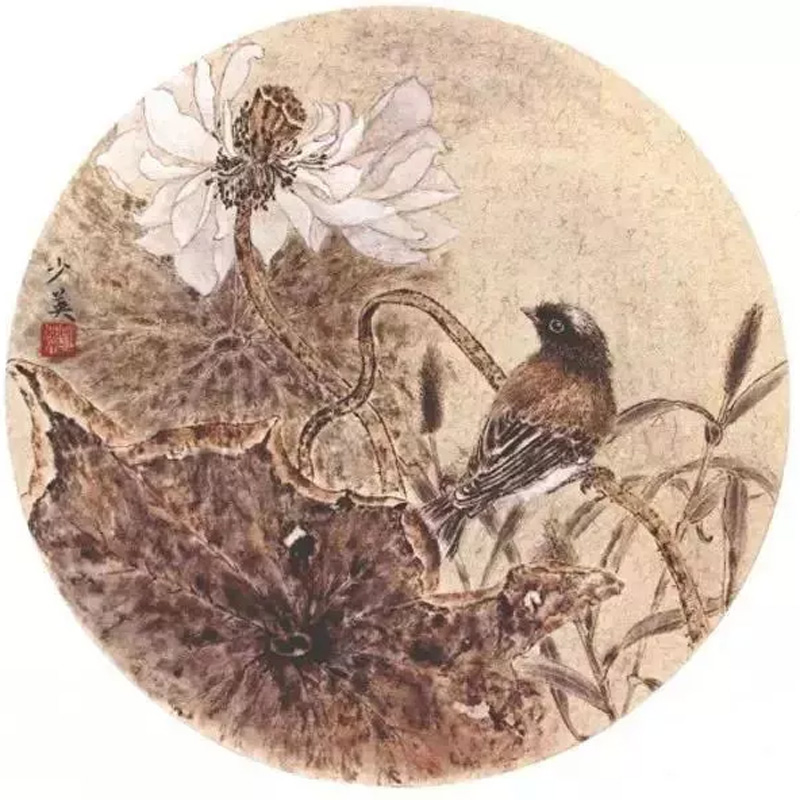
Base it on sketches. Start with lotus leaves and blooms—build white petals layer by layer. Ink-wash leaves while blending outlines for softness.
Deepen front leaves with drier brushwork. Squeeze excess water off; dip just the tip for natural ink shifts. Handle curled-leaf junctions with light touches.
Introduce a bird and water plants. Match its style to the scene—mostly ink with white accents for life.
Tint back leaves and leaf centers with faint indigo-ink mix. Wash stems and curls with ochre for aged texture. Sign to finalize.
4.8 "Chun Niao Yu Hua Zhi" (春鸟语花枝) Method
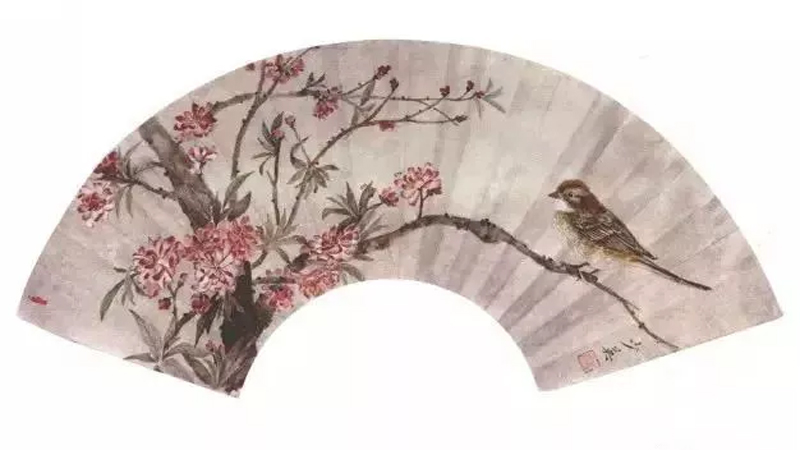
Sketch the layout fully. Begin with the bird—capture its head, back, and tail feathers in dark hues, focusing on pose and expression.
Set the background lightly, leaving the bird's chest white. Paint key peach blossoms with dot strokes; vary color intensity for petal depth.
Develop the scene: leaves in ink and indigo tones, adjusting shades by layer. Flowers in crimson-white dots; make buds single-stroke with gradients.
Color the bird's chest in ochre and yellow. Add white feather lines, then ink legs. Dot crimson pistils and yellow stamens. Sign after refining.
Final Words
This tutorial provides a thorough exploration of the Boneless technique in traditional Chinese flower and bird painting. This style abandons outline strokes, instead relying on fluid ink washes, layered color applications, and expressive brushwork to capture the essential spirit and vitality of nature. The text meticulously details specific methods for rendering different subjects: petals (both single and double blossoms), leaves (through vein-reserving or vein-defining techniques), textured branches, and dynamic vines. It further extends these principles to birds, demonstrating how to build feathery texture and form through calculated washes and strokes.
A key insight is the critical role of secondary elements like rocks and grasses, which are not passive backgrounds but active compositional tools that create balance, movement, and harmony. Ultimately, Boneless painting is presented as an art of poetic suggestion and restraint, where mastery lies in knowing where to place a stroke and, just as importantly, where to leave emptiness, allowing the viewer's imagination to complete the scene. The provided step-by-step guides for sample paintings illustrate the holistic process of creating a harmonious and lifelike composition from initial layout to final, nuanced details.