A new wave of scrutiny washes over historical television dramas. Audiences, armed with digital tools and scholarly zeal, dissect every silk thread, architectural flourish, and ceremonial gesture. These modern-day detectives, playfully dubbed "Lievenhoeks" after the pioneering microscopist, transform viewing into an archaeological dig.
Fueled by creators embracing unprecedented historical rigor, this phenomenon bridges entertainment and education, turning screens into portals for tangible cultural rediscovery. The meticulous recreation of bygone eras fosters not just immersion, but a profound public engagement with China’s rich heritage.
Costume Archaeology Unlocked
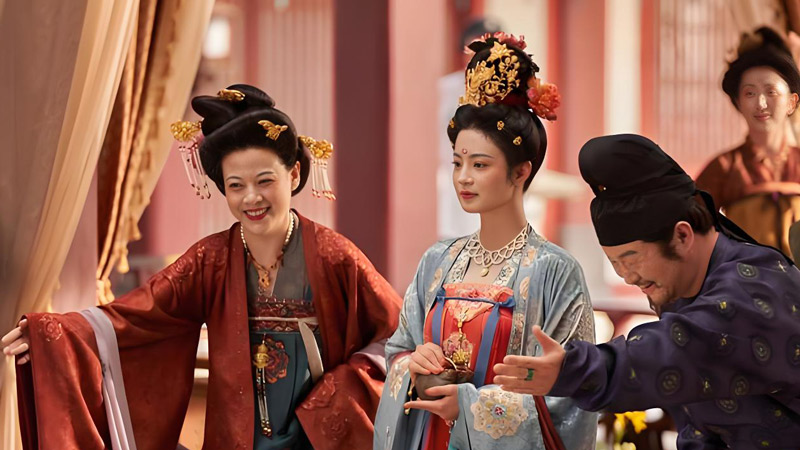
Beyond mere spectacle, costumes in series like Flourished Peony (国色芳华) become historical documents. The Peacock Crown worn by a dancer isn't just glitter; it’s a direct echo of the Tang Dynasty "Female Equestrian Drumming Figurine" housed in Xi'an's museum. Similarly, the towering "Half-Flipped Chignon" hairstyle sported by the Pingkang Fang proprietor in The Lychees from Chang'an (长安的荔枝) mirrors the grandeur seen in the Dunhuang (敦煌) mural "Portrait of the Governor's Wife." These aren't designer flights of fancy; they are careful reconstructions based on surviving artifacts and visual records, offering viewers a direct visual link to ancient aesthetics and social status markers.
The accuracy transforms actors into living exhibits, their attire whispering tales of craftsmanship and cultural symbolism. This fidelity invites viewers to appreciate the tangible artistry of the past, moving beyond narrative to appreciate the material culture itself. The commitment to authenticity turns each frame into a potential lesson in historical fashion archaeology.
Rituals Brought to Life
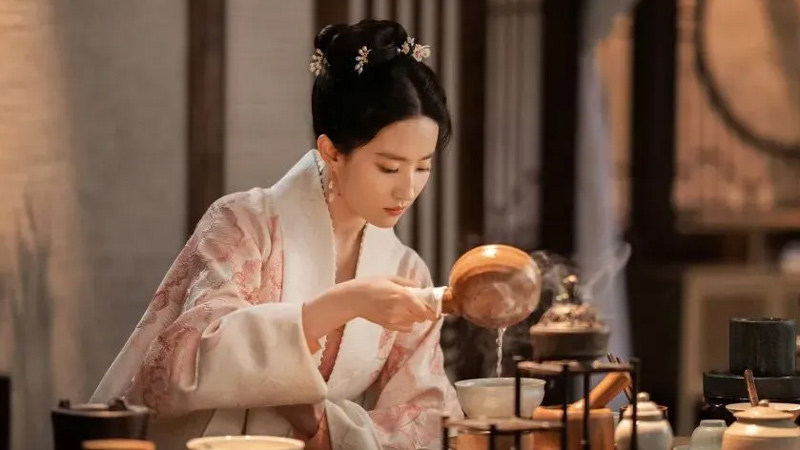
Accuracy extends beyond static appearances into the dynamic realm of behavior and custom. Luoyang (风起洛阳) showcases the distinct marital etiquette of the Wu Zhou period, adhering strictly to the rule of "the groom kneels, the bride stands." A Dream of Splendor (梦华录) dedicates significant narrative space to the intricate Song Dynasty tea culture, meticulously depicting the processes of "Dian Cha" (whisking tea), "Dou Cha" (tea competitions), and the mesmerizing "Cha Bai Xi" (tea patterns).
These scenes transcend plot devices; they serve as immersive tutorials in historical social practices and intellectual pursuits. The precise recreation of gestures, from the respectful "Chashou" greeting referenced in Tang poetry and vividly portrayed in The Lychees from Chang'an, to the deliberate steps of a tea ceremony, imbues the drama with a layer of tangible reality. These performances require actors and consultants to master forgotten protocols, resurrecting complex social codes for modern eyes. Watching these rituals unfold offers a visceral understanding of the formality and philosophy embedded in daily life centuries ago.
Museums Answer the Call
The resonance of these authentic details extends far beyond the screen, sparking real-world cultural engagement. Museums actively collaborate with the phenomenon. China's National Silk Museum curated the special exhibition "Honouring the Ancients" inspired by the costumes of Lychees of Chang'an. Wuhan Museum identified its Yuan Dynasty "White Jade Dragon Teaching Son Belt Hook" as the prototype for a key prop in Legend of Zang Hai (藏海传). Luoyang from Longxi IP has evolved into diverse cultural tourism ventures throughout Luoyang, transforming the city's historical identity into an interactive experience. Xi'an's Tang West Market Museum leveraged the popularity of The longest day in Chang'an (长安十二时辰) to promote its "Map of Chang'an," encouraging visitors to walk the same streets as their screen heroes.
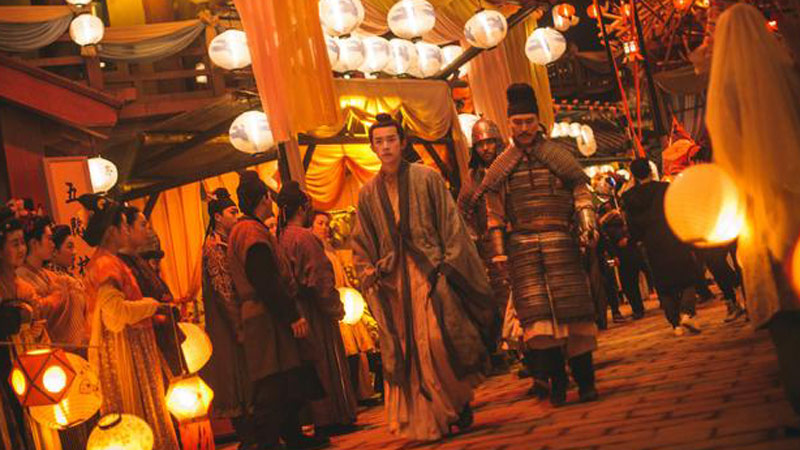
This synergy between entertainment and institution creates powerful feedback loops. Viewers, captivated by a drama’s detail, seek out the source material in museums; museums, in turn, use the drama's popularity to draw attention to their collections. Historical sites referenced in popular shows see surges in visitation, as audiences seek to physically connect with the worlds they’ve admired virtually. Even fictional settings, like the Ming-inspired "Great Yong" in Legend of Zang Hai, draw power from their grounded historical references, prompting interest in the real dynasties that inspired them. The drama becomes a catalyst, turning passive viewers into active explorers of tangible heritage sites and museum halls.