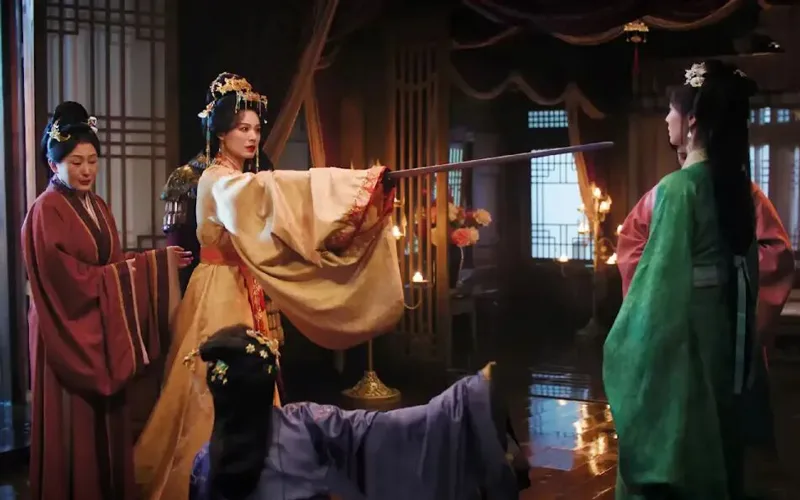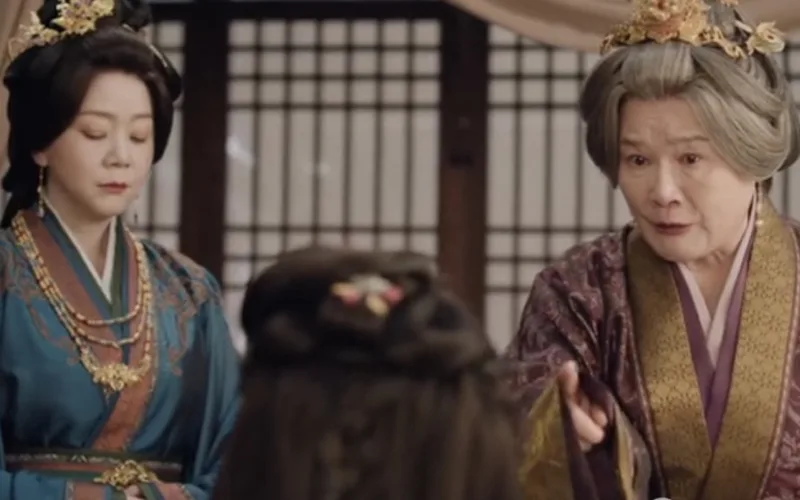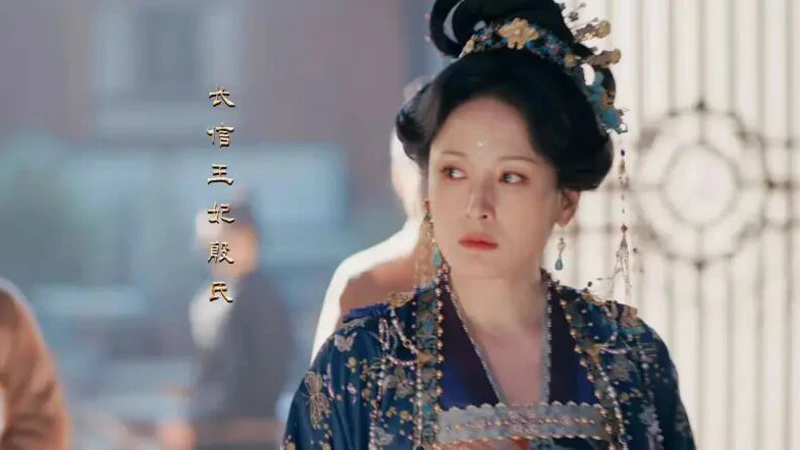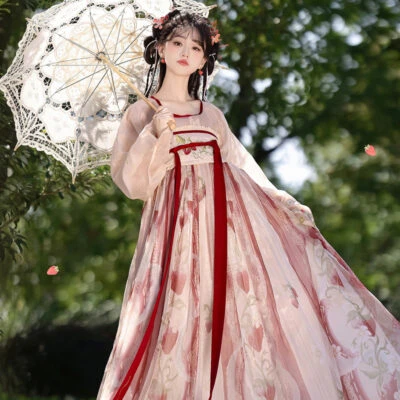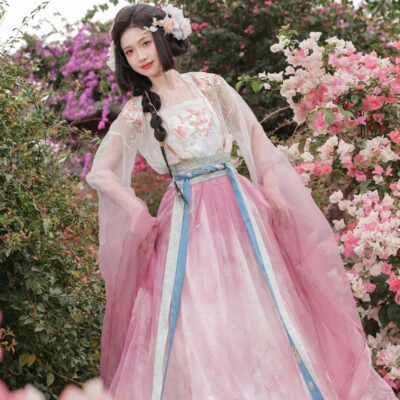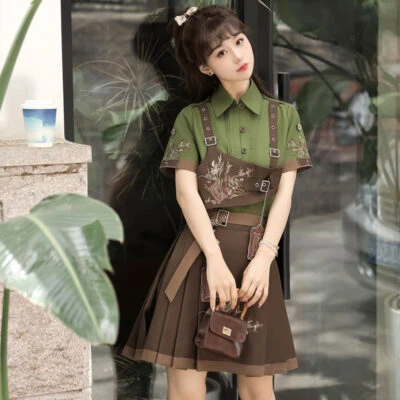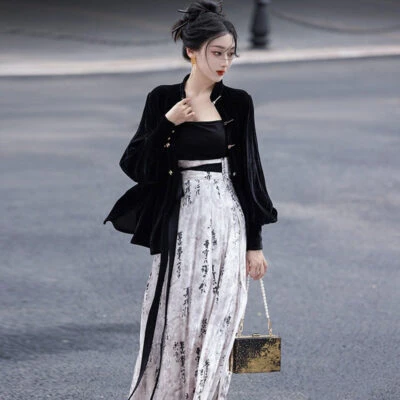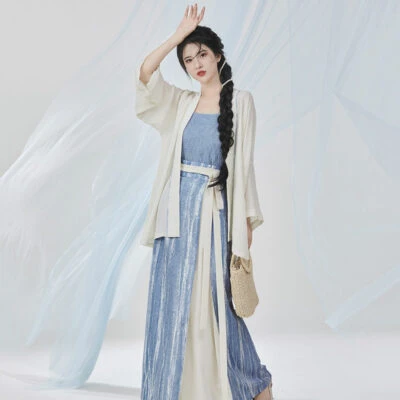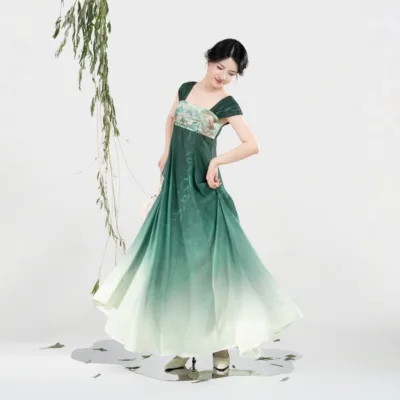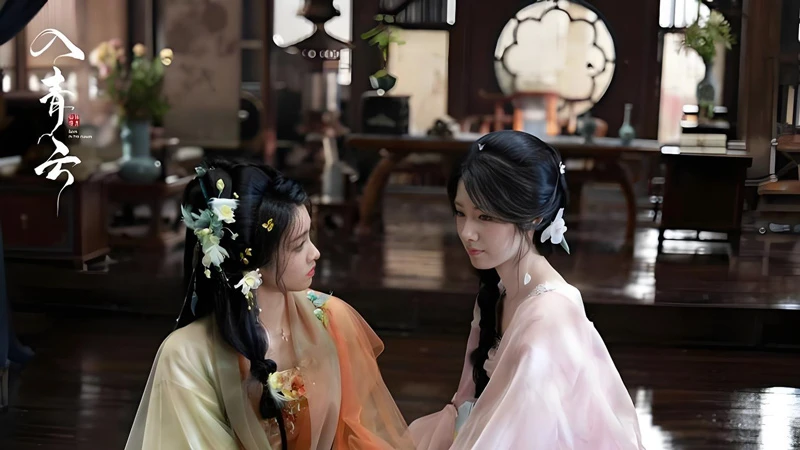
Television landscapes are shifting as female directors carve out space in idol dramas. Productions like Lost You Forever (长相思) and Romance on the Farm (田耕纪) reflect their distinctive approaches. The recent Love in the Clouds (入青云) further demonstrates her innovative touch. While artistic ability transcends gender, she introduces nuanced storytelling into a historically male-centric arena. Her work cultivates fresh visual dialects that engage viewers. This movement prompts a closer look at how she reshapes narratives and broadens what these series can achieve.

1. Women Directors Reshaping Chinese Television
In recent years, a shift has occurred behind the scenes of China’s popular television dramas. A group of female directors, arriving from diverse creative backgrounds, are now steering major projects within the idol drama genre. Their unique perspectives and distinct visual styles are injecting new life into these stories, moving beyond conventional templates to offer audiences fresh narrative experiences. This change is not just about who is telling the story, but how these stories are being told, with a heightened focus on aesthetic composition and character depth. The success of their work signals an evolving landscape where directorial vision is becoming as celebrated as the stars in front of the camera.
Visual Storyteller
Zhi Zhu (知竹) began her career not in film school, but as a photographer specializing in Guofeng (国风) aesthetics. This foundation is evident in her directorial work, where visual composition is paramount. Her early short series, like Chang Gong Zhu Zai Shang (长公主在上), demonstrated a keen eye for crafting compelling narratives within a visually rich, historical setting. The success of these projects provided a springboard into longer formats, where she has maintained her commitment to a specific kind of beauty.
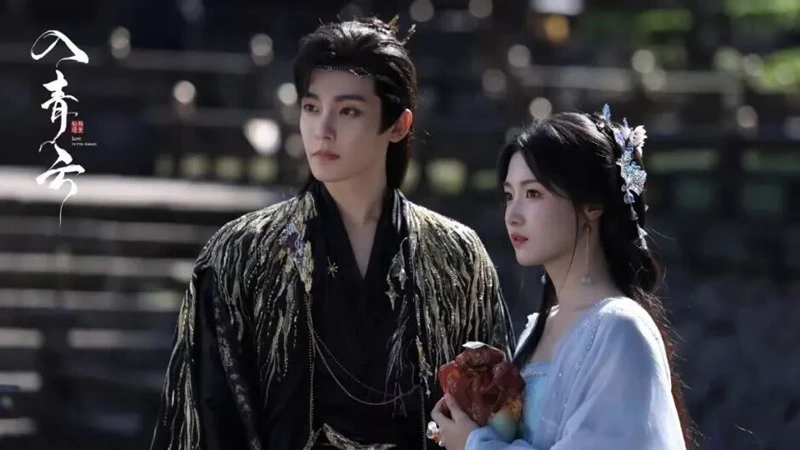
Her series An Ancient Love Song (古相思曲) received significant critical acclaim for its thoughtful execution. Rather than relying solely on plot, Zhi Zhu builds atmosphere, using imagery to reinforce themes of fate and longing. She has a particular talent for capturing iconic, emotionally resonant moments that linger with viewers long after an episode ends. This approach extends to her work with actors, often praised for presenting them in their most flattering and character-appropriate light.
Another project, Love in the Clouds, achieved high platform ratings, proving the commercial viability of her style. Her philosophy seems to be that a production, regardless of budget, must prioritize its visual language. This dedication to aesthetic coherence makes her work stand out in a crowded field. For audiences, a drama directed by Zhi Zhu promises not just a story, but a specific and immersive visual experience rooted in a romanticized past.
Narrative Pace
The trajectory of Zhang Zhiwei (张之微) mirrors a modern success story in digital content creation. She gained widespread recognition through the short-form series Zhi Bi, which showcased her skill with fast-paced, engaging storytelling. This project highlighted her ability to hook an audience quickly, a valuable asset in today’s attention economy. The momentum from this success led to her involvement in longer productions, such as Qing Chuan Ru Meng (青川入梦).
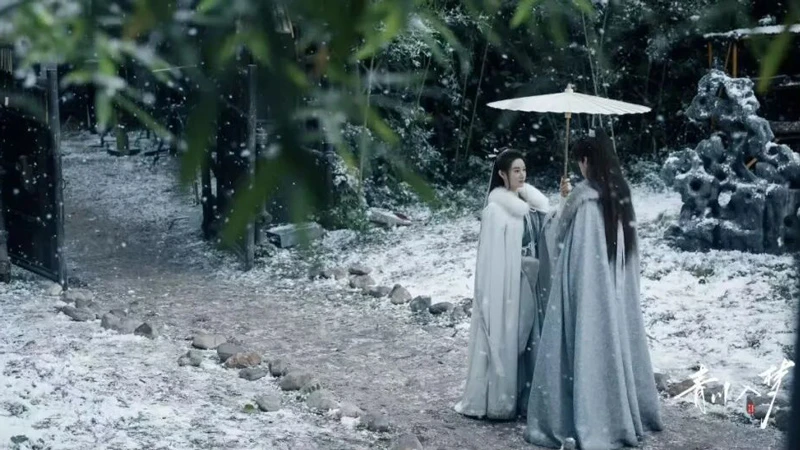
Her strength lies in crafting narratives that move briskly, delivering emotional payoffs and satisfying plot developments without unnecessary delay. This style, often described as having a “refreshing feel,” resonates with viewers seeking immediate gratification. She frequently works within the historical setting, specializing in stories centered on powerful female protagonists. This focus allows her to blend dynamic action with character-driven drama.
Her upcoming project, Glory (玉茗茶骨), is part of a broader industry experiment in merging the pacing of short-form content with traditional series length. Co-directed with Guo Hao (国浩), it features well-known actors, indicating growing industry confidence in her abilities. While her recent work has not matched the peak acclaim of some peers, her command over rhythm and atmosphere keeps her positioned as a significant voice.
Steady Evolution
Qin Zhen (秦榛) represents a path of gradual, steady growth within the industry. She honed her craft directing lower-budget web movies and smaller series, including projects in the horror and romantic comedy genres. An early foray into a larger-scale idol drama yielded mixed results, providing learning experiences that would later inform her more successful work. Her big break arrived when she joined forces with a production company deeply connected to author Tong Hua (桐华).
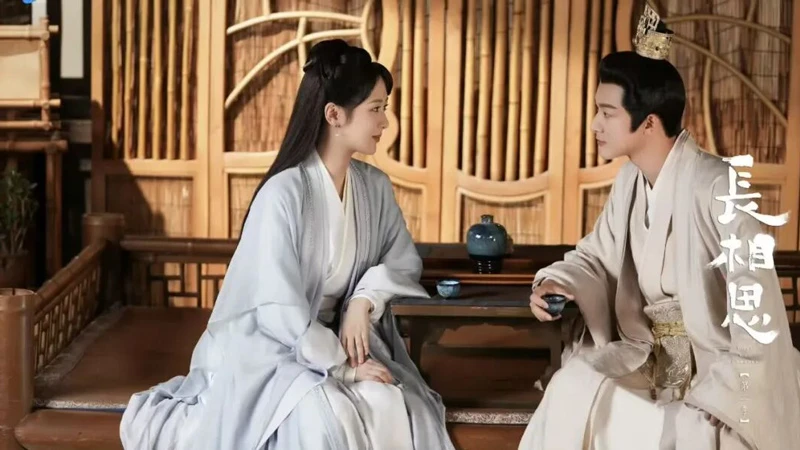
Directing the adaptation of Tong Hua’s novel Lost You Forever marked a turning point in her career. The series was noted for its methodical pacing and nuanced character development, showcasing Qin Zhen’s improved command over complex, multi-layered narratives. She demonstrated a particular aptitude for making the interpersonal dynamics between characters feel authentic and deeply felt, a key reason for the show’s popularity.
However, some critiques pointed to a need for stronger execution in highly dramatic, pivotal scenes. Certain sequences intended to be emotional high points did not fully connect with all viewers. Despite this, her work on the series solidified her reputation. She now has several high-profile projects in the pipeline, including Love Beyond the Grave (慕胥辞) and Shang Gongzhu (尚公主), which will test her ability to apply these hard-won lessons on an even larger stage.
Collaborative Spirit
Some directors have entered the spotlight through strong partnerships. Hong Ling (洪玲), previously a screenwriter, joined forces with editor Zhang Shuheng (张书蘅) to co-direct their first idol drama, Romance on the Farm. This project was notable for introducing a “farming simulation” subgenre to mainstream Chinese historical drama, blending light comedy with slice-of-life elements. Their selection of material suggests a preference for unconventional, relaxed stories that deviate from high-stakes palace intrigue.
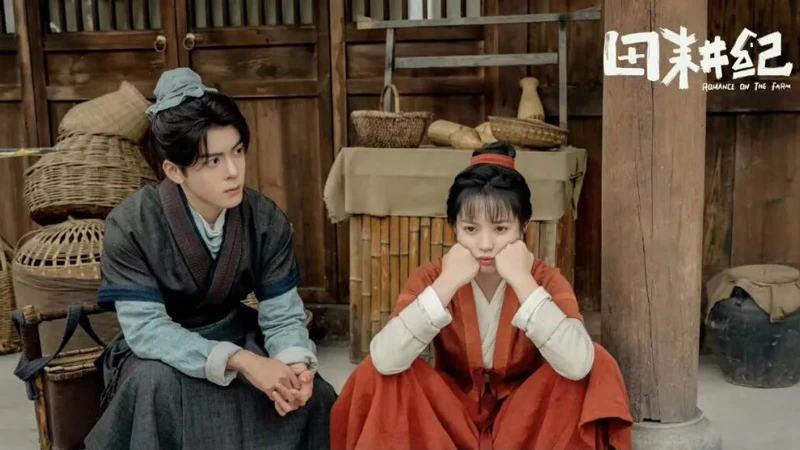
Their follow-up project, A Journey to Love (一念江南), is described as a “historical psychological healing drama,” further indicating their interest in niche themes. The involvement of a renowned screenwriter adds to the anticipation for this series. The reception of Romance on the Farm was not uniformly positive, with some viewers feeling the final product did not fully deliver on its unique premise. This places pressure on their next collaboration to achieve a higher level of execution and coherence.
Another collaborative force is the husband-and-wife team of Cong Xiao (丛晓) and Liu Guonan (刘国楠). Cong Xiao, who worked as a post-production director on the series (大唐荣耀), has increasingly taken on co-directing roles. She partnered with her husband on projects like Are You the One (柳舟记) and the recently completed Biao Mei Wan Fu. While her individual contribution is part of a collective effort, the resulting productions contain memorable elements that appeal to their target audience.
Literary Crossroads
The journey of Luo Luo (落落) illustrates a path from literature to filmmaking. As a signed author with Zui Shi Culture, she initially wrote and directed youth-focused films like The River of Flows Upward (悲伤逆流成河). Her transition into television drama occurred through collaboration with author-turned-director Guo Jingming (郭敬明). She joined his directorial team for ambitious idol dramas such as My Journey to You (云之羽).
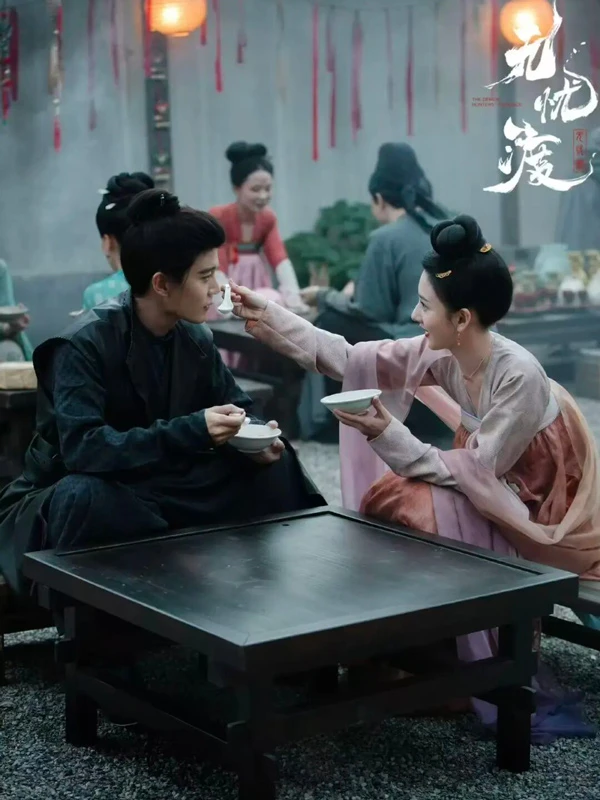
In these large-scale productions, her role as a co-director means her specific influence is woven into the fabric of a team’s output. Her background in writing emotionally charged stories likely informs her approach to character and scene work on set. While her name is not currently attached to Guo Jingming’s next announced projects, her participation in his previous works provided a bridge between literary sensibility and visual spectacle.
The contributions of directors like Cong Xiao and Luo Luo highlight the collaborative nature of television production. Assessing their individual impact is complex, as the final product is a fusion of many talents. Yet, their involvement in successful projects underscores the value of diverse experiences—whether from post-production, literature, or other fields—in enriching the storytelling process. Their continued presence suggests that the pathways to directing in this genre are becoming more varied and inclusive.

2. Female Directors Shaping Idol Dramas
In the realm of television, a distinct group of creators has steadily influenced the evolution of idol dramas, bringing nuanced perspectives to storytelling. These directors, often with diverse backgrounds, have crafted narratives that resonate deeply with audiences, blending traditional elements with contemporary themes. Their work not only entertains but also reflects shifting societal values, offering fresh takes on romance, ambition, and identity. This article highlights how their unique approaches have redefined genre conventions, moving beyond mere trends to establish lasting impacts.
Veteran Voices
Lin Yufen (林玉芬), a director from Hong Kong, stands as a pillar in historical idol dramas. Her early works, such as The Journey of Flower (花千骨) and Eternal Love (三生三世十里桃花), set benchmarks for visual storytelling. After a brief hiatus, her return with projects like The First Jasmine (莫离) demonstrates her enduring appeal. Lin’s methodical pacing and character-driven plots have earned her a dedicated following, proving that timeless techniques can outweigh fleeting innovations.
Another key figure, Li Huizhu (李慧珠), collaborated extensively on palace dramas like Legend of Lu Zhen (陆贞传奇). She mastered fast-paced, dramatic narratives that captivated viewers during television’s peak. Despite a recent slowdown, with fewer releases like Warm on a Cold Night (九霄寒夜暖), her influence persists. Li’s ability to weave complex emotions into accessible stories highlights her skill in balancing intensity with relatability.
These directors have navigated industry shifts by adapting their styles while staying true to core artistic principles. Their careers illustrate how experience fosters resilience, allowing them to mentor newer talents and sustain relevance in a competitive field.
Fresh Perspectives
Li Qingrong (李青蓉), from Taiwan, brings a light, aesthetic touch to modern idol dramas. Hits like Go Go Squid! (亲爱的,热爱的) showcase her flair for romantic visuals and youthful energy. However, critiques about slow pacing in recent series such as Hidden Love (偷偷藏不住) point to challenges in maintaining narrative momentum. Her upcoming project, Road to Star (灿如繁星), continues this focus on dreamy, emotional storytelling.
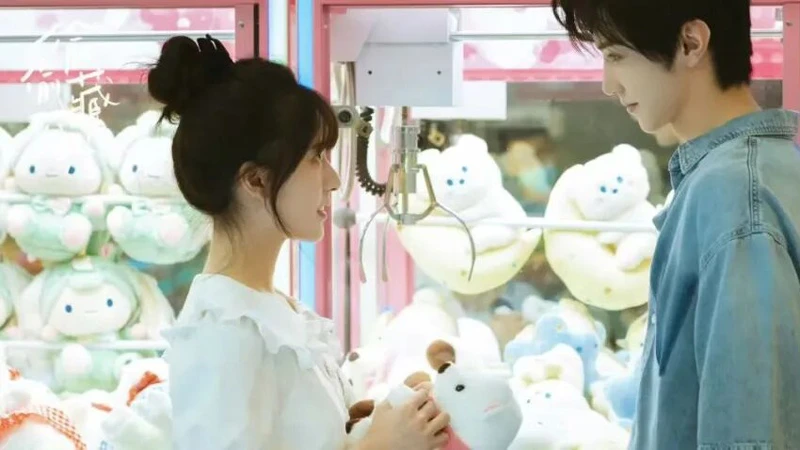
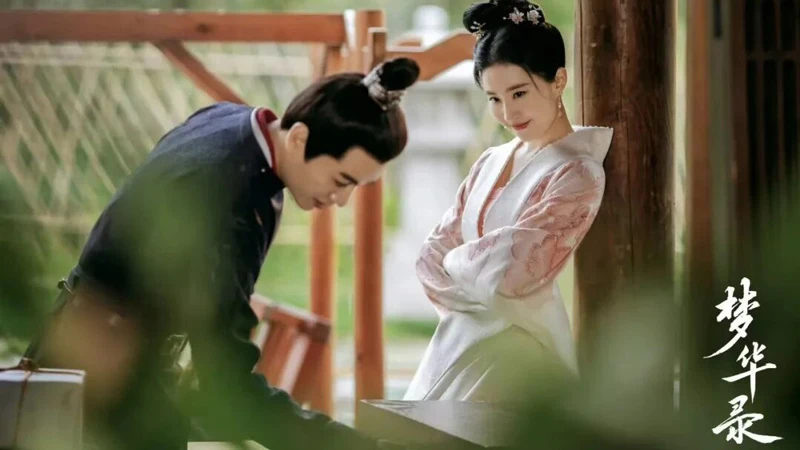
Meanwhile, directors like Yang Yang (杨阳) have crossed genres, applying a realist lens to idol themes. With roots in contemporary dramas like Angel Heart (心术), she approaches historical pieces like Dream of Splendor (梦华录) as tales of female entrepreneurship, infusing them with depth. Yang’s view that stories must engage with modern issues ensures her work remains impactful, whether in suspense or romance.
This generation blends innovation with tradition, often experimenting with structure and tone. Their willingness to address current topics, from social mobility to personal growth, enriches the genre and attracts diverse viewership.
Diverse Styles
Cross-disciplinary directors like Lin Yan (林妍) and Yao Tingting (姚婷婷) exemplify versatility. Lin, who contributed to urban dramas like Dwelling Narrowness (蜗居), later directed romantic series such as She and Her Perfect Husband (爱的二八定律). Their shifts illustrate how skills from one genre can enhance another, creating hybrid forms that defy categorization.
The industry’s embrace of such diversity allows for richer narratives that appeal to broader audiences. By drawing on varied experiences, these directors avoid repetitive tropes and introduce fresh character dynamics. This adaptability is crucial as viewer preferences evolve, demanding more authentic and multifaceted portrayals.
Ultimately, the fusion of different directorial backgrounds fosters a creative ecosystem where idol dramas can address universal themes without losing their distinctive charm. This trend promises continued innovation, ensuring the genre’s vitality for years to come.

3. How Female Directors Are Changing Idol Dramas
In the world of television, idol dramas have long captivated audiences with their romantic narratives and stylish characters. Historically, the director’s chair in this genre has been predominantly occupied by men, even though the target audience is largely female. This imbalance stems from deep-rooted industry practices rather than a lack of talent. Recently, however, a shift has begun. More women are stepping into leadership roles, bringing fresh ideas and perspectives to these popular series. This change is not just about equality; it is enriching the stories told and resonating with viewers in new ways. As the landscape evolves, these directors are carving out spaces where their voices can shine, promising a brighter, more diverse future for idol dramas.
Entering the Field
The path for female directors in idol dramas has been gradual, marked by persistence and growing recognition. Figures like Zhi Zhu and Zhang Zhiwei have emerged, showcasing their skills in various projects. Their journeys highlight a broader trend where women are no longer sidelined but are actively shaping content. This progress is partly due to increasing audience demand for relatable storytelling that reflects diverse experiences. As opportunities expand, these directors are proving that gender does not define ability, yet their presence adds valuable depth to the creative process.
Challenges remain, such as navigating traditional hierarchies and overcoming biases in production teams. For instance, some projects led by women have faced scrutiny over character portrayals or plot choices, as seen in dramas like Coroner’s Diary (朝雪录). These moments reveal that having a female director does not automatically resolve all narrative issues. Instead, they underscore the need for collective responsibility among writers, producers, and crew members to ensure balanced and thoughtful content.
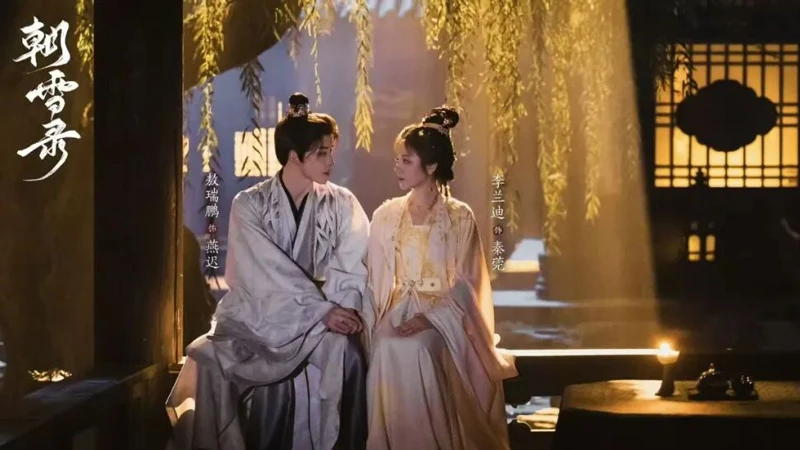
Despite hurdles, the influx of female directors is injecting vitality into the genre. They often approach scenes with a nuanced understanding of emotions, which can lead to more authentic interactions between characters. This sensitivity helps in crafting moments that feel genuine to viewers, whether in light-hearted romances or deeper dramatic arcs. As more women take the helm, the industry is learning to appreciate the subtle yet impactful differences they bring to the screen.
Short Drama Rise
The surge in short-form dramas has opened doors for many aspiring female directors. Platforms featuring brief, engaging series have become testing grounds for new talent.
Short dramas often focus on tight narratives that appeal to modern viewers’ shorter attention spans. This format encourages innovation, as directors must convey emotion and plot quickly. For female directors, it is a chance to demonstrate their ability to handle key elements like character development and visual aesthetics in a condensed framework. Success here can lead to opportunities in larger productions, bridging the gap between niche and mainstream audiences.
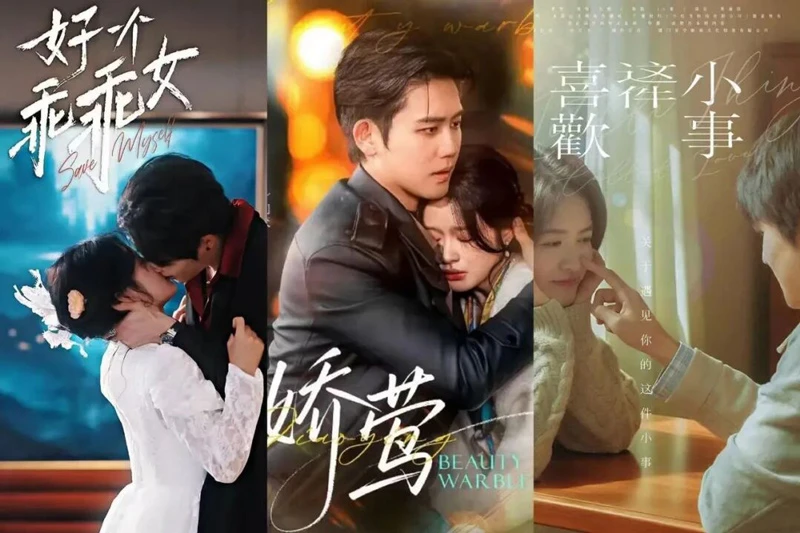
Moreover, the collaborative nature of short drama sets fosters mentorship and networking. Women in these roles frequently support each other, sharing insights and resources. This camaraderie strengthens their positions and promotes a culture of inclusion. As short dramas continue to grow in popularity, they serve as a vital stepping stone, empowering more women to ascend in the competitive world of television direction.
Fresh Perspectives
Female directors often introduce subtle yet meaningful touches that resonate with audiences. In the series Romance on the Farm, director Hong Ling (洪玲) included a scene commenting on gender norms in film crews. This clever nod to real-world issues added layers to the story without disrupting its flow. Such elements show a willingness to address societal topics in an accessible way, making the drama more engaging and thought-provoking.
These directors tend to prioritize empathy in their storytelling, crafting characters that feel multi-dimensional. For example, they might focus on female friendships or personal growth alongside romantic plots, offering a broader view of relationships. This approach contrasts with some traditional idol dramas that overly emphasize melodrama or superficial conflicts. By highlighting everyday moments and inner struggles, they create a more immersive experience for viewers.
Audiences have noticed this shift, often praising the relatable content and emotional depth. Feedback on social media and reviews indicates a growing appreciation for stories that reflect real-life complexities. As female directors continue to infuse their work with these insights, they are not only attracting loyal followers but also encouraging the industry to rethink what idol dramas can achieve. Their contributions are gradually reshaping expectations and setting new standards for quality.
Future Pathways
The television industry is slowly adapting to embrace diverse voices, with female directors benefiting from this evolution. Increased numbers of women in roles like producers and writers have created a more supportive environment. These allies often advocate for female directors, helping them secure positions on high-profile projects. Additionally, platforms and studios are recognizing the commercial value of varied perspectives, leading to more inclusive hiring practices.
Education and training programs are also playing a role in nurturing future talent. Workshops and networking events focused on women in film provide essential skills and connections. As these initiatives expand, they equip aspiring directors with the tools needed to succeed in a fast-paced industry. This foundation is crucial for sustaining long-term growth and ensuring that female voices remain integral to creative decisions.
Looking forward, the potential for female directors in idol dramas is vast. As they gain experience and visibility, their influence is likely to extend beyond this genre into other areas of entertainment. This progression promises a richer array of stories that cater to global audiences. By continuing to challenge norms and innovate, these directors are not just participants in change—they are driving it, paving the way for a more dynamic and inclusive media landscape.

4. Overall Impact and Future Outlook
These directors are enriching the genre by prioritizing empathy, multi-dimensional characters, and relatable storytelling that often reflects shifting societal values. Their rise has been facilitated by the popularity of short-form dramas, which serve as a testing ground for new talent. While challenges like industry biases remain, the increasing presence of female directors is promising a more dynamic, diverse, and innovative future for Chinese television, broadening the creative and commercial potential of idol dramas.