Article
搜索结果:
-
How Did Song Yi's New Chinese Outfit Ignite a Fashion Style?
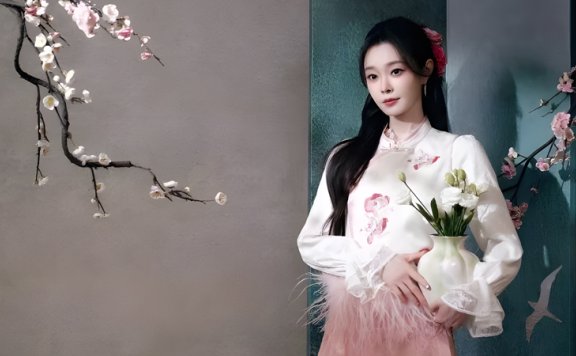
When actress Song Yi (宋轶) recently appeared in a stunning New Chinese Style ensemble, the internet erupted with admiration. Her look, featuring a pink-white embroidered blouse with a ruffled collar and a misty pink satin skirt, evoked the grace of a classical Chinese beauty while radiating contemporary charm. Accessories like a delicate hairpin, a celadon vase, and bow-adorned shoes completed the vision of a refined gentlewoman from a scholarly family. This outfit wasn't just clothing; it became a symbol of how traditional aesthetics can seamlessly merge with modern design, captivating fashion enthusiasts and cultural observers alike. The immediate viral response highlighted a growing fascination with styles that bridge historical elegance and present-day creativity, setting the stage for a deeper exploration of this trend. Design Details The brilliance of Song Yi's attire lies in its meticulous details. The blouse's embroidery features flowing patterns that showcase artistic craftsmanship, with the ruffled collar and lantern sleeves adding a touch of ethereal movement. The skirt's drape and subtle side embroidery align with Eastern aesthetics, accentuating a slender silhouette. Color coordination in soft pinks and whites creates a gentle, sweet palette that complements the overall theme. Designers often draw from classical paintings and textiles, reimagining… -
Why Does Rong Shanbao’s Outfit in Glory Look So Slimming?
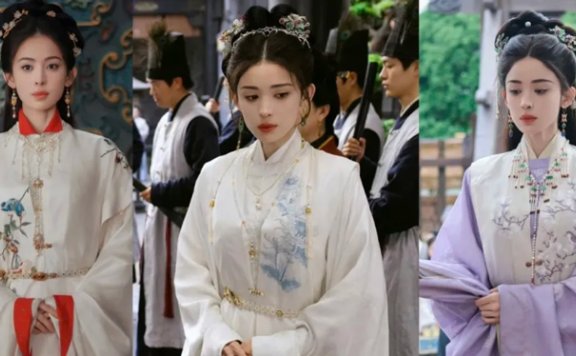
In the historical drama Glory (玉茗茶骨), actress Na Zha (娜扎) captivates audiences not just with her performance, but with her wardrobe. Her character, Rong Shanbao (荣善宝), is frequently seen in a specific style of outerwear that seems to magically elongate her silhouette, sparking online conversations about its flattering power. Viewers quickly noted its similarity to modern fashion items, revealing a fascinating truth: this garment is a centuries-old design called the Bijia (比甲). More than just a costume piece, the Bijia’s journey from the imperial courts of ancient China to contemporary street style showcases a stunning continuity in aesthetic preference, proving that some designs truly are timeless. Historical Threads The Bijia’s origins trace back to the Song Dynasty. Originally a form of Hanfu, it was a sleeveless, collarless over-garment, similar to a long vest. Its practical design was later adopted and adapted during the Yuan Dynasty for functionality. Historical records like the Yuanshi (元史) describe its purpose: a garment with a front shorter than the back, lacking sleeves and a collar, secured by two ties. This made it ideal for equestrian activities and labor, protecting the torso without restricting arm movement. By the Ming Dynasty, the Bijia had shed its purely… -
Why Did the Prince's Collar Vanish in The Imperial Coroner 2?
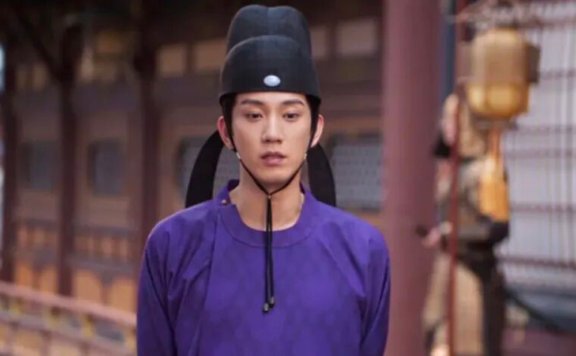
The premiere of the historical drama The Imperial Coroner 2 (御赐小仵作2) has sparked an unexpected debate among its dedicated fanbase. Rather than focusing solely on plot twists, viewers are scrutinizing the wardrobe of the male lead, Prince Chu (楚王). A particular detail has drawn sharp criticism: the noticeable absence of the distinct white collar lining his official robes, a signature element from the first season. This seemingly minor change has opened a broader conversation about historical authenticity, artistic license, and the evolving standards of audience expectation in period television. The discussion delves deep into the intricacies of Tang (唐) and Song (宋) dynasty attire, revealing how costume design is a language unto itself. The Missing Collar To understand the collar controversy, one must first consider the era. If the drama is set in the Tang dynasty, the typical round-neck robe was worn over an inner garment with a narrow, crossing collar. When properly worn, this inner collar would barely peek out, appearing only as a slim edge. The prominent white collar seen in Season One was, therefore, a stylistic choice rather than a strict historical reproduction. If the setting leans toward the Song dynasty, the inner garment's crossing collar would… -
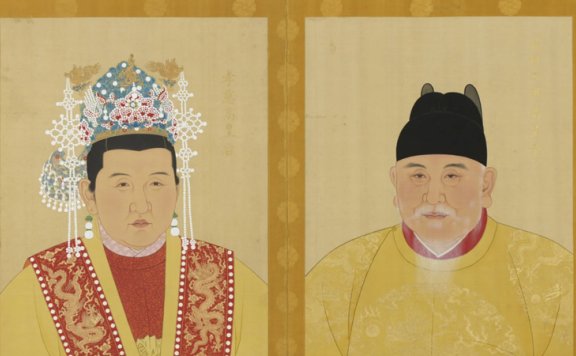
What Did Ming Dynasty Women Really Wear?
Across centuries, clothing has served as a mirror to Chinese society, reflecting shifts in aesthetics, technology, and social order. While modern fashion draws from countless influences, the styles of the Ming Dynasty (1368-1644 AD) offer a particularly vivid window into a world where fabric, color, and pattern were powerful languages. This was not a static tradition but a dynamic one, evolving from restrained elegance to magnificent complexity. Today, as interest in historical dress revives, we look back to this era not for mere replication, but to understand the sophistication and symbolic richness that defined a woman's appearance, from the imperial court to the bustling marketplace. Silhouettes in Flux The foundational ensemble for Ming women was the Ao (袄), a jacket or upper garment, worn over a skirt. Early in the dynasty, the Ao featured narrow sleeves and clean lines, continuing a Song Dynasty preference for simplicity. By the mid to late Ming period, as prosperity grew, sleeves widened dramatically. The innovative Pipa Xiu (琵琶袖), or "lute sleeve," became iconic: wide through the arm but sharply cinched at the wrist, creating an elegant, flowing shape reminiscent of the Chinese lute instrument. Beneath the jacket, the Mamian Skirt (马面裙) reigned supreme. This… -
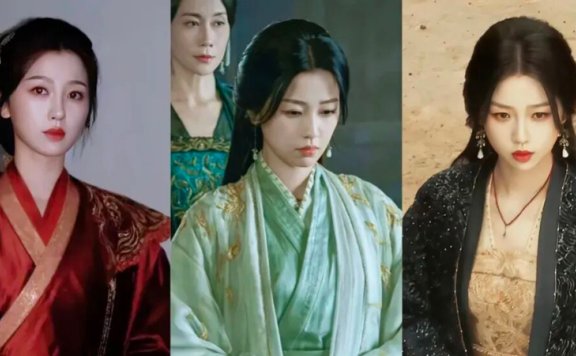
Did Yu Shuxin’s New Period Drama Copy Her Last Look?
When photos from the set of Yu Shuxin's (虞书欣) new series, Yun Chu Ling (云初令), surfaced online, many fans did a double take. The styling—center-parted hair with wispy strands framing the temples and volume at the sides—looked strikingly familiar. It bore a close resemblance to her iconic look from the popular Wuxia drama My Journey to You (云之羽). This sparked immediate debate: was this a case of repetitive styling, or was there a deeper logic at play? The two characters, however, inhabit vastly different worlds. Yun Chu Ling draws its aesthetic inspiration from the grandeur of the Tang and Song dynasties, a style often referred to broadly as "Pan-Tang-Song" in Chinese costume design circles. In contrast, My Journey to You is rooted in the bleak, austere atmosphere of the martial arts world known as Jianghu. Their core spirits are distinct. The similarity lies not in copying, but in finding a universally flattering style template for the actress's specific facial features. This "center part + side volume + face-framing wisps" formula happens to be her sweet spot. Decoding The Face Shape To understand the styling, we must first examine the canvas. Yu Shuxin possesses a roundish oval face, a shape often… -
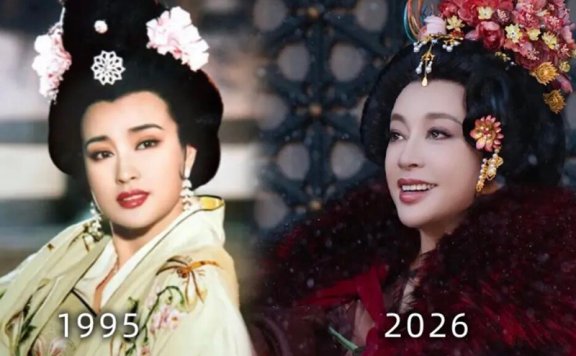
Can a 75-Year-Old Truly Play a Young Empress?
The recent release of promotional stills for a new production featuring Liu Xiaoqing (刘晓庆) once again portraying Empress Wu Zetian (武则天) has ignited a firestorm of online discussion. The core of the debate isn't the plot, but the actress herself. At 75, Liu is set to depict the legendary monarch's journey from youth to old age, a feat she first accomplished over thirty years ago in the 1995 television series Empress Wu Zetian. Back then, in her early forties, her transformation was hailed as remarkable. Today, the new images have left the digital world stunned, with a prevailing sentiment: "How can a 75-year-old look like she's 40?" This phenomenon pushes past mere celebrity gossip, inviting a deeper look into historical aesthetics, the science of aging, and the enduring power of a perfectly cast role. Defying Time Liu Xiaoqing's seemingly age-defying appearance is the most immediate point of fascination. The public's amazement speaks to a broader cultural obsession with youth, yet her case suggests something beyond modern cosmetics or procedures. Her ability to convincingly return to this role decades later hinges on a more permanent foundation: her bone structure. This isn't merely about good genes; it's about possessing a facial architecture… -
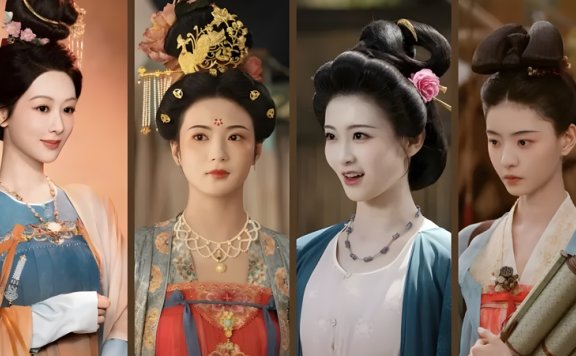
How Chinese Period Dramas Bring Traditional Clothing to Life
Audiences often question the authenticity of clothing in period dramas. What appears on screen blends artistic vision with historical reference, creating a visual language that speaks to modern viewers while hinting at the past. Accurate garment reconstruction offers more than beauty; it provides a tangible link to bygone eras, functioning as an informal guide for those curious about traditional dress. Yet, perfect fidelity remains elusive, as every production makes compromises between fact and spectacle. Several recent series have attempted serious sartorial homage. For instance, The Wind Blows From Longxi (风起陇西), set in the Three Kingdoms period, features layered robes and specific sleeve cuts that reference Han Dynasty styles. Similarly, The Longest Day in Chang'an (长安十二时辰) meticulously presents Tang era Hanfu, with its distinctive silhouettes and rich fabrics. These details matter, as they ground the narrative in a specific time and place, allowing viewers to sense the weight of history through cloth and stitch. Other productions, like Generation to Generation (江湖夜雨十年灯) and Flourished Peony (国色芳华), draw inspiration from Wei-Jin and early Tang aesthetics. They capture a certain mood—the flowing drapery, the subdued palette—but often blend elements for dramatic effect. This approach can illuminate broader stylistic trends while sacrificing precise replication. Even well-regarded… -
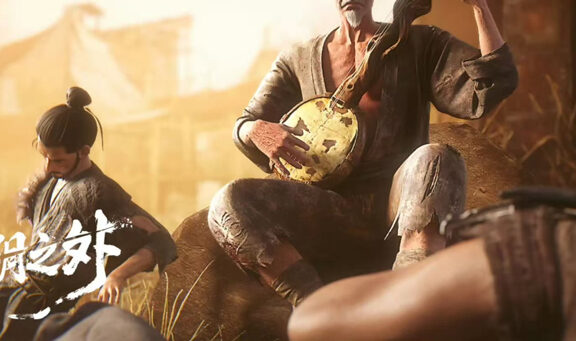
The Bold Dark Fantasy of Beyond Time's Gaze
Youku Anime recently showcased its new series, Beyond Time's Gaze (光阴之外), a project steered by the original author, Er Gen (耳根). He detailed the story's bleak survival ethos. The series presents a distinct post-apocalyptic cultivation world, a rarity in the current market. Its visual style, particularly the eerie designs of the Yangbao Ren (养宝人), is arresting, described by the team as thrilling to animate. This release signals a strategic shift. Facing a saturated landscape of similar themes, Youku is moving beyond competing solely on viewer numbers or production polish. Instead, it is redefining boundaries by committing to distinct genre innovation. This stark dark fantasy experiment could chart a new course for the platform's animation endeavors. A New Brutal Dawn In a landscape often painted with familiar tropes, one animated series carves its own stark path. Beyond Time's Gaze breaks from tradition, not through incremental change but through a foundational overhaul of its world and the soul of its protagonist. It presents a vision where the pursuit of power is stripped of grandeur, becoming a raw, ugly, and essential act of survival. A World Unmade The old rules are dead. In this narrative, the cataclysmic arrival of the Shenling Canmian (神灵残面)… -
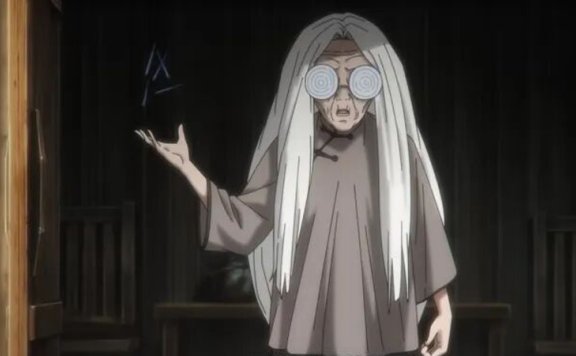
The Outcast 6 Episode 3: Solar Valley’s Secrets
The third episode of The Outcast 6 (一人之下6) propels its eclectic cast toward the mysterious Twenty-Four Solar Valley. The catalyst for this movement is the return of an old key: Jin Feng (金凤), an elderly woman whose youthful devotion to the enigmatic Wugen Sheng (无根生) led her to join the controversial Quanxing (全性) sect. Her mysterious reappearance, unharmed after being held by the manipulative Qu Tong (曲彤), acts like a magnet. It draws together two separate parties, forcing a temporary and uneasy alliance between them. One group consists of the calculating Zhang Chulan (张楚岚) and his ever-loyal, perplexing guardian Feng Baobao (冯宝宝). The other includes the mischievously unpredictable Qiu'er (球儿), who has brought along the aging Xia Liuqing (夏柳青) and the formidable Barlow. This "party of six" now travels together, a collection of conflicting agendas bound by the common goal of uncovering Wugen Sheng's secret treasure. Their internal dynamics, however, are as treacherous as the path ahead, creating a volatile mix of cooperation and competition that defines this leg of their journey. Masters of Misdirection Among the younger generation, Zhang Chulan prides himself on strategic foresight and clever schemes. His usual advantage is neutralized by the presence of Qiu'er, a… -
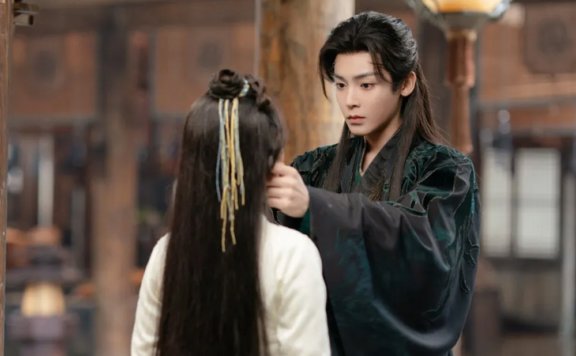
The Bittersweet Romance of The Unclouded Soul
The finale of the drama The Unclouded Soul (逍遥) has left a complex aftertaste for its audience. Starring Hou Minghao (侯明昊) and Tan Songyun (谭松韵), this Xianxia tale promised a grand, multi-life romance but delivered a conclusion that feels less like a resolution and more like a poignant, unanswerable question. Instead of offering neat closure, it doubles down on its core, tragic mechanic: a love story perpetually out of phase, where the protagonists are forever chasing each other's shadows across fractured timelines. This narrative choice, born from its status as an original script unburdened by source material spoilers, has ignited fervent discussion. The ending doesn't simply tie up loose ends; it holds a mirror to the entire journey, asking viewers to reconsider every moment of connection between Hong Ye (红烨) and Xiao Yao (肖瑶). A Premise of Painful Repetition At its heart, the drama is built on a foundation of painful repetition. The story follows Hong Ye and Xiao Yao through multiple lifetimes, but with a cruel twist: their memories and identities are never synchronized. One always arrives carrying the baggage of a shared past the other cannot recall. This creates a persistent sense of longing and misunderstanding. For much… -
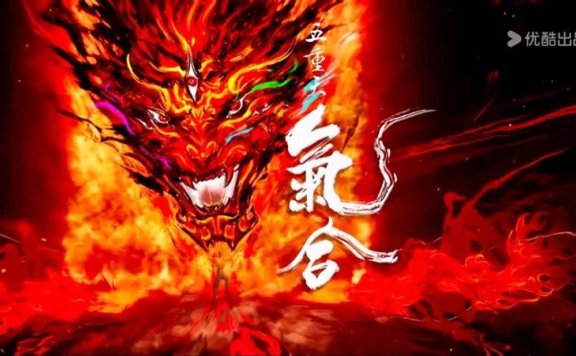
Can Meng Chuan Save Cang Yuan from Annihilation?
In a landscape crowded with derivative fantasy tales, one series cuts through the noise with its relentless pacing and stunning spectacle. The second season of The Demon Hunter (沧元图), adapted from the classic web novel by I Eat Tomatoes, has solidified its place as a breakout hit. This exclusive Youku series, which premiered on December 6, 2024, masterfully weaves a dual narrative of a young man's fiery growth and humanity's epic struggle for survival. It has reignited passion for the genre, emerging as a dark horse champion in the realm of Donghua (动画) and carving out a distinct space for Eastern fantasy. The Siege and the Secret Picking up after Meng Chuan's (孟川) heroic defense of Dongning City, the scope expands dramatically. The story shifts to Yuanchu Mountain (元初山), humanity's last bastion of hope. The Cang Yuan World (沧元界) is under existential threat, besieged by millions of demonic creatures. With its guardian deities dwindling, traditional cultivation systems are failing. To forge a champion who can turn the tide, Yuanchu Mountain initiates a brutal, winner-take-all trial. Meng Chuan, still driven by his vow to avenge his mother, enters this crucible as a wildcard variable, his presence a potential spark in a… -
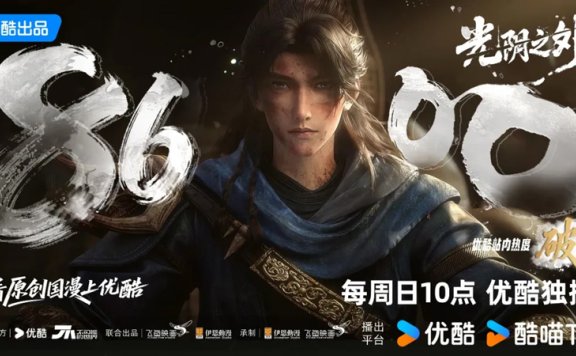
Beyond Time's Gaze: Youku's Record-Breaking Wasteland Cultivation Anime
The digital landscape for Chinese animation was quietly reshaped one week in March. Youku's latest original series, Beyond Time's Gaze (光阴之外), didn't just premiere; it exploded onto the scene. Its debut shattered the platform's own historical record for a new anime release, soaring past 8,600 in real-time popularity metrics. It swiftly claimed the top spot across Youku's animation, new release, and male-viewer charts, maintaining a dominant position. This immediate and overwhelming reception marked Beyond Time's Gaze as the undeniable breakout hit, a dark horse that captured the zeitgeist of a generation of viewers seeking something beyond the conventional. Genre Fusion Breakthrough At its core, Beyond Time's Gaze represents a bold experiment in genre fusion. It transplants the traditional Chinese cultivation narrative—a journey of spiritual and physical ascension—into the bleak, unforgiving soil of a post-apocalyptic wasteland. This is not the romanticized world of elegant immortals floating amongst misty peaks. This is Wasteland Cultivation, a world defined by scarcity, shattered social order, and a constant struggle for survival against a dying earth. The protagonist, Xu Qing (许青), fights not just rival sects, but the very environment itself. The series deliberately subverts the established "leveling up" tropes common to the genre. His progression… -
Zhang Ruonan’s Sea Mist Noble Moment
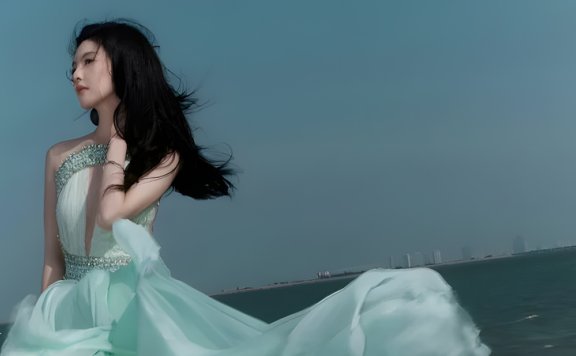
The image is arresting: an expanse of pale, hazy green billowing against a windswept shore. Actress Zhang Ruonan (章若楠) stands as the focal point, her mint-colored gown melting into the sea mist behind her. This is more than a celebrity photoshoot; it is a character study, a fleeting scene from an unwritten film. She is not merely wearing a dress. She embodies a persona—a 'Sea Mist Noble,' ethereal yet grounded, delicate but commanding. This single look, captured against the elemental backdrop of ocean and sky, has sparked widespread admiration, transcending typical fashion commentary to become a cultural talking point. It represents a pivot in red carpet narrative, away from overt glamour and toward a more resonant, atmospheric storytelling. Anatomy of an Aura The power of the look lies in its masterful contradictions. The gown’s construction balances structure and fluidity. A halter neckline, meticulously embroidered with gradient crystals, frames the shoulders and provides a defined silhouette. This jeweled element suggests luxury and craftsmanship. From this anchored top flows an immense skirt of layered tulle, a weightless cloud of fabric that surrenders completely to the coastal breeze. The deep V-neck adds a subtle hint of classic Hollywood sensibility without overshadowing the overall… -
Mao Xiaotong’s Firework-Ready Gown
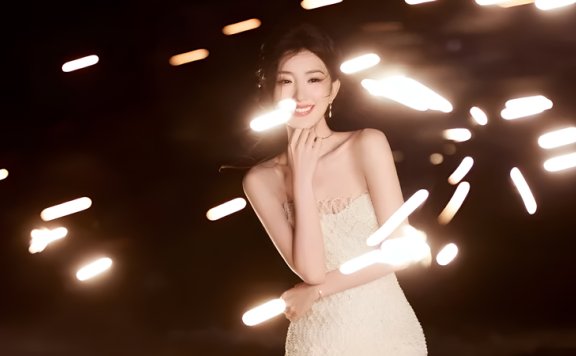
A summer night, a sky alight with fleeting blooms of fire, and on the ground, a vision emerged that seemed spun from the same ethereal magic. Actress Mao Xiaotong (毛晓彤) recently captivated all in attendance at an event, not with a dramatic entrance or a grand speech, but simply by wearing the night sky itself. Her appearance became an instant sensation, a perfect synergy of person, place, and meticulously crafted attire that transcended a mere red-carpet moment and entered the realm of a living fairy tale. The Dress of Dreams The centerpiece was a breathtaking off-white mermaid gown. Its structure was a masterclass in silhouette, with a sweetheart neckline and a torso-hugging bodice that celebrated her form with elegant precision. The true magic, however, began at the waist. The skirt flared gently, its layers of tulle and fabric cascading like soft, luminous waves with her every step. This was no ordinary fabric. It was a canvas for intricate, painstaking beadwork and delicate crystal embroidery. Countless tiny sequins and pearls covered the dress, each one catching and refracting the ambient light. Under the warm glow of the venue's lights, the gown shimmered with a gentle, pearlescent sheen. Yet, its full potential… -
Guan Xiaotong's Black-and-Gold Outfit
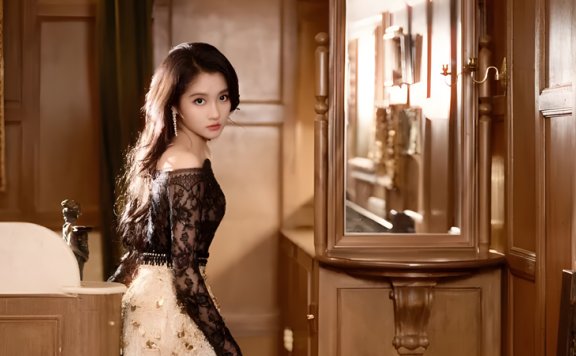
The recent appearance of actress Guan Xiaotong (关晓彤) has sent fashion circles into a frenzy. Stepping out in a stunning ensemble that masterfully blended dark allure with luxurious shimmer, she presented a masterclass in sophisticated styling. Her look, centered on a black lace top paired with a beige gown dusted with golden accents, transcended typical red-carpet glamour. It wasn't just an outfit; it was a statement of poised power and cool refinement. The striking contrast of the deep black against the warm, sparkling gold created a visual magnetism that was impossible to ignore, proving that true style lies in the balance of bold choices and elegant execution. Crafting The Look The magic of this outfit lived in its meticulous details. The off-shoulder black top utilized lace with a delicate, translucent texture. This design offered a hint of allure without overt exposure, its long sleeves ensuring the overall effect remained firmly in the realm of grace. This subtle suggestion of skin proved far more intriguing and advanced than any straightforward reveal. It demonstrated a mature understanding of sensual dressing, where what is implied often holds more power than what is shown. The true showstopper was the floor-length gown. Its beige base… -
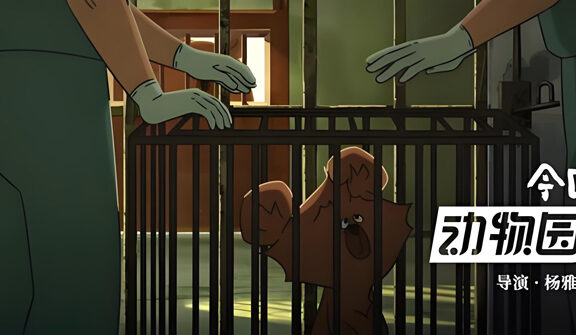
Yao-Chinese Folktales 2: Zoo Today – Between Cages and Dreams
The latest episode of the animated anthology Yao-Chinese Folktales 2 (中国奇谭2) isn't about mythical beasts or ancient legends. Titled Zoo Today, it presents a modern urban zoo where the cages hold more than animals—they contain mirror images of our own lives. Stripped of fantasy, the story uses its animal inhabitants to sketch vivid, uncomfortably familiar portraits of contemporary existence. From the anxious office worker to the nostalgic retiree, each character embodies a specific societal role and its inherent constraints. This narrative has sparked widespread recognition, not for its visual spectacle, but for its piercing accuracy in depicting the quiet struggles and resigned compromises that define daily life for so many. Life Stories Hidden in These Animals This is not a zoo, but a living portrait of our time. Within these enclosures, the animals do not merely exist—they strive, they dream, they despair. Their cages are built not only of iron bars, but of economic necessity, transferred expectations, and the crushing weight of daily survival. Each creature embodies a modern dilemma: the gorilla running just to stay in place, the tiger parents scripting their cub’s future, the giraffe aiming only for a better cage. Their struggles lay bare the quiet negotiations… -
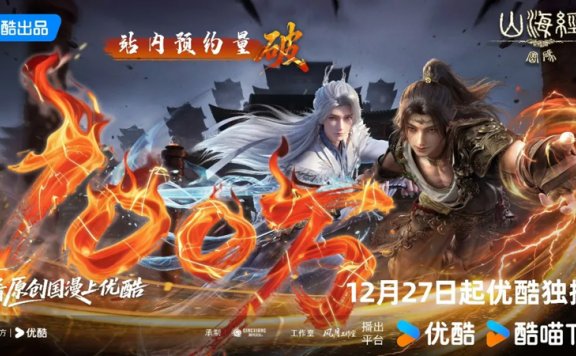
World-Building and Character Destiny in Threads of Fate: A War Untold
Is this flight, or a deliberate march into the unknown? For the young souls at the story's heart, the distinction blurs. Their journey begins not with a call to glory, but with a rejection of pre-ordained paths. Shan Hai Jing (山海经), that ancient tapestry of myth and beast, is no longer mere scripture. It becomes the very ground they tread—a Dahuang Shijie (大荒世界) of primordial chaos and raw wonder, re-awakened through their defiant eyes. This narrative shift represents more than a new setting. It is a conscious turn inward, towards the deepest wells of the cultural imagination. The anime Threads of Fate: A War Untold (山海经密码) channels the text's untamed spirit, not through scholarly reverence, but through the volatile energy of its protagonists. Their rebellion against fate and heated struggles feel immediate, forging a tangible link between the audience and the ancient world's breathtaking scale and peril. By framing epic, dynasty-shifting events through the lens of youth and their visceral conflicts, the work attempts a delicate fusion. It seeks to make the foundational myths resonate on a human frequency, suggesting that the oldest stories can hold the sharpest relevance when their heartbeat is rediscovered and set racing anew. Myth Reborn:… -
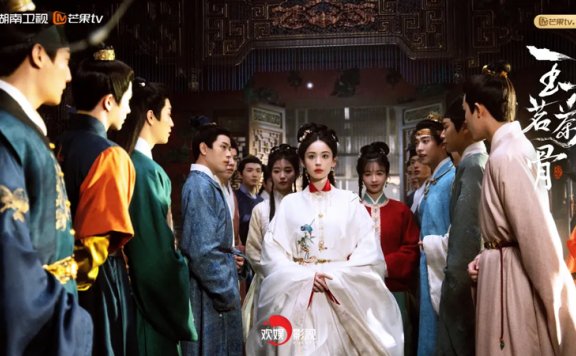
How Glory Challenges Gendered Narrative Tropes
The period drama Glory (玉茗茶骨) presents a world where men scheme in inner chambers and women pursue political thrones. Its producer, Yu Zheng (于正), markets this as a true female-centric narrative. The concept is undoubtedly attention-grabbing, positioning itself as a bold departure from tradition. It flips the script of classic palace intrigues, placing female characters in conventionally male positions of overt ambition. Yet, simply having men play at "harem struggles" while women seek a crown does not automatically forge a new path. The framework often feels familiar, merely swapping the genders within an old blueprint. The core mechanics of power—conspiracy, betrayal, rivalry—remain unchanged. This raises a question: is it female empowerment, or just the same play with a different cast? The drama's real test is whether it can move beyond this initial inversion to imagine a fundamentally different structure of power and relationship. When Men Wear the Palace Crown A new television drama turns the traditional courtship narrative inside out. In Glory, the power to choose belongs entirely to women. The story unfolds within the wealthy and influential Rong Family, a matriarchal clan whose authority in the tea trade rivals that of regional lords. Here, men are the suitors, brought… -
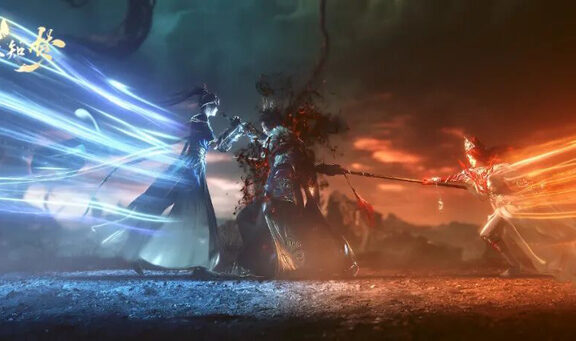
Eclipse of Illusion: Female Vengeance in Eastern Fantasy
In a landscape often dominated by familiar tales of male asceticism, a new series arrives not with a whisper, but with the sharp, resonant ring of a drawn sword. Eclipse of Illusion (云深不知梦) has swiftly carved its name into the top of trending charts, distinguishing itself through a potent combination of relentless narrative drive and visual artistry of the highest order. This is not merely another entry in the Guochao (国潮) animation wave; it is a deliberate and striking manifesto. It shifts the lens firmly onto a story of female vengeance and self-realization, challenging genre conventions and audience expectations in one bold stroke. The series invites viewers into the meticulously crafted Mu Ling Continent (沐灵大陆), a world where beauty masks brutality and a decades-old conspiracy begins to unravel. A Vow Forged in Blood The tale begins at what should have been a joyous culmination. Yun Wangshu (云望舒), a celebrated prodigy of her sect, stands at the altar. In a brutal, shocking turn, her world is destroyed. Framed for a horrific crime she did not commit, she witnesses the annihilation of everything she holds dear. This cataclysmic event does not break her; it forges a new, steely purpose. Sixty years of… -
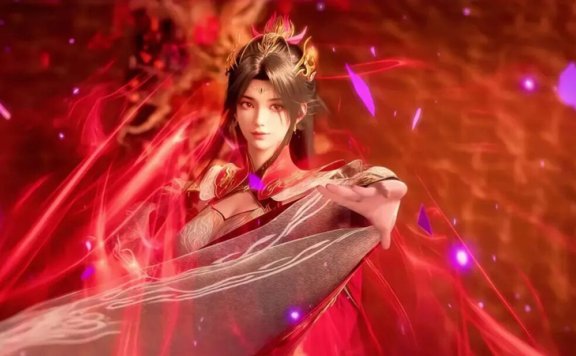
Xiao Xiao's Father Mends Doupo's Regret in Great Ruler 2
The return of a new season often brings anticipation, but seldom does a single moment arrive with the weight of an era's longing. In the latest episodes of The Great Ruler 2 (大主宰2), that moment crystallized in a single, resonant word: "Father." Spoken by Xiao Xiao (萧潇), the daughter of the legendary Xiao Yan (萧炎), this greeting did more than advance a plot. It served as a keystone, locking into place a narrative arch spanning two epic tales. For viewers who have journeyed from the Doupo Continent (斗破大陆) to the vast Da Qian World (大千世界), it was a payoff years in the making, mending a lingering regret from the adaptation of Battle Through the Heavens (斗破苍穹). The scene was not merely a reunion; it was a cathartic release, finally giving voice to a character and a relationship that had lived silently in fans' imaginations. The Power of a Name Within the complex hierarchy of the Da Qian World, names carry immense power. Xiao Yan, once a cautious youth from the Jia Ma (加玛) Empire, now stands as the Flame Emperor, master of the Wujin Realm (无尽火域)and a supreme Tian Zhizun (天至尊). His title commands awe, his mere glance can shake…