Article
搜索结果:
-
Youku’s Dual Launch Reshapes Animation Strategy
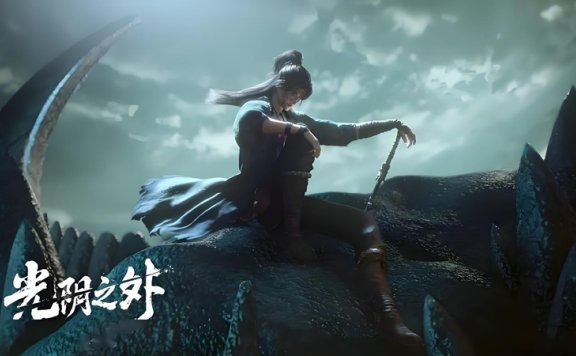
The simultaneous release of two major, yet starkly different, series by Youku during the year-end period signals more than just crowded scheduling. It represents a deliberate move towards a more sophisticated content strategy. This approach moves beyond banking on a single surprise hit, aiming instead to engage multiple audience segments at once through consciously varied storytelling. On December 27th, Threads of Fate: A War Untold (山海经密码) premiered. This series weaves the mythical tapestry of ancient Chinese texts into a narrative about youthful defiance. Its pre-launch anticipation, measured in millions of reservations, translated into immediate and fervent discussion upon release, with viewers particularly captivated by its expansive world-building and distinct visual language. It was followed the very next day by Beyond Time's Gaze (光阴之外), an adaptation of author Er Gen's (耳根) work. This title carves out a darker niche, blending post-apocalyptic desolation with cultivation themes. Its story, set under the ominous shadow of fallen deities, probes harsh questions of survival and moral codes in a broken world. By positioning these contrasting titles together—one bright and mythic, the other grim and philosophical—the platform created a resonant effect. This dual offering caters to diverse viewer tastes within the core animation community, turning a… -
Ju Jingyi’s Ice-Blue Gown on the Red Carpet
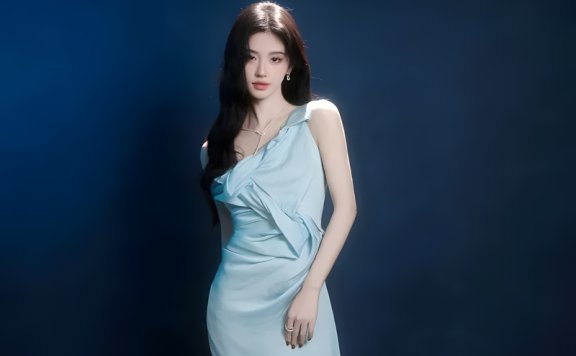
The crimson carpet is a battlefield of visual noise, a place where bold statements often shout the loudest. Yet, in a recent stunning display, actress and singer Ju Jingyi (鞠婧祎) commanded attention through a whisper of sublime elegance. Her appearance was not defined by extravagance but by a masterful, serene composition in a singular shade of pale ice-blue. The gown, a study in fluid architecture, did not merely clothe her; it seemed to become an extension of her poised and ethereal demeanor. This moment transcended a simple fashion choice, evolving into a nuanced statement on modern femininity and the power of restrained artistry in an era of excess. It presented a compelling argument for beauty that resides not in the obvious, but in the delicate balance between structure and softness, coolness and warmth. The Dawn of a New Aesthetic Ju Jingyi’s gown immediately distinguished itself through its masterful manipulation of form and fabric. The one-shoulder silhouette created an asymmetrical line that was both architecturally interesting and inherently graceful. This single strap drew the eye across her collarbone, a subtle highlight of feminine form without overt exposure. The true genius of the design, however, lay in its intricate draping and strategic… -
Xu Lu’s Embroidered Gown Blends Heritage and Modernity
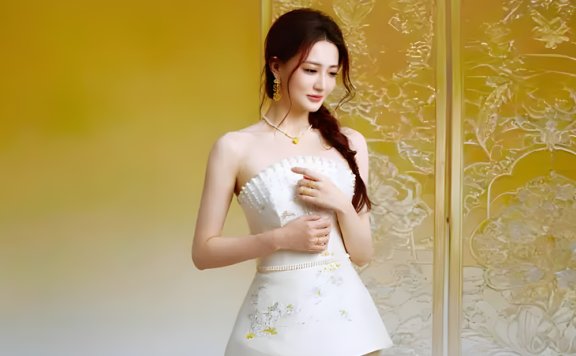
A recent public appearance by actress Xu Lu (徐璐) has captured widespread attention. Her ensemble, a white satin bustier top paired with an off-white gradient tulle skirt, presented a vision of graceful sophistication. The outfit transcended mere fashion, evoking the poise and beauty of a classical painting. This look is a prime example of the New Chinese Style, a trend skillfully blending traditional Chinese aesthetics with contemporary design. Her styling choices sparked lively discussions, illustrating how modern celebrity fashion can breathe new life into cultural elements. The Look Xu Lu's attire was a masterclass in subtle detail and luxurious texture. The bustier top featured a three-dimensional pearl-like pattern and delicate gold-thread embroidery. This intricate work resembled a miniature landscape, capturing a sense of poetic refinement often associated with Jiangnan (江南), China's serene southern region. The design cleverly integrated Western-inspired silhouette with distinctly Chinese craftsmanship. The accompanying skirt added to the ensemble's ethereal quality. Its layered, gradient tulle created a soft, flowing movement, making every turn visually striking. The color palette of satin white, milky beige, and pale gold exuded a quiet, innate luxury. This restrained scheme elevated her overall presence, proving that impact doesn't require loud colors. Her styling completed… -
How Chinese New Year Wishes Worked Without Words
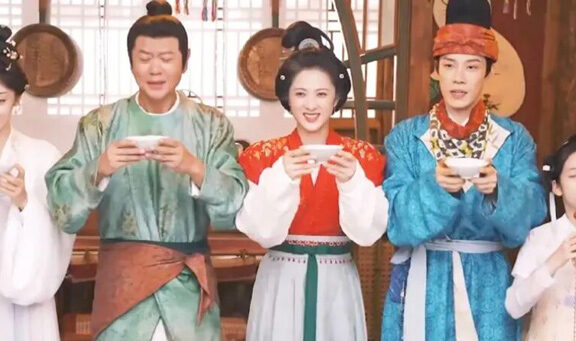
The messages we exchange as a new year dawns today are warm and direct. But centuries ago in China, New Year's greetings were crafted with a subtle, poetic artistry. They conveyed hopes, affection, and well-wishes not through straightforward statements, but through elegant allusions and imagery drawn from nature and the seasons. This tradition reveals a uniquely Chinese form of lyrical expression, where the act of blessing someone became an art form in itself. The Poetry of Time Instead of modern phrases, scholars of old used classical references to mark the year's turn. A common opening for a seasonal letter was “the year is in Guichou (癸丑), at the end of spring.” This practice, seen in masterpieces like Wang Xizhi’s (王羲之) Preface to the Poems Composed at the Orchid Pavilion (兰亭集序), framed time within a lyrical context. Another phrase, “Sui Yu Yun Mu, Xin Yuan Zhao Qi (岁在癸丑,暮春之初)” poetically captures the moment as “the year draws to its close, a new beginning dawns.” These were not mere dates; they were acknowledgments of time’s graceful, inevitable passage. The great Song dynasty statesman and poet Wang Anshi never explicitly said “happy new year” in his famous verse. Yet, his lines about firecrackers banishing… -
Why Are the Warriors' Topknots Tilted in Back to the PaBack to the Pastst?
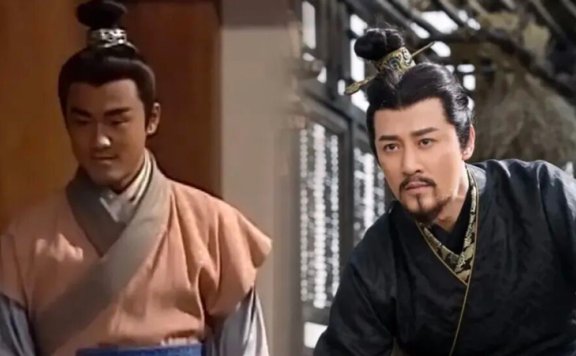
The announcement of a new film adaptation of the classic time-travel series Back to the Past (寻秦记), reuniting the original cast after 25 years, has sent waves of nostalgia through its fanbase. While audiences eagerly await the return of Louis Koo and Raymond Lam to their iconic roles, a seemingly minor detail from the promotional material has ignited a surprisingly passionate online discussion: the distinct, slightly off-center topknot, or Ji (髻), worn by Lam’s character. This quirky hairstyle, far from being a costuming error, is a deliberate nod to a fascinating and authentic historical practice from the Qin era. The film’s attention to this detail opens a window into the highly structured and symbolic world of ancient Chinese military life, where even a hairstyle could speak volumes about a person’s rank and origin. More Than a Hairstyle To the modern eye, a tilted bun might appear casual or even charmingly disheveled. In the context of the Qin dynasty (221-206 BCE), however, it was a standard and meaningful feature. The most definitive evidence comes from the silent army of the Terracotta Warriors. A close examination of the thousands of life-sized figures reveals a striking variety in their topknots. A significant portion… -
How Historical Fur Collars Blended Function and Status
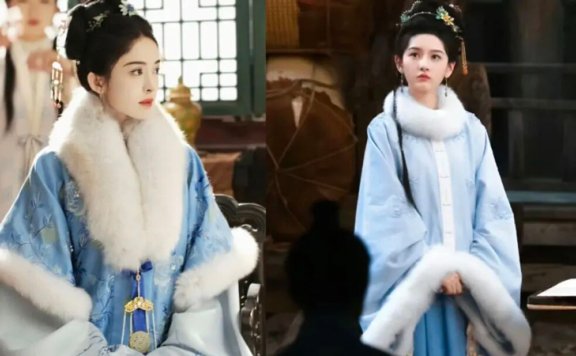
Audiences often notice a curious consistency in the robes worn by characters in historical television dramas: the fabrics appear suspiciously light, seemingly unchanged by brutal winters or sweltering summers. This visual shorthand prioritizes aesthetic flow and actor comfort over historical authenticity. But a closer look reveals subtle, often overlooked details that hint at how people in eras like the Ming and Qing dynasties genuinely coped with the cold. The answer lies not in bulky modern parkas, but in ingenious layers, strategic materials, and one particularly telling accessory: the fur collar. The Historical Fur Collar Far from a mere costume embellishment, the fur collar, or Fengling (风领), was a standalone, functional piece of winter wear. As described in classics like The Dream of Red Mansions (红楼梦), it was not sewn onto a garment but worn separately over cloaks or thick robes. This design created a protective barrier against wind slipping down the neck. A passage from the novel details Shi Xiangyun's (史湘云) outfit, noting her "large sable Fengling," illustrating its use among the aristocracy. Its purpose was explicitly defensive, guarding a critical thermal zone where significant body heat escapes. The construction of winter clothing itself varied by social class. The wealthy… -
Glory: The Blind Sister Outmaneuvers Rong Mansion
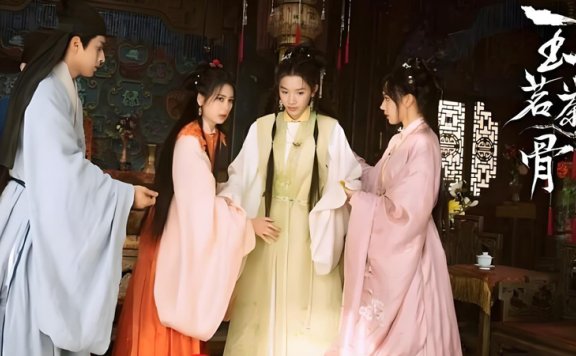
In the opulent world of Glory (玉茗茶骨), power is a delicate brew, steeped in tradition and simmering with familial rivalry. Everyone has a role: the brilliant heir, the jealous sibling, the overlooked cousin. Yet, amidst the calculated moves within the Rong Mansion, the most formidable player emerged from the place least expected. She was the one everyone dismissed, the blind daughter born to a servant, the one they called Wu Mei (五妹). While others saw a fragile girl to be pitied or ignored, they failed to recognize the sharpest mind in the room. This is not a story of overt strength, but of perception manipulated and trust weaponized. The real drama was not in the boardrooms or tea fields, but in the quiet, unseen calculations of the sister nobody thought to watch. The First Betrayal Wu Mei’s initial position was one of apparent vulnerability. As the blind fifth daughter of a concubine, she was marginalized by her grandmother and sisters. Her strategy was one of selective alliance and perceived utility. She attached herself to the ambitious Second Sister, offering counsel and appearing to be a loyal, if pathetic, follower. This was her camouflage. The turning point came with a plot… -
Are Period Dramas' Costumes Wrong?
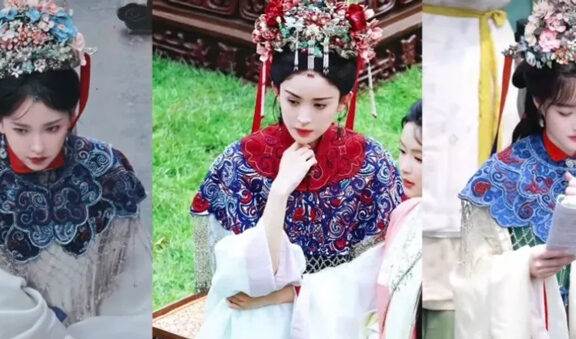
In the recent historical drama Glory (玉茗茶骨), a particular costume detail has ignited a fiery debate among viewers: the Yun Jian (云肩), or cloud collar. Adorning the shoulders of characters, these ornate pieces have left audiences divided. Are they an authentic representation of Ming dynasty elegance, or a glaring historical inaccuracy? This sartorial storm surrounding a single accessory opens a fascinating window into a much larger issue: the widespread blurring of historical lines in modern costume design, often substituting the flamboyant styles of the late Qing era for the reserved sophistication of the Ming. What is a Yun Jian? Many assume the cloud collar is a standard component of Hanfu. This is not entirely accurate. While the concept of shoulder-decoration existed earlier, for most of the Ming dynasty, the Yun Jian was primarily a woven or embroidered pattern integrated directly into the fabric of formal robes, not a separate accessory. It functioned as a symbolic motif on ceremonial garments. Only in late Ming paintings, often depicting immortals or elegant ladies, do we begin to see the emergence of the Yun Jian as a distinct piece of attire. The true, independent cloud collar gained traction only in the late Ming period.… -
3 Tragic Shadows in The Unclouded Soul
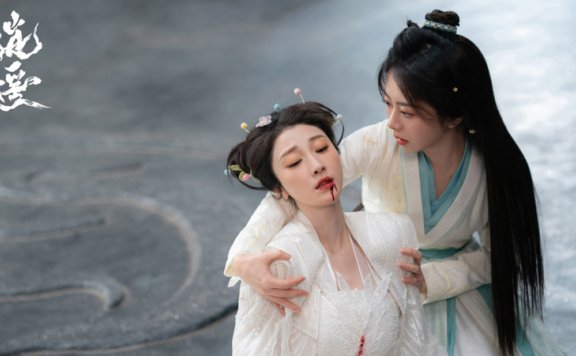
Some stories stay with us not because of their heroes, but because of the characters who falter. The Xianxia drama The Unclouded Soul (逍遥) weaves a tale of cultivation and chaos, yet its most lingering echoes come from figures whose choices lead them into shadows. They are not purely evil, nor are they blameless. Their journeys are defined by very human vulnerabilities—vanity, devotion, and a desperate love—pushed to extreme ends within a fantastical world. Their tragic ends force us to look closer at the moment their paths twisted, asking what we might have done differently, and knowing perhaps, we would have done the same. 1. Da Li's (大丽) Reflection Da Li began as a peony spirit, gentle and enamored with beauty. Her life in the Wanyaogu (万妖谷) was simple until Xiao Yao (肖瑶) arrived. Xiao Yao's brilliance unintentionally cast a long shadow. Da Li's admiration curdled into a deep-seated insecurity. This yearning was exploited by the cunning Suimeng Xianjun (碎梦仙君), who promised her transformation. In her pursuit of physical perfection, she betrayed her only friend. Her choice was a tragic miscalculation. Serving the immortal, she became a mere stand-in, a disposable tool. Her final moment, asking Xiao Yao if she was… -
The Outcast 6 Sets Premiere for January 2nd, 2026
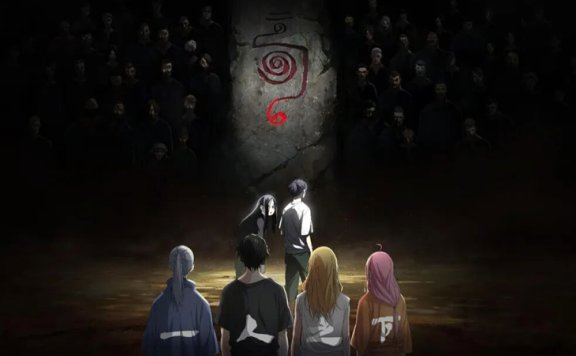
The long-awaited sixth season of the acclaimed animated series The Outcast (一人之下) has finally set its premiere for January 2, 2026. Following the emotionally devastating and technically masterful arcs of the "Chen Duo" and "Rust" storylines, expectations are at an all-time high. The narrative now plunges into its most mysterious and potentially revelatory location yet: the Twenty-Four Solar Terms Valley. Deep within the Qinling Mountains (秦岭), this place is whispered to hold the origins of everything—the Eight Extraordinary Skills, the turmoil of the Jiashen Year (甲申之乱), and, most crucially, the ultimate truth about Bao'er's (宝儿) existence. For protagonist Zhang Chulan (张楚岚), this is no longer a mere search for clues; it is a direct journey to the root of the Yiren (异人) world's greatest secrets. The Heart of the Mystery Zhang Chulan's mission has evolved. After the tragedy of Biyou Village (碧游村), his piecemeal investigation is over. Armed with a list of the "Thirty-Six Villains" from Lu Jin (陆瑾), he leads his "Where-to-Go" team into the Qinling depths. Their destination is not a faction's stronghold but a place described as the "womb" of the Yiren world's history and rules. The valley itself is a massive, natural Qi (气) formation, operating… -
Top 5 Chinese Animations Scheduled for Release in 2026
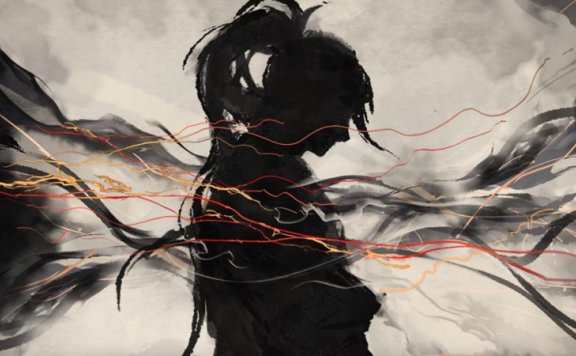
The landscape of entertainment is shifting, with animated series from China commanding unprecedented global attention. No longer niche productions, these shows boast cinematic quality, intricate plots, and deep roots in a rich cultural tapestry. The coming year promises a spectacular lineup, with five major series poised to debut or return. They blend the philosophical depth of Wuxia with futuristic sci-fi and timeless fantasy, offering stories of self-discovery, epic battles, and unraveling ancient mysteries. This isn't just animation; it's a gateway to expansive fictional worlds waiting to be explored. From a long-awaited sequel to a classic game adaptation, 2026 is set to be a landmark year for fans and newcomers alike. 1. Sword of Coming 2 (剑来2) The wait is over for fans of Sword of Coming. Its second season arrives, promising to correct the narrative complexity that some found daunting in its initial outing. The story follows Chen Pingan (陈平安), who has finally left the sheltered confines of Liyuzhu Dongtian (骊珠洞天). No longer the vulnerable boy from Mud Bottle Alley, he embarks on the true journey of a swordsman. This season shifts focus towards thrilling action and clear, linear storytelling. Audiences can anticipate iconic scenes from the source material brought… -
Top 10 Standout Performances in The Vendetta of An
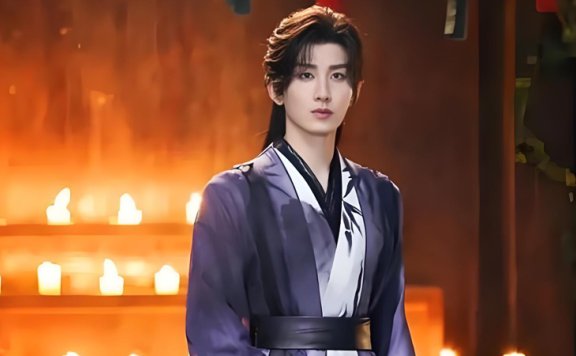
The historical drama The Vendetta of An ( 长安二十四计) offers a distinct flavor. It sidesteps familiar romantic entanglements to focus squarely on intricate political machinations within the ancient capital. Xie Huai'an (谢淮安), once a brilliant scholar, returns after a decade of planning, his hair now white. He navigates a perilous landscape where every alliance is temporary and each glance carries hidden meaning. The narrative cleverly frames these imperial power struggles as a lethal version of corporate office politics, making the stakes both grand and strangely familiar. This series invests deeply in tangible detail. Producers constructed a 400-meter replica of the Zhuque Avenue (朱雀大街). They recreated 136 pieces of ceramic ware based on artifacts from the Famen Temple. Costumes are themselves a language; Xie Huai'an's crimson robe is embroidered with winding lotus patterns, while the emperor's ceremonial headdress meticulously follows historical protocols. Elements like traditional fire-knife crafting and papermaking arts are seamlessly woven into the plot. Beyond its visual craft, the story thrives on constant recalculation. Plots double-cross, and apparent defeats reveal themselves as deeper schemes. A captured ally might be enacting a "bitter hardship ruse". This layered gameplay, echoed by a formidable cast that brings even minor roles to vivid… -
Why Dali Betrayed Xiao Yao in The Unclouded Soul
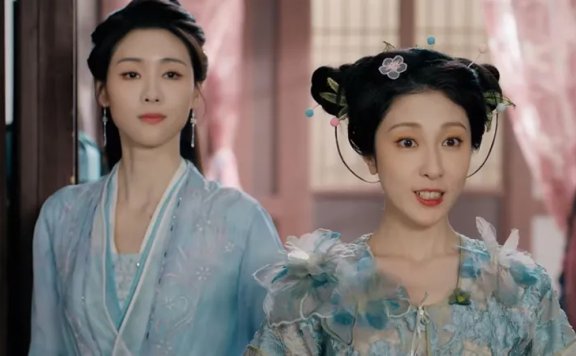
The fantasy drama The Unclouded Soul (逍遥) presents a betrayal that left many viewers reeling. When Dali (大丽), seemingly a loyal companion, turns against the protagonist Xiao Yao in the mysterious Yanxu Realm (烟虚境), the immediate assumption points to a classic temptation: the promise of eternal youth from the powerful Dreamshatter Immortal. Yet, a closer look reveals a far more nuanced and tragic psychological unraveling. Dali's shift from a timid flower spirit to a spiteful rival wasn't a simple transaction for beauty, but a calculated exploitation of her deepest insecurities. This story arc moves beyond a plot twist to explore how the hunger for recognition can make a soul susceptible to the most venomous forms of persuasion. The Unlikely Alliance From Xiao Yao's (肖瑶) perspective, the journey to the Yanxu Realm was a desperate rescue mission for their mutual friend, Hong Ye (红烨). Dali's companionship appeared as steadfast solidarity, a friend sharing a perilous burden. This made her subsequent hostility in the realm not just shocking, but personally devastating for Xiao Yao. The truth, however, was that Dali's motives were never aligned with this mission. Her desire to enter the Yanxu Realm was entirely her own, and evidence suggests she… -
The Stage of Hair: Ming Dynasty Women's Crowning Glory
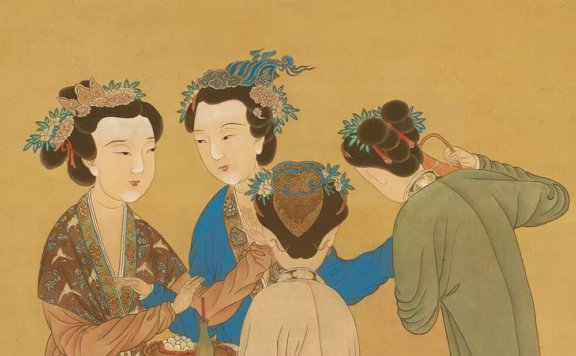
A woman sits before a bronze mirror in her chamber. Her fingers, deft and sure, begin their daily ritual. Strand by strand, hair is coiled, pinned, and elevated. This is not mere grooming; it is the construction of identity. In the Ming Dynasty, a woman’s hairstyle was her public statement, a silent language of social status, marital availability, and regional fashion. From the relatively simple coils of the early 14th century to the architectural marvels atop heads in the 16th, the evolution of the hair bun narrates a story of aesthetic ambition and social nuance. It was a canvas for artistry and a map of one's place in the world. Evolution of Style The journey of Ming hairstyles mirrors the dynasty's own socio-economic pulse. Initial styles, influenced by the preceding Song and Yuan periods, favored modesty and restraint. Hair was often gathered into neat, low buns, reflecting a post-war ethos of simplicity. This understated elegance, however, was not destined to last. As the dynasty matured, particularly during the mid to late Ming period, commercial prosperity blossomed. A vibrant urban culture emerged, especially in the wealthy Jiangnan (江南) region. With newfound economic confidence came sartorial daring. Women's hairstyles began to soar,… -
Tan Songyun’s Mastery of Duality Steals the Show
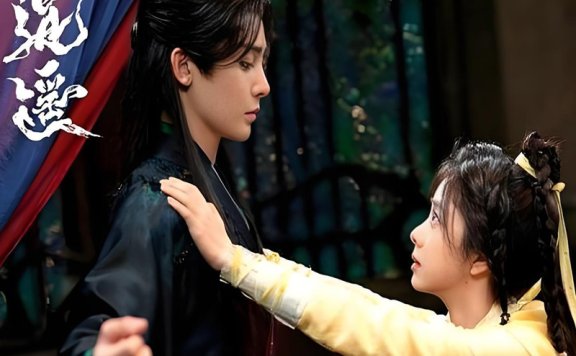
The new Xianxia drama The Unclouded Soul (逍遥), starring Tan Songyun (谭松韵) and Hou Minghao (侯明昊), dominated streaming charts immediately after its release. At the heart of the conversation is its leading actress. Tan Songyun, 35, plays a youthful, mischievous character with such effortless conviction that viewers are left in awe. Online comments joke that she seems to defy time, looking exactly as she did when audiences first met her years ago. This isn't merely about a youthful appearance, however. It is the product of profound skill, where seasoned acting technique meets an authentic, spirited presence. Her performance challenges rigid industry norms about age and casting, proving that compelling character portrayal transcends a number. Mastering Duality In The Unclouded Soul, Tan Songyun takes on the challenge of a dual role. Her primary character is the carefree, money-obsessed The Unclouded Soul, who poses as a demon hunter to run petty scams. In these comic scenes, she is all sly glances and exaggerated bravado, completely believable as a street-smart hustler. When a scheme fails, she shifts seamlessly into the persona of a furious, finger-pointing village woman, her frustration palpable and hilarious. This greedy, self-serving facade, however, is just one layer. Beneath this… -
Love Beyond Memory in The Unclouded Soul
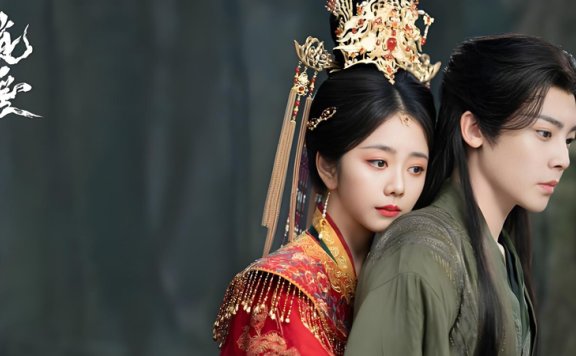
In the fantasy drama The Unclouded Soul (逍遥), a profound question unfolds: can a connection survive when one person remembers a shared past and the other does not? The story centers on Hong Ye (红烨), the King of Ten Thousand Demons, and Xiao Yao (肖瑶), a lively human girl. Unbeknownst to her, she is the reincarnation of Princess Ning'an (宁安), a figure from Hong Ye's past who betrayed him. Despite Xiao Yao having no memory of their previous life together, Hong Ye senses a familiar essence. This setup moves beyond a simple tale of reincarnation, exploring whether the core of a person—their soul—remains recognizable, even when their mind forgets . Their journey suggests that some bonds are so deep they are written in fate itself, waiting to be rediscovered. A Bond Written in Fate The relationship between Hong Ye and Xiao Yao is built on a painful history. A century ago, Hong Ye was deeply in love with Princess Ning'an. Their story ended in tragedy when she betrayed and seemingly killed him during their wedding ceremony . This memory of love and loss haunts Hong Ye when he is awakened from a long sleep by Xiao Yao, a human who… -
Laughter and Tension in The Unclouded Soul
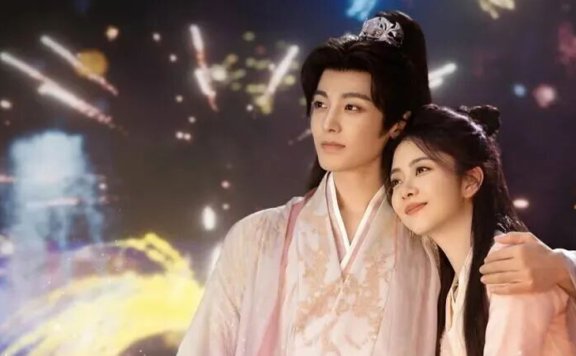
In the fantasy drama The Unclouded Soul (逍遥), the line between comedy and impending doom is thrillingly thin. The story follows Xiao Yao (肖瑶), a spirited young woman accidentally thrust into the ancient conflict between humans and the Yaoguai (妖怪, mystical beings of folklore), mystical beings of folklore. Her unlikely ally is the formidable Yaoguai leader, Hong Ye (红烨). Their dynamic, filled with bickering and unexpected warmth, becomes the show's heart. The recent episode set in Pingjiang Fu (平江府) highlights this perfectly, blending slapstick humor with serious questions about prejudice and survival, all anchored by Tan Songyun's brilliantly witty performance as Xiao Yao. Xiao Yao's Charm Tan Songyun brings an infectious energy to Xiao Yao. She is not a typical heroine; she is quick-witted, stubbornly principled against injustice, and uses her human cunning as her primary weapon. Falsely accused of being a spy within the Yaoguai refuge, her response isn't despair but defiant action. To prove her loyalty, she volunteers for a near-impossible mission: stealing the enchanted blade of the chief demon hunter, Bing Zhu (秉烛). Her motivation is pure and relatable—she hates being wronged. This clear-eyed determination makes her immensely likable. She isn't waiting for rescue; she is orchestrating… -
Has Strange Chronicles of Tang Uncovered a Lost Fashion Trend?
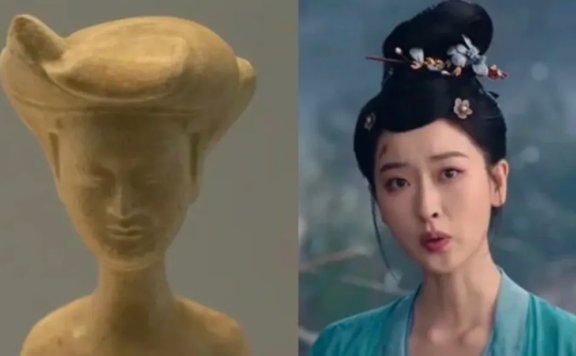
In the historical drama Strange Chronicles of Tang (唐诡奇谭), the entrance of the rain-praying master, Rachel, immediately captivates the audience. Her unique hairstyle and layered costume stand in stark contrast to the other characters, prompting viewers to question its authenticity. Could this striking look truly belong to the Tang Dynasty? The answer is a definitive yes. Her appearance is a meticulous recreation of early Tang fashion, specifically from the 7th century, centered around two distinct elements: a practical yet elegant hairstyle and an innovative garment that redefined the silhouette. The Whirlwind Chignon The hairstyle worn by the character is known as the Reverse Coiled Chignon, or Fanwan Ji (反绾髻). Its most defining feature is a curved lock of hair framing the forehead, created by coiling the hair from the nape of the neck forward. This was a popular style in early Tang, particularly during the reign of Emperor Taizong. It was also poetically called the Leyou (乐游) Plateau Reverse Coiled Chignon, named after the scenic Leyou Plateau in Chang'an. This elevated park was a favorite leisure spot for nobility and literati, and the hairstyle's name evokes its association with outdoor activity and effortless grace. Poet Gu Kuang (顾况) captured its… -
The Unclouded Soul: Blending Fantasy Realms and Human Truths
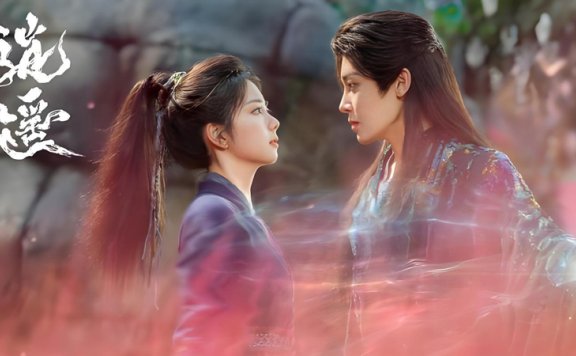
In the drama The Unclouded Soul (逍遥), a boundary between realms is shattered by a single, unwitting act. Xiao Yao (肖瑶), a young woman touched by the supernatural, accidentally awakens an ancient force and finds herself pulled into the Yaojia (妖家), a domain belonging to beings often called demons. This is not a simple refuge but a complex society mirroring our own, where she must navigate delicate alliances. Her journey questions the very lines drawn between human and Xiyao (戏妖), challenging the idea that one world must exclude the other. The series distinguishes itself by weaving self-contained mysteries into its core fantasy narrative. Each case is more than an adventure; it reflects a facet of desire, fear, or longing, building a tapestry that feels both magical and emotionally raw. This structure allows the show to examine deeper truths while maintaining a compelling pace, moving the fantasy genre toward richer, more contemplative storytelling. Wanyaogu and the Human Realm In a landscape where narratives often choose between the whimsical and the weighty, a new story finds its power in refusing that choice. It builds a bridge between two realms—one a sanctuary of animated wonder, the other a testament to human struggle—and dares… -
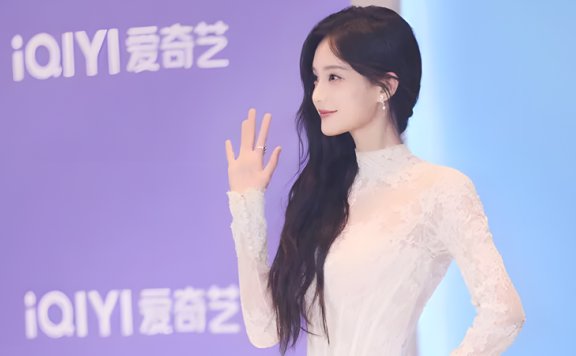
Decoding Li Yitong’s Fairy-Tale White Lace Gown
The internet paused for a collective moment of admiration recently, as actress Li Yitong (李一桐) unveiled a stunning new look. Images of her in an exquisite white lace gown flooded social media, instantly captivating audiences and fashion commentators alike. More than just another red carpet appearance, this ensemble seemed to crystallize a particular ideal of beauty—one that is gentle, elegant, and possesses an almost ethereal grace. For fans familiar with her roles in popular dramas like Sword and Beloved (天地剑心), this transformation felt like a beloved character stepping off the screen, embodying a timeless and poetic charm that resonates deeply within contemporary culture. Anatomy of an Iconic Look The power of the gown lies in its meticulous construction and harmonious details. It features a high-neck, long-sleeve top crafted entirely from delicate lace. This design choice provides a sense of refined modesty while simultaneously highlighting feminine softness through the fabric's inherent texture. The intricate floral patterns resemble a delicate frost or morning dew settled on the material, creating a soft, hazy visual effect that is both romantic and sophisticated. Transitioning from the torso, the dress transforms into a sleek, form-fitting mermaid silhouette. This cut expertly contours the body, celebrating natural curves…