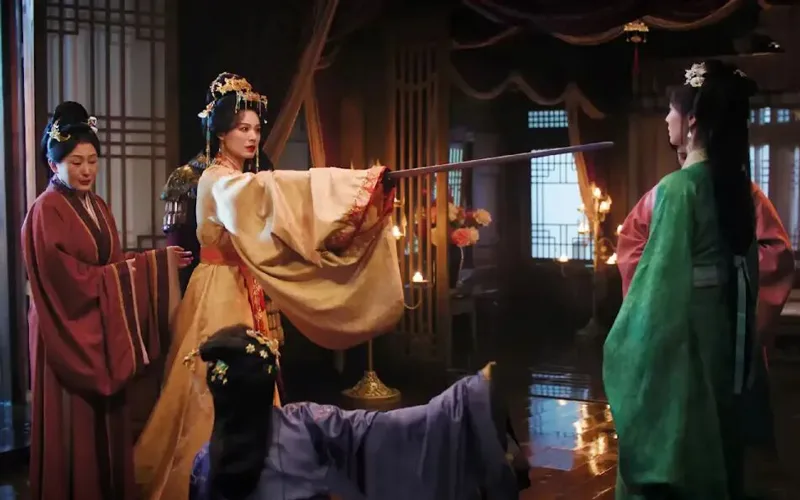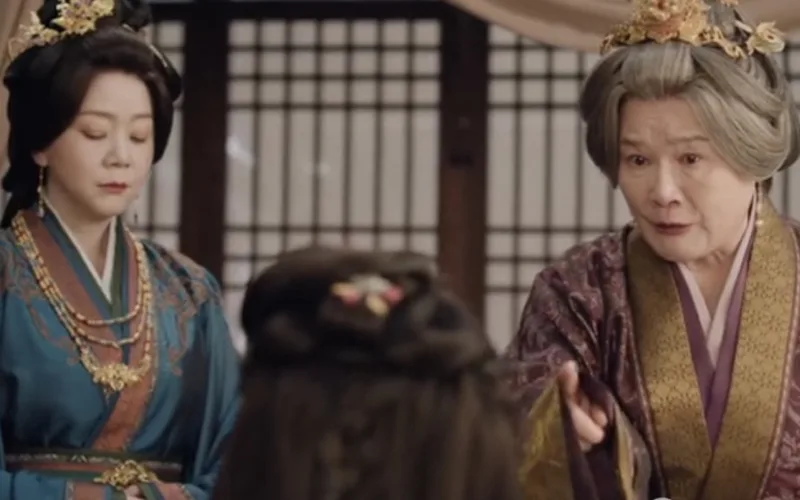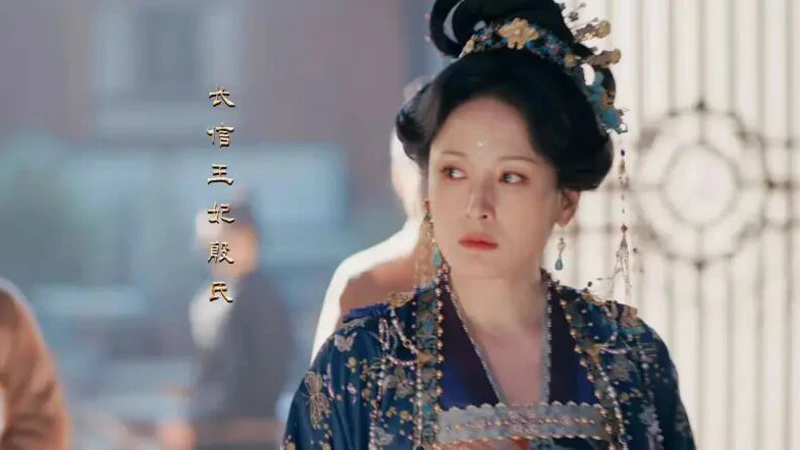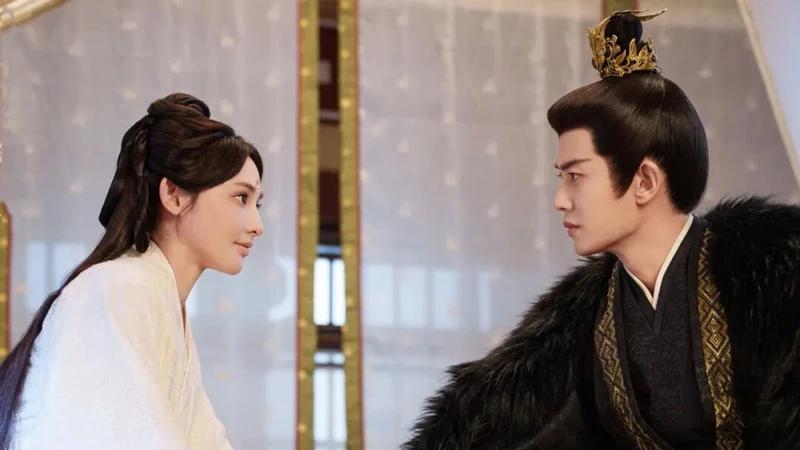
Why does a drama’s heartbreaking finale linger so powerfully in our minds long after the screen fades to black? The recent conclusion of the historical costume drama Love & Crown has ignited fierce debate and left audiences in a collective state of sorrow. The series, starring Ren Jialun (任嘉伦) and set in a fictional dynastic court, culminates in a near-total tragedy: the male lead, Emperor Xiao Huan (萧焕), sacrifices himself to save the realm; his beloved, Ling Cangcang (凌苍苍), dies years later from heartbreak and illness; and even supporting characters meet grim fates.
This deliberate departure from conventional happy endings challenges viewers and raises questions about narrative choices in historical romances. Is this profound tragedy a meaningful exploration of duty versus desire, or merely manipulative storytelling? The answer lies not just in the ending, but in the journey of the characters who embody these irreconcilable conflicts.
The Weight of the Crown
At the heart of Love & Crown is a brutal exploration of identity. Xiao Huan is fractured. As emperor, he is a symbol of state power, a puppet maneuvering through political intrigue, forced to suppress personal sentiment to balance treacherous ministers. His life is one of calculated isolation. Yet, he also harbors the soul of Bai Chifan (白迟帆), a free-spirited martial artist who yearns for love and liberty beyond palace walls. The drama’s tension springs from this constant internal war. His love for Ling Cangcang represents his only tether to a genuine self, making their relationship both a sanctuary and a fatal vulnerability. The throne demands everything, leaving no room for the man beneath the ceremonial robes.
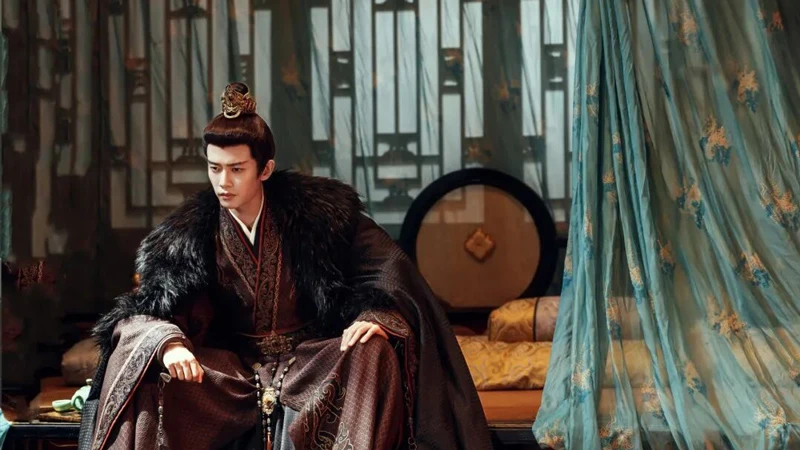
The controversial ending is the ultimate expression of this conflict. In his final act, Xiao Huan chooses the realm. His sacrifice is framed not as defeat, but as the only path to fulfilling his imperial oath while achieving a painful freedom. Death releases him from the prison of his duty. This resolution starkly contrasts with typical romance narratives where love conquers all. Here, love is profound but insufficient against the colossal weight of historical destiny and responsibility. It suggests that some roles, especially that of a sovereign in turmoil, are inherently tragic, their promises paid for with personal annihilation.
Ling Cangcang’s fate is equally significant. She does not simply fade away; she survives long enough to secure the succession, ensuring her husband’s legacy, before succumbing to the physical and emotional toll of their ordeal. Her death completes the tragedy, underscoring that the cost of their world was not borne by Xiao Huan alone. Their story becomes one of shared, devastating sacrifice, a “greater love” that destroys the lovers to preserve the abstract concept of the nation. This elevates their romance from personal melodrama to a somber meditation on the price of peace.
An Actor’s Painful Craft
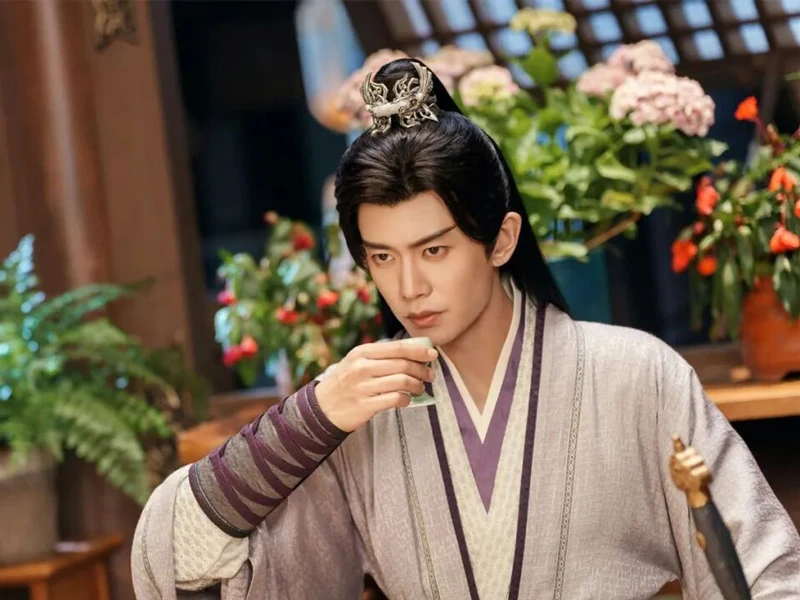
Portraying such a tormented figure fell to Ren Jialun, an actor famously associated with tragic roles in series like One and Only (周生如故). His casting immediately set expectations for a performance steeped in restrained agony. Ren’s approach to Xiao Huan was one of physical and psychological subtraction. He reportedly lost a significant amount of weight to visually convey the emperor’s chronic illness and the consuming burden of rule, his gaunt face speaking volumes before any line was delivered. This physical transformation was the foundation for a performance built on subtlety rather than spectacle.
Ren Jialun’s skill lies in conveying torrents of emotion through minute details. A slight tremor in the hand while holding an official seal, the slow, controlled blink to stave off tears during an audience, the almost imperceptible tightening of the jaw—these became the language of Xiao Huan’s suffering. His most powerful scenes are often his quietest. The finale, where his character embraces death, is a masterclass in understated tragedy. There is no grand monologue or dramatic collapse. Instead, Ren uses a reddening of the eyes, a suspended tear, and a gaze filled with resignation and love to communicate a universe of feeling. It is a performance that trusts the audience to see the storm behind the calm.
This dedication, however, exists within a debate about typecasting. While some viewers praise his depth in these roles, others express fatigue, wondering if the “tragic hero” label limits his range. The actor himself has hinted at the emotional difficulty of consistently embodying such heavy characters. Yet, his work in Love & Crown demonstrates how a committed performance can elevate material, making a character’s tragic destiny feel inevitable and deeply human rather than merely a plot device designed to wrench tears from the audience.
Beyond the Tears
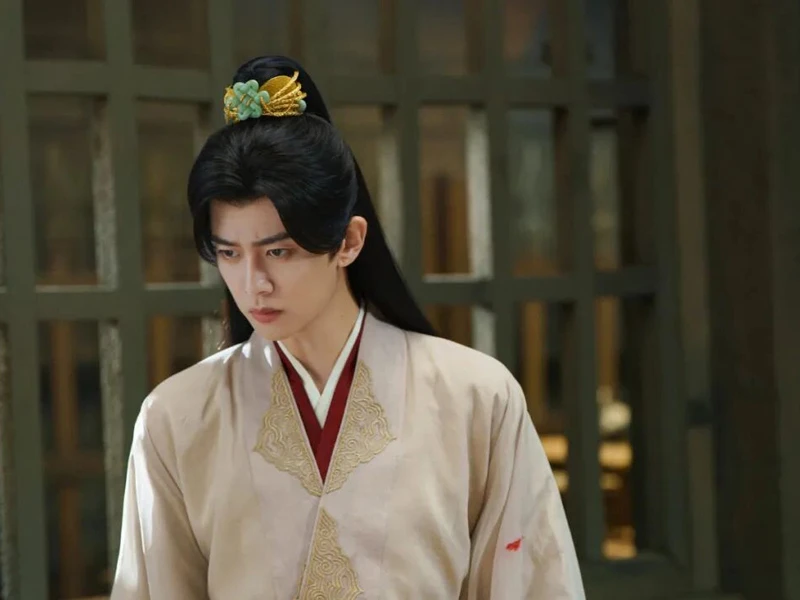
The audience reaction to the drama’s ending has been polarized, mirroring a broader conversation about what viewers seek from historical fiction. One camp applauds the narrative courage to reject a facile happy ending. They argue that the tragedy provides a more authentic and resonant conclusion to a story steeped in political sacrifice, giving emotional weight to the theme of protecting the common people. For them, a joyful retirement for the protagonists would have betrayed the harsh historical realities the series often hints at and diluted the power of Xiao Huan’s final choice.
Another segment of the audience feels manipulated. They perceive the unrelenting gloom as a contrivance, a dogblood tactic to generate online discussion and trending topics at the expense of narrative logic and character fulfillment. Some proposed alternative endings, such as a fake death plot allowing Xiao Huan to shed his imperial identity, or a dual conclusion showing a stable political transition alongside the couple’s private happiness. These suggestions reflect a desire for compromise between thematic gravity and emotional satisfaction, a hope that duty and love need not always be mutually exclusive in storytelling.
Ultimately, Love & Crown succeeds by committing fully to its somber vision. Its enduring impact is a testament to its willingness to sit with discomfort and loss. The drama posits that the most memorable loves are sometimes those that are lost, and the most heroic acts are those done in silent despair. It challenges the sweet pet (甜宠) trope dominant in the genre, offering instead a bitter but poignant cup of tea. For those willing to experience its heartbreak, it delivers a powerful, haunting look at the intersection of love, duty, and the terrible beauty of letting go.