In the heart of ancient China, dance was not merely entertainment but a vibrant expression of life and culture, particularly during the Tang Dynasty. This era, known for its economic prosperity and cultural exchanges, saw dance flourish in ways that might surprise modern observers. Today, however, the lively dance floors of old seem a distant memory, leading many to wonder why such a rich tradition has faded. This article delves into the dynamic world of Tang dances, exploring their forms and the historical shifts that quieted their rhythms, offering a fresh perspective on a cultural evolution that resonates beyond time.
Vibrant Jianwu
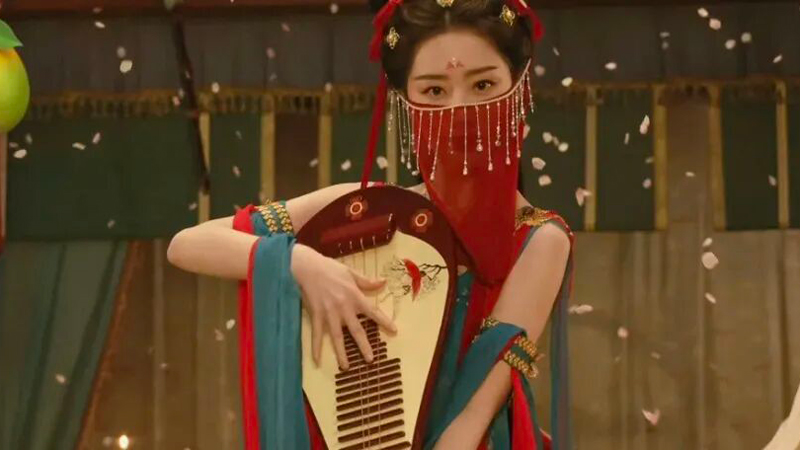
Jianwu (健舞), or vigorous dance, epitomized the energy and strength of Tang performers, captivating audiences with its lively movements. This style included subtypes like Zhezhi (柘枝), which originated from Central Asia and featured solo female dancers moving to drumbeats in a blend of power and grace. Historical records, such as those in Yuefu Zalu (乐府杂录), highlight how these dances reflected the era's openness to foreign influences, with performers like Gongsun Daniang (公孙大娘) celebrated for their skill. Her performances, described in poetry, showcased a mastery that left a lasting impression on spectators, illustrating how Jianwu became a symbol of Tang vitality.
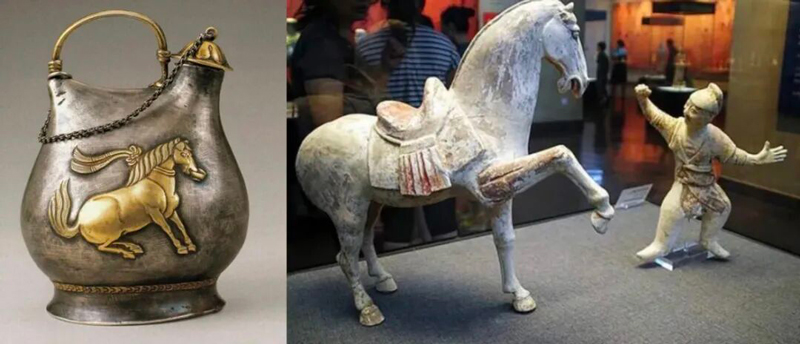
Another notable form, Huxuan (胡旋), involved dancers spinning rapidly on carpets, a test of balance and endurance that fascinated both court and commoners. Poets like Bai Juyi vividly captured its intensity, with verses depicting sleeves swirling like snow and endless rotations that defied comparison to everyday motions. This dance, introduced through Silk Road exchanges, quickly gained popularity among Han Chinese, demonstrating a cultural fusion that enriched local traditions. Its emphasis on continuous movement made it a standout in festivals and gatherings, where it symbolized the boundless spirit of the times.
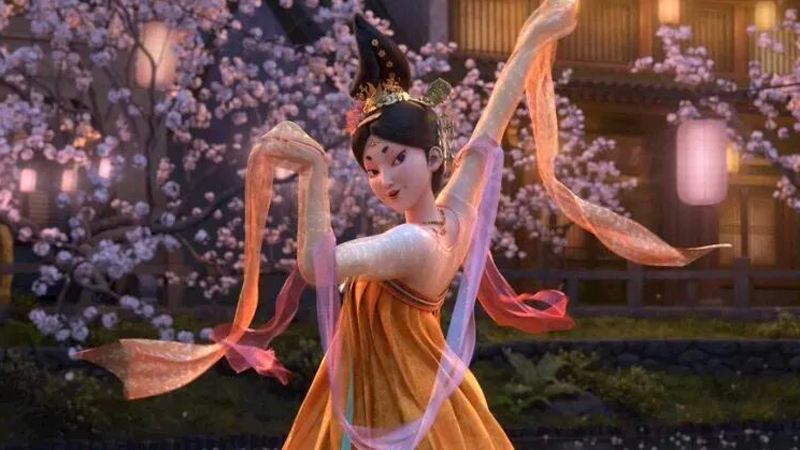
Huteng (胡腾), similar yet distinct, focused on leaps and jumps, often performed by men due to its physical demands. Descriptions in poems portray dancers from regions like Liangzhou (凉州), with agile steps and colorful attire that added to the spectacle. Unlike the spinning of Huxuan, Huteng's energetic bounds highlighted a different aspect of athleticism, appealing to those who valued dynamism in performance. These dances not only entertained but also served as a bridge between cultures, showing how Tang society embraced diversity through artistic expression.
Elegant Ruanwu
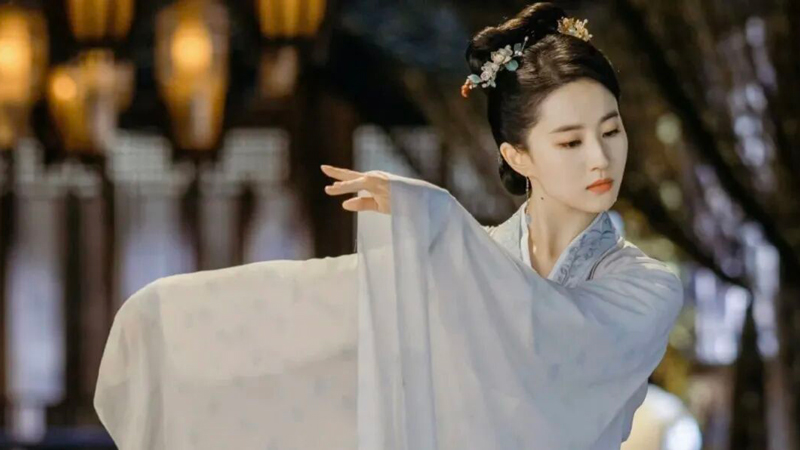
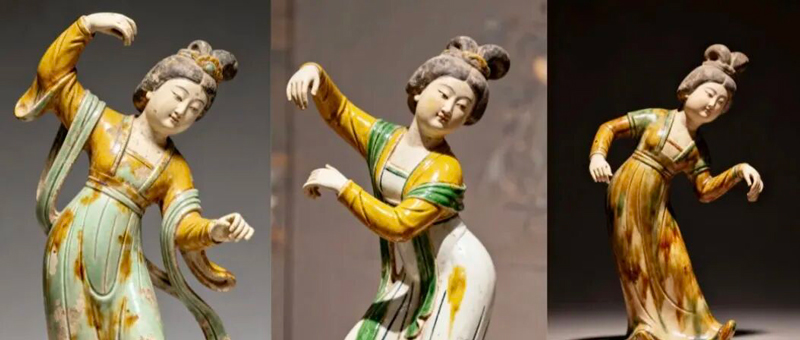
Ruanwu (软舞), or soft dance, offered a contrast with its gentle, flowing motions that graced the banquets of nobles and scholars. Characterized by slow, deliberate movements that gradually accelerated, it embodied refinement and elegance. Works like Lüyao (绿腰) exemplified this style, with dancers using long sleeves to create mesmerizing patterns that poets compared to swaying dragons or delicate orchids. This form emphasized emotional depth over physical exertion, making it a favorite in intimate settings where subtlety was prized.
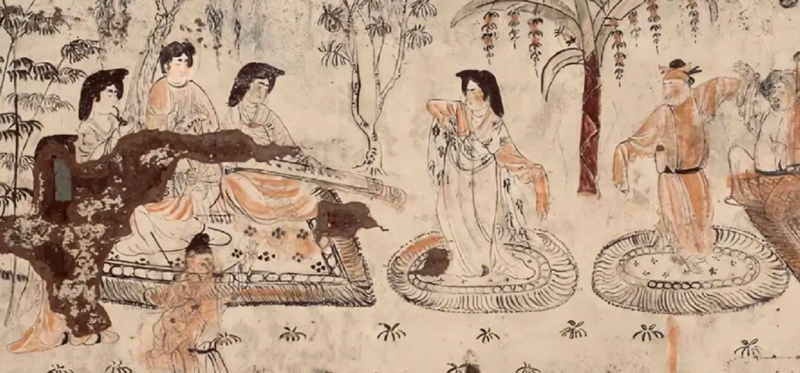
Performances often unfolded in palace gardens or during seasonal celebrations, as seen in references to Chunying Zhuan (春莺啭), where soft dances complemented the natural beauty of flower-filled courtyards. The emphasis on grace and poise allowed dancers to convey stories without words, connecting with viewers on a deeper level. Such scenes underscored how Ruanwu served as a medium for personal expression, blending art with daily life in a way that reinforced social bonds among the elite.
Beyond its aesthetic appeal, Ruanwu influenced other arts, inspiring calligraphy and poetry that sought to capture its ethereal quality. The interplay of music and movement in these dances created a holistic experience, reminding participants of the transient beauty of existence. As a result, Ruanwu left an indelible mark on Chinese cultural history, illustrating how dance could transcend mere performance to become a reflection of philosophical ideals.
Fading Rhythms
The decline of these dance traditions began with the rise of Cheng-Zhu Neo-Confucianism (程朱理学) in the Song Dynasty, which promoted ideals like "preserving heavenly principles and eliminating human desires." This philosophical shift discouraged overt displays of emotion and physicality, leading to a gradual suppression of dance in public life. As society prioritized restraint, the once-celebrated art forms like Jianwu and Ruanwu faded from mainstream culture, preserved only in isolated pockets or scholarly texts.
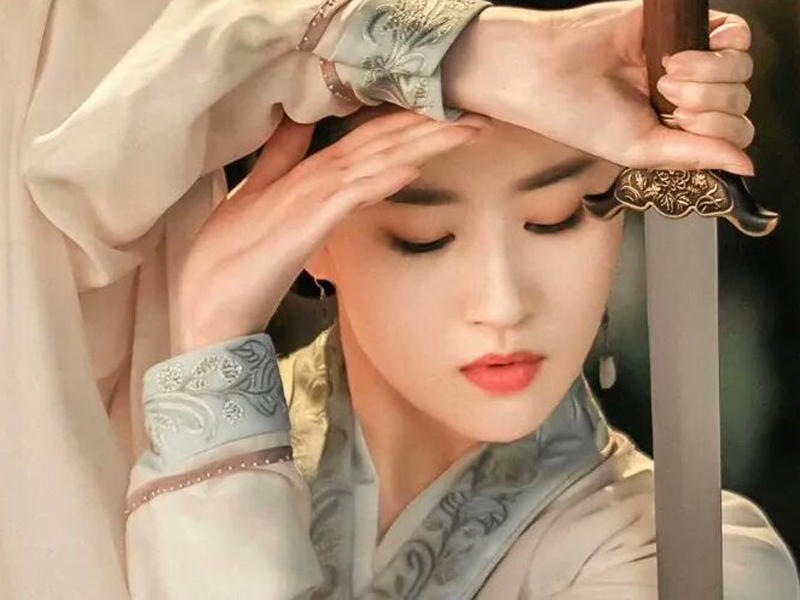
Over subsequent dynasties, economic and social changes further marginalized dance, with communities viewing it as frivolous or inappropriate. Historical events, such as the shift towards more sedentary lifestyles, compounded this trend, reducing opportunities for large-scale performances. By modern times, despite renewed interest in cultural heritage, the deep-seated reluctance to embrace dance openly persists, highlighting a complex legacy of historical influences.
Today, efforts to revive traditional dances face challenges, as generations grapple with reconnecting to a past that feels distant. Yet, the stories of Tang era dances remind us of a time when movement was integral to identity, offering lessons in resilience and adaptation. As global cultures intersect, there is potential for a renaissance, but it requires a thoughtful approach to reclaiming this lost art without oversimplifying its rich history.