Article
搜索结果:
-
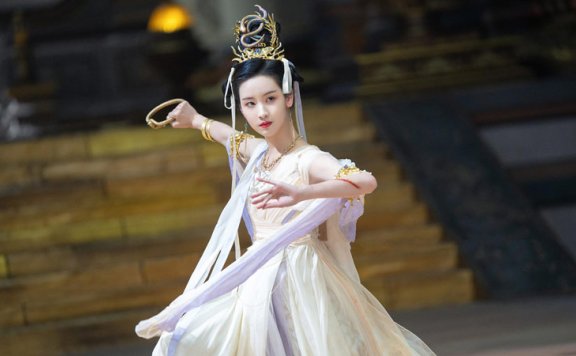
Chen Duling's 7 Essential Costume Dramas List
Chen Duling, a former aerospace engineering student at Nanjing University of Aeronautics and Astronautics, has evolved from an internet-famous "campus beauty" into one of China's most versatile actresses. Her delicate features and intellectual aura bring depth to historical and fantasy roles. Here are her essential costume dramas: The Legend of the Heroes 金庸武侠世界 Aired: Jun 26, 2024 (Tencent Video) Period Background: Southern Song Dynasty martial arts world, focusing on rival clans and Peach Blossom Island. Genres: Wuxia, tragedy, female empowerment. Main Roles: Chen Duling as Feng Heng, Meng Ziyi as Mei Chaofeng. Adapted From: Jin Yong's The Legend of the Heroes, expanding Feng Heng and Mei Chaofeng's backstory. Feng Heng stands apart in Jin Yong's martial universe as a rare non-combatant intellectual. Unlike archetypal wuxia heroines who resolve conflicts through physical prowess, Feng navigates the treacherous Peach Blossom Island and clan rivalries using scholarly insight and psychological acuity. Her pivotal role emerges when she encounters Mei Chaofeng, a martial artist consumed by vengeance after personal betrayals. Instead of condemning Mei's violent quest, Feng engages her through philosophical dialogues about karma and consequence, subtly comparing revenge to "drinking poison to quench thirst" (饮鸩止渴). Her quiet library becomes a sanctuary where Mei… -
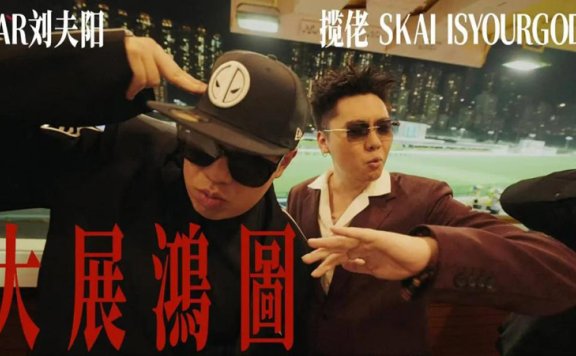
Chatting with Sydney, Director of Blueprint Supreme MV
Blueprint Supreme–a Chinese rap MV exploded online with phenomenal speed. Dance covers flooded platforms globally and domestically. Whether they understood SKAI ISYOURGOD's rhythmic, heavily accented Cantonese-inflected Mandarin or not, people dove in with incredible enthusiasm. What explains this massive buzz? First listen: "Singing karaoke in my mansion, Silver Arowana swimmin’ in da pool." You might be stunned by SKAI ISYOURGOD's thick Guangdong accent, but his "Lan-style Memphis" rhythm quickly hooks you. Following the 2024 wave kicked off by Stacks from All Sides·Karma Code , director Sydney and SKAI ISYOURGOD's "Blueprint Supreme" MV used a string of uniquely Hong Kong visuals to tap into another dimension of public interest. Chestnut racehorses streak down the track at the Hong Kong Jockey Club. Wide-angle shots inside Lin Heung Tea House reveal another kind of calculated hustle. The camera cuts rapidly between the grandstand, stables, and galloping jockeys, planting a seed of sudden, visceral understanding in the viewer. Reviews on international and Chinese music platforms span a huge range. From dissecting its layers to lingering on the emotional aftertaste, the song's distinct "Cantopop Mandarin" delivery let it break regional boundaries while keeping its Guangdong roots. Listeners found their own meanings: some felt its freewheeling… -
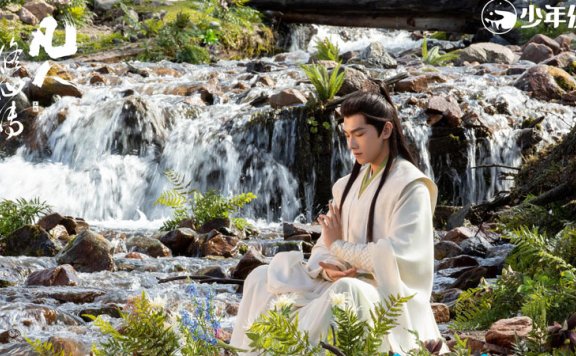
Can The Immortal Ascension Live Up to Its Reputations?
After a slow spell in the Chinese drama scene, things finally picked up a little with the arrival of The Immortal Ascension, a big-budget fantasy series adapted from the hugely popular web novel by Wang Yu. The drama is helmed by director Yang Yang and stars heartthrob Yang Yang in the lead role, with notable creative input from Wang Yuren, who directed the successful animated version of the same story. That crossover alone brought in a fair number of anime fans. Add to that the IP's long-standing reputation and a built-in fanbase, and it's no surprise that the show shot past 10,000 in Youku's internal popularity index right after launch. Let's break down what the show's really delivering—beyond the heat—and look at its launch stats, what people are liking so far, and the top three points of criticism from viewers. First, the Numbers: A Very Loud Debut This one hit the ground running. Before it even aired, Youku had logged over 5.28 million pre-release subscriptions. On launch day, the show pulled a heat index of 8,326—the highest day-one score for any Youku series in 2024 so far. By day three, it had officially broken the 10,000 mark. The drama took… -
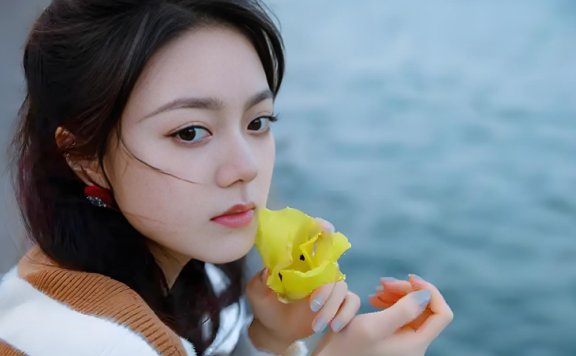
Zhao Jinmai’s Career Evolution and Style Shuffle
Known for playing the bus bombing survivor Li Shiqing (李诗情) in the hit drama Reset (开端), Zhao Jinmai has captured attention again—this time for her whirlwind fashion statements. The 23-year-old actress recently made headlines with five distinct looks in just three days, sparking heated debates among netizens about her evolving style. Becoming a billion-yuan box office star in The Wandering Earth (流浪地球), Zhao Jinmai’s (赵今麦) career reflects relentless versatility. Now, as she navigates both intense acting roles and public scrutiny over her wardrobe choices, fans witness a performer unafraid to redefine herself. Early Sparks on Stage Born in Shenyang in 2002 to teacher parents, Zhao Jinmai joined the Shenyang Evening News Children’s Performance Class at age six. Mentored by instructor Guo Limin (郭丽敏), she practiced skits daily after school, often rehearsing in front of mirrors at home. Her natural comedic timing shone during a class recital where she played a nurse wielding a toy syringe, earning praise for her innate talent. At ten, she starred as Ling Meiqi (凌美琪) in the children’s fantasy show Balala The Fairies (巴啦啦小魔仙), memorizing lines diligently to avoid delaying night shoots. This early discipline laid groundwork for her reputation as a consummate professional. Despite later… -
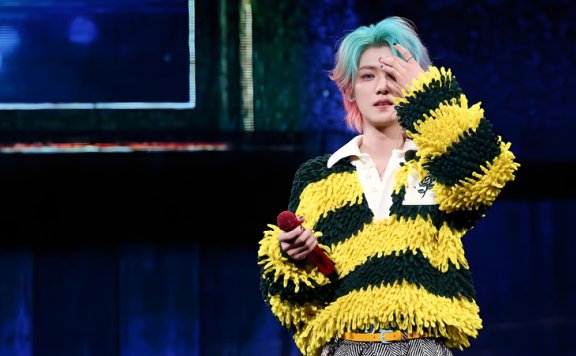
Why Did Lu Han's Dinosaur Headpiece in Zhengzhou Captivate Everyone?
In a bustling shopping mall in Zhengzhou, Lu Han (鹿晗) recently stunned onlookers by sporting a giant white dinosaur skeleton headpiece, turning a casual outing into a viral sensation that highlighted his playful charm and genuine nature. The Dinosaur Surprise On that day in Zhengzhou, Lu Han's outfit was simple: a black T-shirt, loose jeans, and white sneakers, embodying a relaxed, boy-next-door vibe. But it was the oversized dinosaur headpiece that stole the show, covering most of his head while revealing glimpses of his striking blue-green hair, rumored to be for an upcoming concert. His calm expression amidst the absurdity created a perfect "contrast cute" moment, instantly melting hearts and flooding social media feeds. Fans weren't surprised—Lu Han has always embraced whimsy, shunning the typical idol persona in favor of spontaneous fun. This incident underscored his ability to blend ordinary life with extraordinary flair, making everyday adventures feel magical. Despite the headpiece's bulk, Lu Han navigated the crowded mall with ease, showcasing his down-to-earth attitude. The scene wasn't just about fashion; it reflected his core philosophy of living authentically, free from artificial constraints. His choice to wear such an eye-catching accessory in public signaled a refreshing break from celebrity norms,… -
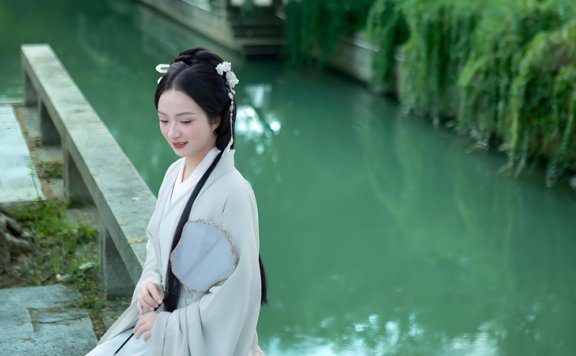
The Cultural Connotation and Future of Hanfu
Once confined to museum displays and historical dramas, traditional Chinese attire now flows through city streets worldwide. This isn't costume play—it's a cultural homecoming. Hanfu, the umbrella term for China’s pre-17th-century clothing systems, has leapt from ancient scrolls into contemporary wardrobes. Young designers, historians, and everyday enthusiasts weave threads of millennia-old aesthetics into modern life, creating wearable poetry that honors heritage without sacrificing relevance. The movement transcends fashion; it’s a tactile dialogue between dynastic splendor and digital-age identity, reshaping how generations connect with their roots. Echoes in Every Stitch Hanfu’s brilliance lies in its architectural diversity, mirroring China’s philosophical shifts across eras. The structured solemnity of Zhiju (直裾) robes from the Ming Dynasty speaks of Confucian order, while the Tang Dynasty’s wide-sleeved, high-waisted Ruqun embodies an open, cosmopolitan golden age. Song Dynasty silhouettes favored subtle elegance—cross-collared jackets paired with flowing skirts reflecting scholarly refinement. Each cut, from the curved-hem Quju (曲裾) to the horse-faced pleats of Mamianqun (马面裙), encodes dynastic values in fabric. Beyond aesthetics, these designs solved practical needs. Wide sleeves circulated air in humid summers, layered robes insulated against northern winters, and silk’s natural temperature regulation made it ideal for varied climates. The precision of symmetrical cutting (typically… -
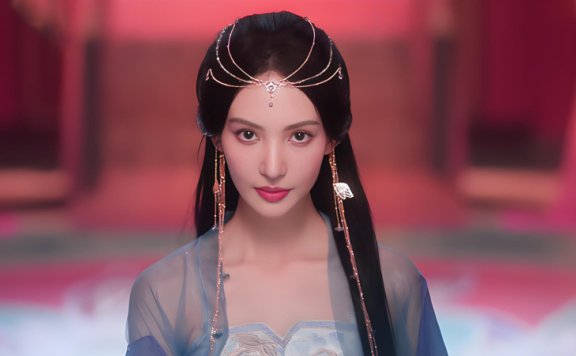
Jin Chen's Headdress: Reviving Ancient Chinese Beauty?
When Jin Chen (金晨) appeared wearing a beaded forehead ornament during a performance, audiences were stunned. Many declared this the perfect visual realization of Nangong Wan (南宫婉) from the popular fantasy series The Immortal Ascension (凡人修仙传). The delicate strands of beads, shimmering as she moved, sparked fascination. Was this intricate accessory authentically Chinese? What was its historical name and origin? This piece, evoking a blend of traditional elegance and exotic charm, represents a fascinating chapter in the evolution of Chinese adornment, challenging simple narratives of cultural borrowing. Echoes of Ancient Headwear This style of headwear, featuring strands of beads or gems draping across the forehead, finds roots deep within Chinese history. Archaeological evidence points to similar ornaments existing during the Warring States period, possibly earlier. Scholars identify it as a type of Yingluo (璎珞), a term broadly encompassing decorative netted or strung jewelery. More specifically, historical records and artifacts suggest names like Luosuo (络索), Lianshu (帘梳), and Weiji (围髻). Luosuo originally meant "cord" or "rope," evolving to describe hanging decorative elements. Song Dynasty poetry references golden Luosuo ornaments, while texts like the Southern Song Suijin (碎金) explicitly list it under headwear. Lianshu, evidenced by Song Dynasty artifacts, likely combined a functional… -
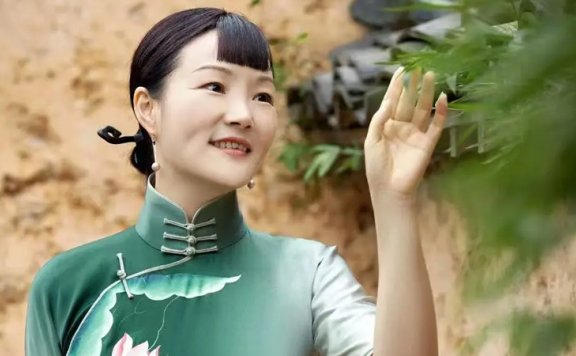
Is Your Qipao Truly Yours? The Art of Custom-Made
That iconic silhouette gliding through a room – the high collar, the figure-skimming lines, the subtle sway of the hem – instantly evokes the Qipao. But achieving that effortless grace often hinges on one crucial factor: customization. Off-the-rack options promise instant style, yet the true magic, the perfect marriage of fabric and form that celebrates the unique wearer, lies in the bespoke journey. Why does custom-made elevate the Qipao from mere garment to personal statement? Let’s explore the profound differences that make custom tailoring the secret to unlocking timeless elegance. Crafting Perfection The journey of a custom Qipao begins not with a pattern, but with you. Precise measurements form the foundation, meticulously translated into a unique draft pattern. This initial template isn't the final word; it’s the starting point for refinement. Master artisans analyze posture, body contours, and movement, meticulously adjusting the draft lines to ensure the garment not only fits flawlessly but feels like a second skin. Comfort is paramount alongside aesthetics. This draft evolves into a toile – a prototype crafted from inexpensive fabric – worn for a crucial fitting session. Here, under the discerning eye of the tailor, every nuance is assessed: how the fabric drapes across… -
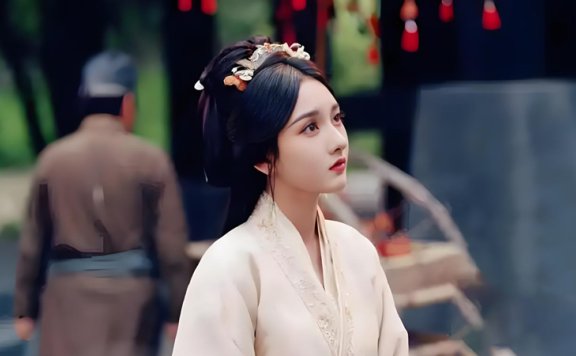
How Hanfu's Empty Spaces Create Living Poetry
Hanfu whispers where Western fashion shouts. This ancient Chinese attire reveals its genius not through ornate excess but through deliberate emptiness—inviting wind, light, and human grace to complete its design. Like a scroll with unpainted mist or a melody’s resonant pause, Hanfu transforms wearers into collaborators with nature. Its flowing sleeves and undyed linens become canvases for shifting sunlight and passing breezes, proving restraint holds more power than saturation. This philosophy of purposeful absence—Liubai (留白)—turns clothing into living art, where the unsaid speaks loudest. Colors Borrowed from Earth and Sky Forget laboratory dyes. Hanfu hues emerge from dawn skies, mossy stones, and autumn forests. Moonlight White isn’t stark but hazy—like fog on rice paper. Stone Blue mirrors rain-soaked cliffs, softened by centuries. Ocher glows like sunset-warmed clay. These colors reject artificial vibrancy, instead echoing landscapes. A plain white skirt in a gingko grove becomes gold-streaked when leaves pirouette onto its folds. Fabric doesn’t dominate; it adapts. Wind paints temporary patterns, shadows add depth, and seasons dictate palettes. Hanfu wearers don’t just dress—they carry fragments of the living world. This harmony extends beyond pigments. Linen and hemp breathe with the wearer, their muted tones shifting under sunlight like river currents. A… -

Colors of Hanfu: Stories Woven in Ancient Hues
The crimson robes shimmer like liquid sunset, azure silks hold captured mist, and golden threads pulse with imperial legacy. When Hanfu flows, it's not merely fabric in motion; it's a millennia-old chromatic saga whispering secrets of the East. Each hue, meticulously extracted from roots, leaves, and blossoms, carries profound narratives of status, season, and spirit, woven into the very warp and weft of Chinese civilization. Far more than aesthetic choices, these colors formed a silent language – a vibrant lexicon where every shade spoke volumes about the wearer's place in the cosmic and social order. Today, as this ancient attire experiences a renaissance, the timeless palette of Hanfu continues to captivate, bridging dynasties past with the bold expressions of modern style. Crimson No color resonates deeper in the Chinese soul than crimson. Revered since the Shang and Zhou dynasties, this potent hue symbolized supreme nobility and auspicious fortune. It pulsed at the heart of life's most sacred ceremonies. Imagine heavy silk blazing with China Red, embroidered golden phoenixes and peonies dancing on phoenix coronets and ceremonial capes. Sunlight catching intricate Pan Jin embroidery creates a regal shimmer reserved for emperors and empresses. Beyond the bridal chamber, crimson commanded reverence in… -
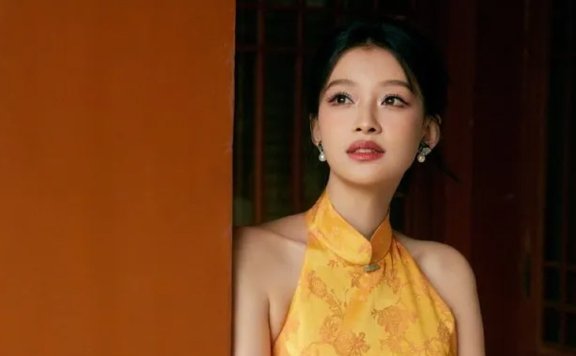
Can Yellow Qipao Outshine the Sun?
Sunlight spills through leafy branches, gilding a vibrant yellow Qipao like molten time, seamlessly stitching classical grace onto a modern silhouette. This is no demure relic of the past. Its sleeveless cut and high neck speak a language of bold confidence, revealing the spirit of the East with newfound audacity. The lustrous satin whispers with subtle, age-old patterns, while the sharp tailoring declares its place firmly in contemporary fashion. Outline Revolution The classic Qipao, once a symbol of demure elegance, sheds its long sleeves and embraces a higher neckline. This transformation reveals graceful shoulders and a defined neck, creating a powerful new canvas for Chinese aesthetics. The shift isn't about erasure; it's about liberation. By freeing the form from restrictive traditions, the modern Qipao confidently enters the global style conversation, its heritage woven into every seam. Standing against the backdrop of crimson pillars and dark roof tiles, the figure embodies this fusion. The vibrant yellow of the Qipao acts as a striking modern note against the deep, traditional hues. A sleek, high chignon and simple pearl earrings serve as perfect joints in this cultural framework – elegant, functional, and allowing both past and present their distinct brilliance. Under the eaves… -
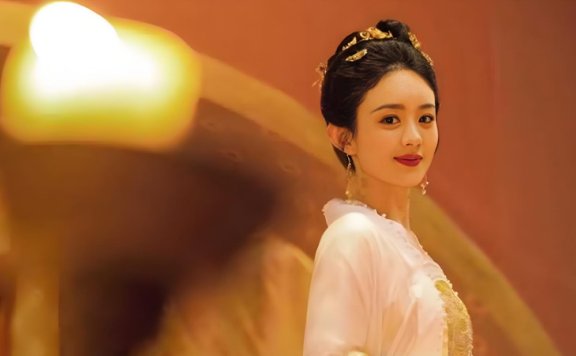
Zhao Liying in Tangzhuang: Hairstyle, Fabric, and Makeup Secrets
What makes an outfit transcend centuries? Zhao Liying's (赵丽颖) recent embrace of Tangzhuang (唐装) offers a masterclass in ancient Chinese aesthetics. Moving beyond her usual youthful charm, she embodies imperial elegance through deliberate choices in hairstyling, fabric selection, and makeup. This transformation reveals core principles of Tang fashion – principles centered on sophistication achieved through restraint, quality, and harmony, not mere extravagance. Her look serves as a powerful testament to the enduring brilliance of historical Chinese design, proving its relevance for modern style seekers. Hairstyle Forget towering, jewel-encrusted creations. Zhao Liying's Tangzhuang impact begins with a remarkably simple coiled bun. This choice defies a common misconception: that historical Chinese hairstyles require overwhelming complexity to feel regal. Her sleek, unadorned updo demonstrates that true luxury lies in clean lines and impeccable execution. The polished finish creates an immediate sense of refinement, allowing the wearer's features and the clothing itself to take center stage. The allure of intricate braids and multiple ornaments is understandable, yet often leads to visual chaos. Zhao Liying's stylists understood that a single, well-crafted bun provides a stronger foundation for elegance. It offers a timeless quality, avoiding the dated look that overly elaborate styles can project. This focus… -
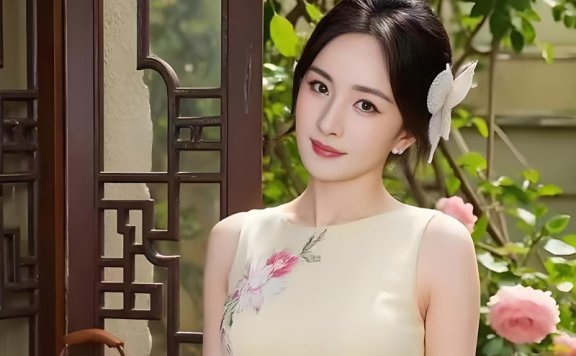
Yang Mi Merges Qipao's Tradition with Modernity
A single image stopped digital scrolls. Yang Mi (杨幂), celebrated for cutting-edge style, emerged draped in a classic Qipao, sparking instant nationwide fascination. This wasn't another celebrity endorsement; it felt like witnessing a heritage garment rediscover its voice through a modern icon. Her transformation went beyond fabric – it ignited a conversation about authenticity, effortless grace, and the magnetic power of genuine presence in an era saturated with artifice. The quiet courtyard setting and her poised demeanor created a visual poem, proving timeless allure requires no loud fanfare. Outline Speaks Volumes The Qipao demands perfection. Its sleek lines expose every nuance of form, unforgiving to imbalance. On Yang Mi, it found its ideal canvas. The high collar framed her neckline elegantly, while the tailored bodice meticulously followed her slender waist, a testament to the garment's unforgiving precision. Her posture, relaxed yet regal, allowed the fabric to flow naturally, highlighting the subtle yet powerful feminine silhouette it was designed to celebrate. This wasn't restrictive; it was a harmonious dialogue between body and cloth. Beyond physicality, Yang Mi embodied the Qipao's spirit. She moved with an innate confidence that felt both contemporary and deeply rooted. The sharp modern edge in her gaze… -
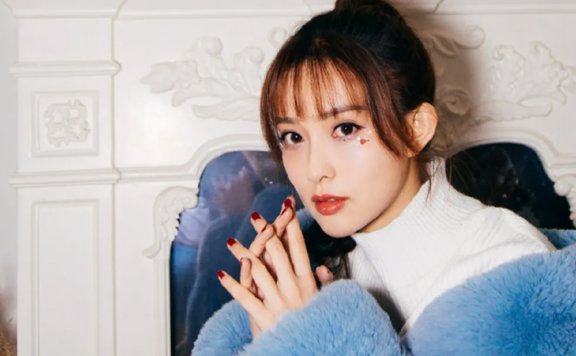
Meng Ziyi's Mastery of Fashion, Comedy, and Versatile Star
When scrolling through social media, few stops command attention like Meng Ziyi's (孟子义) photos. Her images don't just capture glances; they launch full-scale aesthetic assaults that leave viewers scrambling for the screenshot button. This multifaceted artist has transformed "beauty" into her personal playground, effortlessly oscillating between runway royalty and everyday enchantress. Crimson-carpet dominance to unfiltered comedic brilliance, Meng Ziyi proves she’s far more than a pretty face – she’s a masterclass in charismatic versatility. Prepare to explore how this style chameleon redefines glamour across every platform she graces. Fashion's Versatile Star On the red carpet, Meng Ziyi operates at peak power. Draped in liquid-gold gowns that seem spun from moonlight, she radiates a "queen energy" so potent it extends her presence beyond physical limits. Every calculated drape of fabric transforms into sculpted artistry, while her gaze holds the unwavering confidence of someone who owns the room. This isn't just dressing up; it's a masterful performance of haute couture authority. Yet strip away the spotlights, and a different magic unfolds. The same woman who commanded gala events now bounces through everyday life as the ultimate sweetheart archetype. Oversized hoodies swallow her frame, double buns crown her head, and oversized milk tea… -
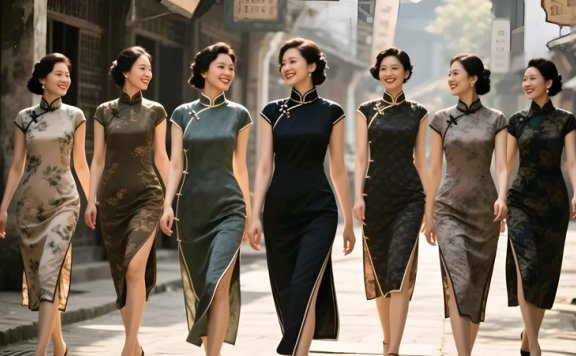
How Does the Qipao Embody the Beauty of Weak Virtue?
As a symbol of Chinese heritage, the Qipao has captivated hearts with its elegant lines and cultural depth. This traditional garment, evolving from Manchu roots to a modern icon, represents more than fashion—it captures the essence of resilience and grace. Drawing from Ye Jiaying's (叶嘉莹) concept of "Weak Virtue Beauty," the Qipao whispers tales of inner strength through its design. Today, it thrives in celebrations and daily life, resonating with women who seek timeless elegance. Weak Virtue Beauty Weak Virtue Beauty, introduced by scholar Ye Jiaying, defines elegance as restrained power—soft on the surface, unyielding within. The Qipao mirrors this perfectly. Its high collar and tight knots symbolize self-discipline, wrapping the neck with quiet dignity. This subtle constraint echoes ancient virtues, where modesty speaks louder than extravagance. In the Qipao's fit, a balance emerges. The tailored silhouette hints at curves without revealing too much, embodying the "weak" aspect through gentle concealment. The slit, resting near the calf, offers a glimpse of movement only when walking—a dance of discretion. This design reflects Confucian ideals, where harmony lies in measured expression. Beyond appearance, the "virtue" shines in craftsmanship. Techniques like heat-pressing mold the fabric to the body, akin to personal fortitude in… -
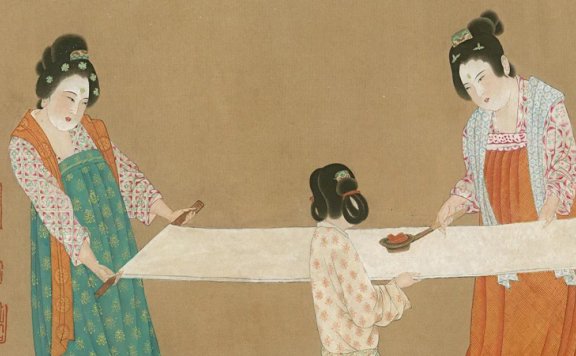
Heritage Weaves: Old Patterns in New Outline
As Zhang Xue (张雪) guides the shuttle across her Song Jin (宋锦) loom, peony vines blossom beneath her fingers. This young inheritor doesn't realize her wrist patterns mirror Tang dynasty court ladies in Daolian Tu (捣练图). Such moments reveal Hanfu isn't resurrected history but living heritage. Traditional techniques weave through contemporary designs, creating conversations between dynasties in every thread. This fusion transforms museum artifacts into vibrant cultural expressions, where ancient motifs speak through modern silhouettes. Threads of Royalty Song Jin demands royal patience. Each centimeter consumes hours as artisans layer colored threads like watercolor washes. This "living hue" technique creates ethereal gradients unseen in ordinary brocade. Imperial workshops once reserved such luxury for dragon robes and ceremonial scrolls. Today's Hanfu designers adapt these methods for cloud collars and wide sleeves, transforming wearers into walking art pieces. The shimmering surfaces capture light differently with every movement. Su embroidery elevates simplicity into grandeur. On a deep-blue jacket sleeve, gold thread swirls into tidal patterns while freshwater pearls anchor each wave crest. Where historical pieces used gilt strips, modern artisans employ synthetic alternatives for daily wear. The effect remains equally hypnotic - miniature oceans rippling across linen landscapes. Tang dynasty glamour returns through… -
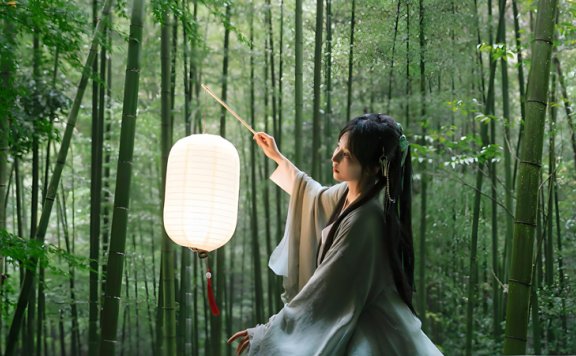
Fabric Meets Verses: Hanfu’s Poetic Soul
Imagine fabric whispering ancient verses. Picture sleeves swirling with the rhythm of classical poetry. This is the captivating reality where Hanfu, China's traditional attire, meets the timeless beauty of its poetic heritage. More than just clothing or words, they are living threads in the tapestry of Chinese civilization. When the flowing lines of Hanfu encounter the profound depths of poetry, a silent dialogue spanning centuries unfolds. It's a romance woven not with words alone, but with silk, linen, and the very essence of cultural memory. This encounter invites us to step beyond the page and the mannequin, to experience tradition as a vibrant, embodied art. Fabric as Poetry The very structure of Hanfu holds poetic resonance. Consider the elegant spirals of the Quju (曲裾) robe. Its graceful folds seem to cascade down the wearer's form, mirroring the dynamic energy of Li Bai's (李白) verses describing a waterfall's majestic plunge, Flying Down Three Thousand Feet. It's movement captured in cloth. Contrast this with the airy lightness of the Qixiong Ruqun, an upper garment paired with a high-waisted skirt. Its gentle drape evokes the subtle, nurturing touch described in Du Fu's (杜甫) lines about a spring rain arriving unnoticed, Entering Silently with… -
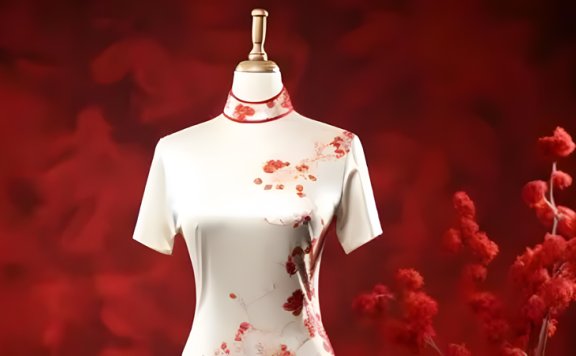
What Are the 3 Manners for China's Qipao?
The Qipao, instantly recognizable by its high collar, delicate Pankou (knotted buttons), and figure-skimming silhouette, transcends mere clothing. It's a canvas where Chinese heritage meets feminine grace. More than just fabric, it demands a certain presence – a synergy of posture and movement that elevates its inherent elegance. Wearing a Qipao beautifully isn't solely about physique; it’s an art form rooted in understanding its evolution and mastering the subtle language of deportment. From its practical origins to its status as a global fashion statement, the Qipao whispers stories of resilience and refinement. To truly honor this garment and project its intended allure, embracing specific etiquette is paramount. Let's decode the posture secrets that unlock the Qipao's full, captivating potential. 1. Standing Foundation is everything. A Qipao magnifies the line of the body, making impeccable posture non-negotiable. Imagine a gentle string pulling you upwards from the crown of your head. Shoulders should be effortlessly open and back, not stiffly squared, allowing the collar to frame the neck elegantly. Engage the core subtly, lifting the ribcage and tucking the pelvis slightly to avoid arching the back. This creates the signature elongated, "growing upwards" stance. Legs remain together, knees soft but aligned. Avoid… -
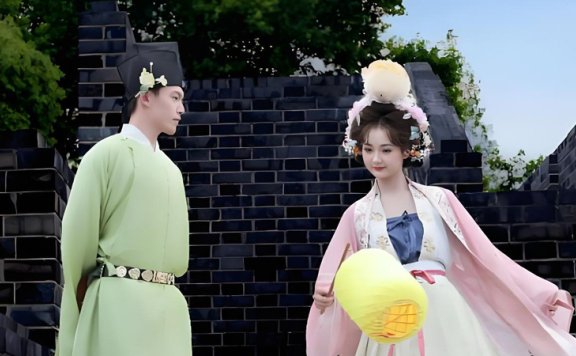
Song Dynasty Hanfu's Gentle Spirit in Today's World
When we speak of traditional Chinese attire, the grandeur of the Tang Dynasty often steals the spotlight, but the subtle grace of Song Dynasty Hanfu reveals a deeper, more refined essence of Chinese culture. Shedding the bold extravagance of its predecessor, Song Dynasty Hanfu embraces minimalist lines and muted hues, embodying an aesthetic of "unadorned beauty" that feels both ancient and strikingly modern. This exquisite style captures a quiet dignity, reflecting the inner cultivation prized in Song-era philosophy, and today, it invites us into a world where history meets contemporary life. Minimalist Philosophy The Song Dynasty marked a pinnacle in Chinese arts and thought, with Neo-Confucianism emphasizing inner harmony over outward display. This ethos shaped Song Dynasty Hanfu into designs centered on restraint and practicality. Instead of elaborate adornments, it relies on clean silhouettes and natural fabrics like cotton, linen, and silk. Colors favor soft greens, pale yellows, and gentle pinks, creating a visual poetry that whispers elegance without shouting. Every garment flows with purpose, tailored to flatter the body without excess. Men wore simple robes like the round-collared Yuanlingpao (圆领袍), while women chose pieces that balanced modesty with grace. The art of "leaving space" in these designs invites contemplation,… -
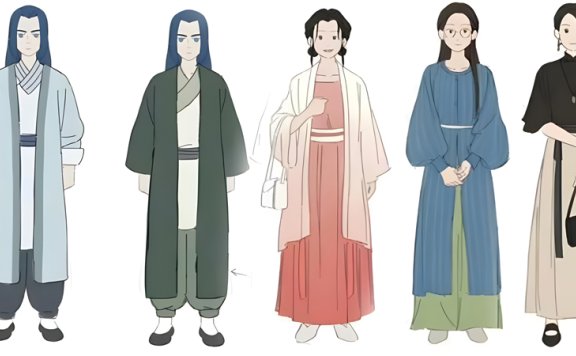
How The Legend of Hei 2 Normalizes Hanfu as Living Culture
Move over, stylized robes and fantastical costumes. The animated film The Legend of Hei 2 (罗小黑战记2) is making waves for an unexpected reason: its background characters. Forget generic filler; these background figures are dressed in meticulously designed Hanfu elements, sparking online applause for the creators' dedication to authenticity. This isn't just costume design; it's a subtle, powerful statement about integrating traditional Chinese clothing into the fabric of modern life. By focusing on ordinary people wearing Hanfu in everyday contexts, the film offers a refreshingly practical vision of cultural heritage existing naturally alongside contemporary fashion, prompting viewers to reconsider what "traditional" attire means in the 21st century. Designing the Everyday The film's creators recently released design sketches showcasing three distinct outfits worn by background characters. One ensemble pairs a Beizi (a traditional long outer garment) with a tube top-like undergarment and a Baidie skirt (pleated skirt). Another features a round-collar long shirt with practical, tapered sleeves worn over full-length trousers. The third combines a half-sleeved, upright-collar short jacket with a Mamian skirt (horse-face skirt). While seemingly simple, these outfits are carefully crafted. The first and third sets lean towards traditional cuts, while the second incorporates a more modern silhouette with its…
