
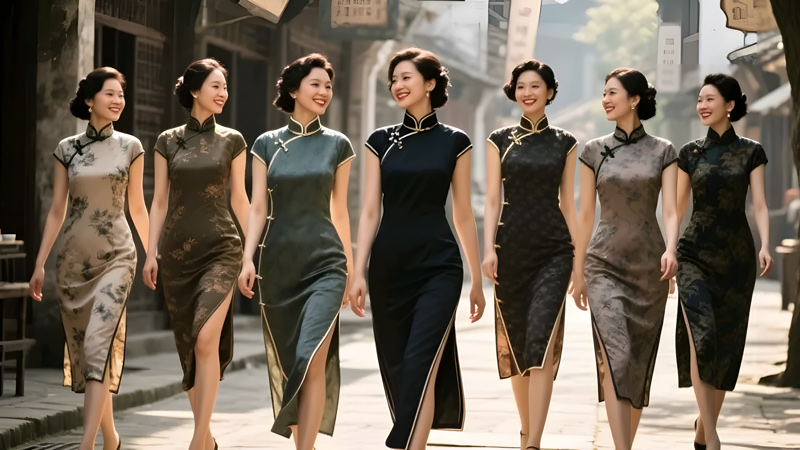
As a symbol of Chinese heritage, the Qipao has captivated hearts with its elegant lines and cultural depth. This traditional garment, evolving from Manchu roots to a modern icon, represents more than fashion—it captures the essence of resilience and grace. Drawing from Ye Jiaying's (叶嘉莹) concept of "Weak Virtue Beauty," the Qipao whispers tales of inner strength through its design. Today, it thrives in celebrations and daily life, resonating with women who seek timeless elegance.
Weak Virtue Beauty
Weak Virtue Beauty, introduced by scholar Ye Jiaying, defines elegance as restrained power—soft on the surface, unyielding within. The Qipao mirrors this perfectly. Its high collar and tight knots symbolize self-discipline, wrapping the neck with quiet dignity. This subtle constraint echoes ancient virtues, where modesty speaks louder than extravagance.
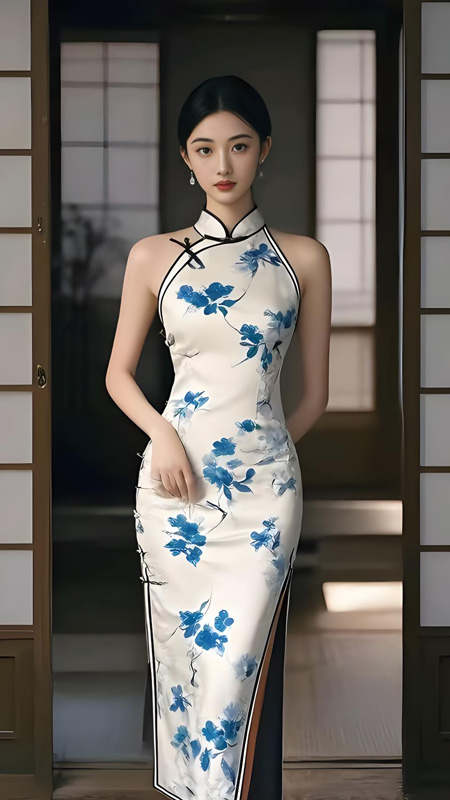
In the Qipao's fit, a balance emerges. The tailored silhouette hints at curves without revealing too much, embodying the "weak" aspect through gentle concealment. The slit, resting near the calf, offers a glimpse of movement only when walking—a dance of discretion. This design reflects Confucian ideals, where harmony lies in measured expression.
Beyond appearance, the "virtue" shines in craftsmanship. Techniques like heat-pressing mold the fabric to the body, akin to personal fortitude in adversity. Patterns of plum blossoms or bamboo signify resilience, woven into the garment. Wearing it demands poise: straight posture and calm steps showcase self-respect, turning cloth into a moral compass.
Qipao's Charm
Ye Jiaying's poetry analysis reveals parallels with the Qipao. She describes lyrical verses as "deeply subtle," much like the garment's quiet allure. A simple Qipao in muted hues evokes Li Qingzhao's tender lines, where emotion flows beneath restraint. This understated beauty avoids grandiosity, focusing on intimate resonance.
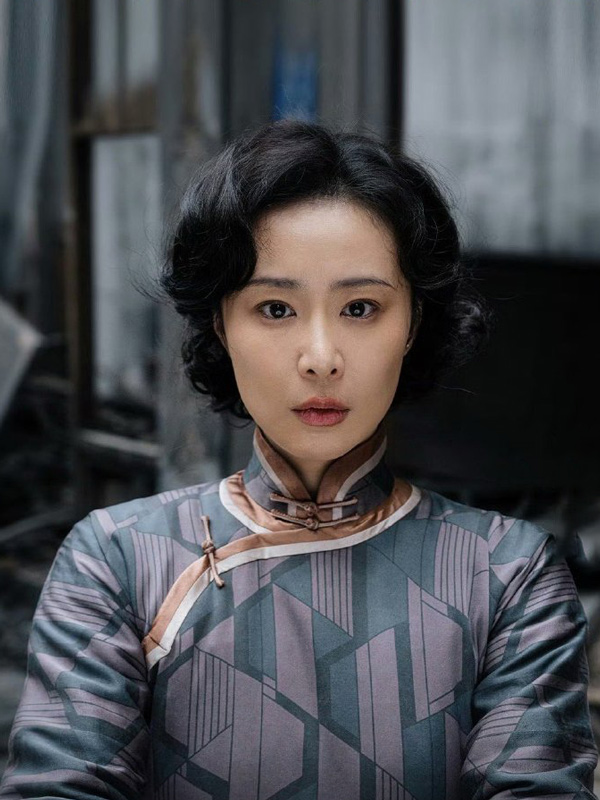
Ye highlighted resilience in verse, such as Li Shangyin's (李商隐) works that "maintain grace amid pain." Similarly, the Qipao became a shield in turbulent eras, like the Republican period. In the drama Dead to Rights (南京照相馆), character Yuxiu (毓秀) wears it with dignity, facing uncertainty without losing composure. Here, the garment transforms into cultural armor.
The true brilliance, Ye stressed, lies in inner vitality. For the Qipao, this means cut and carriage over flashy adornments. Like unpolished jade, its worth emerges through wearer and context, fostering a dialogue between tradition and personal identity.
Choosing and Wearing Qipao
Selecting a Qipao blends tradition with individuality. For body types, slender figures suit fitted Shanghainese styles, while fuller shapes benefit from looser Beijing cuts. Shoulder width calls for low collars, and waist concerns are masked by draped designs. This choice honors heritage while flattering unique forms.
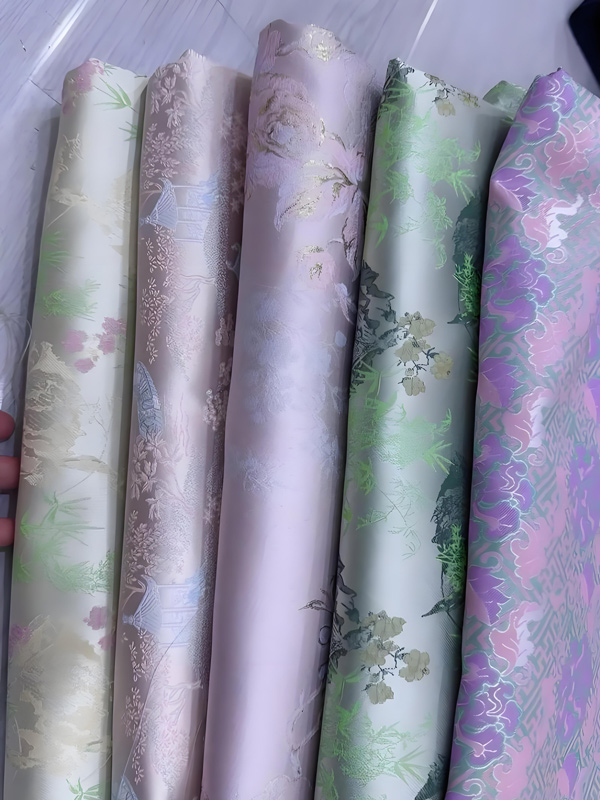
Fabric and pattern depend on occasions. Daily wear favors breathable cotton in floral prints; formal events demand silk with bold motifs. Seasonal shifts guide material—light fabrics for summer, heavier weaves for cooler months. Each selection reflects an understanding of Qipao's versatile spirit.
Wearing it well hinges on details. Secure all knots meticulously to maintain decorum. Pair with pearl accessories and simple undergarments for seamless elegance. Hairstyles like buns highlight the neckline, and subtle makeup complements rather than competes.
Qipao envelops more than the body; it cloaks the wearer in a cultural reverence for gentleness, dignity, and enduring strength. Each stitch weaves the posture of Eastern womanhood – resilient as bamboo, supple yet unbreakable as water. Through Ye Jiaying's profound concept of "Ruo De Zhi Mei," we grasp the Qipao’s deepest meaning: authentic elegance shines brightest when inner virtue illuminates outward form.
Finally, movement defines the experience. Walk with measured steps and sit gracefully, embodying Weak Virtue through controlled poise. Shoes should be heeled and refined, avoiding casual styles. This transforms the Qipao from mere attire to a statement of cultural pride.
