Article
搜索结果:
-
5 Historical Treasures to Spot in Swords into Plowshares
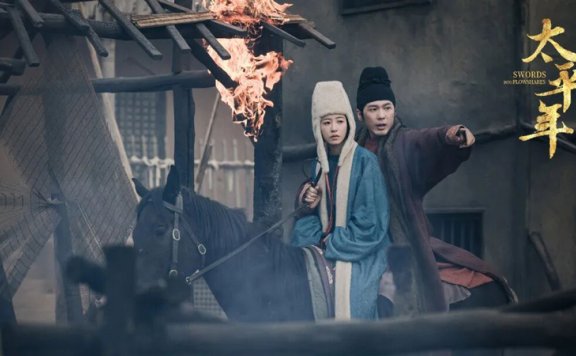
A new television experience is captivating audiences. It’s not just about following the plot twists of a period piece, but about embarking on a treasure hunt within the frame. As viewers watch the popular series Swords into Plowshares (太平年) on CCTV-1, a fascinating secondary activity has emerged: spotting the real historical artifacts meticulously recreated by the production team. From a merchant’s stringed instrument to the intricate design on a wine warmer, each detail is a deliberate nod to a tangible piece of history, waiting to be discovered in museums across China. Fans are thrilled, feeling they’ve been treated to a refined cultural feast, and are taking to social media to compare screenshots with photos of ancient relics. 1. Guqin (古琴) - A Melody in Wood The merchant Cheng Zhaoyue’s (程昭悦) entrances in the drama’s first episode are accompanied by the quiet presence of a Guqin. This isn't just any prop. Its distinct shape closely mirrors classical designs preserved for centuries. The Guqin, a seven-stringed zither, is one of China's oldest plucked instruments. Its basic form was largely standardized by the end of the Han Dynasty, yet it evolved into numerous styles, each with its own name and character. Viewers with… -
3 Red Wedding Gown Ghosts Define Chinese Anime Horror
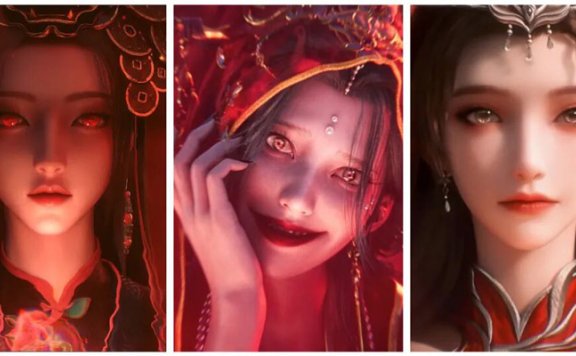
Why are Chinese animations suddenly mastering the art of haunting beauty? A recent wave of popular shows has audiences captivated, not by generic scares, but by a deeply unsettling and emotionally resonant brand of horror. Central to this movement is a powerful, recurring image: the female spirit clad in a vibrant red wedding gown. This figure transcends simple fright, weaving together visual poetry, tragic backstories, and cultural weight to create moments that linger long after the screen goes dark. Let's look at how three recent series have used this icon to stunning effect. 1. Beyond Time's Gaze (光阴之外) - Tao Hong (桃红) In the animation Beyond Time's Gaze, the segment featuring Tao Hong represents a pinnacle of visual storytelling. The scene operates without dialogue, relying entirely on editing, cinematography, and score to build an atmosphere of profound loss. It begins within a decayed, oppressive space, the visual equivalent of a whispered threat. The character Xu Qing (许青) radiates desperation, while the older Lei Dui (雷队) wears a look of complex yearning. A haunting melody sets the tone. Then, a breathtaking transition occurs. The scene shifts to a sun-dappled pavilion under a shower of peach blossoms. Here, a young Lei Dui… -
Why Does Zhou Yutong's Hat Look So Modern in a Historical Drama?
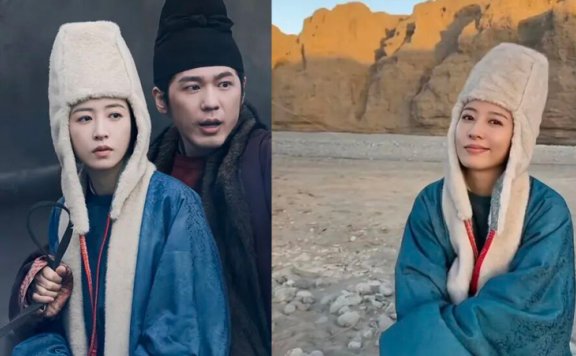
The costume design in the period drama Swords into Plowshares (太平年) has sparked lively discussion, particularly one striking accessory. Actress Zhou Yutong (周雨彤) wears a distinctive, seemingly modern-looking hat with ear flaps. Its appearance prompts a question: can such a design be historically accurate, or is it a creative anachronism? This piece of headwear is far from a modern invention. It is a faithful representation of a Feng Mao (风帽, wind hat), a practical and stylish item with deep roots in China's sartorial past. Its journey from the northern steppes to the wardrobes of the Central Plains is a story of cultural exchange, adaptation, and enduring utility. Northern Origins The Feng Mao finds its origins with the nomadic peoples of the northern frontiers. Designed for survival, its primary function was to shield the wearer from the harsh, biting winds and extreme cold of the steppes. The defining feature was its extended "skirt" that could be drawn to cover the ears, neck, and shoulders, creating a protective cocoon against the elements. This practical design was gender-neutral, worn by both men and women for warmth. Early versions of this hat were not a single piece. Archaeological evidence from figurines of the Northern… -
Why Do Ancient Dramas Love Those Twin Hair Loops?
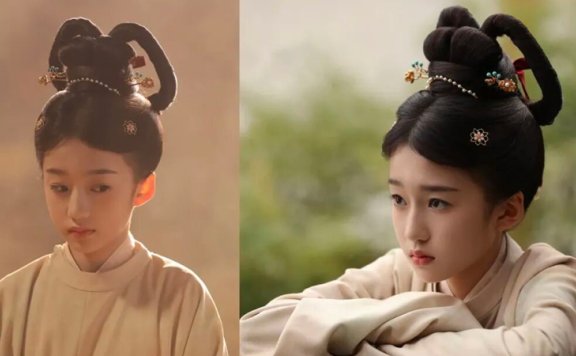
If you watch Chinese historical dramas, you have seen them. Perched on the heads of young heroines, often playful maids or princesses in their youth, are two distinct loops of hair. This signature style, simple yet instantly recognizable, has become a visual shorthand for youthful innocence and charm on screen. From the determined Sun Taizhen (孙太真) in Swords into Plowshares (太平年) to various other characters, this hairstyle transcends individual stories, connecting audiences to a specific, girlish aesthetic rooted deep in history. But what is the story behind these loops? Their persistent presence is no mere costume designer's whim. It is a deliberate echo of an ancient Chinese hairstyle, a tradition repurposed for modern storytelling to visually telegraph a character's age and spirit before she even speaks. Roots in Antiquity The style seen on screen finds its direct ancestor in the Shuang Huan Ji (双鬟髻), or "double-loop bun." Historical records and artifacts trace its popularity back to the early Tang Dynasty, and even earlier to the Northern and Southern Dynasties. The terms "huan" (鬟) and "huan" (环) were often used interchangeably, both referring to a ring or loop shape. Essentially, the hairstyle involved gathering hair into two bundles, twisting them into… -
What's With the Bull Horn Hats in Swords into Plowshares?
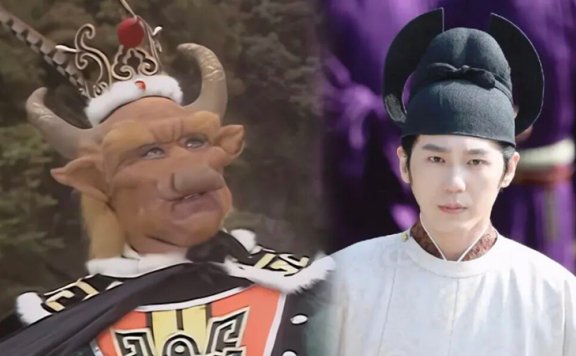
Viewers of the historical drama Swords into Plowshares (太平年) have been captivated by many details of its Five Dynasties and Ten Kingdoms setting. One particular costume choice, however, has sparked widespread curiosity and amusement online: the distinctive hats worn by characters from the Wuyue Kingdom (吴越国). With two stiff, upward-pointing projections, they bear an uncanny resemblance to the horns of an ox, leading to playful comparisons to the mythical Bull Demon King. When the actor Bai Yu (白宇) appeared in one, the internet lit up. This was no isolated costume quirk. The repeated appearance of these hats signals a deliberate historical design choice, not a random fancy. Their story reveals a fascinating journey through power, ritual, and social order in ancient China. The Hat of Authority The official name for this headwear is the Chao Tian Futou (朝天幞头), or "Skyward Futou." Its defining feature is the two rigid "wings" or "feet" that stand erect. During the turbulent Five Dynasties period, this style was initially reserved for emperors and high officials. A portrait of Qian Liu (钱镠), the founding king of Wuyue, provides direct evidence of its royal use. Contemporary records note that rulers across the fragmented states competed with novel… -
Lin Yun's Wei-Jin-Inspired Look in The Road to Glory
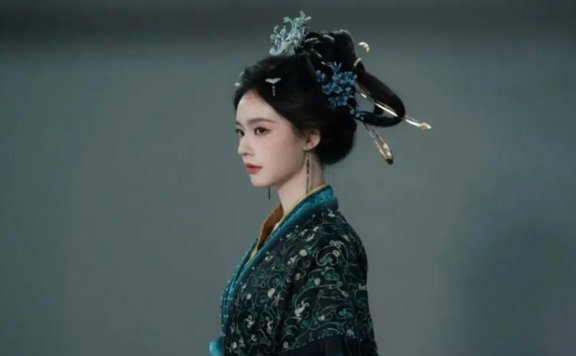
The recent unveiling of actor Lin Yun's (林允) official look for the upcoming historical series The Road to Glory (归鸾) has sparked more than just casual discussion; it has ignited a wave of enthusiastic approval online. In an era where period dramas often favor fantasy-inspired, anachronistic designs, her ensemble stands out for its deliberate grounding in the historical aesthetics of the Wei and Jin dynasties. This choice resonates deeply with an audience increasingly weary of generic "Xianxia" (仙侠) fairy costumes that, while visually pleasing, lack cultural roots. The design philosophy here is clear: true ethereal beauty stems from historical authenticity, not from arbitrary layers of sheer fabric and elaborate hair ornaments. Lin Yun's look, therefore, is being celebrated not merely as a pretty costume, but as a statement of intent—a call for costume design to reconnect with its source material. The Silhouette of History The core of the ensemble is a Banxiu Ruqun (半袖襦裙), a style of short-sleeved jacket and skirt that adheres closely to Wei-Jin tailoring. The wide sleeves and crossed collar are classic elements, but the inclusion of the documented "half-sleeve" design is a meticulous touch. The skirt, constructed from trapezoidal fabric panels, creates a unique, fluttering movement… -
Have TV Dramas Finally Gotten Historical Makeup Right?
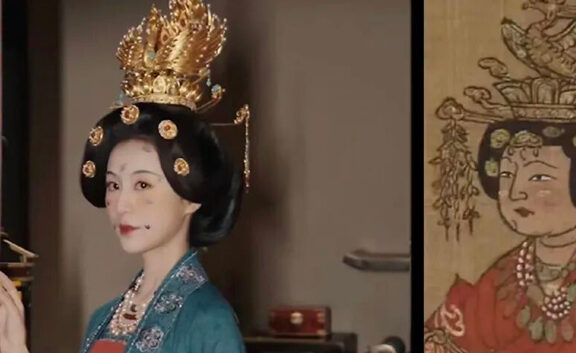
The recent period drama Swords into Plowshares (太平年) sparked lively online debate, but not for its plot or performances. Instead, viewers were captivated—and often baffled—by the wedding makeup. Actress Zhou Yutong’s (周雨彤) character appeared with intricate patterns adorning her face, resembling an array of tiny, artful moles. While some fans praised the bold look, others questioned its historical accuracy and aesthetic appeal, with comments ranging from "This makeup made me laugh" to "This is too garish." This intense reaction highlights a growing public interest in the authenticity of historical costuming. Behind the modern scrutiny lies a legitimate ancient practice, offering a rare glimpse into the extravagant beauty ideals of a bygone era. The Historical Face Chart The distinctive facial patterns are not a modern stylist’s fantasy. They faithfully recreate a specific cosmetic tradition known as Mian Ye (面靥), which flourished from the late Tang dynasty into the Five Dynasties period. Far from random decoration, these designs carried deep symbolic meaning. Artisans and wearers used materials like dried flowers or delicate gold leaf, adhering them to the skin with adhesives such as fish glue. Different shapes held different names and connotations: Hua Ye (花靥) for floral motifs, Niao Ye (鸟靥) for… -
Cheng Yi’s Ming Dynasty-Inspired Regalia in Liang Jing Shi Wu Ri
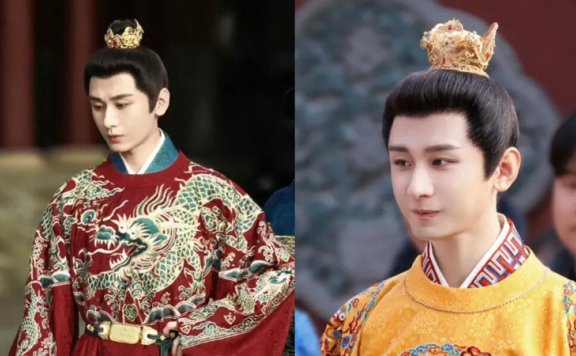
The recent reveal of actor Cheng Yi's (成毅) costumes for the upcoming historical drama Liang Jing Shi Wu Ri (两京十五日) has sent the Chinese internet into a deep dive. A particular photo showcasing his elaborate headpiece and belt sparked instant recognition among history enthusiasts. "I've seen that crown! In a museum!" exclaimed one comment, leading many to question: Are historical dramas finally getting the intricate details of court attire right? This focus on material accuracy marks a shift in production design, moving beyond sheer visual spectacle to engage with the tangible artifacts of China's past. The specific items in question are not mere fabrications but are inspired by prestigious Ming Dynasty relics, offering a fascinating glimpse into the world of imperial regalia and the strict sartorial codes that governed it. A Crown Fit for a King The headpiece attracting so much attention is modeled after the Double Dragon Cavorting with Pearl Ribbon Crown, a significant artifact. This crown holds the distinction of being Object No. 1 at the Hong Kong Palace Museum, the first item officially accessioned into its collection. It was part of a monumental donation of 946 ancient gold and silver items from the Mengdiexuan collection. The original… -
Ancient Chinese Men's Accessories Through Dynasties
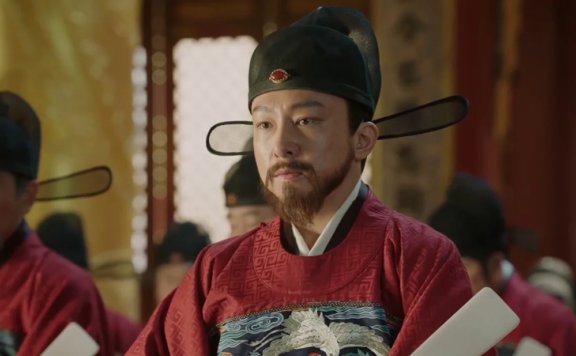
When we picture historical adornment, the image is often feminine. Yet across China's long history, a man's accessories were far from an afterthought. They were a deliberate language, speaking volumes about his identity, virtue, and place in the world. These objects—worn at the waist, on the head, or in hand—served as keys to understanding the wearer. More than mere decoration, they were embodiments of cultural values, evolving with each dynasty to reflect shifting ideals of masculinity, power, and taste. From the resonant chime of Jade to the functional elegance of a belt, these items composed a silent visual code. This exploration moves beyond simple cataloguing to listen to the stories these objects tell about the men who wore them and the eras they defined. The Language of Jade The deep connection between Chinese gentlemanly ideals and jade began early. The saying "a gentleman never parts with his jade without reason" underscores its role. During the Qin and Han dynasties, jade was the paramount material for male adornment, symbolizing moral integrity. A nobleman's ensemble often featured a Zu Yu Pei (组玉佩), a set of jade plaques suspended from the waist. Their gentle, rhythmic clinking was intentional; it was meant to regulate… -
Zhou Ye Wows in Starlight Black Dress With Dazzling Stylistic Shift
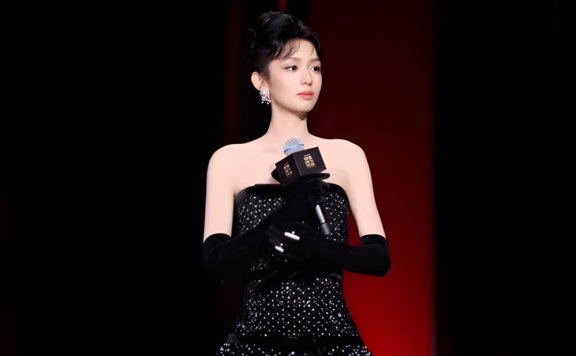
Social media platforms recently lit up, not with celestial bodies, but with images of actress Zhou Ye (周也). The buzz surrounded a single, transformative appearance where she shed her well-known persona for something entirely different. This was not the familiar, sweet-faced starlet, but a vision of cool, sophisticated elegance that marked a definitive departure. The catalyst for this conversation was a breathtaking black gown, a garment that did more than clothe its wearer—it announced a new chapter. The striking visual shift prompted fans and fashion critics alike to reassess her artistic trajectory, questioning whether this was a mere momentary style or a sign of deeper evolution. The Anatomy of Elegance At the heart of this transformation was the dress itself. A strapless column of black, its surface was a meticulously crafted night sky. Countless silver crystals, heat-set into the fabric, caught the light with a subdued, star-like twinkle. From a distance, the effect was of a seamless, shimmering galaxy; up close, the intricate craftsmanship revealed itself. The clean, classic lines of the bodice highlighted Zhou Ye's collarbone and shoulders, framing her features with timeless grace. This foundation of modern glamour was anchored by a decidedly retro accessory: a pair of… -
Zhao Jinmai Shines in Gold Scale Gown
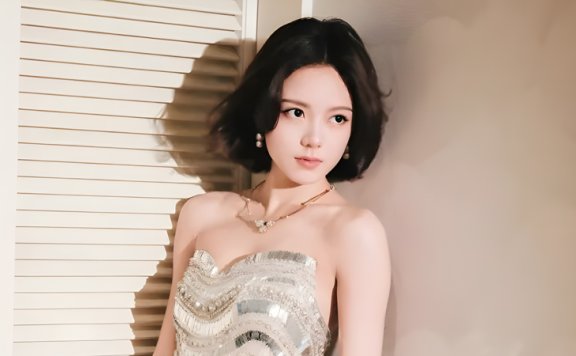
In a dazzling display of transformative style, young actress Zhao Jinmai (赵今麦) recently captivated the fashion world. She stepped out in a stunning silhouette that fused retro glamour with futuristic flair: a shimmering gold scale-patterned gown. The look, featuring a sleek bandeau top and a short, chic bob hairstyle, radiated an aura of sophisticated charm. It was a bold departure from her usual youthful image, signaling a confident stride into a more mature yet vibrant aesthetic. This wasn't just another red carpet appearance; it was a statement. The gown's intricate design and her poised presentation created a powerful visual narrative, instantly setting social media ablaze with admiration and analysis. It marked a pivotal moment in her evolving public persona, demonstrating how a single, well-executed outfit can become a cultural talking point. The Dress: A Modern Armor The centerpiece of the look was the gown itself—a masterpiece of texture and light. Constructed on a classic black dress foundation, it was entirely transformed by thousands of overlapping metallic scales. Each scale acted like a tiny mirror, catching and throwing light with every movement to create a liquid, molten-gold effect. The bandeau cut presented a clean, sharp line that elegantly framed her shoulders… -
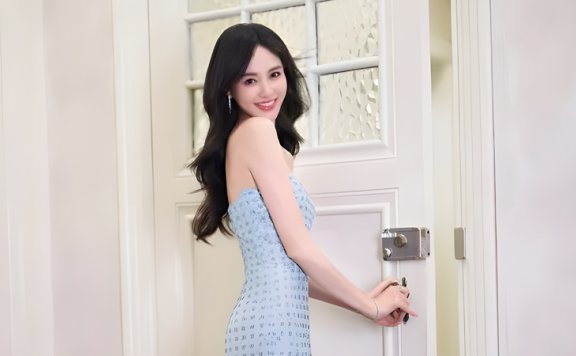
Tang Yan Embraces Ice-Blue Muse Aura in Sequin-Embellished Gown
When images of actress Tang Yan (唐嫣) in a shimmering ice-blue gown flooded social media, they did more than capture attention—they told a story. This wasn't merely a red carpet appearance; it was a statement of evolved grace. In an industry where trends flicker and fade, her ability to consistently present a refined, authentic image has cemented her status as a style icon. Her latest look serves as a perfect lens through which to view her journey from a popular actress to a symbol of sophisticated womanhood, reflecting a personal narrative that resonates far beyond the flashbulbs. The Blue Muse The specific dress that sparked admiration is a masterclass in balanced design. The ice-blue hue, reminiscent of glacial waters, complements Tang Yan's serene demeanor perfectly. Its Moxiong (抹胸) or sweetheart neckline showcases her collarbone and shoulders with elegant discretion, avoiding overt exposure for a more refined effect. The body-skimming silhouette honors her natural figure, proving that powerful style often lies in precise, respectful tailoring rather than dramatic excess. Details transform the gown from beautiful to memorable. The delicate sequins catch light like scattered frost, offering a subtle sparkle that avoids any hint of gaudiness. This careful modulation of shine demonstrates… -
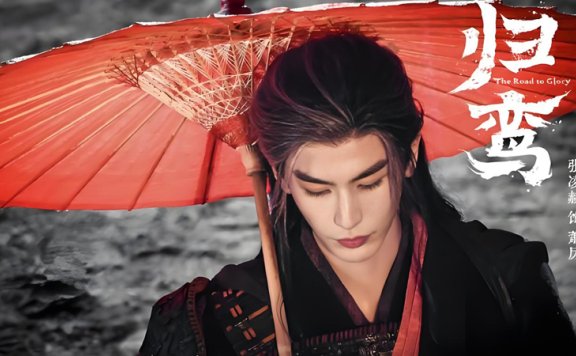
8 Unreleased Epics: Ancient Power & Untold Stories
Step beyond the ornate palaces and into the fractured, ambitious heart of ancient realms with this season's most anticipated historical dramas. This collection of eight series offers a masterclass in narrative diversity, reimagining the past through lenses of gritty political ascent, supernatural destiny, and intellectual rivalry. From the war-torn docks where a bandit king forges an empire with a vengeful princess in The Road to Glory, to the mystical courts where a blind hostage's songs unveil terrifying futures in Chasing Dream, these stories are united by complex characters defying their fates. Whether it’s the meticulous craft of ink-making becoming a woman's weapon in Zhen Niang Zhuan, or two modern souls using office politics to survive a deadly palace in How Dare You, each drama promises a unique entry point into richly woven worlds. Prepare for journeys where love is tempered by strategy, legacy is fought for in markets and mansions, and history becomes a playground for suspense, revenge, and revolutionary partnerships. The Road to Glory (归鸾) Period Background: A fictional era of warring states and fractured dynasties Genres: Political Intrigue, Revenge, Warfare, Romance Main Roles: Zhang Linghe (as Xiao Li), Lin Yun (as Wen Yu) Adapted from: Original script The… -
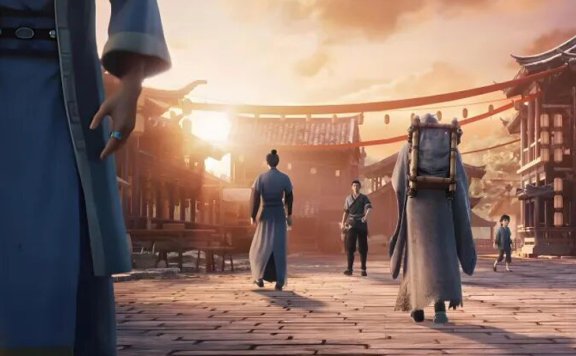
Why the Old Scholar Took the Jade Hairpin in Sword of Coming 2
In the latest episode of the popular animated series Sword of Coming 2 (剑来2), a simple yet profound act sends ripples through the story. The revered Old Scholar takes back a jade hairpin, a gift from the esteemed Qi Jingchun (齐静春), from the young protagonist Chen Ping'an (陈平安). On the surface, this seems like a cold, even harsh, withdrawal of favor. But this is no act of caprice. It is, in fact, a masterstroke of mentorship, a deliberate move in a grand strategy concerning survival, character, and legacy. By removing this symbolic token, the Old Scholar isn't abandoning his disciple; he is setting the stage for Chen Ping'an's most crucial test yet. A Calculated Removal The hairpin was more than an accessory; it was a beacon. As the acknowledged successor to the Old Scholar's lineage, Chen Ping'an wearing it marked him as a prime target in the treacherous world of cultivation. With the aftermath of the Li Zhu Cave Heaven (骊珠洞天) incident still unsettled, numerous factions watch with hostile intent. The hairpin, a symbol of protection, paradoxically became his greatest liability. The Old Scholar's action strips Chen Ping'an of this dangerous visibility. It forces him to step out from under… -
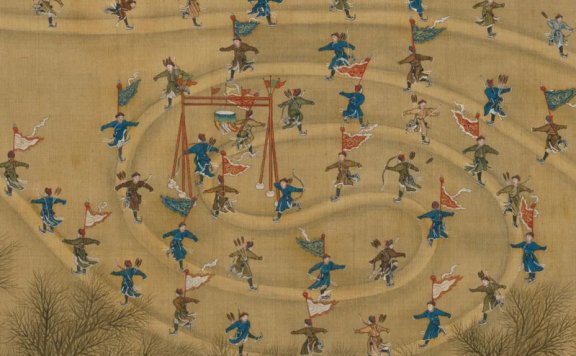
Emperors on Ice: Imperial China's Winter Spectacles
Today's ski resorts and ice rinks represent a globalized winter culture. Yet, centuries before modern arenas, the frozen waterways of imperial China hosted a world of vibrant and sophisticated winter sports. Far from a modern invention, organized ice activities were a dynamic part of life, evolving from military drills to grand state ceremonies. This is not a story of simple recreation, but of a deep-seated cultural ingenuity that transformed barren, frozen landscapes into stages for athleticism, artistry, and imperial power. 1. Qiang Deng (抢等) Imagine the crack of a signal cannon echoing across a frozen imperial lake. This was the start of Qiang Deng, a fierce speed skating contest that served as the precursor to modern short-track racing. Originally a military exercise for the Eight Banners armies to maintain winter readiness, it became a highlight of the annual Bingxi (冰嬉) ceremony. Emperor Qianlong (乾隆) elevated these ice games to a "national custom," with grand reviews held on the frozen waters of Beihai (北海) and Zhonghai (中海) in Beijing. Competitors, selected from elite "Ice Shoe Battalions," wore early iron-bladed skates. Bending forward for aerodynamics, they propelled themselves across the ice with poles, striving to be the first to cross the distant… -
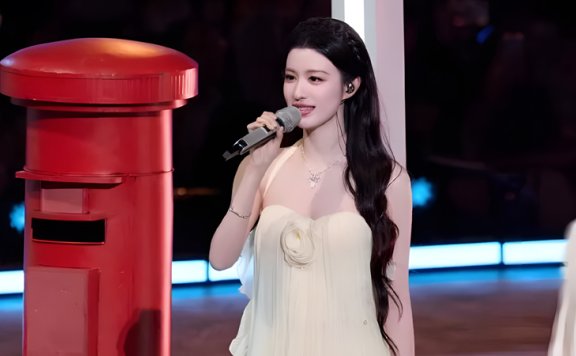
Who Is the Real Wang Churan?
On a sun-dappled spring day, a splash of buttercream yellow stopped social media scrolls in their tracks. Actress Wang Churan (王楚然), posed by a vintage red mailbox, was not just wearing a dress; she was embodying a mood. The image, radiating a blend of sweetness and sophisticated ease, sparked immediate fervor. Dubbed a "French soft gauze" aesthetic, the look transcended a mere outfit to become a talking point about modern femininity, personal style evolution, and the image of a rising star in China's entertainment landscape. What is it about this particular moment that captured such attention? Anatomy of a Viral Moment The dress itself was a masterclass in balanced design. A buttercream yellow bustier gown flowed into a skirt of delicate tulle, its lightness created through meticulous layering and gathering. Scattered three-dimensional rose details added a touch of romantic craft, while an asymmetrical hemline with cascading ruffles introduced movement and a playful spirit. This avoided any risk of the saccharine, instead offering dynamic elegance. Critical to the look's success were its stylistic contrasts. The gentle draping of the fabric was offset by the structured, figure-flattering neckline. A delicate diamond necklace highlighted the exposed collarbones and shoulders, adding a layer of… -
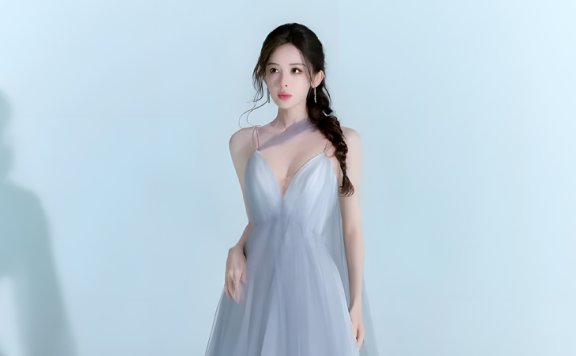
What Makes Na Zha's Misty Blue Gown So Ethereal?
When actress Na Zha (娜扎) recently appeared in a series of photographs, the internet collectively paused. The images did not merely showcase another celebrity in another beautiful dress; they presented a masterclass in a specific, captivating aesthetic. The focus was a gown of misty blue, a color that seems spun from early morning haze over a distant mountain lake. This was not simple glamour, but a calculated embodiment of a feeling—a blend of celestial grace and an almost tangible, human softness. The look immediately sparked widespread admiration, with fans and fashion observers alike dissecting its components. What exactly about this ensemble, from its silhouette to its subtle styling choices, crafted such a powerful and resonant vision? The answer lies in a delicate balance between contrasting elements, a balance that reflects both a personal style evolution and a deeper, almost instinctual, cultural resonance. The Anatomy of a Look The gown itself is the cornerstone. Its V-neck bodice and delicate spaghetti straps frame the collarbone and shoulders with elegant precision, suggesting classic Hollywood glamour. However, this familiarity is cleverly subverted by an asymmetric halter detail on one shoulder. This single design choice disrupts expectation, introducing a modern, almost architectural twist to the… -
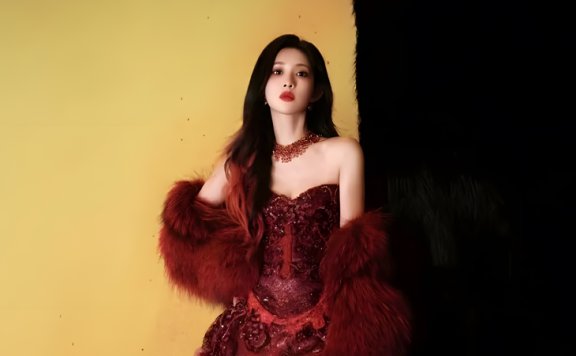
Meng Ziyi’s Stage Style: Art That Commands the Arena
The spotlight narrows, the music swells, and for a performer, the moment before stepping into view is charged with potential. What they wear is never merely clothing; it is the first note of their performance, a visual overture that sets the tone for everything that follows. A truly powerful stage ensemble functions as both armor and art, transforming the artist and captivating the audience before a single word is sung. It’s a deliberate fusion of personal identity, thematic storytelling, and raw visual spectacle, engineered to resonate under the punishing glare of stage lights and from the back row of a massive venue. When executed flawlessly, the look ceases to be a costume and becomes an extension of the performance itself, a crucial character in the night’s unfolding drama. Anatomy of Impact Deconstructing a memorable look reveals a calculated science beneath the artistry. Every element, from palette to texture, serves a strategic purpose. Consider a palette of crimson and jet. The red, deep and magnetic, immediately draws the eye and radiates a bold, passionate energy. Against this, stark black provides grounding and contrast, introducing an edge of modern sophistication and power. This interplay is classic for a reason: it creates a… -
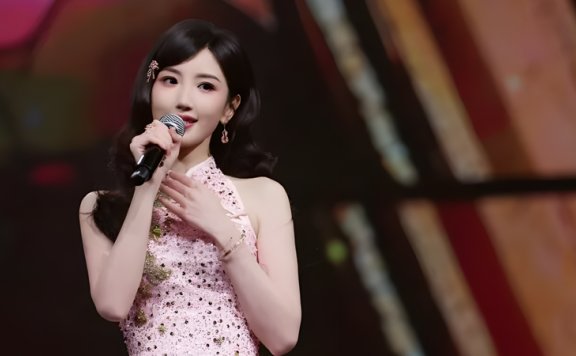
Mao Xiaotong’s Pink Qipao and China Chic
At a recent event, actor Mao Xiaotong (毛晓彤) did not simply walk onto the stage; she arrived as a statement. Her outfit, a blush-pink cheongsam meticulously embroidered with shimmering crystals, instantly captured the spotlight and the imagination of the audience. This was not a costume from a period drama, but a bold, contemporary statement declaring the vibrant future of Chinese aesthetic heritage. It perfectly encapsulated the "Sweet-Spicy" trend—a style that blends the demure elegance of tradition with the confident flair of modern fashion. In one look, she demonstrated how historical garments can converse with the present, offering a template that is both respectful of the past and thrillingly new. Deconstructing the Dream The genius of the gown lies in its detailed dialogue between old and new. The foundational language of the cheongsam is present and correct: the elegant mandarin collar, the classic side fastening, and the body-skimming silhouette that celebrates feminine form. The fabric itself is a masterstroke. The soft pink hue evokes youthful sweetness, while the myriad of hand-sewn crystals transforms it into a celestial map, catching light with every movement. A subtle flash of gold-and-green embroidery at the side adds a regal touch, a nod to intricate traditional… -
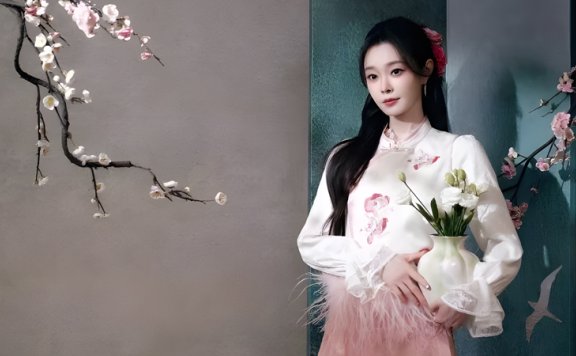
How Did Song Yi's New Chinese Outfit Ignite a Fashion Style?
When actress Song Yi (宋轶) recently appeared in a stunning New Chinese Style ensemble, the internet erupted with admiration. Her look, featuring a pink-white embroidered blouse with a ruffled collar and a misty pink satin skirt, evoked the grace of a classical Chinese beauty while radiating contemporary charm. Accessories like a delicate hairpin, a celadon vase, and bow-adorned shoes completed the vision of a refined gentlewoman from a scholarly family. This outfit wasn't just clothing; it became a symbol of how traditional aesthetics can seamlessly merge with modern design, captivating fashion enthusiasts and cultural observers alike. The immediate viral response highlighted a growing fascination with styles that bridge historical elegance and present-day creativity, setting the stage for a deeper exploration of this trend. Design Details The brilliance of Song Yi's attire lies in its meticulous details. The blouse's embroidery features flowing patterns that showcase artistic craftsmanship, with the ruffled collar and lantern sleeves adding a touch of ethereal movement. The skirt's drape and subtle side embroidery align with Eastern aesthetics, accentuating a slender silhouette. Color coordination in soft pinks and whites creates a gentle, sweet palette that complements the overall theme. Designers often draw from classical paintings and textiles, reimagining…